
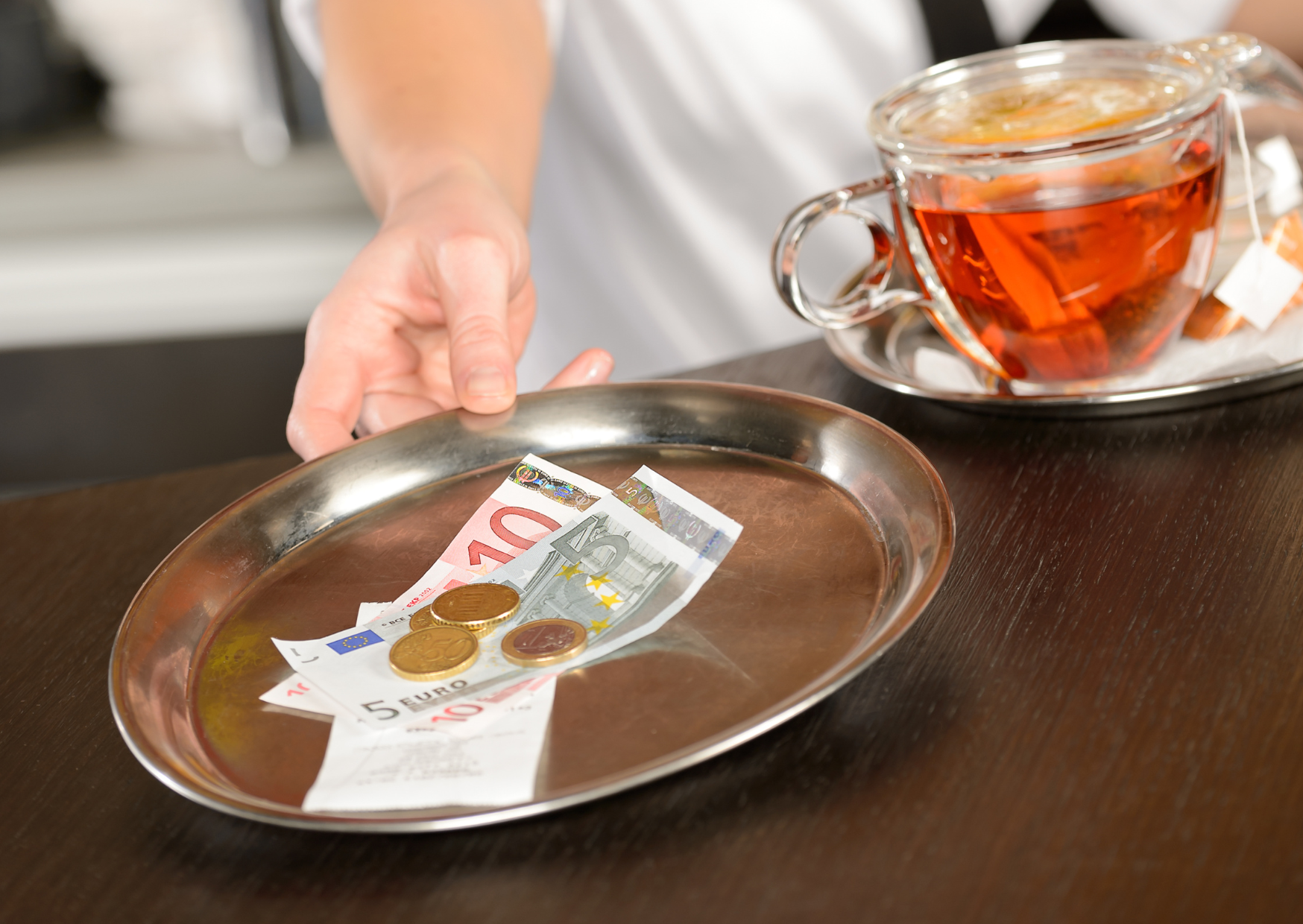
You reach for the card machine in Munich, the screen flashes suggested tips, and you press twenty because that is what you do at home. The server smiles politely, the table looks puzzled, and you walk out wondering why the room felt awkward. In Germany, a big American tip does not say generous. It often says you do not know the rules.
Spend a week eating in Berlin bistros, Swabian wine bars, and lakefront cafés. You will hear the same phrases at the end of a meal. “Zusammen oder getrennt,” which means one bill or separate. “Machen Sie dreißig,” which means round it to thirty. “Stimmt so,” which means keep the change. What you will not see very often is a tidy twenty percent added to the line like in the United States.
The difference is not stinginess. It is structure. Menus are priced to pay staff wages, tipping is optional and modest, and the gesture is done out loud rather than scribbled on a slip. Rounding up a few euros or adding five to ten percent for good service is normal. Twenty percent, outside of very high end dining or unusual care, reads as a misunderstanding of the system or a performance for the table.
If you want to move like a local and still treat people well, learn the math Germans actually use and the language that goes with it. The result is calmer for you, clearer for the staff, and fair in the context of how restaurants work here.
Want More Deep Dives into Other Cultures?
– 9 Italian Style Rules That Instantly Outshine American Fashion
– Why Europeans Walk Everywhere (And Americans Should Too)
– How Europeans Actually Afford Living in Cities Without Six-Figure Salaries
– 9 ‘Luxury’ Items in America That Europeans Consider Basic Necessities
What tipping actually looks like in Germany
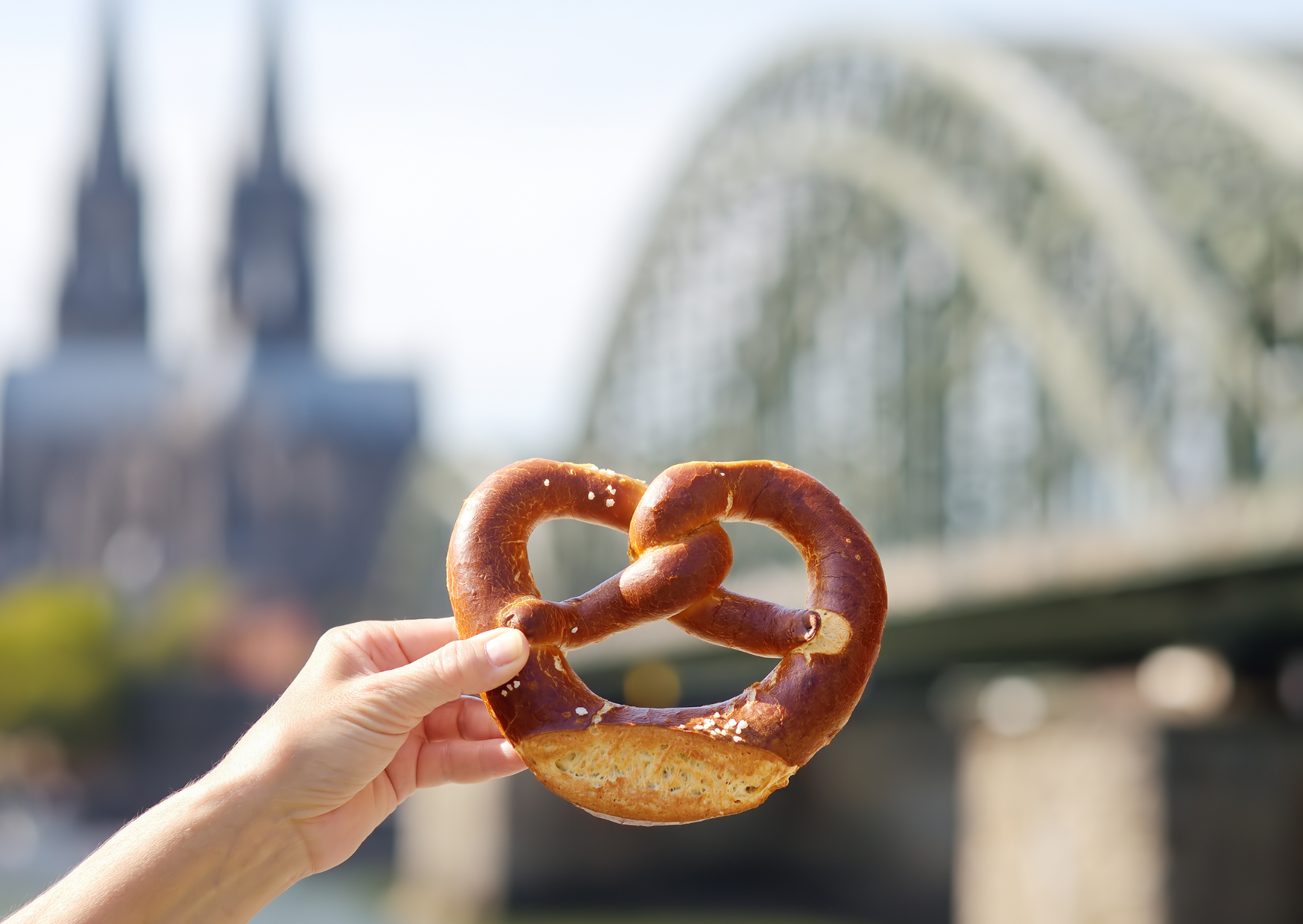
Rounding up is normal. In cafés and casual spots, people add one or two euros or round to the next even number rather than calculate a percentage. On a 18 euro lunch, locals might say “Machen Sie zwanzig,” round it to twenty. On a 3.60 espresso at the bar, they might leave four. Guides published in Germany point to a modest five to ten percent in sit down places, often delivered by rounding rather than a formal line item.
Five to ten percent at restaurants, not a fixed tax. For table service that was attentive, five to ten percent is common. If the bill is 48, many guests say “Machen Sie fünfzig” or “Machen Sie dreiundfünfzig.” Ten percent is already generous in many rooms. There is no obligation to tip on self service, takeaway, or a quick drink at the standing bar. Locals reserve tips for service, not for every transaction.
Cash or a spoken total, not a tip line. You do not leave coins on the table and walk away. You hand the payment to the server, say the total you want to pay, and let them bring change. If you pay by card, you still speak the final amount before the server keys it in, or you say “Stimmt so” after they name the change. The language matters as much as the number.
Why twenty percent reads wrong to locals
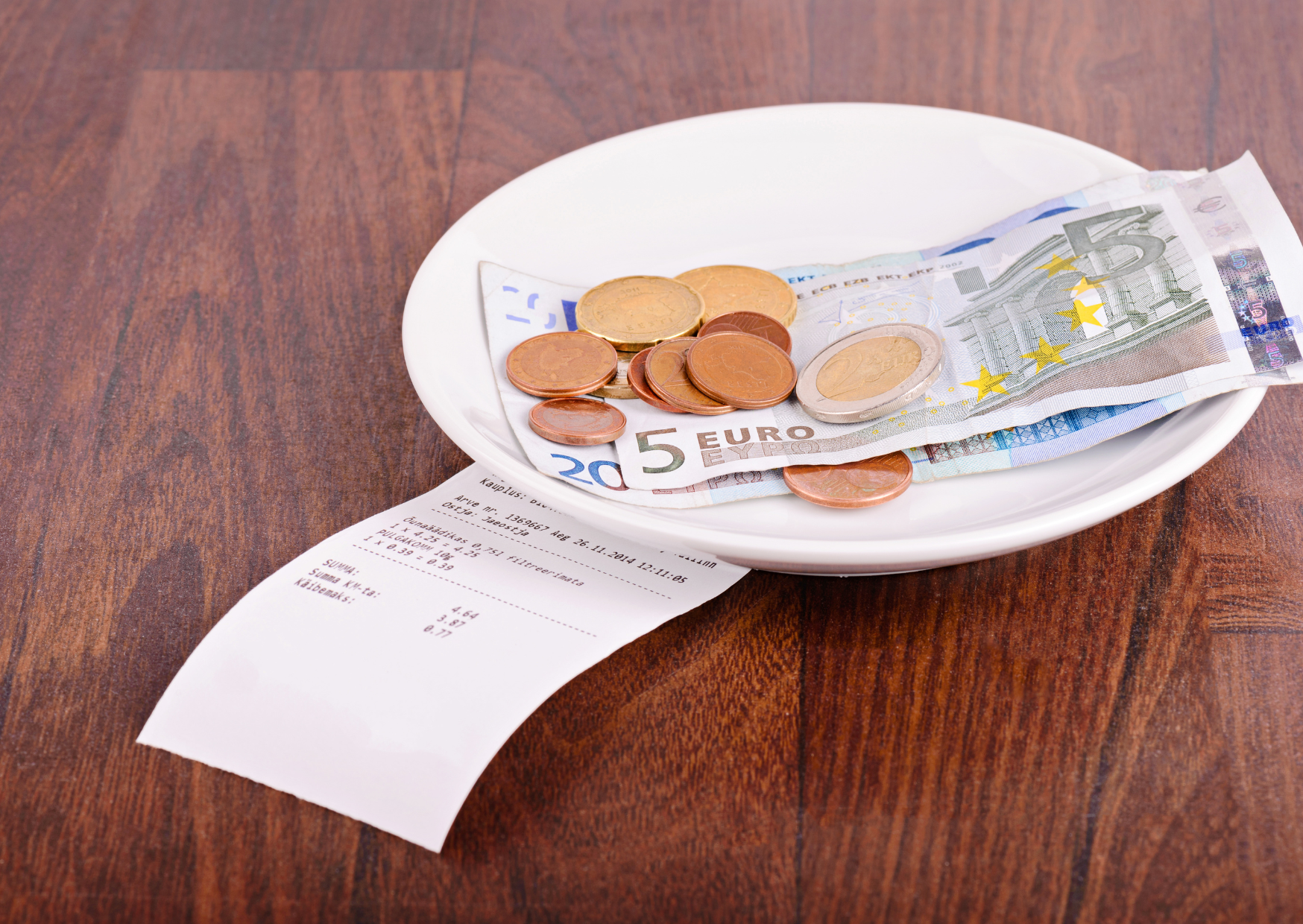
It signals you do not know the system. German hospitality culture expects staff to be paid primarily by wages and menu prices, with tips as a thank you, not as a wage supplement. When you tip at American levels in an everyday setting, many people read it as confusion about how service is priced here. You meant generous. The room often hears uninformed. Guides that serve international readers consistently frame German restaurant tips as optional and modest rather than mandatory and large.
It can feel like status performance. Rounding a 42 euro dinner to 46 says “thank you, that was nice.” Pushing it to 50 or 52 says “that was very nice.” Throwing 60 on 42 in a neighborhood place can look like a display, especially if the table makes a show of it. Locals use tips as a quiet signal. Large American style tips sometimes read as showing off, particularly in mixed company or small rooms where the number is obvious to everyone.
The tax and pooling context is different. Tips that are given voluntarily to an employee are tax free to that employee in Germany. If a payment is routed to the business or pooled and distributed by the employer, different rules can apply. A very large tip on a card can tip the situation into administration rather than a simple thank you. The point is not that your generosity is unwelcome. It is that the structure assumes small, direct gifts, and outsized amounts create questions the system is not built to solve.
How to tip the German way without undervaluing service

Speak the total out loud. Hand over cash or a card and say the number you want to pay. If the bill is 27.60 and you want to tip to 30, say “Dreißig bitte.” If it is 47 and you want to pay 52, say “Zweiundfünfzig bitte.” If you hand cash that exceeds the bill and say “Stimmt so,” you are telling them to keep the change. This is the most common script, and it feels smooth once you do it twice.
Use the small math locals use. Here is how the table does it. Ten to eleven euros becomes twelve. Nineteen becomes twenty one or twenty two. Thirty two becomes thirty five. Forty nine becomes fifty three or fifty four. If service was excellent, stretch to the top of that range. If it was ordinary, round gently. That pattern will keep you in the local lane everywhere you eat.
Match the venue. At cafés, bars, and bakeries, rounding a euro or two is enough. At mid range restaurants with full table service, five to ten percent is normal. At fine dining, where courses are paced for hours and the team does detailed service, a higher tip is accepted and understood. Context tells you where you are. A cozy Kneipe is not a Michelin room, and the gestures are scaled accordingly.
Card readers, service charges, and the new prompts
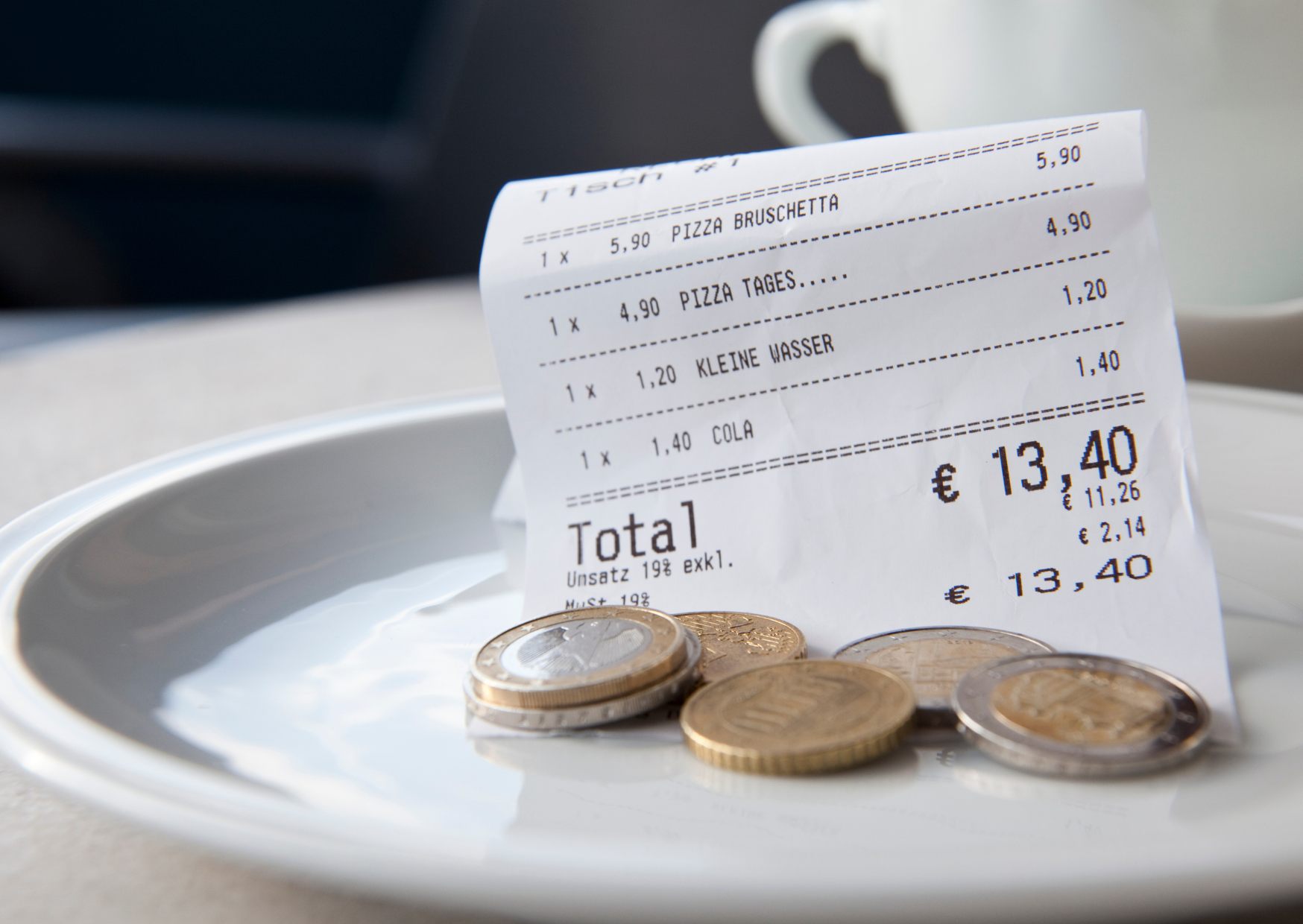
Reader prompts are suggestions, not rules. Since the pandemic, more card terminals display suggested tips, sometimes as high as twenty. Those prompts are not a law and they are often configured by the payment provider rather than the restaurant. Locals feel free to enter a custom amount or to tip nothing if service was poor. Choose the amount that fits German norms rather than the highest button.
Service charge lines mean something else here. If you see “Bedienung” or a service line on a bill, it usually means a service charge is included in the price or has been added by the house, and it flows through the business, not directly to the server. You can still tip if you wish, but you are not failing a test if you do not add much on top. The point of the line is transparency about pricing, not a tip trigger.
Cash still travels faster to staff. You can tip on a card in many places, and it has become common, but cash is still the most direct way to hand a small thank you to the person who served you. Berlin tourism guidance still suggests cash where possible. If you prefer cards, speak the final amount so the staff can key it in, then watch the terminal total before you enter your PIN or tap.
Edge cases tourists ask about
Fine dining and large groups. At tasting menu restaurants, at chef’s counters, and when a team has orchestrated a long evening, a tip at the top of the German range is welcome. Ten percent is common, more is not shocking in that narrow world, and it will not read as a misunderstanding because the care is unusually high. For large groups in casual places, keep to the normal math and round the final table bill cleanly so servers are not making change for ten people.
Hotels, taxis, and hairdressers. In taxis and ride services, rounding up a euro or two is usual. In hotels, a couple of euros for housekeeping per night is polite, and a similar amount for the concierge if they did real work for you. For hairdressers, five to ten percent is normal when you are happy. Again, small and direct works. The person who helped you should receive it, handed to them or placed with a thank you.
When not to tip. At self service counters, bakeries, and food trucks where no one is waiting on your table, tipping is not expected. If a venue is aggressively prompting for tips on every small purchase, locals often decline. A tip in Germany is a signal for service, not a flat surcharge on life. If service was truly poor, it is acceptable to pay the bill and leave nothing. That choice communicates clearly without a lecture.
What this mindset changes for travelers
You stop paying a tourist tax. Once you match local numbers, you keep euros in your budget for what Germany does best, like another glass of Riesling or a museum ticket. Big American tips in everyday rooms add up fast, and they do not buy you goodwill in the way you might imagine. They buy confusion.
Servers read you as respectful, not performative. Quiet, appropriate tips say you understand how the room works. That respect lands better than using a large tip to solve every small discomfort. If service was wonderful, tell them, then add a little on top of the normal range. The combination lands stronger than a number alone.
The end of the meal becomes easy. When you have the words and the math, payment is quick and smooth. You say the total, you smile, and you leave a table that is still relaxed. In a country that values order and clarity, that is the right note to end on.
If you love rewarding great hospitality, Germany gives you a way to do it that fits the culture. Speak the total, round with intention, and keep twenty percent for the rare nights that truly deserve it. Most of the time, the right number is smaller, and the gesture is clearer.

About the Author: Ruben, co-founder of Gamintraveler.com since 2014, is a seasoned traveler from Spain who has explored over 100 countries since 2009. Known for his extensive travel adventures across South America, Europe, the US, Australia, New Zealand, Asia, and Africa, Ruben combines his passion for adventurous yet sustainable living with his love for cycling, highlighted by his remarkable 5-month bicycle journey from Spain to Norway. He currently resides in Spain, where he continues sharing his travel experiences with his partner, Rachel, and their son, Han.