
(What a Dutch “huwelijkse voorwaarden” really covers, why courts enforce it, and how the structure protects homes and businesses)
Walk into a Dutch notary’s office and you will not hear arguments about whether a prenup is romantic or rude. You will hear clear terms, statutory language, and a signing ceremony that looks closer to a property closing than a private promise. The document is not a side letter. It is a notarial deed, logged in a public register, and written to be used. That formality is why many American attorneys describe the Dutch approach as the closest thing to “bulletproof” you can get in private family law.
The point is not that every couple signs one. Plenty marry under the default regime. The point is that when Dutch couples do sign, they use a tool that is precise, public, and easy to apply years later without a courtroom brawl. If you are planning a binational marriage, or you simply want a model that actually works, this is the format to study.
Want More Deep Dives into Other Cultures?
– Why Europeans Walk Everywhere (And Americans Should Too)
– How Europeans Actually Afford Living in Cities Without Six-Figure Salaries
– 9 ‘Luxury’ Items in America That Europeans Consider Basic Necessities
What a Dutch prenup is in plain language

A Dutch prenuptial agreement is a huwelijkse voorwaarden, a set of property rules that override the default marital regime. It is created as a notarial deed by a civil law notary, then registered so third parties can rely on it. The deed can exclude shared property altogether, set periodic settlement rules for income, or fix a final settlement at divorce or death.
The strengths are structural. A Dutch prenup sits inside a civil code system with standard clause types, public registration, and clear defaults if a couple forgets to do annual settlements. That means fewer fights about what the paper means and more predictability when life gets messy. In practice, that is what most people need.
Key features to notice: notary drafting, public registration, codified clause models. Those three ingredients do most of the protective work.
The default since 2018, and why prenups still matter

On 1 January 2018 the Netherlands moved from universal community of property to limited community of property. Anything you owned before marriage stays yours, and gifts or inheritances remain separate, while assets and debts built during marriage are shared. For many couples that is enough. For others, especially owners of companies or people entering a second marriage, a prenup is still the safer path.
The reason is simple. A notarial prenup can exclude business assets, clarify debt responsibility, and set settlement formulas that match how the couple actually lives. The default regime cannot do that with the same precision. If you want to ring-fence a startup, protect family shares, or keep premarital rental property separate with clean accounting, you use a deed.
What changes after 2018: premarital assets stay separate, gifts and inheritances stay separate, new assets join the common pot. If that still leaves too much ambiguity, a prenup cleans it up.
Why courts treat Dutch prenups as enforceable

Dutch prenups owe their strength to the way they are made. They must be executed before a civil law notary, who verifies identities, explains the consequences, and drafts in statutory language. The notary then registers the deed in the matrimonial property register, so creditors and counterparties can see the regime that applies.
That formality gives courts confidence. Judges start from the premise that a notarized and registered deed reflects informed consent, and they apply it unless doing so would be manifestly unreasonable under Dutch standards of fairness. The bar to overturn the document is high, and the pathway to apply it is straightforward.
Why this works: notarial execution, public notice to third parties, high threshold for ignoring terms. You are not arguing about disclosure months later, you are using a deed the state already recognized.
The three Dutch clause models couples actually use
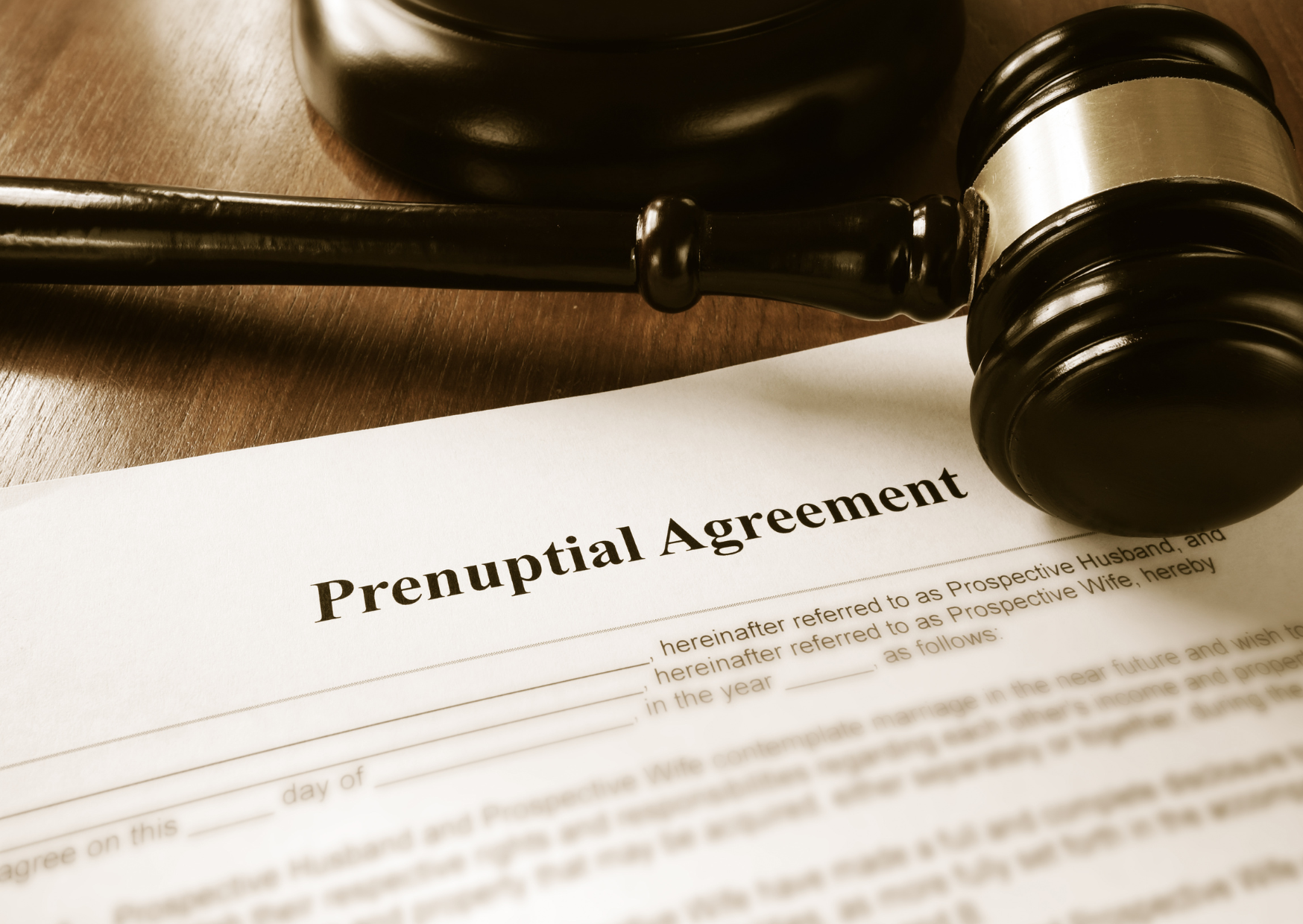
Most prenups mix and match from three families of clauses. The first is koude uitsluiting, a full separation of goods. Each spouse keeps assets and debts entirely separate during marriage and at the end. The second is a periodiek verrekenbeding, a rule to settle unspent income periodically. If the couple forgets to settle, the law treats the unused income as if it belongs in a shared pot when the marriage ends. The third is a finaal verrekenbeding, a final equalization at divorce or death, often mirroring community property for the closing event only.
These are not theory. Notaries use tested wording, courts see the same patterns, and accountants know how to apply them. For entrepreneurs, a hybrid is common, for example cold exclusion for business assets, periodic settlement for income, and final equalization for a fair exit at divorce.
What each does: separation of goods for day-to-day clarity, periodic settlement to share growth from income, final settlement as a backstop. You decide the mix based on your lives, not on a template you do not understand.
Protecting companies, family shares, and risky careers

If one spouse owns shares or runs a business, a Dutch prenup can keep the enterprise outside the marital pot while still sharing the fruits of success. The deed can state that pre-existing shares remain separate, that new shares acquired in exchange for separate assets stay separate, and that the increase in value tied to marital effort is addressed through income settlements or a calculated payout at the end.
This avoids two classic problems. First, a forced sale of a family firm just to perform a division. Second, a windfall to the non-owner spouse that ignores years of risk carried by the founder. In practice, the owner keeps the company intact and the other spouse receives value through the settlement machinery the deed describes.
Why entrepreneurs favor this: clear ring-fencing of shares, transparent value sharing, no fire sale of the business. The structure respects both the company and the marriage.
Maintenance, children, and what a prenup cannot decide

A Dutch prenup is about property and settlements. It does not control child custody or child support, and it cannot waive statutory maintenance in a way that leaves a spouse destitute. Dutch courts keep the power to review maintenance needs, and best interests of children always override private arrangements.
That boundary is healthy. It means property rules are strong, yet basic welfare protections remain in public hands. Couples can, however, describe process preferences for mediation and set practical cooperation rules for how information will be shared if the marriage ends.
Know the limits: no binding clauses about children, spousal maintenance stays reviewable, property only is where the deed bites. The hard edges are intentional.
How much it costs and how long it takes
Fees vary by region and complexity, but a simple deed with standard clauses often runs low four figures, while a complex business-heavy deed can rise from there. The notary will quote for drafting, explaining the terms, and registration, and will ask for documents on assets, debts, and any companies.
The time line is practical. After an intake meeting, the notary sends a draft, you make changes, and you schedule a signing appointment. Many couples complete the process inside a few weeks, and some do it faster if a wedding is near. Postnuptial agreements are also possible, yet they may require court approval in specific cases, which adds time and cost.
Expectations to set: budget a modest four figures, plan a few weeks for drafting and signing, bring documents so the deed is accurate. A clean file today prevents expensive ambiguity later.
Why American prenups fail more often than they should
American prenups are enforceable, yet they live under a different culture. Many rely on private drafting without registration, varied state standards, and litigation-sensitive language. Challenges often focus on duress, lack of disclosure, or unconscionability, and outcomes can differ sharply between states that follow the UPAA and states that do not. Even a well-made agreement can face years of argument before a court applies it.
The Dutch system avoids most of that churn by requiring notarial execution and public notice, by using codified clause families, and by letting courts fill gaps in predictable ways when a couple forgets to do periodic settlements. American practitioners who work internationally tend to admire this, not because it is romantic, but because it reduces friction for ordinary families.
What bites U.S. papers: no registration, late-stage pressure, fifty legal systems instead of one. The Dutch answer is boring by design, and boredom is exactly what you want here.
For binational couples, the law that should govern
If one of you is Dutch or you plan to live in the Netherlands, your deed should include a choice of law clause that points to Dutch law and, where relevant, a choice of forum for disputes. You should also consider the Matrimonial Property Regulation and the Rome III rules that decide which country’s law governs across the European Union. That way, your deed is not just correct in Amsterdam, it is portable when you cross borders inside Europe.
If you will also spend time in the United States, ask counsel to add a short U.S. compliance rider to help with state recognition. It will not turn a Dutch deed into an American one, yet it can address witness formalities and disclosures that some states expect, which reduces surprises.
Two safeguards to include: explicit choice of Dutch law, a short rider for U.S. recognition. That combination keeps your asset story coherent on both sides of the ocean.
What divorce looks like under a Dutch deed
When a marriage ends with a Dutch prenup in place, the steps are mechanical. You identify separate assets, you list any joint items created by the deed, you settle unspent income if periodic clauses apply, and you perform any final equalization described in the text. If the couple ignored a periodic settlement during marriage, a judge can treat the surplus income as if it should be shared at the end, which prevents one spouse from keeping everything by simply not doing the yearly math.
The result is less litigation about who gets what and more application of agreed rules. It does not make divorce painless. It makes the property part boring and fast, which is the highest compliment you can give a private agreement.
What you do at the end: separate what was never joint, settle the income pool, apply final equalization if written. You are not reinventing rules during a crisis, you are using instructions you wrote on a calm day.
Common mistakes Dutch drafting avoids

Three errors create most fights in other systems. The first is vague language, which invites litigation about meaning. Notarial Dutch deeds use defined terms and tested phrases that courts see every week. The second is hidden or partial disclosure. Dutch notaries insist on clear inventories of assets and debts and warn about the consequences of incomplete lists. The third is missing formalities, like no witnesses or improper notarization. In the Netherlands, the notary controls the form, so you do not lose your deed on a technicality.
You still need to think. If your income varies wildly, a periodic settlement that captures surplus, instead of a flat cash transfer, may be fairer. If you own a company, a business clause that protects the firm while sharing value is essential. If you expect an inheritance, a sentence ensuring it always remains separate avoids a later fight.
How Dutch deeds prevent drama: precise language, full inventories, strict formality at signing. Most of the pain is removed before the wedding day.
How Americans can copy the parts that matter
You do not need a Dutch passport to borrow the best practices. You can insist on independent counsel for both parties, a full asset and debt schedule, and clear settlement mechanisms for income during marriage and at divorce. You can sign early, not a week before the wedding, and you can notarize with witnesses even if the state does not force you to, which undermines later claims of pressure.
You can also make a public paper trail. While most U.S. states do not register prenups, you can create acknowledgment pages, affidavits of disclosure, and receipts for drafts and signing dates. It is not as strong as a notarial register, yet it shows a court that the process was open and careful.
Simple upgrades that travel well: two lawyers, two signatures, two disclosures, early signing with receipts, clear settlement math. Good process is its own shield.
What this means for your marriage and your money
A prenup should not be a bet on failure. It should be a plan for clarity. The Dutch version treats it that way, a public deed, a known format, and rules you can apply without breaking the family to pay for lawyers. If you need full separation, you can have it. If you want to share the growth that comes from your work while protecting a business or an inheritance, you can do that too.
The lesson is not to copy every clause. It is to copy the discipline. Put the terms in a formal deed, keep it publicly registered, build settlement mechanisms that fit your lives, and make sure each spouse gets real advice. You will never call that approach romantic. You will call it calm when you need it most.

About the Author: Ruben, co-founder of Gamintraveler.com since 2014, is a seasoned traveler from Spain who has explored over 100 countries since 2009. Known for his extensive travel adventures across South America, Europe, the US, Australia, New Zealand, Asia, and Africa, Ruben combines his passion for adventurous yet sustainable living with his love for cycling, highlighted by his remarkable 5-month bicycle journey from Spain to Norway. He currently resides in Spain, where he continues sharing his travel experiences with his partner, Rachel, and their son, Han.