
If you have ever toured a pretty street in Europe and wondered why every window has a box on top and slats that slide down at night, you did not discover quaint décor. You found the continent’s favorite home tool for sleep, heat, privacy, and quiet.
Walk any block in Madrid, Marseille, Munich, or Milan. Morning light, shutters up, cafés opening, street sweepers buzzing. Come evening, you will hear a soft clatter as the neighborhood pulls theirs down. Lights glow through pinpricks, the air cools, conversations fade. To Americans who grew up with glued-on faux shutters or thin blinds, it can feel theatrical. In Europe it is maintenance. The daily up and down is as routine as locking the door.
Here is a field guide to what you are seeing, why people close them every day, how they work in real apartments, and how to use them without feeling like you are sealing yourself into a cave.
Want More Deep Dives into Other Cultures?
– Why Europeans Walk Everywhere (And Americans Should Too)
– How Europeans Actually Afford Living in Cities Without Six-Figure Salaries
– 9 ‘Luxury’ Items in America That Europeans Consider Basic Necessities
What you are actually looking at
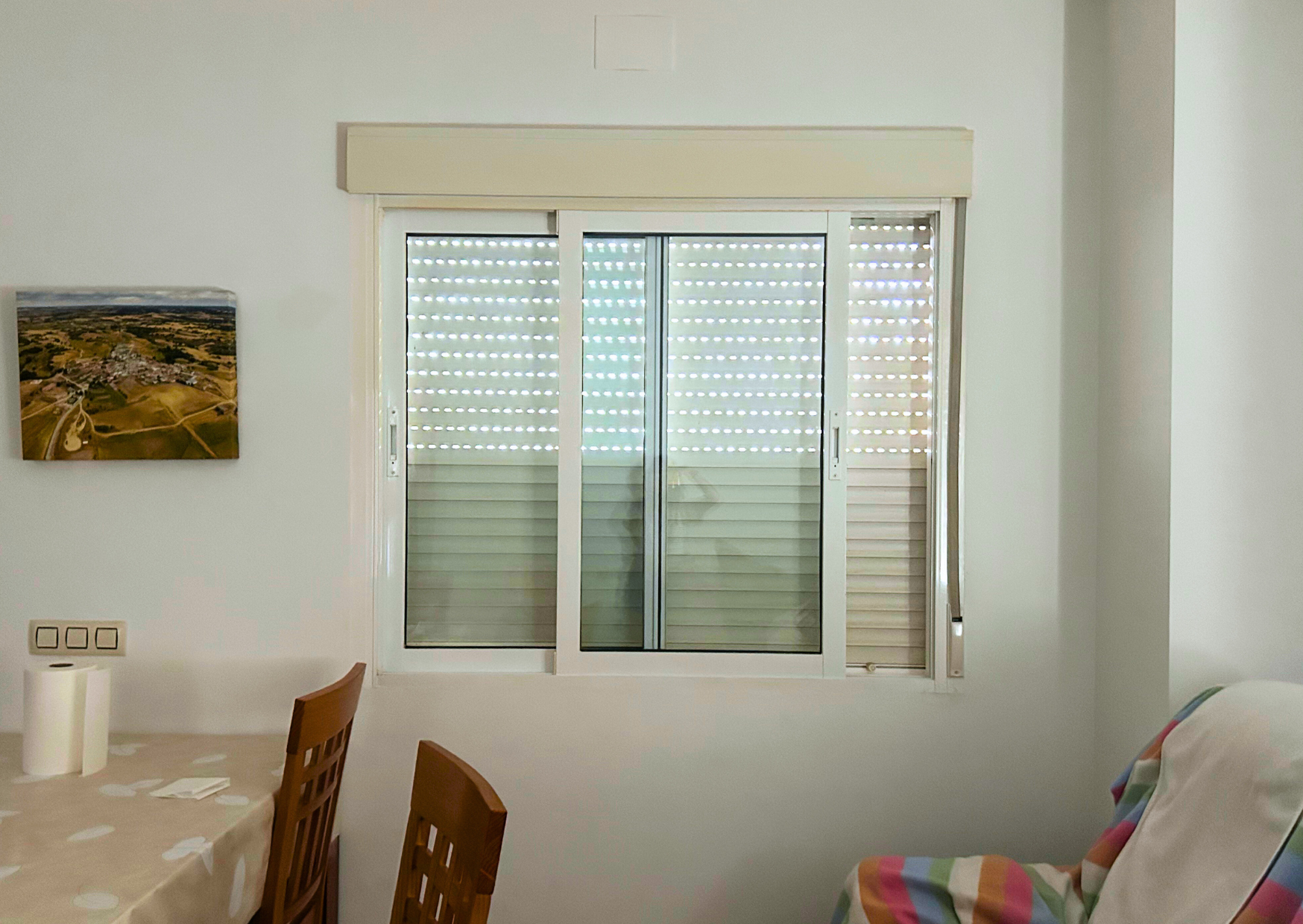
Most of those panels are not decorative at all. They are exterior shutters that move. In much of Southern and Western Europe you will see roller shutters that disappear into a box above the window and slide down on tracks. In older neighborhoods you will also see side-hinged shutters that swing shut like doors and latch across the frame. Italy calls the rollers tapparelle. Spain calls them persianas. France says volets roulants. Germany says Rollläden. The words differ. The function is the same.
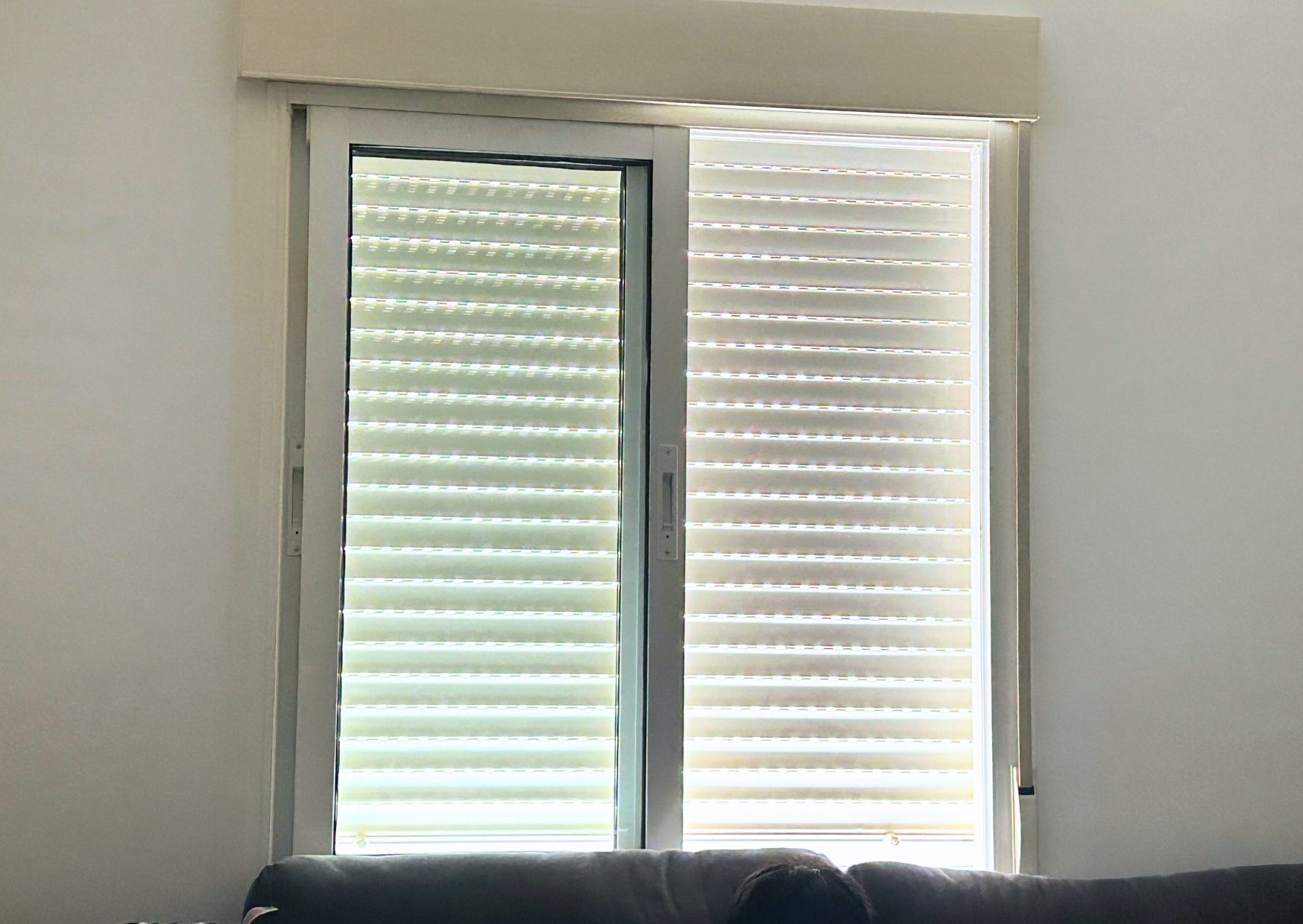
The roller version has slats linked together. Pull a belt, turn a crank, press a switch, or tap a remote and the slats glide down. Tiny perforations in many designs let a stripe of daylight through when you stop a few centimeters from fully closed. That half setting is the breakfast favorite. You get privacy, a cooler room, and gentle light at the same time.
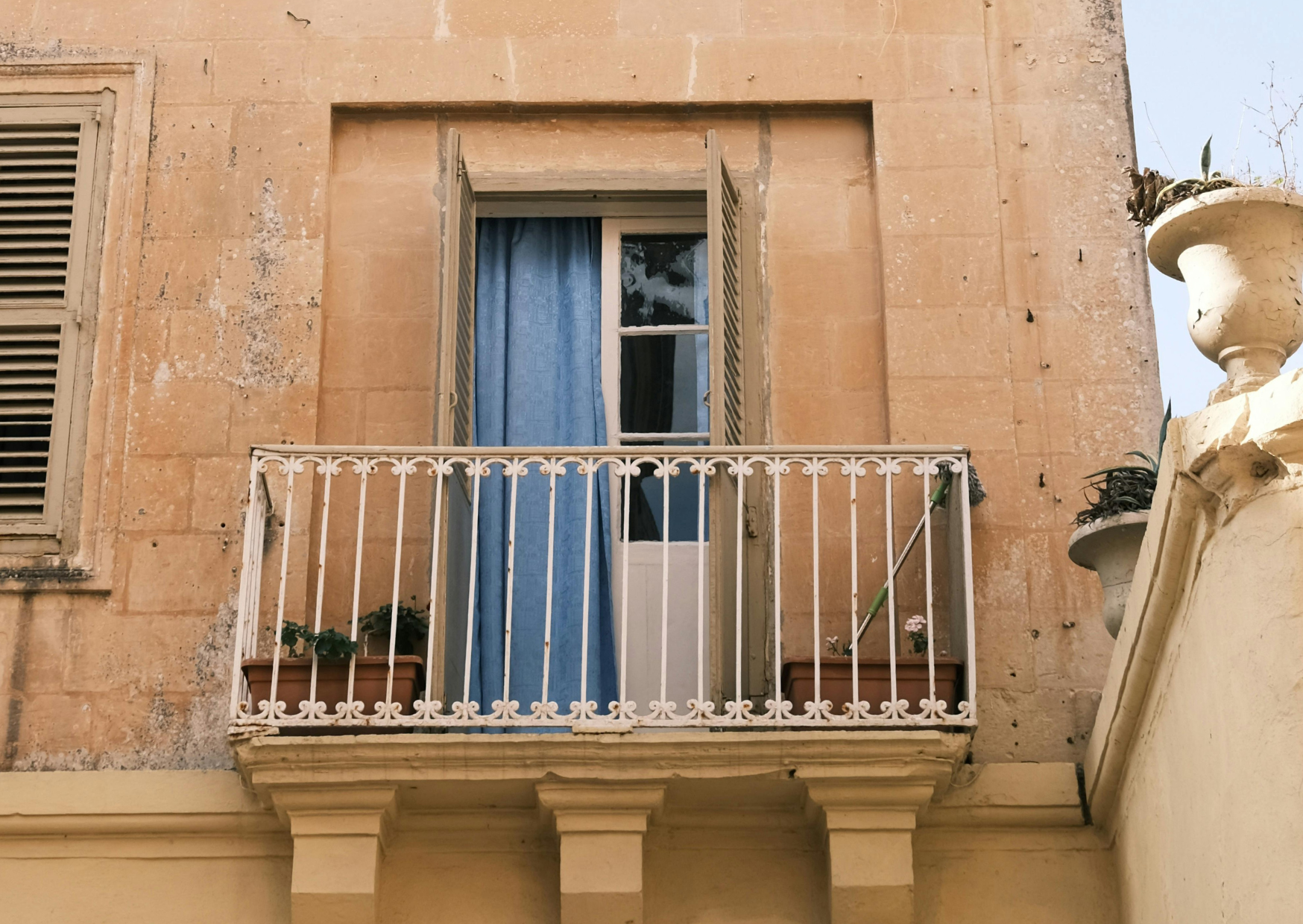
Side-hinged shutters work the way their name suggests. You swing them shut and slide a bar, hook, or rod. In stormy or windy regions these are still loved because they are simple and strong.
The big surprise for first-time visitors is that all of this is daily use gear. People close them at night as a habit and open them in the morning without thinking.
Why Europeans close them every day
The reasons are practical. None are decorative.
Darkness for real sleep. Streetlights, early sunrises, and lively sidewalks make bedrooms bright and noisy. Shutters turn a room into night at eight in the evening or keep it dark at five in the morning. If you travel with a child, you will become a true believer after one nap.
Heat control in summer. Glass is a heater. Pulling the shutter down keeps sunlight off the window and stops a room from turning into an oven. Open at dawn to flush cool air in. Close before the sun hits the façade. Your fan suddenly feels powerful.
Warmth in winter. The slat curtain adds an insulating air layer over the glass. That reduces drafts and slows heat loss. Houses feel less leaky without touching the thermostat.
Noise and privacy. Metal or dense plastic slats are not magic, but they blunt chatter, scooters, and clatter. They also stop a ground-floor passerby from looking straight into your home.
Security. A closed shutter is not a vault. It is a deterrent. Ground floors, vacation homes, and street-level shops use them because they make casual entry noisy and slow.
Put differently. The daily closing is a small, cheap way to buy sleep, comfort, quiet, and privacy. That is why people do it without thinking.
How they work inside the apartment
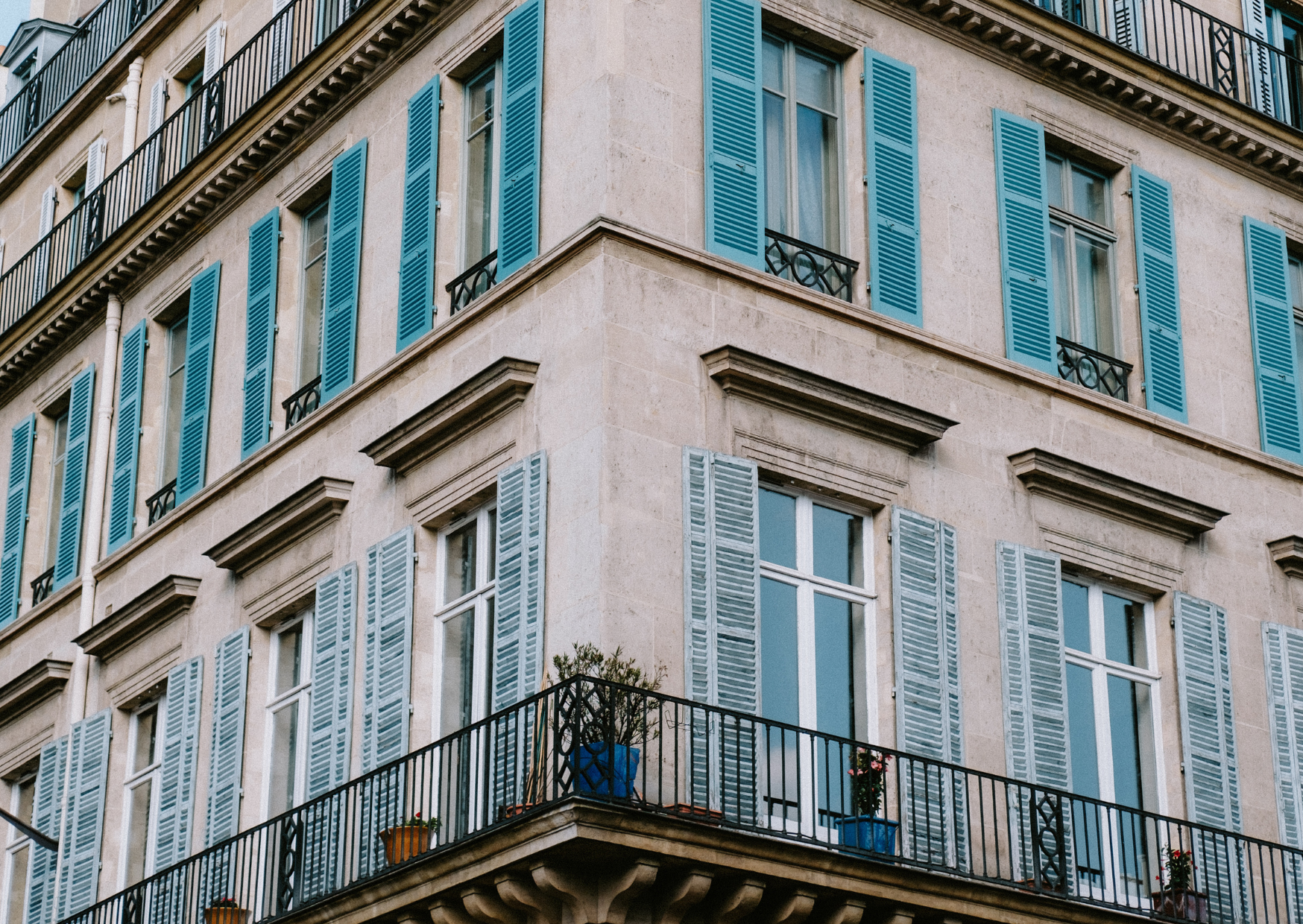
If you rent in Europe, look to the right or left of the window. You will likely see a fabric belt on a little spool, a crank handle, or a switch on the wall. The belt version is common and surprisingly tough. Pull down to lower, lift up to raise. Do it steadily. Do not yank. If there is a switch, the motor does the lifting for you. Release when you hear the slats touch the sill.
Many roller shutters have three positions that matter for daily life. Fully up for full light. Half down with the perforations open for privacy with daylight. Fully down at night for blackout and quiet. You learn your favorite notch by feel within two days.
If you see side-hinged shutters, open the window first, then reach out and swing them in. Close the bar across the middle. Some have adjustable louvers. Angle them for air while keeping looks from the street out.
Two courtesies keep you on good terms with neighbors. Do not slam shutters late at night or very early. And do not rattle them during posted quiet hours. The clack is part of the soundtrack of European cities, but people still sleep.
Why Americans misread them as decoration
In the United States many houses have thin, fixed panels screwed into the siding to mimic the look of old shutters. They never move and often are sized wrong. That has trained the eye to treat shutters as a style choice.
In Europe the default is the opposite. Shutters exist to move. Even painted, pretty ones on old stone houses are working parts. If you see a window with nothing but a curtain and interior blinds, it is the exception rather than the rule in large parts of the continent. The habit is functional and old. It is about climate, street life, and dense neighborhoods more than nostalgia.
What they do for your travel days
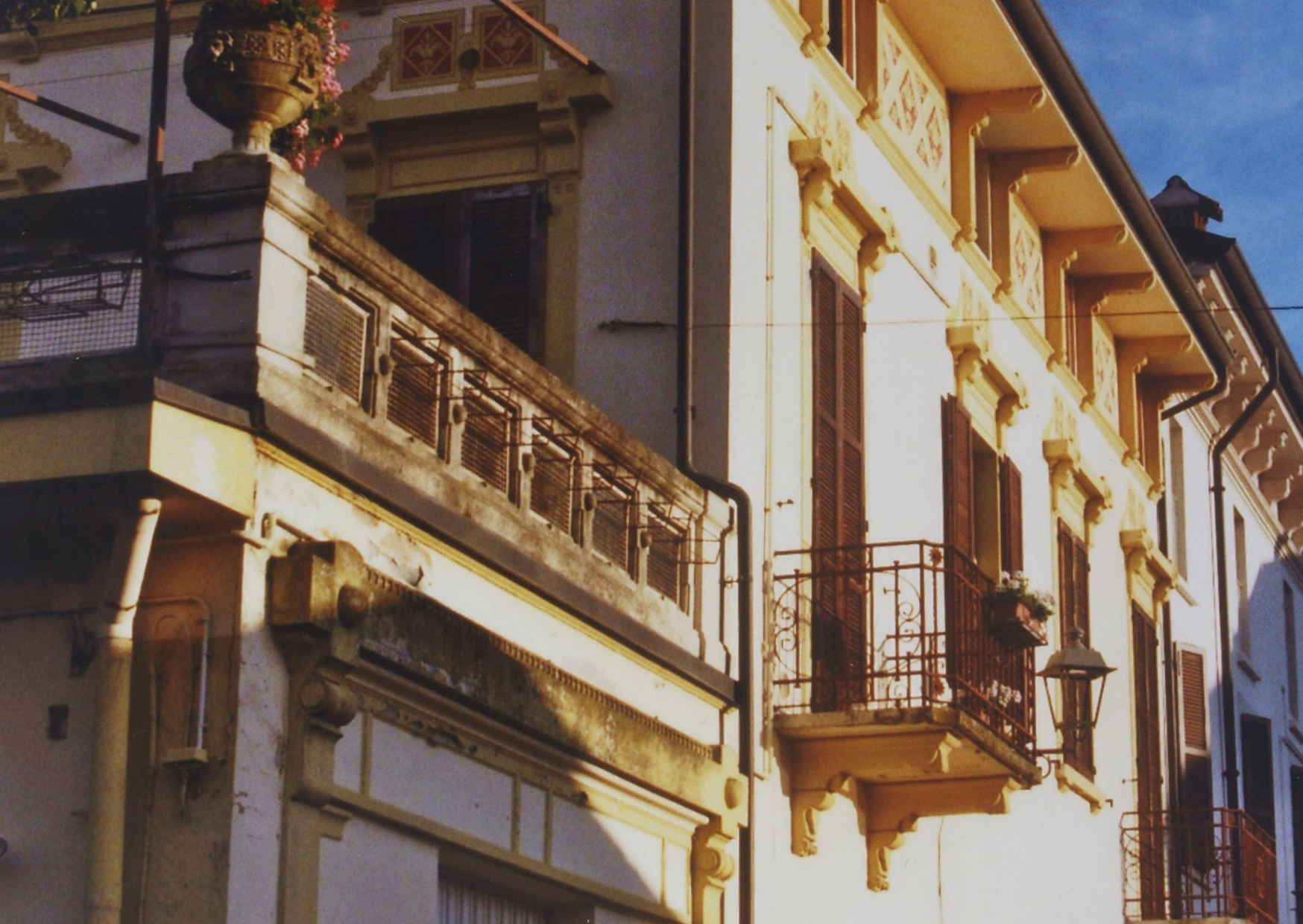
If you are staying in an apartment or a family hotel, you can use shutters to keep your day on track.
Jet lag management. Pull them down to nap without waking at every scooter horn. Open them the minute you want your body clock to accept local morning.
Heat wave survival. Europeans cool homes by blocking sun before it hits the glass. Close shutters on sun-facing rooms in late morning. Open windows at night to flush cool air. You will sleep.
Early riser courtesy. If you are up before dawn, leave living room shutters half down while you make coffee. The perforations give light without blasting the apartment or your neighbors.
Kid bedtime. Summer nights are bright in the north. Close shutters to make a child’s room dark at nine even if the street looks like afternoon.
Storms. If a wind picks up, side-hinged shutters stop a branch from slapping the glass. Roller shutters reduce the ping of hail.
Shutters turn a strange apartment into something that obeys your plan for sleep and temperature. That alone is worth the two seconds it takes to pull a belt.
Daylight without fishbowl exposure
One habit surprises visitors. On ground or first floors many Europeans leave shutters down a hand’s width during the day. Air flows through. Daylight still floods the room. People outside cannot see in clearly. Private life stays private.
You can copy that setting anywhere. Pull the slats to just above the sill so the perforations act like a high, horizontal window. It makes a kitchen feel sunny and hidden at the same time.
Heat, bills, and the reason this is not going away
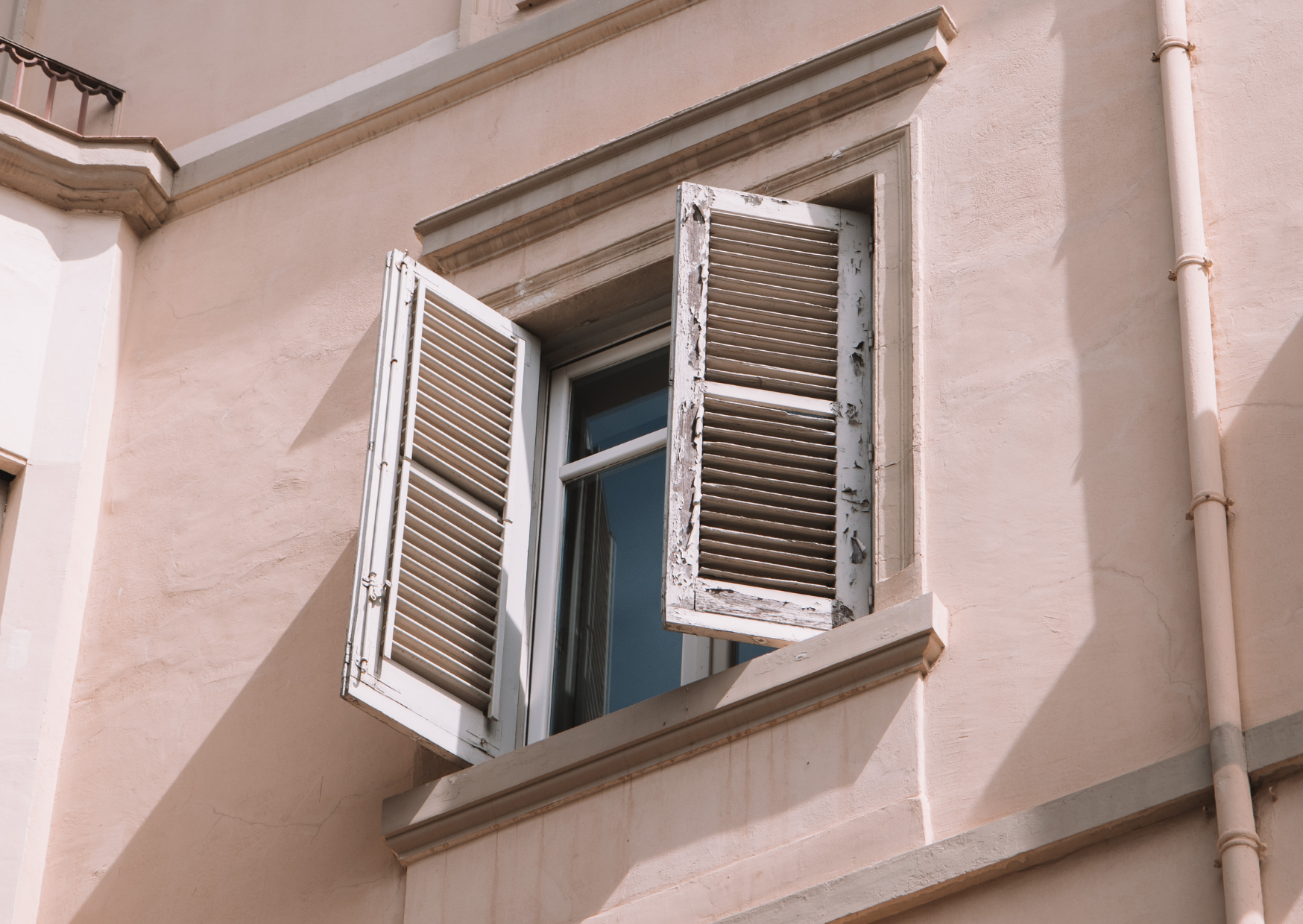
Energy prices bounce. Summers are hotter in most of Europe than a generation ago. Old stone and brick are beautiful but not always well insulated. Exterior shutters are the low tech fix that slows heat gain and heat loss without a building permit or a new system. They work with fans. They make modest air-conditioning feel powerful. They cost almost nothing to operate.
That is why you see them on renovated apartments as well as old ones. The modern versions add comfort without changing the façade much. Smart controls also exist. People program a living room shutter to drop at noon and rise at five. Some use solar-powered motors so there is no wiring at all. It feels futuristic the first week and ordinary the next.
Safety and common sense
Treat shutters like any moving home part.
If a belt is frayed or a slat is bent, do not force it. Stop and tell your host or the super. For motorized units, release the switch when the shutter reaches the top or bottom. Most have limit stops. Some do not. Running a motor against a stop is how you break it.
Parents. Do not let small kids ride the belt or hang on the slats. The slat curtain is sturdy but not made to be a ladder. On upper floors, never lean out to grab a side-hinged shutter in wind. Close the window first. Take your time.
If you are away for the weekend, ask your building or host what the norm is. Many people leave some shutters partially down so homes do not advertise an empty look. Others use a timer. Follow the local custom.
How to decode quiet hours and courtesy
Every country posts its own rules for noise. Even without reading a sign, you can borrow the neighborhood’s rhythm.
Morning. People open shutters between seven and ten. Early birds lift theirs quietly. Late sleepers keep theirs down until coffee.
Midday. In hot regions, southerly façades drop partly in early afternoon to block sun. That is not a nap signal. It is a heat choice.
Evening. Around dinner you will hear belts. This is when street noise rises. Closing at this hour is normal. If you are on a lively lane, it is the difference between hearing every laugh and feeling like you have double glazing.
Night. No one is shocked by a quick close at eleven. People will notice a long, clattering roll at one in the morning. If yours are loud, slow your hand.
Renting or buying in Europe
If you plan to stay longer, shutters become part of your own to do list.
Roller units come in aluminum, PVC, and wood. Aluminum is durable and good for security. PVC is lighter and insulates well. Wood is beautiful and needs upkeep. Hinged shutters are almost always wood or metal. Costs vary wildly by size and city, but you can think in hundreds of euros per opening for a basic roller and more for motorized units.
Maintenance is simple. Keep the tracks clean. Wash the slats with mild soap and water twice a year. Lubricate moving parts sparingly. Replace a worn belt early so you do not drop the curtain mid pull.
If you are on a busy street, consider noise reducing slats. If you are in a very hot region, look at light-colored exteriors to reflect sun. If storms are a feature, choose sturdier end locks and proper fasteners. The local installer will have opinions and they are usually right.
The styles you will notice by region
Spain loves roller shutters. They are part of the façade like balconies. In Italy you will see both rollers and lovely painted wood on hinges, especially on historic streets. France mixes rollers with classic swing shutters in every color and style. Germany and Austria often tuck roller boxes neatly into the wall, so you barely notice them until they move. In coastal places you will see metal for weather. In mountain towns you will see thick wood for cold. The details differ. The habit is shared.
The mistakes travelers make
Mistake one. Leaving everything open on a summer afternoon then complaining that the apartment is hot. The fix is to close before the sun hits and open after it passes.
Mistake two. Accepting street noise as a fact. Close the shutter all the way at night. A small gap equals a lot of sound.
Mistake three. Forcing a stuck belt. Stop and switch to another window while you message your host. Many apartments have separate shutters per panel. You can still sleep in the dark if one panel is up.
Mistake four. Assuming closed shutters mean someone is angry or antisocial. It means they want sleep. It means privacy. It means cool air. That is all.
How to talk about them without sounding like a tourist
Use the local name if you want to be understood fast.
Spain. persianas
Italy. tapparelle or persiane for hinged
France. volets roulants or volets battants for hinged
Germany. Rollläden
Portugal. estores
If you need help, a single sentence does the job. The belt is stuck. The shutter will not go up. Is there a switch. Can I lower the bedroom shutter a bit. People will show you without a lecture.
What this habit says about European daily life
It says streets are shared and homes are modest in size. The city is lively and close, so people use a simple device to control light, noise, heat, and privacy. It says people are comfortable closing the world out at night and opening it wide in the morning. It also says that comfort can be low tech. A belt, a box, and slats do as much for a small home as an expensive system.
It is one of those routines you might never notice until you live with it for a week. Then you will wonder why your home at home never had it. Many Americans install blackout curtains to chase the same result. They work. Shutters work better because they stop the sun before it becomes heat and they give you more settings between open and closed.
Open in the morning, closed at night
Once you start using shutters, you will not think of them as quaint again. You will think of them when your jet lag needs noon darkness. When a summer sun bounces off pale stone into your living room. When a passing conversation could keep your child awake. When you want to feel off stage even though the city is right outside the glass.
They are not decoration. They are a daily tool. One that buys better sleep, lower bills, calmer rooms, and the right to choose when the world can look in.

About the Author: Ruben, co-founder of Gamintraveler.com since 2014, is a seasoned traveler from Spain who has explored over 100 countries since 2009. Known for his extensive travel adventures across South America, Europe, the US, Australia, New Zealand, Asia, and Africa, Ruben combines his passion for adventurous yet sustainable living with his love for cycling, highlighted by his remarkable 5-month bicycle journey from Spain to Norway. He currently resides in Spain, where he continues sharing his travel experiences with his partner, Rachel, and their son, Han.