
Why Bother Knowing This?
When you think of Europe, you might envision cobblestone streets, centuries-old cathedrals, and vibrant markets—but behind these postcard-perfect scenes lies a rich tapestry of cultural norms. One of the most overlooked quirks is how time is perceived, scheduled, and lived.
Visitors who assume universal “punctuality” or consistent schedules can end up feeling baffled, irritated, or even left out. By learning some of the common European “time customs,” you’ll be better prepared to navigate everything from dinner invites to public transport—ultimately making your travels smoother and more rewarding.
Below, we’ll explore 7 ways Europeans handle “local time” that often leave foreigners scratching their heads. And yes, each region, city, or even neighborhood can have variations—but these broader patterns will help you spot the differences and adapt like a pro.
Looking for More Travel & Culture Reads?
– They Don’t Work 24/7: 5 Vacation Customs in Europe That Drive Americans Crazy
– 7 Dress Code Shocks Americans Face in Italy
– 9 European Beach Habits That Shock First-Time Tourists
Quick Easy Tips
Learn the local meal times—in Spain or Italy, dinner might not start until 9 p.m. or later.
Check store hours—many European shops close for midday breaks or have limited Sunday hours.
Adjust to slower service pace—especially in Southern Europe, meals are meant to be savored, not rushed.
Arrive on time in Northern Europe—countries like Germany and Switzerland value punctuality to the minute.
Be flexible—public events and transport can run early or late depending on the country.
Time in Europe isn’t just about the clock—it’s cultural. Many foreigners find it baffling that in Mediterranean countries, schedules are more of a suggestion than a strict rule, while in Northern Europe, arriving even five minutes late can be seen as rude.
Some travelers get frustrated when restaurants don’t open until what feels like “bedtime” back home, or when a shop closes for a long midday pause. But locals often see this as a healthier work-life balance rather than inefficiency.
The debate comes down to values—should life be organized around productivity and speed, or around connection, rest, and leisure? To some, European time customs feel charming and human; to others, they’re maddeningly inconvenient.
1. Southern vs. Northern Punctuality: The “15-Minute Rule”

Why It Stumps Visitors
If you’re used to strict punctuality—showing up at 3:00 p.m. means 2:59 p.m.—you might find some Southern European countries far more relaxed about time. Meanwhile, in parts of Northern Europe, people might be punctual to the second.
Cultural Norm
- Southern Europe (e.g., Spain, Italy, Greece): There’s a saying that if someone invites you to meet at 9 p.m., you can arrive anytime around 9:15 or 9:30 without raising eyebrows. In social contexts, “on time” is more fluid.
- Northern Europe (e.g., Germany, Denmark, Finland): Cultural norms dictate that you show up right when you said you would—if not a few minutes early. “Late” can be perceived as disrespectful, even in casual gatherings.
How to Adapt
- Ask Locals: If you’re meeting a local friend, politely ask what’s typical. They might say, “No, we really mean 9:00,” or “It’s okay to arrive 15 minutes late.”
- Check Event Type: Business meetings or official appointments in Southern Europe are usually more punctual than purely social gatherings. Don’t assume every scenario is laid-back.
Bottom Line
Yes, foreigners often assume “Europe is Europe,” but the north-south time divide is strong. You might be laughed at for arriving too early at a Southern European party—or glared at for tardiness in a Northern European meeting room.
2. The Lunch Break Mystery: Shops Closing Midday
Why It Confuses Visitors
Many Americans or Northern Europeans might be used to non-stop shop hours, from morning until evening. In large US cities, some grocery stores never close at all. But in parts of France, Italy, Spain, and beyond, small businesses often shutter for several hours in the afternoon. Why?
Cultural Norm
- Long Lunch Culture: A “proper” lunch can be a leisurely affair—especially in Mediterranean regions—lasting 1–2 hours or more. Shopkeepers use this time to return home, cook a hot meal, and occasionally rest.
- Local “Rush Hour”: Because midday can be scorching in summer, it’s natural to pause and resume tasks later, when it’s cooler. Many shops then reopen around 4 or 5 p.m. and stay open until 8 or 9.
How to Adapt
- Plan Ahead: If you need groceries or a pharmacy run, go in the morning or early afternoon. Don’t assume you can dash out at 2:30 p.m. and find all doors open.
- Look for Continuous Hours: In tourist-heavy zones, bigger chains and supermarkets often stay open all day—just don’t count on smaller, family-run spots.
Bottom Line
Yes, foreigners might see midday closures as inconvenient. For many locals, it’s part of a balanced day—valuing proper meals, rest, and an unhurried pace. Join them instead of fighting it.
3. The Sunday Silence: Weekend Schedules That Might Surprise You

Why Tourists Are Caught Off-Guard
In some countries (like the U.S.), Sunday can be a prime shopping day. Malls and supermarkets might be bustling with weekend crowds. Then you hop over to parts of Germany, Austria, or Switzerland, and… everything’s closed. You might wonder if a holiday is happening.
Cultural Norm
- Germany’s “Ruhetag”: Sunday is traditionally a quiet day (Ruhetag). Many stores are closed by law, allowing families time to rest, attend church, or spend time outdoors.
- UK vs. Continental Europe: While the UK does have Sunday trading hours, many shops open late and close early, typically from 10 a.m. to 4 p.m. or 11 a.m. to 5 p.m. In many continental countries, Sundays can mean a near-complete shutdown of retail.
- Family Day: In many parts of Europe, Sunday is a day for family lunches, countryside walks, or simply recharging for the week ahead.
How to Adapt
- Do Your Shopping on Saturday: Stock up on groceries and essentials. Don’t get stuck with an empty fridge on Sunday morning.
- Embrace the Quiet: Go for a stroll, visit a museum, or enjoy a café that does open (many do!). Use Sunday to unwind like a local.
Bottom Line
Yes, foreigners might treat Sunday as “just another shopping day.” In many European regions, it’s a day of rest—like stepping back in time to a slower pace. Once you adapt, you may appreciate having a day free of commercial hustle.
4. The Late Dinner Phenomenon: 9 p.m. (or Later) Is Totally Normal

Why It Shocks Visitors
If you’re from a culture where dinner is at 6 or 7 p.m., you’ll be astonished to see restaurants in Spain, Italy, or parts of Portugal virtually empty until 8:30 p.m.—and they might not fill up until 9 or 10. Many tourists wonder if they’ve stumbled into an alternate universe.
Cultural Norm
- Iberian Schedule: Spaniards commonly eat dinner around 9 or 10 p.m., especially in summer. A midday meal can be large and late (2–3 p.m.), so it’s natural to push dinner later.
- Italian Dinners: While not usually as late as Spain, many Italians dine around 8 or 9 p.m. Past 9:30 p.m. can still be quite busy, particularly in southern regions.
- Social Vibe: Dinner is often a leisurely, social affair, not a quick refueling. Locals might stay out until midnight chatting at the dinner table.
How to Adapt
- Shift Your Mealtimes: Grab a light snack (merienda in Spain, aperitivo in Italy) in the late afternoon, so you’re not starving by 6 p.m.
- Book Reservations Wisely: If you want a bustling atmosphere, don’t book for 7 p.m. or you’ll dine alone. Aim for 8:30 p.m. or later for an authentic scene.
Bottom Line
Yes, visitors might find it odd that dinner starts when they’d normally be winding down. Locals see mealtime as an event—embrace the slower evening pace, and you’ll enjoy lively company and fewer rushed meals.
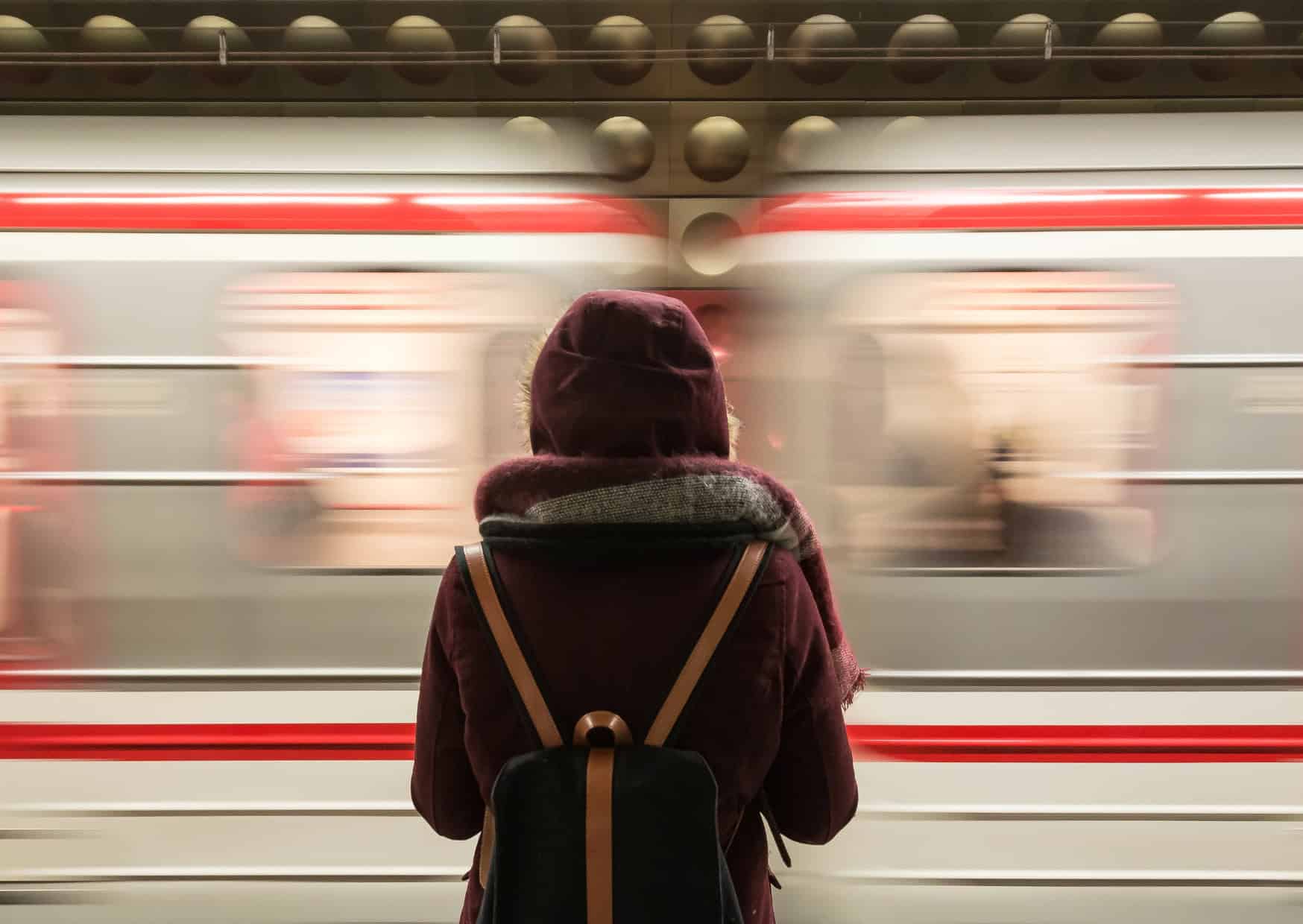
5. Public Transport Timetables: The “Wait Factor” in Rural Areas
Why Tourists Struggle
Travelers from big cities, where buses run every few minutes, might be shocked by the infrequency of public transport in certain parts of Europe—especially rural France, rural Italy, or countryside in Eastern Europe. Buses might come once every hour or two, if at all.
Cultural Norm
- Metro vs. Rural: Major European cities have extensive, timely metros or tram systems. Step outside these hubs, and schedules can be sparse or irregular, aligning with school or commuter times.
- Weekend Gaps: Some routes scale back drastically on weekends, or don’t run on Sundays.
- Community Car Culture: In small towns, many locals rely on personal vehicles or bikes. They don’t expect a bus every 10 minutes.
How to Adapt
- Plan in Advance: Look up timetables online (often in the local language) or ask at a tourist information office.
- Rent a Car: If you want flexibility in remote regions, renting a car might save you from waiting around at deserted stops.
- Enjoy the Wait: If you do have to wait, see it as part of the slower lifestyle. Chat with neighbors or explore a nearby café.
Bottom Line
Yes, foreigners may assume that all of Europe has brilliant public transport. Many parts do, but rural areas can be more challenging. Embrace or plan for the “wait factor” to avoid frustration.
6. The “Fashionably Late” Party Start

Why It Confuses Visitors
You see an invite for a party or gathering in Berlin or a bar meetup in Barcelona—start time: 8 p.m. In many cultures, you’d arrive near the stated time. But in these contexts, if you come exactly at 8 p.m., you might find the host still setting up or the bar nearly empty.
Cultural Norm
- Social Buffer: People often arrive 30 to 60 minutes after the official start, especially for informal events. This is akin to “fashionably late,” ensuring you don’t show up before the host is ready.
- After-Work Timing: In big cities, folks might finish work around 6 or 7 p.m., then go home, freshen up, and head out.
- Weekend Even Later: On weekends, events might kick off even later, especially in hotspots known for nightlife.
How to Adapt
- Confirm with Friends: If possible, ask a local friend, “When are people really showing up?” They might say, “8 p.m. means 8:30 or 9.”
- Don’t Over-Stress: If you arrive “early,” the host will rarely mind. It’s just a different pace.
Bottom Line
Yes, foreigners might take start times literally, only to wonder where everyone is. In many parts of Europe—especially in social contexts—timing is more flexible. Relax and enjoy the slower ramp-up.
7. Holidays and Vacation Calendars: “Everyone’s Gone in August”
Why It Surprises Tourists
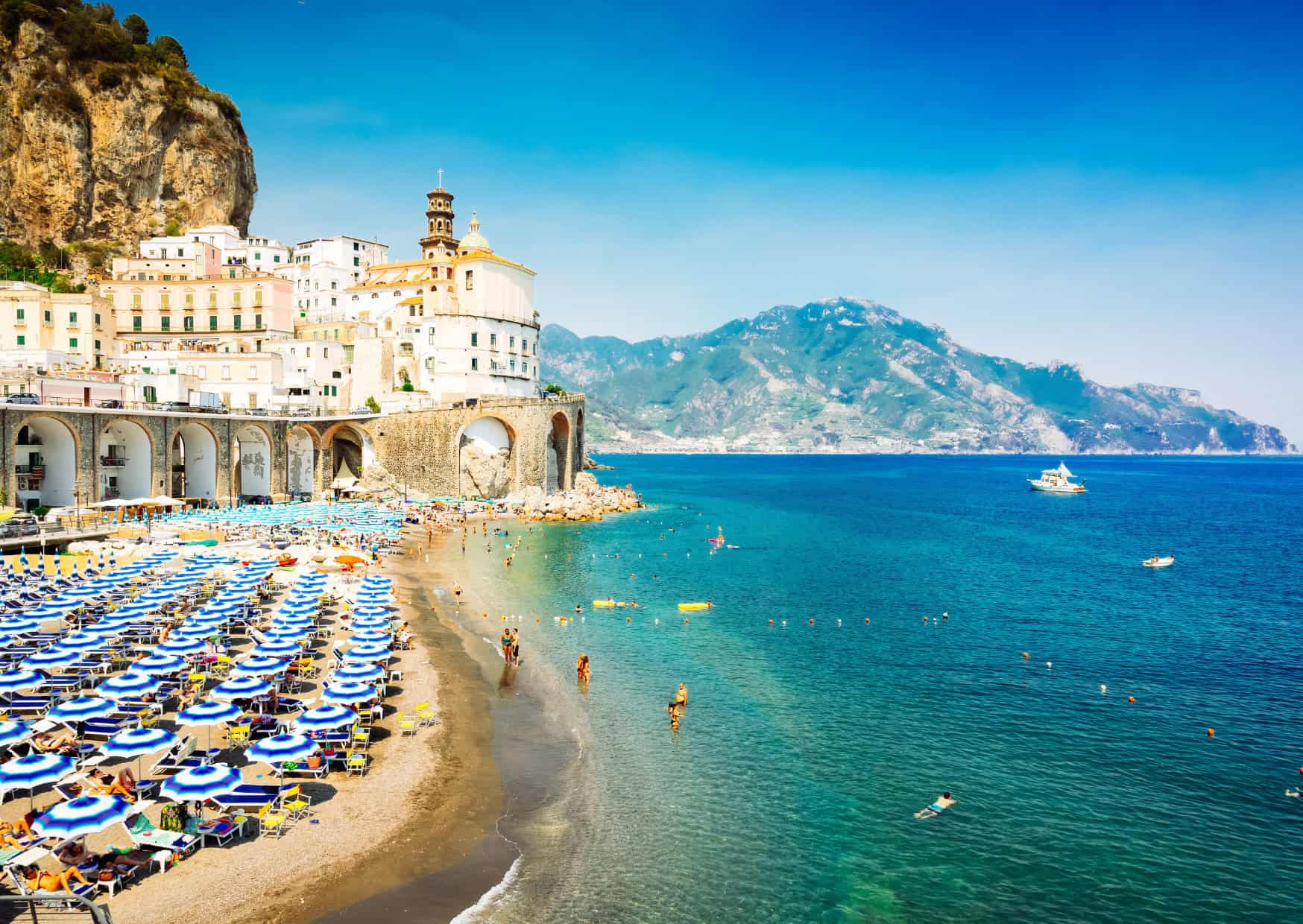
August may be peak travel season for foreigners (particularly Americans or Northern Europeans on summer break). They assume it’s the best time to “experience local life.” Yet they arrive to find shuttered businesses and half-empty cities in Southern Europe, or beach towns packed with holidaying locals who’ve fled big cities.
Cultural Norm
- Southern Europe: In Spain, Italy, Greece, and parts of Portugal, August is the month many locals take vacation—Ferragosto in Italy is a prime example, around mid-August. City dwellers escape the sweltering heat.
- Northern Europe: Countries like France and Germany also have widespread summer holidays, though it might vary by region. Entire factories or offices might shut down for a few weeks, giving employees extended time off.
- Winter Holidays: Some Nordic and Alpine areas have significant winter vacations (e.g., around Christmas or “sportlov” in Sweden), leaving city dwellers heading to ski resorts.
How to Adapt
- Research Local Holiday Calendars: If you want to see local life in full swing, avoid the peak vacation period.
- Plan for Limited Options: If you do go in August, your city experience might be quieter—but beach or mountain areas can be crowded (and expensive).
Bottom Line
Yes, tourists might expect cities to be bustling year-round. In reality, local time customs include lengthy summer breaks. Knowing this can help you pick the best month or at least manage expectations if shops or restaurants are closed.
Conclusion: Embracing the European Pace
From the north-south divide in punctuality to the late-night dinners that puzzle early eaters, European time customs reflect a deep cultural tapestry. They’re tied to climate, history, work habits, and a strong sense of community life that values leisure, family meals, and personal connections.
- Observe: When in doubt, watch how locals approach an event or mealtime—if nobody shows up at the stated hour, it might be normal to arrive later.
- Ask Questions: Unsure if shops close at lunchtime? Ask your hotel clerk or a local friend.
- Stay Flexible: If a bus is late, or a store reopens after a lengthy break, go with the flow. This slower rhythm can be an antidote to the hustle of daily life in other countries.
- Blend In: Adopting local patterns—having lunch at the “right” time, strolling the streets when locals do—often leads to more authentic interactions and experiences.
Ultimately, “local time” in Europe isn’t just about the clock ticking. It’s about the rhythms that make life in each region so distinct and, for many visitors, so appealing once they adapt. By understanding these 7 baffling time customs, you can avoid awkward faux pas, reduce frustration, and embrace the day-to-day flow that defines local life across the continent. Happy travels—and remember, when someone says “meet me at 8,” it might really mean 8:15!
Pro Tip: If you’re traveling through multiple European regions, stay alert to how time is handled in each place. The difference between Southern and Northern Europe can be stark—so keep an open mind, and don’t be surprised if your “punctuality gauge” needs daily recalibrating!

About the Author: Ruben, co-founder of Gamintraveler.com since 2014, is a seasoned traveler from Spain who has explored over 100 countries since 2009. Known for his extensive travel adventures across South America, Europe, the US, Australia, New Zealand, Asia, and Africa, Ruben combines his passion for adventurous yet sustainable living with his love for cycling, highlighted by his remarkable 5-month bicycle journey from Spain to Norway. He currently resides in Spain, where he continues sharing his travel experiences with his partner, Rachel, and their son, Han.