
You think you are being helpful by asking to “split six ways.” To a French server, you just turned a smooth bill into ten minutes of arithmetic, arguments, and error risk during the busiest moment of their night.
Step into a Paris bistro at 9:15. The room is full, the terminal is chirping, tables are waiting to be flipped for the second service. Your group smiles at the server and says the line that raises blood pressure from Lille to Marseille: “Can we get separate checks for everyone, and could you split the wine between just three of us?” The request sounds harmless. Inside the service station it means lost time, mismatched cards, and a line that starts to form behind your table. In France, the default is simple. One table, one bill, one payment, the group settles up afterward among themselves.
Once you understand the reasons, you stop fighting the system and your nights get easier. You also get better service. This guide explains the expectation, the accounting pain you never see, the social norms that drive the French approach, and the exact words and moves that keep your group welcome even when you need to divide costs.
Want More Deep Dives into Other Cultures?
– Why Europeans Walk Everywhere (And Americans Should Too)
– How Europeans Actually Afford Living in Cities Without Six-Figure Salaries
– 9 ‘Luxury’ Items in America That Europeans Consider Basic Necessities
What French restaurants expect when you ask for the bill
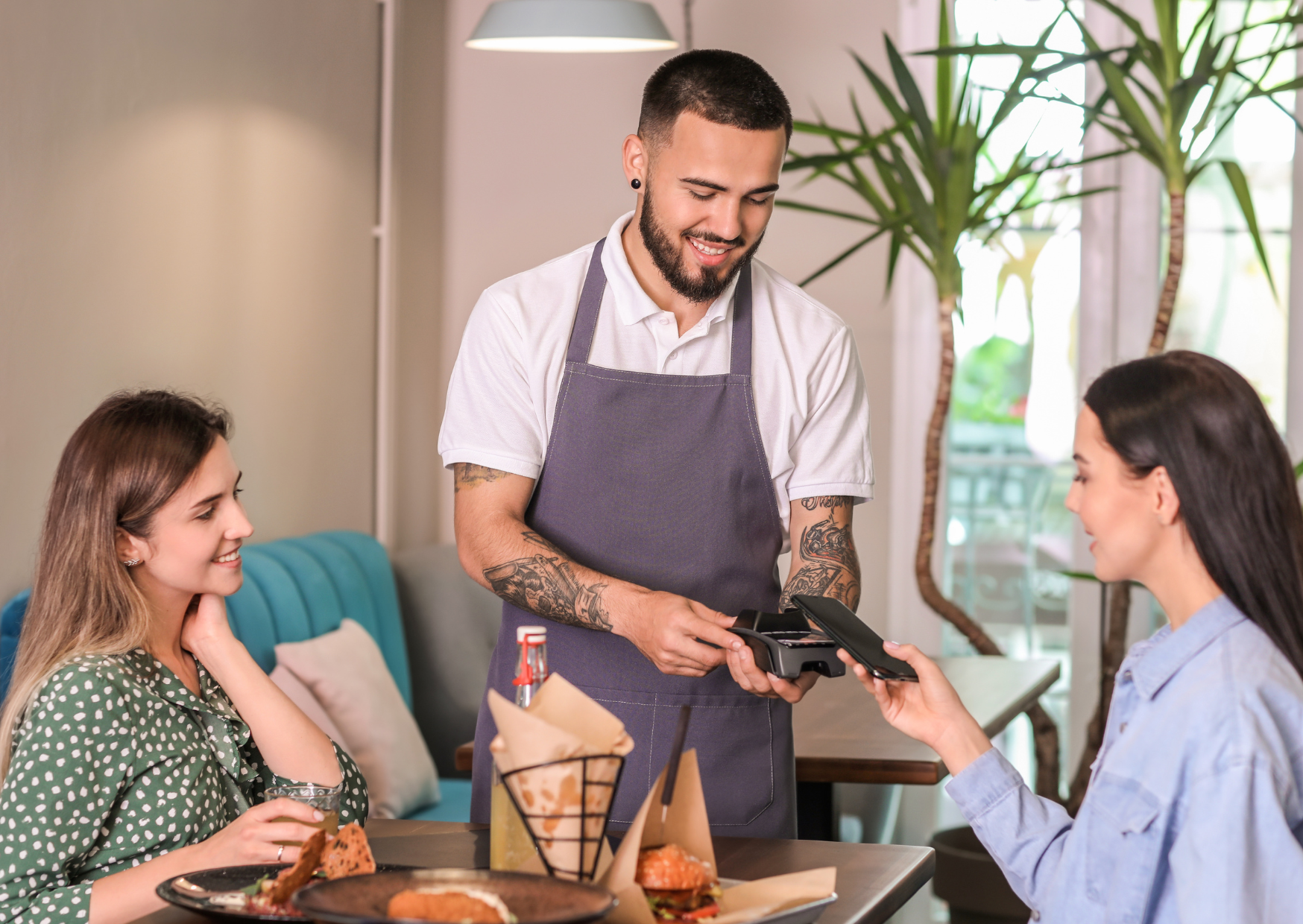
The norm is not a surprise to locals. The phrase l’addition est pour la table is more than a saying. It describes how work flows. The server closes the table as a single account, prints one ticket, takes one payment, and moves to the next guest. The expectation is one payer, because that keeps service fast and errors low. Groups handle fairness privately with cash or instant transfers after they leave. Settling later is normal. No one thinks you are taking advantage of anyone if you even out the balance that night or the next morning. If you know you will need exceptions, ask at the start, not when the card reader is in the server’s hand.
The one bill habit applies from cafés to brasseries to Michelin dining rooms. Large hotels and some tourist heavy spots will try to accommodate complex splits, but they still prefer one clear transaction. The more your request looks like a special project, the more you tax a team that is measured by speed and calm during peak hours.
Why itemized splitting becomes a service nightmare
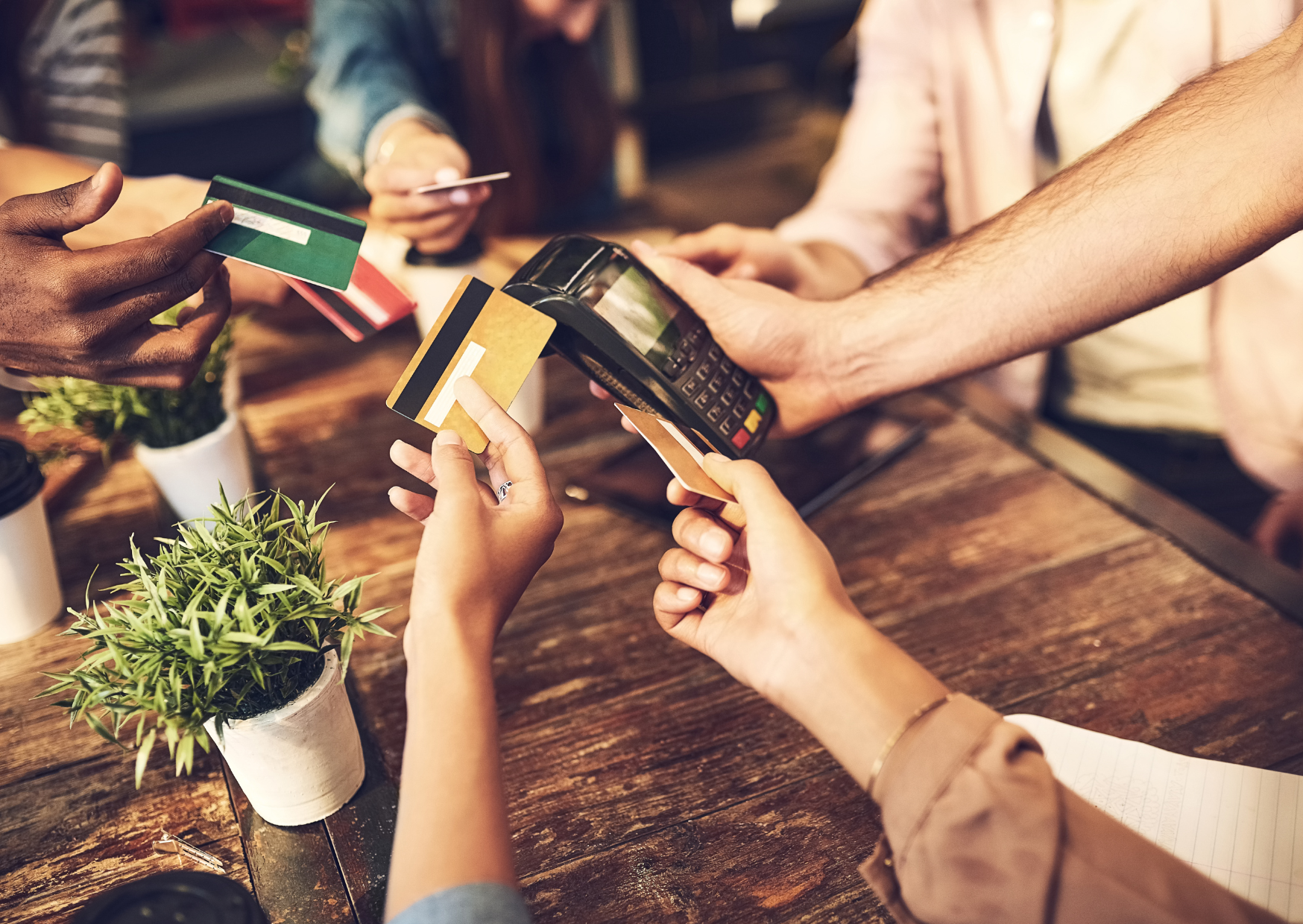
From your side of the table, a split looks like tapping a few buttons. From the station, it is a cascade of small risks that multiplies with each card and condition. Time cost is real. Five separate card charges on a full terrace means five separate authorizations, five receipts, five rounds of “enter PIN.” During the evening rush that is a lot of minutes when the server is not checking on other tables. Error risk rises with every adjustment. Move one dish to the wrong person, misallocate VAT, or forget a bottle that three people agreed to share, and the whole ticket has to be reopened and fixed. Point of sale limits exist. Many systems are set up to close a table as one account. Some can split evenly or by seat, few can painlessly divide a shared bottle three ways and a bowl of olives six ways while keeping the accounting clean for the manager who has to justify the till.
Servers are not being stubborn when they push back. They are protecting the flow that keeps the room happy. If you respect the flow, you are immediately read as considerate. That alone changes the tone of the evening.
The money math you forget: service, tips, and terminals
Prices in France include tax and the service charge that funds wages. Service is included in the menu price. That is why the bill looks flat and why the server is paid whether or not you add anything extra. You can leave small change or round up for kindness. You do not need to tip at American levels to prove gratitude. A small pourboire is fine, especially if the team solved a complex request, but it is not the point of the system. The terminal can accept multiple cards, but that is different from restructuring the bill by person and item while the room is full. When you ask for six separate receipts you are asking the server to do work your group could do on a phone in two minutes after you step outside.
If you keep those three facts in mind, you see why groups that pay once are treated like regulars after one visit. They have learned the house language of money.
The social math: equal shares first, exceptions second
French groups handle fairness with a short conversation, not a spreadsheet in front of a server. They start from the simplest arrangement, then adjust if someone clearly did not share a major cost. Equal split is the default when orders were broadly similar. If one person had only a salad and sparkling water while the rest ate steak and wine, speak up once and the table will deduct the obvious difference before dividing. Do the math at the table, not at the till. It is far less awkward for everyone, and it keeps the staff out of private negotiations.
The point is not to be casual with money. It is to keep the meal social and let the restaurant run. This is why you will often see friends settle with a few notes on the sidewalk or with a quick tap on a phone, then move on.
The phrases that keep you welcome every time
In France clarity is read as respect. You do not need perfect grammar. You need a decision and a smile. On fait une seule addition tells the server you understand the norm. If you truly need a split, On peut faire deux paiements, s’il vous plaît is a reasonable ask for a large table. If you plan to divide among yourselves, Je règle pour la table followed by les autres me rembourseront explains what is happening. If the group is many and you want to avoid confusion from the start, Nous prendrons une seule note, on s’organise entre nous signals that the closing will be easy.
Short sentences, steady tone, and no last second surprises are what count. Servers remember the groups who decide cleanly.
How to do it the American way without causing chaos
Sometimes you really do need to divide by person. You can still make it painless. Choose a captain before the bill arrives. One person will interact with the server and no one else will interrupt. Pay first and settle later is the least disruptive pattern. The captain presents a card or cash for the full amount and the group reimburses immediately outside via bank transfer or a money app. Carry some cash for edge cases. If two people do not have local payment apps it takes thirty seconds to hand the captain twenty euros and say merci. You do not need to invent a method at the table. You need to finish the transaction cleanly.
If splitting on the terminal is absolutely required, keep it to two payments and make them even. That still fits the flow on most nights. Item by item division remains work your group should own.
Where the rules bend a little and how to read the room

Cafés that work the counter are built for speed. Paying per drink at the bar is normal. Brasseries with large crews in business districts are used to corporate lunches where two colleagues take one receipt and two take another. Casual crêperies may split a family ticket into two cards without blinking. High end dining rooms strongly prefer one payment. Hotel restaurants almost always can handle at least two transactions, but they will love you if you choose one.
Your signal is the pace of the room and the posture of the staff. If the server is moving fast between tables, default to one bill. If the room is half empty at 3:30 on a weekday, two cards for a small table will not bother anyone.
The common American mistakes and the simple fixes
The biggest error is trying to redesign the bill at the door. Do not line eight cards on the tray and say who had what. You create a block that backs up the entire station. Decide before the terminal arrives. The next error is attaching a moral frame to division. Do not lecture a French server about fairness. They are not your referee. Agree among yourselves and present a single plan. The third error is assuming tips fix friction. Do not try to buy forgiveness with a 20 percent add on after a ten minute split. The culture reads that as paying to break the rules. Simplify the transaction instead and leave a modest thank you if you want.
Finally, avoid turning the table into a math class during peak hours. The calm path is always the same. Decide, pay, step outside, settle.
If you truly need separate checks, ask at the start
There are nights when reimbursement later will not work. Say so early. Est ce possible d’avoir des notes séparées, nous sommes six is a fair question before you order. Accept the answer. If the team says no, adapt your ordering so an even split feels fair. If they say yes, keep your requests simple. Two sub bills is reasonable. Six itemized receipts with shared wine assigned to three names is not. Ask once and keep your promise. Changing the plan at the end is what staff remember, not the meal.
Groups that warn early and keep it simple are the ones who get an extra smile when they return.
A step by step playbook for a table of six
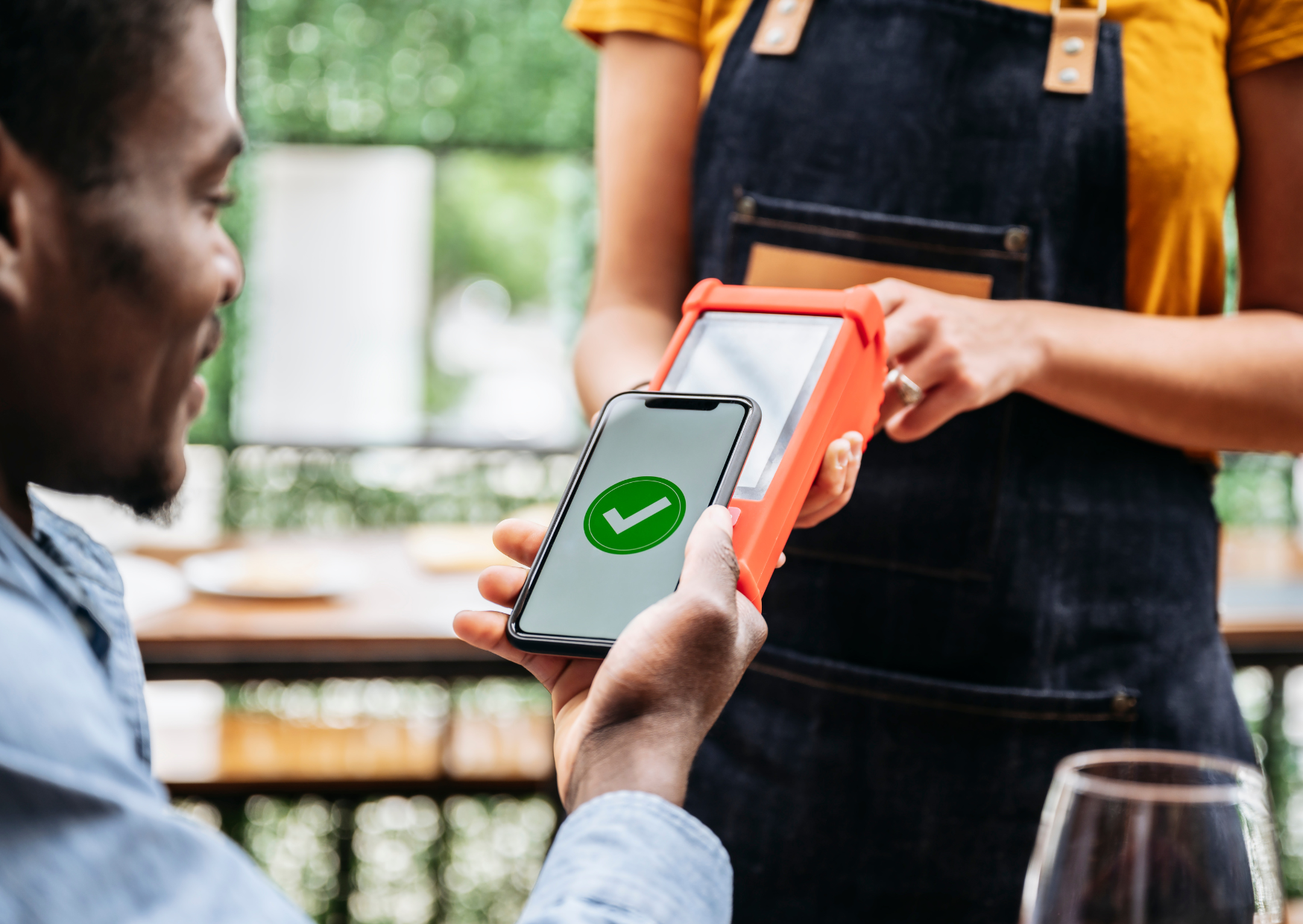
Decide on a captain before the dessert menu arrives. The captain glances at the totals, announces a target share per person, and asks quietly if anyone needs an adjustment for major differences such as no alcohol. The group agrees in under a minute. The captain tells the server On prend une seule addition and pays. Outside, the captain opens a note with the total and the per person number. Everyone transfers immediately. If someone needs to give cash, they hand it over with a thank you. If the wine was only for three, those three add a small top up and say so without fanfare. The entire process takes two minutes, no one feels rushed by the staff, and the restaurant is free to serve the next guests.
This is the habit you see locals practice without talking about it. It feels adult because it is simple and clean.
The psychology behind the friction
American dining trains you to think that service adapts to the buyer. French dining trains you to think that everyone in the room shares a small civic space for two hours. Your table is part of a shared rhythm. The bill is where that rhythm is most fragile. When you ask the team to do your group’s accounting, you take time from other guests who have also reserved their evening. Time equals attention in a culture where wages are not built on tips. Servers are measured by how smoothly the room runs, not by how much they can earn from one table. When you present a tidy plan, you signal that you understand the social contract of the room.
If you get this part right, you will notice how much warmer the staff feels on your second visit. They remember the groups who made their night easy.
What to do when you have already made it messy
It happens. You asked for six separate slips and everyone started arguing about the second bottle of wine. Stop, reset, and simplify. Apologize briefly and choose one payer. Say On va régler d’un seul coup and hand a card to end the pain. Outside, settle the real numbers without heat. If the team spent extra time on your table, round the total to the next tidy figure as a thank you. You do not owe a large tip. You owe a clean exit.
The memory of a mistake fades when you resolve it fast. The memory of a ten minute argument at the terminal does not.
The bottom line
When a French server hears “split six ways,” they do not hear a fair-minded group. They hear a slowdown that will ripple across the room for the next fifteen minutes. If you want to be treated like regulars, adopt the local sequence. One table, one bill, one payer. Decide the rest among yourselves with cash or a quick transfer. If you must split on the spot, limit it to two payments and warn the team at the start. Use plain phrases. Keep your promise. Leave the quiet tip only if you feel moved to.
Do this once and you will feel the shift in service on your next night out. The bill becomes the easiest moment of the meal, not the hardest. The staff reads your group as grown ups who share the room. And you finally understand why the locals never seem to fight with the terminal. They are not better at math. They just moved the math outside.

About the Author: Ruben, co-founder of Gamintraveler.com since 2014, is a seasoned traveler from Spain who has explored over 100 countries since 2009. Known for his extensive travel adventures across South America, Europe, the US, Australia, New Zealand, Asia, and Africa, Ruben combines his passion for adventurous yet sustainable living with his love for cycling, highlighted by his remarkable 5-month bicycle journey from Spain to Norway. He currently resides in Spain, where he continues sharing his travel experiences with his partner, Rachel, and their son, Han.