
If you’ve ever walked into a Sunday “battesimo” in southern Italy and wondered why the centerpiece looks like a wedding cake and the dining room holds four generations, you didn’t stumble into the wrong party—you just met a rite of passage that doubles as a family summit.
Step outside the parish at noon. Babies in white, godparents beaming, aunts rearranging corsages. Then the second act begins—balloons, professional photos, a long lunch that stretches into early evening, and favors boxed with sugared almonds. It isn’t showy for the sake of it. It’s how Italians fold faith, kinship, and hospitality into one day. Compared to the average American christening—quick ceremony, brunch, home by two—the Italian version can feel like a wedding without the vows.
What follows is a traveler’s and expat’s field guide: what actually happens, why it’s so big, how the money works, what to bring, what to wear, and the small etiquette moves that make you part of the celebration instead of the person asking for the check at 14:15.
Want More Deep Dives into Other Cultures?
– Why Europeans Walk Everywhere (And Americans Should Too)
– How Europeans Actually Afford Living in Cities Without Six-Figure Salaries
– 9 ‘Luxury’ Items in America That Europeans Consider Basic Necessities
What a “battesimo” really is and why it sprawls
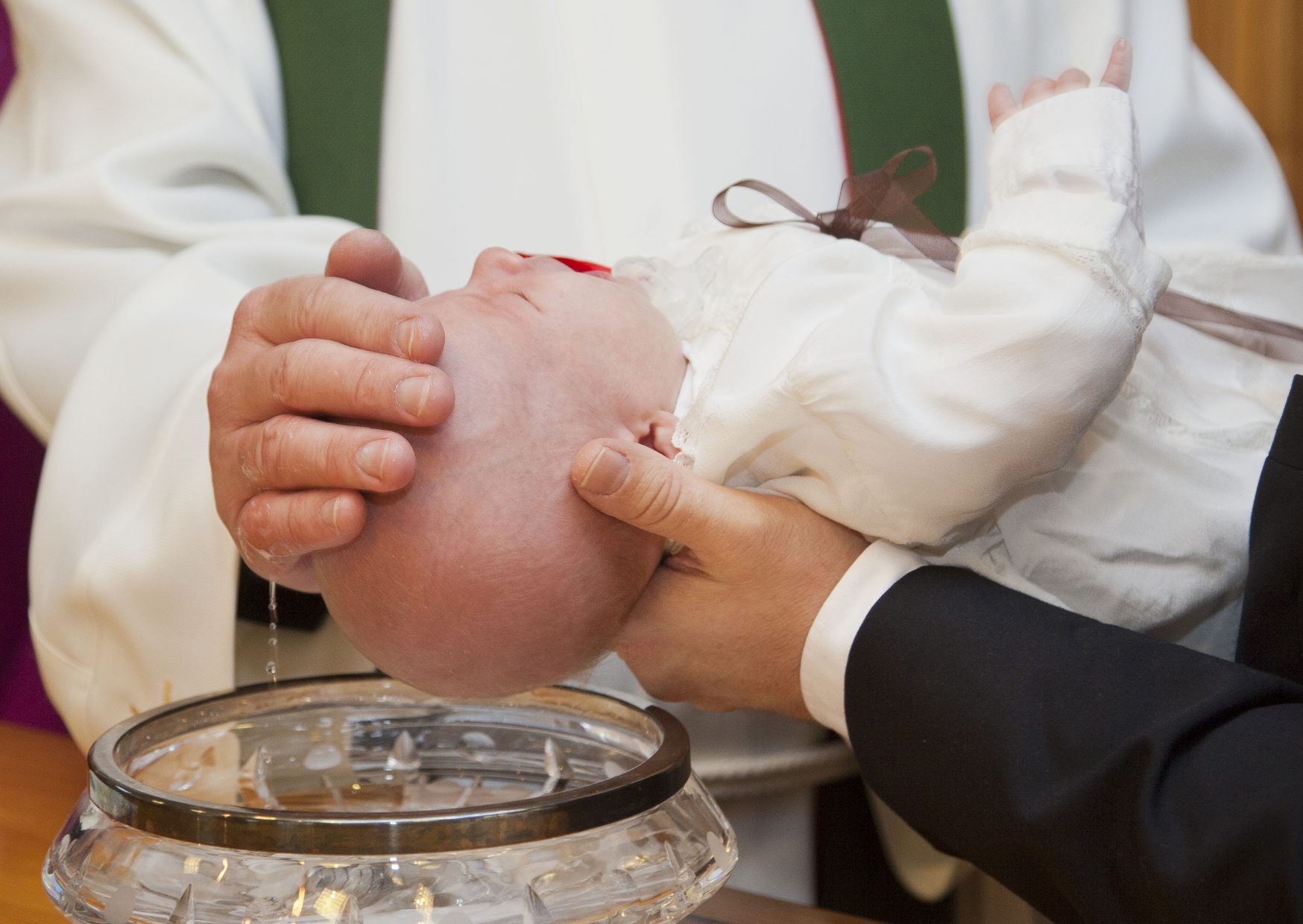
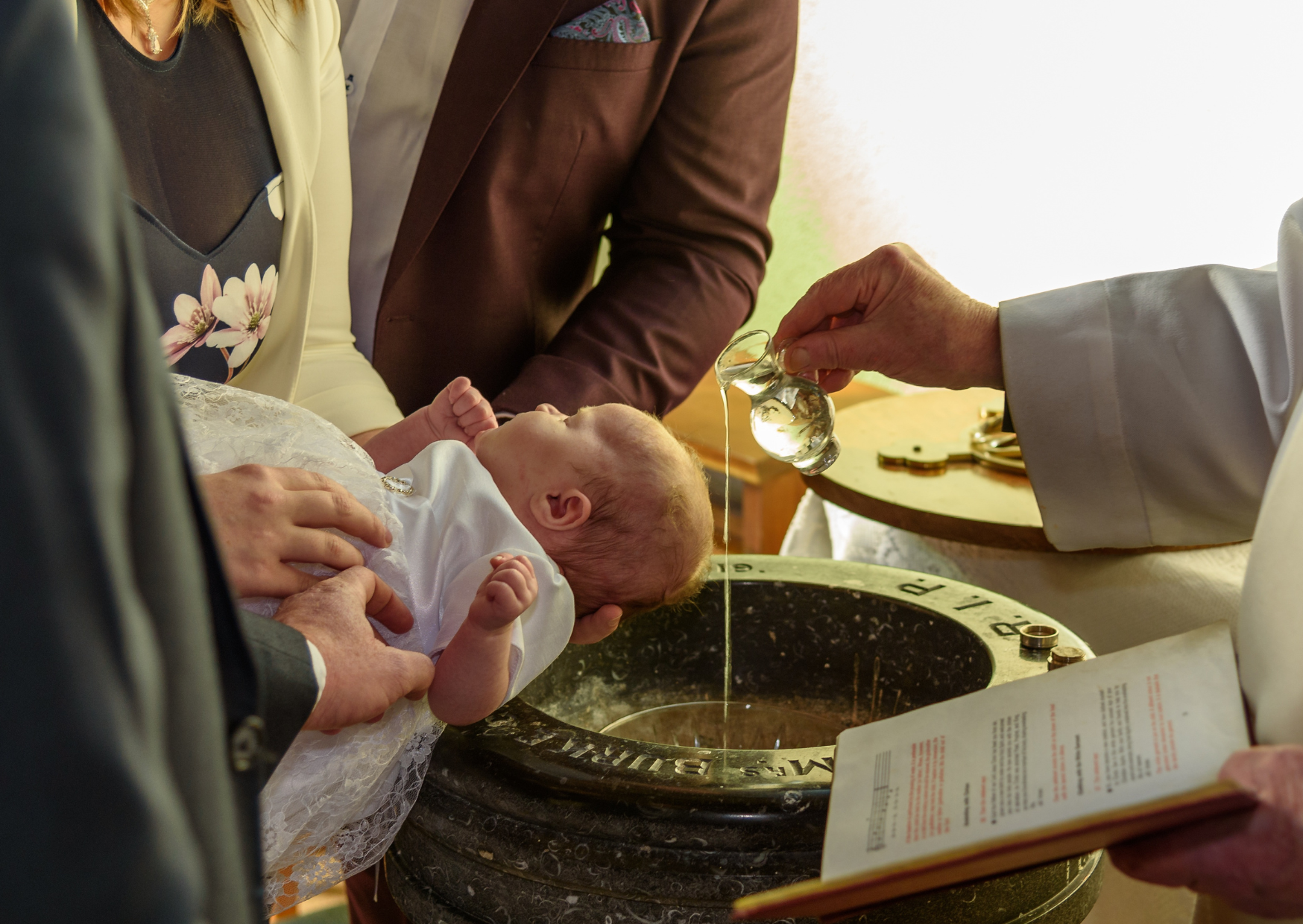
A battesimo is not a second birthday with holy water. It is a sacrament first, a family reunion second, and a social contract made visible. The church service is brief; the reception is where the community shows up. Italians don’t think in headcounts so much as circles—nonnis, zii, compari, neighbors, colleagues—and this is one of the few events that pulls every ring of the circle into the same room.
Two things make it feel outsized to Americans. First, christenings happen when family networks are at their widest—new baby, enthusiastic grandparents, cousins still nearby. Second, Italian hospitality is table-based. Celebration equals seating, and seating equals a real menu, not finger food. Put those together and you get what feels, to U.S. eyes, like a reception scaled for newlyweds.
Key shift: think less “party for an infant,” more “welcome banquet for a new member of the clan.” The baby sleeps; the family cements bonds around the table.
Guest lists are family trees pruned lightly
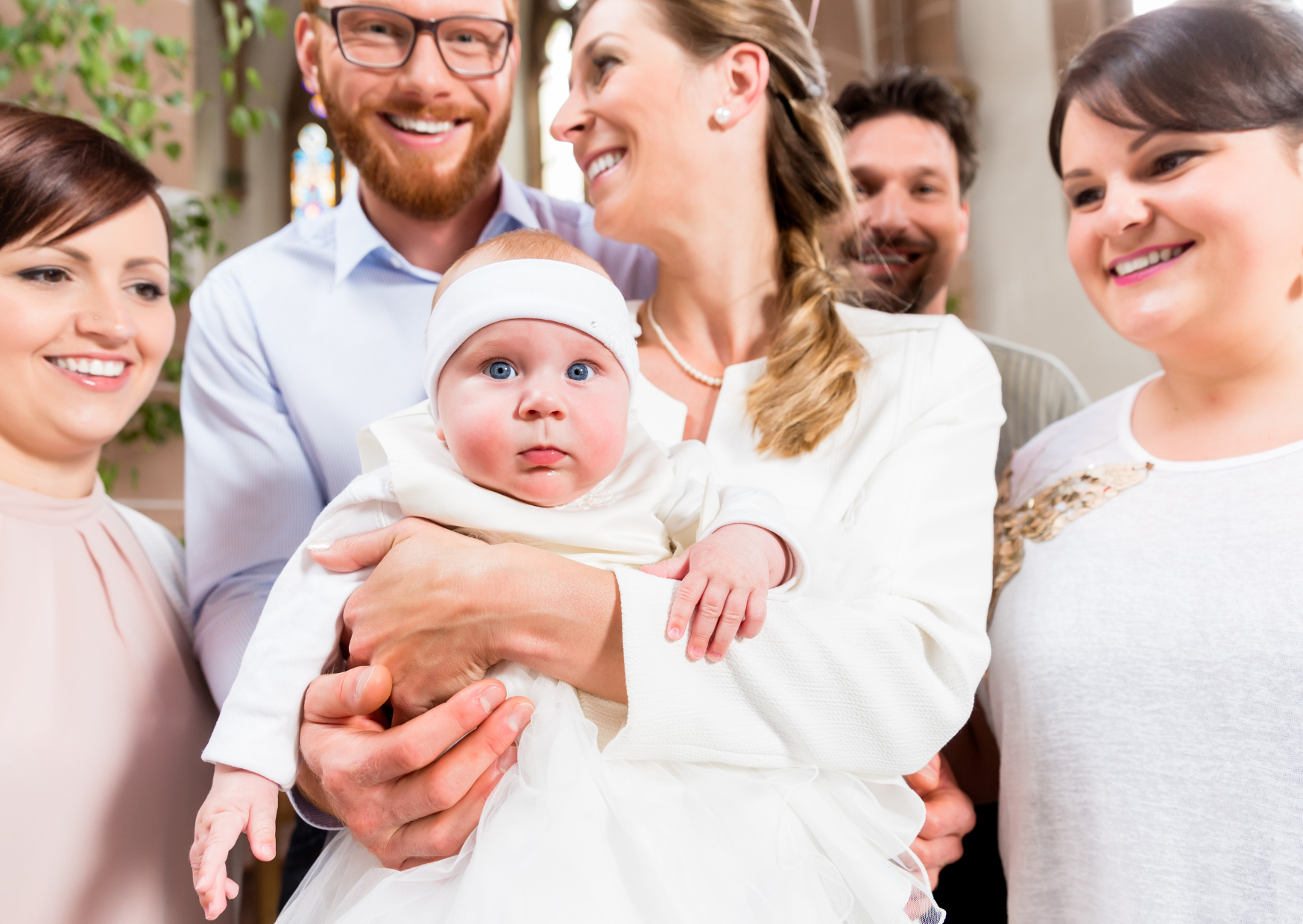
American christenings often look like immediate family plus godparents. In much of Italy—especially the South—guest lists can stretch to dozens: grandparents from both sides, siblings with partners and kids, your mother’s best friend, neighbors who function like family. Even in the North, a “small” battesimo commonly fits a private room at a trattoria.
The unspoken rule is simple: if someone would host or cook for you in a crisis, they’re in for the baby’s first sacrament. That social math fills chairs fast. It’s not about spectacle; it’s about reciprocity—the web that will babysit, deliver soup, and show up at first communion and graduation later.
Two quiet drivers: proximity (more relatives nearby) and ritual reciprocity (families attend one another’s sacraments across years). If you’re invited, you’re part of that fabric now—say yes with your presence, not just a gift.
Godparents aren’t props—they’re co-hosts
American godparents sometimes play a symbolic role. In Italy the padrino and madrina are active: they stand at the font, process with the family, pose for photos, and often shoulder visible generosity—from a special keepsake to contributing to the reception or organizing a detail the parents can’t handle that day.
For guests, that means two things. First, treat godparents as hosts alongside the parents—greet and thank them. Second, expect a higher standard of dress and a certain ceremonial gravity around them. Their names will sit beside the child’s on keepsakes and favors. When in doubt, congratulate them as if they just accepted an office—because they did.
Cultural subtext: the title ties two family trees. In some regions it creates lifelong compadrazio bonds—stronger than friendship, less formal than kin. That’s why everyone takes the role seriously.
The meal is the message course by course
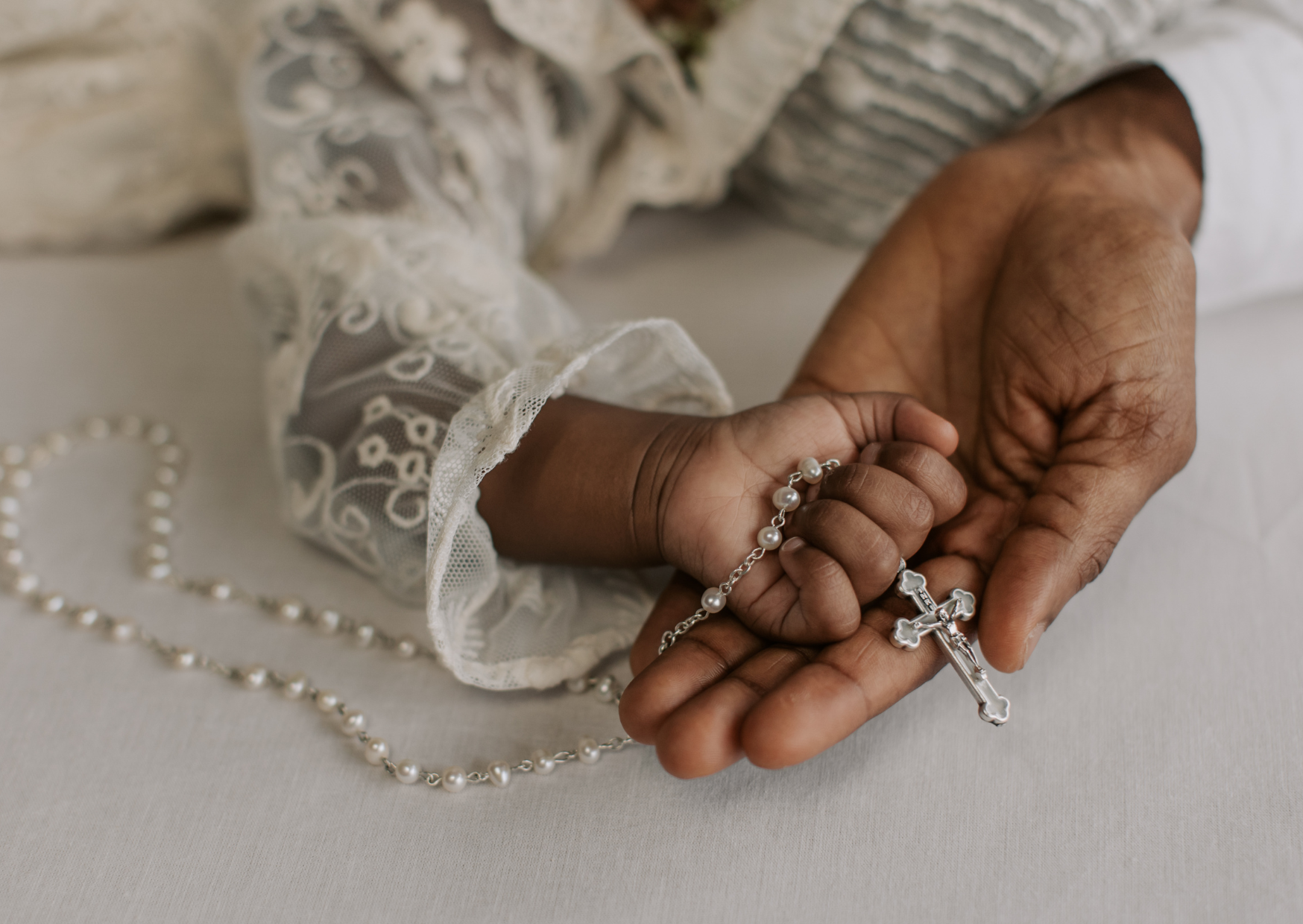
A battesimo lunch reads like a festival menu: welcome aperitivi, antipasti that crowd the table, two primi (think risotto and pasta), one secondo with contorni, then dessert and the torta. Coffee. Amaro. Photos. Conversation never stops; children run in packs; elderly guests are seated strategically and served first. It’s less about indulgence than pacing—four or five hours that let conversations bloom across branches of the family.
For Americans used to “ceremony + buffet,” a seated, multi-course lunch can feel formal. It isn’t stiff; it’s ritualized comfort. Everyone gets enough time to meet the baby, chat with the other side of the family, and welcome the godparents. That’s what the extra courses buy—time.
Your move: eat a proper breakfast, then embrace the rhythm. The best compliment you can give is a steady appetite and unhurried presence.
Favors aren’t optional. They’re your takeaway contract
At the end (or on the way out) you’ll be handed a bomboniera—a small gift box or keepsake tied with ribbon and confetti (sugar-coated almonds). Colors signal the event: white for sacraments in general, pink or blue for birth/baptism. Inside the box, you’ll find five almonds or chocolate dragée and a tiny card with the baby’s name and the date.
To outsiders, favors can look like decoration. To Italians, they’re encoded gratitude—a tangible “thank you for joining our circle today.” Bring yours home; don’t open and eat the almonds at the table (save them or share later). If you gifted cash, the favor is the family’s reciprocal gesture—acknowledged without words.
Small etiquette: say grazie, glance at the card, and admire the ribbon or keepsake. That’s the moment the day locks into memory.
“Bigger than American weddings”? Sometimes, in what counts
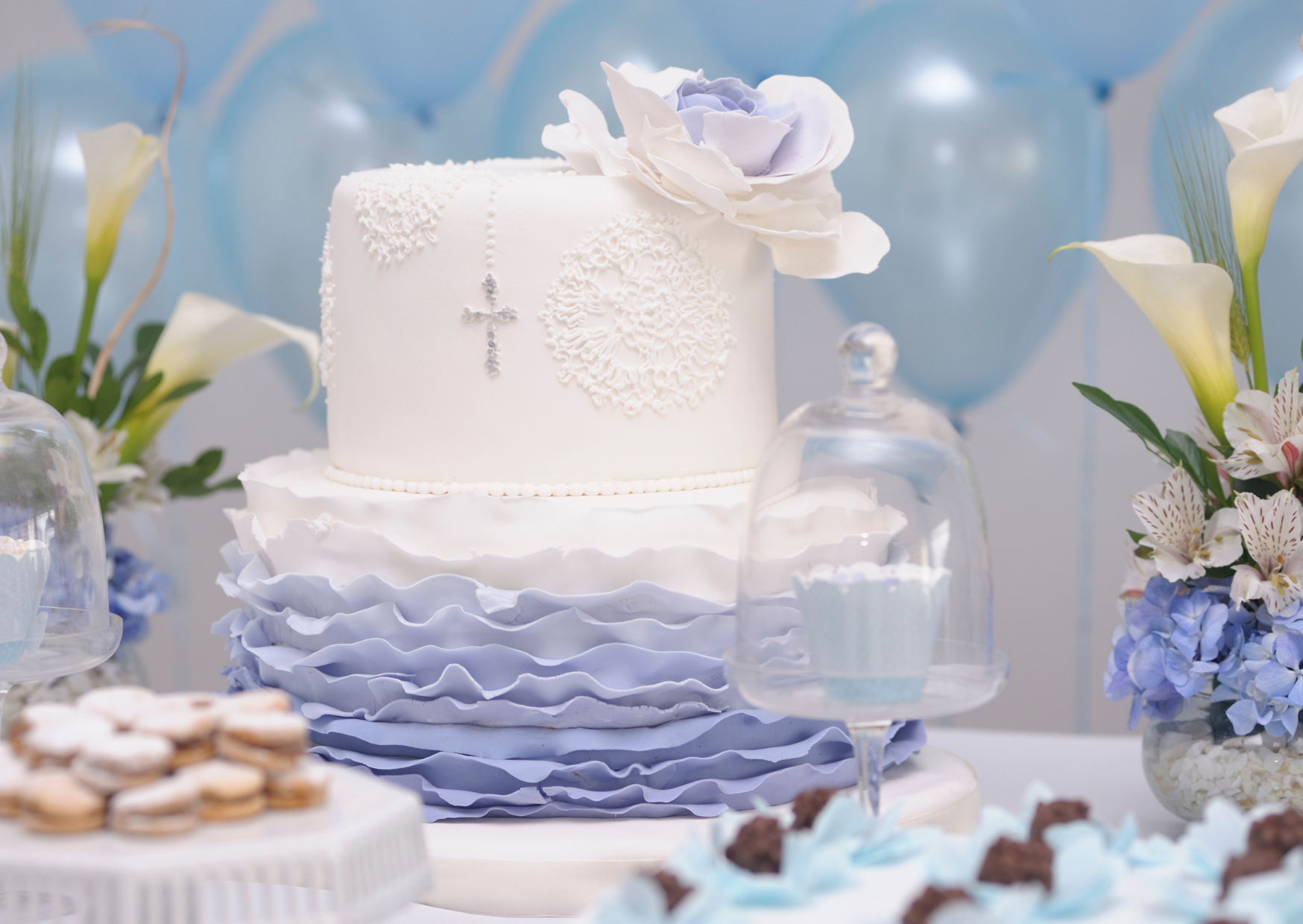
By dollars, a battesimo won’t rival a full U.S. wedding with open bar and a band. By scope—guest count, hours at table, professional photos, printed invitations, decorated cake, favors, and outfit changes—it can rival the feel. A 50–80-person lunch with a photographer, cake, decorated room, and favors easily runs into the low thousands of euros, and in some regions families delight in making it beautiful.
Meanwhile, U.S. weddings now average eye-watering figures for venues, catering, and extras—numbers that make any Italian christening look modest by comparison. But here’s the twist: many Italian families stage christenings with the same orchestration Americans reserve for weddings—because sacraments pull the whole family system into the room. That’s the “bigger” you’re feeling: not price, but density of people and meaning.
Bottom line: on a per-chair basis it’s graceful and sane; as a human event, it’s as busy as a wedding—minus the tuxedos and the DJ.
Money talk: What things actually cost (and why it’s worth it)
You won’t hear price chatter at the table, but here’s the quiet math families expect.
A respectable menu at a classic restaurant or agriturismo often runs €35–€60 per person, scaling with province and choices. Add a themed cake, floral touches, and a few decorative rentals. Bomboniere vary wildly—from DIY sachets under a euro each to artisanal keepsakes at €10–€20 apiece. A small photography package for the ceremony and portraits can run a few hundred euros. All in, a 40-guest christening might land near €2,000–€3,000; 70–80 guests will be higher, but rarely in wedding territory.
Why spend it? Because Italian families save lavishness for moments that knit people closer—sacraments, milestone birthdays, graduations. Money buys togetherness more than spectacle here: shared time, shared table, tangible welcome for a child who will see these photos for decades.
Two useful truths: meals are tax-inclusive and service is built into pricing, so the number you see is the number you pay; and the family often shares costs informally—grandparents cover the cake, godparents sponsor photos—spreading the load without fanfare.
What to wear, bring, and say—without overthinking it
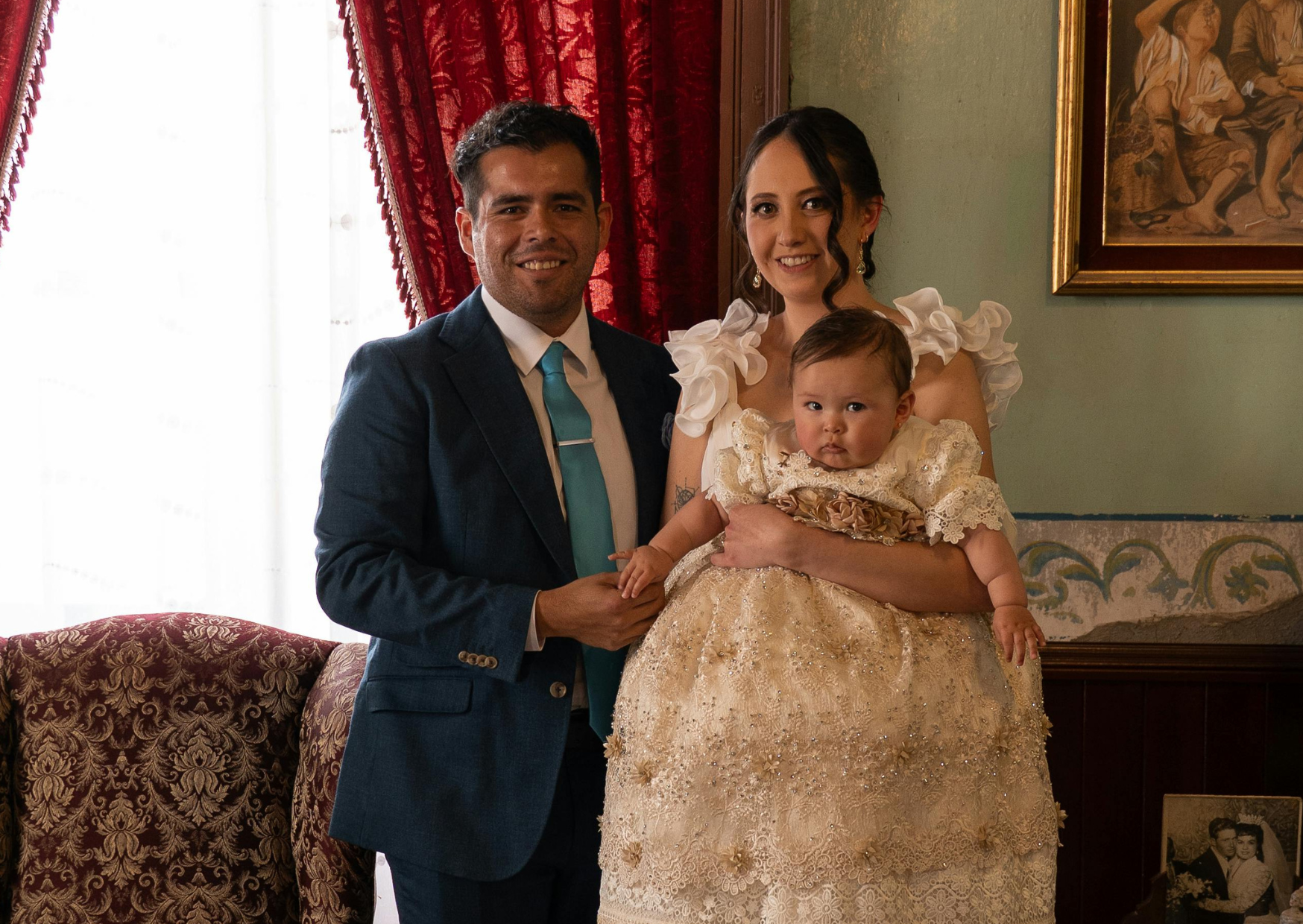
Dress codes tilt toward elegant but not flashy. Think church-appropriate: jackets or crisp shirts for men; dresses, skirts, or tailored trousers for women. Avoid white lace or anything bridal. Babies wear white or cream; godparents dress a notch above, not red-carpet.
Gifts: envelopes are normal, especially in the South, but keep it thoughtful—a savings bond, a silver spoon or medal, a small gold charm, a classic children’s book in Italian, or a framed photo after the event. If you bring cash, include a short note to the child for later reading. If you’re close to the family, ask if there’s a charity they support; donations in the baby’s name are increasingly common in urban families.
Phrases that travel: “Auguri!” to parents and grandparents. “Tanti auguri al piccolo/la piccola.” To godparents: “Complimenti, che onore!” At the table: “È tutto buonissimo.” You won’t need more than that—and your presence is the real present.
The timetable so you don’t show up during the cake
Expect a late-morning ceremony, often 11:00–12:00, then photos on the church steps. Guests drift to the venue by 13:00, with aperitivi as people arrive. Antipasti between 13:30–14:00; primi around 14:30; secondi after 15:00; cake and toasts near 16:00–16:30. Families linger—children play outside, elders sip coffee indoors—before goodbyes. If you must leave early, tell a parent before dessert and slip out after congratulations; no long speeches, no clinking glasses.
Pro move: arrive five minutes early to the church; greet the nonni first. They notice—and they’ll remember.
Regional flavor—same script, different accent
The further south you go, the larger and livelier the reception tends to be, with music and late-day energy. In the North and Center, you’ll still see careful menus and pretty favors, but sometimes with fewer guests and a cooler palette. Coastal towns love seafood primi; inland tables lean toward roasts and seasonal contorni. Urban families may choose a brunch-style format; country venues stretch into garden afternoons. Everywhere, the constants hold: godparents honored, favors presented, long table at the heart.
Read the invite: a villa name and formal script signals a longer, seated lunch; a home address or agriturismo suggests cozy elegance; a mid-afternoon start often means buffet-plus-cake rather than full multi-course.
How not to be “that” American guest
Don’t ask, “When is the party over?”—the day is about being together, not clocking out. Don’t compare it (out loud) to a wedding—let the hosts define their joy. Don’t under-dress because “it’s just a baby thing.” And don’t post every photo before the parents do; send your best shots privately first.
Do help in small, high-leverage ways: offer a seat to a nonna, wrangle children for the group picture, move a gift table when asked. Compliment the menu choices and favors—someone sweated those details with love.
Two words to memorize: “Che bello.” Used gently, it blesses the whole day.
Planning your own? Steal the structure, not the spending
If you’re an American family in Italy (or taking inspiration home), you can capture the magic without overshooting your budget.
Anchor the day in church + table. Keep the menu seasonal and regional; choose one great primo, one great secondo; spend the difference on time—a room that’s yours for hours, not minutes. Do favors simply: ribbon, card, five almonds. Ask a talented cousin to MC the photos so you get the grandparents with the baby in natural light. Spread costs quietly—nonna brings dessert, godparents handle photos, your sister does the invitations. The effect is richness without bloat.
And most of all, keep the focus clear: you’re not hosting a performance. You’re welcoming a person—and weaving them into a community that will feed them, teach them, and clap at their recitals.
The real reason it feels so big—love is measured in chairs
In the U.S., weddings are where you gather everyone. In Italy, sacraments share that role. The first one happens when the family is most eager to gather. That’s why christenings look enormous to outsiders: they are the first public proof that the family has expanded—and that expansion deserves a room full of voices, a table crowded with plates, and a favor you’ll find on your shelf years later.
Call it big if you like. Italians might just call it right-sized for the moment. Either way, once you’ve watched a nonna kiss a sleeping baby’s forehead between the second primo and the cake, you understand what the scale is buying: memory.

About the Author: Ruben, co-founder of Gamintraveler.com since 2014, is a seasoned traveler from Spain who has explored over 100 countries since 2009. Known for his extensive travel adventures across South America, Europe, the US, Australia, New Zealand, Asia, and Africa, Ruben combines his passion for adventurous yet sustainable living with his love for cycling, highlighted by his remarkable 5-month bicycle journey from Spain to Norway. He currently resides in Spain, where he continues sharing his travel experiences with his partner, Rachel, and their son, Han.