
And what it reveals about practicality, taboos, and how differently cultures define “clean”
Bring this up at a dinner party in the United States and you’ll be met with either awkward laughter or scandalized silence. Peeing in the shower is one of those things many Americans may secretly do, but few will admit — and certainly not casually. The thought is often met with a mixture of disgust, shame, and questions about hygiene.
But walk into a college dorm in Spain, a hostel in France, or even just talk openly with a few twenty-somethings in Portugal, and you might be surprised. Not only do many Europeans pee in the shower, they’ll openly admit it, defend it, and even justify it medically and environmentally.
It’s not a rebellion. It’s not even weird. It’s just one of many everyday habits that Europeans handle with less shame, more logic, and a much higher tolerance for bodily realism than their American counterparts.
Here’s why Europeans pee in the shower — and why, from a medical and environmental standpoint, they might actually be right.
Want More Deep Dives into Everyday European Culture?
– Why Europeans Walk Everywhere (And Americans Should Too)
– How Europeans Actually Afford Living in Cities Without Six-Figure Salaries
– 9 ‘Luxury’ Items in America That Europeans Consider Basic Necessities
Quick Easy Tips
Always rinse thoroughly after – Hygiene is still key; don’t let the “it’s cleaner” logic excuse poor bathroom habits.
Use your own shower only – This is not a habit to try in shared accommodations or hotels.
Aim for the drain – Sounds obvious, but this is the golden rule.
Use water wisely – Combine this habit with turning off the water while soaping to save even more.
Don’t overthink it – It’s your shower, your body, and your plumbing. Done right, it’s cleaner than you think.
The idea of peeing in the shower might make many Americans squirm, but across parts of Europe, it’s seen as practical, not gross. Why? Because it saves water, reduces toilet paper usage, and according to many doctors, isn’t unhygienic when done properly. Yet in the U.S., it’s wrapped in layers of social taboo, largely due to puritanical attitudes about bodily functions.
This divide points to a deeper cultural difference: Europeans tend to normalize the human body and its functions without shame. Americans, on the other hand, often moralize cleanliness to the point of irrationality—equating unusual bathroom habits with poor character, rather than assessing them logically or scientifically.
It’s also about environmental awareness. Europeans have long prioritized water conservation in daily habits. In some countries, peeing in the shower is even promoted in environmental campaigns to save flushes and resources. For a continent that’s no stranger to eco-friendly thinking, it makes sense—even if it sounds shocking at first.
1. It’s More Common Than Americans Want to Admit
Let’s start with the obvious: Americans do this too — they just don’t talk about it.
Surveys suggest that around 60% of American adults have peed in the shower at least once. Many do it regularly. But the cultural framing turns it into something secret, immature, or disgusting.
In Europe, it’s not hidden. It’s openly joked about, even discussed casually in group conversations. It’s not a “confession.” It’s just a practical decision in the flow of daily life.
2. It Saves Water — And Europeans Are Hyper Aware of That
In Spain, Portugal, and Italy especially, water usage is not taken lightly. Long showers are discouraged. Lawns aren’t overwatered. Dishes aren’t rinsed endlessly. And toilets? They get flushed when needed — but not excessively.
Peeing in the shower means you’re not flushing the toilet unnecessarily — and saving between 6 to 9 liters of water (1.6 to 2.4 gallons) per bathroom trip.
In the U.S., where water waste is rarely visible at the household level, this doesn’t resonate. But in Europe — where rural homes may rely on cisterns and city apartments see monthly usage in detail — it’s a logical, efficient, and eco-conscious habit.
3. It’s Not “Gross” — It’s Just Urine
Here’s the cultural sticking point: for many Americans, urine is treated as inherently dirty. Something shameful. A biohazard.
But medically speaking? Urine is sterile in healthy individuals. It’s 95% water, plus salts and urea. Unless someone has a specific infection, urine in the shower isn’t dangerous. It goes straight down the drain — with soap and shampoo chasing after it.
European practicality focuses on the result: if it goes away with the water, and the floor is clean afterward, there’s no issue.
It’s the same drain, the same plumbing. And likely cleaner than the toilet handle you touched 30 seconds ago.
4. Doctors in Europe Aren’t Scandalized — They’re Practical
Ask a urologist in Spain or a general practitioner in Germany, and you’re unlikely to get a dramatic response.
In fact, some European doctors recommend peeing in the shower occasionally — especially for women. Why?
- It can help train pelvic floor muscles, especially when squatting slightly or doing it mindfully
- It may reduce infections by flushing bacteria from the urethra
- It avoids wiping, which can irritate sensitive skin
- And again, it reduces unnecessary toilet flushes, contributing to sustainable living
This doesn’t mean it’s required or even ideal — but it’s far from taboo.
5. European Bathrooms Are Built for Real Life — Not Instagram
American bathrooms often double as staged spaces. Candles, coordinated towels, eucalyptus bundles, color themes. They’re built to look clean — and to hide the body’s realities.
In Europe, especially in practical homes, bathrooms are more utilitarian. Tiled floor to ceiling. No carpets. Drains that work. Bidets in the corner. Showers that are meant to be used, not admired.
When you design a room around actual bodily function, the act of peeing in the shower no longer feels like a violation. It’s just one more thing the drain is designed to handle.
6. There’s No Emotional Panic Around Natural Functions
American hygiene culture often centers on control: deodorize everything. Hide every sound. Mask every smell. Clean everything twice, then clean again. Children are taught early to be discreet, quiet, and ashamed of natural output.
In Europe, bodily functions are discussed with less shame and more humor. People talk about digestion, sweating, and yes — peeing — without squirming.
That openness removes the moral weight. When something isn’t taboo, it doesn’t feel gross. It’s just life.
7. Parents Don’t Shame Kids for It — They Expect It
In American households, many parents react to a child peeing in the shower with surprise or scolding.
In Spain, it’s barely worth mentioning. If you’re in the shower and you need to go, you go. Parents may teach children not to pee in public pools or bathtubs, but the shower? No problem — just rinse afterward.
The casual attitude sends a bigger message: your body isn’t something to be embarrassed about.
And when kids grow up without shame, they grow up with healthier body awareness overall.
8. It Avoids Germ Transfer from Toilets
Ironically, the thing Americans do to “stay clean” — always using the toilet — may be less hygienic than simply peeing in the shower.
Toilets involve:
- Lifting lids and touching handles
- Sitting or hovering
- Flushing and releasing invisible spray
- Potentially wiping, often with poor technique
Peeing in the shower avoids every one of those steps. It’s direct. Fast. Washed away immediately with running water and soap. No toilet seat, no splash, no fuss.
It’s not just neutral — it may be cleaner.
9. It Reinforces a Philosophy of Efficiency — Not Ritual
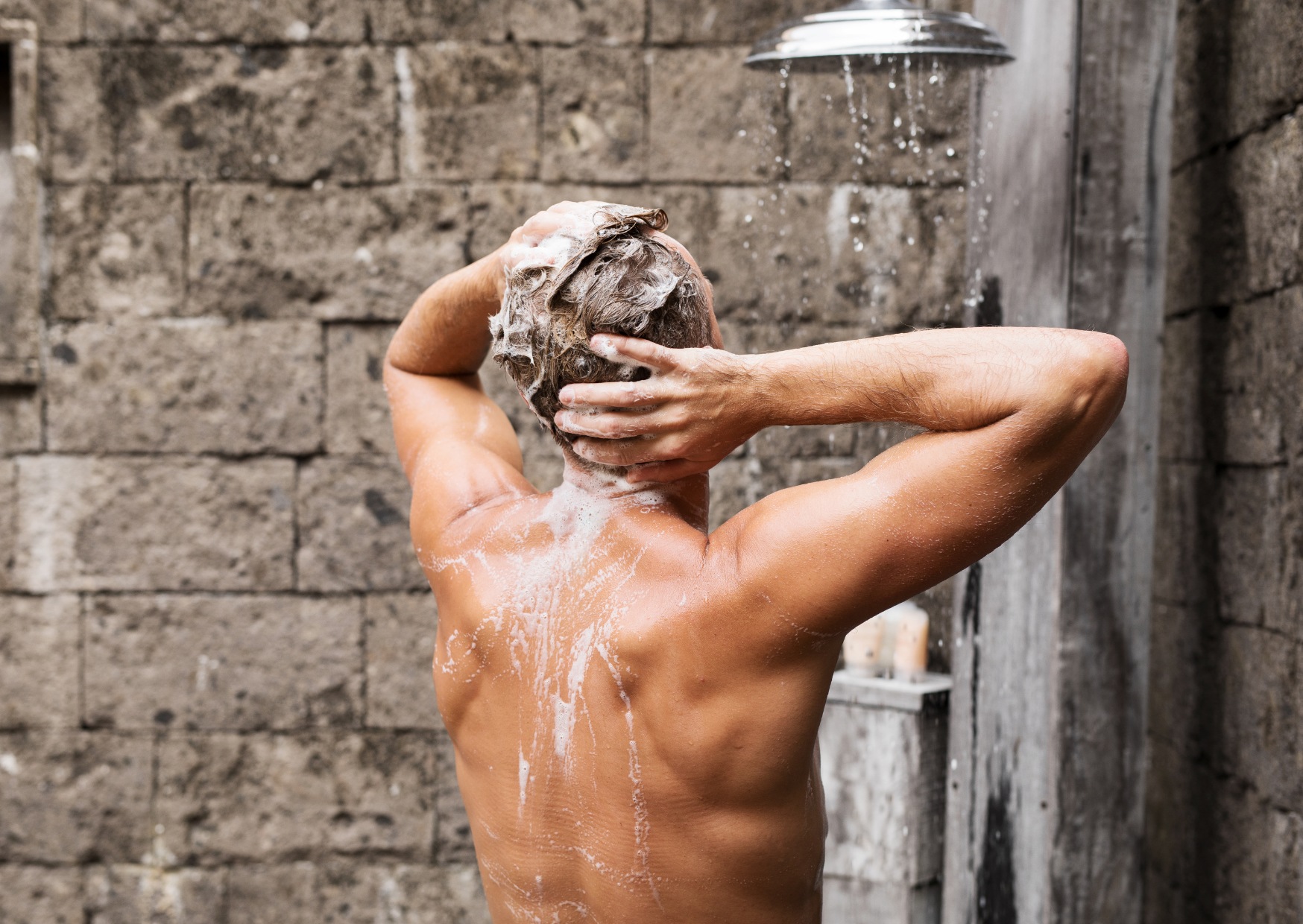
At its core, the European attitude toward peeing in the shower reflects a deeper cultural trait: daily life should be efficient, not ceremonial.
You don’t waste. You don’t dramatize. You don’t invent rules where none are needed.
If something can be done without inconvenience or waste, and causes no harm, why make it taboo?
This logic is applied widely — in how people use electricity, wash dishes, wear clothes more than once, and yes, relieve themselves without leaving the shower.
One Habit, Two Cultures
To Americans, peeing in the shower is awkward, gross, or juvenile.
To Europeans, it’s practical, efficient, and kind of a no-brainer.
In the U.S., the bathroom is a place for rules.
In Europe, the bathroom is just a place to get clean.
Americans approach hygiene with performance and pressure.
Europeans approach hygiene with realism and rhythm.
So if you’re living abroad or traveling in Europe and this comes up in conversation — don’t be shocked when your Spanish, French, or Dutch friend admits they do it too.
They’re not weird. They’re not rude.
They’re just not carrying shame about something that literally goes straight down the drain.
While it might seem strange (or even a little uncomfortable to admit), peeing in the shower is a habit rooted in efficiency and sustainability. As long as it’s your personal space and you’re mindful of hygiene, it’s not only harmless—it might be better for the planet.
Challenging long-held taboos isn’t about being provocative for the sake of it. It’s about questioning what we do, and why we do it. Sometimes, the habits we laugh off in other cultures have something to teach us. So maybe it’s time to let go of the cringe and embrace a new kind of clean.

About the Author: Ruben, co-founder of Gamintraveler.com since 2014, is a seasoned traveler from Spain who has explored over 100 countries since 2009. Known for his extensive travel adventures across South America, Europe, the US, Australia, New Zealand, Asia, and Africa, Ruben combines his passion for adventurous yet sustainable living with his love for cycling, highlighted by his remarkable 5-month bicycle journey from Spain to Norway. He currently resides in Spain, where he continues sharing his travel experiences with his partner, Rachel, and their son, Han.