
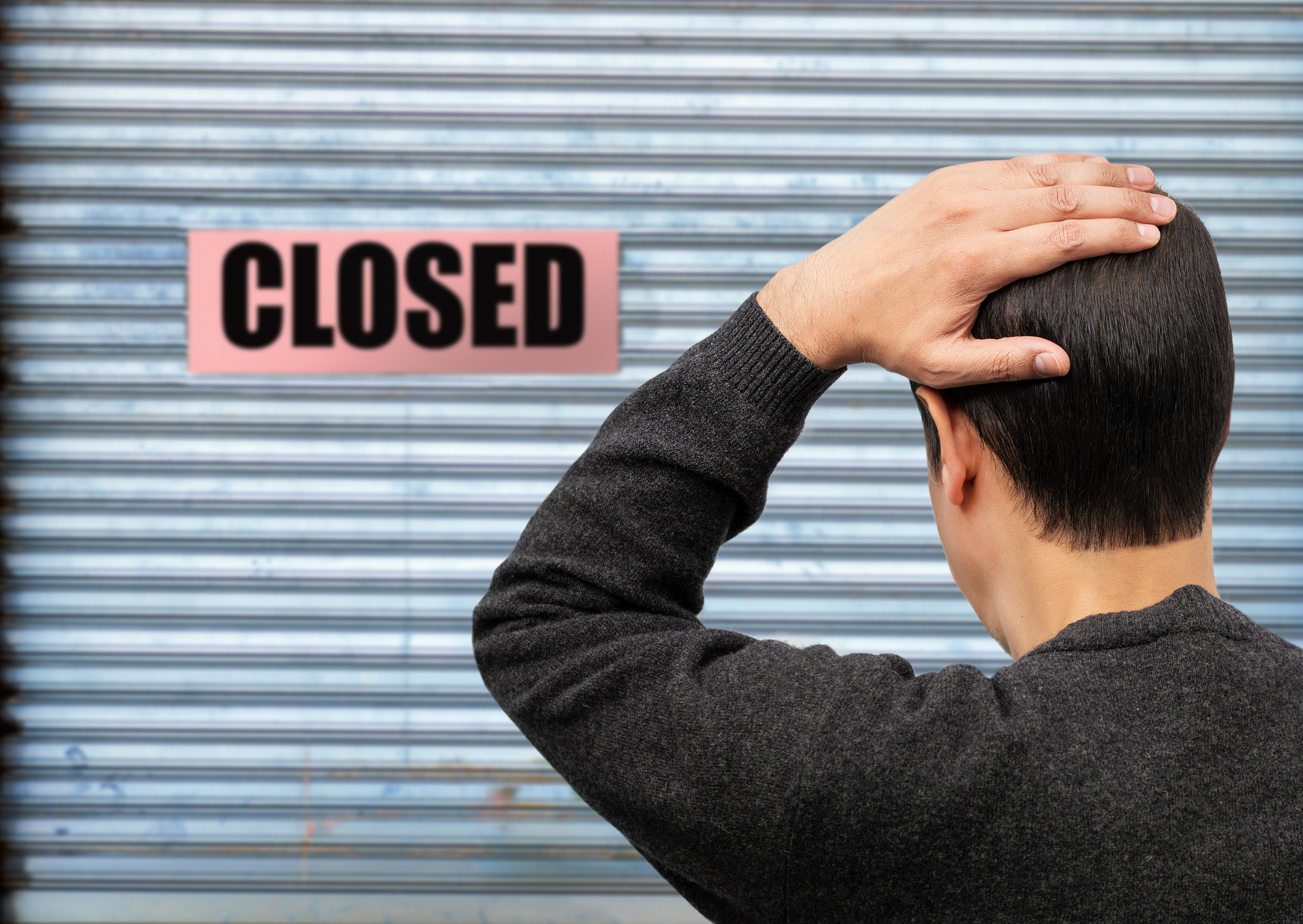
If metal shutters drop in the middle of your perfect shopping day, you didn’t hit an economic downturn—you ran into a daily rhythm where lunch, family, and heat win for a few hours, and the street wakes up again when the light softens.
Stand on a neighborhood block in Valencia or Seville at 1:58 p.m. and you’ll hear it—one rattle, then another, as persianas slide down and keys turn in quick succession. The butcher lifts a hand to the baker across the street. The hardware shop stacks its last paint cans. By 2:05, the whole strip looks closed for good. It isn’t. It’s on pause.
Americans misread that pause as a snub or a crisis. It’s neither. It’s a schedule—older than air-conditioning, tuned to heat, daylight, and the long midday meal. Once you plan around it, Spain feels more generous, not less: quieter afternoons, better lunches, livelier evenings, shopkeepers who aren’t exhausted, and errands that actually get attention when doors re-open.
This is your field guide to that rhythm—what closes and what doesn’t, how hours flex by season and region, the tricks locals use, and the simplest way to stop losing your day to a shutter.
Want More Deep Dives into Other Cultures?
– Why Europeans Walk Everywhere (And Americans Should Too)
– How Europeans Actually Afford Living in Cities Without Six-Figure Salaries
– 9 ‘Luxury’ Items in America That Europeans Consider Basic Necessitie
What “siesta” really is—and what it isn’t
The stereotype is a nap. The reality is a split shift—morning hours, midday break, evening hours—wrapped around a serious 2–3:30 p.m. meal and the hottest sun. Some people do sleep; many don’t. They eat, pick up kids, do supplier runs, process paperwork, or sit through a long sobremesa (the quiet talk after lunch). The street looks empty because the useful things have moved indoors.
You’ll still hear complaints inside Spain about the jornada partida (split day) stretching work into the evening. Fair. But for small, owner-run shops it matches foot traffic and body clocks better than a continuous day. When customers return at five-something, owners are ready—fed, rested, and willing to chat.
The rule you can trust: doors down at about 14:00, doors up again around 17:00–17:30. In July and August, re-openings slide later. In cool months, they can inch earlier. In tourist cores, some businesses stay continuous—but the neighborhood strip still breathes.
Who actually closes at two—and who doesn’t
If the sign over the door is a surname, expect a break. Butchers, greengrocers, ironmongers, cobblers, tailors, family cafés between lunch and dinner—these are the classic two-band hours. They’re staffed by the same two or three faces all day; the pause is how those faces survive.
If the sign says supermarket, department store, chain fashion, museum shop, transport hub, or you’re standing in a mall or a high-tourism corridor, continuous hours are common. Big teams rotate, air-conditioning hums, and legal permissions are broader in designated tourist zones. You can usually count on larger grocers to trade through the afternoon even when the corner frutería is dark.
Translation for planning: for errands that need expertise—keys, tailoring, specialty foods—go morning or evening. For generic shopping, a mall or big-box will cover your afternoon gap.
The map under the shutters
Spain doesn’t run on a single national timetable. Regions set the retail-hours framework, and cities label tourist zones with looser rules. That’s why Madrid can feel nearly seven-days-a-week open while a small town in Castilla-La Mancha still goes quiet on Sunday afternoons and holidays. None of that erases the lunch culture. Even in liberalized zones, independent shops often keep the split because it matches their customers—and their lives.
Your move: stop trusting generic map hours for the small places you actually want. Read the sign on the door in the morning. You’ll see two neat bands with a clear “volvemos a las 17:00.” Believe it. They will be back at five.
Seasonality changes everything—and you can use it
Hours breathe with the weather. In high summer, heat pushes everything later. Re-openings drift toward 18:00, and evenings run deep because the city finally cools. In August, many owner-run shops take one to three weeks off entirely. Tourist corridors hum; residential streets thin. If you need a cobbler or a picture framer in August, ask this week for next week and plan around the sign that says cerrado por vacaciones.
In shoulder seasons—May, June, September—the classic rhythm returns. Winter shortens evenings a little, but the two-band pattern remains. If you hold your errands for Tuesday and Wednesday mornings, you’ll have the fewest lines and the most helpful staff all year.
Why 2 p.m. is rational, not rude

Switch perspectives—from shopper to owner—and the logic clicks.
Meals matter. The midday meal still anchors the day. People have time to cook, sit, and talk. That sobremesa resets patience; you feel it when you interact with staff at 7:15 p.m.
Heat matters. The sun at two is payroll set on fire for a shop that depends on street traffic. Closing trims utilities and aligns labor with the hours people actually show up.
Bodies matter. Two human beings can’t deliver cheerful attention from 10 a.m. through 8:30 p.m. with no break. The pause is how small businesses stay humane—and why your evening service is better.
Once you stop fighting the gap, your day gets calmer: heavy lunch, quiet admin window, lively evening. Spain starts to make sense.
What to do from 14:00 to 17:00 so you stop “wasting” time
This is not dead time. It’s the best time.
Eat a menú del día: a starter, a main, dessert or coffee, bread, and water or wine for a set price. Sit at 2:15, leave at 3:30, and you’ll wonder why you ever chased lunch at noon.
Walk into a cool museum room. Big attractions stay open through the lull; the locals are at lunch.
Do admin: book trains, answer messages, plan tomorrow. Or take a short rest—twenty minutes, not two hours.
Stroll a shaded park or sit in a church when the light slants through dust and stone. You’ll be alone with the city.
When doors roll back up, finish your errands with people who’ve had a break. You’ll get better work and more conversation.
The small tactics locals use (steal these)

Locals don’t fight the shutters—they choreograph around them.
They shop mornings, collect evenings. Order a hem at 11:30; pick it up at 19:30. That gap is when the work gets done.
They call or WhatsApp businesses early to confirm evening stock. Many owner-operators reply before lunch and ignore messages while they’re eating—because they’re human.
They stack errands by block. The butcher, the household shop, and the fruit stand are neighbors. Walk the triangle at 10:15 and the same triangle at 19:15. Your bag fills itself.
They treat Sundays as different days. In many cities, malls and big boxes open; independents don’t. You’ll learn the “duty pharmacy” (farmacia de guardia) board near any chemist for after-hours needs.
They eat late on purpose. Early dinners are hotel-restaurant territory. Locals have a small merienda at six or seven, then sit down at nine. If you match that rhythm, you stop being hungry at the wrong times.
Common American mistakes—and the clean fixes
Mistake: Showing up at 2:10 with a plan to “be quick.”
Fix: Flip your day: errands 10–13:30, lunch 14–15:30, admin or art 15:30–17:00, errands 17–20:00.
Mistake: Assuming shutters mean “permanently closed.”
Fix: Read the bands. If you see 10–14 / 17–20:30, the owner is not ghosting you—just eating.
Mistake: Trying to sit for dinner at 6 p.m. in a neighborhood restaurant.
Fix: Have a proper lunch and a light tapas-style evening. If you need a 6 p.m. meal, target hotel dining rooms or international chains.
Mistake: Believing online hours over the paper sign.
Fix: For small shops, trust the door. Update habits: walk by in the morning to confirm.
Mistake: Taking the pause personally.
Fix: Remember you’re learning a schedule, not passing a character test. The city isn’t closed; it’s on intermission.
How to read a Spanish hours sign in five seconds
You’ll see Horario with two lines. The first is morning (often 10:00–14:00). The second is afternoon/evening (often 17:00–20:00 or 20:30). Below that you may see Sábados (shorter), Domingos (closed), and a seasonal tag—Horario de verano or de invierno.
A separate sheet that says Cerrado por vacaciones: del 8 al 23 is what it looks like. Believe the dates. Tourist corridors will still serve you; the neighborhood specialist is on a beach with her kids.
If the sign says Horario ininterrumpido, congratulations: continuous hours. It’s often a larger store or a highly touristed location.
Planning templates you can copy
Two simple day shapes keep you synchronized without thinking.
Neighborhood day (errands + food):
Coffee at 9:30.
Errands 10:00–13:30 (keys, tailor, food shopping).
Menú del día 14:00–15:30.
Museum or park 15:45–16:45.
Pick-ups 17:00–19:30.
Light tapas 20:30–22:00.
Travel day (trains + tasks):
Early transport 7:30–10:00.
Check-in 10:30–11:30.
Errands near the hotel 11:30–13:30.
Lunch 14:00.
Unpack/siesta/admin 15:30–16:45.
Neighborhood walk and small shop stops 17:15–19:30.
Dinner late.
If you’re on the coast in August, push that second half an hour later. The sea breeze writes the schedule.
Phrases that unlock doors (and smiles)

“¿A qué hora volvéis a abrir?” – What time do you reopen?
“¿Tenéis horario de verano?” – Do you have summer hours?
“¿Podría pasar a recogerlo esta tarde?” – Could I pick it up this evening?
“¿Hay farmacia de guardia cerca?” – Is there a duty pharmacy nearby?
“Volvemos después de comer.” – We’ll be back after lunch. (You’ll see this on doors; take it literally.)
Deliver them with a soft tone and you’ll get specific answers—and often a suggestion: “Ven a y veinte” (come at ten past), which means “I’ll be ready.”
What changes—and what stays
Spain is modernizing work hours in many sectors. Some offices run a continuous day, schools experiment with earlier releases, and big retail in major cities trades more Sundays. But the midday meal and the evening street remain. Neighborhood commerce still follows human time: eat when it’s hottest, work when people show up, keep nights alive once the sun gives you back the pavement.
If you cling to your home schedule, Spain feels “closed.” If you borrow the local one, Spain feels coherent. You eat better, run fewer frustrating errands, and stop standing in front of shutters wondering what you did wrong.
The bottom line
Siesta isn’t a nap you’re not invited to. It’s a time budget that puts the heavy meal and the hottest light where they belong—away from the cash register and the sidewalk—so the city can bloom again at five. When you treat those hours as a design choice instead of a nuisance, your plans stop colliding with metal shutters and start gliding between open doors.
Shop with the neighborhood in the morning. Lunch like a local at two. Give the sun to the stones for a while. Then walk back when the keys turn and the laughter in the doorway says it’s evening again. That’s not Spain being difficult. That’s Spain being Spain—and that rhythm is why it works

About the Author: Ruben, co-founder of Gamintraveler.com since 2014, is a seasoned traveler from Spain who has explored over 100 countries since 2009. Known for his extensive travel adventures across South America, Europe, the US, Australia, New Zealand, Asia, and Africa, Ruben combines his passion for adventurous yet sustainable living with his love for cycling, highlighted by his remarkable 5-month bicycle journey from Spain to Norway. He currently resides in Spain, where he continues sharing his travel experiences with his partner, Rachel, and their son, Han.