
If you’re hunting for half-price margaritas from five to seven, you’ll keep walking past the best deals in Europe—because the continent doesn’t discount like the U.S. It redistributes value: small pours, built-in snacks, after-work “formulas,” and strict rules that make two-for-one signs rare or illegal.
Walk any European city at 6:15 p.m. and you’ll see full terraces—and almost no neon promises of “$5 well drinks.” That’s not stinginess. It’s design. In many regions, time-limited cheap alcohol is restricted by law; in others, bars simply send value in a different direction: shorter, colder pours that stay fresh; a plate of olives or chips you didn’t ask for; a set price that bundles a drink and food; and a social window that stretches into dinner. If you keep asking “Where’s happy hour?”, you miss it. It’s there—just not the way you expect.
Here’s how to read Europe’s early-evening economy so you save money, avoid tourist traps, and actually enjoy the hour that Americans keep trying to force into a U.S. shape.
Want More Deep Dives into Other Cultures?
– Why Europeans Walk Everywhere (And Americans Should Too)
– How Europeans Actually Afford Living in Cities Without Six-Figure Salaries
– 9 ‘Luxury’ Items in America That Europeans Consider Basic Necessities
What Americans Mean by “Happy Hour”—and Why It Rarely Maps
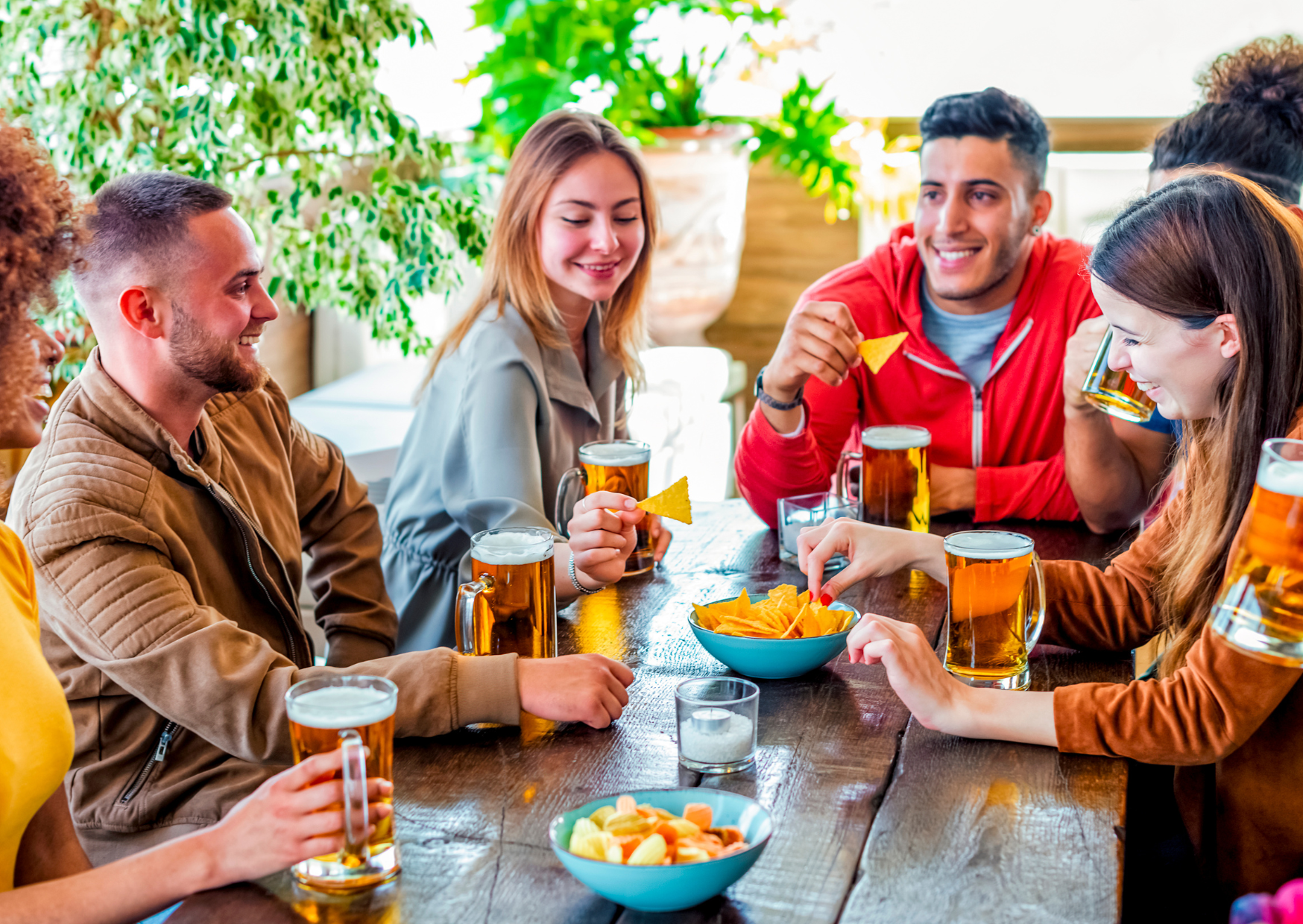
In the U.S., happy hour usually means steep, short-window discounts on alcohol—two-for-ones, half-off cocktails, or slashed pint prices, often wrapped in appetizers. Europe’s evening economy is built on small standardized pours, tax-included pricing, and lower-key promotions tied to food or format rather than shock discounts on booze.
Three realities explain the mismatch. Public-health regulation in several countries narrows or bans time-limited cut-rate drinking. Service-included pricing and VAT-in menus leave less wiggle room for big slashes without destroying margins. And cultural rituals—aperitivo in Italy, apéro in France, tapas circuits in Spain—make the value show up as food, pacing, and place, not as big sugary drinks in giant glasses.
Key idea: If your mental model is “big drinks, smaller prices, hurry,” you’ll chase the wrong doors. Look for bundles, snacks, and smaller pours instead.
Where “Happy Hour” Is Actually Constrained by Law
Europe isn’t one rulebook, but parts of it are blunt about promotions. Ireland forbids time-of-day price drops on alcohol—happy hours are illegal. Scotland curbs “irresponsible promotions,” which effectively killed classic time-limited price cuts across pubs. France allows early-evening discounts only if non-alcoholic drinks are discounted on the same terms—no slashing wine prices without matching deals on sodas and NA options. And regional crackdowns exist inside countries: the Balearic Islands restrict happy hours and bar-crawl deals in defined party zones.
What that means at street level: the big flashing bargain you expect often isn’t there—not because the city is unfun, but because law and licensing push venues toward food-led value, set menus, and consistent pricing over the day.
Read it this way: Fewer splashy discounts, more guardrails, value shifted to food and format.
Italy: Aperitivo Is the Discount—You’re Just Eating It
If you ask for happy hour in Milan or Turin, they’ll point you to aperitivo, usually 18:00–20:00. The drink price barely moves. The value lands on the plate: olives, chips, little toasts, sometimes a generous buffet (the modern “apericena”). You order a spritz, Americano, or vermut with soda, and suddenly there’s a small meal between you and dinner.
Two moves make it work. Order one round and linger—the snacks are designed to carry conversation, not to upsell you into a tower of cocktails. And choose places with locals at the counter, not all-you-can-eat buffets marketed in English. The bill won’t look “cheap” the way a U.S. bar menu does; your net cost per person will.
Use it like a local: bitter + bubbly in the glass, salty + savory on the plate, and don’t tip like in the U.S.—service is included.
France: Apéro, Not Price Slashing—Find the “Formule”
French bars do run apéro deals—but the compliance line is clear: if alcohol is discounted, non-alcoholic drinks must be discounted too. So instead of “half-off mojitos,” you’ll see formules: a glass of house wine or a demi-pinte plus a planche (cheese/charcuterie board) at a tidy price, or early-evening menus bundling a small plate and a drink.
Three tells you’re in the right place: locals sharing boards, handwritten slate with a short window, and modest pours that stay cold (12.5–25 cl for wine, 25–50 cl for beer). If you want the American feeling of “more for less,” order house wine by the glass or a pichet and split a planche—the cost-per-minute of pleasure is the best in town.
Rule of thumb: Look for “formule apéro”, not “happy hour,” and expect food-anchored value rather than deep drink discounts.
Spain: Don’t Chase Discounts—Chase Snacks and Rounds

In Spain, value arrives with the drink rather than through a discount on it. In many cities, especially outside the most touristed strips, a caña comes with something to eat—tortilla squares, olives, or a little montadito. In the Basque Country, weeknight pintxo-pote events bundle a bite and a drink for a fixed coin price in specific neighborhoods. And in parts of Madrid, standing at the bar during early evening can still yield free tapas with each round.
The trick is to stand at the counter, order short drinks, and move in rounds—not to nurse a single cocktail at a table outdoors. If your goal is a lighter bill before dinner, stay mobile: two or three bars, one drink each, snacks included, and you’ve essentially built your own happy hour—with food doing the discounting.
Street-smart swap: Ask “¿Hay pintxo-pote?” on weeknights in Basque towns; in other cities, follow the crowded counters, not the chalkboards in English.
UK & Ireland: Rounds Culture, Cocktail Deals—But Mind the Bans
In much of Ireland, classic happy hours are illegal, which is why you won’t see time-restricted cut-price pints. In the UK, pubs do run “after-work” deals, but Scotland’s rules against irresponsible promotions mean the old “buy two for the price of one from five to seven” largely vanished, replaced by consistent pricing and, at chains and cocktail bars, two-for-one on mixed drinks that comply with local codes.
What works here is understanding rounds culture: your savings come from buying simple pints in rotation with friends (fewer bar trips, less waste, no service fees), not from chasing a $3 window. If you want something “deal-like,” high-street cocktail chains post 2-for-1 menus all year; if you want value with character, head to free houses and micropubs where prices are steady and the beer is fresh.
Translation: Don’t argue with the board; work with the culture—rounds, steady prices, and occasional chain cocktail promos.
Germany, Austria, Netherlands, Portugal: Smaller Glasses, Smarter Hours
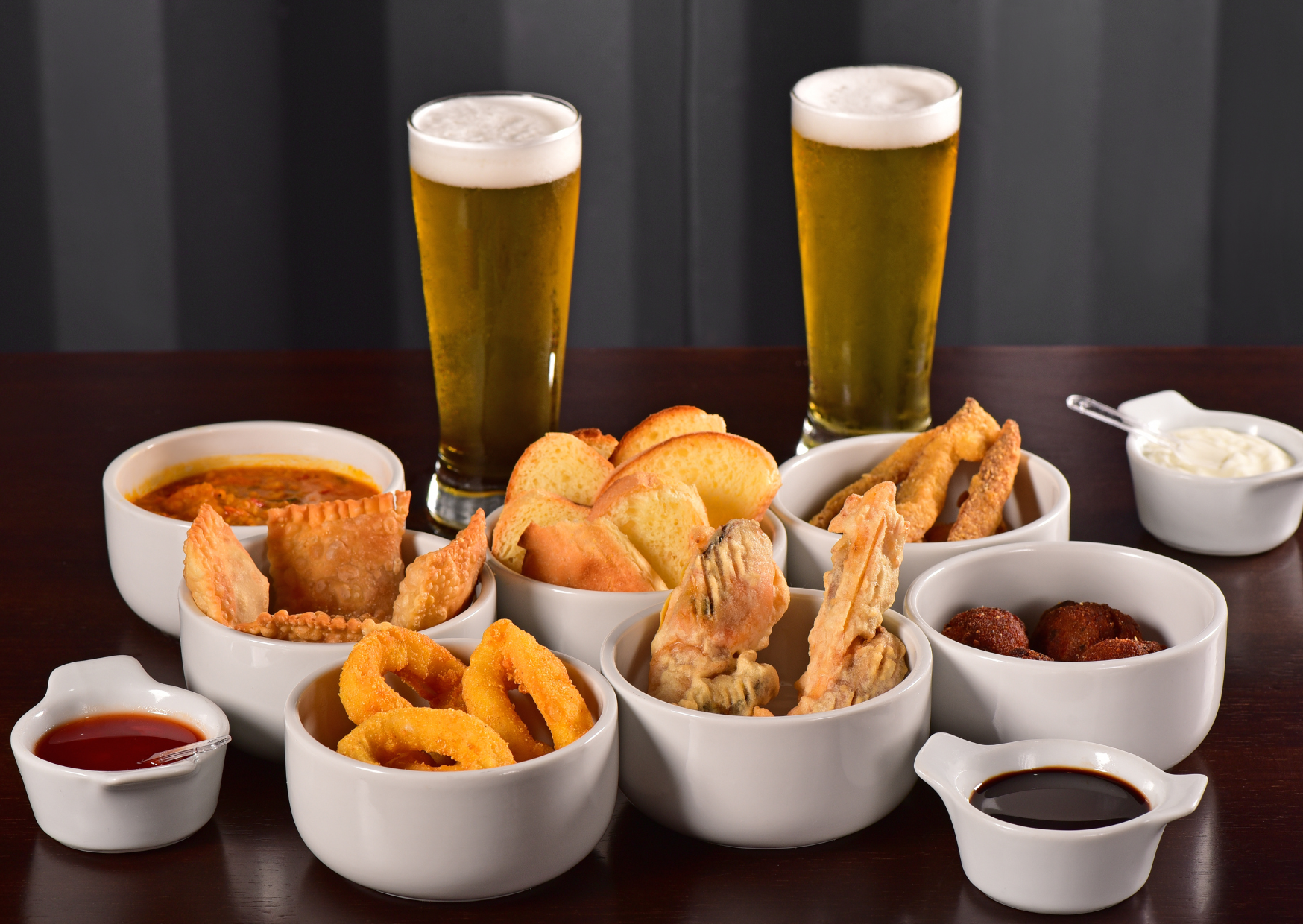
In German-speaking cities, you’ll find fewer laws about early-evening pricing and more house rules: a cheap Stunde for cocktails at a lounge, or student nights midweek. The value still tends to hide in fresh half-litres, Hauswein, and Imbiss snacks next door—not giant discounted cocktails. In the Netherlands, chains may run limited “borrel” specials, but most locals simply meet for a borrel hour—a drink with nuts or bitterballen—where the food is the value.
Portugal adds a twist for 2025: new night-time sales restrictions in certain historic centers aim to curb street drinking, so supermarket “grab and go” price-gaming after 9 p.m. is off the table in those zones. Bars still pour, and imperiais (small drafts) keep the bill low by design. Pair one with tremoços (lupini beans) or a petisco and you’ve done better than any fake happy hour sign.
How to win quietly: Choose the smaller default pour, eat the bar snack, and meet earlier—locals stretch the evening with conversation, not with volume.
How to Spot Value Fast—Without Asking for “Happy Hour”
There’s a visual grammar to early evening in Europe. Learn it and you’ll stop overpaying.
Look for short pours on the menu: 0.2–0.3 L beer (caña, imperial, kleines Bier) or 12.5–15 cl wine. Those are made to be fresh and frequent, not watery and huge. Notice bundles on chalkboards—words like formule, menú, menu of the day, planche + verre, or a set price for drink-plus-bite. Clock snack plates that land unbilled—chips, olives, little toasts: they’re part of the value equation.
Finally, scan the room. Packed bar rail with plates and small glasses means you’re in the right place. Empty terrace with giant cocktails and laminated “HAPPY HOUR” in English means you’ll pay extra for a tourist performance.
Quick filter: small glasses, bundled snacks, local handwriting—say yes. Big fonts, English discounts, neon glassware—walk on.
What to Order If You’re Budget-Sensitive (And What to Skip)
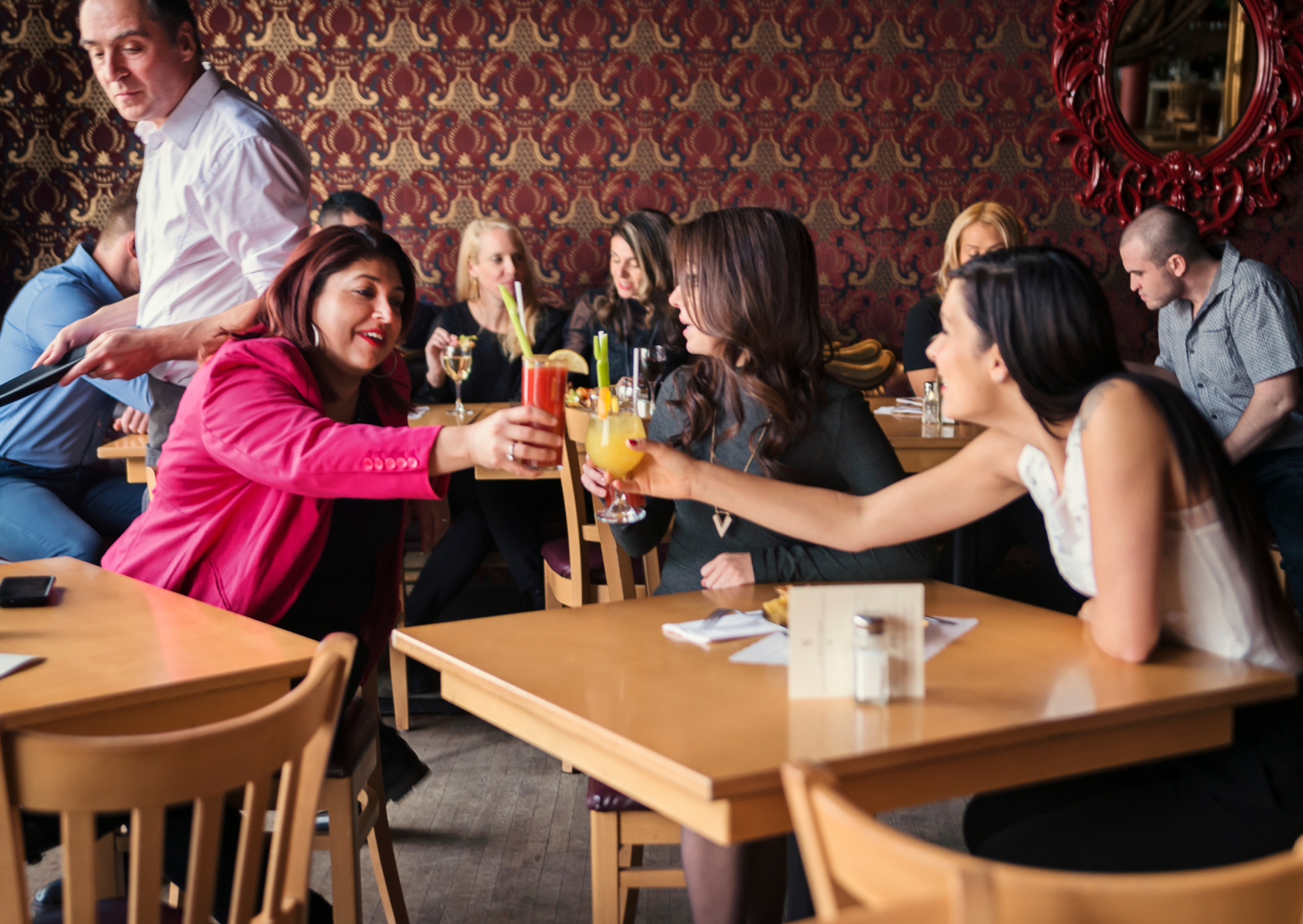
Order what locals drink in short form. In Italy, that’s a spritz or Americano; in Spain, a caña or tinto de verano; in France, a pichet of house wine split across two glasses; in Germany, a Helles or Pils in a half-litre; in Portugal, an imperial and tremoços.
Skip U.S.-style cocktails in tourist strips if price is your focus—those are designed to extract a margin. Skip giant APEROL fishbowls and sangria pitchers pushed at 6 p.m.; they’re built for photos, not value. If you want a cocktail, find a serious bar and order a classic—prices won’t be cheap, but the drink will be correct and strong, which is its own economy.
One simple lever everywhere: house wine. Decent, predictable, and poured in sensible sizes, it’s the best way to align with the local price structure.
Why You Keep Missing the Deal—Pacing, Not Pricing
American happy hour compresses value into 60–120 minutes and dares you to “get your money’s worth.” European early evening spreads value out: a small drink that doesn’t rush you, a plate that shows up without ceremony, and a longer window that happily runs until dinner. If you drink like it’s a countdown, you’ll order too much, too fast, and pay more than locals. If you adopt the pace, one or two rounds and a few bites carry you all the way to a 20:30 table—and your total looks surprisingly gentle.
The real discount is time. The system gives you social hours at a steady burn, not a sprint through discounted alcohol.
Tipping, Taxes, and Why Your Bill Looks “Flat”
Part of the sticker shock is good: you’re seeing VAT included and service included on almost every menu. That “flat” €5 caña or €7 glass of wine is the number—no extra tax, no 20% tip calculus. If you want to leave something, round up a euro or two or drop your coins; in cocktail bars and top restaurants, a modest tip is appreciated but not mandatory. The absence of a tip line doesn’t mean you’re doing it wrong. It means the price you saw was the price.
Budget move you’ll feel: stop tipping American-style at aperitivo/apéro. The system already priced the labor in.
If You Absolutely Want “Happy Hour,” Here’s Where to Find the Closest Cousins
They’re there—you just need the right door.
In Italy, target aperitivo bars in student districts for drink + buffet formats that feel like a “deal.” In France, ask for the formule apéro and share a planche. In Spain, build a pintxo-pote night where a bite and a small drink cost a coin. In the UK, check high-street cocktail chains for two-for-one lists (within the rules) and accept that pints stay pints on price. In Germany, find early evening cocktail hours at lounges, then switch to beer with food. In Portugal, lean into imperiais + petiscos and skip any place selling “happy hour caipirinhas” at 5 p.m. to tourists on a square.
You’ll get the feeling you want—just routed through food, smaller pours, and pacing rather than a flashing sign.
The Mindset Shift That Makes Europe Cheaper
Stop treating the early evening like a race to the bottom of a glass. Treat it like paid loitering with snacks. Order what the city built for this hour. Eat what appears. Move once or twice. Talk. When you finally sit for dinner, you’ll realize you spent less than you would have chasing discounts—and felt more like you belonged.
Europe didn’t delete happy hour. It made it social instead of aggressive, small instead of supersized, law-shaped instead of free-for-all. If you let those differences work for you, you’ll stop asking where happy hour went and start noticing it was all around you—just quietly, in every olive dish and short glass.

About the Author: Ruben, co-founder of Gamintraveler.com since 2014, is a seasoned traveler from Spain who has explored over 100 countries since 2009. Known for his extensive travel adventures across South America, Europe, the US, Australia, New Zealand, Asia, and Africa, Ruben combines his passion for adventurous yet sustainable living with his love for cycling, highlighted by his remarkable 5-month bicycle journey from Spain to Norway. He currently resides in Spain, where he continues sharing his travel experiences with his partner, Rachel, and their son, Han.