
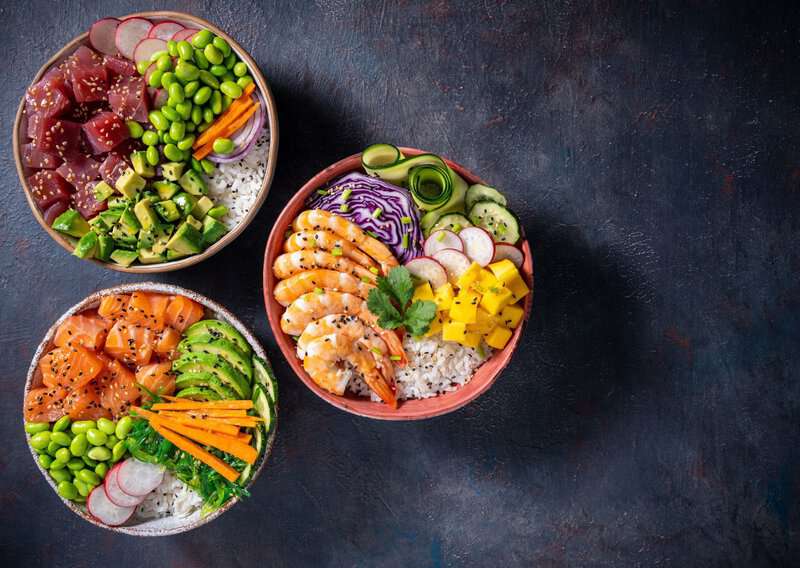
Poke (pronounced “poh-keh”) is more than just a trendy bowl you see on Instagram. It’s a traditional Hawaiian dish deeply rooted in island culture, combining simplicity, freshness, and bold flavor. While modern “poke bowls” have taken over health food spots worldwide, the true essence of poke is often lost in translation.
Real poke isn’t a salad bar. It’s not about piling fruit, corn, and spicy mayo over rice. At its core, poke is marinated raw fish—usually ahi tuna—tossed with just a few key ingredients that highlight the freshness of the seafood rather than drowning it in toppings. Making poke at home is surprisingly simple, but doing it right means understanding where it comes from.
This guide will walk you through how to make authentic poke, how to eat it the Hawaiian way, how to serve it with the right pairings, and the big cultural missteps many people unknowingly make when trying to recreate this island classic.
Read Here Hawaii vs Bahamas, sim card Honolulu Airport and Kauai vs Maui
BOOK YOUR TRAVEL INSURANCE
Two of our favorite travel insurance: Heymondo Vs Safetwing cheapest travel Insurance. You can get for $135 USD your Heymondo Travel Insurance with Heymondo discount code valid for 90 days. Read our full comparison of Genki vs Safetywing Travel Insurance Review and the comparison Heymondo vs Genki
How to Eat
Poke is traditionally eaten as a stand-alone dish or with a scoop of warm white rice. It’s meant to be simple, clean, and fresh. You eat it cold, using chopsticks or a spoon—no need for fancy bowls, sauces, or dozens of toppings.
True poke is served in small portions, much like sashimi or ceviche. Don’t drown it in soy sauce, sriracha, or sesame oil. A light hand is key. The fish should shine through with a salty, umami-forward balance that’s never overwhelming. In Hawaii, it’s common to enjoy poke straight from the deli counter or in plastic containers at the beach—no frills, just flavor.
How to Partner
While poke is amazing on its own, you can complement it with other light dishes like seaweed salad, boiled edamame, or pickled ginger. For carbs, a scoop of seasoned rice (like furikake rice or even plain sushi rice) works well without stealing the spotlight.
For drinks, consider chilled green tea, a light lager, or even a dry white wine like Sauvignon Blanc. In Hawaii, many locals enjoy poke with a cold beer and ocean views—no better pairing than that.
The poke most Americans know—topped with mango, hot Cheetos, fried onions, and spicy aioli—is a mainland invention. It’s delicious in its own right but a far cry from the original. Hawaiians see these loaded bowls as a form of cultural dilution. What started as a simple fisherman’s snack has been turned into a fast-casual Frankenstein meal.
Another misunderstood element is the fish itself. True poke uses sushi-grade ahi tuna, not salmon, shrimp, or tofu. While there’s room for variation, the essence of poke lies in respecting the base: marinated fish, limu (seaweed), kukui nut (inamona), and maybe a little onion or chili pepper. Stray too far, and you’re no longer making poke—just a raw fish salad.
There’s also a misconception that poke should be health food. While it’s light and fresh, poke is about flavor, not diet trends. Overcomplicating it for the sake of health marketing misses the cultural point and often leads to bland results.
How to Make Poke
Poke Recipe Ingredients
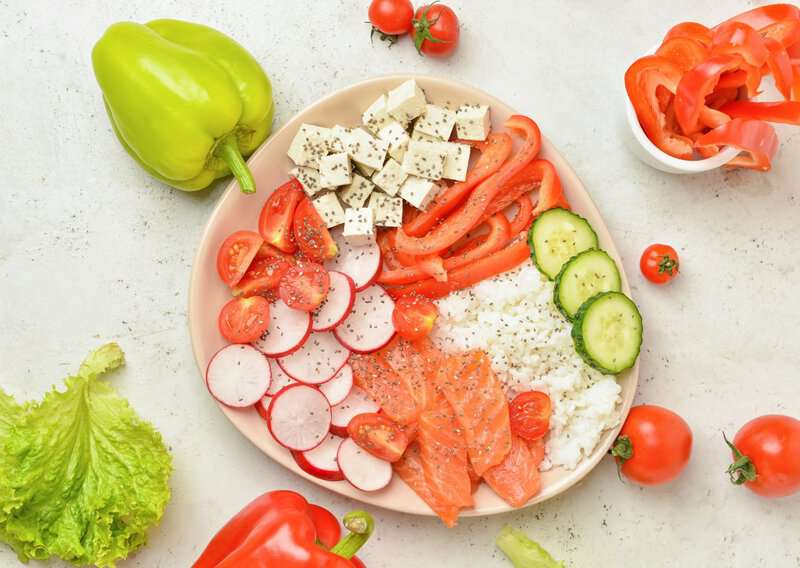
For the Poke:
1 pound sashimi-grade tuna or salmon, cubed
1/4 cup soy sauce (or tamari for gluten-free)
1 tablespoon sesame oil
1 teaspoon rice vinegar
1-2 teaspoons honey (optional, for a touch of sweetness)
1 teaspoon freshly grated ginger
2 green onions, thinly sliced
1 teaspoon toasted sesame seeds
1/2 teaspoon red pepper flakes (optional, for heat)
For Serving:
Cooked white rice or brown rice, cooled
Diced avocado
Thinly sliced cucumber
Shredded carrots
Edamame, shelled and cooked
Seaweed salad
Additional toppings: Masago (capelin roe), pickled ginger, wasabi, furikake
Get the best deals for your home and kitchen needs
Step By Step How to Make Poke
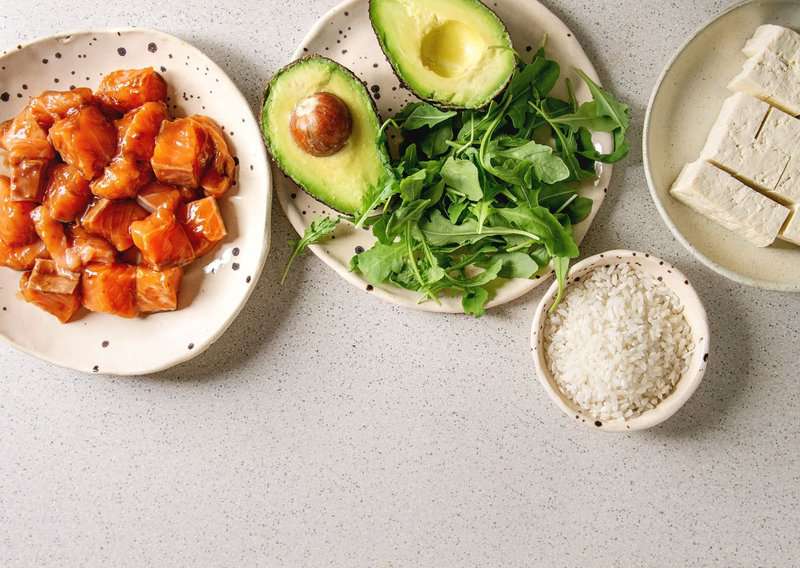
- Prepare the Fish
Start by dicing the tuna or salmon into bite-sized cubes. Ensure the fish is fresh and of high quality, as it will be eaten raw.
- Marinate the Fish
In a mixing bowl, combine soy sauce, sesame oil, rice vinegar, honey, and grated ginger. Whisk these ingredients together to create the marinade.
Add the cubed fish to the marinade. Gently toss to ensure all pieces are evenly coated. Stir in the green onions, sesame seeds, and red pepper flakes. Cover and refrigerate for at least 15 minutes to let the flavors meld. For the best flavor, marinate for an hour.
- Prepare the Rice and Vegetables
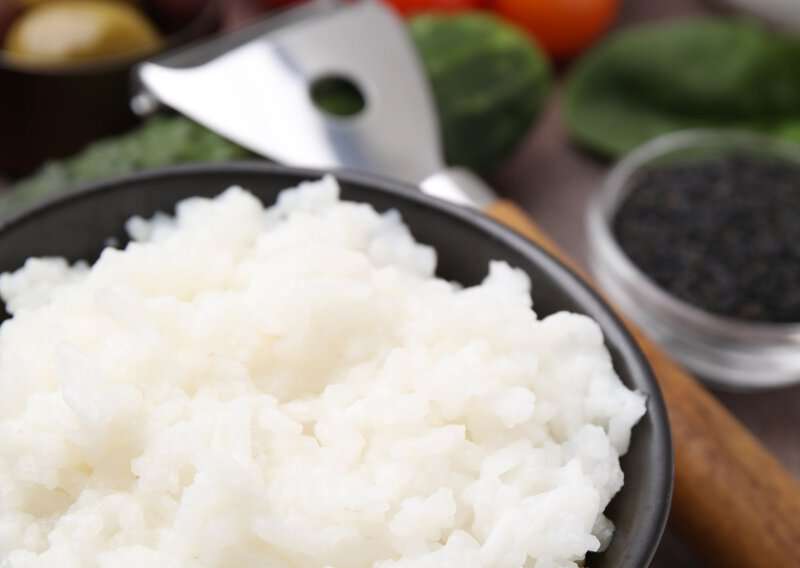
Cook your rice according to package instructions and allow it to cool. You can use white, brown, or even sushi rice. Prepare your vegetables by slicing cucumber, dicing avocado, and shredding carrots.
- Assemble the Poke Bowls
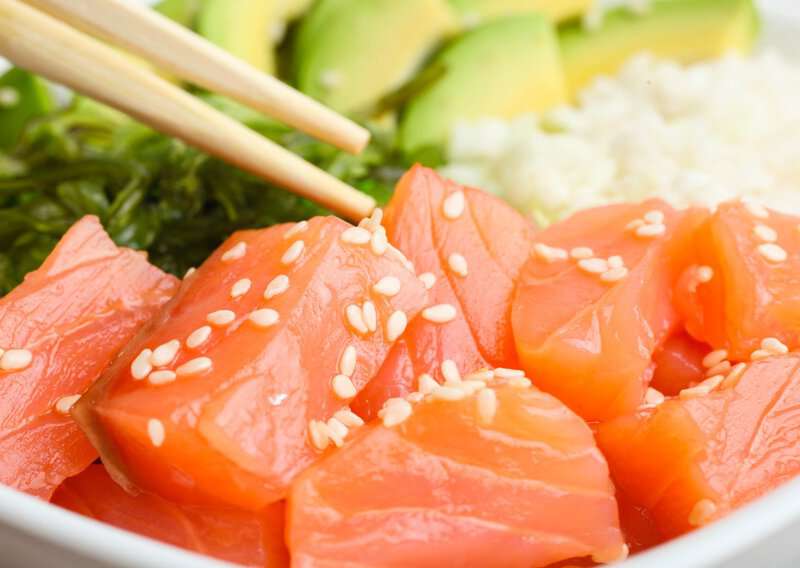
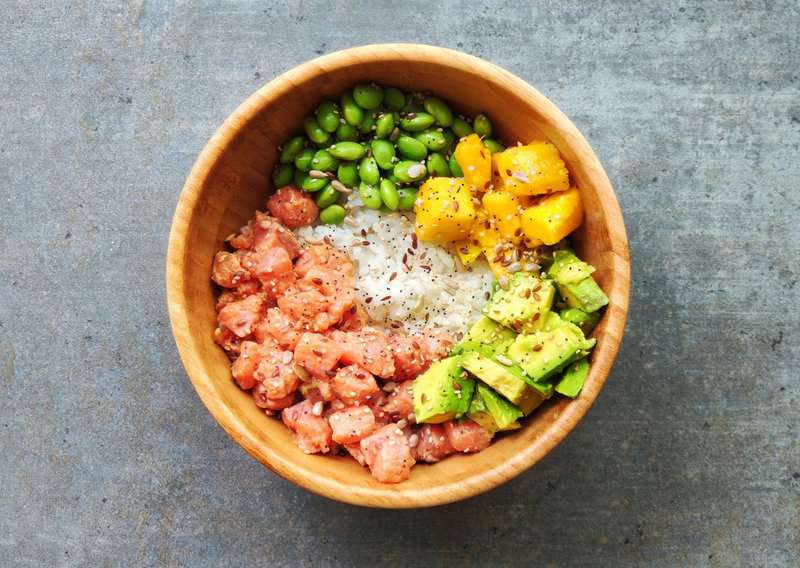
Spoon the cooled rice into bowls as the base. Arrange the marinated fish over the rice. Add your prepared vegetables around the fish in the bowl. Include avocado, cucumber, carrots, and edamame.
Add any additional toppings like seaweed salad, masago, pickled ginger, or a sprinkle of furikake for extra flavor and crunch.
- Serve
Serve the poke bowls immediately after assembling, ensuring the fish remains fresh and tasty. Optionally, offer soy sauce, wasabi, and pickled ginger on the side for added flavor adjustments.
Tips To Make Poke
Always use fresh, sashimi-grade fish for safety and quality, particularly when consuming raw. Do not marinate the fish for too long as the acids in the marinade can begin to “cook” the fish, affecting its texture.
Feel free to experiment with other types of fish or even tofu for a vegetarian version. The beauty of poke bowls is their versatility.
How Many Calories Has A Poke
Raw Tuna or Salmon (4 oz): Approximately 120-150 calories
1 cup Cooked White Rice: About 200 calories
1/4 cup Soy Sauce: Approximately 34 calories
1 tablespoon Sesame Oil: About 120 calories
Vegetables and Other Toppings:
Avocado (1/2 medium): About 120 calories
Cucumber (1/2 cup, sliced): Approximately 8 calories
Shredded Carrots (1/2 cup): About 25 calories
Edamame (1/2 cup): Approximately 120 calories
Seaweed Salad (1/4 cup): About 30 calories
Additional Toppings:
Masago (1 tablespoon): About 25 calories
Pickled Ginger (1 tablespoon): Around 20 calories
A typical poke bowl might contain 800-900 calories.
Serving Suggestions
Serve poke in a chilled bowl over warm, short-grain rice for contrast.
Garnish with scallions, sesame seeds, or a tiny bit of wasabi for kick.
Offer pickled sides (like daikon or ginger) to cleanse the palate.
For a casual party, serve poke with crispy wonton chips as an appetizer.
Keep portions small—poke is a flavor-dense dish best eaten in bites, not bowls.
Final Thoughts
Poke is more than a food trend—it’s a Hawaiian tradition that celebrates freshness, simplicity, and respect for ingredients. When done authentically, it’s one of the most satisfying and easy dishes you can make at home.
So skip the overloaded bowls and go back to basics. The next time you crave poke, honor the dish’s origins by letting the fish speak for itself. Once you try the real thing, you’ll understand why Hawaiians have been eating it this way for generations—and why they don’t need mango or mayo to make it perfect.

About the Author: Ruben, co-founder of Gamintraveler.com since 2014, is a seasoned traveler from Spain who has explored over 100 countries since 2009. Known for his extensive travel adventures across South America, Europe, the US, Australia, New Zealand, Asia, and Africa, Ruben combines his passion for adventurous yet sustainable living with his love for cycling, highlighted by his remarkable 5-month bicycle journey from Spain to Norway. He currently resides in Spain, where he continues sharing his travel experiences with his partner, Rachel, and their son, Han.