
(And Why These Quiet Rituals Add Up to a Very Different Life)
Ask most Americans what they do on an average day and the answers tend to follow a predictable rhythm: rush to work, eat lunch at the desk, maybe hit the gym, scroll a bit too long at night, and collapse into bed.
Ask Europeans, and you’ll find something else entirely.
It’s not that life in Europe is dramatically slower (though it often is). It’s that certain daily rituals—small, repeated habits—add up to something bigger: a lifestyle that feels more human, less rushed, and a whole lot more intentional.
Some of these habits are practical. Some are cultural. A few are deeply emotional.
But they all point to one big idea: life doesn’t have to be optimized to be meaningful.
Here are 9 daily habits Europeans never skip—that most Americans haven’t even heard of.
Want More Deep Dives into Everyday European Culture?
– Why Europeans Walk Everywhere (And Americans Should Too)
– How Europeans Actually Afford Living in Cities Without Six-Figure Salaries
– 9 ‘Luxury’ Items in America That Europeans Consider Basic Necessities
Quick Easy Tips
Prioritize a proper lunch break—Many Europeans see lunch as a sit-down, unrushed meal, not something eaten at a desk.
Incorporate walking into daily life—Walking or cycling is often the default for short trips instead of driving.
Make time for social coffee breaks—In many countries, coffee is enjoyed slowly with conversation, not taken to-go.
Some see these daily habits as healthier, more balanced ways of living, while others argue they are impractical for the fast-paced, work-focused American lifestyle. The cultural gap lies in differing priorities—Europe often values quality of life over constant productivity.
There’s also debate over whether these habits can even translate to the U.S., where urban planning, work schedules, and social norms don’t always allow for long lunches or car-free commuting. Critics argue that romanticizing European lifestyles ignores these systemic differences.
Lastly, some believe these habits are part of why Europeans report higher happiness and life satisfaction, while others dismiss the idea as cultural idealization, pointing out that each continent has its own trade-offs in lifestyle and convenience.
1. Opening the Windows First Thing in the Morning
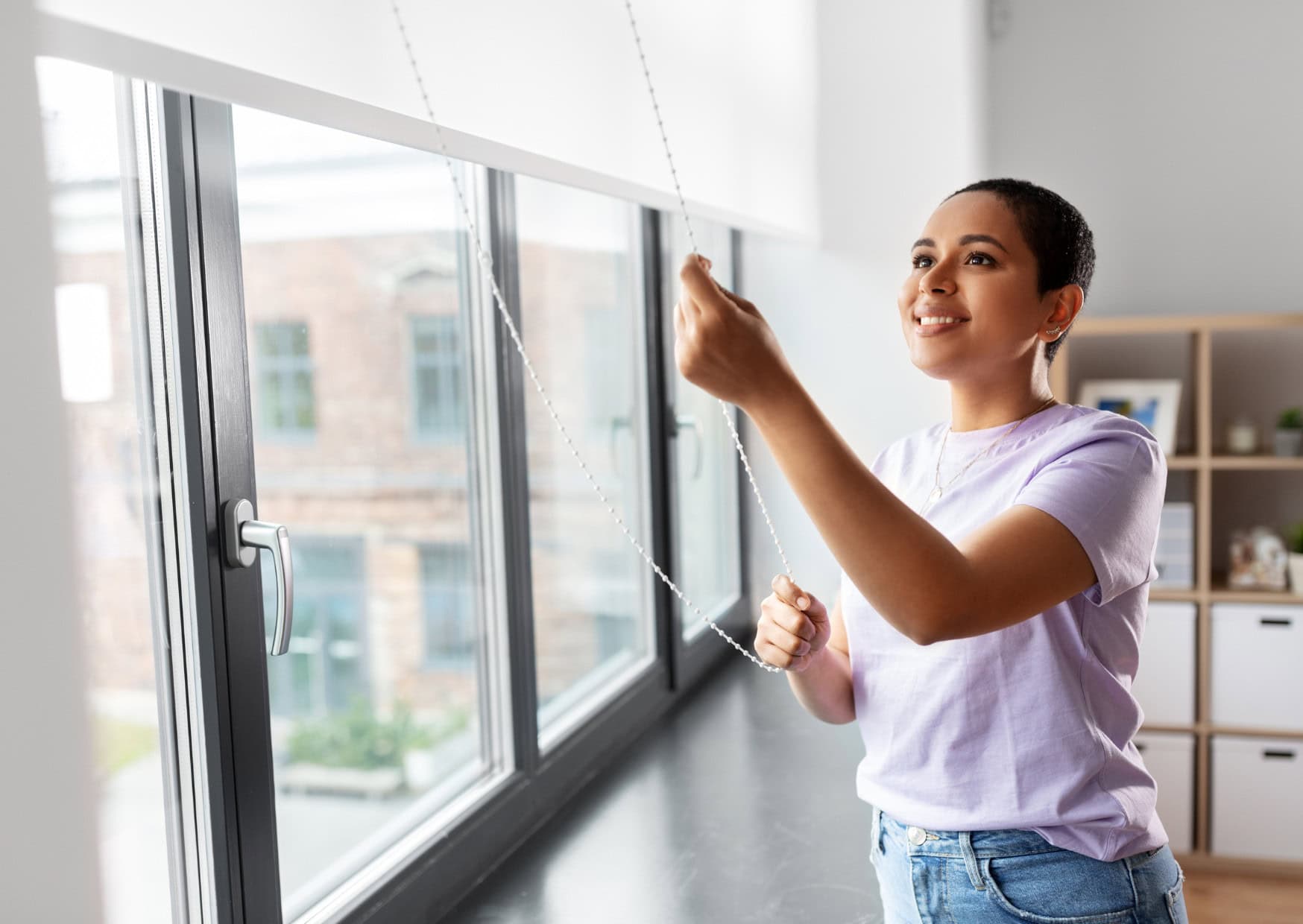
This might sound simple, but it’s a deeply ingrained habit across Europe:
open the windows. Let the air in. Reset the space.
In Spain, France, Italy, and Germany, it’s completely normal to:
- Throw open every window—no matter the season
- Let fresh air circulate, even if it’s freezing outside
- “Air out” bedrooms before making the bed
This is seen as a daily health practice, not a chore. It’s about refreshing the space, clearing stale air, and connecting with the outdoors—even from inside.
In many U.S. homes, windows are rarely opened. Heating or AC stays on year-round, and fresh air feels like a luxury. But in Europe? It’s non-negotiable. A home should breathe.
2. Sitting Down for Breakfast—Even If It’s Just for 10 Minutes

While many Americans grab coffee and a granola bar on the go, Europeans make a ritual out of breakfast—no matter how small.
In France: a slice of tartine (buttered baguette), coffee, and a few quiet moments.
In Italy: espresso and a pastry at the corner bar—standing, but still present.
In Spain: toasted bread with tomato and olive oil, maybe eaten while reading the news.
It’s not about the food. It’s about starting the day with calm, not chaos.
No multitasking. No checking Slack. Just ten mindful minutes with coffee and sunlight.
3. Always Using Real Dishes—Even When Eating Alone

Disposable plates? To-go containers? Eating straight from the package?
Not in a European kitchen.
Whether it’s a solo lunch or a snack for one, Europeans almost always:
- Plate their food
- Use real cutlery
- Sit at a table, even briefly
It’s a form of respect for the meal—and for themselves. Eating is an event, not background noise.
Compare that to the American habit of microwaving a dinner and eating it in front of the TV straight from the container. The European version might feel overly formal, but it creates a rhythm of intentionality that adds beauty to even the most ordinary day.
4. Taking a Real Lunch Break (and Leaving Work to Do It)
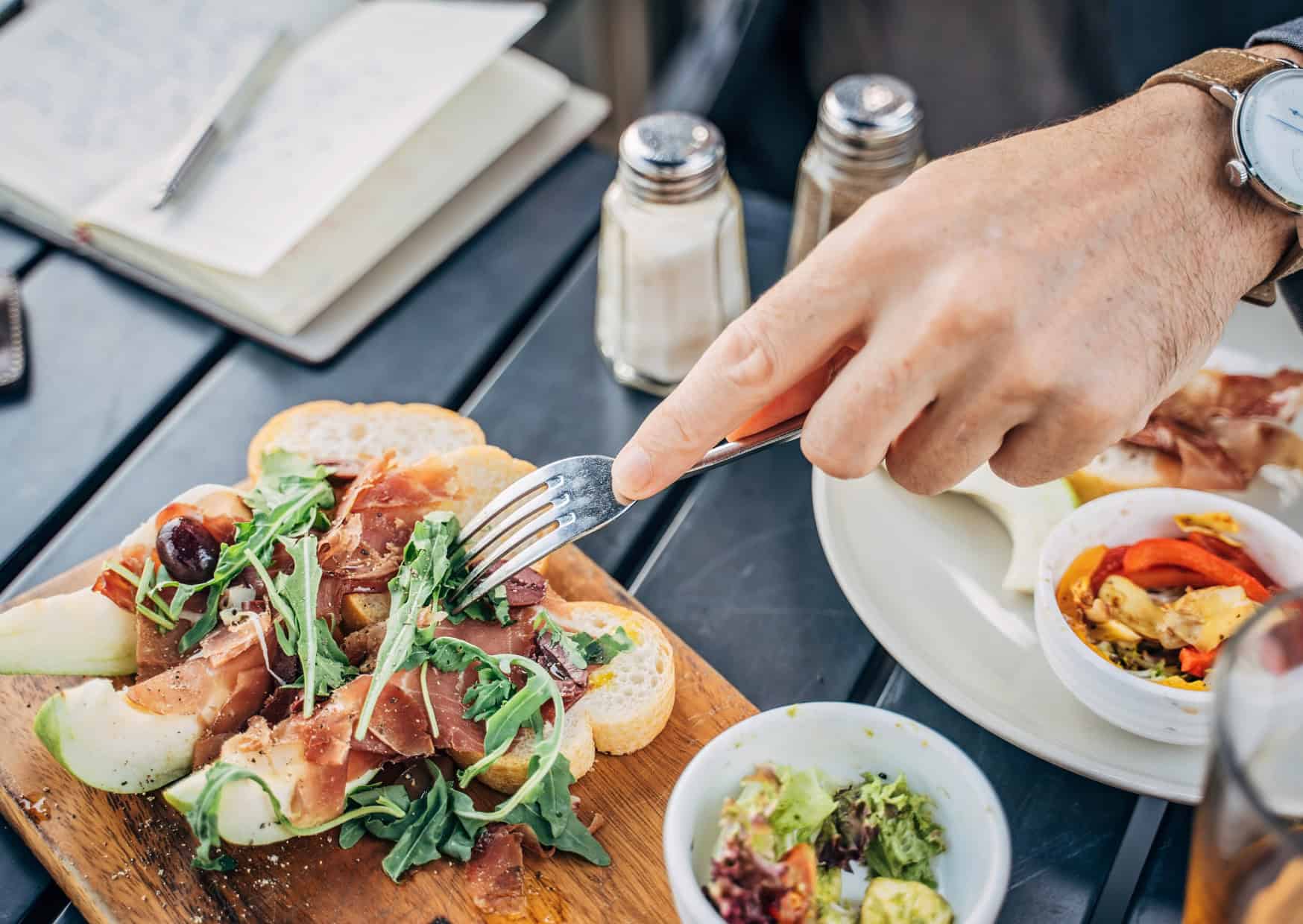
In much of Europe, lunch is sacred. Not long, fancy, boozy lunches every day—but at least a pause. A table. A plate. A mental reset.
In countries like Spain, France, and Italy, many workers step out of the office entirely to:
- Go home for lunch (yes, really)
- Sit at a nearby café
- Eat with colleagues without screens or work talk
There’s a belief that you can’t function all day if you never step away.
Meanwhile, in the U.S., the “working lunch” is practically a badge of honor. But Europeans would argue: a culture that never breaks, breaks people.
5. Washing the Floors Weekly (If Not Daily)
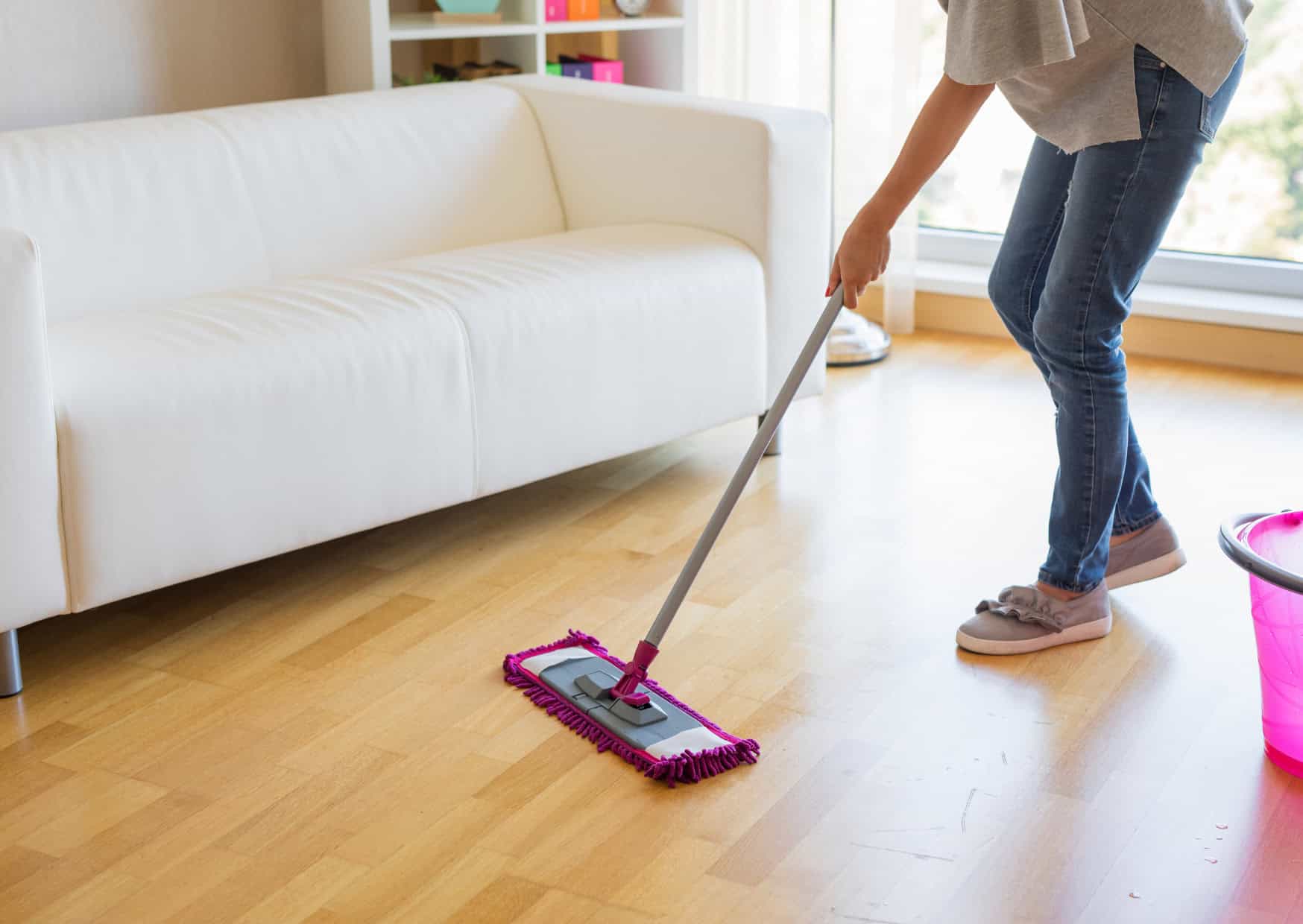
This one might sound odd—but across southern Europe especially, mopping the floors is a near-daily ritual.
You’ll find:
- Buckets and traditional string mops in nearly every home
- Cleaning done early in the day, windows open, music playing
- A cultural expectation that floors should be spotless—even in homes with kids or pets
It’s about care, cleanliness, and routine. And no—vacuuming alone doesn’t cut it.
To Americans, this might feel excessive. But to many Europeans, it’s just part of what keeps the home feeling fresh, grounded, and inviting.
6. Saying Hello and Goodbye (Always, Without Exception)

This one’s subtle—but it runs deep.
In Europe, whether you enter a bakery, a café, a doctor’s office, or even a friend’s house, you always say hello. And when you leave? You say goodbye.
It’s not just politeness. It’s a recognition of shared space. A kind of social contract.
In the U.S., silence is often tolerated—even expected. But in Europe, not greeting someone is almost rude.
This daily habit creates tiny threads of connection everywhere. And over time, those threads build a culture of respectful presence—even among strangers.
7. Ending the Day With a Walk (Not a Scroll)

In many parts of Europe, especially in Mediterranean countries, evenings are marked by one thing:
The evening walk. The paseo. The promenade. The giro.
- Couples walk.
- Families stroll.
- Elderly neighbors sit on benches and watch the world go by.
It’s not exercise. It’s not a chore. It’s a ritual that marks the shift from day to evening.
While many Americans transition from work straight into screen time, Europeans—especially in small towns—still keep this old rhythm alive. And it has emotional weight: it signals closure, calm, and community.
8. Drinking Water Throughout the Day—But Not With Meals

Yes, this one is real. In much of southern Europe, it’s not common to drink water during a meal—at least not large amounts.
Instead, people:
- Sip before and after
- Avoid ice
- Believe in not diluting the digestive process
To many Americans, this seems strange. Why wouldn’t you guzzle water with every bite?
But Europeans often see water with meals as unnecessary or even disruptive. And the result? Meals are slower, less bloated, and more focused on the food.
9. Ending the Night With a Tidy-Up (Not Tomorrow’s Problem)
Before bed, many European households follow the same quiet ritual:
- Dishes are washed
- Counters wiped
- Shoes put away
- The house reset for the next day
It’s not deep cleaning. It’s restoration. A way to close the day with order.
In the U.S., it’s common to leave the mess for tomorrow. But many Europeans find peace in knowing the home is calm before sleep.
It’s a small act—but it transforms the next morning into something smoother, more grounded, and less reactive.
Final Thoughts: The Power of Small, Repeated Choices
These habits may seem tiny on their own. But together? They shape an entire lifestyle.
A lifestyle where:
- Home is treated with respect
- Meals are honored, not rushed
- The body is moved, not punished
- Conversation is woven into daily life
- And life is not something to “get through”—but to be tended to, moment by moment
Americans are masters of efficiency. But Europeans? They’ve quietly mastered ritual, rhythm, and enough slowness to notice the beauty in the ordinary.
Pro Tip: Want to live more like a European? Don’t start with a life overhaul. Start with one small ritual you can repeat every day. Make coffee slower. Air out t

About the Author: Ruben, co-founder of Gamintraveler.com since 2014, is a seasoned traveler from Spain who has explored over 100 countries since 2009. Known for his extensive travel adventures across South America, Europe, the US, Australia, New Zealand, Asia, and Africa, Ruben combines his passion for adventurous yet sustainable living with his love for cycling, highlighted by his remarkable 5-month bicycle journey from Spain to Norway. He currently resides in Spain, where he continues sharing his travel experiences with his partner, Rachel, and their son, Han.