
If you walk through a Spanish plaza in August, you’ll see toddlers chasing pigeons at midnight, nine-year-olds licking ice cream at one in the morning, and teenagers filing home after a concert at two. It looks impossible—school-aged kids out late, again—and yet the next week they’re back to class, grades intact and nerves steady.
First, the myth check. No, Spanish children do not stay up until three in the morning every night of the school year. The late nights you notice tend to be summer, weekends, and local fiestas when the whole neighborhood lives outdoors. On school nights, most families run a later-but-steady schedule: dinner later than in the U.S., bedtime later than in the U.S., wake-up later, and school that starts later—especially for primary grades. The visible difference is the rhythm, not chaos.
And here’s the part Americans miss: Spain’s system is built so family life, school timetables, and public space cooperate. That cooperation means kids can join evening life without wrecking the next day. On international benchmarks, Spain’s students perform roughly on par with other OECD systems and in math they meet or edge the OECD average—hardly the academic disaster an outsider might predict from a midnight plaza. The trick isn’t magic; it’s design.
Below is the field guide to that design—how the day is structured, what really happens with sleep, where Spanish students match or beat American peers, and how to borrow the best parts without romanticizing the rest.
Want More Deep Dives into Other Cultures?
– Why Europeans Walk Everywhere (And Americans Should Too)
– How Europeans Actually Afford Living in Cities Without Six-Figure Salaries
– 9 ‘Luxury’ Items in America That Europeans Consider Basic Necessities
What You’re Actually Seeing In August
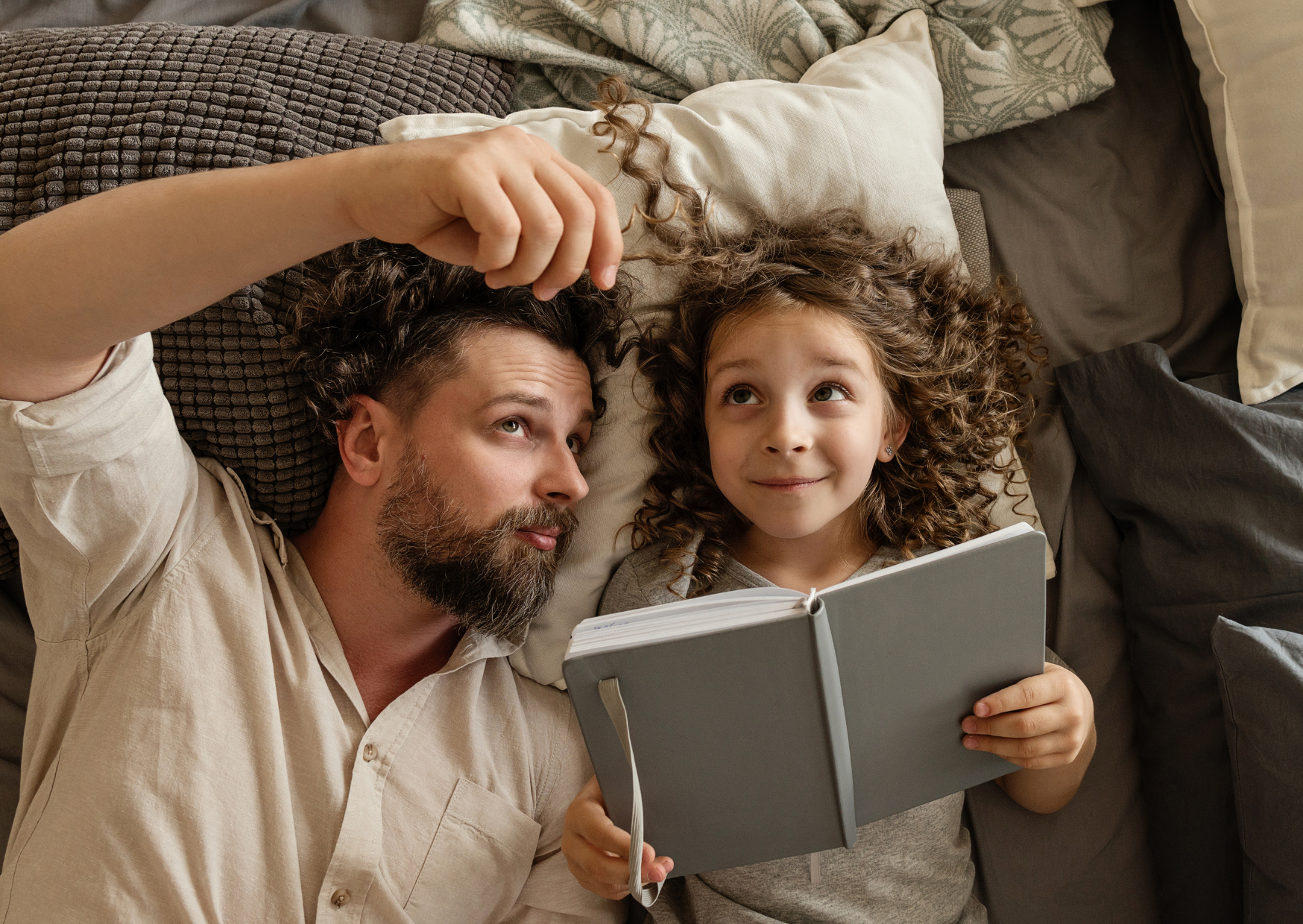
Late nights in Spain are a seasonal custom, not a 365-day rule. In summer, heat pushes social life to the cool evening hours, plazas bloom, and families keep kids with them. Dinner at 9–10 p.m., a stroll at 11, maybe a concert at midnight—that’s normal in July and August. During school terms, the same culture simply shifts earlier. It’s still later than in the U.S., but it’s predictable, and predictability is the secret.
Spanish kids also eat on a five-touch rhythm that smooths energy: breakfast, mid-morning almuerzo (a small sandwich or fruit), 2–3 p.m. lunch (the main meal), merienda around 6–7 p.m., then late dinner. Those small anchors—especially merienda—keep the evening from turning into a blood-sugar crash that demands a 6 p.m. dinner and an 8 p.m. bedtime. The family stays out, the child stays steady, and the plaza stops feeling like a paradox.
Key idea: You’re not watching kids ignore sleep; you’re watching families slide the whole day later for a couple of months—then slide it back.
School Starts Later—and the Day Is Built Differently

Primary school in Spain typically starts around 9:00 a.m. and, in the public system, often runs to 2:00 p.m. with a mid-day recess; many semi-public schools extend to 4:30–5:00 p.m. with a proper lunch and break. Some secondary schools start earlier—around 8:10–8:30 a.m.—but still later than many U.S. high schools that ring at 7:15–7:45 a.m. The result is fewer pre-dawn alarms and more total sleep opportunity even when bedtimes drift later.
Two other structural pieces matter. First, compulsory instruction time is concentrated, not sprinkled with long commutes and mid-afternoon sports travel. Second, lunch is real food at a real hour—either in the school comedor or at home—which steadies afternoons without a soda-and-chips crash. The system assumes kids will be alert in the late morning and early afternoon, not at 6 a.m.—and organizes around that.
Why it works: Later starts, unrushed lunch, tight blocks of teaching. Those three conditions cushion a late-evening culture.
Sleep: Later Clock, Same Hours

Spanish families run a later chronotype on average—later dinner, later bedtime, later alarms. That doesn’t mean less sleep by definition. When primary school starts at nine, a child who goes down at 10:30 and rises at 8:00 can still clear a healthy night. During fiestas or heat waves, sleep may shift even later; on school nights, routines tighten. Parents enforce the same thing American parents do: consistency.
Research in Spain mirrors global evidence: late bedtimes plus screens and very short sleep harm diet quality, weight, and mood; late bedtimes within a stable, tech-quiet routine are far less dramatic. Families that treat evening as social time, not screen time, protect sleep even when the clock reads 11:15. The difference is not that Spanish kids need less rest—it’s that the culture makes evening social and morning gentle, so the total still works.
What’s essential: Regularity, tech boundaries, and enough total hours—even if the hours are moved.
Performance: How Spain Actually Stacks Up

Set aside the plaza for a second and look at the scoreboard. On the 2022 international PISA exams, Spanish 15-year-olds scored around the OECD average overall: math essentially at the average, science at the average, reading just a hair below. The U.S. sat stronger in reading, weaker in math, and comparable in science. Neither country “wins” outright; both have mixed strengths, both saw pandemic dips, and both carry wide socio-economic gaps that track with outcomes.
So what do we mean by “outperform”? In practice it often means not underperforming despite a visibly later daily rhythm—and, in certain slices (mathematics proficiency thresholds, discipline climate, or specific regions), it can mean meeting or exceeding peers. If you walked into a Spanish school expecting calamity because you saw a toddler in a plaza at midnight in July, you’d be wrong.
Reality check: Spain’s visible late culture coexists with middle-of-the-pack to solid academic results—no collapse, no irony.
The Three Habits That Quietly Power Spanish Kids
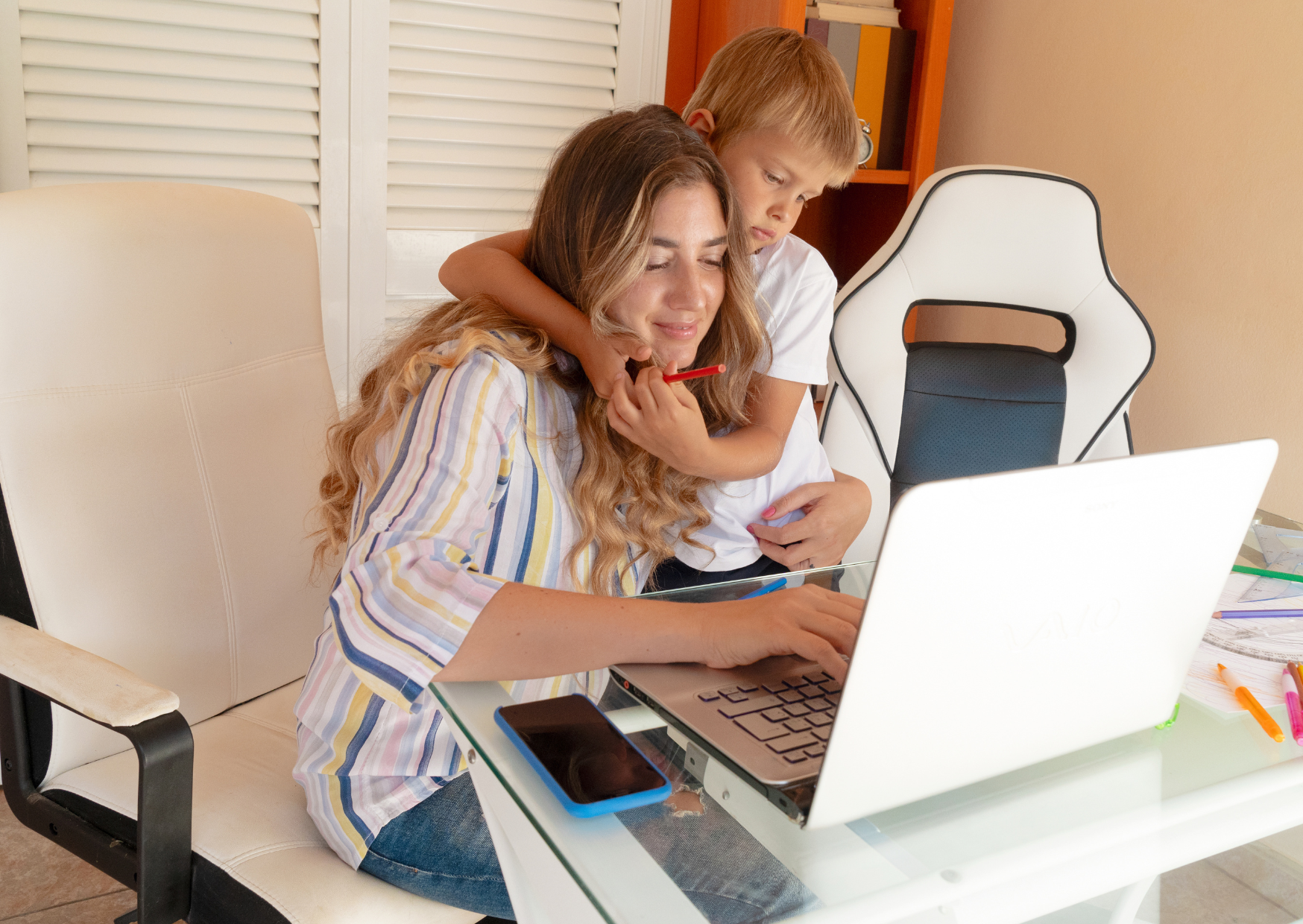
Beneath the timetable are three daily habits Americans underestimate.
Family density. Kids grow up in multi-age groups—siblings, cousins, grandparents—under adult eyes. Evening time is shared time, not isolated time, and kids learn self-regulation by mirroring older people who are calm, fed, and social.
Food as cadence. A protein-savory snack at six keeps blood sugar sane so an 8:45 dinner doesn’t equal meltdown. Lunch is the heavy lift. Kids aren’t playing hunger ping-pong between 3 and 7 p.m.; they’re topped up.
Public space. Plazas and pedestrian streets make it normal to walk, play, and move in the evening. Even when bedtimes are later, the hours between dinner and lights-out are active, not sedentary. That matters for sleep quality and mood.
Bottom line: Company, cadence, movement—they look like culture and act like behavior therapy.
Health Outcomes: Not a Miracle, But Not a Mess

Is a late culture “healthy”? It depends on what else you do. Spain has battled rising childhood overweight, but school-age obesity rates are lower than the U.S. and the government has tightened school-meal standards—daily fruit and veg, fish weekly, caps on ultra-processed foods—to push the curve down. Meanwhile, U.S. youth obesity remains close to one in five. Neither picture is perfect; one picture is less severe.
Two caveats keep this honest. First, screens wreck everything late at night in any country; add a phone to a midnight schedule and you’ll feel the damage. Second, very late, very large dinners strain sleep for anyone. Spanish families who keep dinner lighter and leave space before bed do better—just like American families who eat at 6:30 and log off by 9:00.
Short version: The late clock isn’t the villain. What you eat, what you do, and what you do with screens decide the outcome.
Why American Visitors Think It’s “Irresponsible”
Two culture clashes fuel the judgment. The first is work-led pacing. In much of the U.S., adult schedules demand early mornings, so family evenings compress; kids’ bedtimes drift earlier by necessity. In Spain, adult workdays often finish later and dinner is social, so the family moves together. Your lens—early alarm vs. late dinner—shapes what you think is “normal.”
The second is private vs. public leisure. American evenings skew indoors; Spanish evenings skew outdoors. If you conflate “out late” with “up late on a couch with a tablet,” you’ll miss that the plaza is bright, social, and supervised. The late hour is public life, not neglect.
Translate it this way: You moved the living room to the square. You didn’t take the brakes off bedtime forever.
Where Spanish Students Really Shine (And Where They Don’t)

Languages and oracy. Spanish students study foreign languages as a rule through secondary school, and English is everywhere—though not always to northern-European levels. Oral competence and public comfort in group discussion tend to be strong by the end of compulsory schooling because kids grow up talking to adults in public spaces.
Math and science. Spain holds the OECD middle—stable, resilient to doom narratives, with regional standouts and laggards. The U.S. often posts higher reading, lower math, and similar science; neither system gets to brag without footnotes.
Equity. Like the U.S., Spain shows socio-economic gaps that predict performance. The plaza doesn’t erase poverty. What the social design does is buffer evenings so routine keeps working even when apartments are small.
Honest take: The edge isn’t a fantasy superiority; it’s consistency. A predictable day—shifted later—beats a chaotic one—shifted earlier.
How American Families Can Borrow the Good Parts
You don’t need a plane ticket to steal the Spanish toolkit.
Slide, don’t smash. If you’re moving bedtimes for summer, slide by 15–20 minutes every few days, and make the alarm match. Late is fine; erratic is not.
Make merienda real. A protein-heavy snack at 5:30–6:30 (cheese, yogurt, nuts, egg, hummus with veg, a small bocadillo) kills the pre-dinner panic and prevents huge, sleepy dinners at 9:30.
Change the evening inputs. Trade screens for people, games, and walks. A two-hour plaza night of movement and talk lands differently than two hours of blue light.
Protect school-night regularity. Even if dinner is at eight, keep a fixed lights-out that buys 8–10 hours depending on age. The Spanish trick is not late nights; it’s stable late nights with later mornings.
Mind the mornings. Aim for a one-alarm morning with sunlight and breakfast. If school starts brutally early, do what Spanish regions are experimenting with: limit late-night tech, prep bags and lunches early, and add a quick walk to school for a light-on, body-in-motion start.
What the Midnight Plaza Really Proves
It proves that kids can thrive on a later clock if the ecosystem—school hours, family meals, outdoor space, and social norms—supports them. It proves that “late” isn’t the same as “deprived,” and that community time can be psychologically protective. And it proves that some of our panic about bedtimes is really panic about isolation and screens, not the number on the clock.
If you want your child to function on a schedule that makes room for evening life, copy the Spanish rules that matter: stable timing, real food, public movement, no cameras under the covers, and mornings that don’t punish you for dinner at nine. The rest is just fear of a different rhythm.

About the Author: Ruben, co-founder of Gamintraveler.com since 2014, is a seasoned traveler from Spain who has explored over 100 countries since 2009. Known for his extensive travel adventures across South America, Europe, the US, Australia, New Zealand, Asia, and Africa, Ruben combines his passion for adventurous yet sustainable living with his love for cycling, highlighted by his remarkable 5-month bicycle journey from Spain to Norway. He currently resides in Spain, where he continues sharing his travel experiences with his partner, Rachel, and their son, Han.