
If you want fairy lights, real gingerbread, and old squares that smell like cinnamon instead of panic, treat September 30 as your personal deadline. After that date, the best rooms, sleeper berths, and train times evaporate.
Stand in a square in late November as the stalls light up. Choirs warm their voices, steam rises off spiced wine, and the first weekend crowd swells. That crowd is not spontaneous. It is planned months ahead by people who knew which markets open when, which nights sell first, and which trains are gone by early fall.
This is your playbook. What is locked for 2025, what to reserve by the end of September, and how to stitch a perfect week without paying peak prices. No hype. Just solid dates, simple moves, and a route that feels as good as it tastes.
Want More Deep Dives into Other Cultures?
– Why Europeans Walk Everywhere (And Americans Should Too)
– How Europeans Actually Afford Living in Cities Without Six-Figure Salaries
– 9 ‘Luxury’ Items in America That Europeans Consider Basic Necessities
The anchor markets with fixed 2025 dates
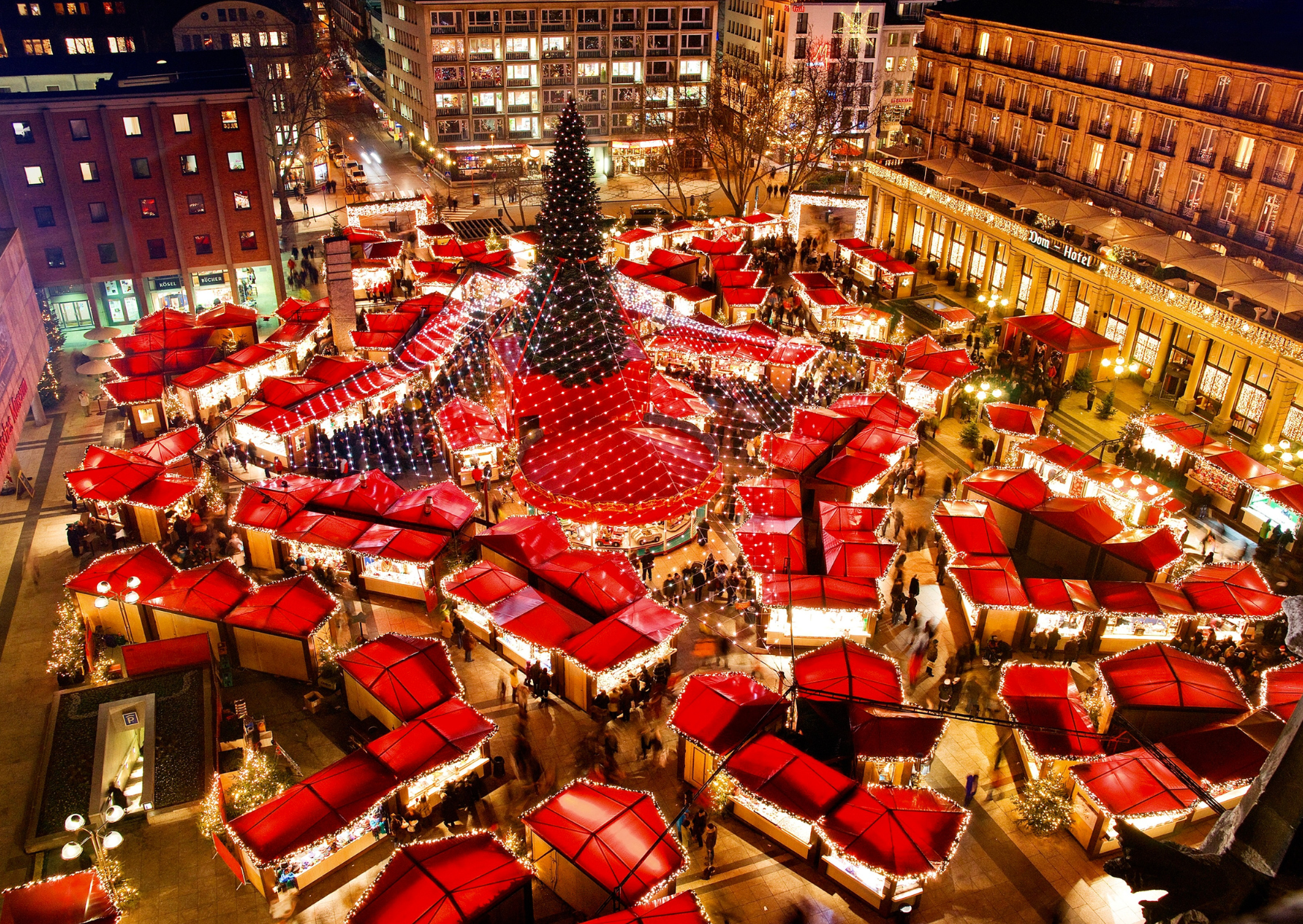
Certain cities publish their calendars early. Those dates drive demand across flights, hotels, and rail. If you anchor your trip to these, you will stop guessing and start booking.
Nuremberg’s Christkindlesmarkt is set for November 28 to December 24, 2025 with the opening at 5:30 p.m. on November 28 and daily hours 10 to 21 with a short day on the 24th. That single line on the calendar pulls half of Bavaria into motion. Known opening, long daily hours, classic square.
Vienna confirms its flagship Rathausplatz market for November 14 to December 26, 2025. Other Vienna markets usually run similar spans, with some extending to New Year at Belvedere and Schönbrunn. Early mid November start, multiple sites, late closing on select venues.
Strasbourg, the self declared Capital of Christmas, runs November 26 to December 24, 2025. Opening afternoon is always crowded and midweek is blissful. Firm citywide dates, concentrated historic core, new flight links for late November.
Colmar’s six market cluster in Alsace is scheduled November 25 to December 29, 2025 with clear weekday and weekend hours. Post Christmas trading, walkable circuit, published timetable.
Dresden’s Striezelmarkt, the oldest in Germany, runs November 26 to December 24, 2025 with set opening and closing times each day. Historic pedigree, precise hours, multiple sister markets through early January across the city.
Munich’s Marienplatz market is scheduled November 24 to December 24, 2025. It spills into side streets and has a dedicated nativity market. Prime dates, central location, official confirmations.
Prague’s Old Town and Wenceslas Square markets list late November to early January spans for 2025 to 2026, with several sources placing the core markets from November 26 or 29 through January 6. Runs through New Year, two main squares, winter city scenery.
Cologne operates multiple themed markets around the cathedral and Neumarkt, with mid November to December 23 typical for 2025. Big city scale, nine distinct markets, published daily hours.
Lock these dates on your calendar. They are the magnets that pull demand. The closer you are to a first weekend or a famous opening, the sooner things sell out.
Book these items by September 30
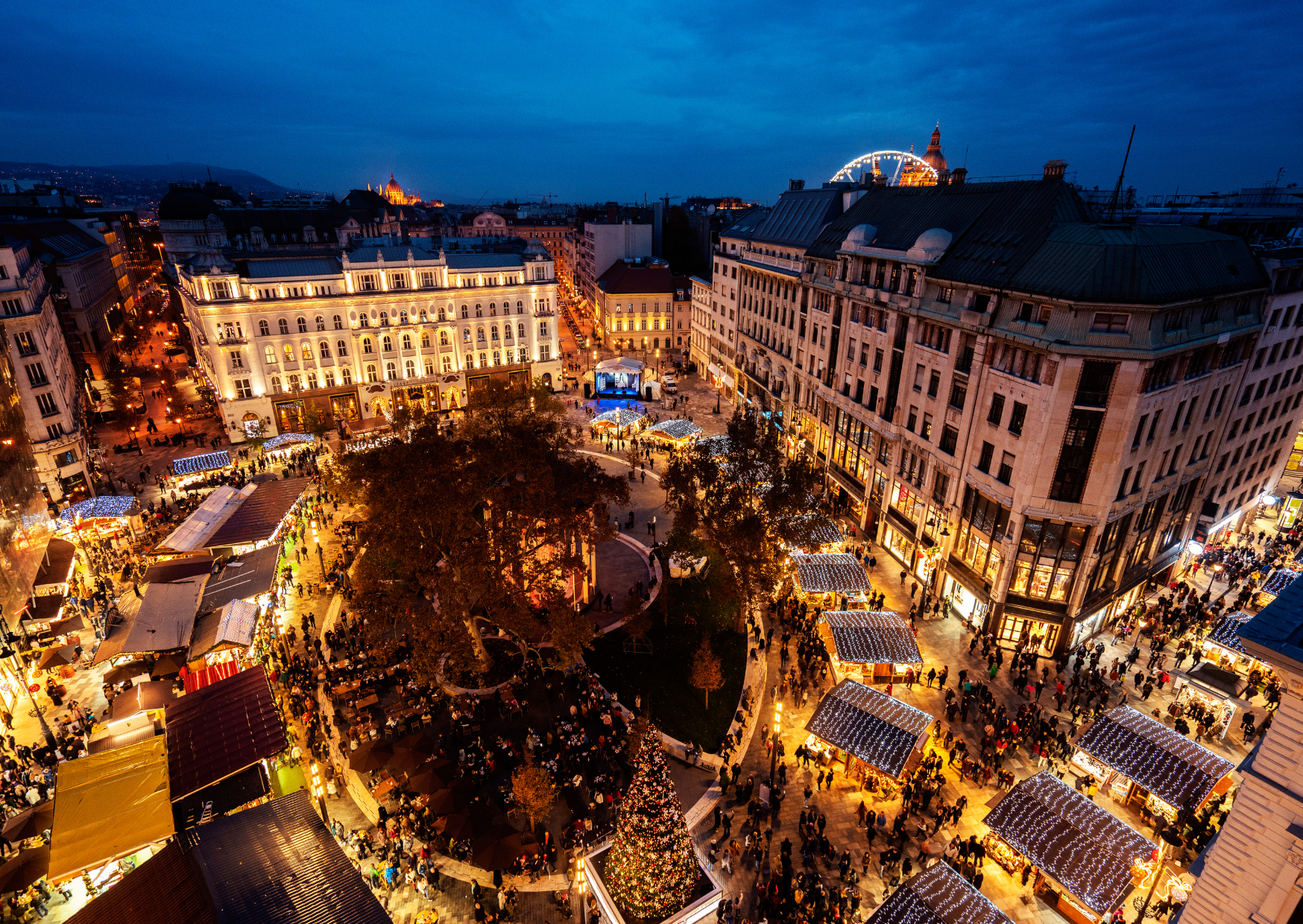
You do not need every detail sorted, but four categories do get scarce and expensive after late September. Prioritize them and your whole trip relaxes.
Start with central hotels near the market squares. Markets like Strasbourg and Nuremberg run at very high occupancy, and mid range properties close to the action disappear first. Even local tourism offices nudge visitors to secure rooms early because the old towns fill up. Walkable distance, free cancellation if offered, two to three nights minimum.
Reserve intercity rail on the busy days. Eurostar between London and Paris or Brussels releases seats six to eight months ahead and warns that festive weeks sell fast. German and Austrian long distance trains use dynamic pricing, with the cheapest Sparpreis and Super Sparpreis buckets snapped up months in advance once the winter timetable opens. Lock key legs, choose specific trains, grab saver fares.
Grab Nightjet sleepers if you want the classic overnight move, for example Vienna to Zurich or Munich to Venice on the way home. ÖBB publishes that sleeper reservations generally open around 180 days before departure and are capacity limited by compartments. December slots after the timetable change can release later and sell immediately. Compartments are finite, six month horizon, December releases can lag.
Finally, secure anchor flights. Fare advice varies, but multiple travel desks point to late summer as the sweet spot for holiday airfare before mid September price rises. If you plan to fly into one city and out of another, hold both segments now and refine the middle once rail times publish. Into one city, out of another, hold refundable tickets where possible, avoid Friday arrivals at opening weekends.
Treat these four like dominoes. Once they stand, everything else is easy.
How to structure a week that feels effortless

Use one hub region, build in day trips, and ride midweek calm. Three proven patterns keep costs down while maximizing lights and music.
Alsace loop with a Rhine hop. Base three nights in Strasbourg and two nights in Colmar. Day trip by local train to smaller villages like Riquewihr or Ribeauvillé on their market weekends, and cross to Freiburg for a German flavor if you want variety. You will walk to every market from your room, ride short trains in the daylight, and sleep where mornings are quiet. Compact region, frequent regional trains, markets that open by late November.
Bavaria to Saxony on a single line. Fly into Munich, ride the Munich to Nuremberg to Dresden corridor, and fly out of Berlin if prices allow. Munich and Nuremberg close on December 24, Dresden’s Striezelmarkt holds the same pattern, and secondary markets like the Augustusmarkt stretch into January. Book hotels near each old town, use saver fares released with the winter timetable, and avoid Saturdays in December if you dislike crush. Straightforward rail, three heavyweight markets, solid saver fare logic.
Danube capitals with a night train flourish. Anchor Vienna for three nights, add Prague or Budapest, and consider a Nightjet segment for romance and time saving. Vienna begins as early as mid November, Prague usually runs through January 6, and Budapest fills the calendar around the basilica. You will sleep in one place through the heart of your week and let rail do the rest. Long season coverage, sleeper option, walkable historic centers.
In all three patterns the midweek nights are calmer and often cheaper. Plan Friday for a transfer or a secondary town, then use Sunday for travel when many shops are closed but trains and hotels are not.
Crowd control that saves time and money
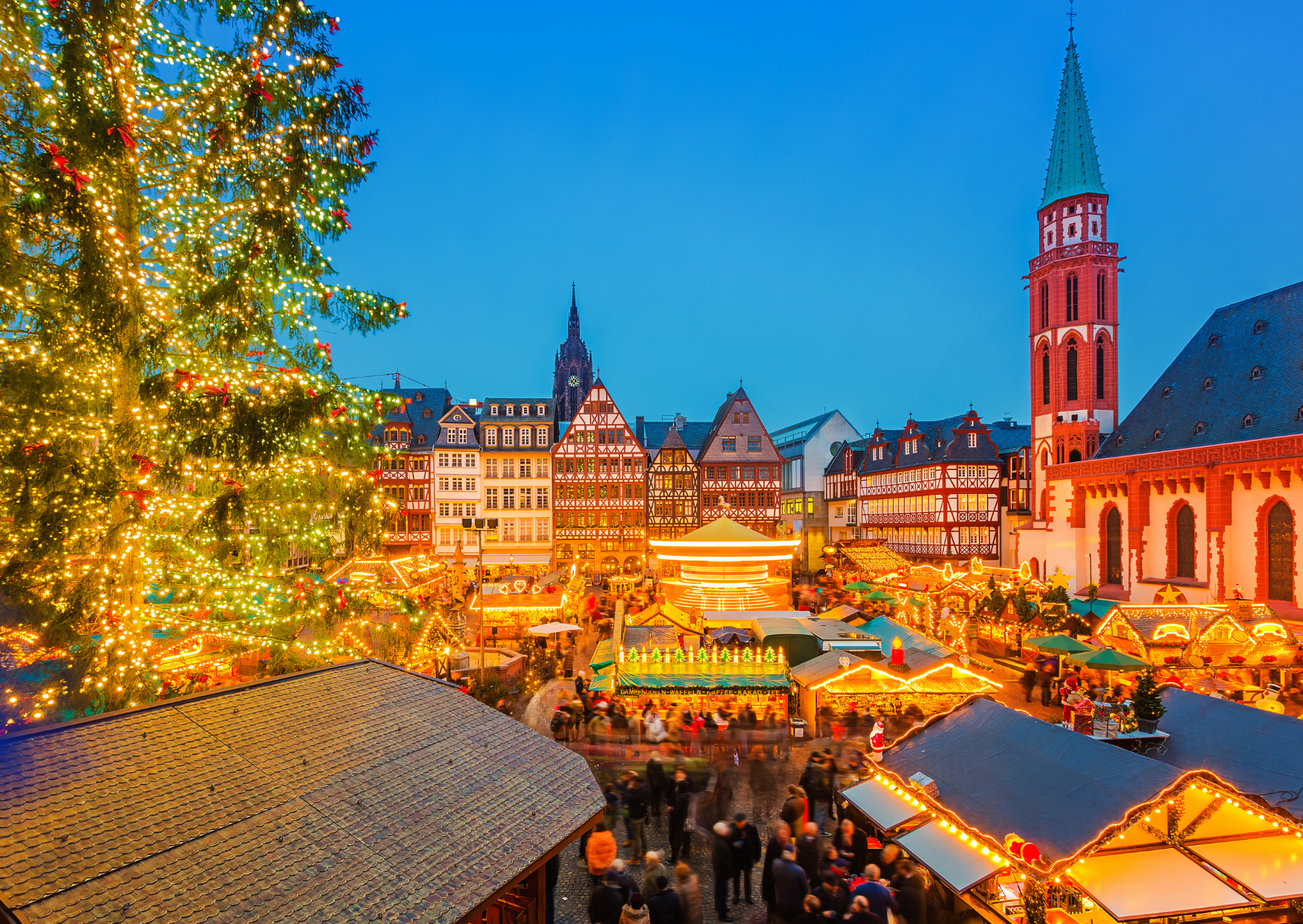
Christmas market crowds are predictable. Work with that tide and your trip glides.
Avoid the first two weekends after opening. They carry the heaviest domestic traffic and tour groups. Midweek evenings deliver the same lights with room to breathe. If you must visit on a weekend, arrive at opening or late evening when families drift home. Skip early weekends, favor Tuesday and Wednesday nights, time your entry for calm.
Target earlier season dates. Vienna begins by mid November, Munich before December, Dresden in the last week of November, Strasbourg in the last week of November. You get the full look while airfares and hotels often price lower than the prime fortnight in mid December. Open before December, same atmosphere, lower pressure on rooms.
Stay near the squares. The extra dollars you might save far out melt when you count cold walks, crowded transit, and time lost. Central properties sell out first because they let you pop in at opening, retreat for an hour, and return for the evening. Even the city sites nudge visitors toward early, central bookings. Short walks, multiple sessions per day, higher success rate.
Use regional trains for day trips and book only the long distance legs. You do not need reservations for short hops in Alsace or Bavaria. Save your planning energy for Eurostar, ICE, Railjet, and Nightjet. Official channels and rail guides agree on the broad horizon: international and sleeper bookings open months ahead, with winter timetable flips in the fall. Reserve the big ones, wing the short ones, watch the timetable change.
Add the special reservations now and your nights shine
A few extras transform a good market trip into the one you remember. They also book out.
Book river cruises if you want to see several markets by water in one week. Christmas market sailings on the Rhine and Danube add guided stops in Cologne, Strasbourg, Vienna, and Nuremberg. The best cabins sell months ahead and December departures fill quickly. Fixed departures, bundled shore time, limited cabins.
Reserve a classic dinner in the cities that crowd at peak hours. Strasbourg’s Petite France and Munich’s traditional beer halls run packed in December. A single evening reservation gives you a warm sit down between market rounds and prevents late night scrambles. One anchor meal, warm reset, no standing in doorways.
Prebook ice rinks and seasonal shows where they exist. Vienna’s ice world opens later in winter but pop up rinks and concerts sell certain dates. Booking one evening experience keeps your calendar balanced between strolling and sitting. Timed entry, indoor warmth, variety for the group.
If you plan to shop seriously, research VAT refund minimums and bring a passport photocopy to stores that require details for refund forms. Markets sell hand made goods that often sit below thresholds, but bigger items in surrounding shops may qualify. Know the thresholds, prepare documents, reclaim a little at the end.
The simple booking sequence that works every time
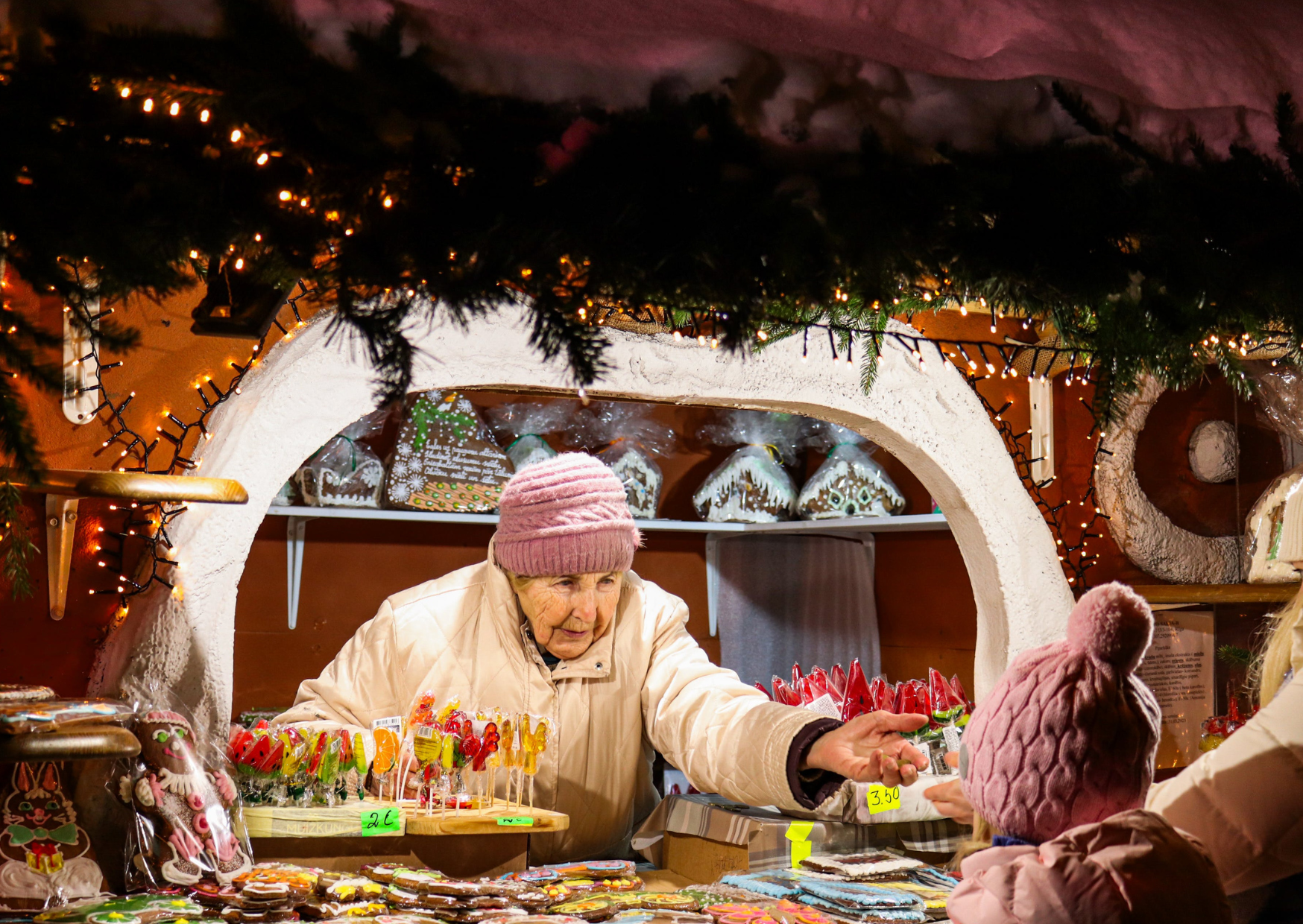
You have the dates. Here is the order that keeps stress low and flexibility high.
First, choose your hub and exact nights based on published 2025 calendars. If you want Strasbourg’s opening, pick that week. If you prefer longer seasons, choose Vienna or Prague for late November or after Christmas. Anchor city, anchor nights, avoid the first two Saturdays.
Second, book a cancellable central hotel by September 30. Hold what you want, not what is left. Read the policy. If you find a better rate later, swap. Many official pages link to hotel portals precisely because rooms go early. Hold the room, read the terms, protect walkability.
Third, lock long distance rail. If your dates fall after the winter timetable publishes, buy Eurostar and mainline tickets now. If not yet open, set a reminder for the release month and buy the first morning it appears. For sleepers, watch the 180 day window and pounce. Buy the big legs, set alerts for timetable flips, grab sleeper compartments.
Fourth, add one special reservation per city. A guided tasting, a dinner, or a small concert. Use it as a warm anchor between market strolls. Plan one warm sit down, balance the night, avoid lines.
Fifth, leave days open for the weather. Markets are magical in crisp clear air and still run in drizzle. A free afternoon lets you follow a choir, ride a tram to a smaller square, or simply return when the lights are on. Hold space, follow sound and scent, return after dusk.
Do these five by September 30 and the rest becomes a game of pleasant adjustments.

About the Author: Ruben, co-founder of Gamintraveler.com since 2014, is a seasoned traveler from Spain who has explored over 100 countries since 2009. Known for his extensive travel adventures across South America, Europe, the US, Australia, New Zealand, Asia, and Africa, Ruben combines his passion for adventurous yet sustainable living with his love for cycling, highlighted by his remarkable 5-month bicycle journey from Spain to Norway. He currently resides in Spain, where he continues sharing his travel experiences with his partner, Rachel, and their son, Han.