
If the screen shouts “guaranteed rate,” the machine is about to overcharge you. Tourist-area ATMs are designed to separate visitors from their money—unless you know which five to avoid and where to withdraw instead.
You’ve just landed, your hotel won’t take cash at check-in, and the first blue, yellow, or neon-lit ATM winks at you from a souvenir street. It promises “no hassle.” It also hides the ugliest fees in Europe behind friendly buttons and big green “ACCEPT” boxes.
Don’t learn this the expensive way. With a few simple rules, you can pull out euros at fair rates—or, if you pick the wrong machine, you can pay a silent tax of 10–20% on every withdrawal. The difference isn’t luck. It’s knowing the traps, choosing bank-owned machines, and refusing “helpful” currency conversions that are anything but.
Below are the five ATM types to skip every time, the exact places to find safer machines, and a step-by-step withdrawal flow you can follow half-asleep and jet-lagged.
Want More Deep Dives into Other Cultures?
– Why Europeans Walk Everywhere (And Americans Should Too)
– How Europeans Actually Afford Living in Cities Without Six-Figure Salaries
– 9 ‘Luxury’ Items in America That Europeans Consider Basic Necessities
1) The “Independent” ATM bolted to souvenir shops and hotel lobbies
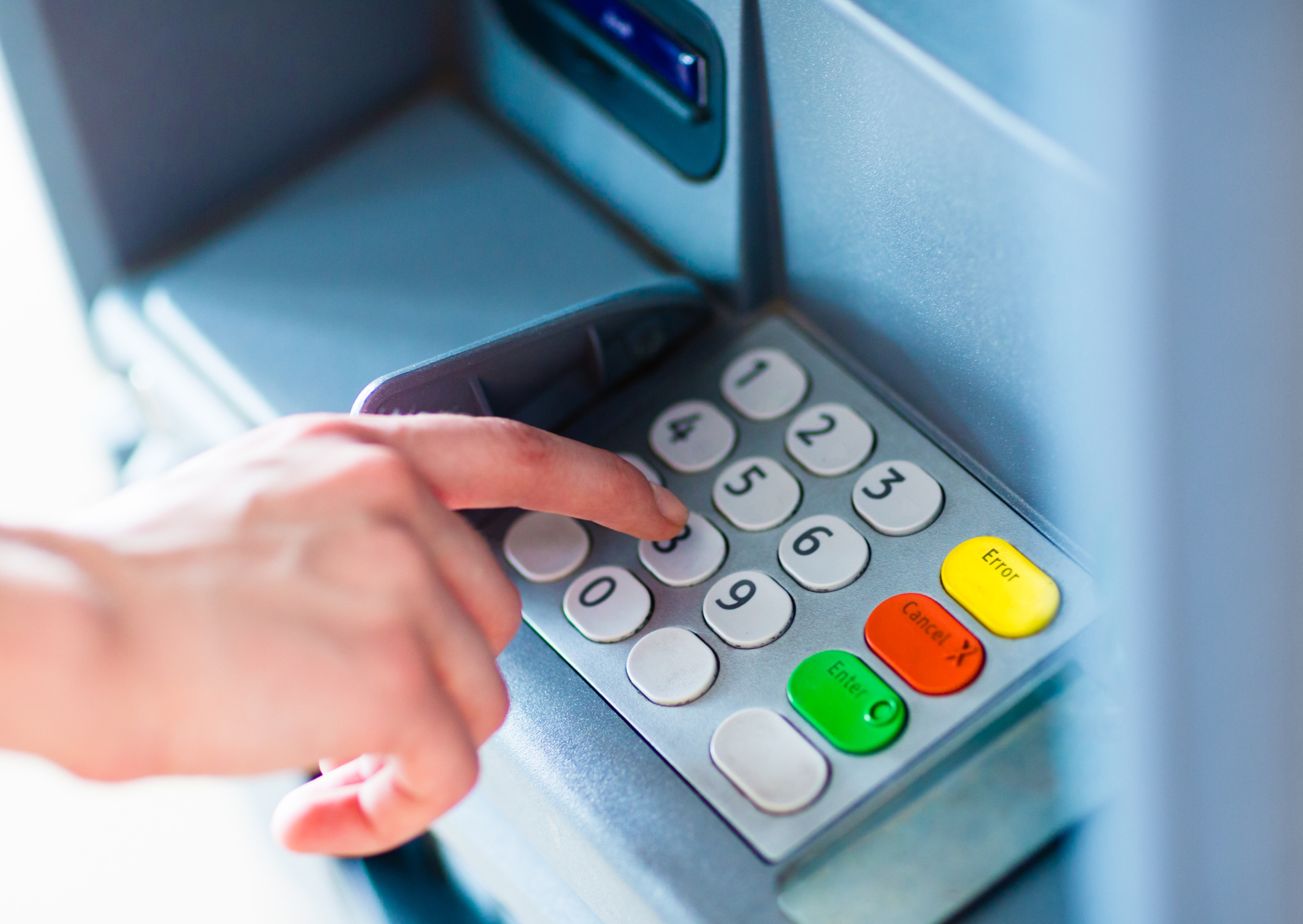
These are the bright, free-standing units you see next to currency-exchange counters, in convenience stores, and by hotel reception. They’re run by independent ATM operators, not banks, and they often make money three ways at once: an operator surcharge, a bad exchange rate via on-screen conversion, and psychology—giant buttons that steer you into the worst choice.
If the casing doesn’t carry a household bank name (think BNP Paribas, Deutsche Bank, CaixaBank, Intesa Sanpaolo, Crédit Agricole, Santander, UniCredit), assume the business model is you. Independent units cluster where tourists are thick, not where locals bank. When you see a machine perched in a gift shop doorway with a “best rate” sticker, keep walking.
Bottom line: Bank-owned ATMs beat independent ones almost every time. If you’re standing in a lobby or a shop, you’re likely paying the “convenience tax.”
2) Any ATM that asks to charge you in dollars (the “guaranteed rate” trick)
This one is simple: when a European ATM offers to charge your withdrawal in USD instead of local currency, always choose local currency and decline conversion. The feature is called dynamic currency conversion (DCC). It’s marketed as clarity; in practice it layers a steep mark-up over the rate your card network would have given you automatically. Machines know that big green “Yes, in dollars” looks comforting when you’re tired—that’s why it’s so large.
You’ll sometimes see a “guaranteed rate” with a countdown clock, dramatic warnings about “unknown bank rates,” and red text beside the local-currency option. Ignore the theatrics. Card networks and your bank already convert at transparent rates; accepting the ATM’s conversion swaps those for a padded number.
Bottom line: Local currency good. On-screen conversion bad. If you can’t find the “without conversion/in local currency” choice, cancel the transaction and use a different machine.
3) ATMs inside currency-exchange storefronts
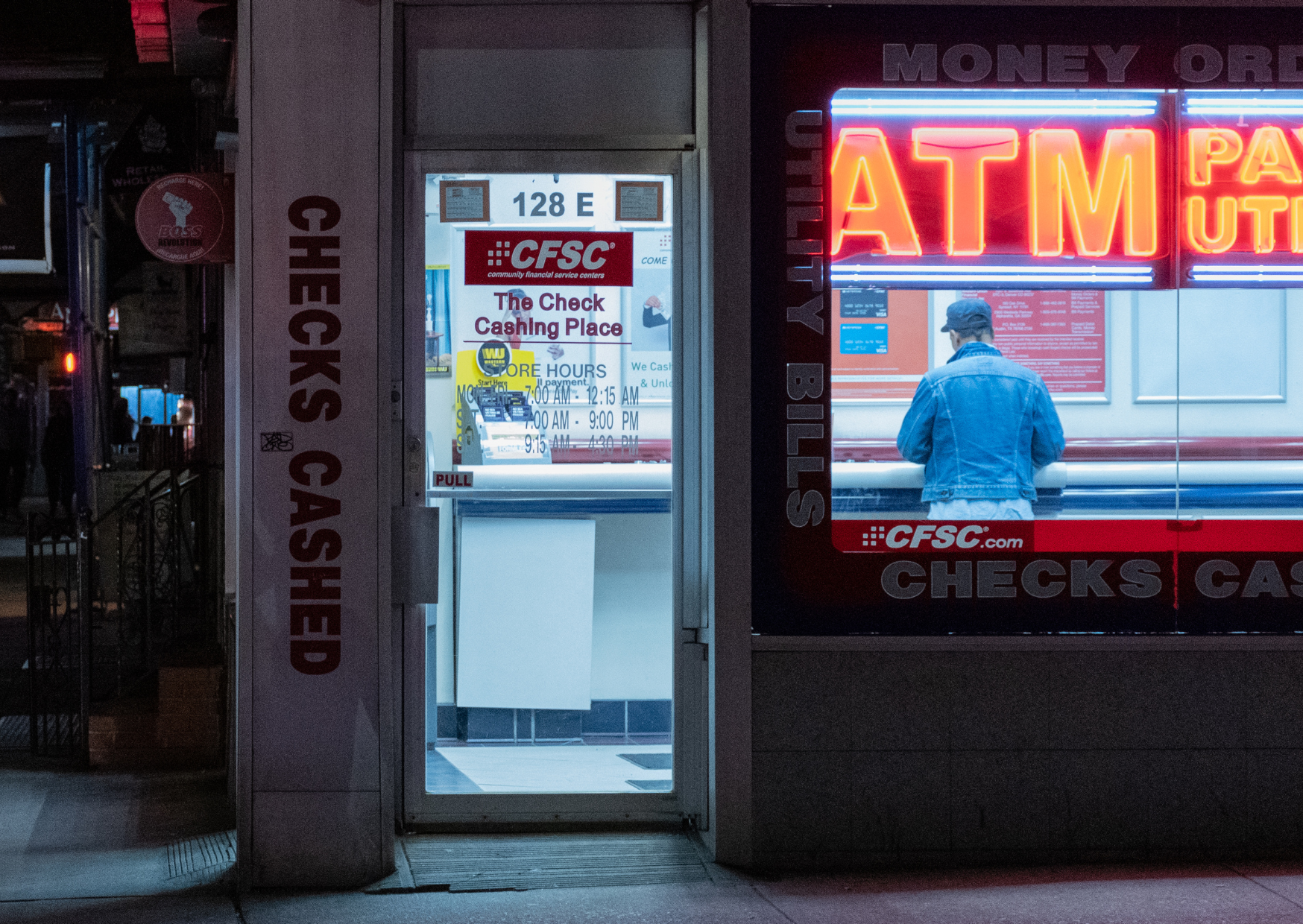
Walk by a “Bureau de Change / Cambio / Exchange” and you’ll often find an ATM built into the wall. It’s the worst of both worlds—the exchange shop’s business model plus ATM convenience pricing. The screen may highlight “no commission,” but the cost lives in the rate and the prompts that try to funnel you into DCC. Even if you decline conversion, operator surcharges are common.
A good sanity check: ask yourself, “Would a local come here to get cash?” If the answer is no—because locals use their bank branch or a national network—then you shouldn’t either. Exchange-shop ATMs monetize tourists, not customers.
Bottom line: If the door sells currency, the wall ATM sells margin. Find a bank branch instead.
4) Nightlife-district ATMs (bars, clubs, and party strips)
The bar-row cash machine exists for one reason: urgent withdrawals by distracted people. Fees tend to be higher, machines are more likely to be independent, and crowds make it harder to read prompts calmly. After midnight you’ll also see the worst “nudge screens” pushing conversions and extra services you didn’t ask for.
If you truly need cash late, step off the party street and look for a bank branch vestibule with card-access doors. Those belong to real banks, are better lit, and are less likely to “upsell” you on the screen. And never use a credit card for a withdrawal in these spots—you’ll turn a bad fee into a cash-advance triple hit (higher APR, no grace period, and a cash-advance fee).
Bottom line: Late-night + stand-alone ATM = expensive mistakes. Use an actual bank vestibule or wait until morning.
5) Credit-card cash-advance ATMs (anywhere)
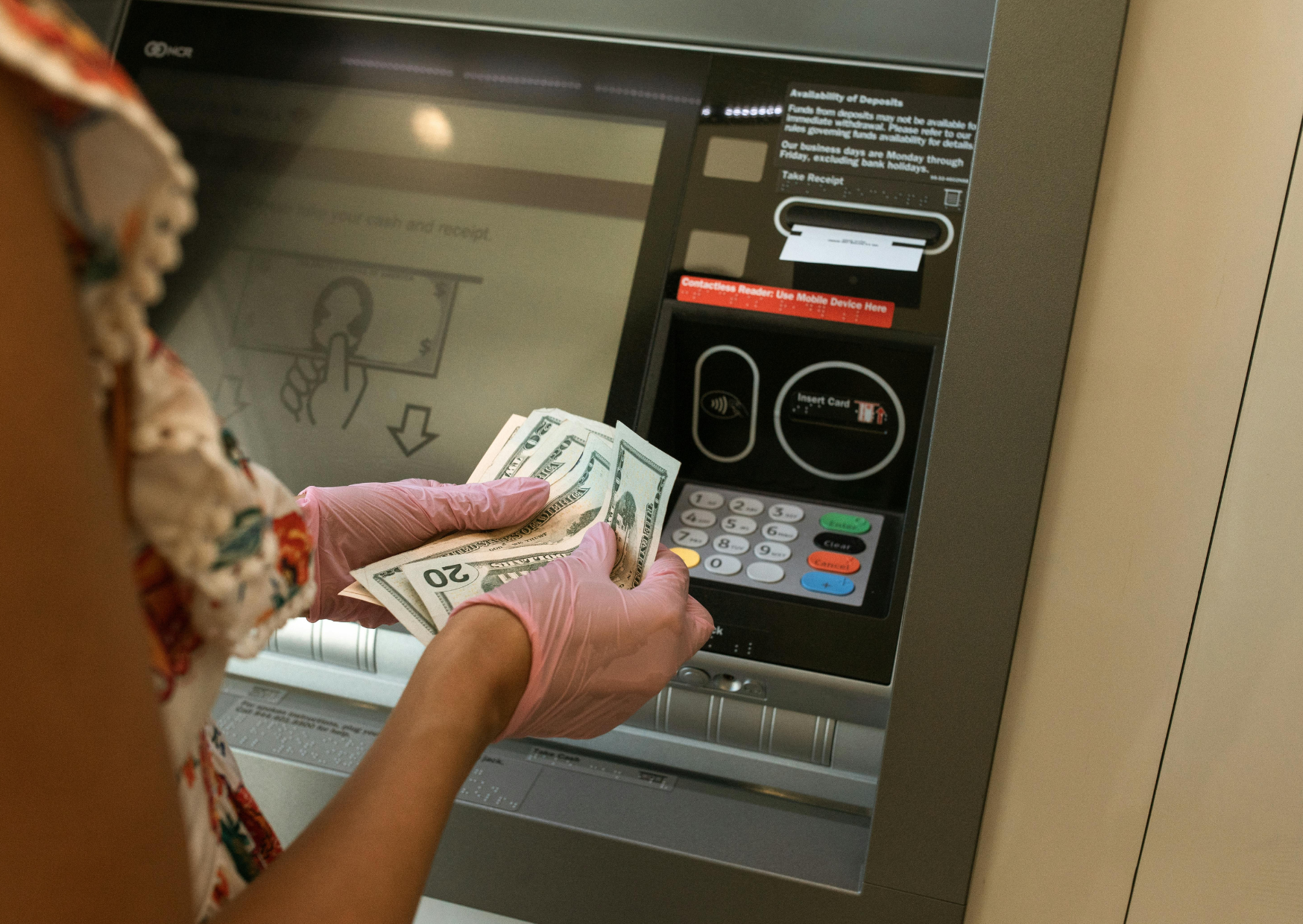
This isn’t a place so much as a behavior. If you stick a credit card into any ATM and take a cash advance, you’re paying for speed with immediate interest, a higher cash-advance APR, and a cash-advance fee (often 3–5% of the amount, sometimes with a minimum). Even if your card has no foreign transaction fee, cash advances are priced differently and start costing you the second the bills drop.
Unless it’s a true emergency, use a debit card tied to a checking account instead. Many U.S. banks now reimburse out-of-network fees up to a cap, and plenty of debit cards charge 0% foreign transaction fee. Save your credit card for purchases; let your debit card pull cash.
Bottom line: Cash advances are payday loans in disguise. Don’t do them.
Where to withdraw safely (by country and network)
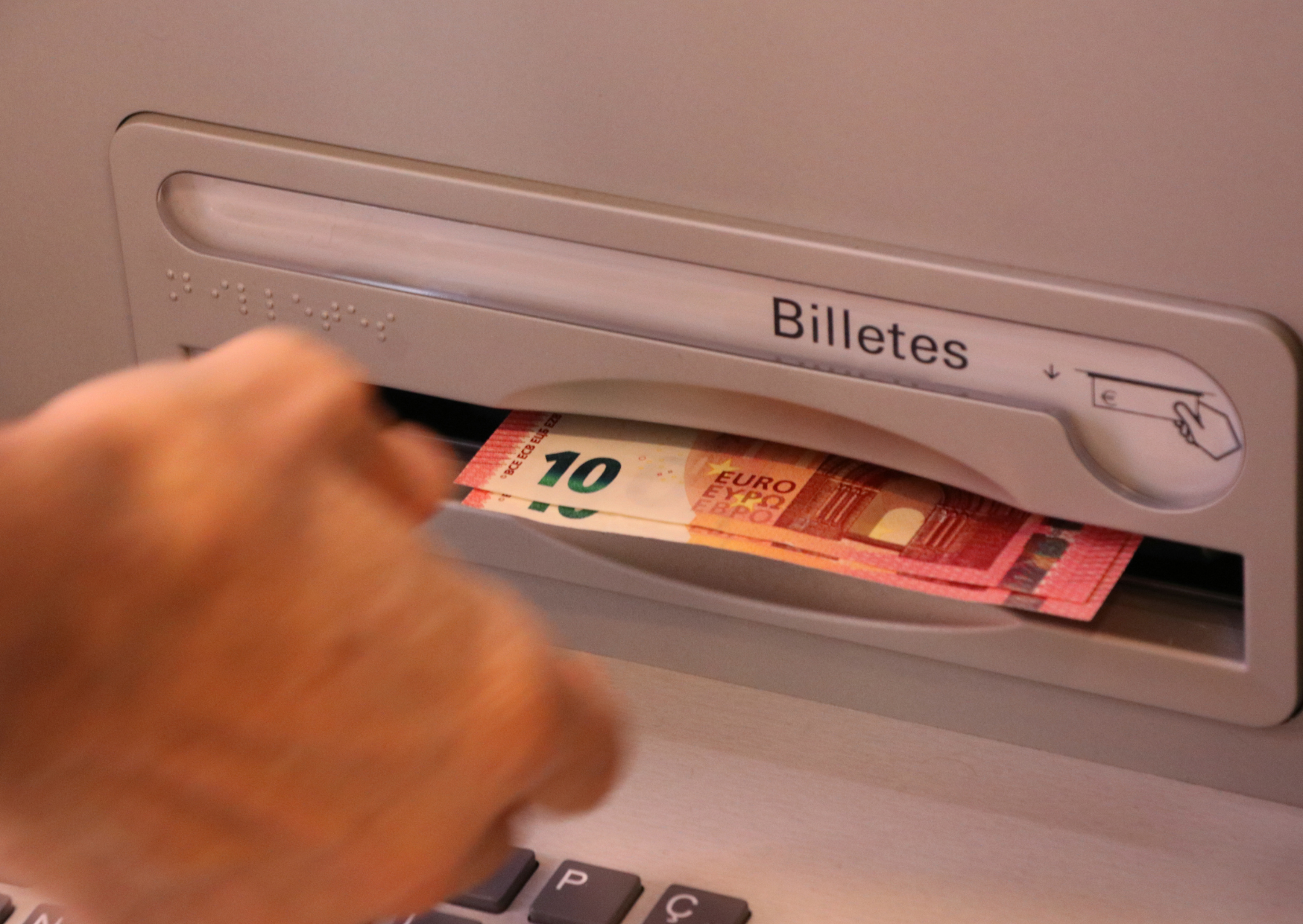
You don’t need a spreadsheet. You need bank-owned machines and a few national networks that make life easy.
- Portugal: Multibanco is the national network that stitches together nearly all bank ATMs. Machines are everywhere, local-currency withdrawals are straightforward, and on-screen nudges are minimal. Your U.S. bank may still charge its own fee, but the operator piece is typically reasonable. Look for the Multibanco/SIBS branding and use decline-conversion if shown.
- Netherlands: Geldmaat (the yellow machines) is the shared system used by Dutch banks. It’s the default for locals and visitors alike. If you see a yellow unit, you’re at the right place. Withdraw in EUR (no conversion), take your receipt if you need it, and go.
- Germany: Use branch ATMs from Sparkasse, Volks-/Raiffeisenbank, Deutsche Bank, Commerzbank, or Postbank. Many branch lobbies have 24/7 card-access. Avoid the glitzy stand-alone units in tourist corridors.
- France: Stick to BNP Paribas, Crédit Agricole, Société Générale, Crédit Mutuel, and other bank-signed machines. If your U.S. bank is in a global alliance (see below), you may reduce or eliminate fees.
- Spain: Choose CaixaBank, BBVA, Santander, Bankinter, Unicaja, etc. Spain’s tourist strips are dense with independents—skip the shopfront units and walk to a branch a block or two off the main drag.
- Italy: Use Intesa Sanpaolo, UniCredit, Banco BPM, BPER, Poste Italiane. You’ll find honest prompts and fewer gimmicks at bank machines, especially inside lobbies.
A useful perk for some Americans: the Global ATM Alliance. If your bank (e.g., Bank of America) partners with Barclays (UK), BNP Paribas (France), Deutsche Bank (Germany) and other listed members, you can often avoid operator fees on those specific partner machines abroad. You’ll still decline on-screen conversion if asked; you simply dodge the extra local ATM surcharge.
The five-step withdrawal that keeps your money yours
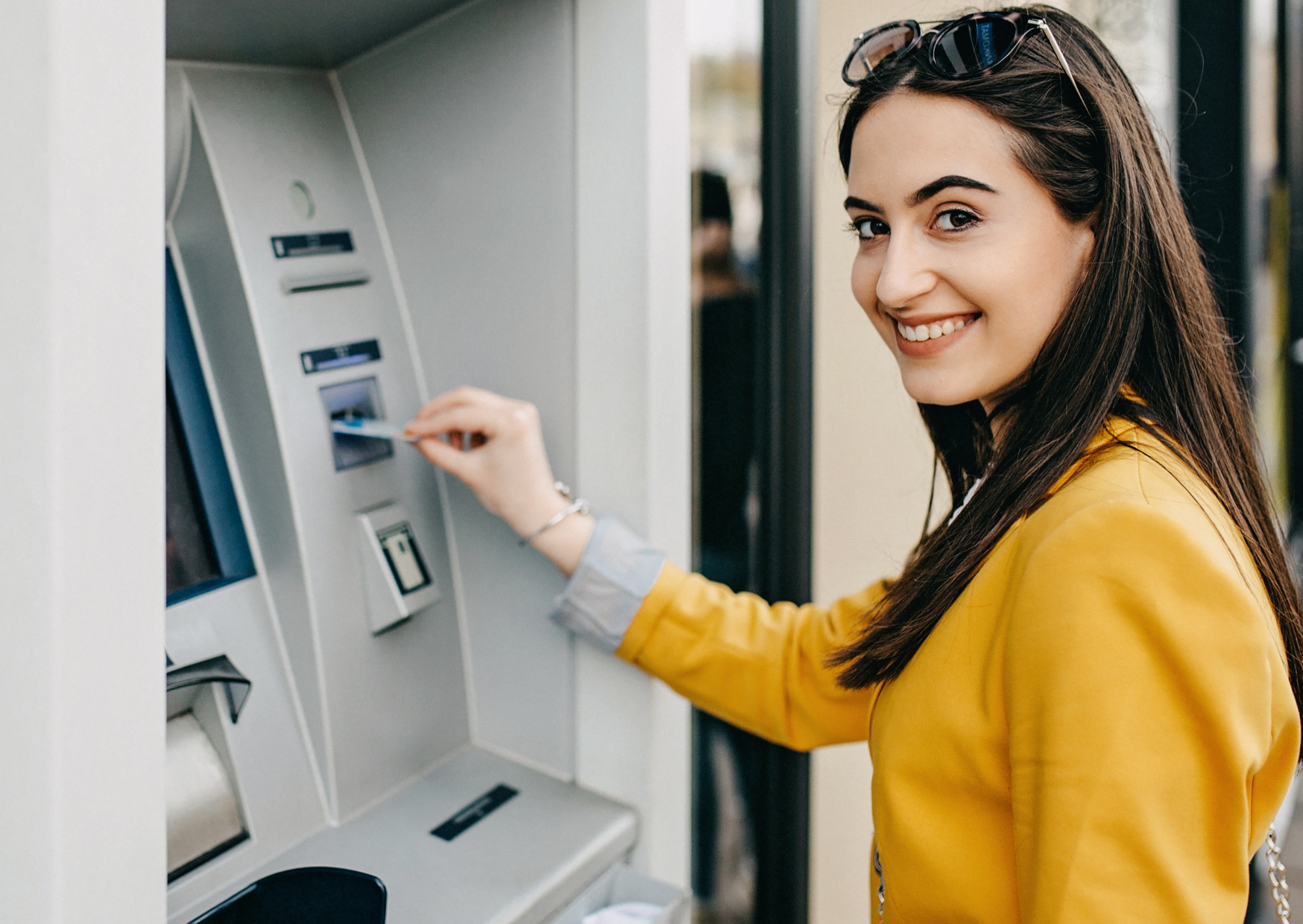
Follow this flow every time and you’ll stop overpaying.
- Find a bank-owned ATM. Look for a recognizable bank name or the national network brand (Multibanco in Portugal, Geldmaat in the Netherlands). Skip independent units, hotel-lobby machines, and exchange-shop ATMs.
- Insert a debit card, not a credit card. If your only card is credit, stop and reconsider—cash advances trigger instant interest and fees. If debit is available, use that.
- Choose a standard amount. Pick a sensible sum (€100–€300) so you’re not flagged by limits or extra screens. If an “extra services” menu appears (balance checks, DCC bundles), decline and stick to withdrawal only.
- When asked about currency, choose local. If you see “with conversion in USD” vs “without conversion in EUR,” select EUR. If there’s a “guaranteed rate” timer, ignore it. If the machine buries “continue without conversion,” hunt for it; if you can’t, cancel and try another ATM.
- Check the fee screen. Many countries require a clear on-screen notice if the operator charges a local fee. If it looks high, cancel before you confirm. Otherwise, proceed, take your card and cash, and keep the receipt if you need a paper trail.
Do this twice and it becomes muscle memory.
How much does a mistake cost?
Let’s compare €200 withdrawn two ways:
- Bad path: Independent ATM in a tourist lane + “guaranteed USD rate.” You may see a local surcharge (e.g., a flat fee), then a conversion at a padded rate several percentage points worse than your card network’s. Stack those and you’re easily down double-digits on a single withdrawal.
- Good path: Bank-owned ATM + “charge in EUR.” You pay no DCC mark-up, possibly no operator fee (or a small disclosed one), and your card network converts at its posted rate. If your debit card has no foreign transaction fee and your bank rebates ATM fees, your total cost can be near zero.
The cash difference across a trip is not small. Three or four “bad path” withdrawals can equal a decent hotel night.
Red flags on the screen (and what to press instead)
- Huge green “ACCEPT USD” button with a red “DECLINE EUR” option: Pick EUR/decline conversion.
- Countdown timers and warning text (“unknown bank rate”): Ignore. Choose local currency.
- “Cash + balance inquiry” bundles: Back out and select cash only.
- “Suggested withdrawal amounts” with very high figures: Select a normal amount or type your own. Big sums sometimes trigger extra prompts and higher fee tiers on independents.
- “Service fee” acknowledgment screens: Read the number. If it’s steep, cancel and find a bank machine.
Safety and logistics that matter
- Use bank lobbies in off-hours. After dark, prefer indoor ATMs with card-access doors, cameras, and lighting.
- Cover the keypad and inspect the slot. Quick checks deter skimmers; if the card slot looks loose or bulky, walk away.
- Mind daily limits. Your home bank sets a daily cap; raise it before travel if you plan a large withdrawal to reduce trips to the machine.
- Carry a second card. Keep it separate. If the ATM eats your card, having a backup turns a disaster into an inconvenience.
- Turn on travel alerts and push notifications. Real-time pings help you spot any duplicate or extra charges immediately.
Fast country cheat sheet (what locals actually do)
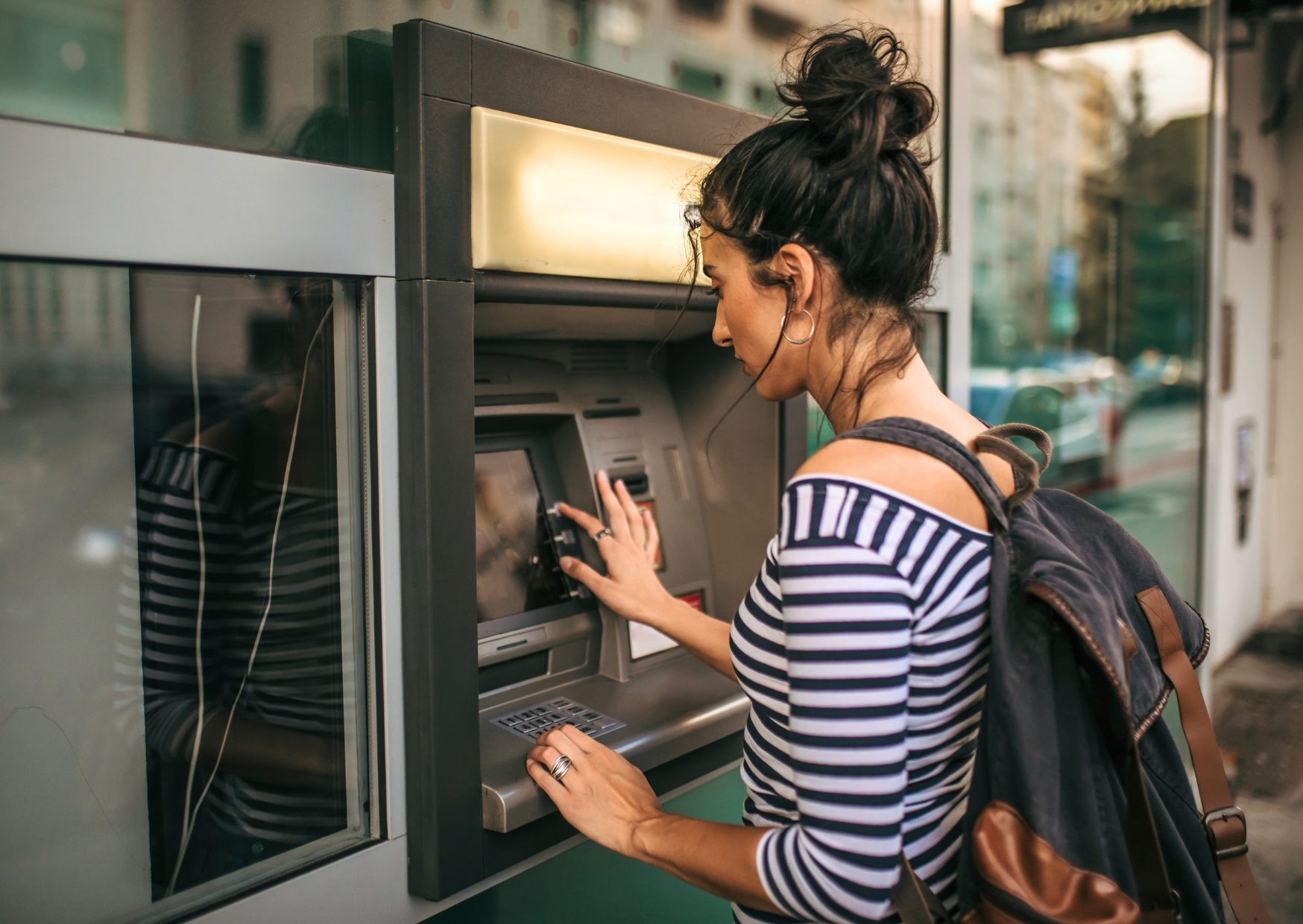
- Portugal: Multibanco everywhere; locals rarely touch independent machines.
- Netherlands: Geldmaat (yellow) is the default; even many bank branches use Geldmaat hardware.
- Germany & Austria: Locals use their own bank or savings bank (Sparkasse); independents are mostly for tourists.
- France: Branch lobbies of BNP Paribas, Crédit Agricole, Société Générale and the rest; no one seeks out a shopfront ATM.
- Spain: CaixaBank/BBVA/Santander on main streets; independents proliferate around beaches and party zones—locals avoid them.
- Italy: Intesa/UniCredit and friends; if you’re in a tourist square, walk two blocks into the neighborhood and the machines suddenly get honest.
The two rules that save everyone money
- Bank name on the door, not a billboard on a box. If it isn’t a bank branch or a national network unit, skip it.
- Decline conversion. Always choose local currency. If a machine won’t let you, cancel and find one that does.
Follow those and you’ll stop donating to tourist-area machines—and start keeping the money you came to spend.

About the Author: Ruben, co-founder of Gamintraveler.com since 2014, is a seasoned traveler from Spain who has explored over 100 countries since 2009. Known for his extensive travel adventures across South America, Europe, the US, Australia, New Zealand, Asia, and Africa, Ruben combines his passion for adventurous yet sustainable living with his love for cycling, highlighted by his remarkable 5-month bicycle journey from Spain to Norway. He currently resides in Spain, where he continues sharing his travel experiences with his partner, Rachel, and their son, Han.