
If you can follow a map, ask for 100 grams, and shop by season, Rome will feed you well on a small budget. This is the exact circuit locals use, with prices that make a daily ten euro plan realistic.
Stand at a bar in the morning, sip a one euro and change espresso, and watch the city unlock. By the time you reach the first market, produce is stacked in pyramids, fishmongers are icing the day’s catch, and the cheesemonger is twirling plastic wrap over a ball of mozzarella like it is a jewel. You are not here to browse. You are here to stock a small kitchen for a full day of meals without spending more than a ten.
The trick is part route, part rhythm, part language. You go where the prices are honest, you buy what the season is begging you to cook, and you order like a Roman, in grams and half kilos. You carry what you need, not what looks pretty. At lunch you eat half of your bread and cheese. At night you turn pantry staples into a bowl of pasta that tastes like a trattoria. The leftover fruit becomes breakfast. Tap water runs free from street fountains. Ten euros did the job.
Below is the map. Six stops that cover the city like a net, the shopping list that fits a daily budget, a seven day meal plan that repeats smartly, and the phrases that make stallholders smile. No fancy rules. Just a Roman way of shopping that tourists miss because they chase restaurants at every meal.
Want More Deep Dives into Other Cultures?
– Why Europeans Walk Everywhere (And Americans Should Too)
– How Europeans Actually Afford Living in Cities Without Six-Figure Salaries
– 9 ‘Luxury’ Items in America That Europeans Consider Basic Necessities
How the ten euro day actually works
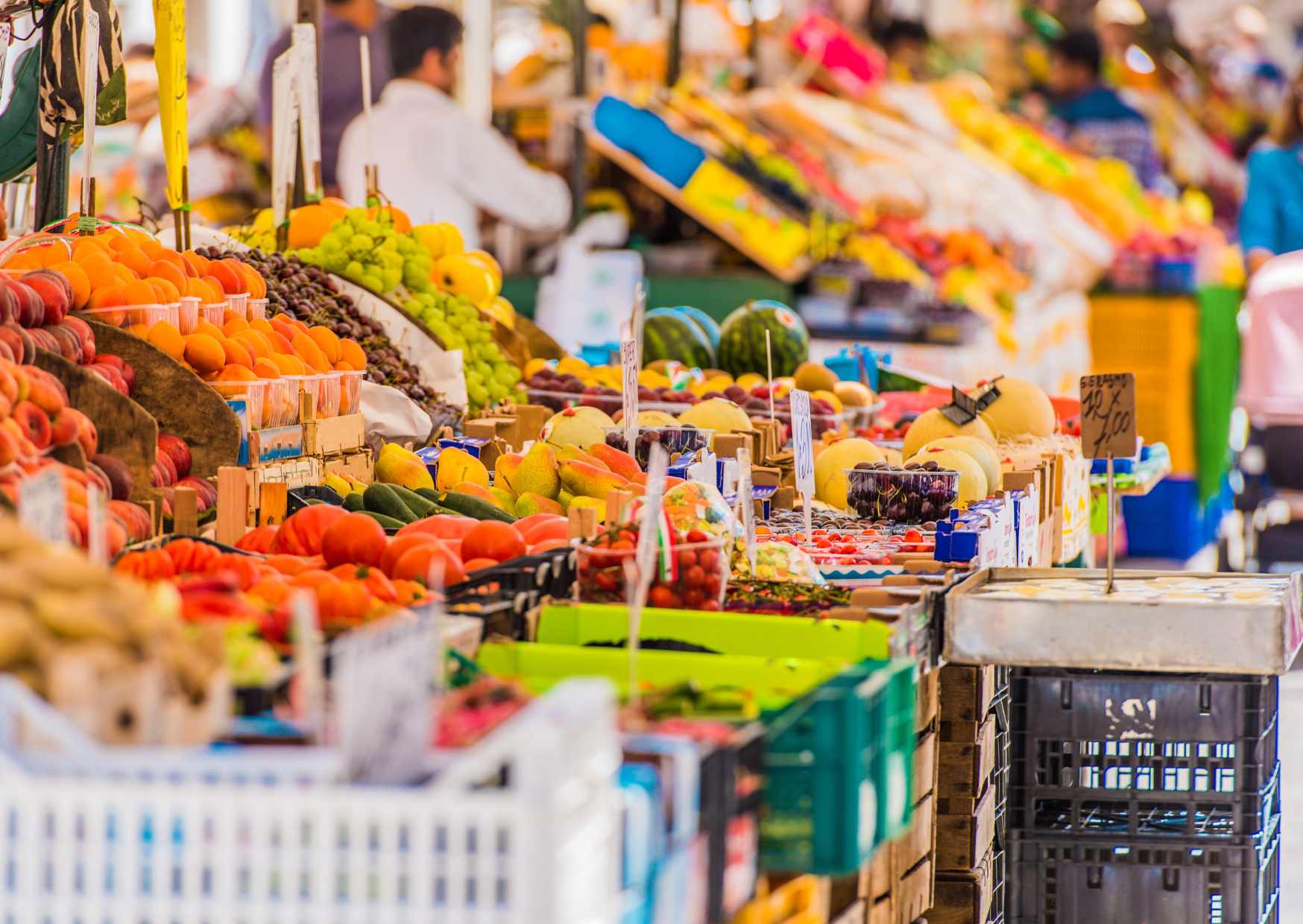
Every good plan starts with math you can do in your head. Here is the budget that feeds one adult for a day, cooked at home and topped with a cheap street lunch when you want it. The aim is not hunger games. It is comfort.
Breakfast is fruit and yogurt with coffee at home or a cornetto and a cappuccino at the bar. Coffee at the counter sits around one to one fifty in much of Rome, with some bars now creeping higher in 2025. A plain cornetto is usually one euro and change. If you take both in, call it three. If you brew at home, it is less. Your breakfast line on the ledger is two to three.
Lunch is either a market panino or pizza by weight. A good sandwich is a heel of bread, a slab of tomato, a handful of greens, and about one etto of cheese or ham. That one hundred grams is the local unit and it costs less than you think when cheese runs ten to fifteen per kilo and cured meats are ordered in small slices. If you opt for pizza al taglio, most places price about one fifty to two fifty per hundred grams, so a light lunch is four to six. Your lunch line is three to six depending on appetite.
Dinner is a stove and a pot. Pasta, a clove of garlic, a spoon of oil, a little pecorino or a tin of tomatoes and a dried herb. Add a salad of chicory or lettuce on the side. The cost per plate is well under two if you shopped like a local, because staples and greens are inexpensive by the kilo in Rome. Your dinner line is one fifty to three depending on how generous you are with cheese and olive oil.
You are now looking at eight to ten for an honest day of food that feels like Italy, not a diet. The secret is not suffering. It is shopping at markets that price for residents, not for the postcard.
The route: six markets that cover the city
Pick the one near your bed, then keep the others as alternates for the days you cross town. Markets run Monday to Saturday mornings. Sundays are quiet, which is part of the charm.
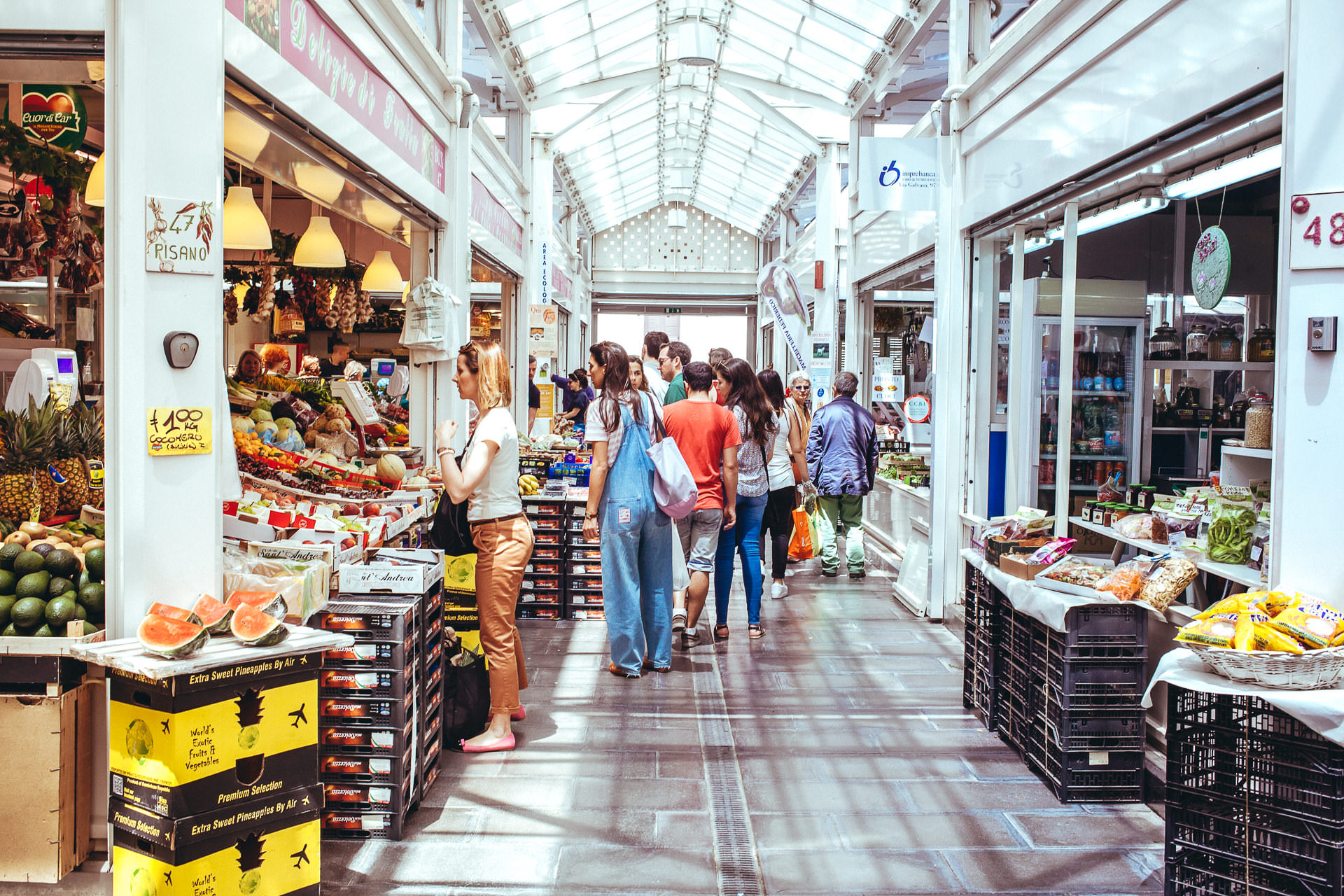
Mercato Testaccio is the working heart you imagine when you picture Rome shopping. Concrete, clean, a mix of raw ingredients and stalls that will hand you lunch if you change your mind. Hours run roughly seven to mid afternoon Monday to Saturday, and the closest metro is Piramide. Buy vegetables, a small ball of mozzarella, and a short loaf here, then resist everything hot until you have a plan.
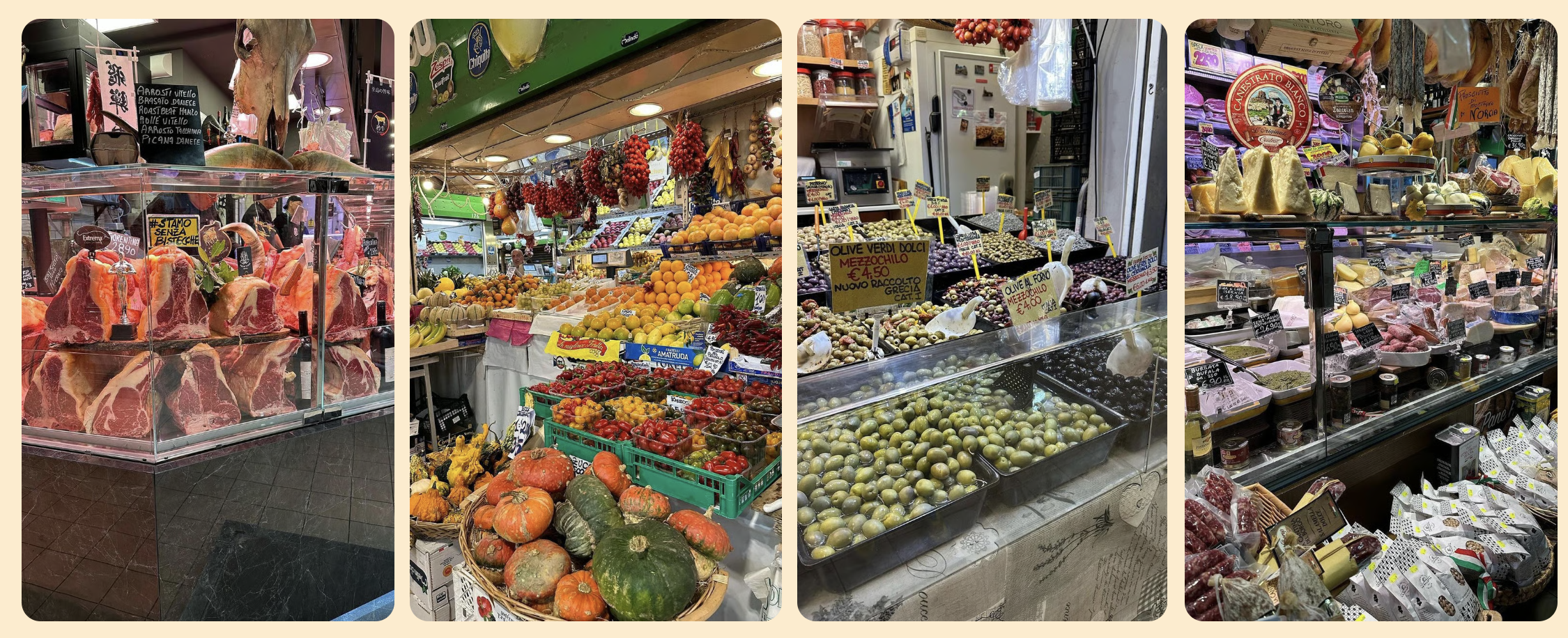
Mercato Trionfale near the Vatican is big, bright, and full of people who cook daily. It opens early and runs through early afternoon, with longer hours on some weekdays, and it is the right place for fruit, greens, dried beans, and a few scoops from a deli counter. The nearest metro is Cipro or Ottaviano. If you are staying in Prati, this is home base. Big selection, resident pricing, reliable hours.
Nuovo Mercato Esquilino sits by Piazza Vittorio, a magnet for produce from everywhere and spices you did not know you could find in Rome. It opens very early and winds down by early afternoon. The Vittorio Emanuele metro drops you at the door. Come here for herbs, piles of seasonal fruit, and very good prices on staples. Early start, huge selection, low prices.
Mercato San Giovanni di Dio in Monteverde is locals only in the best way. Open most mornings from around six to early afternoon, right by the tram 8 line. Good bakers, good eggs, and stalls that will hand you a bag without a fuss. Neighborhood core, easy tram link, honest variety.
Mercato Nomentano near Piazza Alessandria is a beautiful covered hall that rewards a detour when you are on the east side. Prices match the neighborhood and the selection is serious for such a compact space. Historic setting, dependable vendors, central east location.
Mercato di Campagna Amica al Circo Massimo is your weekend bonus. Farmers from Lazio sell direct, most of it local by rule. Open Saturdays and Sundays in season, usually closing mid afternoon. If you want the freshest greens and cheeses for a picnic, you come here, then eat in the park outside. Producer direct, local products, weekend only.
You do not need them all. You need one that fits your morning and two backups when your day takes you to a new neighborhood.
What to put in the bag for a ten euro day
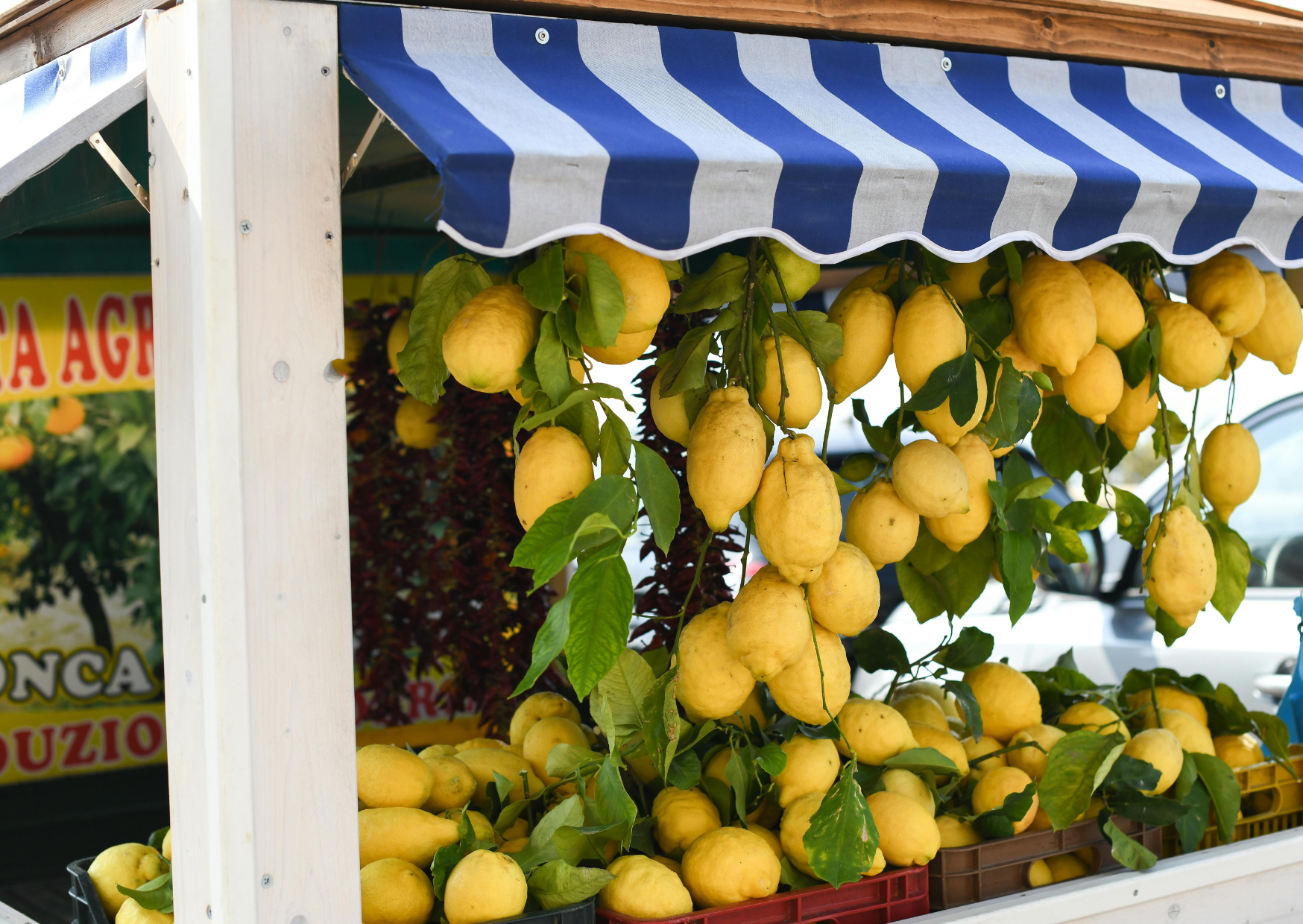
A short list wins. You will eat better if you stop thinking like a bulk shopper.
Start with bread. Half a small loaf or two thick slices of pizza bianca. Local bread sits around two to three per half kilo, often less. It is your breakfast toast and your lunch sandwich. Bread is cheap, bread is filling, bread carries the meal.
Add fruit. Buy by the kilo and eat two pieces a day. In season, apples, grapes, oranges, berries, and melons are well under four per kilo, often two to three. One apple and one banana can cost less than one euro combined at market prices. Buy by the kilo, eat by the piece, let season decide.
Take greens. Roman markets live on bitter chicories, soft lettuces, and tomatoes that taste like tomatoes. A head of lettuce, a handful of arugula, or a bag of puntarelle costs little and turns pasta into dinner. Greens are the cheap luxury, salad makes the plate feel full, leftovers become lunch.
Pick one protein for the day. That can be 100 grams of cheese, a small piece of fresh sausage, a tub of yogurt, or two eggs. Ordered as un etto, cheese for a sandwich can be a euro to two depending on the style. Eggs by the dozen are inexpensive; buy six and you have omelets and a sauce for the week. Order by the etto, vary the protein, keep it small.
Round with staples. A bag of dry pasta, a can of tomatoes, a small bottle of oil, a paper cone of olives, a wedge of pecorino to grate. You will not buy these daily; you will buy them once and use them all week. Staples stretch flavor, buy once per week, spend pennies per portion.
Drink tap water. Rome’s free street fountains, the nasoni, run day and night and the water is potable. Fill bottles in the street or at home and you erase the drink line from your budget. Free water, 2,500 plus fountains, no need to buy bottles.
That list fits in a tote. The bill stays friendly because nothing on it chases a brand and everything on it is priced per kilo, not per logo.
A seven day plan that repeats without getting dull
You are here to eat, not to count. This is a rhythm that keeps the bill around seventy for the week and your energy steady.
Day one
Breakfast: yogurt with sliced fruit. Lunch: panino of bread, tomato, and one etto of fresh cheese. Dinner: spaghetti with tomato and a salad of greens and olive oil. Tomorrow’s breakfast is the leftover fruit.
Day two
Breakfast: toast and coffee. Lunch: pizza al taglio by weight, two small slices is enough. Dinner: pasta with chickpeas and rosemary, plus a few olives on the side.
Day three
Breakfast: fruit and a spoon of yogurt. Lunch: eggs in tomato sauce with bread for the sauce. Dinner: cacio e pepe with a bitter chicory salad.
Day four
Breakfast: bar coffee and a plain cornetto. Lunch: trapizzino if you cross paths with one, or a repeat panino from your kitchen. Dinner: pasta with zucchini and garlic, a little grated cheese on top.
Day five
Breakfast: fruit and toast. Lunch: leftover salad and a slice of pizza bianca. Dinner: pasta with canned tuna and lemon, easy and fast.
Day six
Breakfast: yogurt and fruit. Lunch: market cheese and tomato on bread. Dinner: lentil soup with a drizzle of oil and bread on the side.
Day seven
Breakfast: bar coffee, skip the pastry if you want to land under budget. Lunch: market picnic at Circo Massimo in season. Dinner: pasta with oil, garlic, and chili, plus a simple salad.
The food repeats, the produce shifts, the season decides. You are never hungry because the meals are balanced and the bread, beans, and pasta do the heavy lifting while the greens and fruit keep the day fresh. If you have a little extra one day, buy a peach that smells like summer, or a small ball of buffalo mozzarella and split it in half at lunch.
Ordering like a local so you do not overbuy
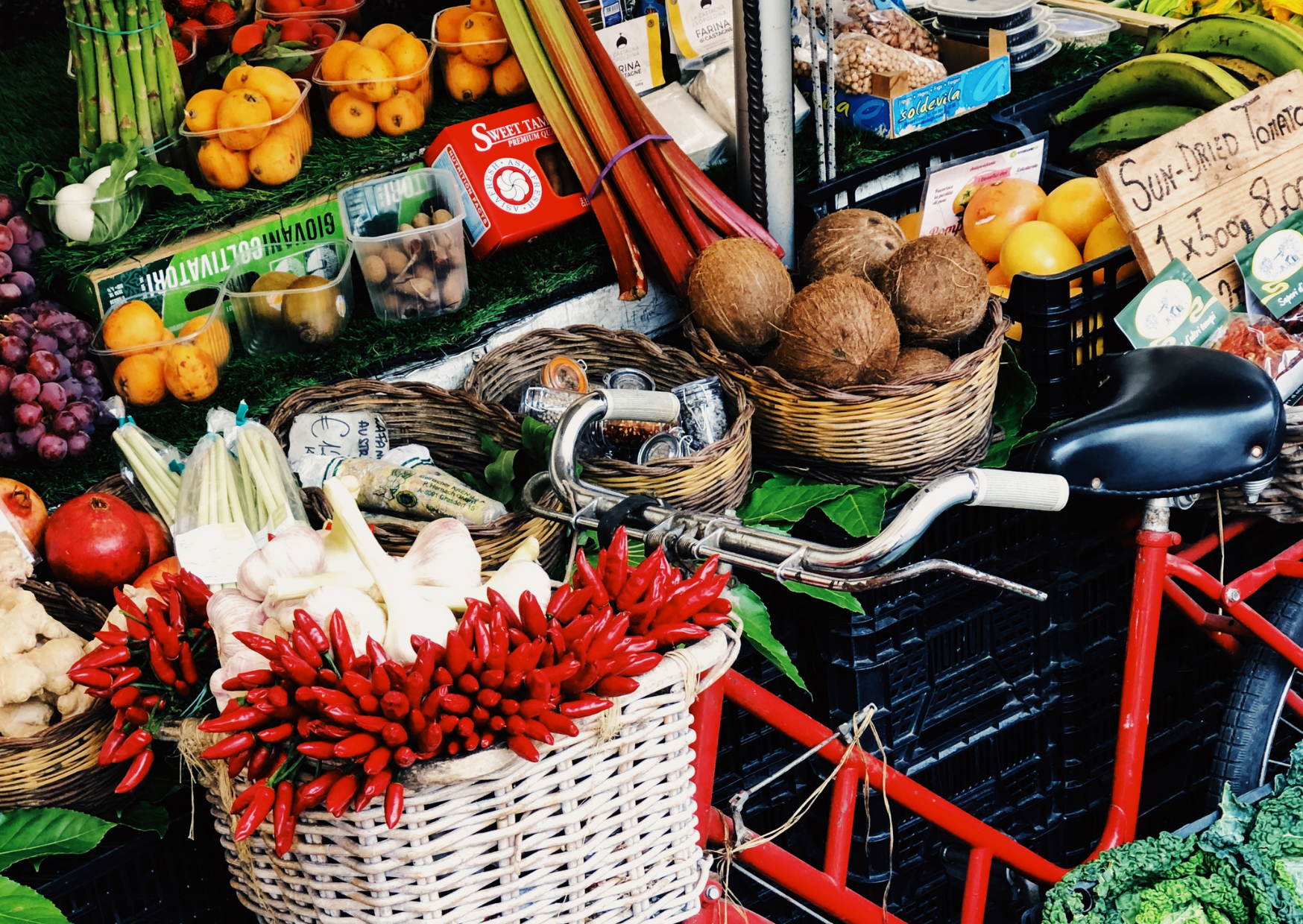
The market teaches you to speak weight. It also teaches you to smile, point, and trust the seller.
Use un etto for one hundred grams, mezzo chilo for half a kilo, un chilo for a full kilo. You will hear Romans say due etti for two hundred grams. Ask for “un etto di pecorino, per favore” and you will get the right amount for two sandwiches. Say “mezzo chilo di pomodori” and you will have enough tomatoes for several days. Learn the units, order small, come back when you need more.
Point and let the vendor choose unless the stall is self-service. Many markets are still the old way where the seller picks the fruit for you and asks how ripe you want it. If you need something to be perfect in two days, tell them. If you want soft pears for tonight, say so. Trust the stallholder, ask for ripeness, buy what you will eat soon.
Carry small bills and a card. Markets now take cards widely, yet cash keeps a short transaction short and helps with tiny amounts. Bring a tote or a small backpack and skip plastic bags. Pay fast, pack light, walk out smiling.
If you forget the words, point to the sign and say “così” as you show the size with your fingers. Rome is used to guests. What stallholders appreciate is a clear request and a thank you.
Survival tips that keep the budget intact
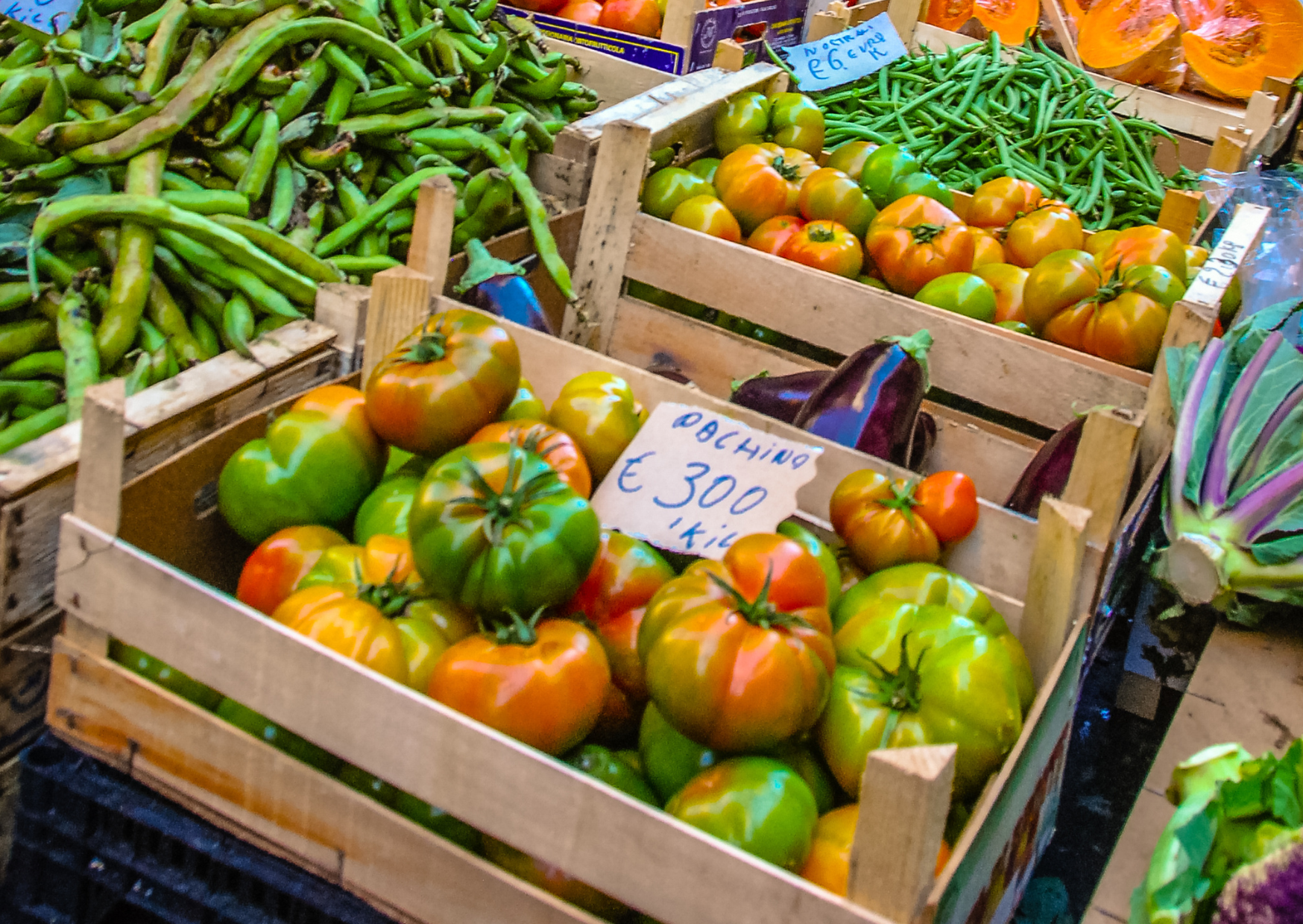
Rome rewards people who adapt to its rhythm.
Shop the season. Prices swing with the calendar, which is good news. Strawberries in spring, tomatoes in summer, grapes and chicories in fall. Buying what piles high on tables keeps you under budget and tasting the city at its best. Season lowers cost, season raises flavor, season makes decisions easy.
Use Sunday like locals. Most markets rest on Sunday. Plan ahead on Saturday, then use Sunday for parks, museums, and long walks. If you must shop, bakeries open in the morning and small shops at train stations cover emergencies. Plan Saturday, rest Sunday, keep a pantry cushion.
Drink the city. Bottled water is cheap, free water is better. Fill a bottle at home, refill from Rome’s street fountains, and skip paying for drinks that would eat your daily budget. Carry a bottle, use the nasoni, save two euros every time.
Accept European sizes. Apartments, fridges, and markets assume small, frequent shops. That is why you buy an etto of cheese rather than a pound, why you hold a loaf instead of a bag of rolls. The smaller rhythm is part of the savings because you stop throwing food away.
Know when street food fits. A light lunch of pizza by weight or a stuffed pocket at a well known stand will not wreck the budget if breakfast and dinner come from your bag. Use those days as treats and still land under ten. Small street lunch, home dinner, budget stays whole.
Finally, let the city cook for you. A Roman kitchen turns five ingredients into dinner. A Roman market proves that a few euros still matter. You did not come for a food challenge. You came to feel what it is like when daily life is made of small walks, small purchases, and big flavors.

About the Author: Ruben, co-founder of Gamintraveler.com since 2014, is a seasoned traveler from Spain who has explored over 100 countries since 2009. Known for his extensive travel adventures across South America, Europe, the US, Australia, New Zealand, Asia, and Africa, Ruben combines his passion for adventurous yet sustainable living with his love for cycling, highlighted by his remarkable 5-month bicycle journey from Spain to Norway. He currently resides in Spain, where he continues sharing his travel experiences with his partner, Rachel, and their son, Han.