
Across much of Europe, Sunday is a shared pause. Stores go dark, streets slow down, and life tilts back toward family, parks, and long lunches. It is not nostalgia. It is a weekly setting baked into labor law, city planning, and culture.
Walk through a neighborhood in Munich, Lyon, or Vienna on a Sunday afternoon and notice what you do not hear. No grocery rush. No big-box parking lot ballet. Pharmacies and gas stations tick along, bakeries sell out early, and train-station minis keep travelers moving, but the normal retail grid is quiet.
Most Europeans do not experience this as deprivation. They experience it as a predictable rest that the whole city shares. Groceries are planned on Saturday. Lunch stretches. A lake, a football pitch, or a living room fills the space that shopping might have taken.
To many Americans, closing wide swaths of retail one day a week sounds like a threat to freedom and a guaranteed revenue loss. The truth is more interesting. Europe made Sunday a civic boundary on purpose, then built exceptions where essential services still work. The system holds because it serves workers, neighborhoods, and even stores that would rather concentrate demand than staff the seventh day.
This guide explains how Europe’s version of a “Sunday shopping ban” actually works, why it persists, where it varies, and what would happen if the United States tried to copy it overnight.
Want More Deep Dives into Other Cultures?
– Why Europeans Walk Everywhere (And Americans Should Too)
– How Europeans Actually Afford Living in Cities Without Six-Figure Salaries
– 9 ‘Luxury’ Items in America That Europeans Consider Basic Necessities
What the “Sunday shopping ban” really is

In law and in daily life, it is not a total blackout. It is a weekly rest norm for retail combined with targeted exceptions and local flexibility.
At the European level, workers are entitled to weekly rest and daily rest. The minimum rights are set by the Working Time Directive, which guarantees at least 24 hours of weekly rest plus 11 hours of daily rest in each seven-day window. The directive does not force Sunday to be the day, yet many countries align weekly rest with Sunday in retail and require explicit reasons to open. Weekly rest is a right, Sunday is the default in retail, exceptions are deliberate.
France shows the pattern clearly. The labor code enshrines weekly rest of 35 consecutive hours and the principle of Sunday rest, then carves out controlled exceptions for sectors like hospitality, tourist zones, and specific retail categories that receive authorization. Rest first, permissions second, oversight always.
Germany’s federal Shop Closing Law historically required stores to close on Sundays and holidays, with exceptions for pharmacies, petrol stations, and shops inside transport hubs. States now regulate opening hours, but the national Sunday closure norm remains and “open Sundays” are limited events. Closure is the baseline, state leeway at the margins, transport hubs stay useful.
Austria keeps a strict version: sales outlets must be closed on Sundays and public holidays, again with narrow exceptions for essential and transport-linked retail. Clear rule, narrow doors, public quiet.
The point is not to punish shoppers. The point is to make one shared pause part of the week and to protect it in the sectors most tempted to erase it.
Why Europeans defend it

Three practical reasons explain the attachment: predictability for families, fairness for low-wage workers, and calmer cities.
First, predictability. A shared rest day lets households plan time that is genuinely off. Parents know sports and birthdays will not fight a work shift. Adult children can visit older relatives without negotiating last-minute schedules. A city that pauses together frees you from private logistics. One day for everyone, less calendar friction, more real rest.
Second, fairness. Sunday retail work often falls to the youngest and the least senior. European rules protect them by making Sunday the exception that needs a reason, not the seventh default day. That is why many countries require additional pay, permits, or strict limits for Sunday hours where they exist. Protection for junior workers, premium only with permission, abuse kept rare.
Third, cities breathe. When the retail engine idles, noise and traffic drop, parks and sidewalks rise, and historic centers stop feeling like malls. The rhythm supports the very thing tourists say they came to Europe to find: streets that belong to people more than to shopping bags. Less traffic, more public life, neighborhoods recover.
Underneath all three is a labor design choice. Europe builds weekly rest into law and bends it carefully. The habit sticks because the default supports it.
How people actually live with it
The weekly pause changes behavior in small, useful ways. Households lean into planning, and business infrastructure provides sensible exceptions so nobody is stranded.
Planning is simple. You shop on Saturday with a list. You keep a pantry with a few meals that do not need a store run. You learn the neighborhood patterns and stop treating time as something to be filled with errands. Saturday list, pantry buffer, errands shrink.
Exceptions keep society functioning. Bakeries and cafés open in the morning, then close early. Gas stations stay open and sell bare essentials. Pharmacies rotate duty hours. Railway and airport shops keep travelers supplied. The result is a Sunday that still works for life, not for impulse buying. Breakfast is covered, travelers are fine, emergencies handled.
Tourist hubs bend more. In Parisian or Roman zones designated for visitors, authorized shops can open on Sundays. Large museums and attractions obviously run. Yet even in these areas, the city’s overall volume drops, and residential blocks stay quiet. Tourist zones flex, residential blocks rest, balance survives.
Once you live this way, the habit stops feeling like a constraint. It starts feeling like a weekly reset that is easier to defend than to explain.
A quick map: where rules are strict, soft, or different
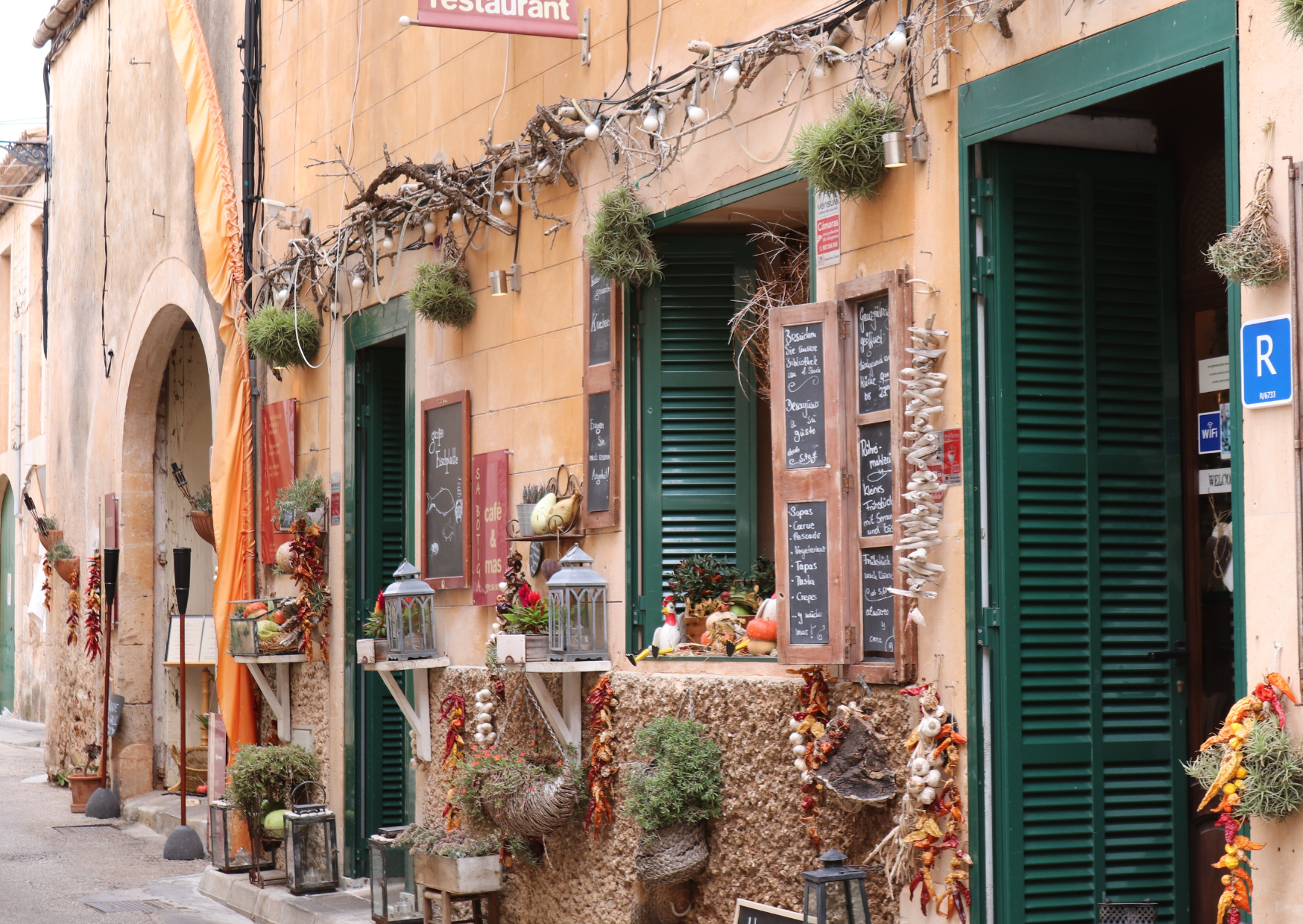
Europe is not one rulebook. It is a patchwork that points in the same direction with local accents.
Germany and Austria are the strict archetype. Retail is closed on Sundays by rule, with listed exceptions and a handful of special “open Sundays” per year in Germany. Rule first, rare openings, transport hubs exempt.
Poland tightened in 2018, limiting Sunday trading to a short list of designated Sundays each year along with sectoral exceptions. Political debate in 2024–2025 has focused on whether to loosen the limits, but the operating reality is the same for consumers: most Sundays are quiet. Few open Sundays, exceptions defined, reform debated.
France guards Sunday rest while allowing controlled openings in tourist zones and with permits. The baseline is the weekly 35-hour rest and Sunday off, not seven-day operation. Rest as baseline, permits instead of free-for-all, tourist corridors flex.
Spain delegates to regions. Madrid allows broad Sunday opening. Other regions restrict, or allow a certain number of Sundays each year. Travelers feel the difference from city to city, which is the point of devolved control. Regional rules, Madrid liberal, others choose restraint.
United Kingdom splits the difference. In England and Wales, large shops can open only six consecutive hours on Sundays, typically between 10 and 6, and must close on Easter Sunday and Christmas Day. Small shops are free. Scotland has no trading-hours cap, and Northern Ireland has its own tighter scheme. Six hours for big shops, holy-day closures, small shops exempt.
Other countries lean mostly liberal on hours, yet still keep the weekly rest rights for workers. The direction is consistent even when the shopfront picture varies.
Why an American copy-and-paste would be chaos

Culturally and commercially, the United States trained its economy to be seven days wide. A sudden national Sunday closure would cause immediate revenue timing shocks, labor schedule turmoil, and political backlash, even if the long-run effects settled.
First, timing. In the U.S., weekends carry a disproportionate share of visits to malls and shopping centers, and Saturday is often the busiest restaurant day with Sunday close behind. Retail foot-traffic analyses repeatedly show weekend stacking, and restaurant reservation data confirms that Sunday punches above weekday averages. If you shutter a day that anchors traffic, you do not just shift sales one-for-one. You create bottlenecks on Saturday and a drop in spontaneous spend. Weekend-heavy visit mix, Sunday is real business, shifts are not frictionless.
Second, labor. U.S. service industries already rely on weekend staffing to cover peak demand, and many workers stack hours Friday through Sunday to make rent. Pulling Sunday out changes paychecks, not just store hours. The re-allocation would be messy, and wage stability would become a fight in sectors that run on thin margins and high rents.
Third, leases and logistics. Big-box retail, outlet centers, and lifestyle malls price their spaces on seven-day traffic assumptions. Warehousing, just-in-time deliveries, and marketing calendars are built around perpetual motion. A national Sunday closure would function like an imposed capacity cap unless everything upstream adjusted too.
Finally, politics. American “blue laws” still exist in pockets, but a modern national rule would collide with a consumer culture that treats seven-day access as a civil right. The pushback would be immediate. Europe enforces Sunday calm because the habit is decades old and backed by labor norms. The United States would be trying to hear a melody it never learned.
For all those reasons, copying the rule would hurt before it helped. The better question is not whether the U.S. should close shops. It is what Americans can borrow from the European weekly-rest mindset without copying the law.
What Americans can borrow without banning shopping
You can feel the European benefit without a statute if you change the defaults in your week.
Give yourself a household rest window each weekend where errands are off the table. Pick Sunday morning or evening. Put it on the calendar. One shared pause is worth more than scattered fifteen-minute breaks. Shared pause, errands shut, energy returns.
Make groceries a Saturday list instead of an all-week drip. You will save money and decision fatigue. Treat your pantry as part of your planning, not a storage closet you raid because a store is always open. List first, batch errands, fewer impulse buys.
Rotate small exceptions the way Europe does. Keep a nearby pharmacy and one convenience store in your back pocket for true needs, then stop pretending every desire is a need. If you truly must shop on Sundays, choose small format or local where it exists so the day still feels different.
If you run a business, experiment with predictable Sunday hours that honor staff rest while keeping true essentials open. The UK model of six hours for large shops is one reference point. Many American operators already find that limited Sunday windows keep costs down without losing goodwill.
Most importantly, adopt the worker-first logic that underpins the European habit. Schedule around rest where you can. Pay premiums for Sunday shifts if you rely on them. Put rest in the template rather than in the leftover space. You will see morale rise and turnover fall, which is another way of saying profit finds its footing.
Where the European model bends, and why it does not break
Europe is not pious about this. It is practical. Where cities live on tourism, Sunday openings expand under permits. Where populations age, pharmacies and medical services run. Where transport never sleeps, rail and airport shops stay on. The model bends because life does, and it does so openly.
In Germany, even unmanned stores are not a loophole if the rule would be undermined. Regulators have shut experiments that tried to bypass protections by removing staff entirely on Sundays. The intent is to protect human rest, not to chase a technicality. Spirit of the rule, not just the letter, keeps it credible.
In France, lawmakers created tourist-zone permissions that let commerce flow where visitors concentrate while preserving rest elsewhere. In Poland, the debate continues about how many Sundays should open. These adjustments happen in public, within a frame that still treats weekly rest as the starting point. Public tweaks, principle intact, rules declared.
That blend—clear baseline, transparent exceptions—is why Europeans defend the practice. It gives them a calmer city, a fairer service economy, and a week that has a shape. You can disagree with the details and still see the value in the intent.
The takeaway for travelers and movers

If you are visiting or relocating, treat Sunday as a habit to respect, not a frustration to hack.
Plan food and errands on Saturday. Expect cafés, parks, museums, and promenades to be busy and happy. Learn the exceptions where you live: bakeries early, transport hubs always, pharmacies on duty. In places like Madrid you will find more open doors on Sunday than in Munich or Vienna. In the UK, remember that many large shops run six-hour windows. Know your city’s pattern, lean into what is open, let the rest be rest.
The reward is a quieter weekend that does not revolve around checkout lines. Europeans are not saints. They are citizens of places that chose to keep one day slightly protected. The result is a long-running truce between commerce and life that many Americans say they want but rarely get.
You can adopt the habit without crossing an ocean. Pick a weekly pause, defend it, and watch how much easier your week becomes when the mall is not always the answer.

About the Author: Ruben, co-founder of Gamintraveler.com since 2014, is a seasoned traveler from Spain who has explored over 100 countries since 2009. Known for his extensive travel adventures across South America, Europe, the US, Australia, New Zealand, Asia, and Africa, Ruben combines his passion for adventurous yet sustainable living with his love for cycling, highlighted by his remarkable 5-month bicycle journey from Spain to Norway. He currently resides in Spain, where he continues sharing his travel experiences with his partner, Rachel, and their son, Han.