
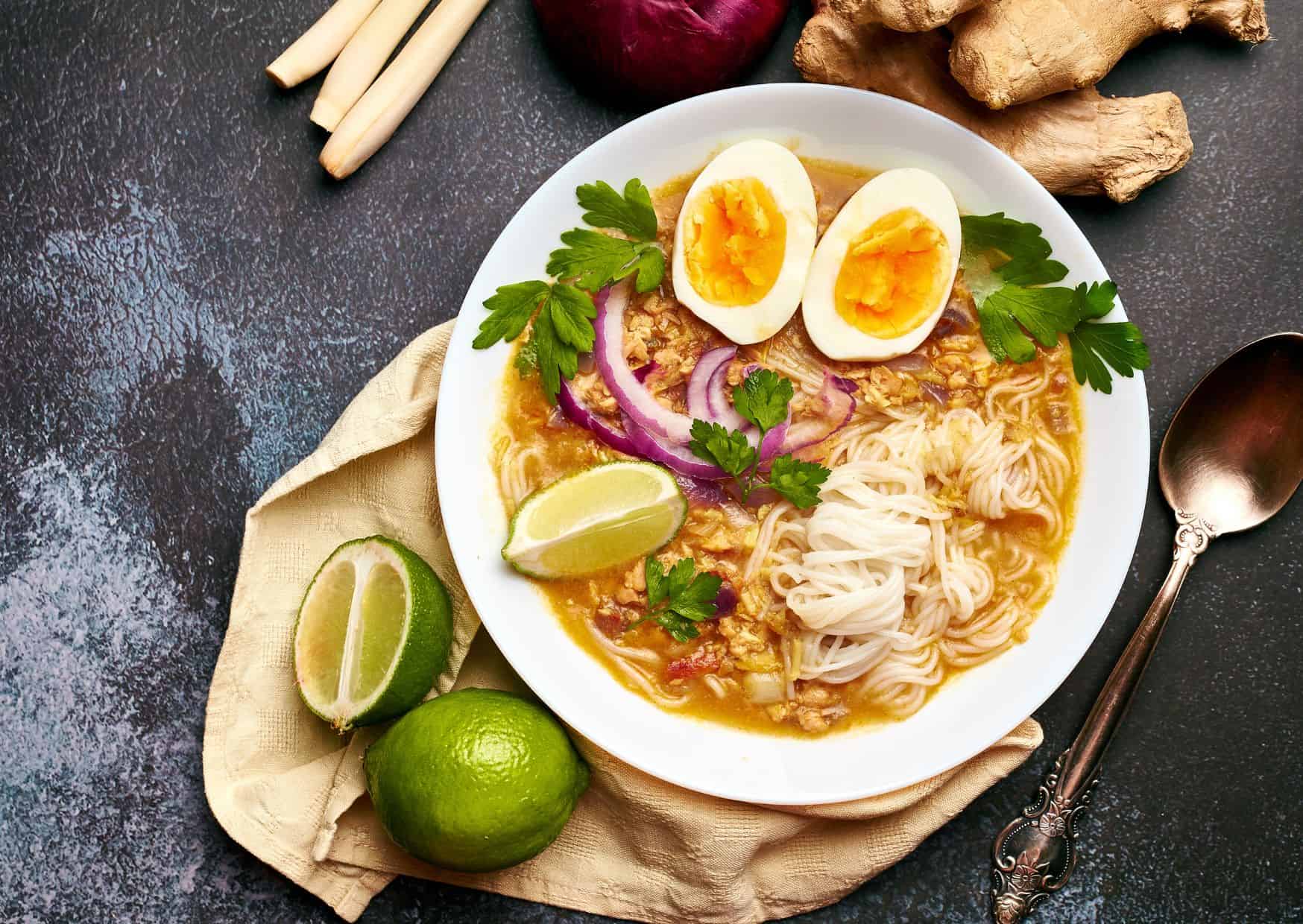
If you ask anyone in Myanmar what the national dish is, chances are they’ll say Mohinga—a fragrant, comforting noodle soup traditionally eaten for breakfast. But for locals, it’s so much more than a morning meal. Mohinga is woven into the rhythm of daily life, sold on street corners by early risers, and served at family tables during festivals, rainy days, and reunions. It’s Myanmar’s culinary heartbeat.
At first glance, Mohinga may seem simple—a rice noodle soup flavored with fish broth, lemongrass, banana stem, garlic, and onions—but the complexity of flavor is anything but basic. The broth is rich and earthy, spiced and soothing, and it wraps around the noodles in a way that feels like home in every slurp.
Whether you’ve traveled through Southeast Asia or are just discovering Burmese cuisine, learning how to make authentic Mohinga connects you to a tradition that has been passed down through generations. This guide walks you through every essential ingredient, prep step, and cooking technique to make this beloved dish just as it’s served on the streets of Yangon or Mandalay.
BOOK YOUR TRAVEL INSURANCE
Two of our favorite travel insurance: Heymondo Vs Safetwing cheapest travel Insurance. You can get for $135 USD your Heymondo Travel Insurance with Heymondo discount code valid for 90 days. Read our full comparison of Genki vs Safetywing Travel Insurance Review and the comparison Heymondo vs Genki
How to Eat Mohinga
Mohinga is typically eaten hot and fresh, straight from the pot, and most commonly enjoyed as a breakfast or brunch dish. Locals slurp it down with gusto using a spoon or chopsticks, often seated at a low table or plastic stool. Don’t worry about formality—this is comfort food meant to be savored in casual bites.
Toppings are part of the fun: crispy fried fritters (like split pea crackers), boiled eggs, fresh coriander, lime juice, and a pinch of chili flakes. The contrasting textures and added brightness elevate every spoonful, allowing you to tailor the bowl to your preference.
The real tip? Eat it slowly. While it’s a fast breakfast option on the streets, at home, Mohinga deserves your full attention. It’s hearty, warming, and a full sensory experience.
How to Partner Mohinga
To turn Mohinga into a full meal—especially if you’re serving it later in the day—consider pairing it with light accompaniments. A simple side of pickled vegetables, fresh papaya salad, or a dish of Burmese tea leaf salad (lahpet thoke) adds a crunchy, refreshing contrast.
Beverage-wise, go traditional with hot Burmese milk tea or lemon green tea. If you’re feeling adventurous, serve it with tamarind juice or even coconut water to balance the umami depth of the soup.
For a group meal, Mohinga also works well as part of a larger Burmese feast. Think shared platters with sticky rice, grilled eggplant, or even small samosas as appetizers. Mohinga remains the star of the table.
Mohinga might be beloved in Myanmar, but its place on the global culinary stage has sparked debate. Outside Southeast Asia, Burmese cuisine is often overshadowed by neighboring Thai or Vietnamese food, leading to misconceptions and underrepresentation. Some food critics argue that Mohinga is too “fishy” or unfamiliar for Western palates, while others say it’s unfairly dismissed due to the political climate of the country.
Another point of contention is authenticity. With increasing diaspora adaptations, Mohinga is evolving—swapping in salmon for catfish, or using store-bought stock instead of slow-cooked broth. Purists believe this dilutes the dish’s cultural integrity, while others argue that evolution is part of food’s natural journey.
Lastly, there’s the overlooked role of Mohinga vendors—many of whom are women—who have passed this recipe down informally. Their contributions to Myanmar’s food identity are rarely documented but vital. Recognizing their place in culinary history is as important as perfecting the recipe.
How to Make Mohinga
Mohinga Recipe Ingredients
For the Broth:
2 lbs (900 g) fish (catfish, tilapia, or any firm white fish)
8 cups (2 liters) water
2 stalks lemongrass, bruised and cut into large pieces
4-5 kaffir lime leaves
1 thumb-sized piece of ginger, sliced
1 onion, chopped
4 cloves garlic, chopped
1 teaspoon turmeric powder
2 tablespoons fish sauce
1 tablespoon rice flour mixed with 1/4 cup water (to thicken)
For the Mohinga Paste:
2 tablespoons oil
4 cloves garlic, minced
1 large onion, finely chopped
1 thumb-sized piece of ginger, minced
2 tablespoons fish sauce
1 teaspoon turmeric powder
1 teaspoon paprika or chili powder
1 tablespoon shrimp paste (optional)
For the Noodles and Garnishes:
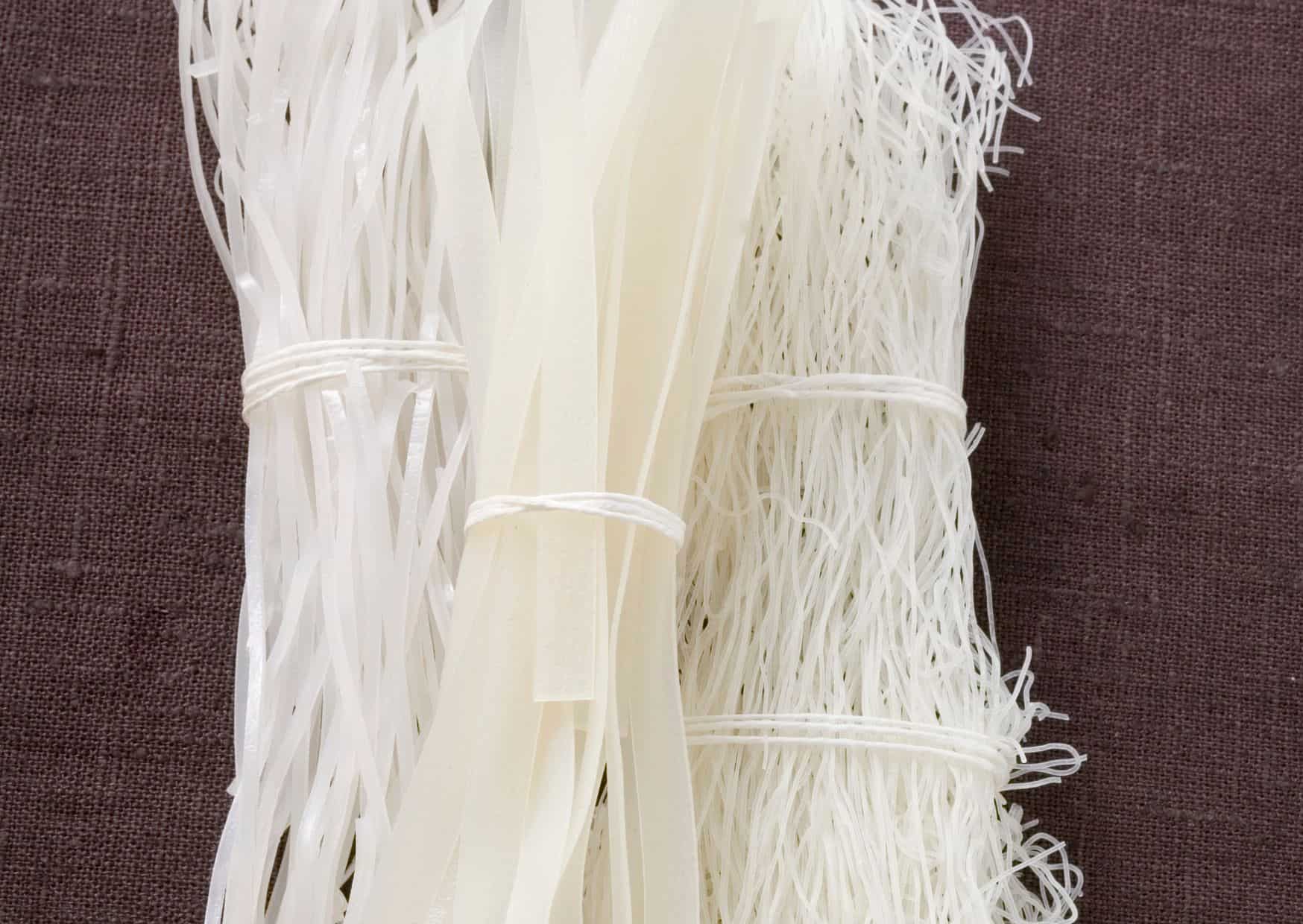
14 oz (400 g) rice noodles, cooked according to package instructions
1 cup chickpea flour (optional, for thickening)
4 hard-boiled eggs, halved
1 cup crispy fried shallots
1 cup chopped cilantro
1 cup bean sprouts
1-2 limes, cut into wedges
1-2 green chilies, sliced
Get the best deals for your home and kitchen needs
Step By Step How to Make Mohinga
Making the Broth
In a large pot, bring water to a boil. Add the fish, lemongrass, kaffir lime leaves, ginger, chopped onion, and garlic. Reduce the heat and simmer for about 20-30 minutes until the fish is cooked and the broth is flavorful.
Remove the fish and set aside to cool. Strain the broth into another pot to remove the solids, and reserve the broth. Once the fish has cooled, flake the meat, discarding bones and skin.
Making the Mohinga Paste
In a large pan, heat the oil over medium heat. Add the minced garlic, chopped onion, and ginger. Sauté until fragrant and golden brown. Stir in the turmeric powder, paprika or chili powder, fish sauce, and shrimp paste (if using). Cook for another 2-3 minutes.
Combining the Broth and Paste
Add the cooked paste to the reserved broth and bring to a simmer. Add the rice flour mixture to the broth, stirring continuously to avoid lumps. If using chickpea flour for a thicker consistency, mix it with a little water to form a paste and add it to the broth.
Stir in the flaked fish and simmer for another 10-15 minutes, allowing the flavors to meld together. Adjust seasoning with more fish sauce if needed.
Serving
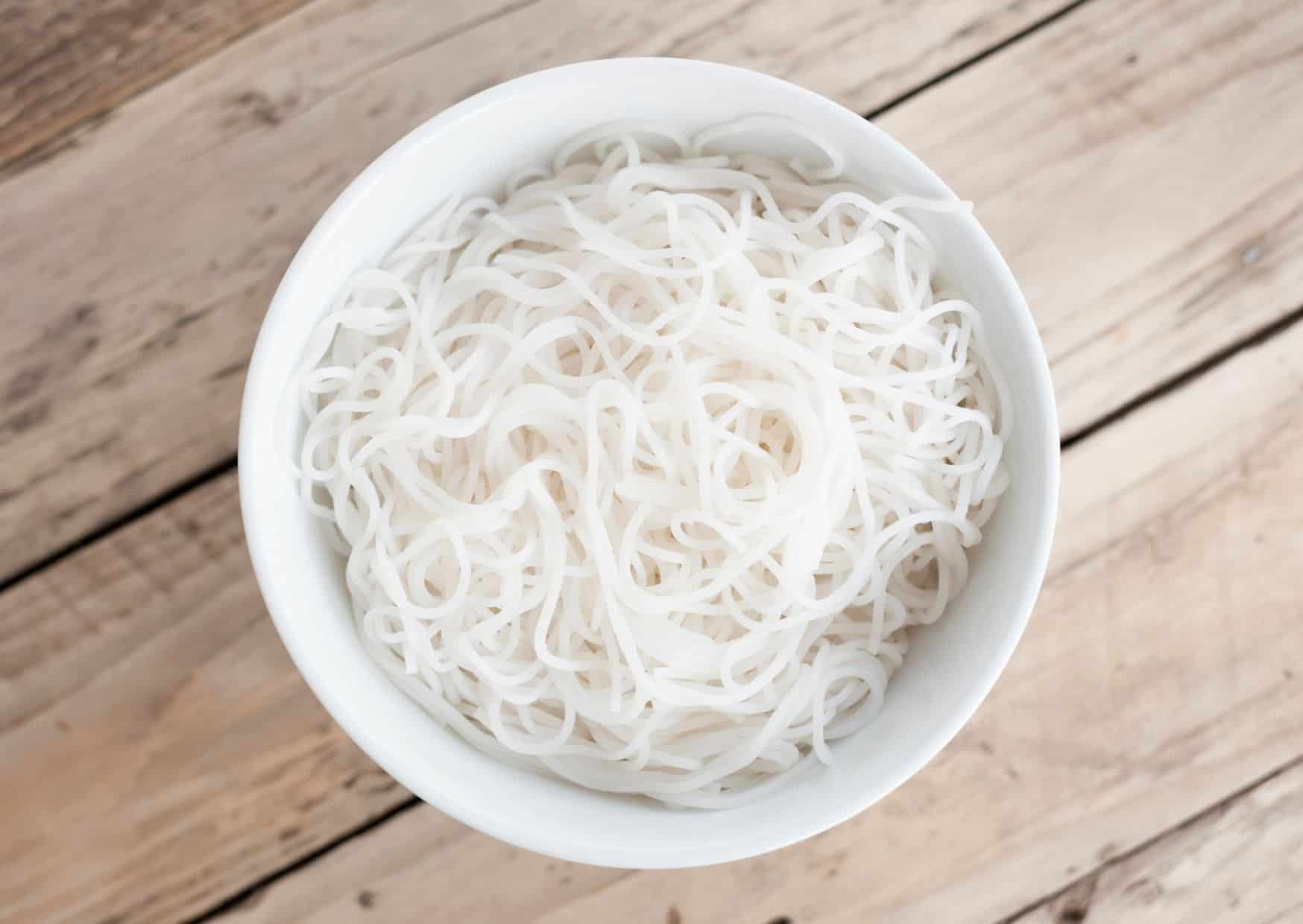
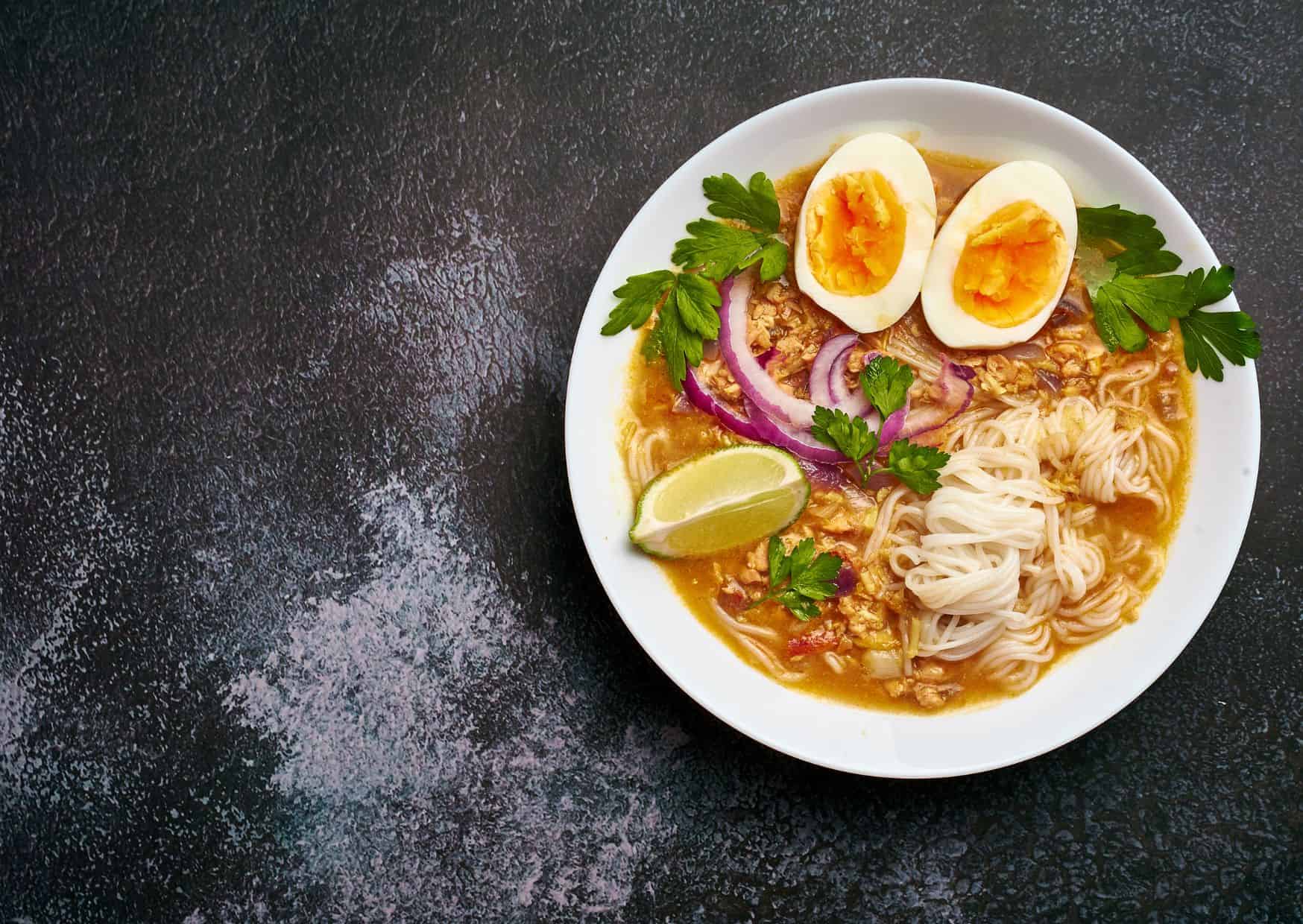
Cook the rice noodles according to package instructions, then drain and set aside. In a bowl, place a serving of rice noodles. Ladle the hot broth over the noodles. Top with halved hard-boiled eggs, crispy fried shallots, chopped cilantro, bean sprouts, and lime wedges. Add sliced green chilies if desired.
Tips To Make Mohinga
Use fresh, firm white fish for the best flavor. Catfish and tilapia are commonly used in traditional recipes. Allow the broth to simmer gently to extract maximum flavor from the ingredients. Adjust the seasoning to your taste.
Mohinga can be made with a thinner or thicker broth. Adjust the amount of rice flour or chickpea flour to achieve your preferred consistency. The garnishes add texture and flavor. Don’t skip them!
How Many Calories Have Mohinga
Broth and Fish: ~200-250 calories per serving
Rice Noodles: ~200 calories per serving
Garnishes (egg, shallots, cilantro, bean sprouts): ~100-150 calories
Total: Approximately 500-600 calories per serving
Serving Suggestions
Serve Mohinga piping hot, ideally in deep bowls that keep the broth warm. Offer optional toppings on the side—sliced hard-boiled eggs, extra lime wedges, fresh coriander, chili oil, and crispy fritters—for guests to build their own perfect bowl.
For a breakfast twist, serve with Burmese-style paratha or steamed sticky rice cakes. Hosting a dinner? Add a light cucumber salad and a sweet dessert like coconut milk pudding (sanwin makin) for balance.
Don’t forget to serve with extra napkins—this is a dish that gets slurped happily and unapologetically.
Final Thoughts
Mohinga is more than just Myanmar’s national dish—it’s a story told through aroma, texture, and warmth. Cooking it at home isn’t just about replicating a recipe; it’s about stepping into a culture where food brings people together daily.
Whether you’re tasting Mohinga for the first time or perfecting a family recipe, it’s a dish that rewards patience and passion. Each bowl is a reminder that sometimes the simplest meals are the ones with the deepest roots.
So go ahead—gather your ingredients, take your time, and honor the tradition of one of Southeast Asia’s most beloved comfort foods. Because once you’ve had real Mohinga, it’s hard to forget.

About the Author: Ruben, co-founder of Gamintraveler.com since 2014, is a seasoned traveler from Spain who has explored over 100 countries since 2009. Known for his extensive travel adventures across South America, Europe, the US, Australia, New Zealand, Asia, and Africa, Ruben combines his passion for adventurous yet sustainable living with his love for cycling, highlighted by his remarkable 5-month bicycle journey from Spain to Norway. He currently resides in Spain, where he continues sharing his travel experiences with his partner, Rachel, and their son, Han.