
Dining in Europe is more than just a meal—it’s a social ritual steeped in centuries of culture, etiquette, and unspoken rules. For American tourists, this can lead to awkward moments, unintended offenses, and puzzled stares from locals. What’s totally normal in the U.S.—like splitting the bill or flagging down the waiter—might come across as rude, impatient, or even disrespectful in many parts of Europe.
From tipping habits that confuse waitstaff to meal pacing that clashes with the local rhythm, American dining behaviors often stand out. These cultural missteps don’t stem from bad manners but from a simple lack of awareness. After all, many American restaurant norms—like speed over ambiance or customer-is-always-right attitudes—just don’t translate across the Atlantic.
This guide breaks down 15 common American restaurant habits that are considered impolite in Europe, even if tourists mean no harm. Whether you’re dining in Paris, Rome, or Barcelona, understanding these cultural differences can help you blend in, avoid embarrassment, and enjoy a more authentic—and respectful—culinary experience.
Read here how to pack for Europe and Best eSIM for Europe
BOOK YOUR TRAVEL INSURANCE
Two of our favorite travel insurance: Heymondo Vs Safetwing cheapest travel Insurance. You can get for $135 USD your Heymondo Travel Insurance with Heymondo discount code valid for 90 days. Read our full comparison of Genki vs Safetywing Travel Insurance Review and the comparison Heymondo vs Genki
General Tips for Dining in Europe
Wait to be seated: Don’t just grab a table. In many places, you must wait to be seated—even outdoors.
No rush: Meals in Europe are slow-paced. Don’t expect the check until you ask for it.
No tipping like in the U.S.: In most European countries, tipping is minimal or already included. Over-tipping can feel awkward or excessive.
Don’t split bills aggressively: It’s often frowned upon in many countries—paying as one group is the norm.
Lower your voice: Americans are often labeled loud. Keep your tone down in restaurants, especially small or intimate ones.
One of the most misunderstood differences is the pace of dining. In America, speed is often equated with good service. But in Europe, lingering over your meal is not just acceptable—it’s expected. Rushing the meal or asking for the check too soon can be seen as a signal that you’re treating the experience like fast food rather than a shared, social occasion.
Tipping culture is another point of tension. Americans often pride themselves on generosity in tipping, but in much of Europe, it can be interpreted as overcompensation or a misunderstanding of local norms. In countries where service charges are built in, leaving 20% can appear culturally tone-deaf rather than polite.
Then there’s the issue of volume and assertiveness. American diners might feel they’re simply being friendly or efficient by waving at a server or speaking loudly to be heard, but in Europe, it can come off as pushy or disrespectful. Many European cultures value subtlety, calm, and formality at the dining table—traits that clash with some American social habits.
‘Rude’ Restaurant Habits Americans Can’t Stop Doing in Europe
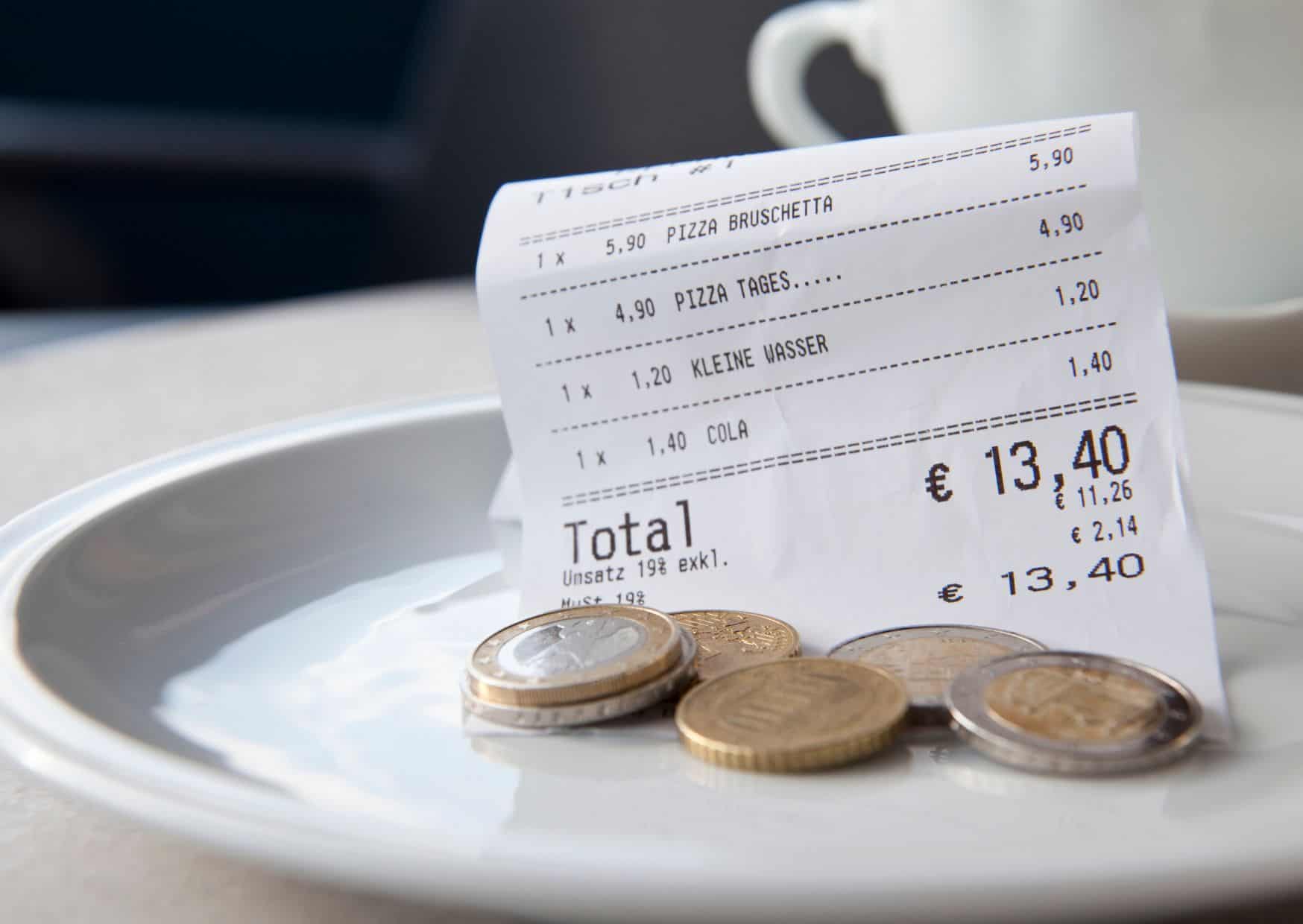
1. Tipping Too Much
Why It’s Rude:
Tipping 15–20% is standard in the U.S., but in many European countries, tipping is minimal since service charges are often included.
What to Do Instead:
Leave small tips (5–10%) or round up the bill unless you’re in a country where tipping isn’t customary at all (e.g., Scandinavia).
2. Asking for “Free” Tap Water
Why It’s Rude:
In many European countries, tap water isn’t typically served, and bottled water is the standard.
What to Do Instead:
Be prepared to pay for water, and specify still (flat) or sparkling when ordering.
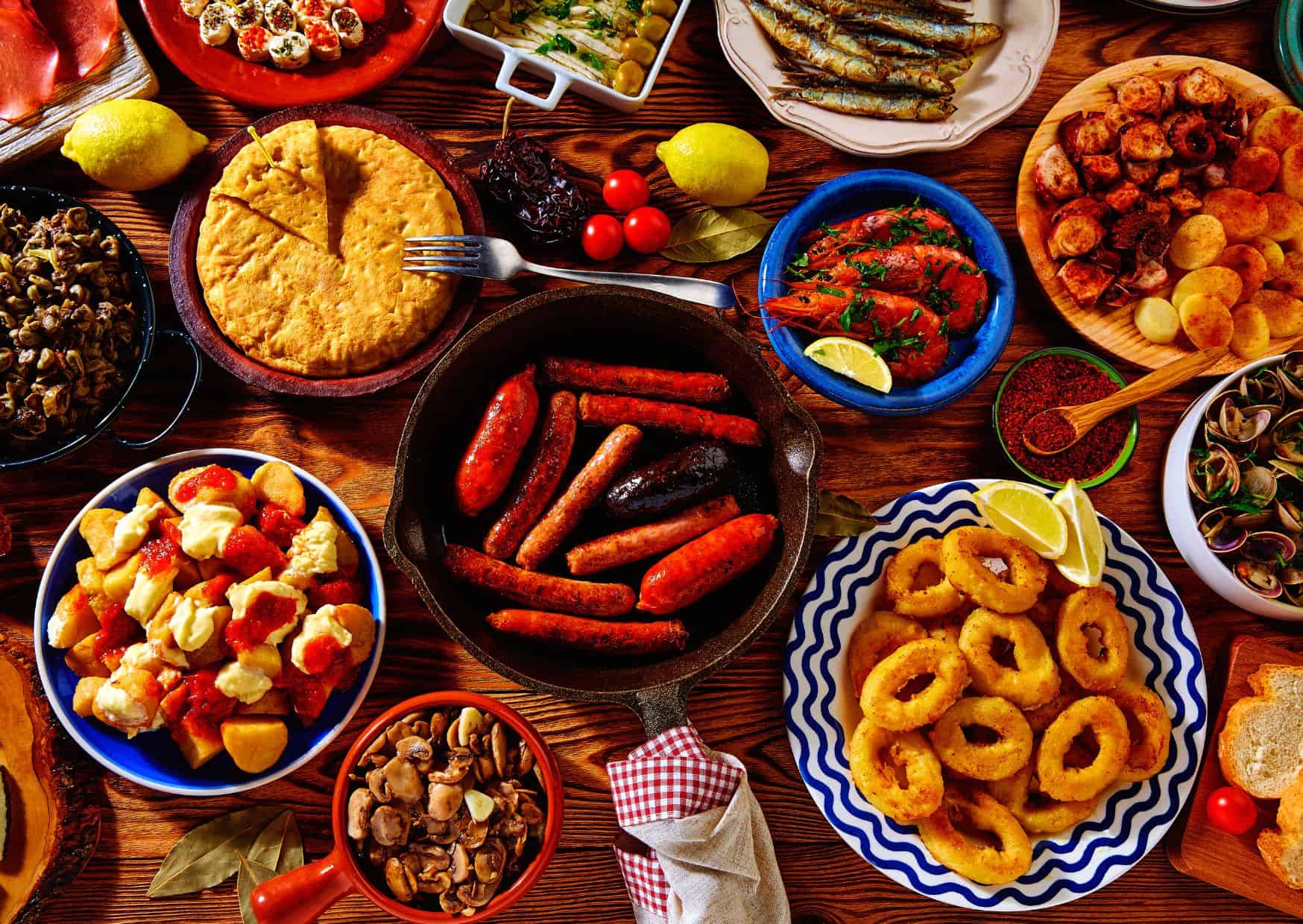
3. Rushing Through the Meal
Why It’s Rude:
Europeans value leisurely dining and see meals as a social experience, not something to rush through.
What to Do Instead:
Take your time, enjoy the atmosphere, and don’t expect the server to bring the check until you ask for it.
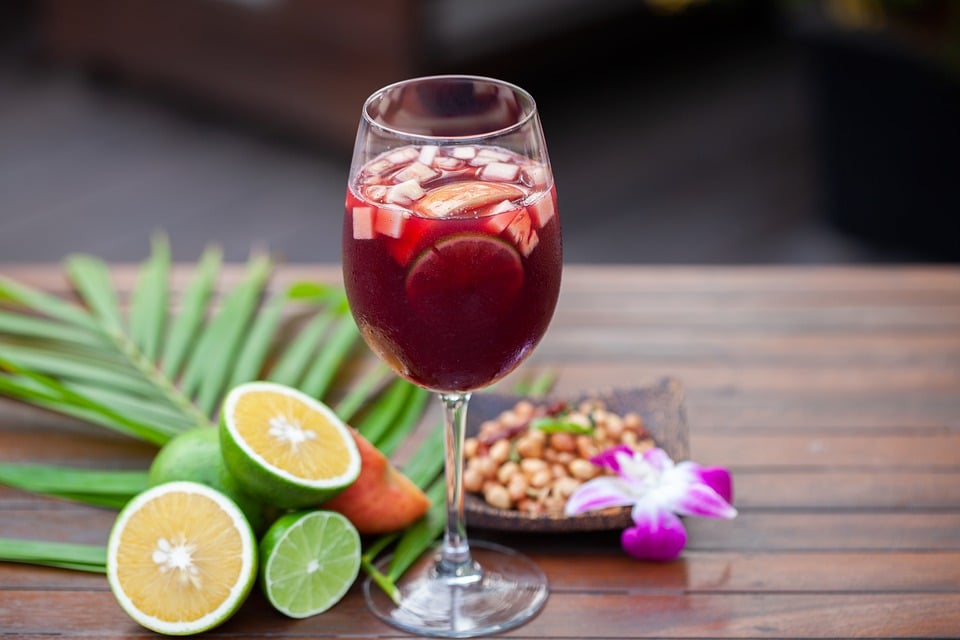
4. Expecting Ice in Drinks
Why It’s Rude:
Europeans don’t typically serve drinks with ice unless specifically requested.
What to Do Instead:
If you prefer ice, politely ask for it, but don’t be surprised if it comes in small amounts.
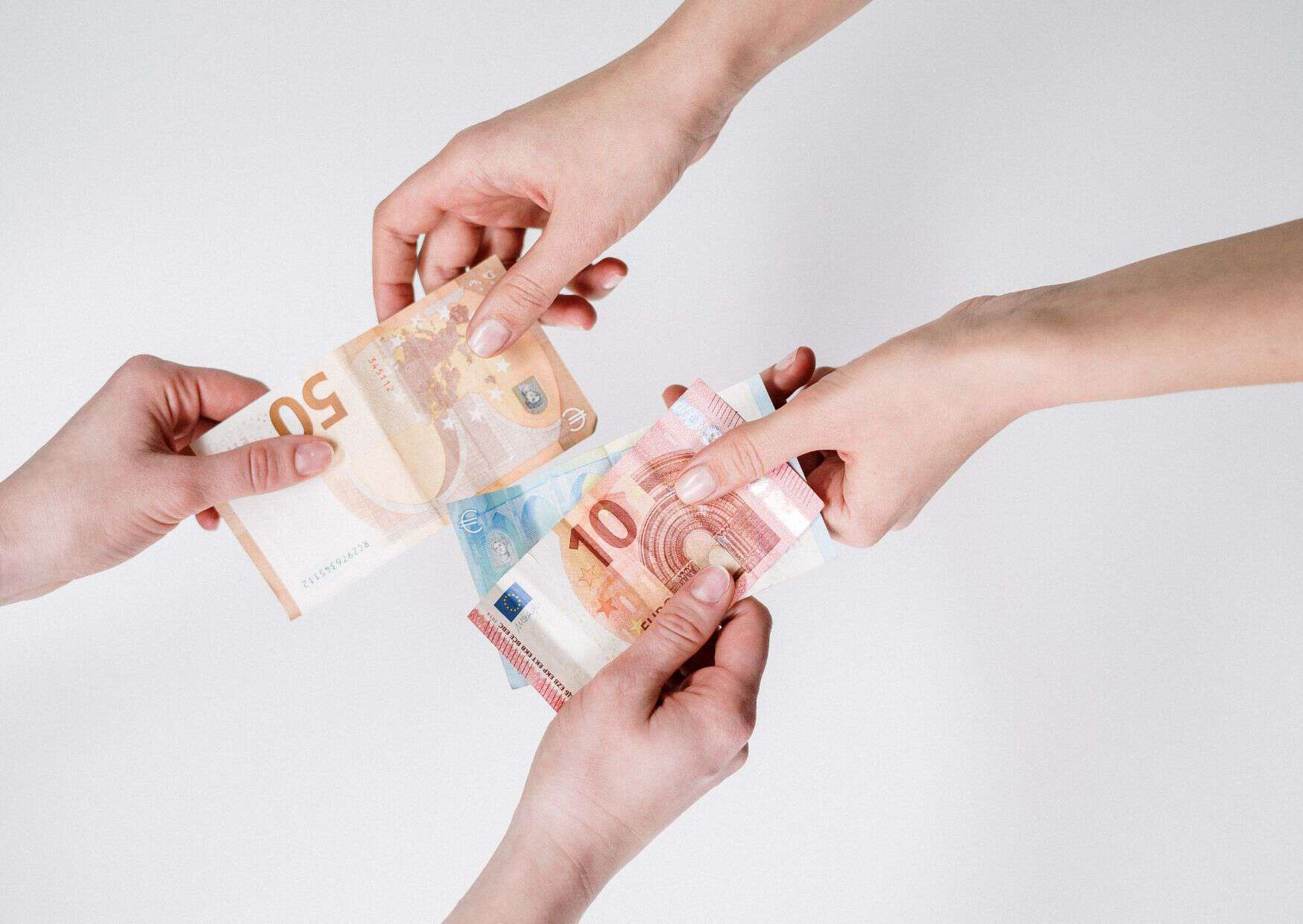
5. Splitting the Bill
Why It’s Rude:
In many European countries, asking to split the bill among multiple credit cards can be seen as a hassle.
What to Do Instead:
Have one person pay and settle the amounts among yourselves afterward.
6. Requesting Substitutions or Custom Orders
Why It’s Rude:
Many European chefs consider their dishes crafted to perfection and don’t appreciate customizations.
What to Do Instead:
Order as-is or choose something else on the menu that suits your preferences.
7. Not Greeting the Server
Why It’s Rude:
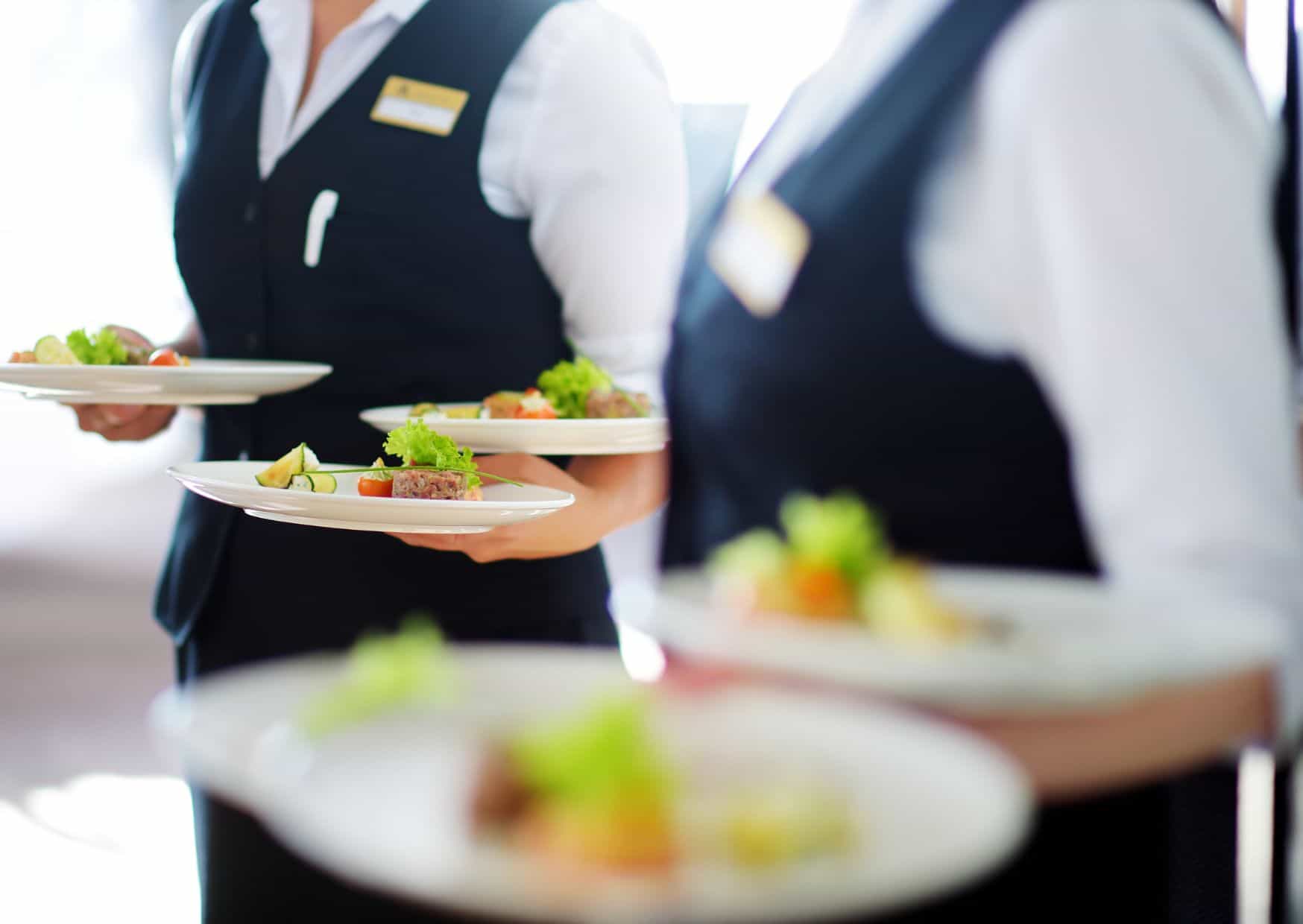
In many countries, especially France and Italy, it’s considered impolite not to greet the server with a “Hello” or “Good evening.”
What to Do Instead:
Use simple phrases like Bonjour (France) or Buonasera (Italy) when entering and engaging with the staff.
8. Expecting Free Refills
Why It’s Rude:
Unlimited refills are a rarity in Europe and expecting them can seem entitled.
What to Do Instead:
Order additional drinks if needed, but expect to pay for each one.
9. Cutting Food Incorrectly
Why It’s Rude:
Cutting food with a knife in your right hand and then switching the fork to your right to eat is seen as inefficient or childish in Europe.
What to Do Instead:
Use the continental style: keep the knife in your right hand and fork in your left throughout the meal.
10. Flagging Down the Waiter Aggressively

Why It’s Rude:
Waving, snapping fingers, or loudly calling for the waiter is seen as disrespectful.
What to Do Instead:
Make eye contact or raise your hand slightly when you’re ready to order or request the check.
11. Overreacting to Smaller Portions
Why It’s Rude:
Portions in Europe are often smaller and more balanced than the oversized servings in the U.S. Complaining about this can come across as gluttonous.
What to Do Instead:
Embrace the portion sizes and consider ordering additional courses if needed.
12. Using Condiments Excessively
Why It’s Rude:
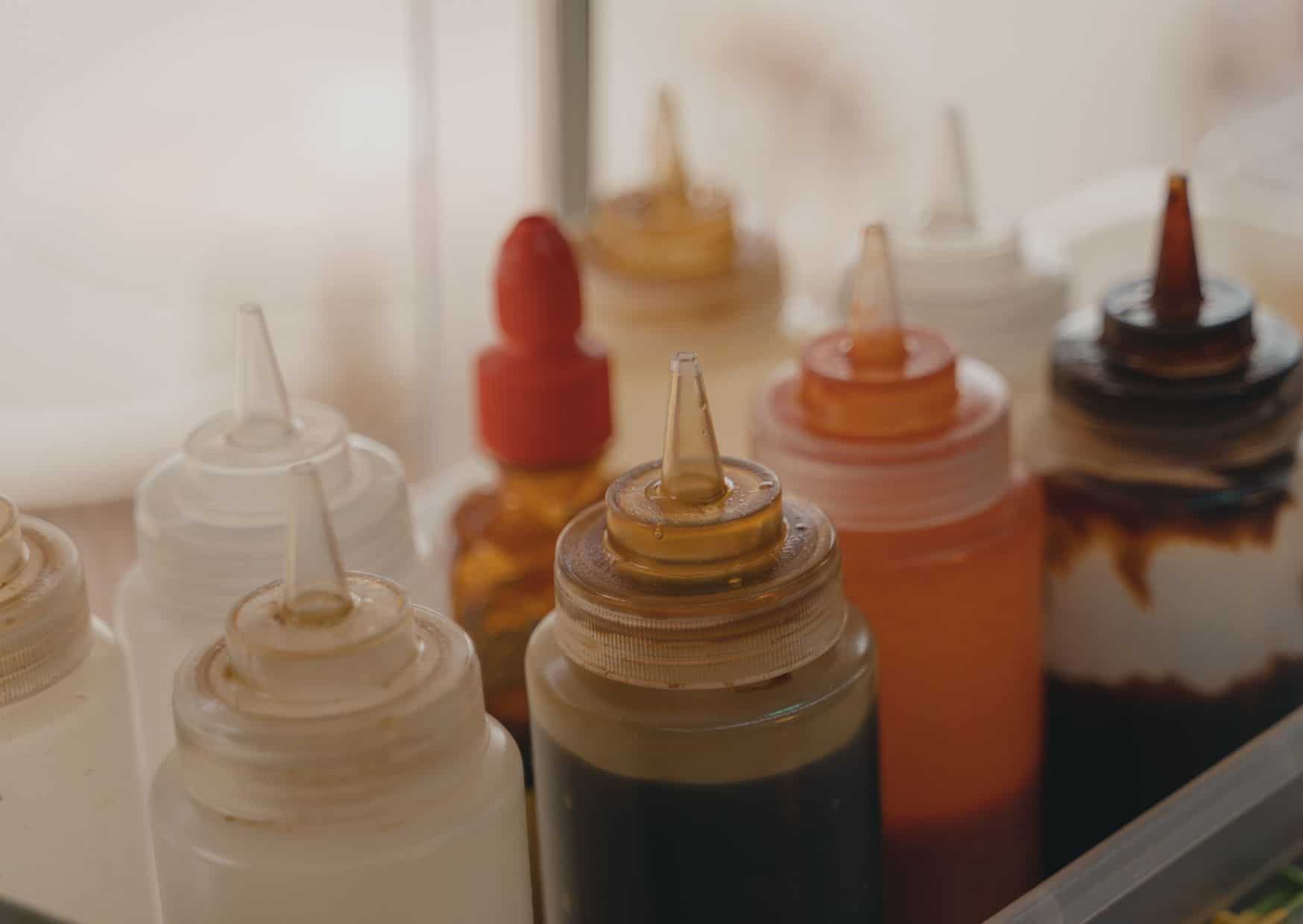
Asking for ketchup, hot sauce, or other condiments can insult the chef’s preparation, especially in fine-dining settings.
What to Do Instead:
Taste the dish first and avoid asking for extras unless they’re provided.
13. Assuming Fast Service
Why It’s Rude:
European dining is relaxed, and servers won’t rush to take your order or deliver food. Pushing them can seem impatient.
What to Do Instead:
Relax and enjoy the experience. If you’re in a hurry, mention it politely when ordering.
14. Leaving Food on the Plate
Why It’s Rude:
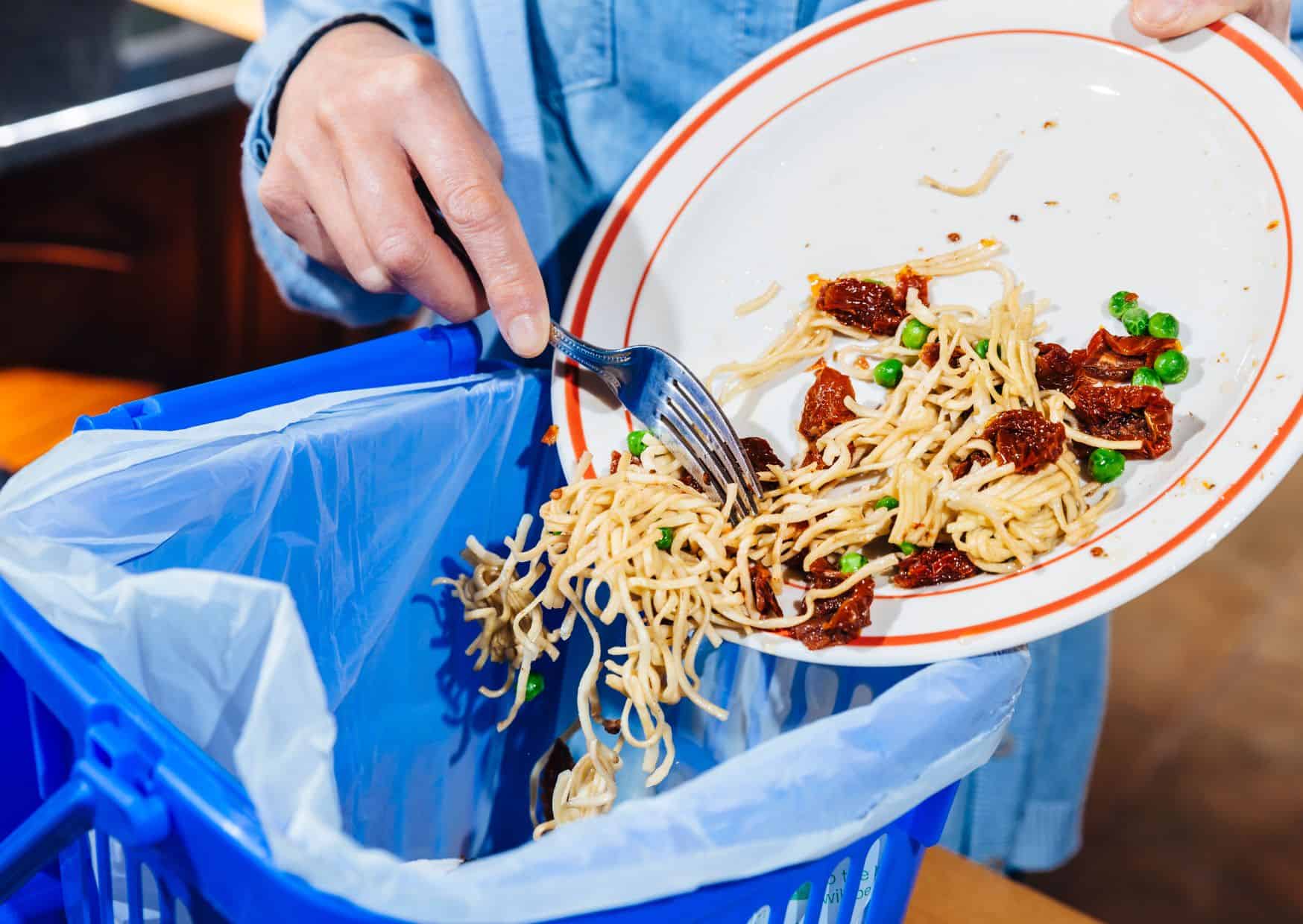
Leaving a significant amount of food uneaten can be seen as wasteful or a critique of the meal.
What to Do Instead:
Order only what you can finish and enjoy every bite.
15. Using Phones Excessively
Why It’s Rude:
Constantly using your phone at the table is seen as disrespectful to the dining experience and companions.
What to Do Instead:
Keep your phone away unless necessary, and focus on the meal and company.
Final Thoughts
Navigating restaurant etiquette abroad isn’t about walking on eggshells—it’s about being observant and respectful of the culture around you. Dining in Europe can be one of the most memorable parts of your trip, especially when you embrace the local pace and customs instead of trying to replicate an American experience abroad.
The good news? European servers don’t expect perfection from tourists. Small gestures like saying “bonjour” or “grazie,” waiting patiently, or leaving a modest tip go a long way. It’s not about getting everything right—it’s about showing that you’re trying.
In the end, understanding these differences allows you to travel more consciously. Every restaurant is an opportunity to connect, not just consume. So slow down, lower your voice, and savor both the food and the culture. That’s the real secret to dining well in Europe.

About the Author: Ruben, co-founder of Gamintraveler.com since 2014, is a seasoned traveler from Spain who has explored over 100 countries since 2009. Known for his extensive travel adventures across South America, Europe, the US, Australia, New Zealand, Asia, and Africa, Ruben combines his passion for adventurous yet sustainable living with his love for cycling, highlighted by his remarkable 5-month bicycle journey from Spain to Norway. He currently resides in Spain, where he continues sharing his travel experiences with his partner, Rachel, and their son, Han.