
Watch how a Paris cashier taps a debit card, how a Berlin landlord pulls the rent by direct debit, how a Madrid bar takes a two euro glass without asking for a signature. Europe is comfortable with electronic money, it is just wary of revolving debt.
Stand in line at a neighborhood supermarket in Lyon at 7 p.m. The queue moves fast. Almost every customer pays with a bank card tied straight to their checking account. No one signs. No one asks about points. The terminal chirps, a receipt prints, the next person steps up.
Later that night a couple books their utilities on a direct debit mandate so the biller pulls the money automatically each month. The next morning someone buys a train ticket with a wallet on their phone, then sits down for coffee where the small talk is football, weather, and how expensive it is to carry a balance.
The fear is not plastic. Europe loves cards, tap to pay, and bank-to-bank transfers. The fear is revolving balances that carry high interest and turn a tool into a habit that lingers. When many Americans say “credit card,” they mean a product designed to be carried. When many Europeans say the same words, they mean a card that gets paid in full or a charge product that never charges interest at all.
This gap explains why rewards feel smaller in Europe, why people cling to debit, and why the phrase “let me put it on my card and carry it” still sets off alarms at the kitchen table.
Below is the map to that mindset. What “credit card” means in practice on each side of the Atlantic, why rewards are muted, how direct debit makes credit feel optional, what the fear actually is, and how to copy the healthy parts without giving up convenience.
Want More Deep Dives into Other Cultures?
– Why Europeans Walk Everywhere (And Americans Should Too)
– How Europeans Actually Afford Living in Cities Without Six-Figure Salaries
– 9 ‘Luxury’ Items in America That Europeans Consider Basic Necessities
What “credit card” means in Europe versus the U.S.

In the U.S., a revolving credit card is the norm. The issuer hopes you will sometimes carry a balance. The business model prices for that. Americans are coached to build a score, collect points, and float purchases for a month or more. The idea is familiar and mainstream.
In much of Europe, two things look different. First, charge cards and pay-in-full habits are common in many countries, which means the balance is cleared every month and interest never appears. Second, in large markets like France, Italy, and Spain, consumers view revolving cards with distrust, often citing worries about transparency and high rates. Even in places with more revolving culture, like the UK and parts of the Nordics, banks report a declining share of people who actually revolve month to month. These are not moral judgments, they are usage patterns. The cultural baseline is to treat a card as a convenient payment instrument, not as a long-term loan.
This is why you see locals tap the same way you do, yet stare at you funny if you suggest carrying a restaurant bill for a few months. The object in your hand is the same, the intent is not.
Why rewards feel smaller in Europe and why that is the point
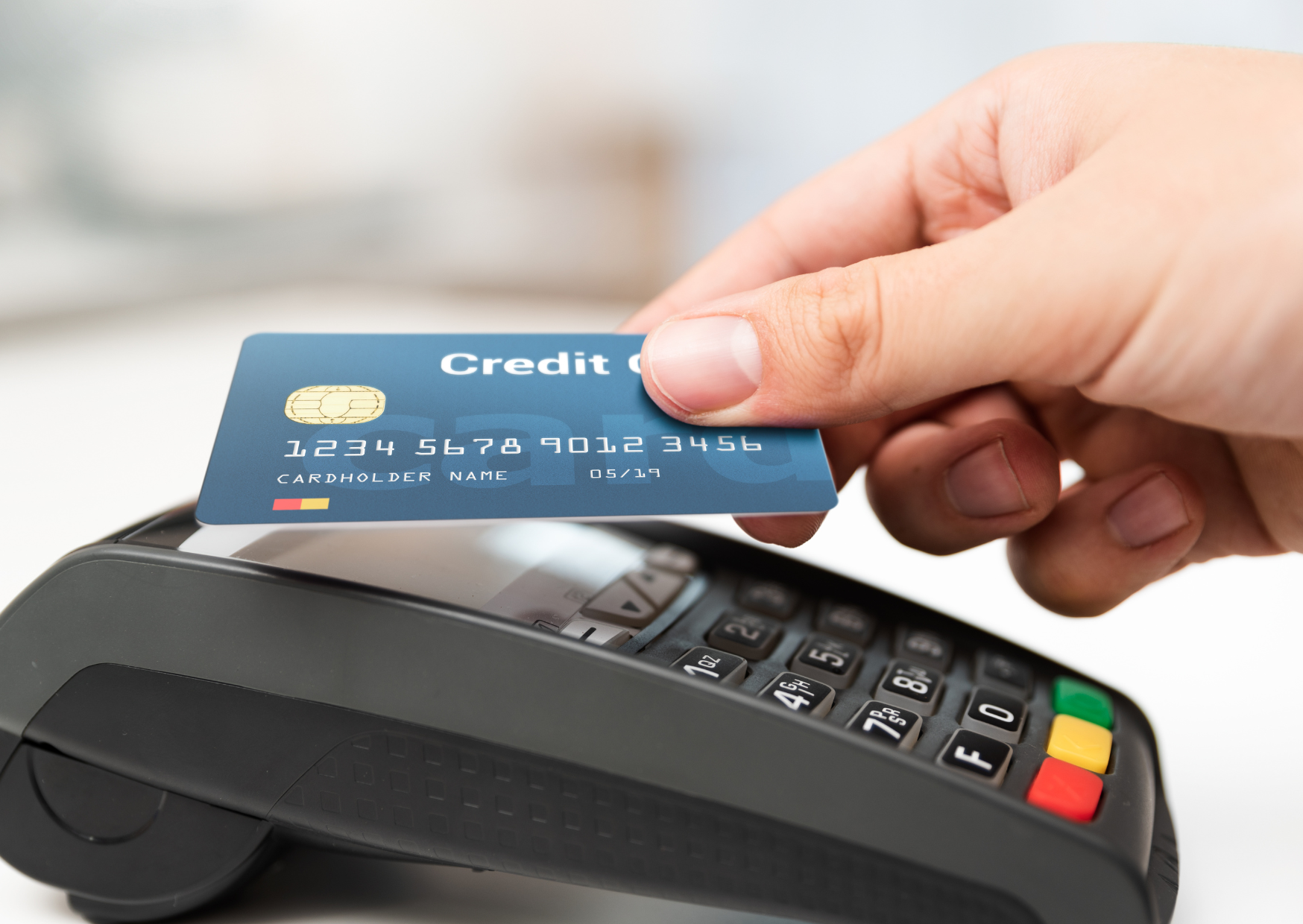
American cards can afford big rewards because merchants pay high processing fees, a large slice of which is the interchange that flows back to issuing banks. In the U.S., merchant costs typically run about 1.5 to 3.5 percent of the transaction, and premium rewards cards often sit at the high end of that range. Those economics fund sign-up bonuses, category multipliers, and lounge access.
Europe capped those fees a decade ago. The Interchange Fee Regulation limits card interchange on consumer cards to 0.2 percent for debit and 0.3 percent for credit, with online cross-region caps defined by further commitments. Caps mean less cash to fund points. Issuers respond with fewer perks, lower earn rates, and simpler cards, because the rich U.S. rewards math does not pencil out at 0.3 percent. This was deliberate policy, not an accident.
Add a second lever. European strong customer-authentication rules under PSD2 add security steps for online and contactless payments. They tamp down fraud and tilt product design toward simple, low-margin payments rather than aggressive revolving offers. You still tap with a smile, you just do not get showered in points. The trade is security and lower merchant costs for modest rewards.
If you arrive hunting for a five percent grocery card and a giant bonus, you will be disappointed. The system was built to make everyday payments cheap and safe, not to turn every purchase into a mini-game.
The infrastructure that makes credit feel optional
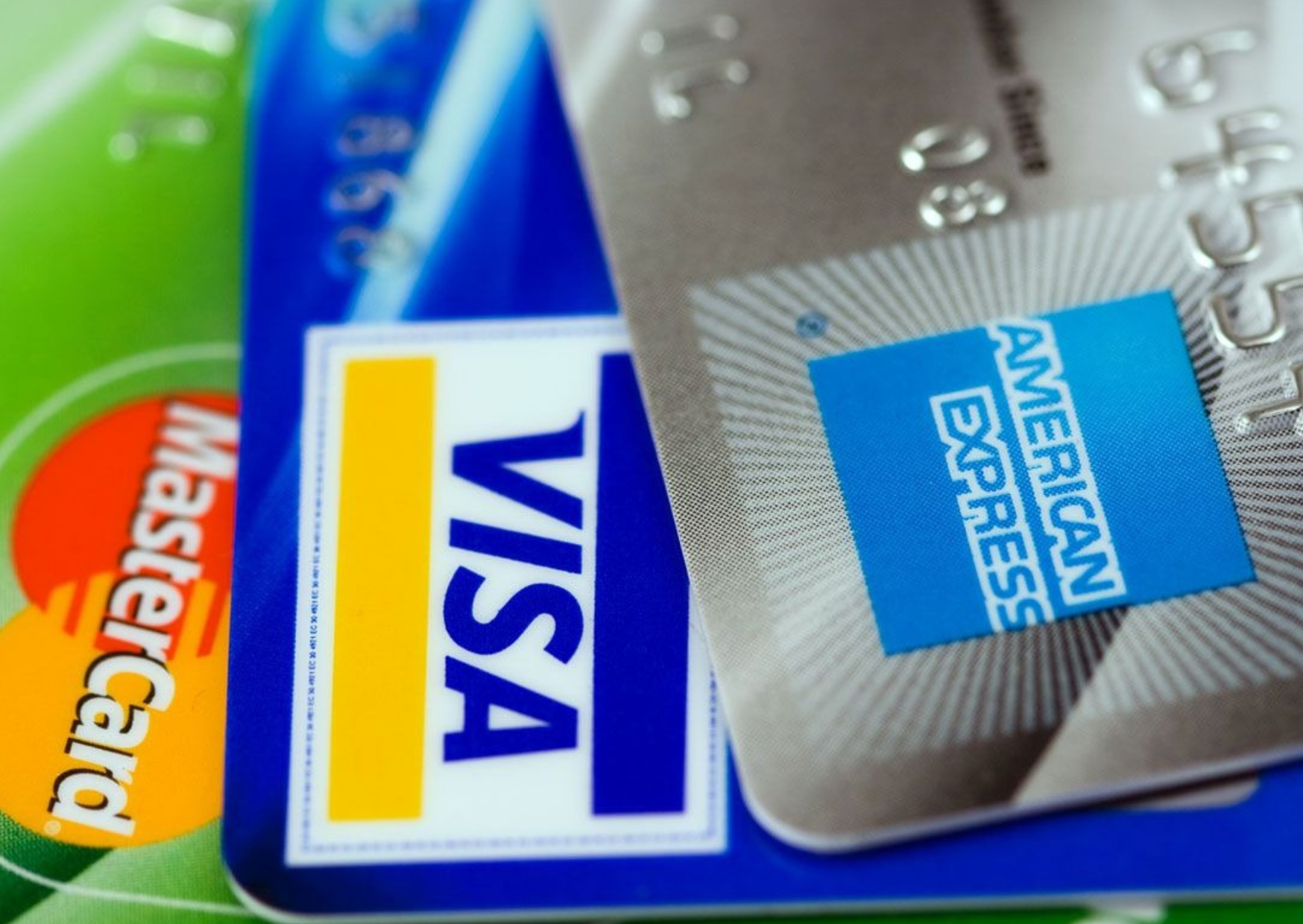
Europe reduced the need for consumer credit by making account-to-account payments effortless. The Single Euro Payments Area, SEPA, lets people pay bills and pull subscriptions across borders as if they were local. The workhorse is SEPA Direct Debit, a mandate you sign that allows a company to pull your bill on the due date. It handles rent, power, phone, gym, even taxes in many countries. The need to “float” everyday bills on a card drops when the bank pulls the correct amount on time, with a built-in refund right if something goes wrong.
At the point of sale, local rails also matter. In Germany, debit dominates daily life and credit cards make up a small fraction of transactions by count. People swipe a Girocard or tap a co-badged debit, and the money leaves their account soon after. In the Netherlands, the online default is iDEAL, a direct link to your bank that now rivals total debit-card spend by value. After you live this way for a year, letting a bill ride at 20 percent APR feels unnecessary and a little reckless.
The design goal is clear. Automate the boring bills, make small purchases cheap to accept, and keep credit for larger, deliberate decisions. You can still use a credit card anywhere, you just feel far less pressure to lean on it.
The fear itself, stated plainly
The European fear is not technology. It is compounding interest on a rolling balance. Average U.S. credit-card APRs sit near 24 percent in mid-2025, a number that makes a small, carried purchase double shockingly fast if you only pay the minimum. European policy and messaging reflect that fear. Under the new Consumer Credit rules, ads must include an explicit warning that borrowing money costs money, and disclosure standards keep tightening as buy-now-pay-later and overdraft products are pulled into the same regulatory net. Many countries also maintain interest-rate caps or usury-style guardrails for consumer credit. The tone is intentional. Credit exists, it is just not glamorized.
Culture piles on. In parts of continental Europe, household debt carries a social stigma that survived the era of tap-to-pay. Families teach children that debt is for homes and long-term investments, not groceries. Even in markets that accept more revolving behavior, banks report a falling share of interest-bearing balances and rising interest in flexible pay-in-full or installment features that are transparent at checkout. The story keeps returning to the same words, clarity and control.
That is the fear Americans often miss. The danger is not having a card. The danger is a tool that quietly converts convenience into expensive, sticky debt through inertia.
Where the rule bends, and how Europeans keep control
There are exceptions, and they are instructive.
The UK and parts of the Nordics have deeper revolving cultures, more premium cards, and a longer history of card-based credit. Even there, data shows a decline in the proportion of cardholders who revolve, along with strong uptake of transparent installment options. Scandinavia is the cradle of BNPL, yet even BNPL is being pulled under tighter rules and is expected to coexist with more traditional cards rather than replace them. The arc bends toward products that keep the borrower’s line of sight clear.
Elsewhere, the guardrails are structural. Because interchange is capped and strong authentication is normal, the rewards-and-float model never took over the way it did in the U.S. Merchants pay less, consumers see fewer bells and whistles, and many households simply live on debit plus direct debit, with a single low-fee credit card for travel and online purchases paid in full on autopay.
None of this stops you from using a card. It just changes the default so the path of least resistance is the healthy one.
How to copy the European playbook without losing convenience
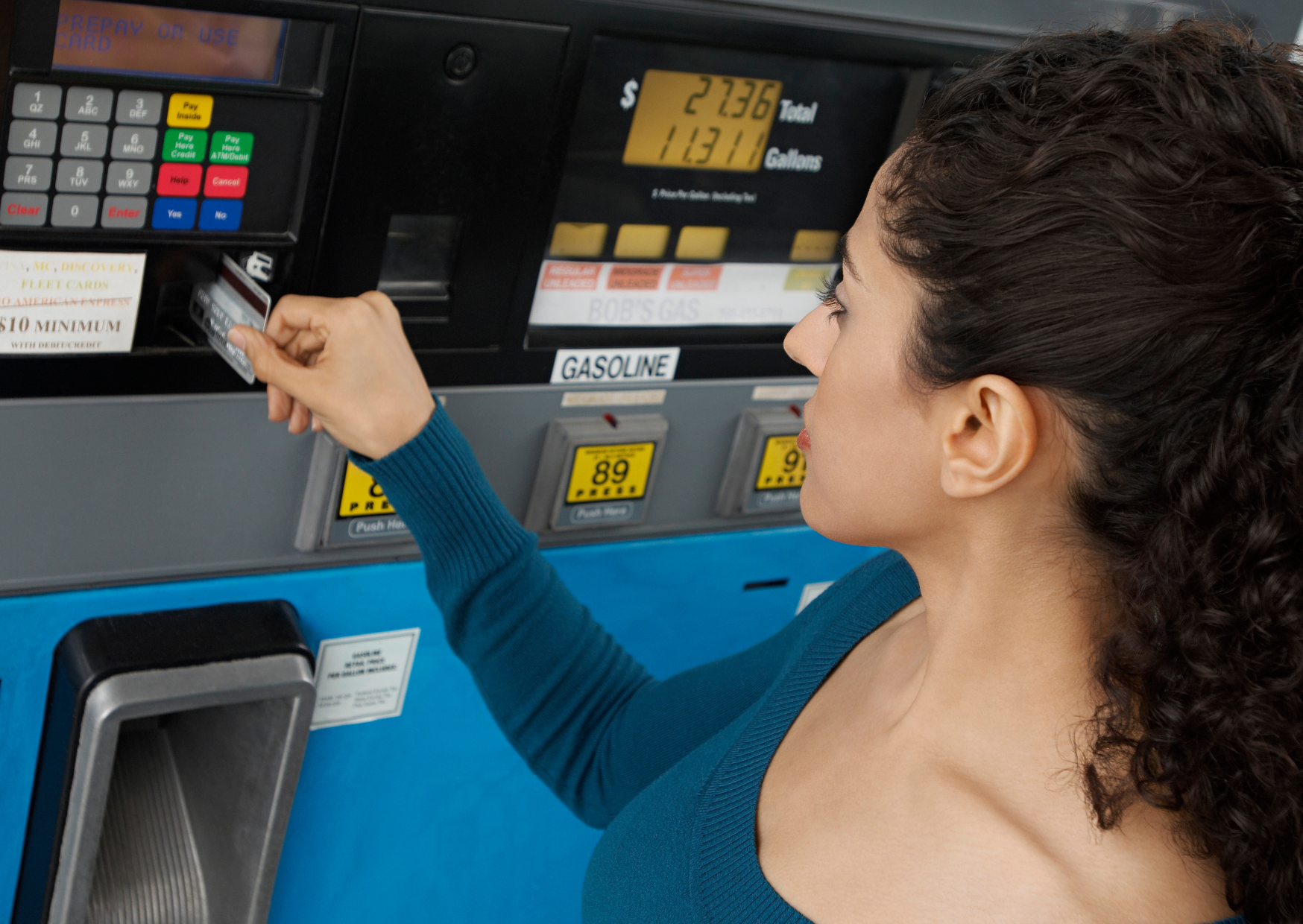
You do not need to move to Milan to borrow the habit. You need to change the choreography around your card.
Set your credit card to autopay the full statement amount, not the minimum. Treat the card as a charge card unless you are facing an emergency or a planned, short installment that you can clear quickly. This flips the default to “no interest” without making you give up protections and global acceptance.
Shift everyday bills to account-based autopay when possible. In Europe that is SEPA Direct Debit. In the U.S. it is ACH pulls set up through your utility, insurer, and landlord. The idea is the same. Let the system pay boring bills on time, keep a single credit card for travel protections, and stop mixing groceries with long-term debt.
Pick one no-foreign-fee credit card for trips, then put it on full autopay. Pair it with a fee-free debit card for cash withdrawals and small taps. On the road, use the credit card at hotels and car rentals for holds and protections, and use debit for daily spend if it helps you stay grounded.
Assume rewards are a nice extra, not a reason to spend. In the U.S., generous rewards are funded by merchant fees you pay back in prices. In Europe, caps starve that machine. Either way, your real savings come from avoiding interest, not chasing points.
Finally, make the fear useful. If you wince at the idea of paying twenty-odd percent to finance dinner, keep that feeling. It is what Europeans are reacting to when they say they avoid credit cards. They are not avoiding the plastic. They are avoiding the behavior.
When you actually should use credit in Europe
There are moments when a European-style card is the right tool.
Travel holds, online fraud protection, and big purchases that come with a clear installment plan are good fits. Pay the plan exactly as agreed, then drop back to pay-in-full. If you live in a country where interchange is capped, do not be surprised when the rewards are modest and the bank tries to sell you a fee-bearing installment option at checkout. The product design matches the rules.
If you are relocating, open a bank account first, turn on direct debit for recurring bills, and pick a single credit card for travel and online purchases. You will feel the European habit slide into place in a few months. Your card life will be simpler, your bills will pay themselves, and the urge to carry dinner into November will disappear because the system stopped asking you to do it.
You have not gone back to cash. You have stepped into a world where digital money is normal and revolving debt is not.

About the Author: Ruben, co-founder of Gamintraveler.com since 2014, is a seasoned traveler from Spain who has explored over 100 countries since 2009. Known for his extensive travel adventures across South America, Europe, the US, Australia, New Zealand, Asia, and Africa, Ruben combines his passion for adventurous yet sustainable living with his love for cycling, highlighted by his remarkable 5-month bicycle journey from Spain to Norway. He currently resides in Spain, where he continues sharing his travel experiences with his partner, Rachel, and their son, Han.