
You meant praise. They heard a put-down. Here is why “just like my nonna’s” lands wrong in Italy and exactly what to say that earns a smile instead.
You are at a trattoria in Bologna. The tagliatelle al ragù is silk over silk, the sauce clings without drowning, and the aroma hits before the plate lands. Your server asks how everything is and you beam.
“This tastes just like my grandma’s.”
Silence. A polite nod. A half smile. The energy drops a notch and you are not sure why.
Across Italy, cooks work for decades to make food that looks effortless. Family recipes matter. So do technique, sourcing, and a thousand choices you never see. When you reach for a compliment that centers your family instead of their craft, it can sound like you are saying the chef simply reproduced something old rather than created something excellent in front of you tonight.
You did not insult anyone on purpose. You used the phrase your culture considers the highest praise. In Italy it can land as a dismissal. There is a better way to say what you mean.
Below is the translation guide you wish you had before you sat down. What not to say, why it stings, and what to say instead in English and in polite, simple Italian.
Want More Deep Dives into Other Cultures?
– Why Europeans Walk Everywhere (And Americans Should Too)
– How Europeans Actually Afford Living in Cities Without Six-Figure Salaries
– 9 ‘Luxury’ Items in America That Europeans Consider Basic Necessities
The compliment that backfires most often
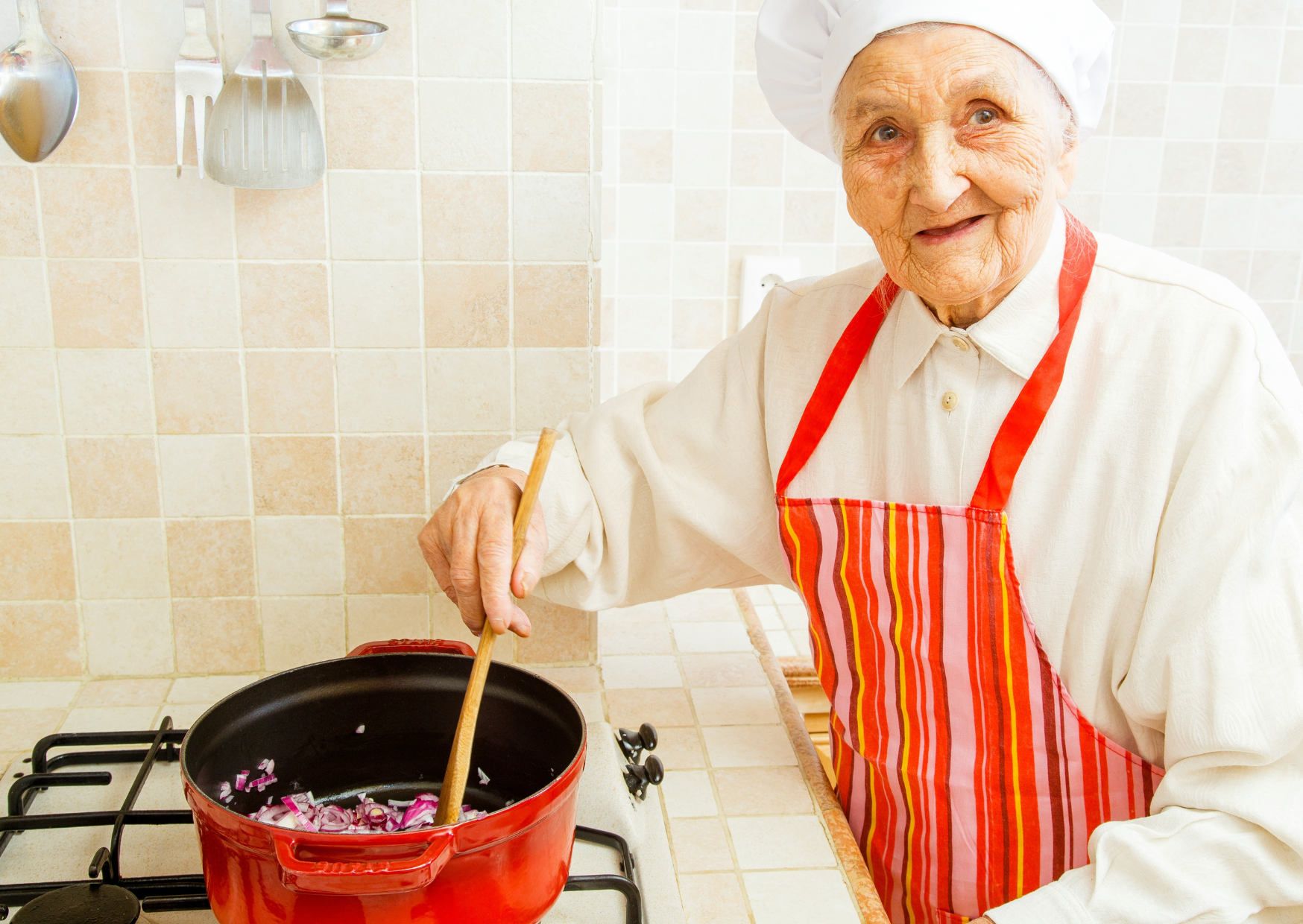
The line that most reliably misses in Italy is “This tastes just like my nonna’s” or “just like home.” A close second is “So authentic.”
Why it misfires is simple. “Nonna’s” centers nostalgia, not craft. It implies the dish is a copy of a memory rather than a work of skill. “Authentic” sounds like a museum tag. It suggests the chef is a caretaker of the past and not an author in the present.
For an Italian professional, the job is precision and judgment. Pasta at the right point of cottura, seasoning that is balanced rather than loud, sauces that are bound to the pasta, not ladled like soup. When your praise skips the technique and jumps to a family story or a buzzword, it can feel like you missed what they actually did well.
Why it stings in an Italian dining room

There are three cultural reasons the “nonna” and “authentic” lines fall flat: craft versus nostalgia, region against region, and home versus professional.
First, craft versus nostalgia. Italian cuisine prizes simplicity, but simplicity is achieved by skill. Dough that is elastic and thin. Risotto that is mantecato, creamy by technique rather than cream. Tomatoes cooked to sweetness without sugar. When you credit a memory rather than the craft, it reduces twenty years of practice to a coincidence.
Second, region against region. Your nonna may have been Calabrian and your plate is Emilian. Your idea of “authentic” carbonara might be Roman with guanciale, while the chef is from a village where a different cured pork is traditional. In Italy, authentic is not one fixed map. It is hyper-local. Comparing a chef to your family risks saying they have the wrong grandmother.
Third, home versus professional. Home cooking in Italy is the heart. Restaurant cooking is a profession. Commercial kitchens work at temperature and speed for hours, then plate for a room that expects consistency. Saying “just like home” can sound like “you made something good, but nothing special.” The subtext a chef hears is: anyone’s nonna could have done this. That is not your intent. It is what the sentence implies.
What to say instead in English: praise the work you can taste
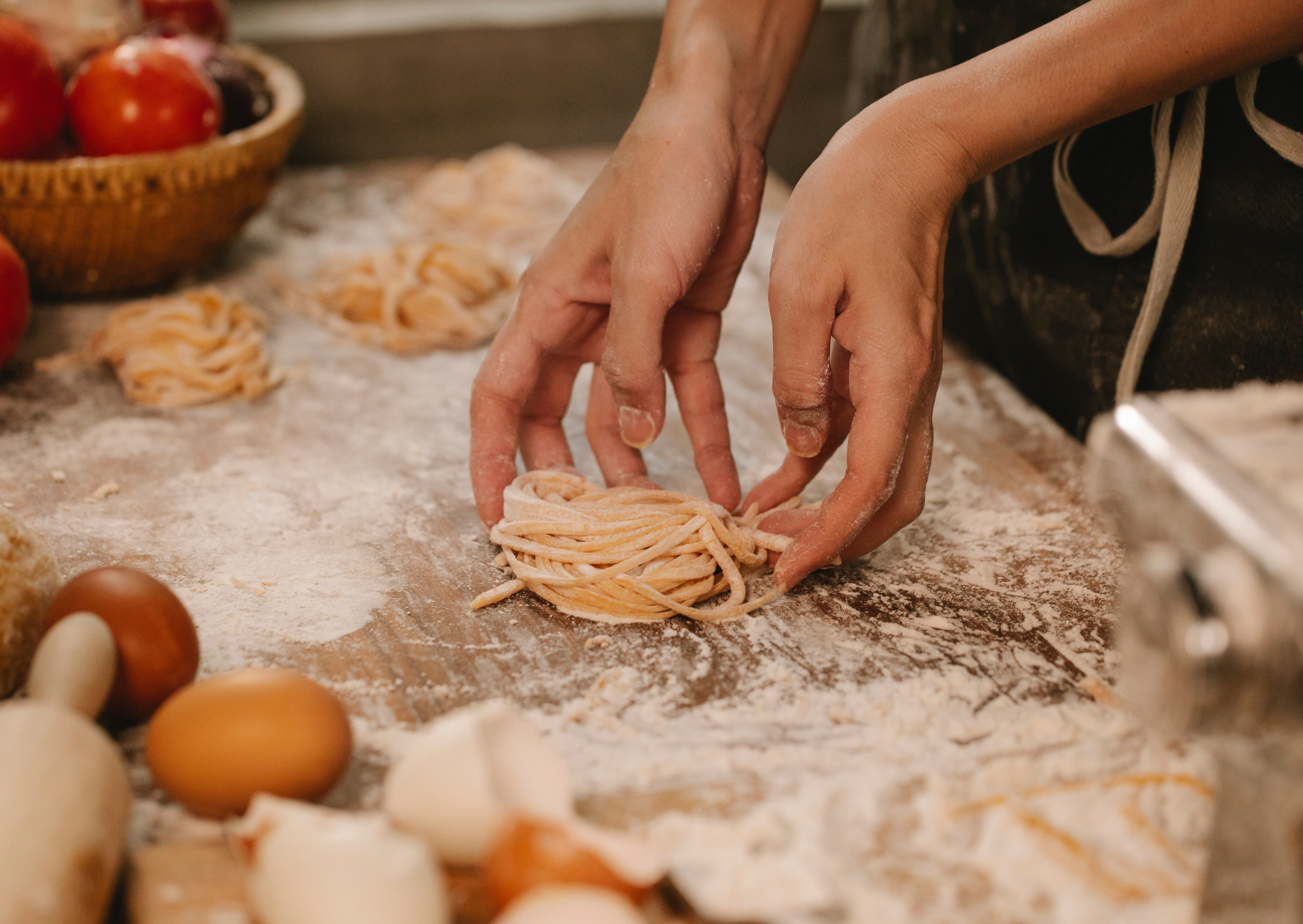
Swap nostalgia for specificity. Focus on execution, balance, and ingredient choice. Those are the levers Italian cooks control and respect.
Try this:
“I love how perfectly cooked the pasta is. The center has a little bite and the sauce binds without drowning it. The balance of acidity and sweetness is spot on.”
“That ragù is deep without heaviness. I can taste the soffritto and the long cooking. Thank you.”
“The risotto is creamy from the starch, not from cream. The texture is silky, and the salt is exactly right.”
For grilled fish: “The branzino is moist with a crisp skin. The olive oil tastes fresh, and the lemon lifts it without taking over.”
For pizza: “The cornicione is well risen, the crumb is airy, and the top is balanced. Beautiful bake.”
These are simple, short sentences. They notice what professionals notice. You will see faces light up because you are speaking the language of work, not the language of marketing.
What to say in Italian: short, polite phrases that always land
You do not need poetry. A few honest phrases do the job. Emphasize cottura, equilibrio, and materie prime.
“La cottura è perfetta.” The cooking point is perfect. Clear, respectful, specific.
“Sugo ben legato alla pasta.” The sauce is well bound to the pasta. This tells the kitchen you see technique.
“Ottimo equilibrio di sale e acidità.” Great balance of salt and acidity. Every cook in Italy cares about equilibrio.
“Risotto ben mantecato.” The risotto is properly emulsified. High praise in six syllables.
“Si sente la qualità delle materie prime.” You can taste the quality of the ingredients. This honors sourcing without pretending ingredients cook themselves.
“Complimenti alla cucina.” Compliments to the kitchen. Classic, gracious, never wrong.
Say one of these with a small smile when someone checks on you. If you want to go further, ask your server to pass the compliment to the chef: “Può dire allo chef che…” then the phrase. You will watch an entire team stand a little taller.
The “authentic” trap and how to escape it

Visitors use “authentic” to mean “not touristy.” Italians hear it as a cage. It can sound like you are praising a restaurant for not changing rather than for cooking well. It also skims over regional detail. There is no singular authentic lasagna. There are regional lasagne, and a chef’s precise, personal version.
If you want to say a place feels genuine, try a different angle.
“This tastes of the place. The ingredients feel local, and the cooking is very precise.”
“This is exactly how I hoped to eat here. Thank you.” Notice how the subject is your experience, not a label the chef may dislike.
If you must use the word, attach it to a specific tradition: “This ragù tastes authentic to Emilia. The soffritto and the cut of the meat are exactly what I expected.” You are not telling the kitchen how Italy works. You are recognizing their lane and their accuracy.
Hidden landmines: praise that sounds like a complaint
A few lines feel harmless in English and read as criticism in Italy. The pattern is the same: the subject of the sentence is wrong.
“So simple.” Italians value simplicity. They do not value being told the dish seems easy. If you want to praise restraint, say what you mean: “Pulito nei sapori. The flavors are clean.” Or in English: “I love how clear and focused the flavors are.”
“Not too heavy for Italian food.” This is a stereotype wrapped in a compliment. Italy has as many light dishes as rich ones. Try: “I appreciate how light the dish feels. The olive oil lifts it and the balance is fresh.”
“I could eat a gallon of this sauce.” Fun at a barbecue. Odd in a trattoria. Pasta is not a sauce-delivery system in Italy. Say: “I love how the sauce coats the pasta. The ratio is perfect.”
“I do not usually like anchovies, but…” That is not praise for the chef. It is a confession. Better: “These anchovies are beautiful and delicate. The quality is obvious.”
Keep the subject on craft. You will never step on a rake.
Etiquette that reads as respect before you even speak
Compliments land better when your behavior says you understand the room. A few habits do more than words.
Taste before you salt. Italians season carefully. Adding salt without tasting reads as “I assume you under-season.”
Let dishes be themselves. The kitchen built a balance. Mandatory extra cheese, heavy chili flakes, or missing parsley can toss that off. Ask, do not assume.
Skip cheese on seafood pasta unless the menu suggests it. You will watch eyebrows climb. If you want a richer sensation, ask for olio piccante or a little extra pane to clean the plate.
If you are curious about technique, ask a question rather than guessing the “secret.” “Posso chiedere com’è fatto il ragù?” May I ask how the ragù is made. Cooks love precise questions because the answer is technique, time, and care, not magic.
When “nonna” actually helps: make the memory useful
There are moments when mentioning family warms the room. Use story first, specific memory, then technical praise.
“My nonna was from Bari. Your orecchiette with cime di rapa brought me back to her table. The bitter greens and the anchovy balance are exactly what I remember. Thank you.”
Notice the pattern. You locate the memory in a place. You name ingredients and balance. You do not ask the chef to compete with your grandmother. You invite the chef into your story and credit their execution. In family-run trattorie, this lands as human, not competitive.
How to recover if you already said the wrong thing
If “just like my nonna’s” already left your mouth and the room chilled, a simple pivot fixes it.
“I said that badly. What I mean is the pasta is cooked perfectly and the sauce is beautifully balanced. Complimenti.”
Or: “I reached for a family memory. I should have praised your work. Everything is precise and delicious.” You will see shoulders unclench. Gratitude replaces confusion.
A quick phrasebook to carry in your phone
Five short lines you can say anywhere in Italy without overthinking:
- “Cottura perfetta.” Perfect cooking point.
- “Molto ben bilanciato.” Very well balanced.
- “Si sente la qualità.” You can taste the quality.
- “Risotto ben mantecato.” Properly emulsified risotto.
- “Complimenti alla cucina.” Compliments to the kitchen.
Say one. Smile. Mean it.
Why this matters more than it seems
Food in Italy is not just hunger management. It is precision joined to memory, eaten in rooms where cooks expect you to notice what they did. Your compliment is part of that dialogue. Center technique, balance, and ingredients, and your words will match the work.
People remember the sentence a guest chose at the door between kitchen and dining room. It is not because egos are fragile. It is because the craft is quiet, and being seen keeps the whole machine honest.
Say the right sentence and a server will carry it back to the pass. A cook will glance up from the pan. Someone will stand a little taller for the next plate. You came for a great meal. You just helped make the next one.

About the Author: Ruben, co-founder of Gamintraveler.com since 2014, is a seasoned traveler from Spain who has explored over 100 countries since 2009. Known for his extensive travel adventures across South America, Europe, the US, Australia, New Zealand, Asia, and Africa, Ruben combines his passion for adventurous yet sustainable living with his love for cycling, highlighted by his remarkable 5-month bicycle journey from Spain to Norway. He currently resides in Spain, where he continues sharing his travel experiences with his partner, Rachel, and their son, Han.