
Why Bother Knowing This?
When you think of European beaches, you might picture sun-kissed shorelines, crystal-clear waters, and a carefree summer vibe. But beneath the relaxing surface, there’s a subtle “etiquette war” going on, with customs and norms that differ wildly from one coastline to another.
From the sun-lounger free-for-all on the Italian Riviera to topless freedom on the French Riviera, knowing the unofficial rules can save you from embarrassment—or from stepping on someone’s toes (or towel). So let’s dive into 9 coastal customs that spark debate or confusion, even among Europeans themselves.
Looking for More Travel & Culture Reads?
– They Don’t Work 24/7: 5 Vacation Customs in Europe That Drive Americans Crazy
– 7 Dress Code Shocks Americans Face in Italy
– 9 European Beach Habits That Shock First-Time Tourists
While Europe may seem united by its love of the sea, the way each country treats its coastline reveals deep cultural divisions—especially when it comes to beach etiquette. In France, for example, topless sunbathing is common and unremarkable, while in Ireland or Poland, it would draw stares, discomfort, or even legal trouble. What’s accepted in Saint-Tropez might be scandalous in a quiet Croatian fishing village. These cultural norms create awkward tension when travelers assume all beaches follow the same unspoken rules.
Another dividing line? Noise and space. In Italy and Spain, beaches are loud, social hubs where music, family chatter, and games are part of the atmosphere. In contrast, Scandinavian and Dutch beachgoers often value tranquility, personal space, and quiet sunbathing. Southern Europeans might see Northern beachgoers as cold or antisocial, while Northerners may view the Mediterranean vibe as chaotic or inconsiderate. The result is a silent etiquette war where no one wants to confront anyone, but everyone silently judges.
Then there’s the towel vs. lounger debate. In places like Greece and Portugal, it’s normal to bring your own towel, claim a spot, and spend the day there. In more tourist-heavy areas of Spain and Italy, paid loungers dominate the sand—and saving one without paying is a faux pas. These clashing customs fuel resentment between locals and foreign beachgoers who unintentionally break the rules. What some see as “just enjoying the beach,” others see as entitlement or even disrespect. The beach may look like paradise, but under the umbrellas, it’s often a cultural battleground.
1. Towel-Territory Tension
Why It’s an Issue
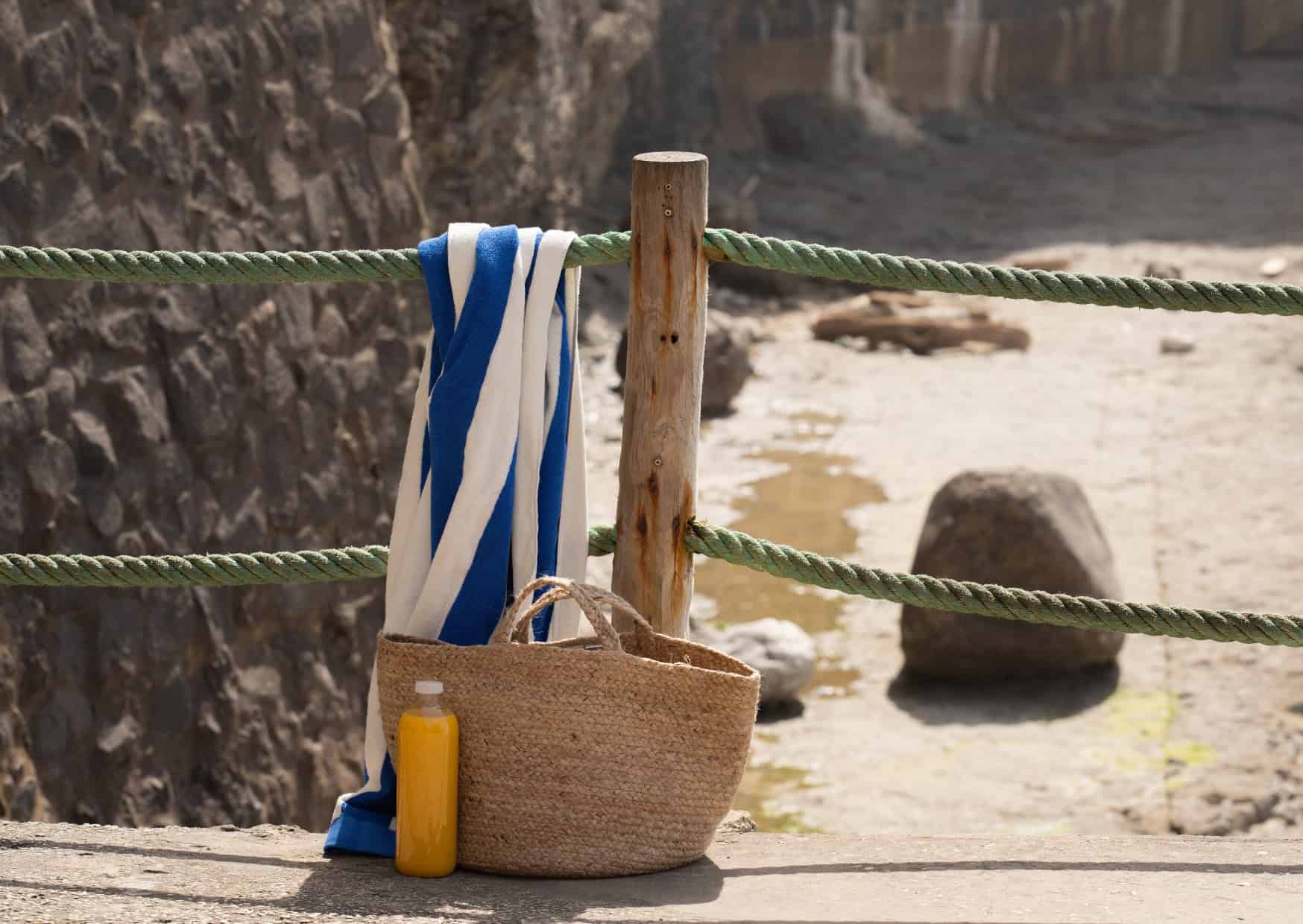
If you’ve visited a popular beach in Spain, Greece, or Italy during peak season, you’ll know personal space becomes a hot commodity. Umbrellas and towels are packed so tightly that new arrivals often struggle to find a spot big enough for a beach bag, let alone an open towel. This can lead to towel-territory disputes, where people shuffle their belongings closer to—or further from—neighbors.
Where It Varies
- Spain: Busy Costa del Sol or Barcelona beaches fill up early. Locals and frequent visitors typically arrive in the morning to claim a decent swath of sand.
- Greece: On many smaller islands, the beaches may remain spacious if you venture beyond the main touristy spots; but on popular beaches like Santorini or Mykonos, you’ll see lounge chairs lined up as far as the eye can see.
- Italy: At iconic seaside destinations like the Amalfi Coast or Rimini, beach clubs manage umbrella space meticulously—some might say militaristically!
Etiquette Tip
- Arrive earlier in the day if you want ample elbow room.
- Don’t sprawl across a huge area if the beach is crowded; locals may side-eye you for hoarding space.
2. Topless or Not?

Why It Sparks Debate
Tanning topless is culturally normalized in some Mediterranean countries—particularly in parts of France and Spain—while in other European regions, it’s less common or even frowned upon. But the lines aren’t always clear, and beaches within the same country can have drastically different norms.
Where It Varies
- France: The Côte d’Azur (French Riviera) famously welcomes topless sunbathing. However, some smaller or family-oriented beaches may regard it as less polite.
- Spain: In many coastal areas, topless sunbathing is generally accepted, though it’s more frequent on certain “urban” beaches like Barceloneta and less so in conservative communities.
- Portugal: While topless sunbathing isn’t illegal, it’s not as widespread as in neighboring Spain. Some beaches in the Algarve might see it more often, but not all.
Etiquette Tip
- Observe locals before you decide to go topless. Are other women doing it comfortably? If you sense hesitation, consider a more discreet approach or look for designated topless-friendly areas.
- If you do go topless, respect personal space—don’t stroll too close to families or children’s play areas, if possible.
3. Nudism & FKK Beaches

Why It’s Controversial
Beyond simply going topless, fully nude beaches or FKK (Freikörperkultur, “free body culture”) sites exist in numerous countries—especially around Germany’s Baltic Sea coast, parts of Croatia, and pockets of France or Spain. These can create tension or confusion for travelers who accidentally wander onto a nude beach without realizing it.
Where It Varies
- Germany: Northern coasts near the Baltic Sea and some lakesides in Berlin have designated FKK areas, reflecting a culture of body acceptance.
- Croatia: A well-known destination for naturists, offering numerous FKK campgrounds and beaches, especially on islands like Koversada or near Rovinj.
- France: While toplessness is broadly accepted, fully nude beaches are generally marked or separated from the main tourist strips.
Etiquette Tip
- Look for signs: Many FKK beaches display clear markers or notices at the entrance.
- If you prefer to stay clothed, respect the boundary—don’t photograph or gawk at nude beachgoers.
4. Picnic vs. Local Café: The Food Dilemma
Why It’s a Point of Conflict
Some beaches, especially in Italy and France, have an unspoken tradition of supporting local beach bars and cafés rather than bringing your own extensive picnic spread. Meanwhile, in more laid-back or family-friendly locales (like parts of Spain or Portugal), a beach picnic is considered a staple of summer fun.
Where It Varies
- France: Many beaches near resort areas encourage you to patronize the “plage privée” restaurants or snack kiosks. Setting up a massive DIY lunch might attract a few side glances.
- Italy: Especially in regions like Liguria or Tuscany, you’ll find private beach clubs with attached dining. Bringing outside food is allowed on public stretches, but if you’re using a club’s facilities, you’re expected to buy from them.
- Portugal: Picnic culture is quite common, with families bringing homemade meals and large coolers to beaches near Lisbon, Porto, and the Algarve.
Etiquette Tip
- If you’re on a private or “managed” beach, check whether outside food is allowed.
- Clean up meticulously. Even where picnics are accepted, leaving trash behind is a big no-no that’ll quickly anger locals.
5. The Deckchair Dilemma: Reserving vs. First-Come, First-Served
Why Tempers Flare
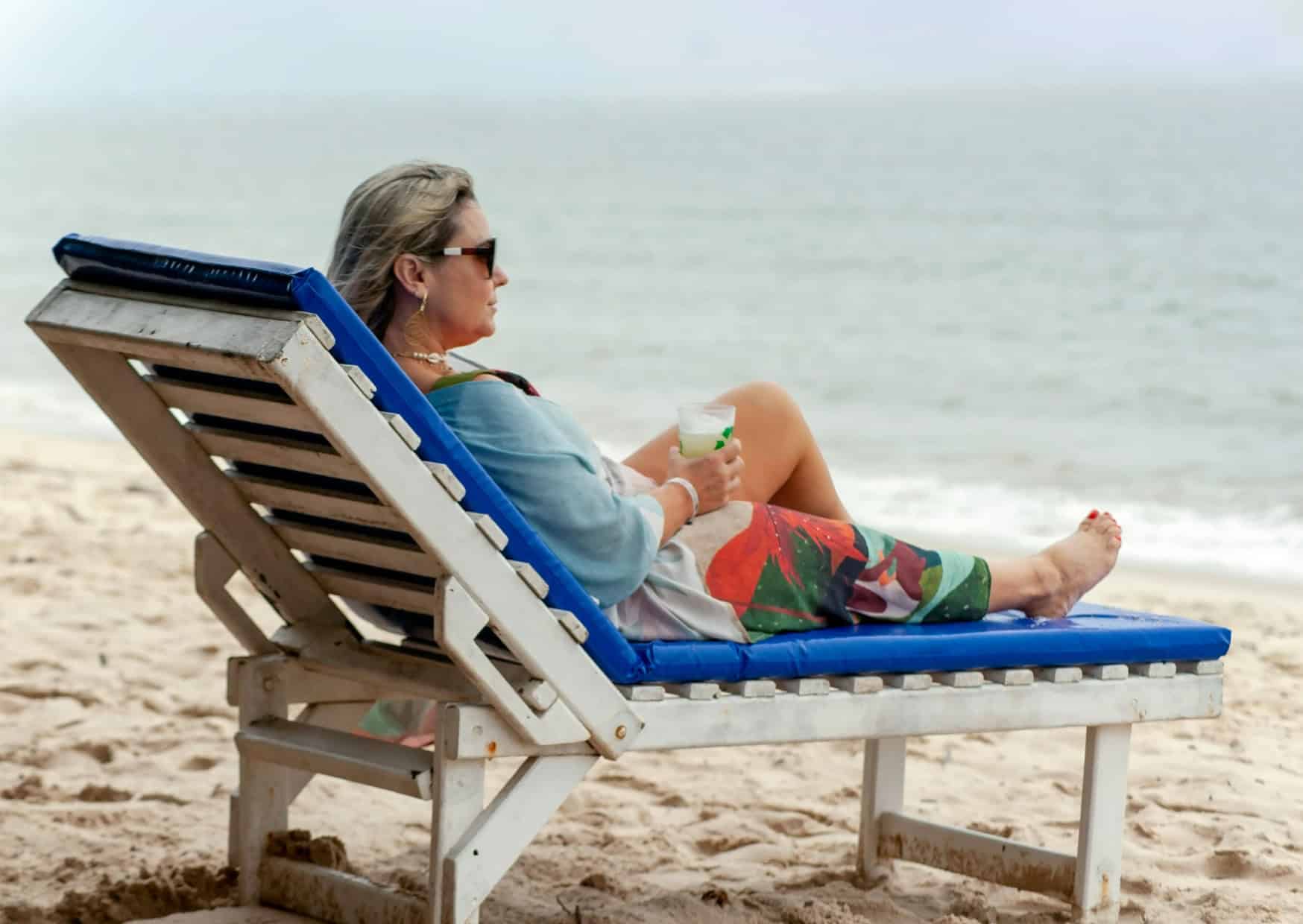
If you’ve traveled around European coastlines, you’ve likely encountered the phenomenon of “reserving” sun loungers with towels, sometimes at the crack of dawn. Some nationalities are famously associated with this, yet opinions vary widely across borders.
Where It Varies
- Spain: In the Balearic Islands (Mallorca, Ibiza), it’s not uncommon to see towels draped over loungers early in the morning, though many hotels and beach clubs now discourage this practice with posted rules.
- Italy: Beach clubs often assign loungers and umbrellas to guests, eliminating the need to stake your claim—though at extremely popular spots, competition still exists.
- Greece: On many islands, the first-come, first-served principle applies for public chairs. Yet in more upscale beach bars, you can reserve in advance, sometimes paying a premium.
Etiquette Tip
- Check posted rules. Some beaches explicitly ban “chair saving” for longer than a certain period.
- If you see an unoccupied lounger with a single towel or flip-flops, assume it’s taken. Confrontations can get heated when someone’s “reserved” seat is confiscated.
6. Smoking or Smoke-Free?

Why People Disagree
While smoking in public spaces is restricted in many countries, beaches often fall into a grey area. Some European beaches have implemented no-smoking policies to keep the sand clean and the air fresh, while others still allow it (or turn a blind eye).
Where It Varies
- Spain: Certain beaches in Barcelona and the Canary Islands have gone smoke-free, complete with fines for violators. But not all coastal areas enforce this, leading to confusion.
- France: Many beaches on the French Riviera now ban smoking or have designated zones, although you’ll still see people light up on some more laid-back shores.
- Italy: Regulations differ by region and municipality. Some popular spots post “No Fumo” signs, but enforcement can be lax.
Etiquette Tip
- If unsure, ask or look for signage. Even if smoking is allowed, do it downwind from nearby sunbathers.
- Always dispose of cigarette butts responsibly—burying them in the sand is a major faux pas that’ll earn you dirty looks.
7. Noise Control: Quiet Sunbathing vs. Beach Parties

Why It’s Contentious
Some travelers crave a serene escape by the water—reading a book, napping to the sound of gentle waves—while others arrive ready to blast music and socialize. Across Europe, attitudes vary about beach noise levels, often leading to subtle conflicts among beachgoers.
Where It Varies
- France: Certain beaches, especially more upscale or private ones along the Côte d’Azur, maintain a relatively hushed ambiance. Loudspeakers or rowdy games might not be welcomed.
- Greece: Islands like Mykonos, Zakynthos, or Ios are famed for their party scene, featuring beach bars with DJs spinning tunes all day. Quieter beaches are often found off the main tourist circuits.
- Croatia: While some Adriatic beaches host lively bars, plenty of rocky coves remain tranquil—expect a more respectful volume among older locals who treasure the quiet.
Etiquette Tip
- Pick the right beach for your vibe. If you want to crank the tunes, head to known party beaches. If you prefer serenity, research secluded coves or lesser-known stretches.
- Keep your music at a moderate volume or use headphones unless you’re at a designated party spot.
8. Dogs and Pets: Welcome or Banned?

Why It Divides People
Some folks love having their furry companions on the sand; others bristle at the idea of dogs running around near their towels (and snacks). European countries vary widely in their tolerance for four-legged beachgoers.
Where It Varies
- Spain: Many beaches ban dogs during peak summer months, but certain “dog-friendly” playas exist, especially near Barcelona or Valencia.
- Italy: Plenty of lidos or beach clubs are dog-friendly, offering special pet areas or even dog showers. Yet some municipalities restrict animal access in high season.
- Portugal: The general rule forbids dogs on beaches from June to September, though enforcement varies—some more remote beaches ignore it as long as dogs are leashed and owners clean up.
Etiquette Tip
- Always check local rules or ask a lifeguard before bringing a pet.
- Respect people’s space if they’re wary of dogs. Keep your pet leashed if required, and pick up after them diligently.
9. The Post-Beach Shower (and Sand Removal)

Why It Causes Confusion
Showering off sand and salt might seem straightforward, but there’s an unspoken code about how and where you rinse. Some beaches offer free communal showers; others charge a small fee. Cultural habits can clash—like vigorously shaking sandy towels in crowded areas.
Where It Varies
- Portugal: Many urban beaches near Lisbon or Porto provide free freshwater showers, but locals might only do a quick rinse and rely on changing rooms if available.
- France: On the Riviera, you’ll find pay-per-use showers in certain upscale locales, and some beach clubs provide showers exclusively for paying guests.
- Greece: Shower facilities can be scarce on remote islands or smaller beaches, so locals typically towel off carefully, mindful of not spraying others with a sand storm.
Etiquette Tip
- Don’t stand next to someone else’s towel when shaking out your sandy gear—move away to an open spot.
- If you must pay for a shower, have small change on hand. And be brief—don’t hold up the line for a long, luxurious rinse.
Conclusion: Bridging the Beach Divides
From topless tanning to the great deckchair debate, European beaches can vary as much as the languages spoken across the continent. The unique blend of cultural norms, local regulations, and personal preferences turns any popular shoreline into a microcosm of “etiquette wars.” While it might sound dramatic, most of these differences can be navigated smoothly with a bit of awareness and respect.
- If you’re new to a beach, observe what people around you are doing—Are they topless? Are they blasting music? Are dogs running free or nowhere in sight?
- When in doubt, ask—a friendly lifeguard, a beach bar attendant, or even a local sunbather can clarify the unspoken rules.
- Above all, respect personal space and local culture—clean up your area, keep noise to a manageable level, and don’t impose your preferences on others.
Following these guidelines ensures that you won’t inadvertently take part in a “beach etiquette war.” Instead, you’ll find a balance, blending in with the local rhythms while still enjoying your own brand of fun in the sun. With a little flexibility and consideration, you can traverse Europe’s diverse shorelines without stepping on any toes—or towels.
Pro Tip: Before your next coastal adventure, do a quick online check for specific beach rules—everything from dog bans to nudity allowances might be spelled out. Knowing these details can help you dodge awkward encounters and keep your vacation blissfully free of beachside battles!

About the Author: Ruben, co-founder of Gamintraveler.com since 2014, is a seasoned traveler from Spain who has explored over 100 countries since 2009. Known for his extensive travel adventures across South America, Europe, the US, Australia, New Zealand, Asia, and Africa, Ruben combines his passion for adventurous yet sustainable living with his love for cycling, highlighted by his remarkable 5-month bicycle journey from Spain to Norway. He currently resides in Spain, where he continues sharing his travel experiences with his partner, Rachel, and their son, Han.