
The last bite at night is not a binge in Italy. It is a small, savory pause that fits inside a larger pattern that protects the waistline.
Walk into a trattoria in Parma at ten in the evening and watch how dinner lands.
Plates slow down. Someone orders a tiny selection of local cheeses with a pear or grapes. Another person asks for a sliver of Parmigiano and a spoon of mostarda. The table is lively and the food is light. There is satisfaction without excess.
If you are used to American nights that end with cake, ice cream, or a raid on the pantry, the sight can feel impossible. Cheese before bed and a leaner population can live in the same sentence when the portion is modest, the rest of the plate is Mediterranean, and the evening routine does some of the work.
This is not a story about magic genetics. It is a story about timing, portion size, and context. Italians often close dinner with cheese and fruit, or they tuck cheese into the antipasto and finish with espresso and a short walk. The choices around that cheese are what keep it from becoming a problem.
Below is how the habit actually looks, why it does not blow up the calorie budget, and how to copy the feeling at home without changing your life.
Want More Deep Dives into Other Cultures?
– Why Europeans Walk Everywhere (And Americans Should Too)
– How Europeans Actually Afford Living in Cities Without Six-Figure Salaries
– 9 ‘Luxury’ Items in America That Europeans Consider Basic Necessities
What “cheese at night” really means in Italy
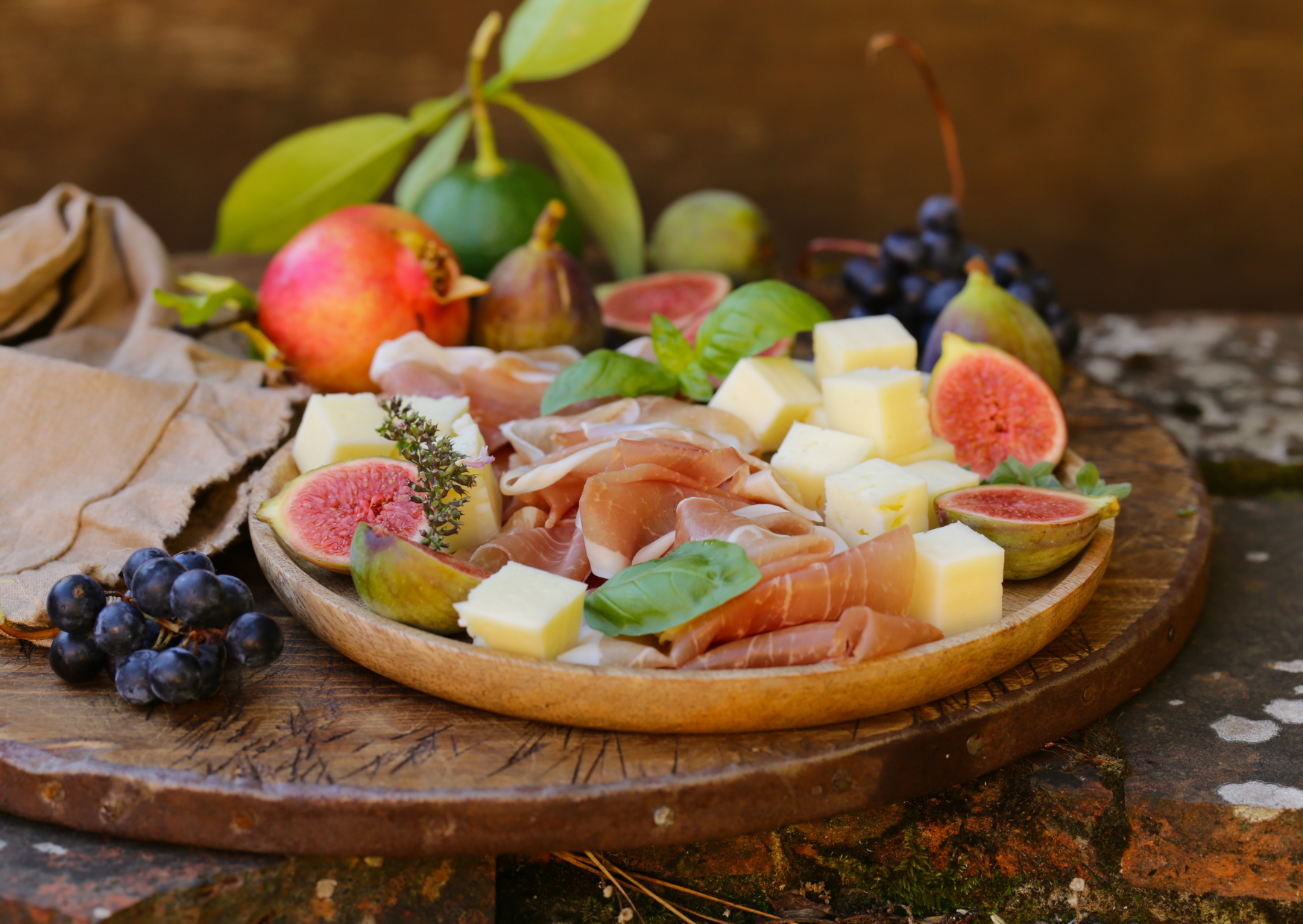
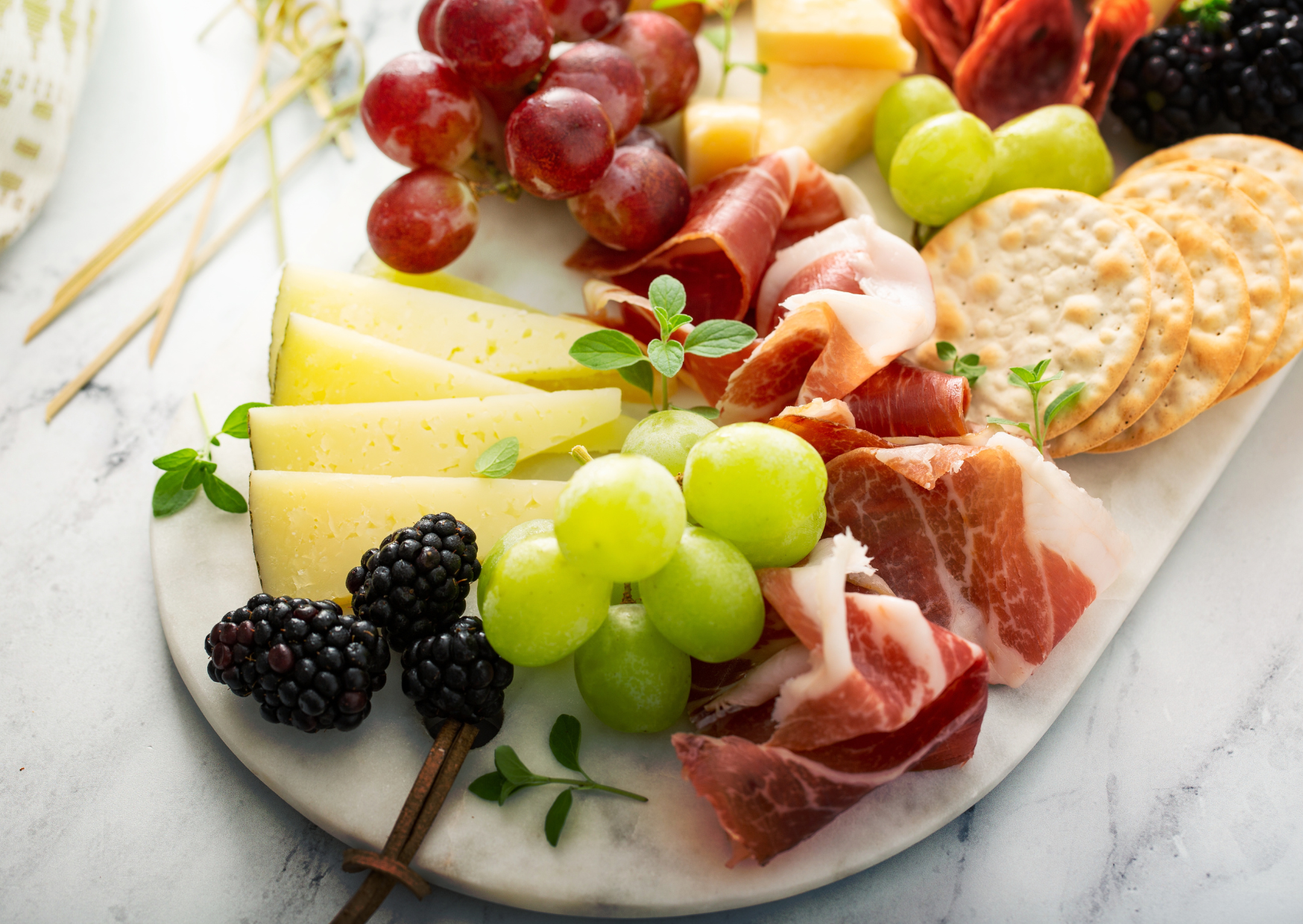
Cheese at the end of an Italian meal usually appears as formaggi e frutta, a simple plate of local cheeses with seasonal fruit that can come before dessert or replace it entirely. It is not compulsory and it is not large. Think two to four small bites, then pass the plate. Small tasting pieces, paired with fruit, often shared.
In ordinary homes, cheese may also show up earlier with salumi on an antipasto board. When it does appear at the end, it is purposely light. You will see a few curls of aged cheese, a couple of grapes or a quartered pear, and sometimes honey or mostarda. The point is variety and pleasure, not volume. Flavor first, variety over volume, sweetness from fruit.
The portion that satisfies instead of sabotages
Portion size is the difference between a nightcap and a new habit you will regret. In practical dietetic guides, a sensible serving of hard cheese is about 30 grams, which is roughly a matchbox or two thumbs together. That is enough to taste, not enough to tip the day into excess. Thirty grams is a portion, matchbox size, taste do not stack.
Watch Italian tables and you will see this logic in action. Aged cheese carries a lot of flavor, so you need very little to feel satisfied. If you cut a 30 gram piece, share it, and pair it with fruit, you feel like you had a finish without starting a second dinner. Flavor density, share the plate, fruit as ballast.
Why a small aged cheese lands light
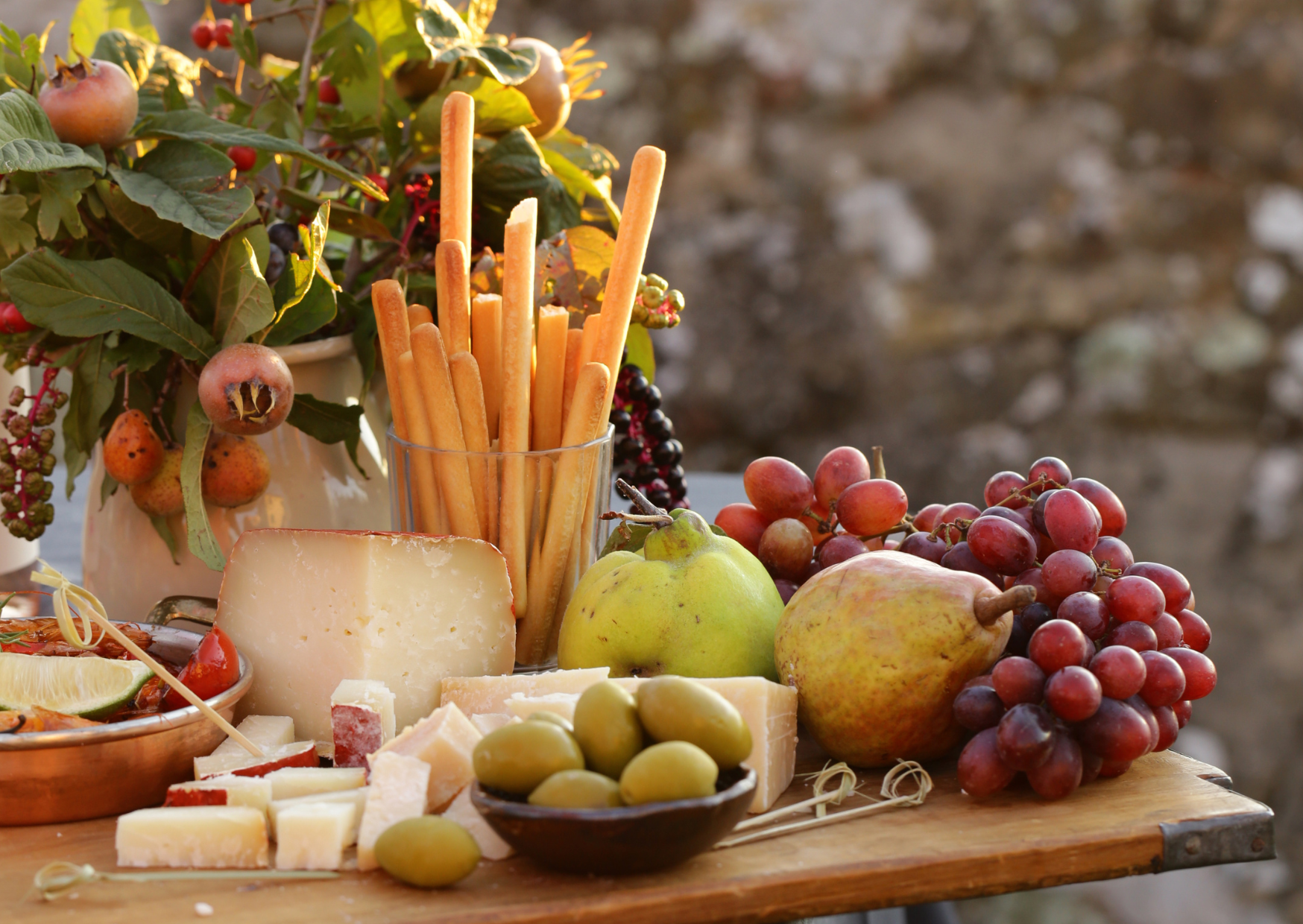
There are three quiet advantages that explain why a few bites of aged cheese behave kindly at night.
First, aged Italian cheeses are very low in lactose. Parmigiano Reggiano, Grana Padano, and long-aged pecorino lose milk sugar during fermentation and aging. Many people who avoid fresh milk tolerate a sliver of aged cheese well. Low lactose by aging, tiny portion reduces load, comfort for many.
Second, casein protein digests slowly. A little protein at the end of dinner increases satiety and steadies late-evening hunger. Sports nutrition studies even use pre-sleep casein to support overnight recovery. You do not need a shaker bottle for the benefit. A small piece of cheese can be enough to quiet the pantry run. Slow-digesting protein, higher satiety per bite, fewer late snacks.
Third, cheese replaces dessert, it does not sit next to it. When cheese stands in for cake or a sugary bowl, total sugar drops and the finish is savory. The sweetness comes from fruit, not refined dessert. That swap changes both calories and appetite signals. Savory finish, fruit sweetness, dessert displacement.
The plate around the cheese matters more than the cheese
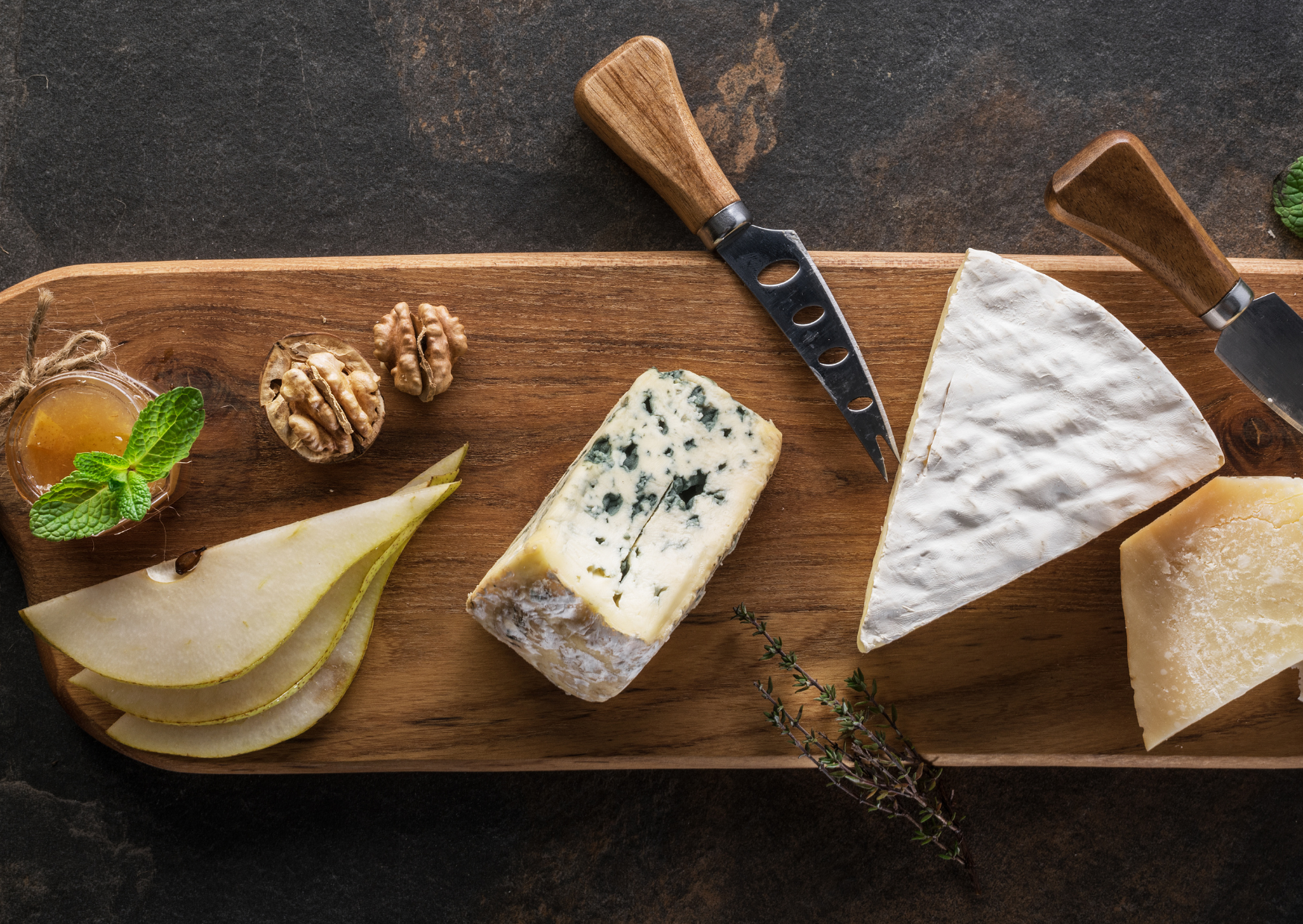
Cheese is not a free food. It is also not the villain. In Italy, a dinner that ends with cheese usually begins with plants and follows a Mediterranean rhythm. Vegetables and legumes carry much of the meal. Olive oil is the default fat. Fish and modest portions of meat rotate through the week. In that pattern, a few bites of cheese behave like an accent. Plants first, olive oil as anchor fat, cheese as condiment.
Diet research continues to link Mediterranean-style eating with better weight and cardiovascular measures. The effect is not a single ingredient. It is the pattern. When most of the day leans on whole foods, the last two bites can be rich without sinking the ship. Pattern over single foods, whole foods dominate, rich bites live inside restraint.
A second context point matters. Italians still eat fewer ultra-processed foods than Americans on average. That leaves more room for real food at dinner and fewer late-night triggers built into the day. When half your calories come from packaged snacks and sweet bakery products, late cravings are part of the schedule. When most of your energy comes from minimally processed staples, a small piece of aged cheese reads as a finishing touch. Lower UPF share, fewer cravings, room for real food.
Movement and timing that change the math
The evening in Italy often includes a passeggiata. It is not a workout. It is a social walk after dinner. That ten to fifteen minutes is enough to nudge post-meal numbers in the right direction. Studies keep showing that a short walk immediately after a meal reduces the height of the glucose rise, and longer sessions improve the 24-hour picture. The habit predates the science. The science now explains the habit. Short after-dinner walk, flatter post-meal curve, calmer evening.
Timing helps in other ways. Dinner is not midnight. A light savory finish, then a stroll, then espresso, then bed. When sleep follows a balanced meal and brief movement, late-night snacking has less room to sneak in. Early enough dinner, savory finish, sleep without the pantry raid.
The numbers behind the headline difference
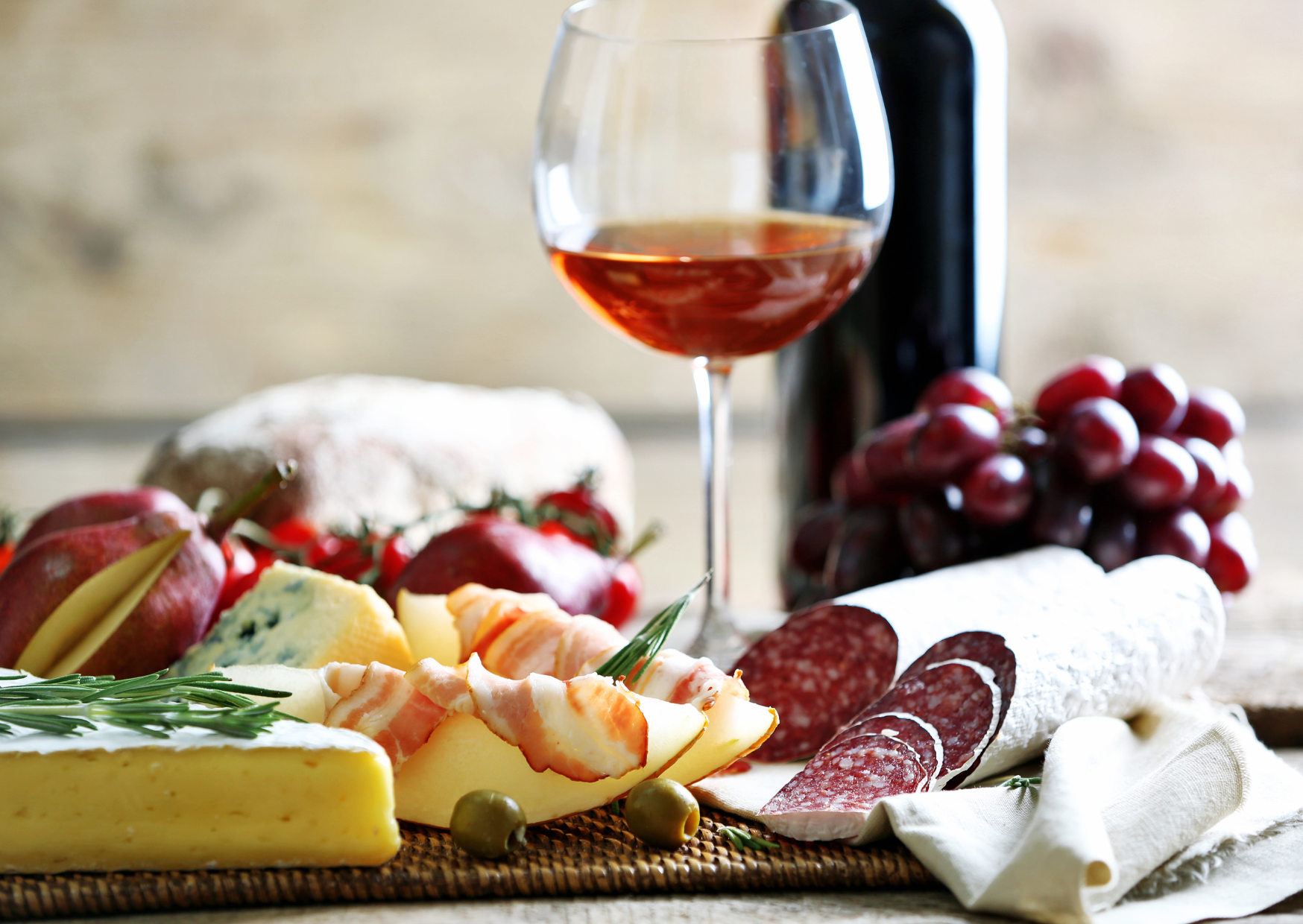
No country is immune to weight gain. The baseline, however, is not the same. Recent European data still place Italy among the leaner countries in the EU by several measures, while U.S. adult obesity remains around four in ten. That gap reflects daily pattern and built environment more than a miracle ingredient. Cheese at night lands differently when your week looks Mediterranean. Lower national obesity in Italy, U.S. near 40 percent, pattern and place explain more than any one food.
Another number explains why the small cheese course works. Portions are modest. A matchbox-sized piece of hard cheese is about 30 grams. That piece contains strong flavor and enough protein to satisfy, but not enough energy to overwhelm a meal built on vegetables, legumes, and grains. Portion discipline, protein without overload, flavor is the lever.
How to borrow the habit without gaining weight
You can keep the Italian feel and make it work inside an American week by adjusting the what, the how much, and the what else.
Start with one excellent aged cheese instead of three. Buy a small wedge of Parmigiano Reggiano or a well-aged pecorino. Cut a 30 gram piece. Put the rest away before you sit down. Eat it with a pear, apple slices, or a few grapes. Let the fruit deliver the sweetness you thought needed dessert. One cheese only, fruit pairing, plate it, then stop.
Build dinner like an Italian weekday. Anchor with vegetables and legumes. Use olive oil, not heavy sauces. Keep portions of meat modest. When the main plate is light and built on plants, a little cheese finishes the meal rather than starting a second one. Plants do the volume, olive oil does the richness, cheese is the period at the end.
Walk for ten minutes. Around the block works. Down the hall works. You are not trying to set personal records. You are sending a quiet signal to your metabolism that the evening is ending and the pantry is closed. Ten minutes is enough, walk now, not later, let the craving window pass.
Mind salt and saturated fat across the week, not the night. If you had cured meats earlier, skip cheese that day or cut the portion in half. If you want cheese nightly, keep the rest of the day light. Balance by the week, trade within the day, respect the portion.
Finally, keep the finish savory. Cheese and fruit plus an espresso reads as complete in Italy. A sugary dessert after cheese defeats the point. The pleasure of the ritual is the lightness at the end. Savory finish, espresso instead of dessert, end on clear flavors.
Myths to retire so the habit can work
A few common lines need to go if you want cheese at night without weight creep.
“Cheese always causes weight gain.” Not in a Mediterranean pattern where portions are tiny and plants do the heavy lifting. The difference is the plate and the portion, not the ingredient. Portion matters, pattern sets the outcome, cheese is a condiment.
“Lactose intolerance means no cheese ever.” Many long-aged Italian cheeses are naturally lactose free or very low in lactose. Individual tolerance varies, but a matchbox-sized piece is often comfortable for people who avoid fresh milk. Aging removes lactose, tiny servings help, personal tolerance first.
“Dessert is non-negotiable.” The Italian answer is to make dessert fruit most nights and save pastries for special days. Fruit plus a sliver of cheese is dessert in many towns. It feels complete because flavor and ritual are doing the work that sugar usually does. Fruit is dessert, ritual replaces sugar, save pastries for occasions.
“Walking after dinner is pointless.” Ten minutes right after eating has a measurable effect on your post-meal curve. It also occupies the time you might have used to rummage for snacks. Short walks work, timing matters, behavior crowds out snacking.
What this looks like in real life after a month
Your nights feel calmer. You stop roaming the kitchen. Mornings are less puffy. You realize you can enjoy a food that once felt off limits because you changed the when, the how much, and the what else. The Italian advantage is not a secret ingredient. It is an ordinary ritual performed with restraint, inside a plate that is mostly plants, with a walk that keeps the evening light.
Small pleasure. Smart context. Steady body. That is why Italians can eat cheese at night and stay lean. You can, too.

About the Author: Ruben, co-founder of Gamintraveler.com since 2014, is a seasoned traveler from Spain who has explored over 100 countries since 2009. Known for his extensive travel adventures across South America, Europe, the US, Australia, New Zealand, Asia, and Africa, Ruben combines his passion for adventurous yet sustainable living with his love for cycling, highlighted by his remarkable 5-month bicycle journey from Spain to Norway. He currently resides in Spain, where he continues sharing his travel experiences with his partner, Rachel, and their son, Han.