
Why This Matters
From Ibiza to Santorini, many Mediterranean islands cater to seasonal crowds. Outside peak months, they become ghost towns with shuttered shops and absent locals—tourism overshadowing any real community. Yet some islands maintain vibrant year-round populations, letting travelers see the true island life beyond summer parties. Below are 8 such gems, each preserving local heritage, culture, and daily rhythms that make them more than a postcard backdrop.
Looking for More Travel & Culture Reads?
– They Don’t Work 24/7: 5 Vacation Customs in Europe That Drive Americans Crazy
– 7 Dress Code Shocks Americans Face in Italy
Quick Easy Tips
Avoid peak travel months (July–August) to experience the islands without overwhelming tourist crowds.
Learn a few local phrases—many of these islands have strong regional dialects or even unique languages.
Rent a scooter or walk—some of these islands are small and best explored slowly.
Support family-run businesses—from guesthouses to tavernas, these places give you the most authentic feel.
Pack for both sea and village life—you’ll go from rocky coves to old-town strolls in one afternoon.
Ask locals where to eat—not Instagram. They know where the real food is.
Skip chain hotels—opt for guesthouses, agriturismos, or seaside pensions.
Respect island customs—from siesta hours to dress codes in churches, tradition still rules here.
Many tourists assume that the Mediterranean has been completely commercialized—where every island is just another version of Santorini or Ibiza. But that’s a false narrative shaped by social media. There are dozens of islands where daily life continues as it has for generations, and tourism is still secondary to fishing, farming, or local culture.
The tourism industry often markets “hidden gems” while simultaneously eroding what made them special. Ironically, the push for “authenticity” can lead to artificial experiences tailored to foreigners. The truly lived-in islands don’t need to impress visitors—they’re not curated, they’re real. And that can feel uncomfortable for some travelers expecting constant entertainment or amenities.
There’s also tension between preserving local culture and surviving economically. Some of these islands have mixed feelings about tourism, especially short-term rentals and cruise ship day-trippers. Visitors who arrive with humility and curiosity—not entitlement—are the ones welcomed into the fold.
1. Menorca, Spain
Why It’s Special
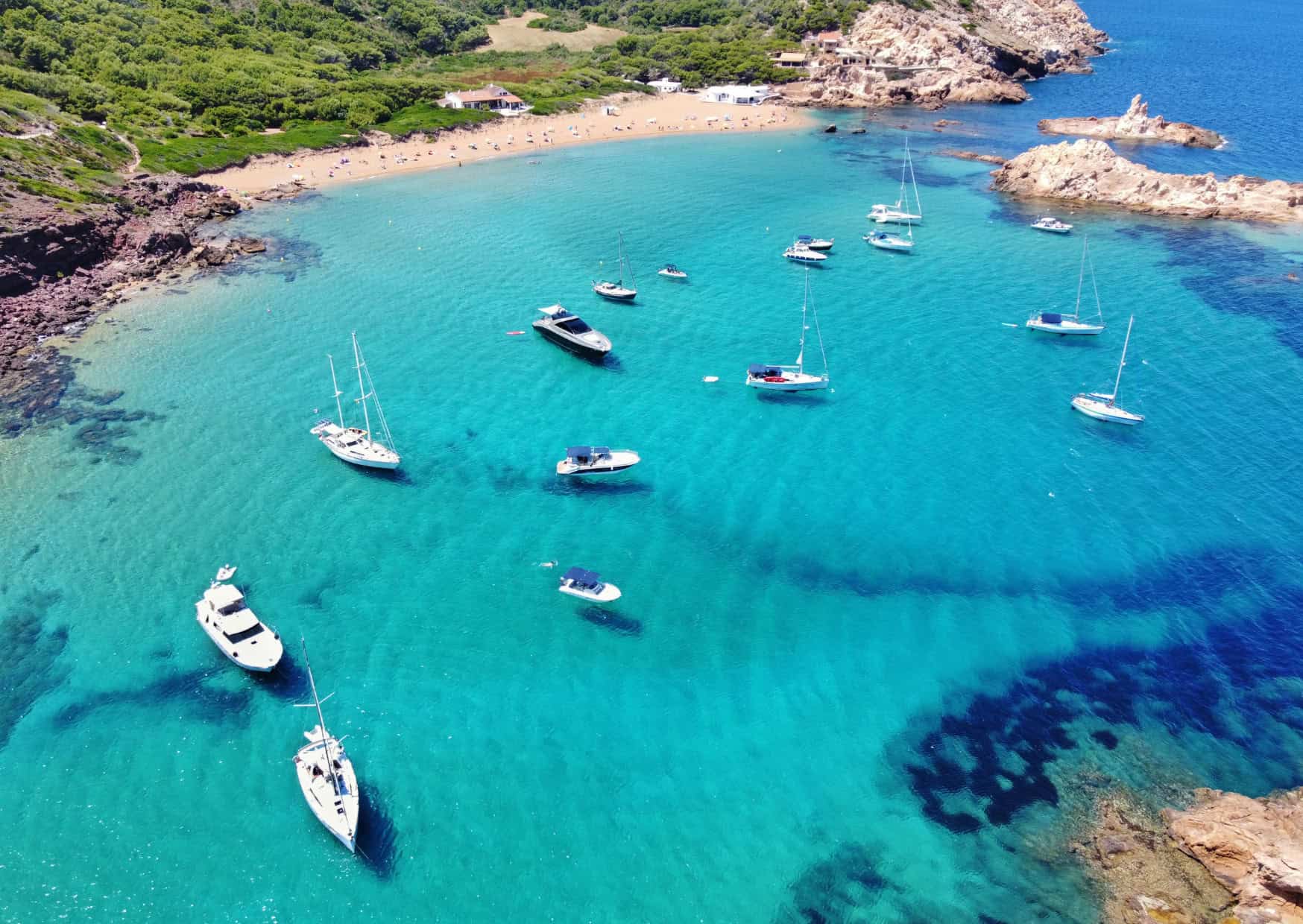
While Mallorca and Ibiza get the headlines, Menorca remains the quieter Balearic sibling with a strong local vibe. Its capital, Mahón, and historic Ciutadella house year-round residents who fish, farm, or work in artisanal crafts.
Local Highlights
- Talayotic heritage: Bronze-age stone monuments (talayots) dot the countryside, part of islanders’ identity.
- Slow tourism: Menorcans defend their tranquil beaches—like Cala Macarella—from overdevelopment, retaining local restaurant owners and fishermen.
- Winter traditions: Off-season sees cozy bars open, local festivals, no mass exodus—life continues.
Bottom Line
Yes, Menorca can get tourists in summer, but come in spring or fall to see the authentic pace—locals out strolling harbors, farmland still thriving, and small villages open for business.
2. Gozo, Malta
Why It’s Special
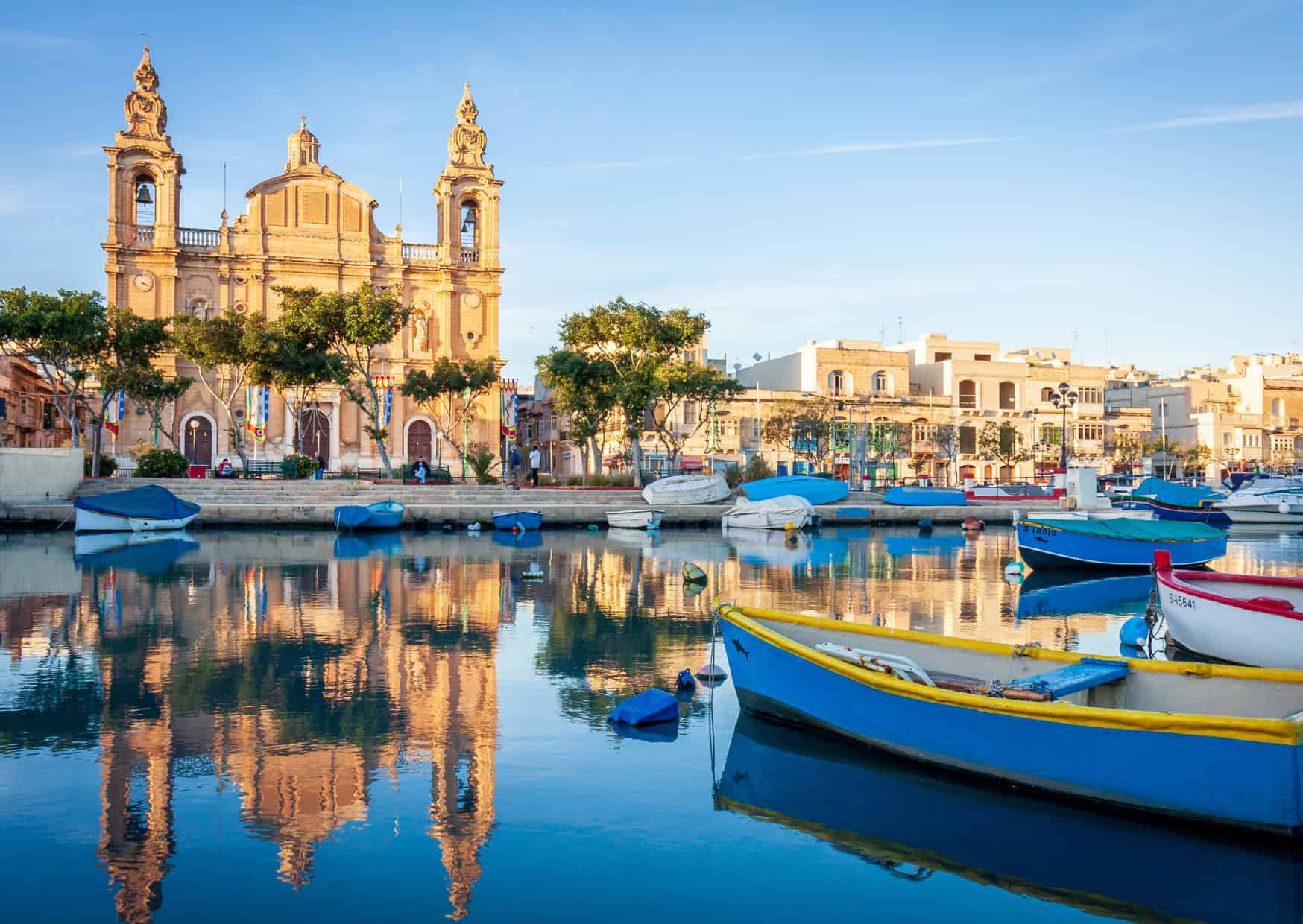
Malta is known for busy Valletta and party scenes in St. Julian’s, but Gozo—a short ferry ride away—keeps a rural soul. Its residents maintain farmland, fishing, and local crafts, living quieter than the main island’s hustle.
Local Highlights
- Victoria (Rabat): The island’s main town, where shops, cafés, and cultural hubs serve year-round folks, not just summer arrivals.
- Salt pans near Marsalforn: Generations of families harvest salt traditionally, something you can watch or even help with.
- Seasonal feasts: Each village holds local “festa,” celebrating a patron saint with fireworks and street food—big for the islanders.
Bottom Line
Yes, Malta’s main island gets cruise ships, but Gozo remains more authentic—handmade cheese, farmland, and close-knit communities year-round.
3. Karpathos, Greece

Why It’s Special
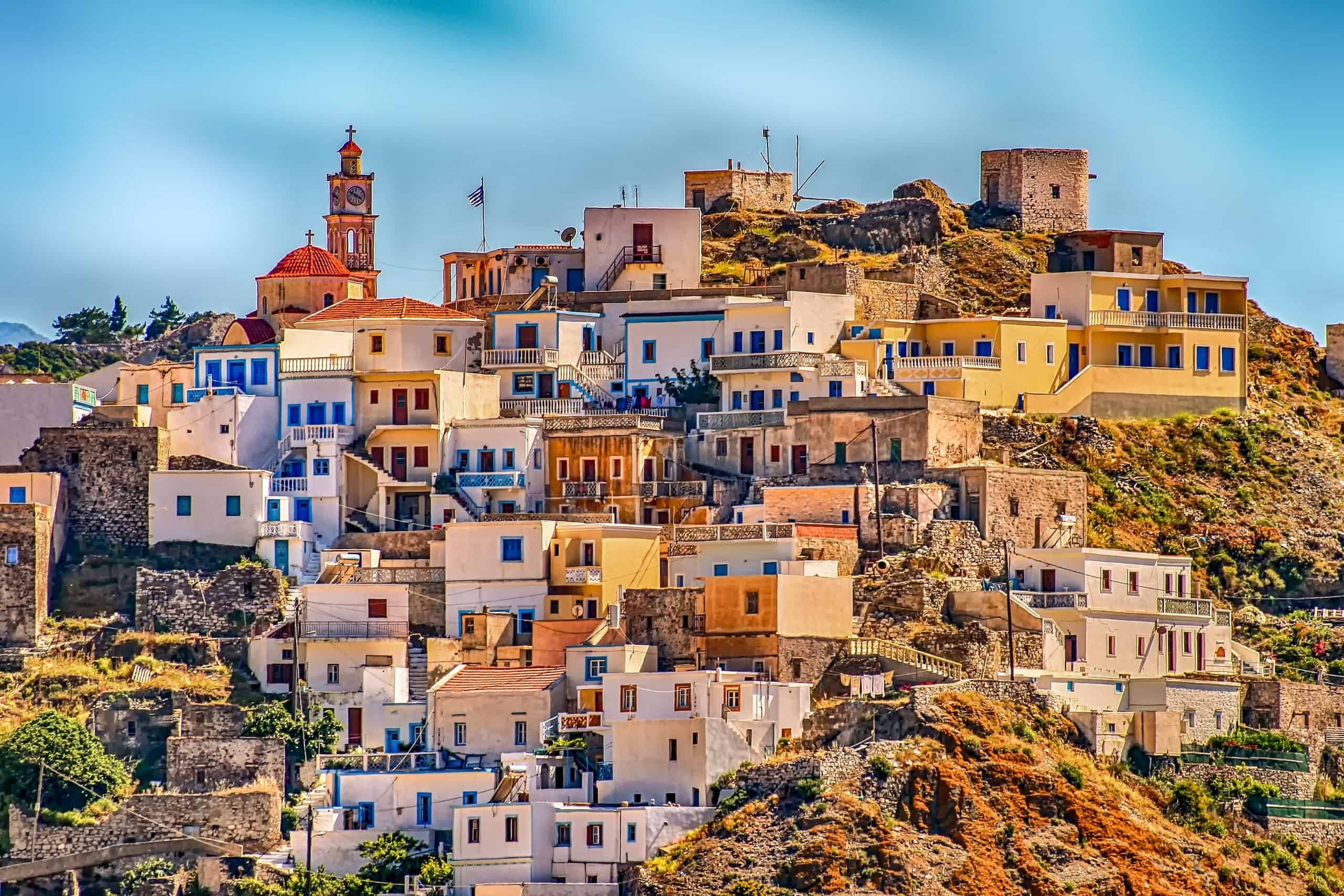
Greece has hundreds of islands. Mykonos or Santorini are tourist meccas. Karpathos, in the Dodecanese, keeps a local-driven economy. Far from immediate ferry routes, it fosters an agricultural and fishing tradition.
Local Highlights
- Olympos village: Women still wear traditional dress daily. Handicrafts and breads reflect centuries-old customs.
- Off-season: Karpathos doesn’t shut down fully in winter; locals remain, herding goats, making local cheese.
- Windsurfing: Tourists come for waves, but many local-run shops and tavernas keep the vibe authentic.
Bottom Line
Yes, Greek islands can get overrun, but Karpathos holds onto its folk culture and year-round residents. Expect minimal clubs, more real Greek hospitality.
4. Corsica, France
Why It’s Special
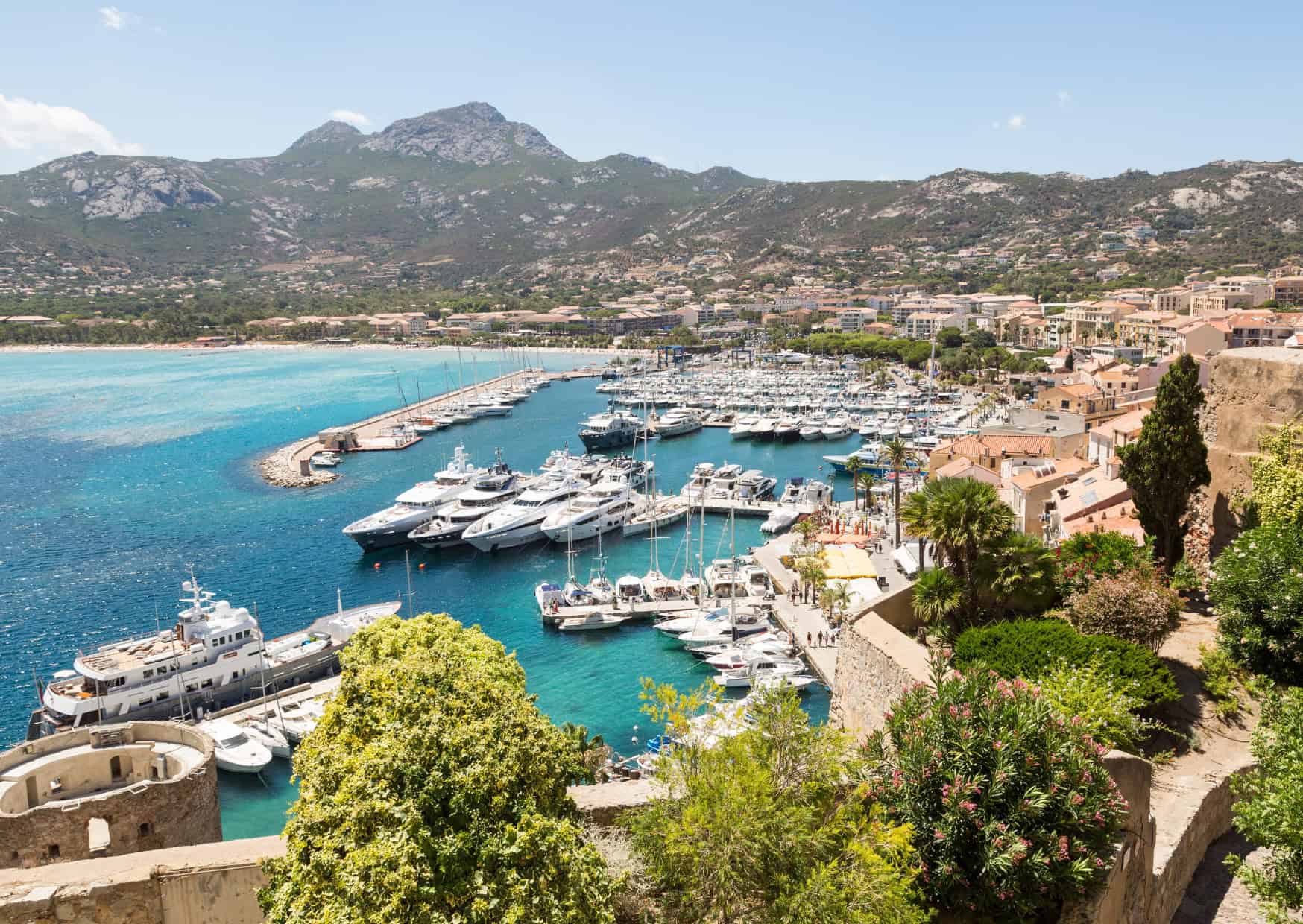
Corsica is known for scenic cliffs and Napoléon’s birthplace, but it’s also fiercely Corsican—not purely a French tourist outpost. Mainland visitors do come, but locals preserve the Corsican language and rural industries.
Local Highlights
- Winter months: Mainland travelers vanish, yet towns like Ajaccio or Corte remain lively, with markets selling Corsican charcuterie and cheeses.
- Mountain villages: Go inland to see chestnut forests, herding communities, local honey production—true island life beyond beaches.
- Strong identity: Corsicans often speak their dialect, pride in local tunes, polyphonic singing traditions.
Bottom Line
Yes, Corsica draws visitors for beaches and scenery, but a deeply local culture flourishes year-round—not a mere summer show for tourists.
5. Favignana, Italy
Why It’s Special
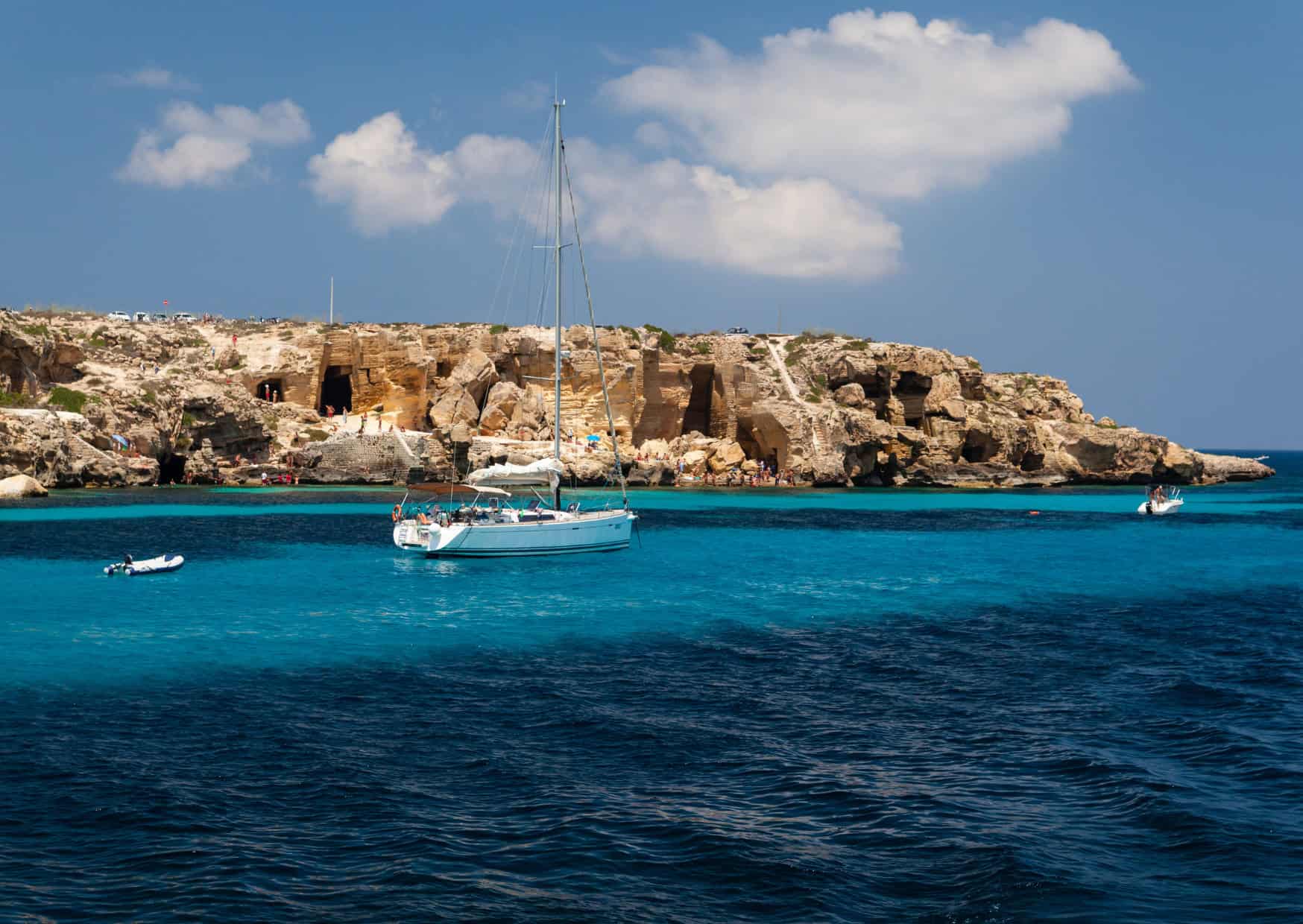
Off the western coast of Sicily, the Aegadian Islands—especially Favignana—retain a local fishing and tuna-processing tradition. While summertime sees more travelers, the island’s small population sticks around all year.
Local Highlights
- Tuna history: The old tonnara (tuna factory) shaped Favignana’s economy; some families still fish by traditional methods.
- Simple living: Past tourist-laden Sicily, Favignana’s beaches and small port remain connected to local farmers, fishers, and artisans.
- Cycling: Locals ride bikes across the flat terrain—cars are fewer, giving the island a laid-back vibe.
Bottom Line
Yes, many Italian islands revolve around tourism, but Favignana’s community endures beyond the summer, maintaining an authentic fishing culture that visitors can witness if they come off-peak.
6. Elba, Italy
Why It’s Special
Elba in Tuscany is famed as Napoleon’s exile spot. Many travelers do quick summer breaks, but Elba holds a real year-round crowd in towns like Portoferraio and Marciana.
Local Highlights
- Mining heritage: Elba once had iron ore mines—some locals still recall that era, preserving industrial archaeology.
- Food culture: Local wine and honey producers operate year-round, not just for tourist season.
- Winter calm: A portion of restaurants do remain open, village squares still gather residents for coffee, no ghost-town effect.
Bottom Line
Yes, Tuscany is known for Florence, Siena, or “Under the Tuscan Sun” farmland. Elba merges seaside charm with a local presence all four seasons, beyond the tourist wave.
7. Cres, Croatia
Why It’s Special
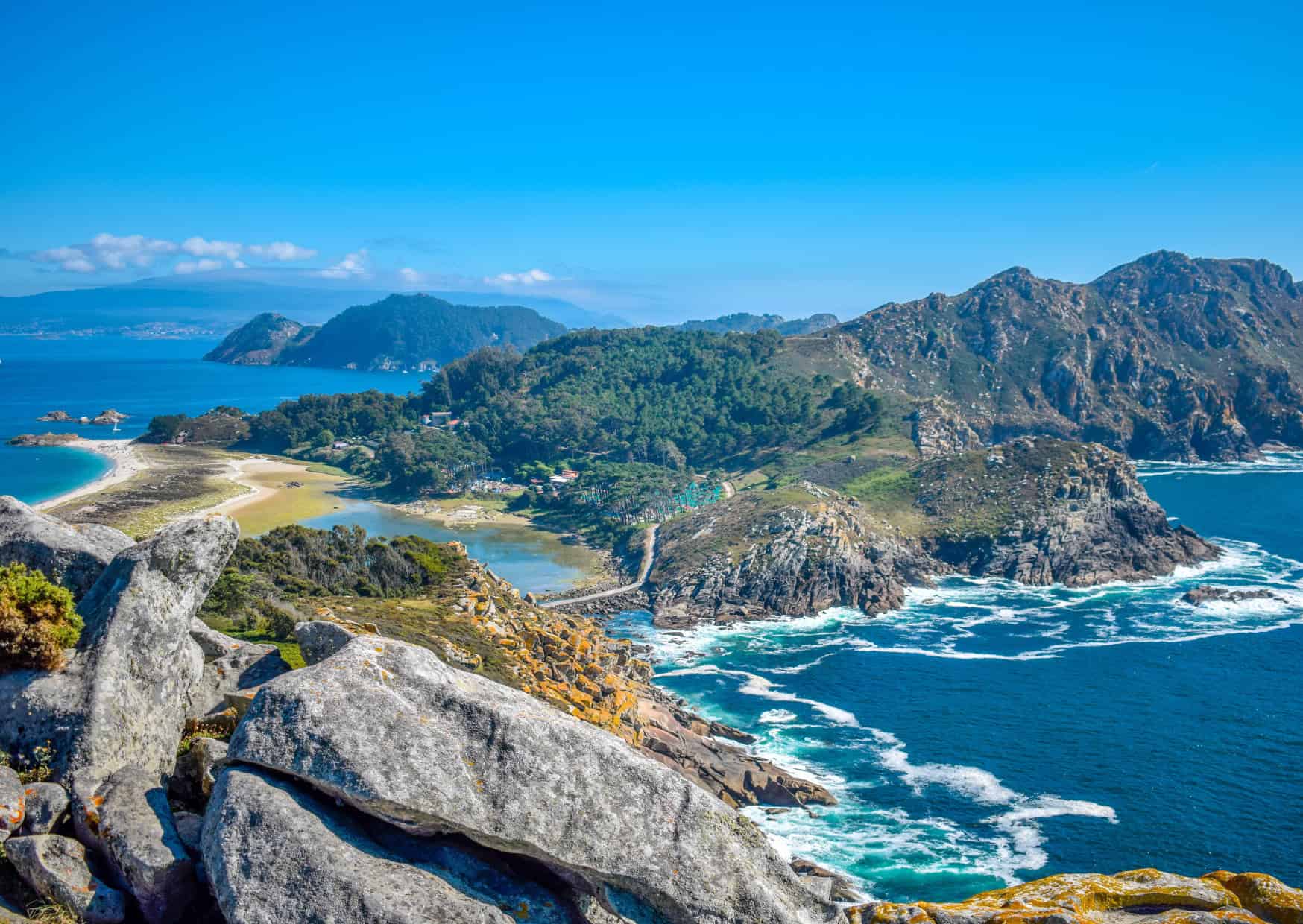
Cres in the Kvarner Gulf is overshadowed by popular Dalmatian islands (Hvar, Korčula). Yet Cres has a strong local economy: fishing, olive groves, cheese-making, plus a stable winter population.
Local Highlights
- Cres Town: The old Venetian architecture brims with local-run konobas (taverns).
- Sheep & olives: Major part of island livelihood—lamb is a signature dish, olives pressed for local oil.
- Quiet winters: Yes, some shops reduce hours, but the harbor area remains alive with year-round families.
Bottom Line
Yes, Croatia’s coastline can be heavily touristic, but Cres fosters real community continuity—go in autumn or spring for that local scene minus the summer chaos.
8. Cíes Islands, Spain
Why It’s Special
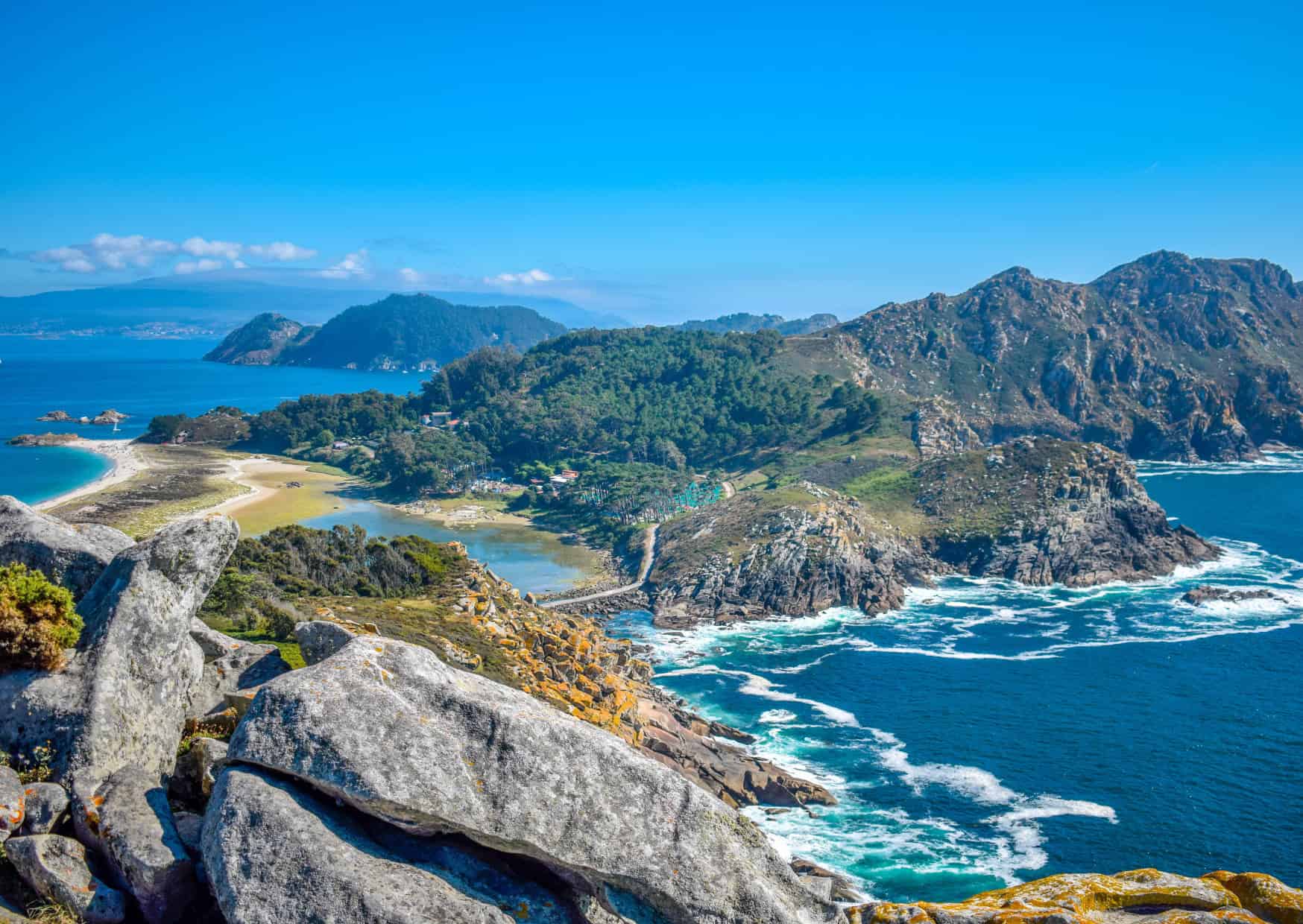
Off the coast of Galicia in northwestern Spain, the Cíes archipelago forms a protected national park. Tourists flood in for day trips, but permanent local staff and a small caretaker community keep it going outside peak season.
Local Highlights
- Nature reserve: Strict conservation rules limit development, so no huge hotel complexes.
- Seafood: Local fishers supply markets in nearby Vigo, bridging island life to the mainland.
- Season closure: In winter, fewer ferries run, but rangers and a handful of locals remain, safeguarding wildlife.
Bottom Line
Yes, most visitors see the Cíes as a day trip, but a tiny local presence endures beyond tourism—a prime example of an island upholding natural treasures with minimal year-round dwellers.
Conclusion: More Than Summer Stages
From Menorca to Gozo, these 8 Mediterranean islands stand apart from the typical tourist traps that shut down once visitors leave. Here, the local population persists—fishing, farming, and celebrating regional customs all year. If you crave real island life, skip the high-season mania and come off-peak—watch how these communities truly function. You’ll see authentic trades, family-run businesses, age-old traditions, and a sense of belonging that typical “holiday islands” might lack once the lights go down.
Pro Tip
Visit outside the summer rush—autumn or spring—when these islands reveal their genuine character. Check ferry schedules, as off-season transport can be limited. And if you’re staying, support real local ventures: buy from family groceries, eat in year-round taverns, book licensed homestays. That way, you’ll help sustain the communities that keep these islands alive 365 days a year. Enjoy discovering a Mediterranean few outsiders truly witness!
These Mediterranean islands remind us that travel isn’t always about flashy beaches or five-star luxury—it’s about connection. It’s about walking through quiet villages where life moves slowly, where locals greet each other by name, and where traditions haven’t been replaced by tourism trends.
By visiting these lesser-known islands, you’re not just exploring stunning landscapes—you’re participating in the preservation of a way of life. The slower rhythm, the emphasis on food and family, and the deep-rooted cultural pride all offer something tourists often say they want: realness.
So if you’re looking for places where locals still live—not just work to serve tourists—start with these eight islands. They don’t just give you a vacation; they give you perspective.

About the Author: Ruben, co-founder of Gamintraveler.com since 2014, is a seasoned traveler from Spain who has explored over 100 countries since 2009. Known for his extensive travel adventures across South America, Europe, the US, Australia, New Zealand, Asia, and Africa, Ruben combines his passion for adventurous yet sustainable living with his love for cycling, highlighted by his remarkable 5-month bicycle journey from Spain to Norway. He currently resides in Spain, where he continues sharing his travel experiences with his partner, Rachel, and their son, Han.