
How law, culture, and incentives make Germany end the day on time while the United States rewards staying late
You can feel the shift at a German office around five in the afternoon. Desks clear. Calendars go dark. The word people use is Feierabend, which means the workday is over and life resumes. No one lingers to look busy. No one fakes extra hours for points. The day ends because the system expects it to end.
Across the Atlantic, many salaried Americans sit out the early evening under fluorescent lights, half working and half signaling that they are still available. There is no universal law that protects the evening. There is also a long list of reasons to stay, from exempt overtime rules to the fear of missing an after hours message. The contrast is not about personality. It is about rules, institutions, and what each system pays for.
Want More Deep Dives into Other Cultures?
– Why Europeans Walk Everywhere (And Americans Should Too)
– How Europeans Actually Afford Living in Cities Without Six-Figure Salaries
– 9 ‘Luxury’ Items in America That Europeans Consider Basic Necessities
The law that quietly ends the day

German working time rules set a hard frame. The default limit is eight hours per day, the weekly cap is forty eight hours on average, and the gap between one day and the next must include eleven hours of uninterrupted rest. The law also requires breaks once a shift crosses six hours. You can extend a day to ten hours only if the longer days are balanced so the average returns to eight across the reference period. These are not soft guidelines. They are enforceable rules that shape how managers schedule and how employees plan the evening. verwaltung.bund.deBundesagentur für ArbeitZMI
Those daily and weekly limits sit inside European minimums. Every worker in the European Union is entitled to eleven hours of daily rest, a weekly rest period on top of that, and at least four weeks of paid annual leave. German law meets or exceeds those floors. When the legal baseline assumes you should go home, you usually do. Daily rest, weekly rest, paid leave are the foundations of a normal five o’clock exit. European Union
Why five o’clock is real in daily life
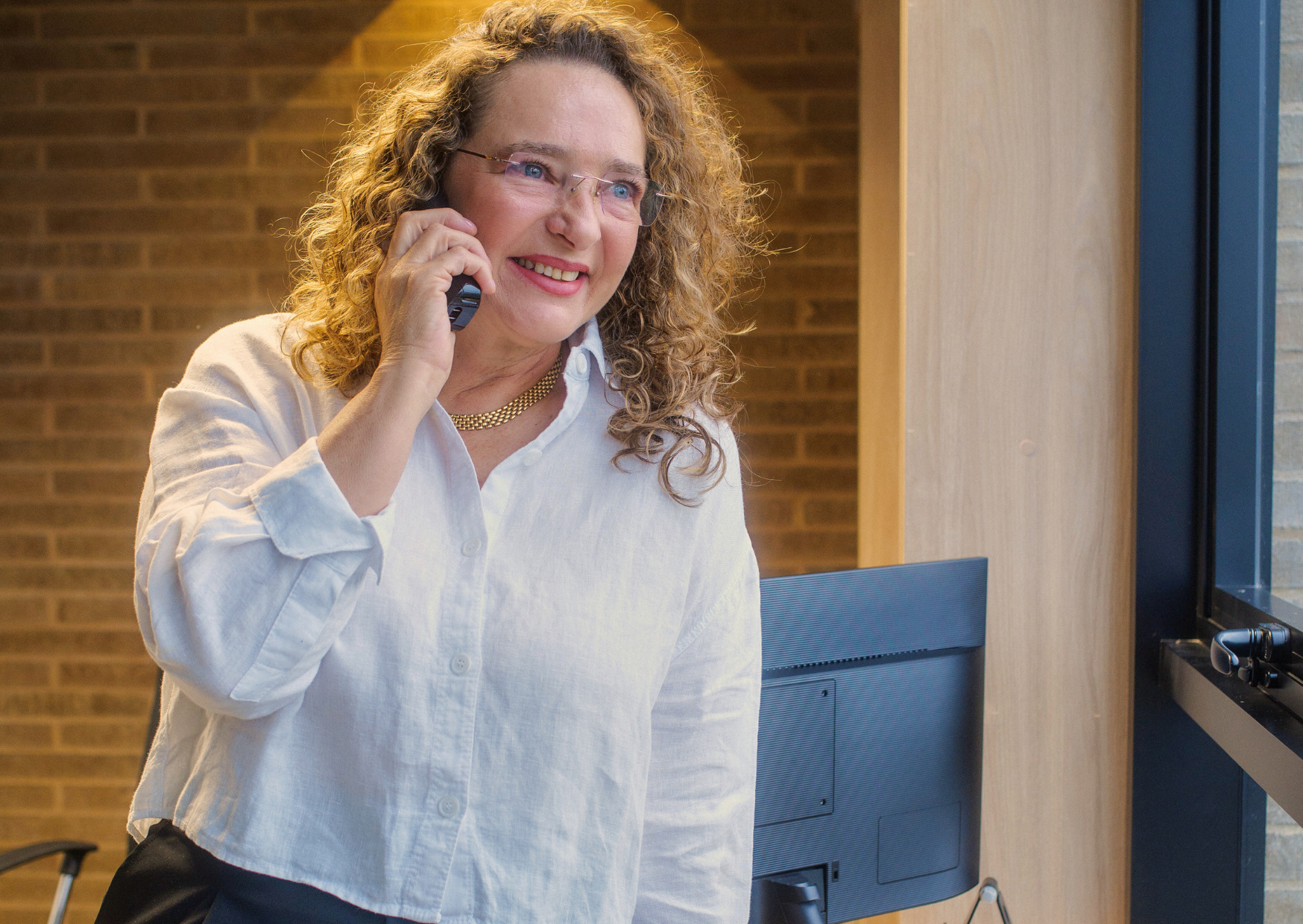
Cultural language reinforces the legal frame. Feierabend is not an empty word. It signals that work time is finished and personal time begins. In many teams that means no meetings after late afternoon, no casual messages in the evening, and no expectation that you will explain why you are not online. Feierabend as a social norm, calendars that end on time, no evening check in are small habits that make leaving ordinary rather than defiant. ExpathBoundless
The same society also treats Sunday as a quiet day by design. Most retail stores remain closed and even automated shops have faced court fights to respect a day of rest. The effect is subtle. If the country is not open for business, managers have fewer reasons to push work into nights and weekends. Protected Sundays, predictable closure, less spillover into evenings are background facts that protect weekday evenings too. Financial TimesFortune
Records and councils keep hours honest
Two institutions keep schedules from drifting. First, employers must record working time. A 2022 decision requires companies to track start and stop times and overtime, which makes long days visible and therefore hard to normalize. Time recording, visible overtime, documented rest turn extra hours into a compliance risk rather than a badge of honor. Pusch Wahlig Workplace LawWorkForce Software
Second, works councils have real power over hours. A council can co determine overtime and even block changes to schedules if they are not agreed. That means managers cannot quietly stretch the day by habit. They must negotiate. Council consent, overtime control, collective guardrails keep five o’clock from sliding to seven. www.hoganlovells.com
Overtime exists, but it is bounded

Germany does not ban overtime. It makes it limited, compensable, and monitored. The general rule is that extra hours must be paid or offset with time off, within the legal caps on daily and weekly work and the eleven hour rest between days. Because overtime shows up in a time recording system and may require works council sign off, it is treated as an exception instead of the default rhythm of a white collar job. Pay or time off, legal caps, paper trail change the incentive to hang around. employmentlawwatch.com
Paid time off is not a perk to be bargained
German law guarantees paid vacation that is meaningful. The statutory minimum is twenty days with a five day week, and many contracts or collective agreements lift the total to twenty five to thirty days. Because leave is a right, managers plan around it and teams expect colleagues to be truly away. Guaranteed vacation, realistic totals, planning built in relieve some of the pressure to compensate by being present every evening. DestatisMayr – Kanzlei für Arbeitsrecht
Rest is rest, not an invitation to message
Even without a national right to disconnect, the eleven hour daily rest serves a similar function. If you must guarantee that gap between shifts, managers are careful about evening emails and late video calls. Large European companies have long experimented with after hours email curfews and vacation inbox resets. In practice, plenty of teams still message at odd times, but the legal shape of the day points the other way. Eleven hour gap, company level curfews, vacation email discipline support an earlier and cleaner stop. Employment, Social Affairs and InclusionWikipediaTIME
The American system pays for staying late
The United States built a different set of incentives. There is no federal guarantee of paid vacation, and paid time off depends on employer policy. Typical private sector packages run about ten paid vacation days after one year, rising with tenure, which encourages saving leave and working longer days to prove commitment. No legal PTO floor, shorter averages, signal through presence all tilt evenings toward work. DOLBureau of Labor Statistics+1
Overtime rules also cut the other way. Many salaried Americans are exempt from overtime under federal law, which means evening hours are not paid as extra. When the meter does not run, managers and peers learn to expect availability after five. Exempt status, no extra pay, availability as loyalty make late evenings common even in mild weeks. DOL+1
Hours add up over a year

The time totals show the difference. OECD data place Germany near the low end of annual hours worked in advanced economies, while the United States sits higher. Exact numbers move with the economy, but the German average year is shorter, the U.S. average is longer, and that gap reflects both culture and law. Fewer hours overall, more hours overall, structure not myth is the honest summary of the two systems. OECD Data Explorer
Meetings, childcare, and the shape of a day
Boundaries are reinforced by everyday logistics. Many German teams cluster meetings between nine and four, which leaves a protected last hour to wrap up and leave on time. Parents also plan around childcare pickup windows and early evening sports, which are treated as normal parts of a weekday and not as special favors. Meeting windows, family schedule, normal early evenings make five o’clock departures feel like the default rather than a request.
Even in firms with global clients, the legal rest period and local scheduling habits put pressure on managers to choose earlier slots or the next morning rather than the late night call. The path of least resistance runs through the afternoon, not the evening. Rest period pressure, morning alternative, less late night friction nudge behavior toward daytime solutions.
What looks like pretending is often signaling

When Americans stay until eight without real tasks in hand, they are not necessarily lazy. They are responding to uncertain expectations, status games, and anxious incentives. If your overtime is unpaid, your vacation is short, and your job is at will, staying visible can feel like insurance. If your leadership trades in heroic narratives about grinding, you will learn the right hours to be seen. Visibility as insurance, hero culture, at will anxiety explain why sitting late survives even in light workloads.
German offices have their own theater, but the stage goes dark earlier. The law and the calendar reduce the payoff from being seen after hours, and colleagues expect the evening to belong to family or friends. The social script rewards leaving, not lingering. Low payoff for staying, high norm for leaving, evenings that are private are the reason the same people behave differently in two places.
How Americans can copy the parts that work
You do not need a new passport to improve evenings. If you manage a team in the United States, agree on meeting windows that end by late afternoon, set response time standards that exclude evenings, and move big work into core hours. If you are an employee, set calendar boundaries, shift deep work to the morning, and tell people when you are offline. Clear windows, response norms, quiet mornings replicate the German feel inside American rules.
For cross border teams, use two handoffs per day to move projects along without late calls. Post written updates before your own evening, then let Europe or the East Coast pick up. The next morning, read, decide, and move. Handoffs instead of meetings, written updates, morning decisions let five o’clock be five o’clock for everyone more often.
The trade you make when you leave on time

Ending the day at five is not about doing less work. It is about moving work into the middle of the day, using shorter meetings with clear outcomes, and trusting that rest makes tomorrow faster. Germany built rules that help that trade stick. The United States can borrow the habits even if the law does not change. When you see a floor empty at five in Berlin, you are not seeing people who care less. You are seeing a system that decided evenings are part of a normal life.

About the Author: Ruben, co-founder of Gamintraveler.com since 2014, is a seasoned traveler from Spain who has explored over 100 countries since 2009. Known for his extensive travel adventures across South America, Europe, the US, Australia, New Zealand, Asia, and Africa, Ruben combines his passion for adventurous yet sustainable living with his love for cycling, highlighted by his remarkable 5-month bicycle journey from Spain to Norway. He currently resides in Spain, where he continues sharing his travel experiences with his partner, Rachel, and their son, Han.