
(How French “cantine” pricing, subsidies, and standards turn a hot multi-course lunch into an everyday right)
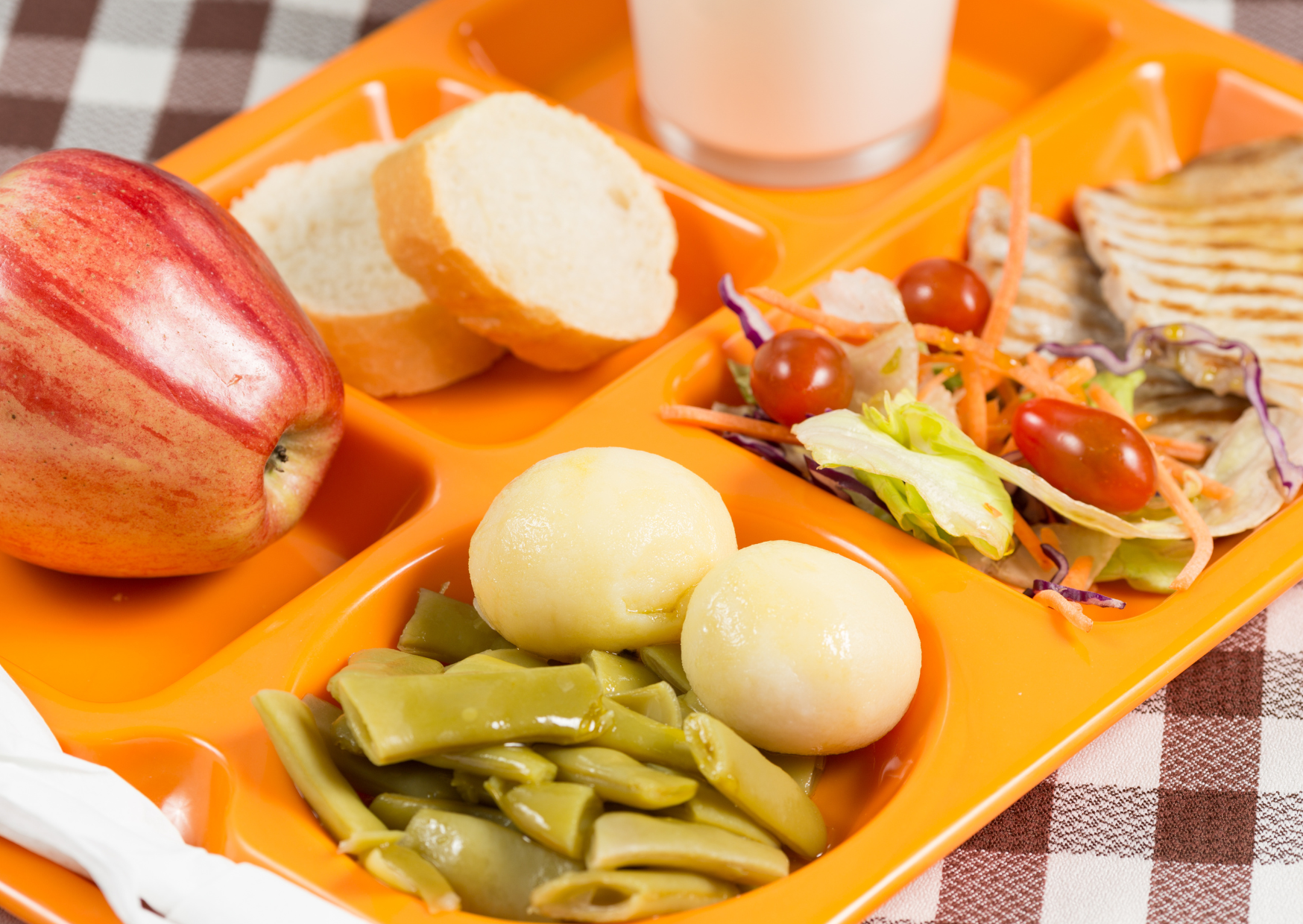
Walk into a French primary school at noon and you see stainless-steel trays sliding down a line with surprising calm. There is an entrée, a hot main with a vegetable side, a dairy serving, fruit or a simple dessert, bread on the table, and pitchers of water. Children sit for an unhurried lunch, then head to recess or supervised study. Parents don’t pack a bag. They don’t ask for a PIN code to load at a kiosk. They pay a small, predictable bill at month’s end—often around €2 per meal for ordinary families, and as low as €0.50–€1 for the lowest-income bracket where the policy exists.
On the other side of the Atlantic, many American districts still charge $3 to $5 for a paid student lunch, with à-la-carte extras pushing real register totals higher. Some states fund universal meals; others don’t. By the time a student adds a second entrée or a drink, the out-of-pocket can land close to the $8–$10 that families feel, even though the posted “meal price” is lower. The French system doesn’t flirt with that math. It prices by ability to pay, it subsidizes the difference, and it standardizes what’s on the tray.
Want More Deep Dives into Other Cultures?
– Why Europeans Walk Everywhere (And Americans Should Too)
– How Europeans Actually Afford Living in Cities Without Six-Figure Salaries
– 9 ‘Luxury’ Items in America That Europeans Consider Basic Necessities
What “€2” really means in a French cantine
Across France, municipal school meals are billed using the quotient familial, a sliding-scale indicator derived from household income and size. Cities publish a tariff grid: the lowest band pays cents, the top band pays a few euros, and everyone else lands in between. Paris’ official grid for 2025 keeps a 10-band range from about €0.13 to €7 per meal, with most families clustered in the low middle. Bordeaux lists midday costs between €0.48 and €6.90 per child, explicitly stating that the city covers the difference to the real cost. In Lyon, families are told up front that a collège lunch “varies between €1 and €6” depending on the quotient. Those are public numbers, not marketing. Transparent bands, income-based pricing, communal subsidy—that is how the “€2” typical charge happens.
There is also a national “cantine à 1 €” support scheme for municipalities that adopt true social pricing. When a commune commits to a tariff with at least three income bands and a €1 maximum for the lowest bracket, the state contributes a per-meal subsidy to make the math work. In some regions—Île-de-France for public lycées, for example—the lowest band has been held at €0.50 per meal again for the 2025–26 year. Social tariff, €1 floor, regional top-ups mean many children eat for pocket change while everyone else pays a modest, published price.
The part parents never see: the real cost and who pays it
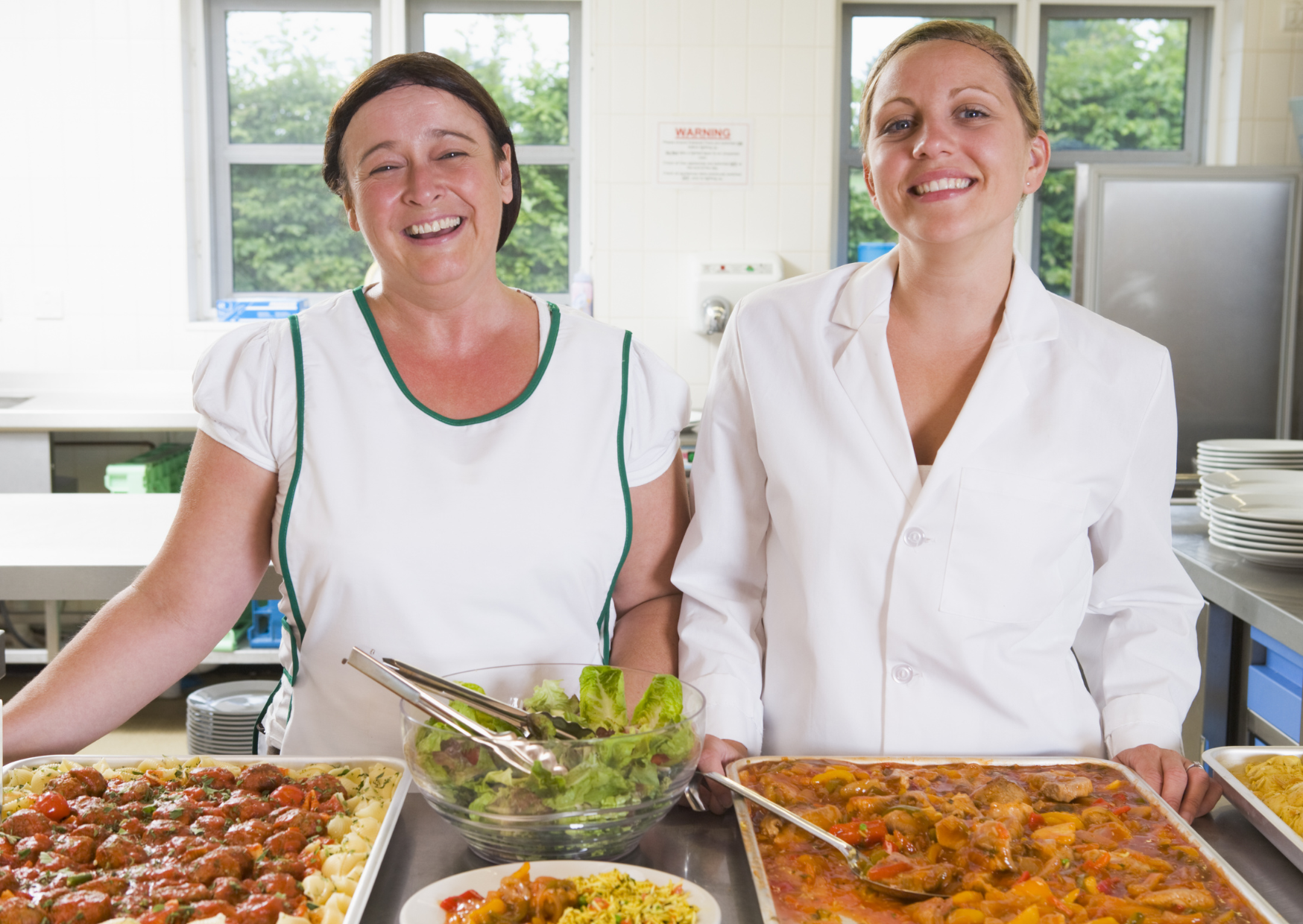
Talk to a French finance director and they will tell you the city’s books, not families, carry the burden. Municipal documents routinely peg the real cost of a school meal around €7–€10, depending on staffing, energy, and procurement. Families are billed their slice; the commune covers the rest. One 2025 rollout of “tarification solidaire” states it plainly: real cost ~€9.50, family invoices €2.30 to €5.50, and the city pays the gap. That is the structural difference with U.S. districts that must balance federal reimbursements, state decisions, and local politics while still charging families in many places. Published true cost, subsidy above the line, low, stable bills—that is how French cities keep lunch ordinary. Jean D’Arcet
What lands on the tray and why it’s consistent
French school meals follow national rules. The Education Ministry says a canteen should offer four or five components at lunch: a main course with a side, a dairy product, and either an entrée or a dessert—with bread and water available without restriction. Operational guides add detail: when meals run to five components, a dairy item must appear in the entrée or dessert; water is the only necessary beverage; and portion sizes follow age bands. The result is a predictable structure that repeats across the country. Standard components, free water and bread, age-appropriate portions—families know what a “complete meal” means. Education MinistryRéférentiel Restauration Collective
The law that improved quality and still kept prices low
Since 2019, French public canteens have been reshaped by the EGalim reforms. The rulebook now requires at least 50% “sustainable and quality” products, including 20% organic, and it locks in a weekly vegetarian menu. After a two-year pilot, the weekly vegetarian option became permanent under the Climate and Resilience law. Cities pair those rules with procurement that favors seasonality and less ultra-processed food. For parents, it means a tray that looks closer to home cooking than industrial food. 50% sustainable, 20% organic, weekly vegetarian—signposts for quality without turning lunch into an upscale expense. draaf.occitanie.agriculture.gouv.fr+1Territoires Bio
Time, calm, and the mid-day culture
French primary schools famously protect the midday break. Many give at least 30 minutes of seated time within a longer pause that includes recess or structured activities. That time budget matters, because children can taste, talk, and finish rather than inhale calories before the bell. Supervisors steer tasting rules (try the entrée; finish the dairy; take fruit if you skip dessert) without turning lunch into punishment. The culture is simple: eat together, eat real food, don’t rush. Even in secondary schools where service shifts to a self-service line, the components and rules remain. Education Ministry
How families enroll and get the low tariff
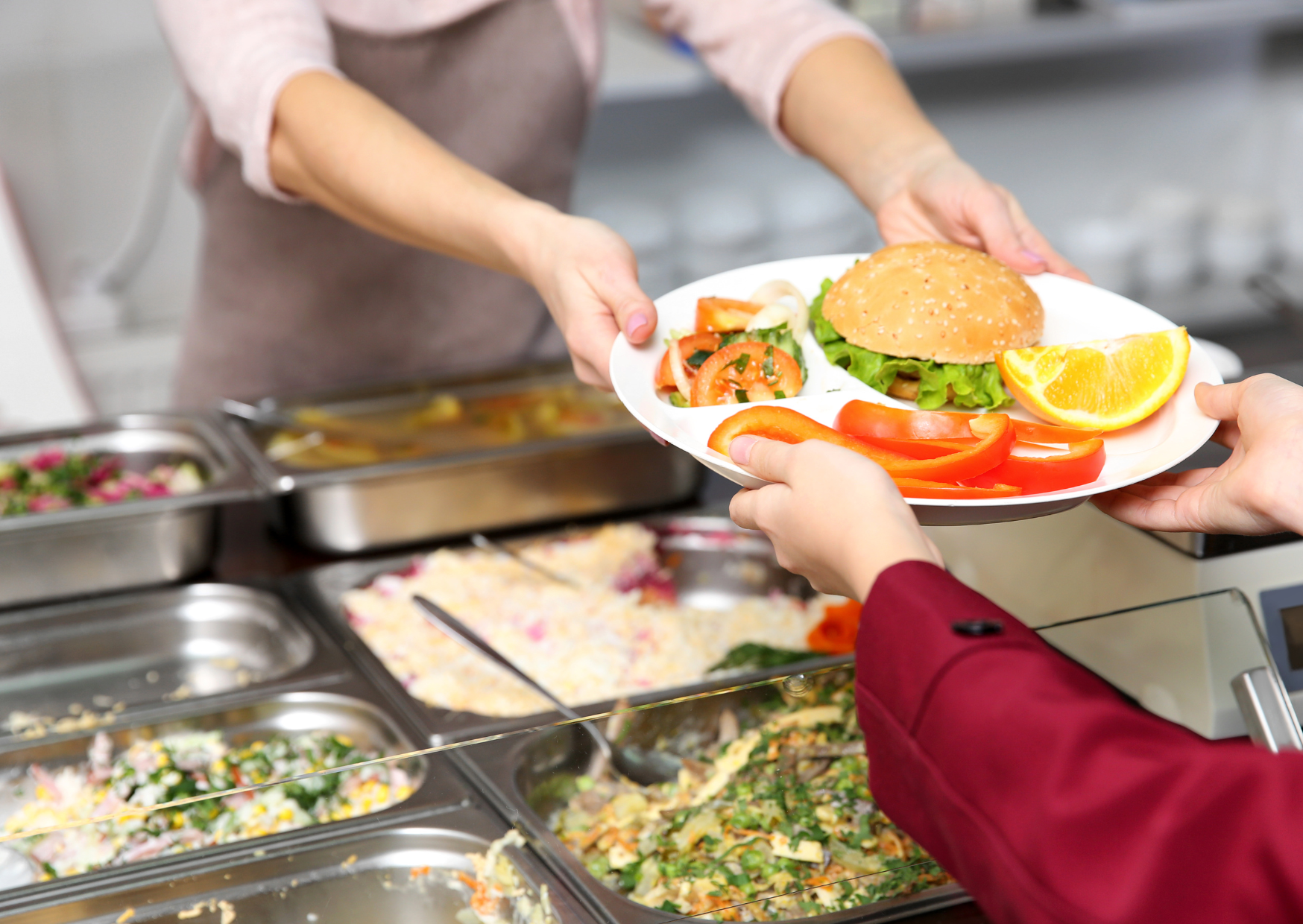
Administrative friction is minimal once you know the sequence. Parents update the quotient familial each year (often through a portal or at a city office), and the tariff band automatically sets the price on all monthly bills—lunch, after-school care, activities. Paris makes the annual refresh explicit, tying bills to the updated quotient; Lyon and other cities use similar systems. The lesson for newcomers is practical: submit the quotient, check your band, watch the invoice. If you forget, cities warn that you will be billed at the highest band until you file. Annual update, one number for all city services, automatic billing—that admin backbone keeps prices low without paperwork every week.
The American comparison parents actually feel
In the U.S., the federal program underwrites meals, and many states now fund universal free meals. Where that exists, out-of-pocket is zero. Where it does not, districts set paid student prices. Current examples: a Connecticut suburb moving to $4.30–$4.55 for lunch in 2025–26; large districts in Georgia and Texas listing $3.10–$4.00 for students and $5.00 for adult lunches. That is before add-ons. District price sheets put milk or water at $1 and second entrées at $2–$3, which is how a hungry teenager who buys a main, a second portion, and a drink can ring up $7–$10 in places without universal free meals. Families feel posted price, extras, fees—not just reimbursement formulas.
U.S. school nutrition directors also report that the cost to produce a lunch often exceeds what districts are allowed to charge or are reimbursed, which is why annual price bumps and funding pushes keep appearing. The School Nutrition Association’s 2025 papers ask for higher federal reimbursement, and USDA’s own tables adjust rates each July. That policy churn is invisible to a child at the register, but it explains why posted prices climb even when menus stay modest. Production costs up, reimbursements lag, local prices ratchet—that is the U.S. pattern in districts without state-level universal free meals.
Why French trays look “bigger” for less money

A French “repas complet” is designed around components, not calories. That means a small salad or soup, a protein with vegetables, a yogurt or cheese, and fruit—with bread and water by default. Nutrition circulars enforce service frequencies for red meat, fish, legumes, and desserts across multi-week cycles to keep variety high. Because components are non-negotiable, cities can standardize procurement, demand better raw ingredients, and portion to age. Families buy a complete meal, not a tray assembled from à-la-carte parts. Fixed components, frequency rules, age-based portions are why the value per euro is obvious on a French tray.
Allergies, special diets, and vegetarian days
French law braids nutrition with public health. The weekly vegetarian menu isn’t just a climate gesture—it creates a legume-rich default that many families choose even on non-veg days. For medical diets, parents typically supply a PAI (individual care plan) for allergies; kitchens already operate with no soda and restricted ultra-processed options, and water is free at will. The point is predictability. Vegetarian once a week, free water always, care plans on file keep lunch inclusive without turning the line into a buffet.
If you’re moving to France with kids
Three steps keep lunch simple from day one. First, register with the city, then file your quotient familial so the right band applies. Second, enroll for restauration scolaire and after-school care together; many cities bundle settings in one portal. Third, read the posted menus—they are published weeks ahead, with icons flagging fish, pork, vegetarian, or local/organic items. If your child needs substitutions, deliver the PAI early. The upshot for a newcomer is easy to feel: one account, one sliding scale, predictable menus.
When €2 isn’t the number

Not every French family sees €2 on the bill. Top-band households in Paris can pay around €7; some secondary schools use different grids; private schools set their own terms. If you don’t file the quotient, cities often default to the highest band until documents arrive. And in small communes without central kitchens, transport and staffing can lift the real cost even if the billed price stays modest. The model still holds: publish the grid, bill by income, subsidize the rest. High band realities, paperwork deadlines, rural logistics explain outliers without changing the rule.
What the comparison really says about priorities

French school lunch is a public service first and a family bill second. The state and communes decide what a good meal looks like, set the quality rules, and backfill the cost so the price at the register doesn’t swing with inflation. American districts do heroic work on tight budgets, and some states have now made lunch universal and free—a move families immediately notice. Where that isn’t in place, out-of-pocket charges, à-la-carte temptations, and rising production costs create a price experience that often feels closer to $8–$10 than a simple posted line. The French canteen shows another way: component-based menus, income-based pricing, public subsidy—a quiet system that feeds children well without turning every noon into a checkout dance.

About the Author: Ruben, co-founder of Gamintraveler.com since 2014, is a seasoned traveler from Spain who has explored over 100 countries since 2009. Known for his extensive travel adventures across South America, Europe, the US, Australia, New Zealand, Asia, and Africa, Ruben combines his passion for adventurous yet sustainable living with his love for cycling, highlighted by his remarkable 5-month bicycle journey from Spain to Norway. He currently resides in Spain, where he continues sharing his travel experiences with his partner, Rachel, and their son, Han.