
Small places with big character, local prices, and room to breathe in 2025
Leave Lisbon and Porto and the map changes mood. Roads narrow. Bells keep time. You start to hear swallows under the eaves and the river before you see it.
Ask a local where to go and they don’t say the places on tote bags. They point to towns built in stone and patience—hilltop rings, river bends, white streets that sleep after lunch and wake for dinner.
You notice what isn’t there. No cruise clocks. No lines for a photo spot. Men play cards in the shade; a baker lifts loaves from a wood oven; a kid rides a bike that’s been fixed three times.
Prices feel local because the place still is. A room above a café. Bread that tastes like grain. Wine poured from a jug without a label.
You have a role here. Arrive light. Book family-run. Walk inside the walls. Keep voices low at night. If a town moves more slowly than you do, let it win.
Want More Deep Dives into Other Cultures?
– Why Europeans Walk Everywhere (And Americans Should Too)
– How Europeans Actually Afford Living in Cities Without Six-Figure Salaries
– 9 ‘Luxury’ Items in America That Europeans Consider Basic Necessities
Viana do Castelo, Minho coast
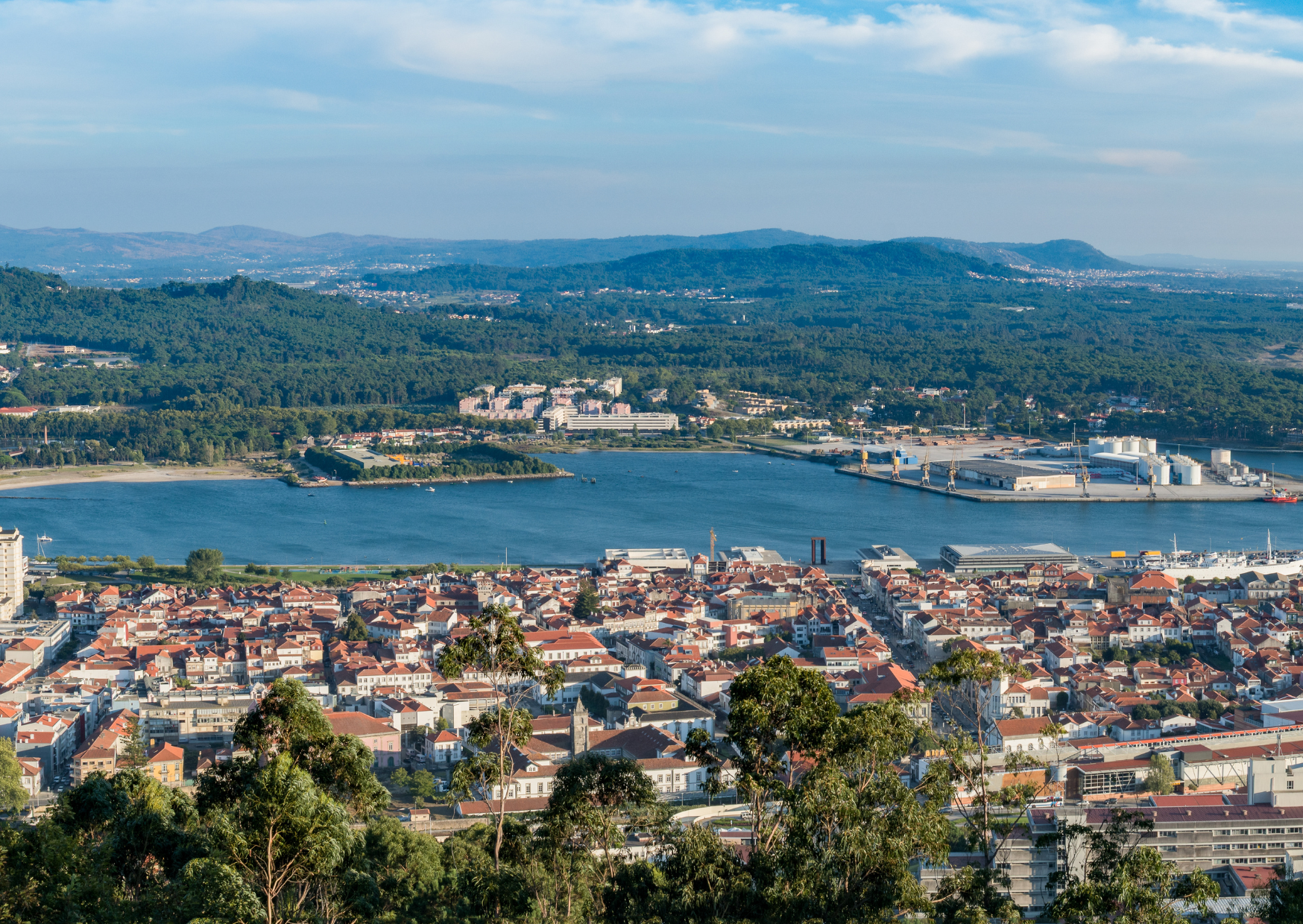
A Douro day trip will not bring you here, which is part of the appeal. Viana sits where the Lima River meets the Atlantic, a compact town of tiled facades, working shipyards, and a hilltop sanctuary that watches over it all. Take the old funicular to Santa Luzia for a view that explains the geography in one sweep. Walk back down for a bowl of caldo verde and a glass of vinho verde. On windy afternoons the long crescent of Praia do Cabedelo fills with kites and sails, so evenings are calm and local again.
Why it stays under the radar Lisbon and Porto dominate American itineraries. Minho coastal towns see more Portuguese and Spanish visitors, plus European boardsport travelers.
When to go Late May through September for light until ten and consistent wind, or October for quiet streets and clear views.
Good manners Book small family hotels, skip short term party rentals, and use the ferry or your feet to reach the beach rather than hunting free roadside parking in the dunes.
Ponte de Lima, the oldest vila
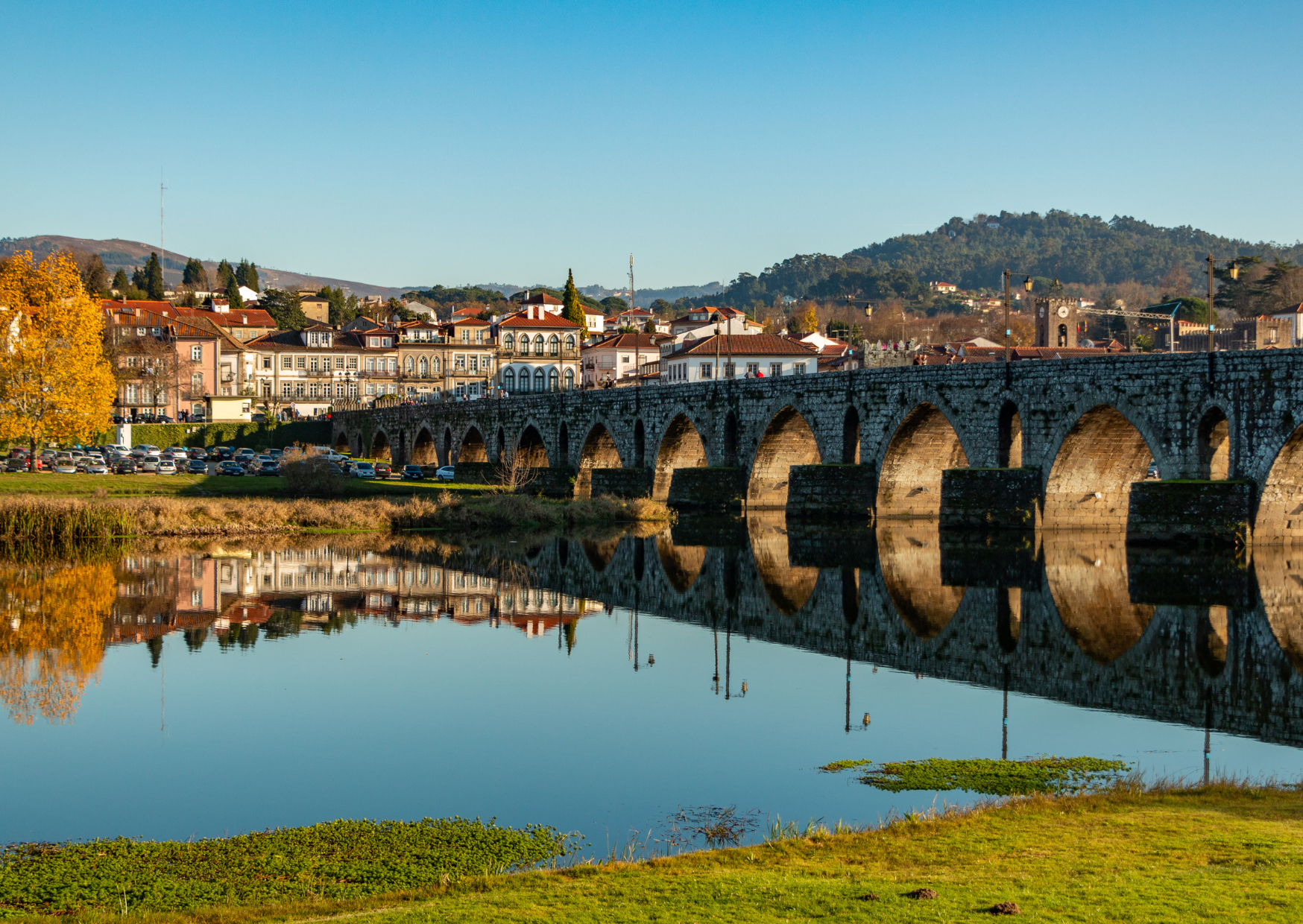
Ask any Portuguese gardener about Ponte de Lima and they smile. This riverside town is famous for its annual garden festival and for the Roman and medieval bridge that gives the place its name. The rhythm is slow. People stroll the river walk, taste loureiro wines at tiny producers, and eat sarrabulho rice on cool days. Narrow lanes lead to tiled chapels and granite manor houses. The town calls itself the oldest chartered vila in the country, and it feels exactly like a place that has had time to get comfortable.
Why it stays under the radar There is no airport nearby and no cruise pier. Most foreign groups pass it between Porto and the Spanish border without stopping.
Best day Monday to Friday when markets and bakeries open early and the river is a mirror.
Good manners Wander slowly and buy tasting pours rather than rushing through flights. The smallest producers notice how you behave.
Miranda do Douro, language on the cliffs
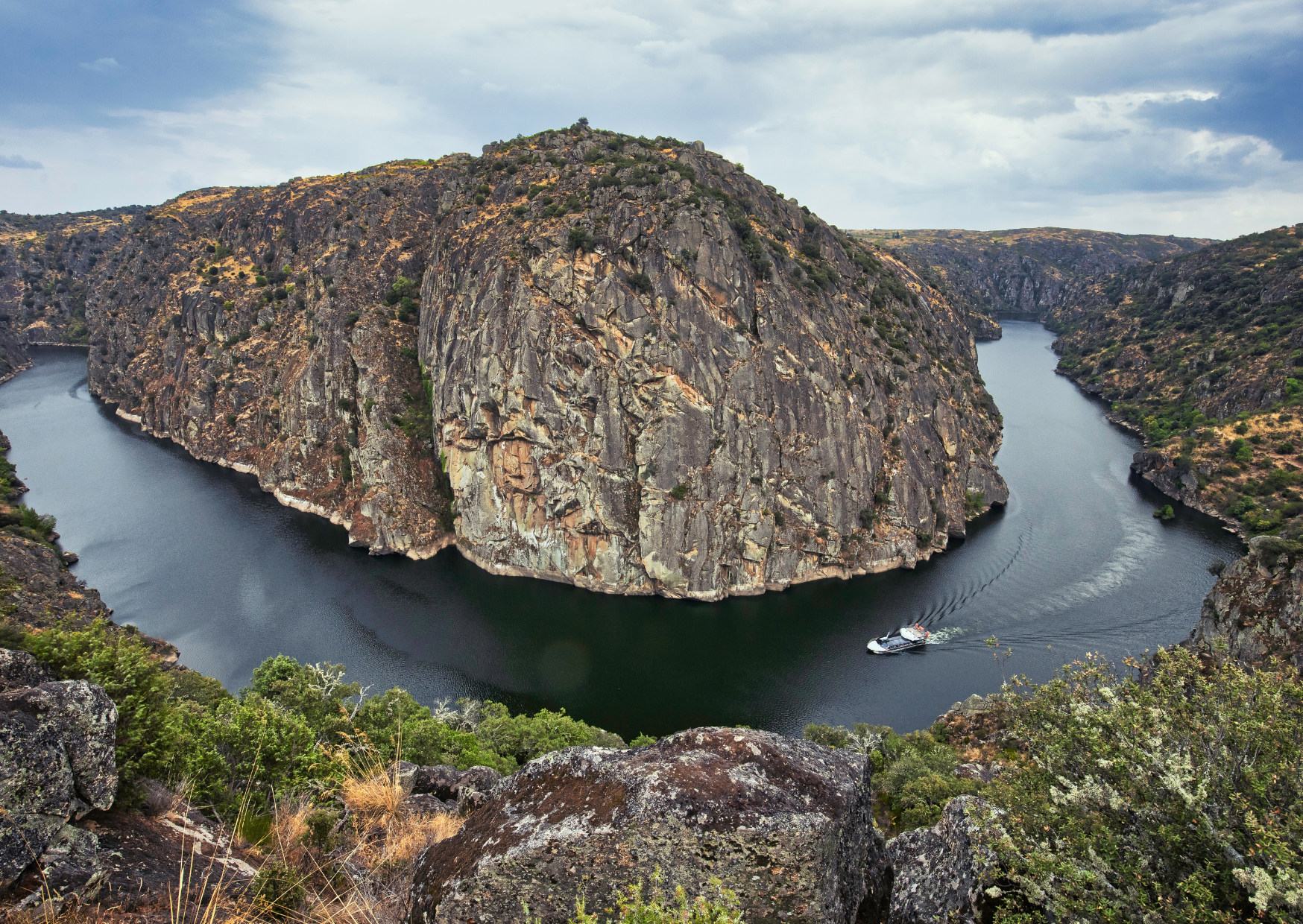
At the far northeast corner of Portugal the Douro cuts a canyon and the town of Miranda sits above it, facing Spain across the water. People here still keep Mirandese, a protected local language, alongside Portuguese. Boats slide the calm stretch below the dam and birdlife patrols the cliffs. The historic quarter is small, whitewashed, and quiet by night. This is the Douro without port lodges or postcard crowds, a border town with its own voice.
Why it stays under the radar It is hours from the usual triangle of Lisbon, Porto, and the Algarve. Tourists here are Portuguese families, Spanish day trippers, and hikers exploring the International Douro protected area.
What to do Take a short canyon cruise in the morning, then drive slow roads through oak forest for viewpoints and miradouros.
Good manners Keep voices low on boat trips and trails. Raptors and vultures nest on the cliffs.
Bragança, citadel above chestnut country
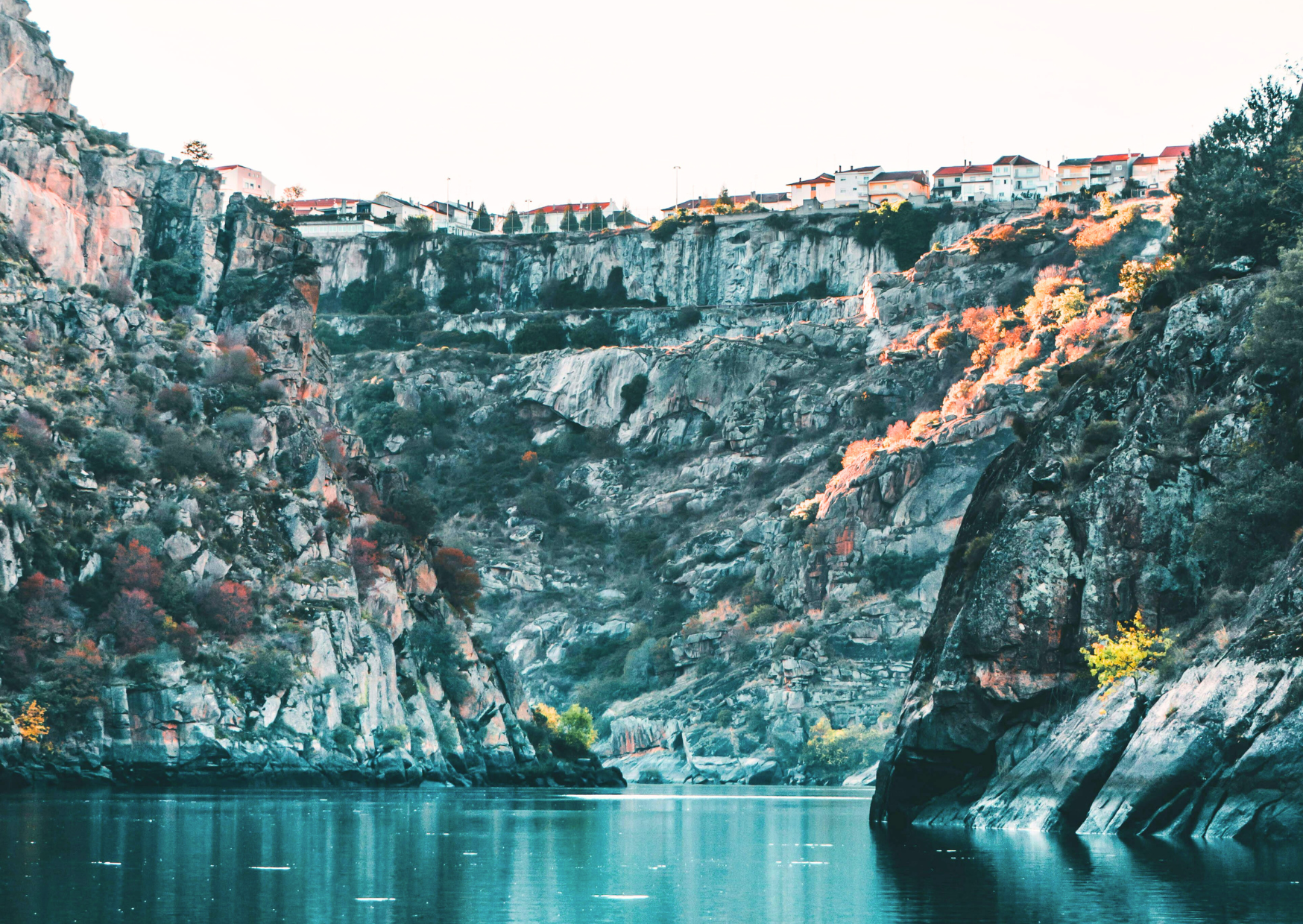
Bragança is a proper city, but the old walled quarter on the hill feels like a village. Inside the oval of stone you find a keep, a church, and the unique Domus Municipalis, a rare Romanesque civic hall in Portugal. Views roll toward the mountains and the Montesinho park where villages still dry sausages and roast chestnuts in season. Nights are for simple taverns and cold beer. Mornings are for the market and a walk along the walls.
Why it stays under the radar It lives far from airport hubs and beach highways. Most Americans fly over it on their way to wine country.
What to scan for The slate and granite of the citadel, the seasonal chestnut stalls, and the heavy wool capes in winter.
Good manners Park outside the walls and walk in. Residents drive those lanes every day.
Manteigas, Serra da Estrela from the valley up
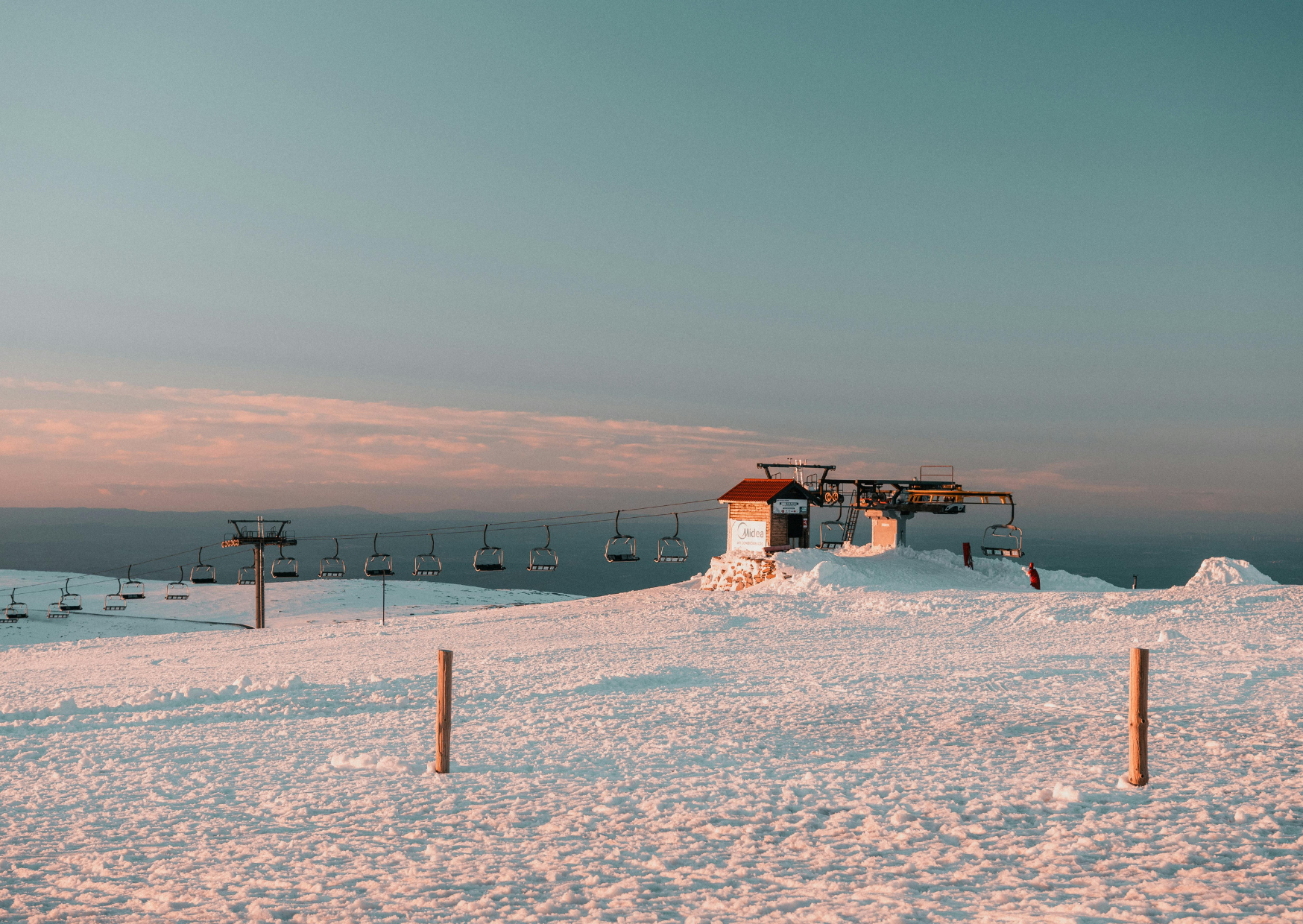
Portugal’s highest range is an old glacier playground. The little town of Manteigas sits in the Zêzere valley, a classic U shape you can literally see from the road. Follow the tiny lanes to short trailheads. A waterfall called Poço do Inferno hides in chestnut woods. Sheep bells carry on still afternoons and cheese shops sell the soft rounds the region is known for. If you want mountains without the circus, base here.
Why it stays under the radar First time visitors book beaches and big cities. The range draws Portuguese families and European hikers, not bus tours.
Best time June for flowers, September for clear air, or a white weekend in winter if the forecast lines up.
Good manners Trails cross grazing land. Close gates, keep dogs leashed, and give shepherds the right of way.
Sortelha, stone crown in the Beiras
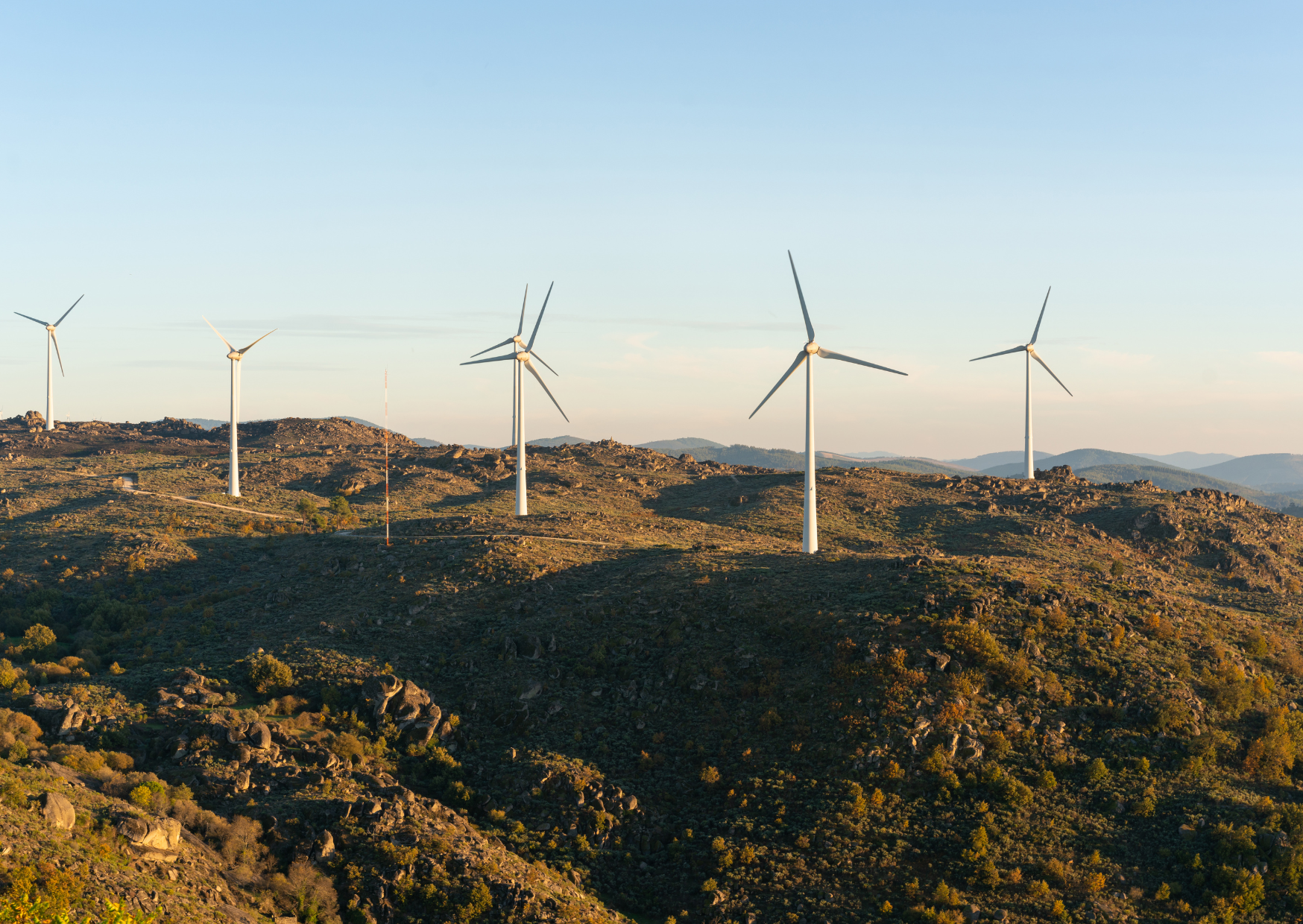
Sortelha is a ring of granite walls set on a boulder hill, one of the Aldeias Históricas that protect Portugal’s medieval hilltop fabric. Walk the perimeter path, climb the little keep, and sit for coffee where two great stones lean together like faces. The village looks almost unchanged because people left for work elsewhere and the houses slept. Today a few have become simple guest rooms and tiny taverns. At dusk the walls go the color of figs.
Why it stays under the radar Nearby castles like Monsanto pull the Instagram crowd. Sortelha is quieter and smaller, which suits travelers who want a slow evening under stars.
Best habit Park below, carry a small bag, and spend at least one night so you see the village at breakfast when it belongs to itself.
Good manners Stones are old and uneven. Stay on paths and do not climb parapets for photos.
Elvas, the fortress city
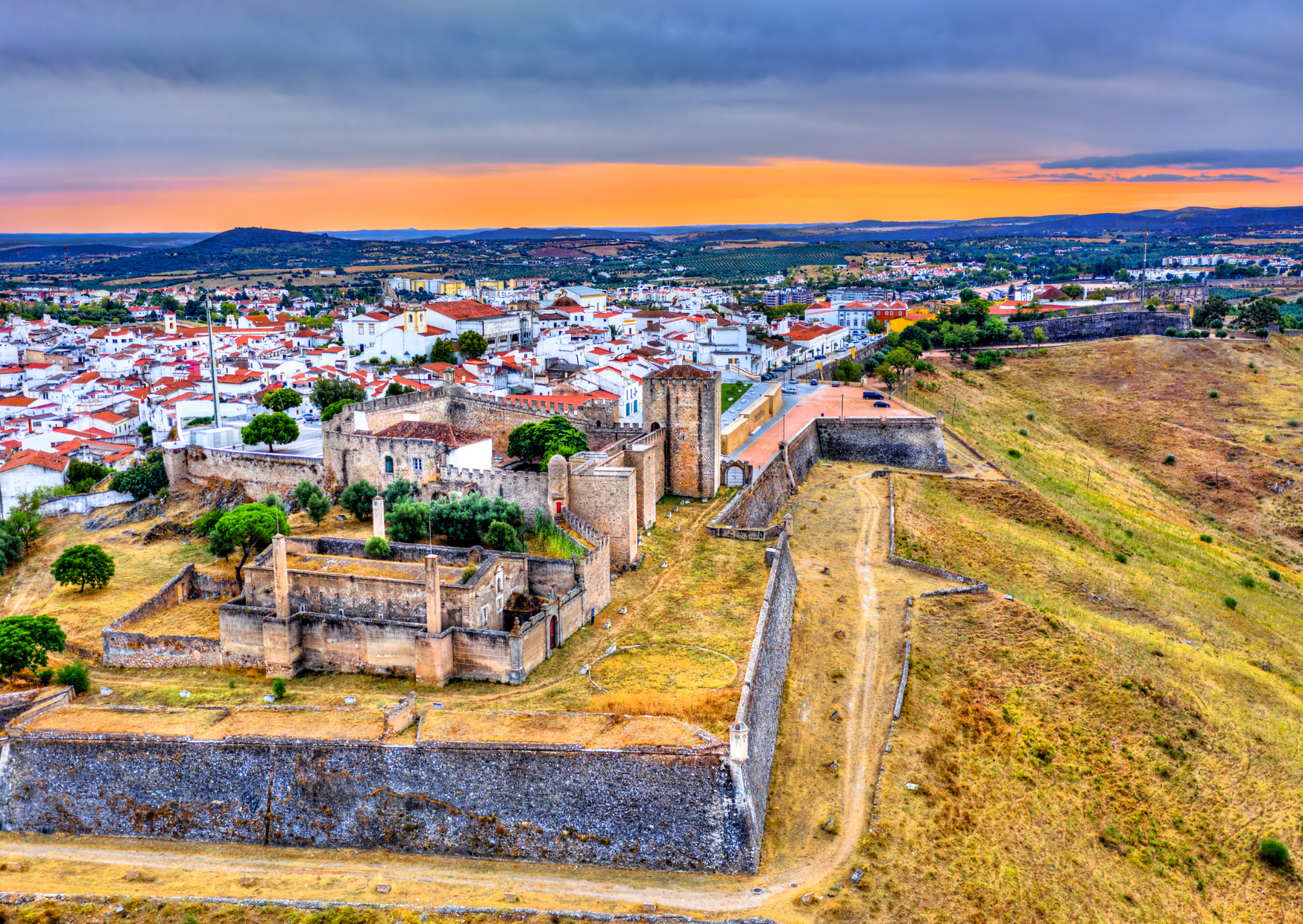
Elvas guards the border in the Alentejo with a star shaped system of walls and forts that makes map lovers grin. The aqueduct strides over the road into town and the UNESCO listing covers the whole defensive complex. The historic center is simple and white with lemon trim. Cafes line small squares that fall asleep early. One fort looks back at another across the dry grass and you feel how the frontier once worked.
Why it stays under the radar American travelers fly past on the way from Lisbon to Seville. Fortifications and military history do not headline most itineraries.
What to do Walk the Amoreira aqueduct, climb a bastion, and look west over the countryside that used to matter tactically.
Good manners Walls are fragile. Follow marked bastion routes and keep children close on exposed edges.
Mértola, museum town on the Guadiana
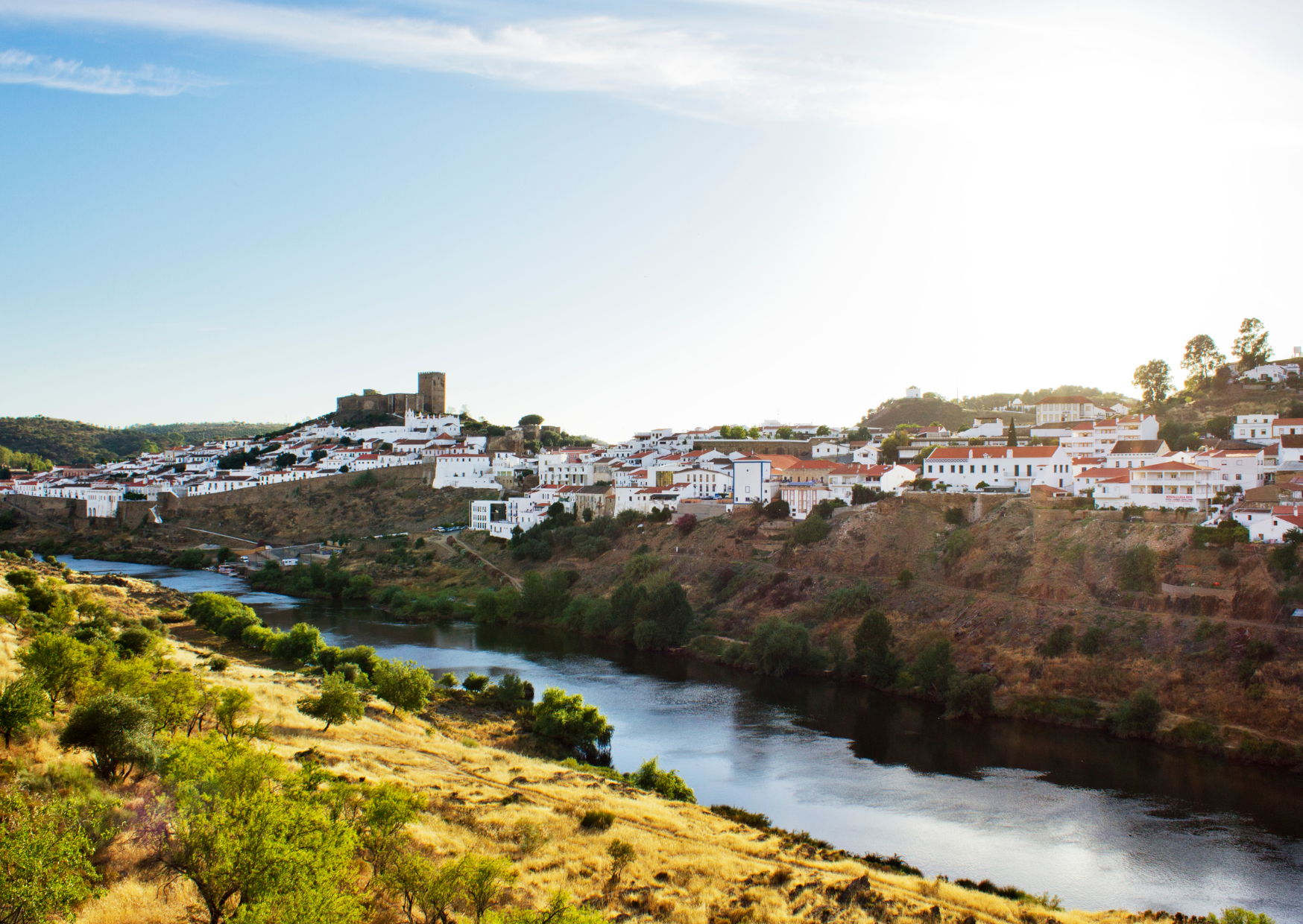
Mértola stands on a rocky bend of the Guadiana with views that fall straight to the water. The town’s museum network spreads across chapels and houses, stitching Roman, Islamic, and medieval stories into a walkable route. You will see a former mosque turned parish church and ceramics that look like cousins of North African work. Outside town, the Guadiana Valley Natural Park holds quiet trails and river viewpoints. Evenings bring silence over the rooftops.
Why it stays under the radar The Algarve beach road is only an hour away, but most visitors never turn inland. Those who do are usually Portuguese weekenders.
Best pairing A morning at the museum sites and a slow drive to a river overlook like Pulo do Lobo.
Good manners Many exhibits sit inside small religious buildings. Cover shoulders and speak softly.
Vila Viçosa, marble and a ducal square
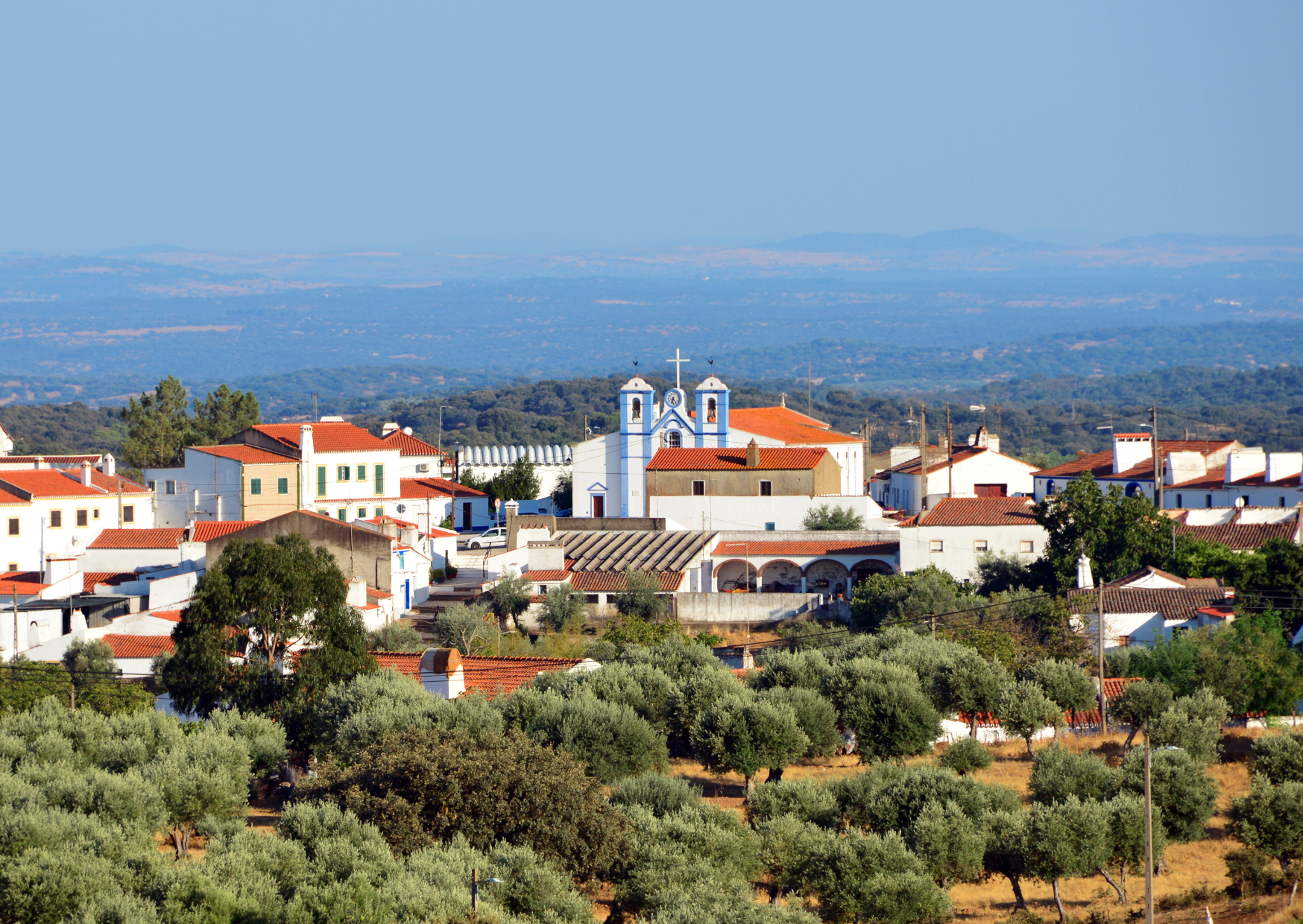
In the Alentejo, Vila Viçosa gleams. The palace of the Bragança dukes fronts a wide square, its façade faced in local marble. Around town you see the same stone in fountains and door frames, then the raw quarries outside show where it came from. Lunch means migas and pork with orange, then a walk in the back streets to see tiled houses that once hosted the royal court. It feels stately, but not formal.
Why it stays under the radar Evora and Monsaraz steal the headlines and tour loops. Vila Viçosa stays working and calm.
What to notice Marble underfoot in places where other towns would pour concrete, and the craft still alive in small workshops.
Good manners Quarries can be dangerous and often require permission. Do not trespass for photos.
Cerdeira, a schist village for making things
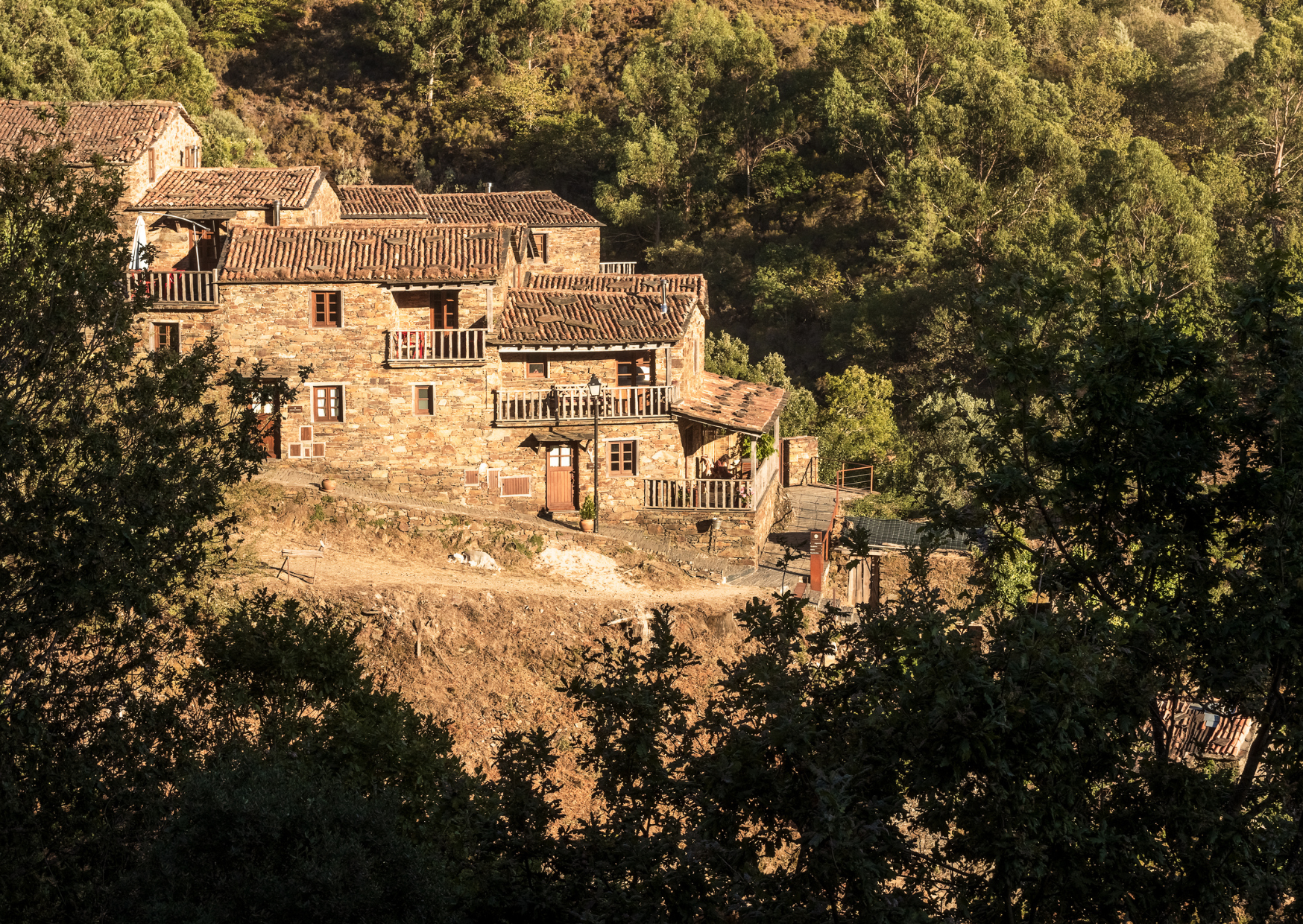
Up in the Lousã hills sits Cerdeira, a cluster of schist houses rebuilt as workshops, studios, and guest cottages. Artists come for residencies, visitors come for quiet and the smell of wood ovens. Trails connect to other schist hamlets through chestnut woods and over ridge paths where you can see to the Serra da Estrela on clear days. Nights are for a glass by the door and darkness so thick you hear owls.
Why it stays under the radar It is small and geared toward people who want to read, carve, bake, or hike. There is nothing to rush.
What to try A short course in a local craft or a bread bake in the community oven.
Good manners Workshops are real work. Ask before photographing people or stepping into studios.
Alcoutim, river time on the Guadiana
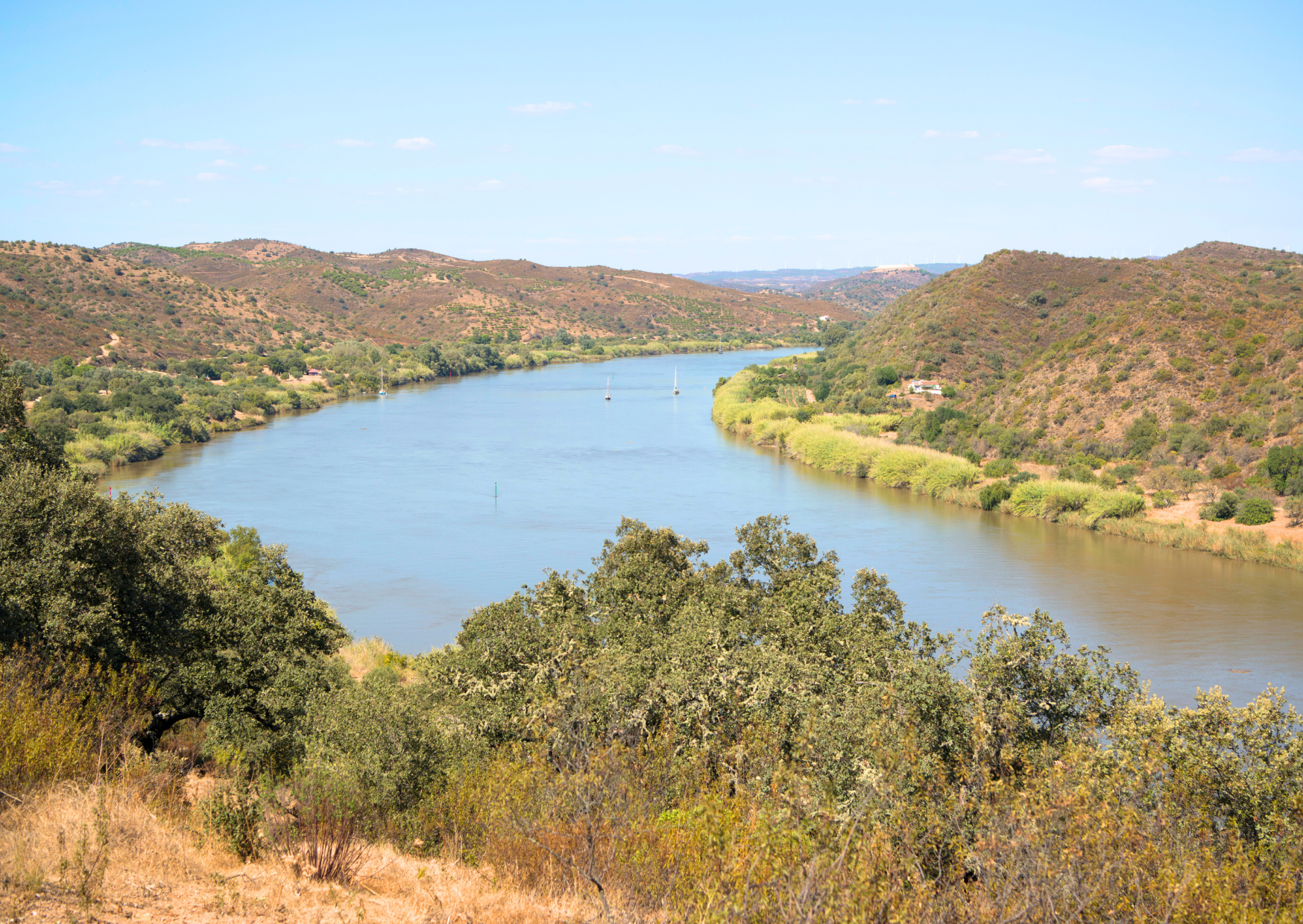
Alcoutim leans down to the river across from Sanlúcar de Guadiana in Spain. A small ferry works back and forth and a cross border zipline lands you near the quay on the Portuguese side. Up the slope sits a tidy castle with a little archaeology museum and views that explain why this crossing mattered. Down below a shaded river beach draws families on hot afternoons. Nights are for grilled fish and long talks.
Why it stays under the radar Most Algarve visitors stay west near Lagos and Albufeira. The Guadiana towns are for people who like rivers more than resort strips.
Best moment First ferry over at opening time, coffee on the plaza, and a lazy lunch back in Portugal under trees.
Good manners This is still a working border. Respect quiet hours and do not fly drones over the river or the customs quay.
How to choose and how to visit or even move
If you have seven days, pick three of these places and give them room. A northern loop might run Viana do Castelo, Ponte de Lima, Bragança with a day trip to Miranda for the canyon cruise. A central loop could link Manteigas, Sortelha, Cerdeira on slow roads between mountain valleys and schist hamlets. A southern loop fits Vila Viçosa, Elvas, Mértola with a final night by the Guadiana in Alcoutim.
How to travel light Use buses and regional trains where they exist, then rent a small car for the last miles. In walled villages park outside and walk. Buy local maps, carry cash for tiny cafes, and keep your schedule flexible. You will make friends by learning two phrases in Portuguese and using them often.
Where to spend Family run guesthouses, bakeries, and farm restaurants are the heart of these towns. Skip big platforms when you can and book direct by phone or email.
When to go May and June for flowers and festivals, September and October for grapes, olives, and clear air. In August expect heat inland and summer hours everywhere.
How to visit without changing the place
Tourism money can keep a town alive, but it can also speed up changes that locals did not ask for. It comes down to a few habits repeated everywhere you go. Choose lodging that employs people from the area. Eat what the region grows, not what you eat at home. Keep music in your headphones, not on a speaker. Photograph with respect and tip with discretion. If you love a place, return in a quieter season instead of broadcasting coordinates to people who will treat it like a checklist. The slow rhythm you came to enjoy only survives if visitors move at that rhythm too.

About the Author: Ruben, co-founder of Gamintraveler.com since 2014, is a seasoned traveler from Spain who has explored over 100 countries since 2009. Known for his extensive travel adventures across South America, Europe, the US, Australia, New Zealand, Asia, and Africa, Ruben combines his passion for adventurous yet sustainable living with his love for cycling, highlighted by his remarkable 5-month bicycle journey from Spain to Norway. He currently resides in Spain, where he continues sharing his travel experiences with his partner, Rachel, and their son, Han.