
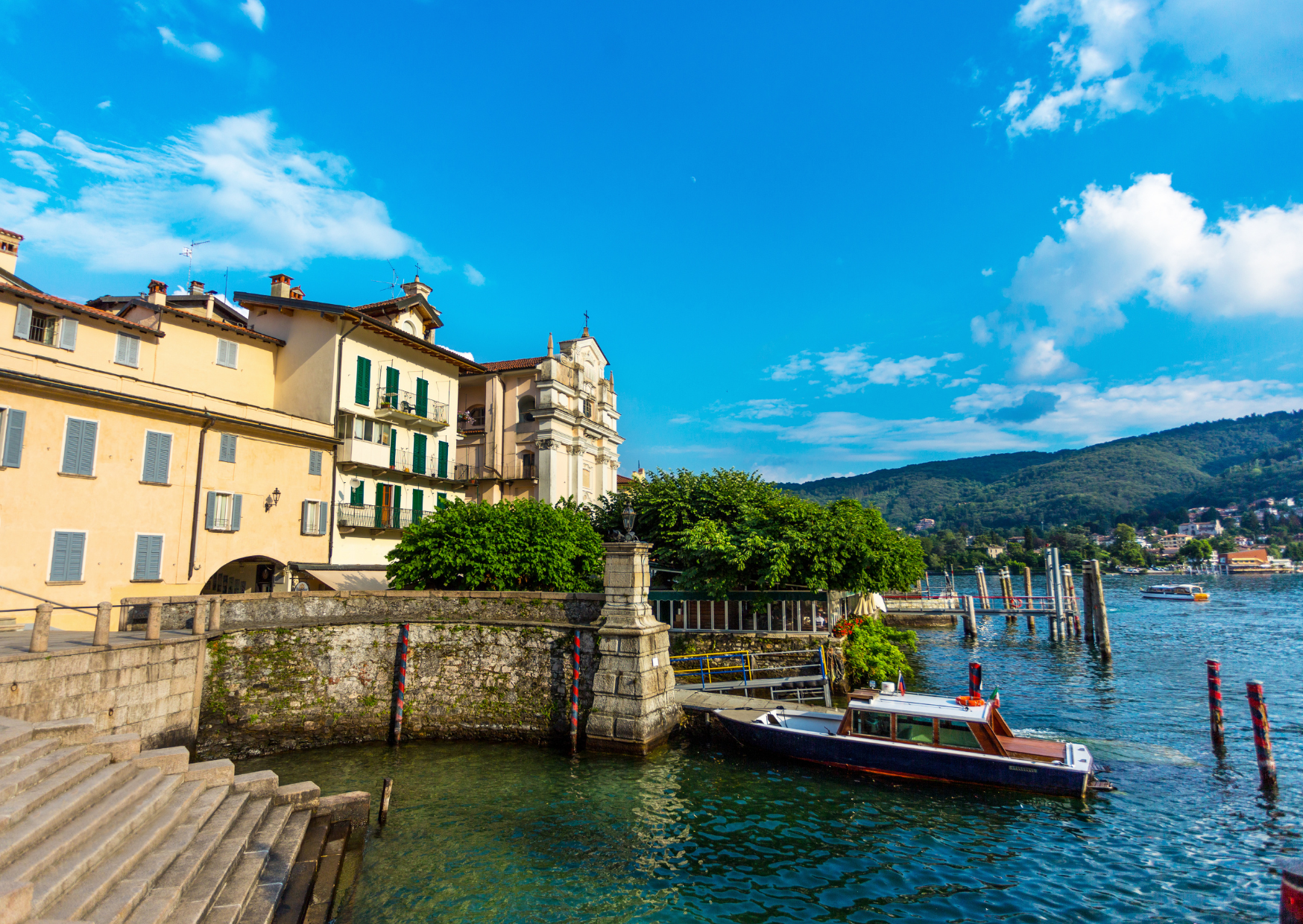
Where the water stays calm, the prices stay local, and you still get mountain drama
Leave Como behind and the map slows down. Roads turn narrow and shaded. Church bells mark the hour, not hurry. You hear the soft clink of cutlery on piazzas where no one is selling a selfie.
Ask a local where to go next and they rarely say the place on tote bags. They point to water that sits under chestnut hills, to ferry piers with three benches, to islands without cars where the loudest thing is a bicycle bell.
You notice what is missing. Cruise clocks. Velvet ropes. A sandwich that costs more than dinner should. In these towns, people greet each other by name. A fisherman ties up at dusk. A baker pulls loaves at six.
You have a role here. Travel light. Book family run. Walk the last kilometer. Keep your voice low at night. If a town moves more slowly than you do, let it win.
Start in the west, between Piedmont and Lombardy, and let the water show you where to go.
Want More Deep Dives into Other Cultures?
– Why Europeans Walk Everywhere (And Americans Should Too)
– How Europeans Actually Afford Living in Cities Without Six-Figure Salaries
– 9 ‘Luxury’ Items in America That Europeans Consider Basic Necessities
What better than Como actually means in 2025
Better does not mean richer. It means fewer crowds, more locals, real prices. It means swimming without a rope line, ferries that feel like buses, and dinners that start late because the view keeps talking. For many travelers that trade is the point. You lose a little celebrity shine. You gain walkable old towns, quiet evenings, rooms with character that do not empty a savings account.
The Italian Lakes are not one place. Within two hours of Milan you can choose deep fjord like water, turquoise bowls in the mountains, or long valleys that drink wind and light. If Como is the showroom, these are the workshops. You still get stone lanes, mountain profiles, and proper gelato. You also get space to sit down.
Lake Orta, the quiet north star
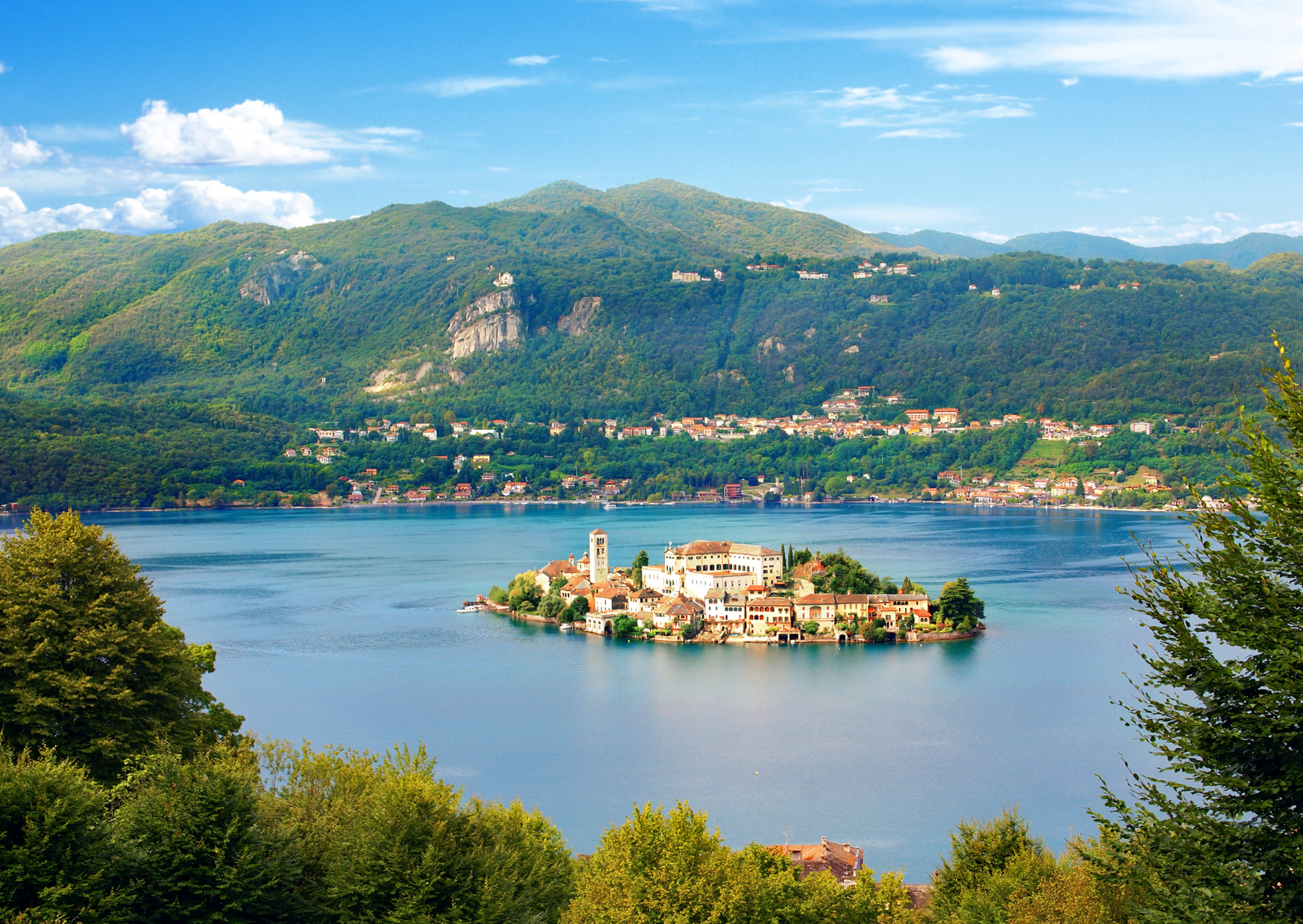
Lake Orta is the lake Italians recommend when you ask for something small and complete. The village of Orta San Giulio has a car free center, so you park outside and walk in. The square faces boats and water. Across the short crossing sits Isola San Giulio, a small island crowned by a Romanesque basilica. Above town, the Sacro Monte threads twenty chapels under pines, a devotional park with views that explain why people stop talking as they climb.
Everything is close here. A morning swim, coffee in Piazza Motta, a slow ferry, a walk on the island’s Path of Silence, then a late lunch under umbrellas. You feel scale, calm, continuity. Orta is not a secret to Italians. It still feels lived in, which is what you came to find.
How to be a good guest at Orta
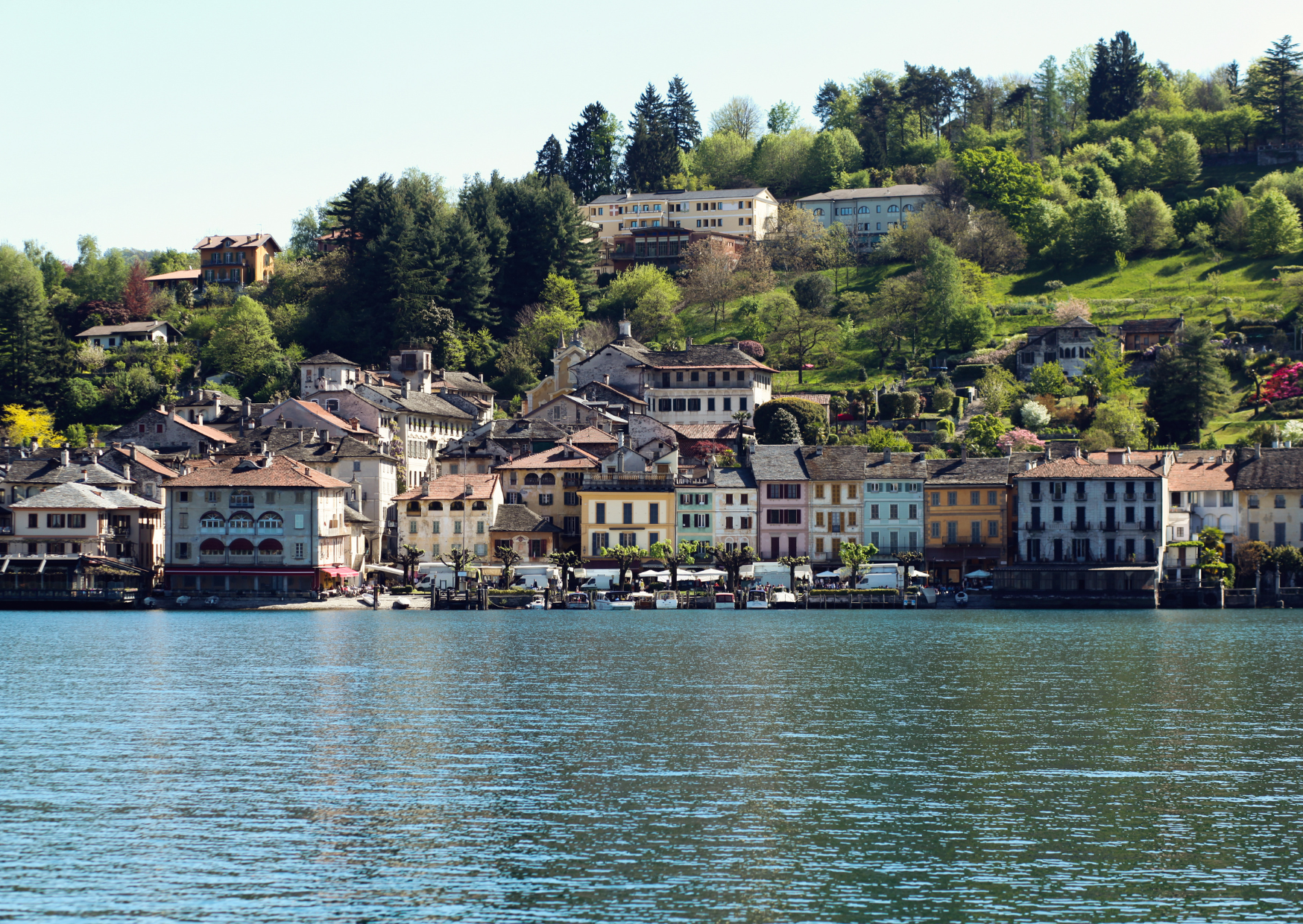
Drivers meet ZTL gates at the edge of the center. Leave the car in the public lots uphill and walk down. The lakefront is for people, not engines. Ferries connect the square with the island and small piers around the shore. The climb to Sacro Monte begins behind the village and loops under trees. Pack light, because cobbles and stairs do not love heavy wheels. Go early to swim, late to eat, and remember that quiet nights, short showers, slow feet keep a small place feeling like itself.
If you need more room, sleep in Pettenasco or Pella and ferry across. Costs are gentler, mornings are softer, and sunrise comes straight to your window if you choose a shore room.
Forty eight hours on the water without rushing
Day one, walk the lanes, ride the small boat to Isola San Giulio, and circle the island on the Path of Silence. Read the short plaques on the walls, then sit on the short steps under the plane trees. Afternoon is for the Sacro Monte, a steady loop past chapels that open like little theaters. You return to town as the square fills and the light leans into gold.
Day two, take a ferry toward Pella for a slow lunch, swim at one of the stone steps along the shore, then ride back before the last crossings. You will not tick a list. You will know shape, smell, pace. That is the measure that matters.
The second lake locals love, Iseo with a car free heart
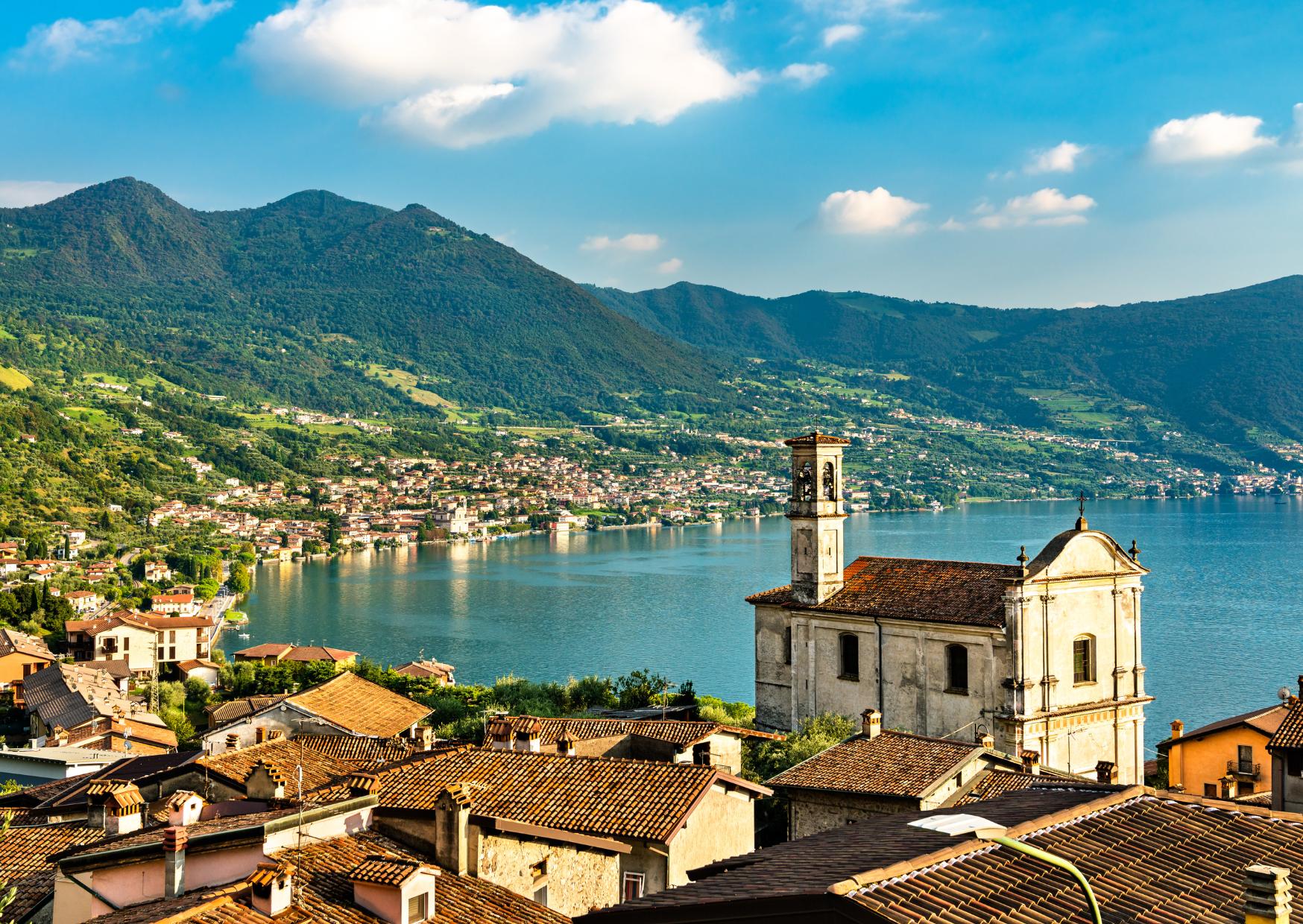
Lake Iseo is the overlooked middle child between Garda and Como. It holds a surprise at the center, Monte Isola, the largest lake island in Europe, and it is car free for visitors. People move by bicycle, by bus, and on foot. Ferries run from Sulzano and Sale Marasino in quick hops. The island villages feel like the old lake should, small harbors, low doors, laundry above alleys. Even in high season you can find a bench without a camera in front of it.
Choose Iseo when you want island walking, simple trattorie, quiet swims. If you care about wine, the Franciacorta hills sit just south, a short drive or train ride away, and bubbles make an easy afternoon. Even better, you can do all of this without opening a car door.
Northern Maggiore, where the shoreline breathes
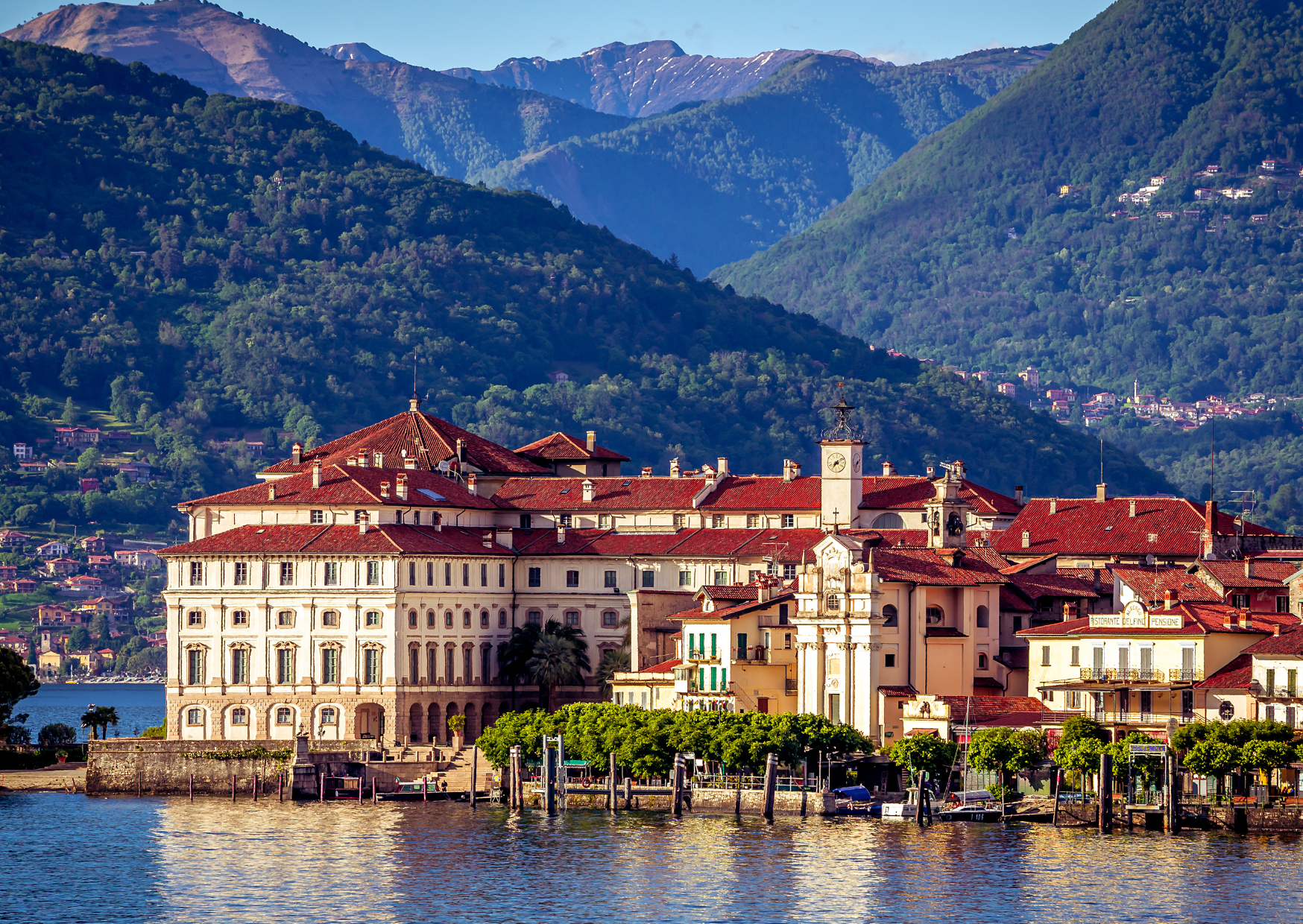
Move a little north and hug the upper shores of Lake Maggiore, especially Cannero Riviera and Cannobio near the Swiss border. This is the lake’s gentlest corner. A mild microclimate grows citrus against stone. Small beaches appear under plane trees. On clear evenings the castles offshore glow like lanterns. Hotel signs are modest. Menus are short and local.
You still get mountain backdrops, lake fish, evening passeggiate. You skip coach tours and cruise spikes. The towns stay themselves after dinner, which is the test that matters. If you like markets, Sunday in Cannobio makes the arcades feel like a neighborly festival.
The mountain water set, Ledro, Tenno, Molveno
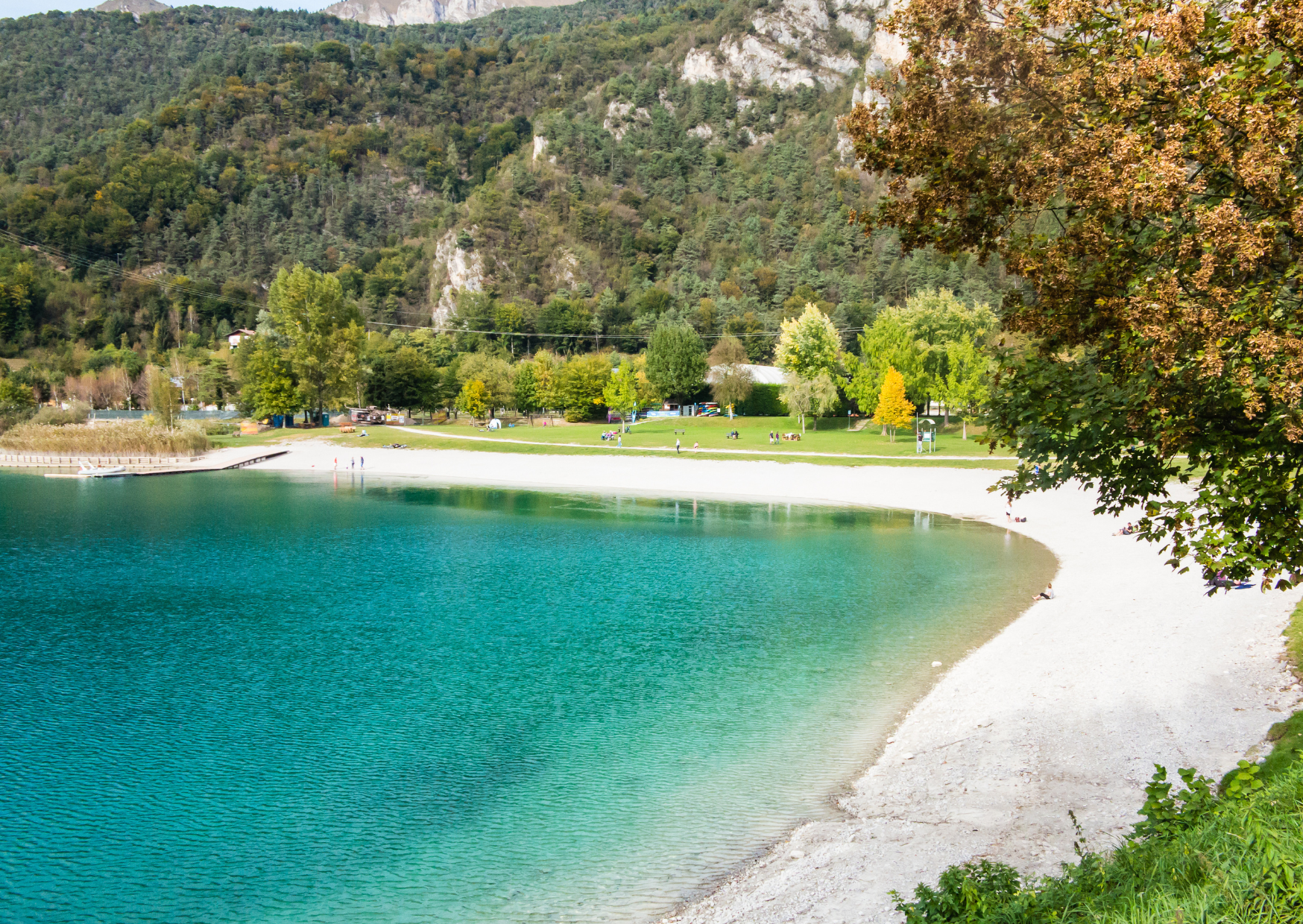
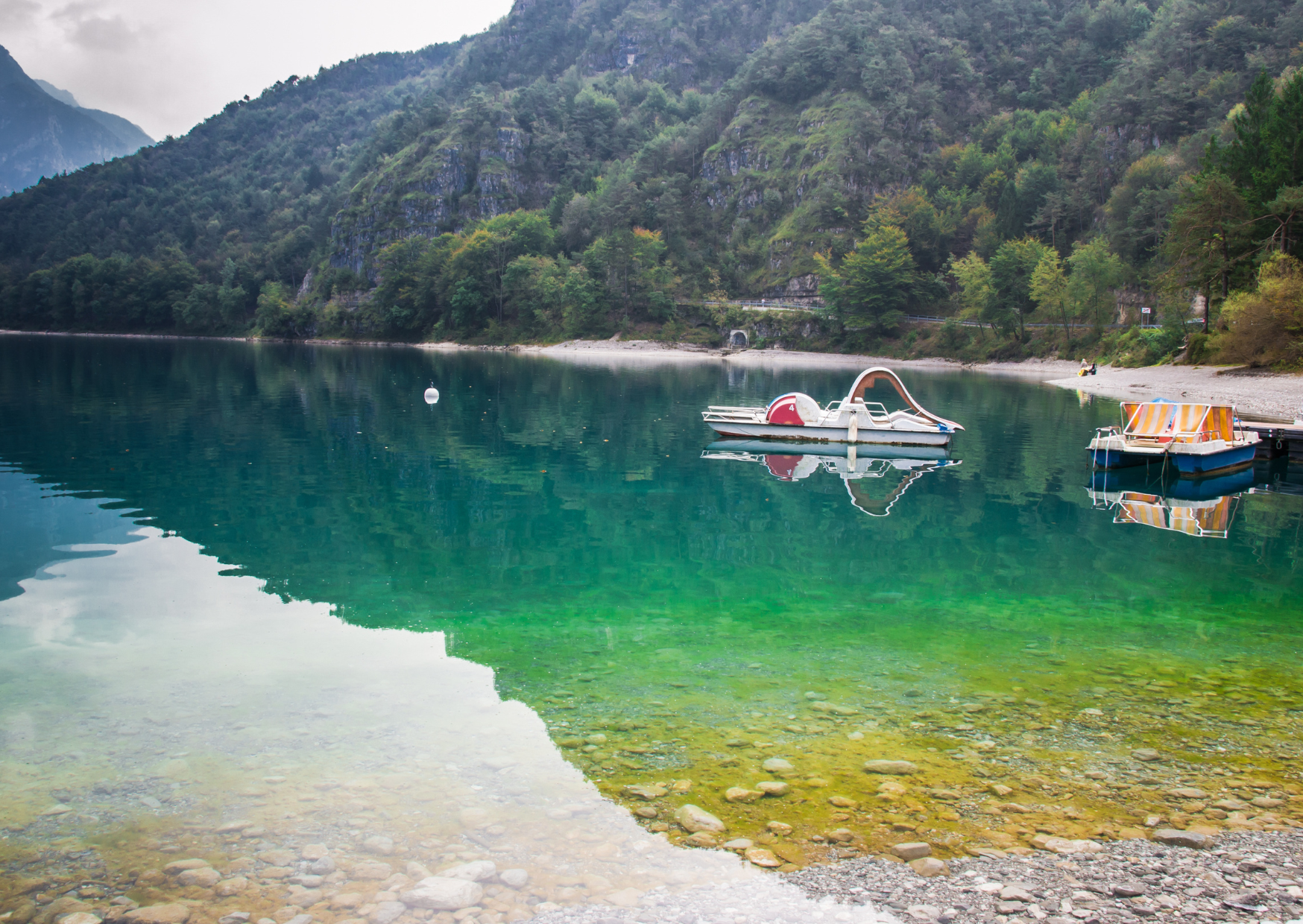
If your idea of a lake leans alpine, point the car toward Trentino. Ledro sits in a high valley beyond Garda with clear, swimmable water and simple beaches. Tenno is a small turquoise bowl with a footpath circling the shore and the medieval hamlet of Canale above it. Molveno rests under the Brenta peaks and keeps winning awards for water and shoreline quality. You trade grand hotels for picnic tables, rowboats, trails that start in town and climb into woods.
This is the set to choose for families who want clean water, short hikes, long naps. Prices read local, parking is outside the shore zone, and evenings stay dark enough to see a real sky.
When to go, and how to miss the worst weeks
Spring opens early around Maggiore and Orta. Camellias, azaleas, wisteria bloom from March through May. Water is cold, light is perfect, and rooms come with fewer surcharges. Early June is ideal if you want swims without crowds. July is lively. August is hot inland and busy everywhere. If you can, slide your trip into September and October, when grapes come in and the hills turn copper. Ferries still run. Restaurants are open. Locals relax.
Winter is quiet and partly closed, yet weekends can be beautiful with clear air and empty lanes. If you come then, pack layers and eat what the season cooks best, lake fish with polenta, roasted chestnuts, strong coffee in small cups.
Where to sleep and eat without drama
Book rooms in family hotels, alberghi diffusi, pensioni that sit just off the water. You get better sleep, better prices, better mornings. Eat where the menu is short and seasonal. On Orta, try risotto with lake perch. On Iseo, a plate of sardines and oil with bread. On Maggiore, fish in saor style on the right day, or a simple fritto of the catch. In Trentino, cheese and potatoes make the plate warm on cool nights.
The rule is simple. If the menu feels like a magazine, keep walking. If the chalkboard has three things, sit down.
How to move, slowly and on schedule
Trains and regional buses reach the larger towns, then ferries and feet finish the trip. That last kilometer is where the good part begins. Respect ZTL zones, the restricted cores where cameras fine drivers, and use paid lots outside walls and historic centers. Pack two small bags, not one big one, and bring shoes that like cobbles.
On water days, buy a day ferry ticket and let the schedule plan your route. Ride, walk, swim, repeat. On mountain days, watch the forecast and carry a simple rain layer. Lakes make their own weather and the right jacket is the cheapest insurance in Italy.
Three easy routes that fit one week
Route one, Orta two nights, northern Maggiore two nights, Iseo two nights. You will feel three different moods and never sit in a car for long. Route two, Iseo and Monte Isola three nights, Orta two nights, a last night near Malpensa to make flights easy. Route three, for mountain water, Ledro or Molveno three nights, Tenno one night, Iseo two nights to finish with island walks.
Build days this way. One move, two stays, three ferries. The trip writes itself when you give it space.
How to keep the places you came to find
These towns are small. Your habits matter. Stay where people live, not where apartments replaced neighbors. Walk on lanes, not gardens. Swim where locals swim. Speak softly after ten. Tip like a local, small and direct, not like a performance. If you love a place, return in a shoulder month and bring a friend who will listen before they post. The lakes do not need saving. They need guests who behave.
Why this swap works
Como is beautiful, and it knows it. Orta, Iseo, northern Maggiore, and the small Trentino bowls are beautiful and busy with other things. People call each other by name. Boats smell like wood. Dinner tastes like the morning market. You get the same water, the same sky, the same mountain edge. You also get time back, money left, stories that belong to a real afternoon and not to a stage.
Choose the quieter lakes once. You will keep choosing them.

About the Author: Ruben, co-founder of Gamintraveler.com since 2014, is a seasoned traveler from Spain who has explored over 100 countries since 2009. Known for his extensive travel adventures across South America, Europe, the US, Australia, New Zealand, Asia, and Africa, Ruben combines his passion for adventurous yet sustainable living with his love for cycling, highlighted by his remarkable 5-month bicycle journey from Spain to Norway. He currently resides in Spain, where he continues sharing his travel experiences with his partner, Rachel, and their son, Han.