
How to eliminate ATM surcharges, foreign fees, and wire costs with one clean toolkit in 2025
Stand at a European ATM, tap your card, and two numbers can appear. One is a polite scam that converts to dollars at a bad rate. The other is the local currency at the network rate. Pick wrong and you pay quietly. Pick right with the right card, the right account, and the right taps, and you can travel or even live in Europe with no foreign transaction fees, no net ATM costs, and free instant bank transfers for rent and bills. The difference is not luck. It is setup.
This guide lays out the exact stack that makes your cash access effectively free in Europe in 2025, and how to use it correctly. You will see which cards to carry, how to move money from the United States into euros without paying spread, and how to avoid the sneakiest charge of all: dynamic currency conversion at the terminal.
Want More Deep Dives into Other Cultures?
– Why Europeans Walk Everywhere (And Americans Should Too)
– How Europeans Actually Afford Living in Cities Without Six-Figure Salaries
– 9 ‘Luxury’ Items in America That Europeans Consider Basic Necessities
What “free” really means in Europe

When people say “free access,” they usually mix four costs. There is your bank’s foreign transaction fee on cards, the ATM owner’s surcharge on withdrawals, the conversion spread the network applies, and the optional dynamic currency conversion that merchants and ATMs offer. If you want the true free experience, you must remove each one. That means a debit card that does not add foreign fees and reimburses the machine’s surcharge, a credit card with 0 percent foreign transaction fees for purchases, and habits that always accept local currency at the terminal. Do those three things and cash and card spend both clear at the network rate, which is the fair one.
The last piece is bank-to-bank. Europe runs on SEPA transfers. In 2025, euro-area banks must receive instant payments and are phasing in the ability to send them. The practical effect is that you can push euros within seconds, for the same or lower fee as a normal transfer, which for retail customers is commonly zero. Pair that with a euro account that gives you a local IBAN, and your landlord or utility will treat you like any other resident.
The core stack that makes it work

Carry three tools and you are done. First, a no foreign transaction fee credit card for almost every purchase. That keeps cash needs low and clears at the network rate without the 1 to 3 percent many cards still add. Second, a checking account whose debit card refunds ATM surcharges worldwide and does not add foreign fees. That turns any bank ATM into a net-zero withdrawal after reimbursement, even if the local bank or network charges. Third, a multi-currency account with a euro IBAN so you can receive, hold, and send euros by SEPA like a local. You ACH dollars in from your U.S. bank, convert inside the app at interbank or near-interbank, and pay rent and bills by SEPA Instant.
Why these three together. A credit card with no foreign fee covers 90 percent of your life at the fair rate. A debit card that refunds ATM fees same day or at statement covers the cash you still need without penalty. A euro account with local details lets you pay people who either do not take cards or would charge for them. The result is 0 percent on card spend, 0 net on cash, and 0 on bank transfers.
How to withdraw cash with a zero net cost

The rules are simple and save real money. Use a bank-run ATM, not the independent machines you see in tourist corridors. If a screen offers to charge you in dollars, always decline and choose local currency so your card network does the conversion. That one tap avoids dynamic currency conversion, which is the most common hidden fee. If the ATM shows a surcharge, cancel and walk to the next bank unless you are using a card that refunds all operator fees. In that case, accept the fee, keep the receipt, and let the bank credit it back.
Two reminders make this smooth. Withdraw fewer, larger amounts so you do not run into monthly free-withdrawal caps on fintech cards. And if a machine tries to “help” with a guaranteed dollar rate, say no and let your own bank price the exchange. The difference between the network rate and a DCC rate can be real money over a month. With the right debit card, the only charge you will see after reimbursement is nothing.
Paying like a local for rent, deposits, and utilities
Europe pays people by IBAN, not checks. In 2025, euro-area banks are required to receive instant payments and, by October, to send them as well. For you, that means your euro account can push a SEPA Instant transfer that lands in about ten seconds and can cost the same or less than a standard transfer, which for consumers is commonly zero. Landlords get the funds immediately. Utility autopay becomes a line you stop thinking about. And if you owe a friend, you settle it at the table.
The subtle win is psychological. Once you can pay by IBAN instantly, you stop wiring money with $15 to $45 fees and you stop handing over cash for deposits. You live on one card and one IBAN, the way your neighbors do. That is what “free access” feels like day to day: free instant transfers, no card surcharges, no ATM tax.
Moving dollars into euros without paying spread
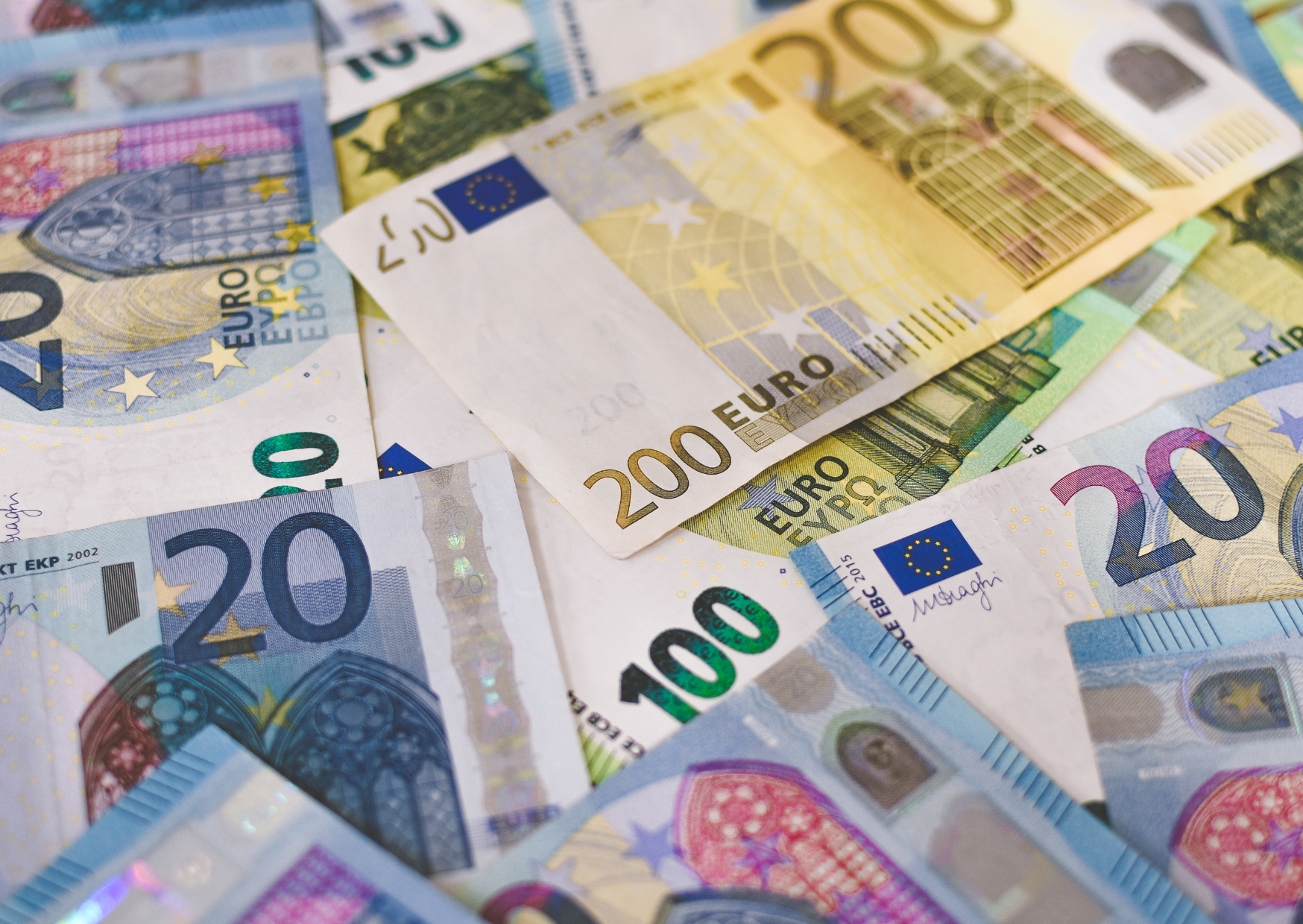
Most of the waste happens before you ever touch an ATM. If you wire dollars from a U.S. bank directly to a European landlord, you will often pay two fees: an explicit wire fee and a wide, silent FX spread. The better move is to ACH dollars into your multi-currency account, convert inside the app at a transparent rate, and then SEPA euros out. On standard plans, you can withdraw cash a limited amount for free each month at ATMs and spend on the card at the interbank rate; on paid plans, the free allowances are larger and weekend FX markups can be lower or eliminated. The right mix for you depends on how much cash you actually use.
Two habits keep the conversion cost near zero. Convert on weekdays when your app does not add a weekend buffer, and convert in fewer, larger blocks. Then pay by SEPA or card until the euros run low. You will find that most of your euro life clears at no fee and an honest rate.
Daily tactics that keep it free
Set your wallet like this. Use your no-foreign-fee credit card for every purchase that allows cards. Pull cash only from bank-owned ATMs, never from standalone tourist kiosks unless you have no choice. At the screen, opt out of conversion and accept the local currency. If the ATM warns about a fee, decide based on your card. A card that refunds all ATM surcharges means you can ignore the warning. A card that does not refund means you decline and find a different bank.
On your phone, keep your euro account set up in Apple Pay or Google Pay. When a merchant takes contactless, you can tap the euro balance and skip any FX at all. For rent and bills, ask for the IBAN and set a SEPA recurring payment from your euro account. If a business tries to charge extra for card use, send a SEPA instead. The goal is not to be clever. It is to make the free paths your default.
Pitfalls Americans hit and how to avoid them
Three mistakes make the free plan fall apart. The first is dynamic currency conversion, which shows up as “pay in dollars.” Say no, every time, for cards and for ATMs. The second is independent ATMs with high surcharges. They are legal and loud, and often placed in premium tourist spots. Walk to a bank branch wall instead. The third is going over free limits on fintech plans without realizing it. Standard tiers often include only a couple of free ATM withdrawals or a modest free FX allowance before small percentage fees start. If you need more, either upgrade tiers for a month or use your surcharge-refunding debit card for cash and keep the fintech card for SEPA and card spend.
A quieter trap is weekend FX markups on some digital accounts. If your app adds an extra fraction on Saturday and Sunday, convert on weekdays and hold euros to spend. And because life happens, carry two different networks in your wallet, for example Visa and Mastercard, so a local hiccup never leaves you stranded.
The long-stay and expat version
If you are in Europe for months, the setup barely changes. Keep your no-foreign-fee credit card for purchases and your surcharge-refunding debit card for cash. Use your euro IBAN account for everything else. As your stay lengthens, you will discover that many landlords and agencies want transfers, not cards. That is exactly what your IBAN is for. In 2025, euro-area banks are obliged to receive instant payments, and they are in the process of enabling sending instant payments by the October deadline. That makes your rent, deposits, and refunds move quickly and at no extra charge. If you later become a resident and open a local bank account, you simply keep the same pattern: card for spend, ATM only when needed, IBAN for everything else.
The only extra step for long stays is record-keeping. Keep a simple spreadsheet of EUR inflows and outflows, tag rent and utilities, and save your SEPA confirmations. It keeps your visa paperwork tidy and your tax season calm.
A pocket checklist to set this up in one afternoon
Open a checking account that reimburses all ATM surcharges worldwide and does not add foreign transaction fees. Order the debit card. Pair it with a credit card that has 0 percent foreign transaction fees. Open a multi-currency account that gives you a euro IBAN. Add both cards and the euro account to your phone wallet.
Do three small tests at home before you go. Use your credit card online at a European merchant set to bill in euros and confirm the charge lands with no foreign fee. Use your debit card at a domestic ATM that charges a fee and watch the reimbursement post. Move $200 by ACH into your euro account, convert to EUR on a weekday, and send a €1 SEPA test to a friend with a European account so you see how the transfer looks.
When you land, use bank branch ATMs, decline conversion, accept local currency, and keep cash pulls to a couple of withdrawals per month. Pay the rest by card and SEPA. That is the entire playbook.
What this means for your next trip or move
You do not have to tolerate mystery fees. With a no-foreign-fee credit card, a debit card that refunds ATM surcharges, and a euro IBAN account for instant transfers, you can spend, withdraw, and pay rent at the real rate, without surcharges, and without wire costs. The only work is in the setup and in saying no to DCC at the screen. After that, the system does what it was built to do: move your money for free.

About the Author: Ruben, co-founder of Gamintraveler.com since 2014, is a seasoned traveler from Spain who has explored over 100 countries since 2009. Known for his extensive travel adventures across South America, Europe, the US, Australia, New Zealand, Asia, and Africa, Ruben combines his passion for adventurous yet sustainable living with his love for cycling, highlighted by his remarkable 5-month bicycle journey from Spain to Norway. He currently resides in Spain, where he continues sharing his travel experiences with his partner, Rachel, and their son, Han.