
Tired of jostling crowds in Europe’s tourist capitals? Some of the continent’s best experiences await in mid-sized or off-the-radar cities—where authenticity thrives, prices are lower, and locals are happy to show off what makes their home unique. Here are 14 secrets to help you blend in, savor local culture, and avoid the tourist traps in these overlooked gems.
Want More Offbeat Travel Secrets?
- 15 Unspoken Rules of Mediterranean Life Tourists Never Understand
- 10 ‘Italian’ Dishes Italians Never Actually Eat—And How to Spot the Fakes
- 7 Surprising Ways Europeans Skip the Fridge and Still Eat Fresh
- – Get The Best Travel Insurance for Europe and Beyond
Quick Easy Tips
Stay in a Residential Neighborhood – Skip city centers. Book accommodation where actual locals live, shop, and eat.
Shop at Markets, Not Supermarkets – Visit open-air markets and engage with vendors; it’s where real community life happens.
Eat the Daily Special – Restaurants with rotating daily menus (often handwritten) are usually more local and less tourist-focused.
Take Public Transportation – Buses, trams, and even bike shares will show you how locals move, not just where they go.
Learn Key Phrases – A few words in the native language go a long way—especially in overlooked cities where English isn’t always assumed.
Attend Local Events – From weekend football matches to town festivals, saying yes to what’s happening nearby can lead to real cultural immersion.
Visit Non-Mainstream Museums – Tiny regional museums often give deeper insights than world-famous institutions crowded with tourists.
Many travelers say they want an “authentic experience,” but most don’t truly seek it. Instead, they stick to over-Instagrammed cafes and pre-packaged walking tours. Living like a local often means giving up control—eating unfamiliar food, speaking broken language, and navigating unfamiliar social codes.
There’s also an uncomfortable truth: locals in these underrated cities don’t always want travelers trying to “blend in.” It can come off as performative or even intrusive. Being respectful doesn’t mean pretending to be from there—it means learning and adapting with humility.
Lastly, romanticizing “undiscovered” cities has its own ethical concerns. A wave of digital nomads and expats seeking authenticity can unintentionally raise rents, shift local economies, and gentrify historic communities. Living like a local shouldn’t mean displacing one.
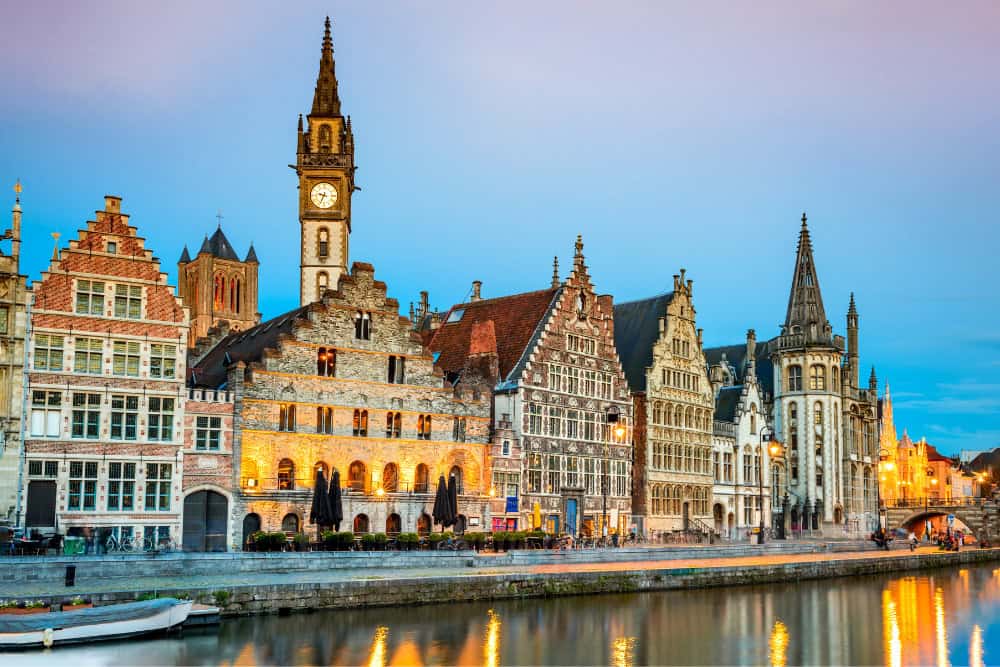
1. Ghent, Belgium: Embrace the Student Vibe
What Tourists Think
- Bruges is the go-to in Belgium, and maybe Brussels for the EU vibes.
- “Ghent? Isn’t that just a smaller Bruges?”
What Locals Actually Do
- Ghent is a lively university city with cool bars, bike-friendly streets, and fewer crowds. Students keep the nightlife and cafés humming.
- Locals often skip overpriced tourist zones and gravitate toward De Vooruit (a cultural center) or the artsy quarter near the Design Museum.
Insider Secret
- Explore by bike along the canals—rental bikes are easy to find. Grab a local beer (like a Gruut) in a cozy pub.
- Tourists often only pass through for a day, so if you stay overnight, you’ll feel the real evening buzz—think live music, craft beers, and street art.
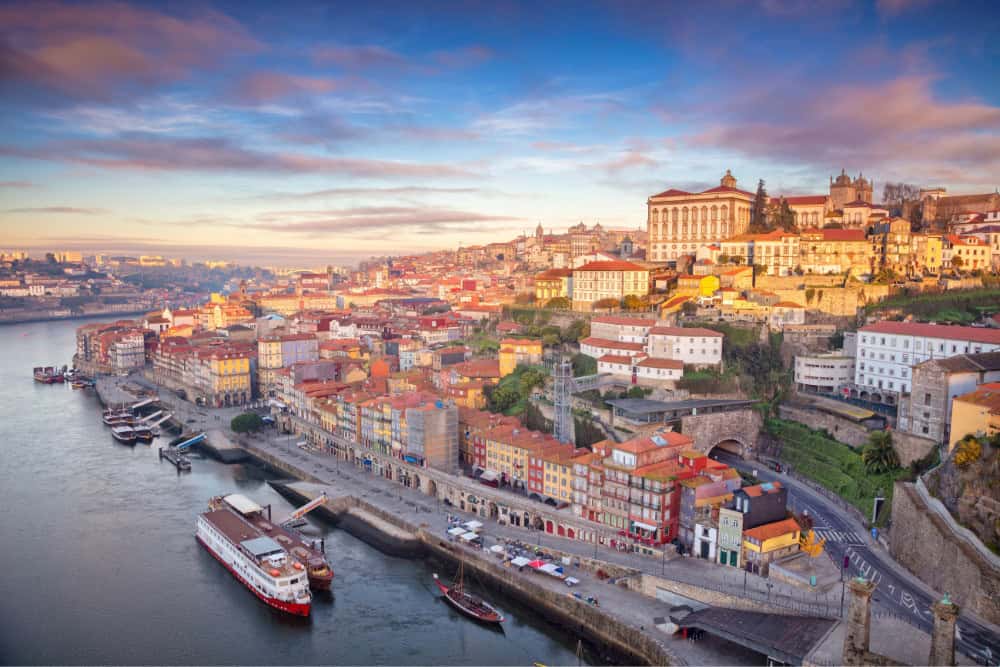
2. Porto, Portugal: Venture Beyond the Ribeira
What Tourists Think
- Tourists swarm the Ribeira district for Instagrammable riverfront shots, Port wine tastings, and maybe a quick boat tour.
What Locals Actually Do
- Explore neighborhoods like Cedofeita or Foz do Douro for a more relaxed pace and authentic cafes.
- They frequent local tasquinhas (taverns) for simple, tasty dishes like francesinha (a hearty sandwich) or grilled sardines.
Insider Secret
- Hop on a city bus to Foz and stroll the coastal promenade—few tourists go that far.
- Grab a cimbalino (espresso) at an old-school café and watch daily life unfold, away from the postcard crowds.
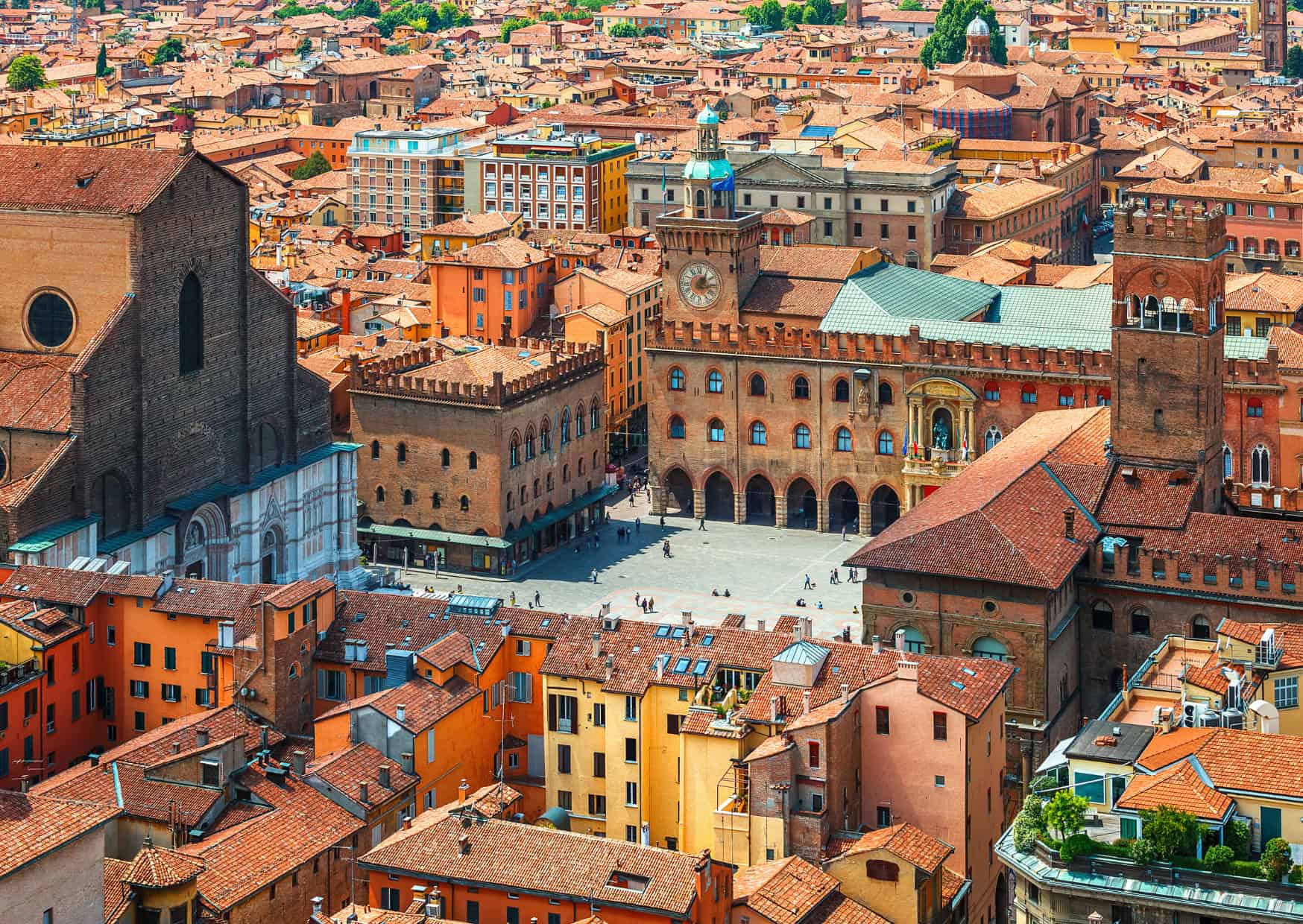
3. Bologna, Italy: Skip the Tourist Staples, Savor the Real Cuisine
What Tourists Think
- Milan, Venice, Florence, Rome—done and done. Maybe Naples for pizza?
What Locals Actually Do
- Bologna is the food capital for many Italians: fresh pasta (tagliatelle al ragù), mortadella, and a robust street food scene.
- University students give the city an energizing vibe—bars and osterie fill up at night, especially around the Quadrilatero market area.
Insider Secret
- Avoid restaurants with huge English menus near Piazza Maggiore. Head into side streets for hole-in-the-wall trattorie serving daily specials.
- For an authentic aperitivo, try local wines (Lambrusco, Pignoletto) or an Aperol spritz with complimentary snacks that rival dinner.
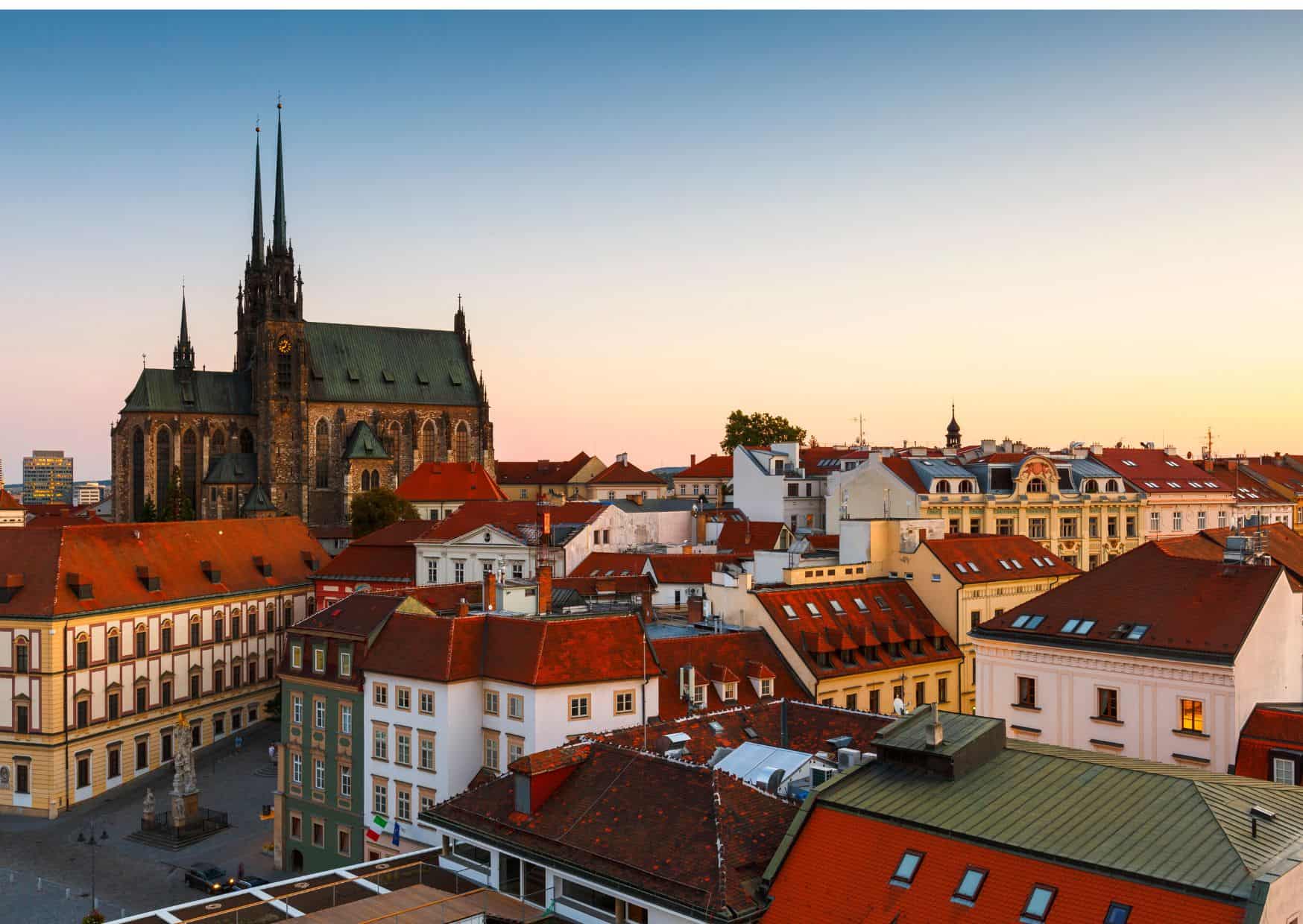
4. Brno, Czech Republic: Discover Craft Beer & Experimental Cuisine
What Tourists Think
- Prague is the Czech Republic’s must-see. Maybe Cesky Krumlov for a day trip.
What Locals Actually Do
- Brno, the country’s second-largest city, brims with hip cafés, craft breweries, and architectural gems (like Villa Tugendhat).
- A big student population and a thriving tech scene keep it modern and energetic.
Insider Secret
- Experience “beer culture” in cozy local pubs. Try regional microbrews instead of big-name Czech lagers.
- Wander the underground labyrinth beneath the vegetable market (Zelný trh). Fewer tourists, more mystery.
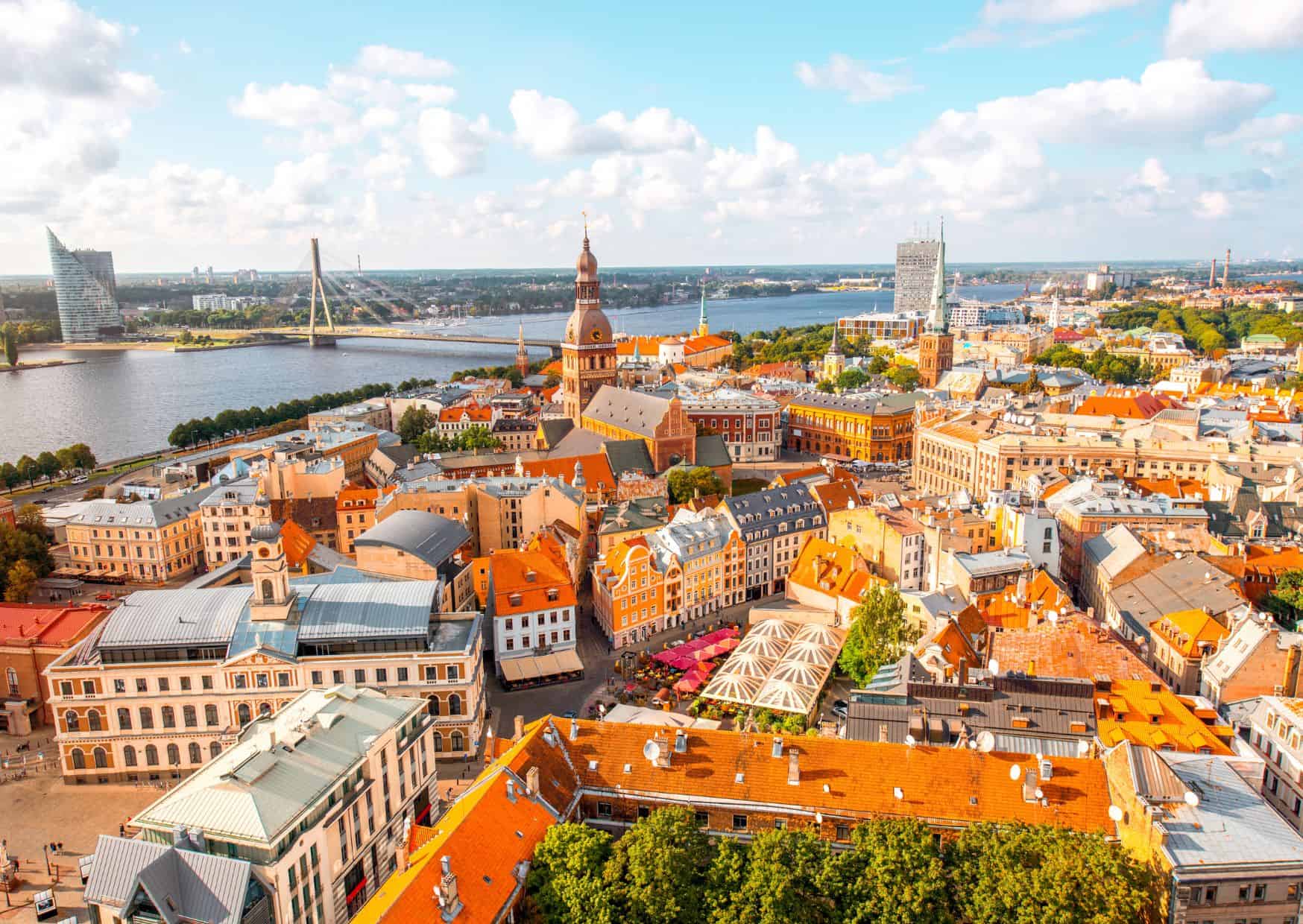
5. Rīga, Latvia: Get Lost in Art Nouveau & Local Markets
What Tourists Think
- The Baltics? Maybe just do a quick stop in Tallinn or take a ferry to Helsinki.
What Locals Actually Do
- In Rīga, locals pride themselves on one of Europe’s best Art Nouveau districts, plus a dynamic Central Market housed in old Zeppelin hangars.
- Evenings see them sipping local craft beers or kvass, enjoying Latvian dumplings (pelmeni), or sampling new Nordic-inspired restaurants.
Insider Secret
- Explore beyond Old Town: the Miera iela (Peace Street) district brims with hipster cafés, vintage shops, and micro-roasteries.
- Grab fresh produce at the Central Market—taste local smoked fish or pickles you won’t find in touristy restaurants.
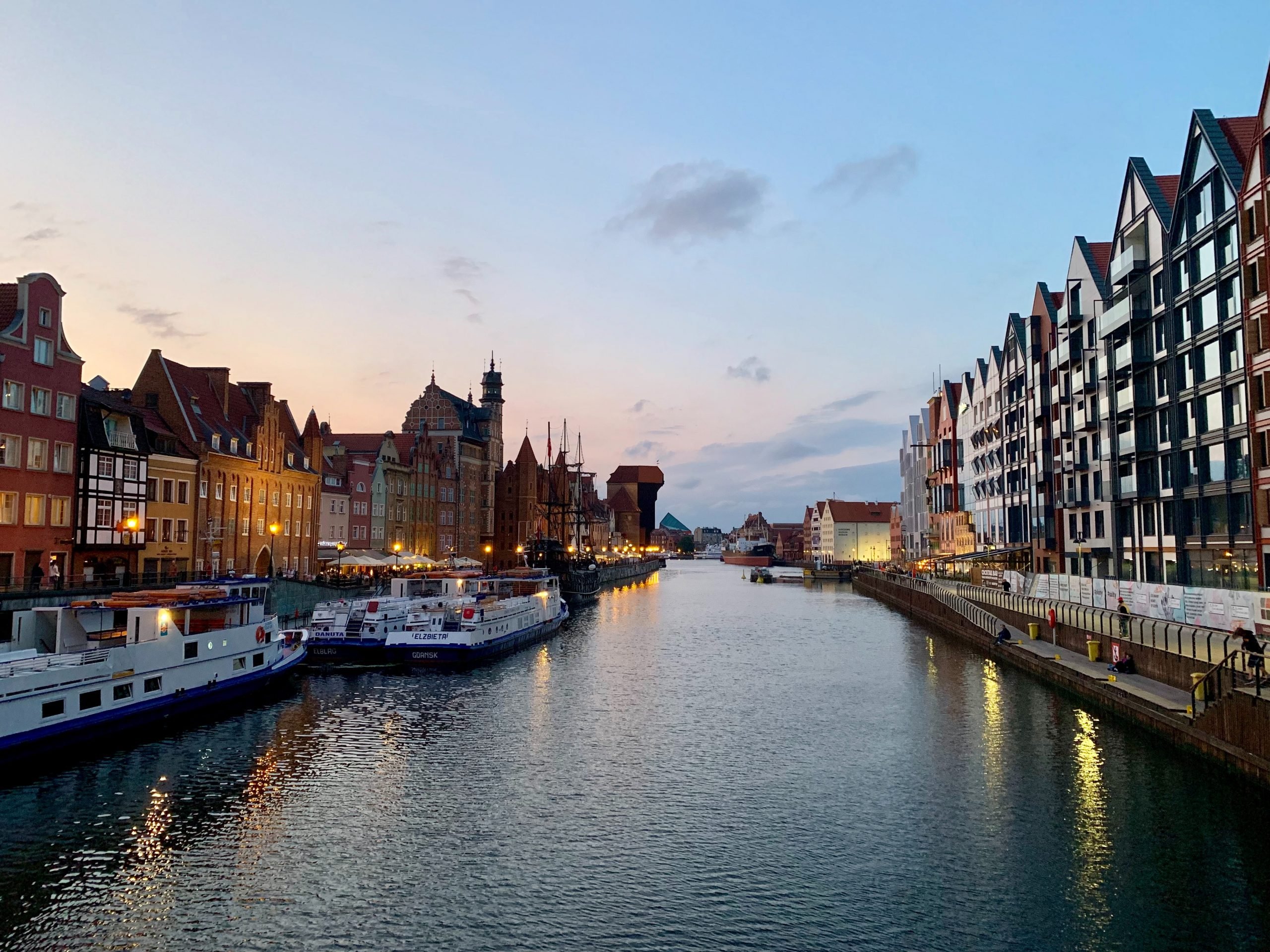
6. Gdańsk, Poland: Live the Maritime History
What Tourists Think
- Kraków or Warsaw overshadow Gdańsk. Maybe travelers pop in for a day on a Baltic cruise.
What Locals Actually Do
- Embrace the port city’s unique heritage at lively bars around the Motława River.
- Enjoy beach days in nearby Sopot, and fresh seafood in local canteens—think herring salads or cod soup.
Insider Secret
- Check out the alternative Dolne Miasto district (Lower Town) for art installations and local craft breweries.
- Try Poland’s beloved street snack, zapiekanka (baguette pizza), at small kiosks away from the tourist center.
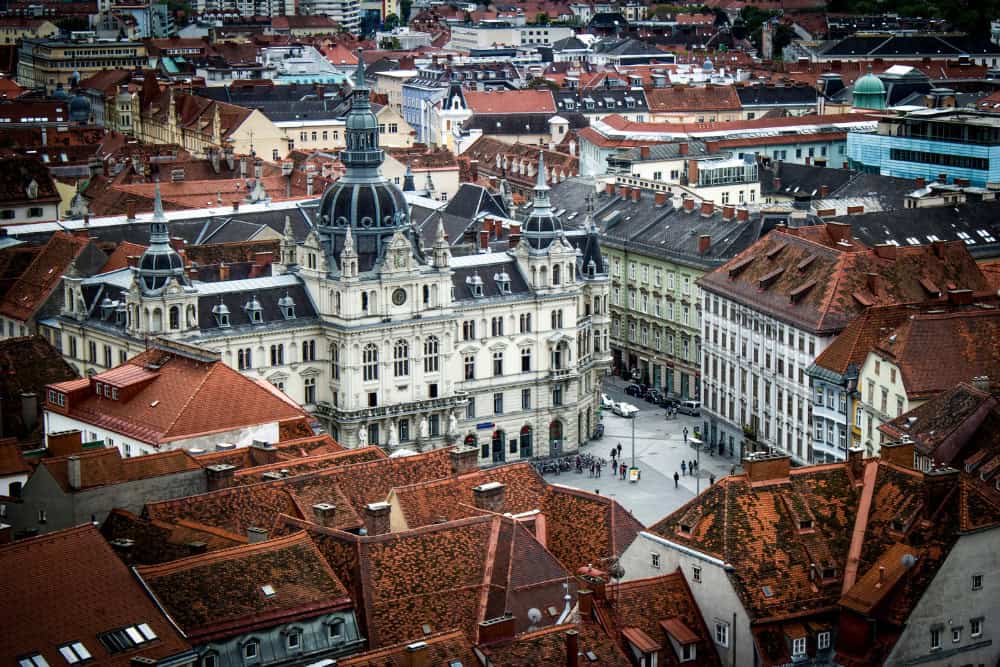
7. Graz, Austria: A Different Take on Austrian Culture
What Tourists Think
- Austria = Vienna, Salzburg, maybe Innsbruck for skiing.
What Locals Actually Do
- Graz, the second-largest city, is a UNESCO City of Design—packed with modern art galleries, design shops, and a robust foodie scene.
- Locals love schilcher (local rosé wine), pumpkin seed oil, and scenic strolls up Schlossberg (the hill in the city’s heart).
Insider Secret
- Explore the farmers’ markets for regional Styrian delights—apple cider, pumpkin seed oil, cheeses.
- The Lend district buzzes with street art, indie boutiques, and lively nightspots far from the touristy vantage.
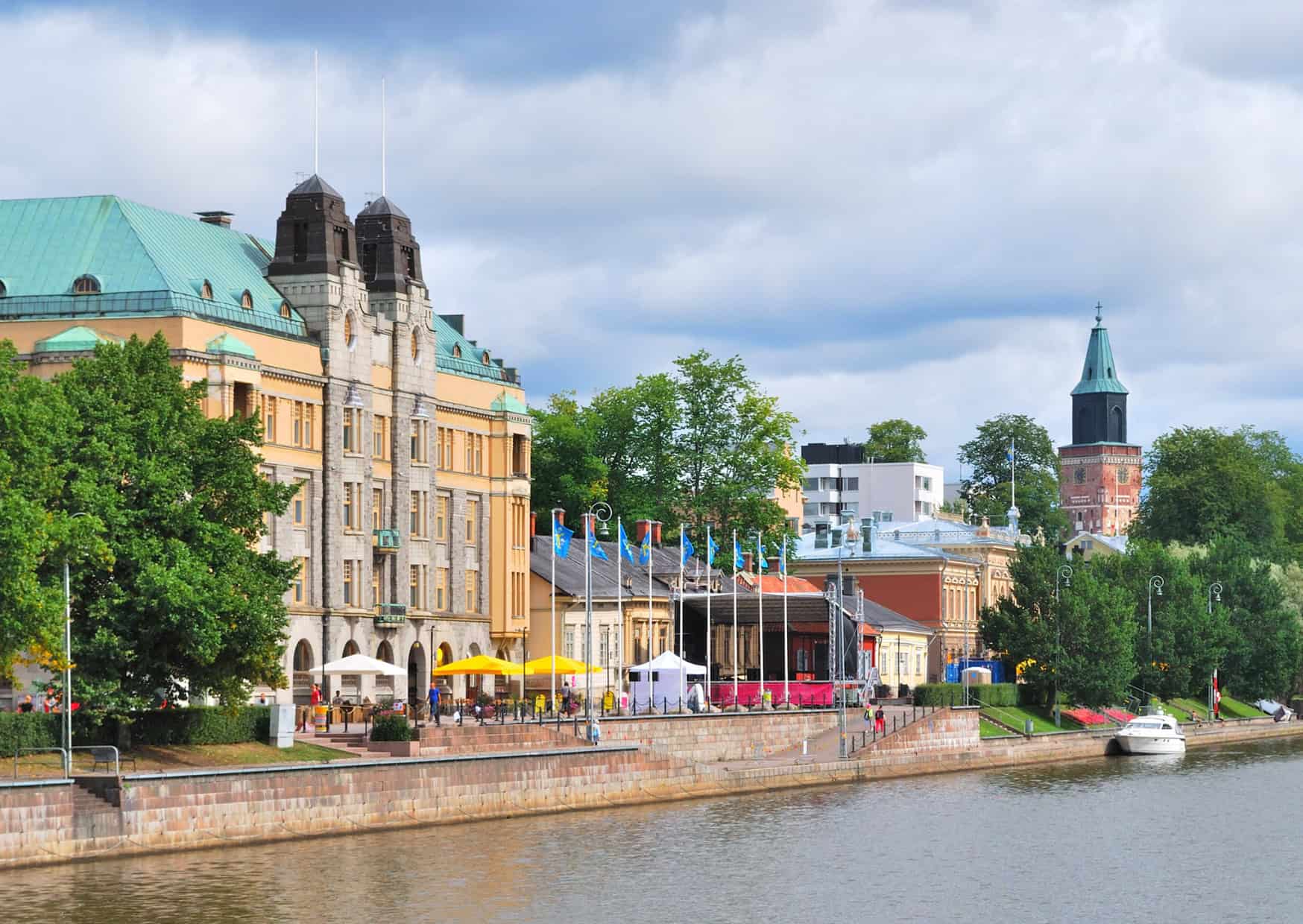
8. Turku, Finland: Feel the Nordic Riviera
What Tourists Think
- Helsinki, Lapland, maybe a cruise to Stockholm. Turku who?
What Locals Actually Do
- Turku, Finland’s oldest city, has a laid-back waterfront, medieval castle, and a vibrant summer scene.
- Locals love café-hopping along the Aura River, checking out pop-up saunas, and taking ferries to the archipelago for day trips.
Insider Secret
- Hit the market square and old market hall for Finnish specialties like karjalanpiirakka (rice pies) or local fish.
- In summer, join locals on the “riverboats” turned bars—less tourist traffic, more Finnish chill.
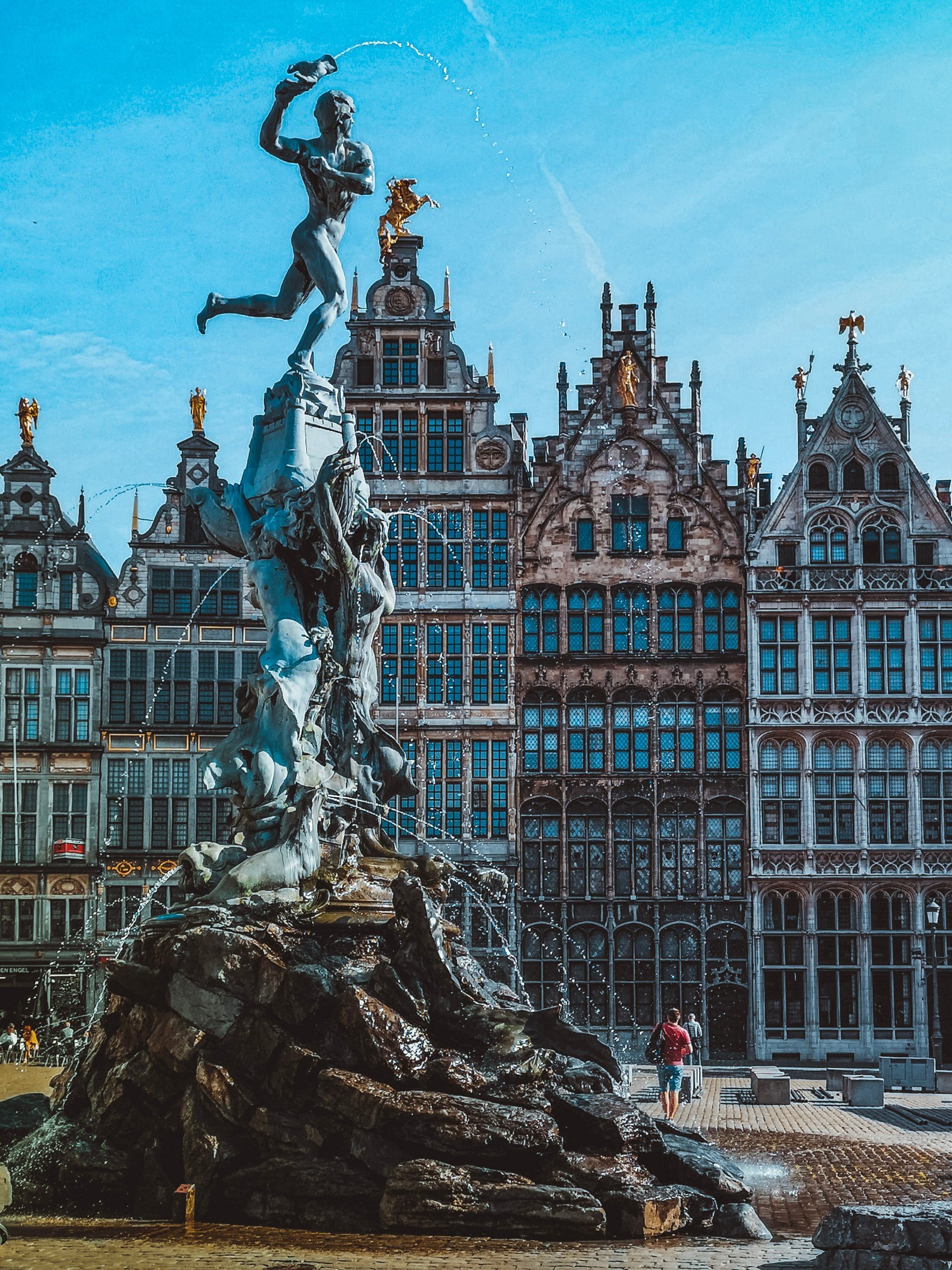
9. Antwerp, Belgium: It’s Not Just About Diamonds
What Tourists Think
- Brussels for the EU institutions, Bruges for the canals—Antwerp might get overshadowed.
What Locals Actually Do
- Antwerpers appreciate their city’s fashion-forward vibe, edgy street art, and creative dining spots.
- The city is famed for its diamond district but also for avant-garde fashion houses and design studios.
Insider Secret
- Visit the Fashion Museum (MoMu), then explore the up-and-coming neighborhoods like Het Eilandje with trendy coffee bars and waterfront hangouts.
- Snack on local treats: Belgian fries with andalouse sauce, or check out a bakery for pistolets (crisp bread rolls).
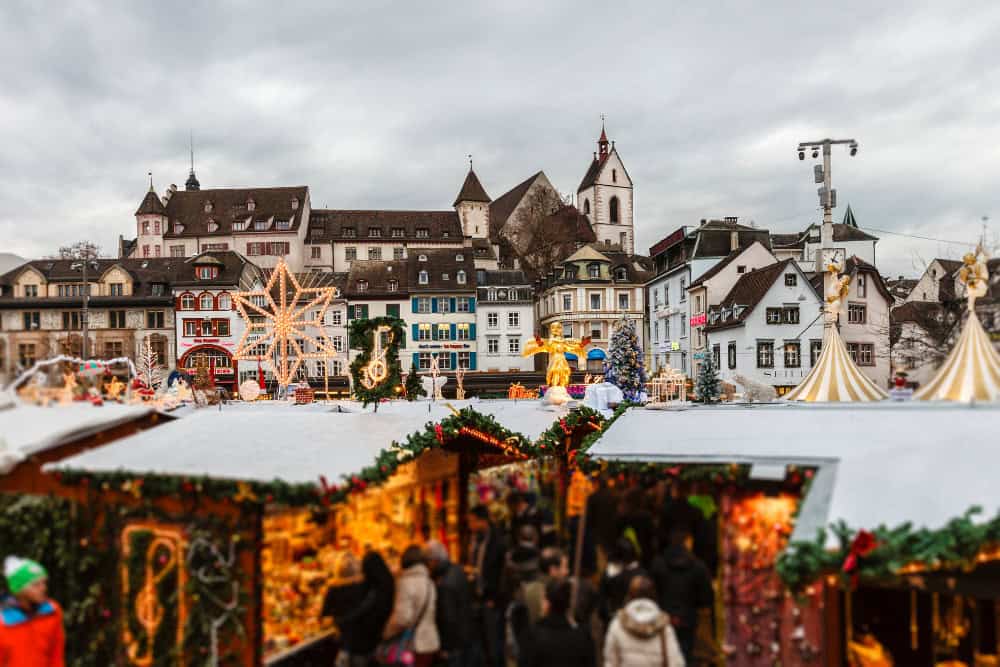
10. Basel, Switzerland: Modern Art & Riverfront Life
What Tourists Think
- Zurich or Geneva overshadow Basel. Maybe travelers only visit for Art Basel if they’re big collectors.
What Locals Actually Do
- Basel has an impressive collection of museums (Fondation Beyeler, Tinguely Museum) and a laid-back lifestyle along the Rhine—locals actually swim in the river in summer!
- They enjoy café culture, Swiss chocolate, and crossing the river on little wooden ferries.
Insider Secret
- Buy a watertight “fish bag” (Wickelfisch), fill it with your clothes, and float down the Rhine like the locals do in warm weather.
- Venture into Kleinbasel (the eastern bank) for more bohemian bars and authentic eateries.
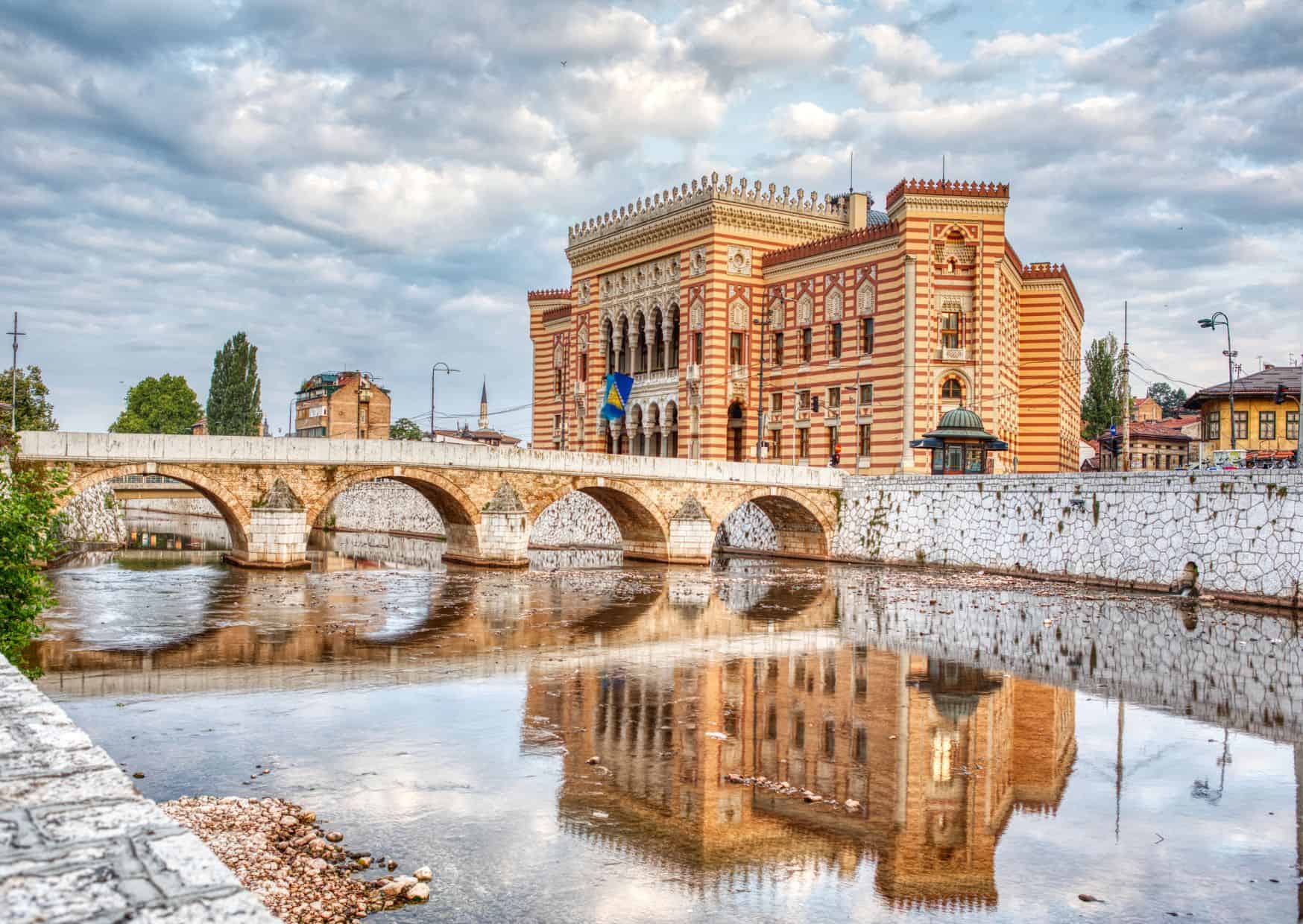
11. Sarajevo, Bosnia & Herzegovina: Coffee Culture & Ottoman Heritage
What Tourists Think
- War-torn past, maybe a quick day trip from Dubrovnik?
What Locals Actually Do
- Sarajevo boasts rich Ottoman influences, bustling bazaars, and a café culture rivaling Istanbul’s.
- Locals sip Bosanska kafa (Bosnian coffee) from small copper pots, nibble on burek (filled pastries), and meet friends in hidden courtyards.
Insider Secret
- Wander Baščaršija (old bazaar) for local handicrafts, but also head to the less touristy side streets for authentic grilled dishes like ćevapi.
- Don’t miss the mix of religious landmarks—mosques, churches, synagogues—in close proximity, reflecting Sarajevo’s diverse heritage.
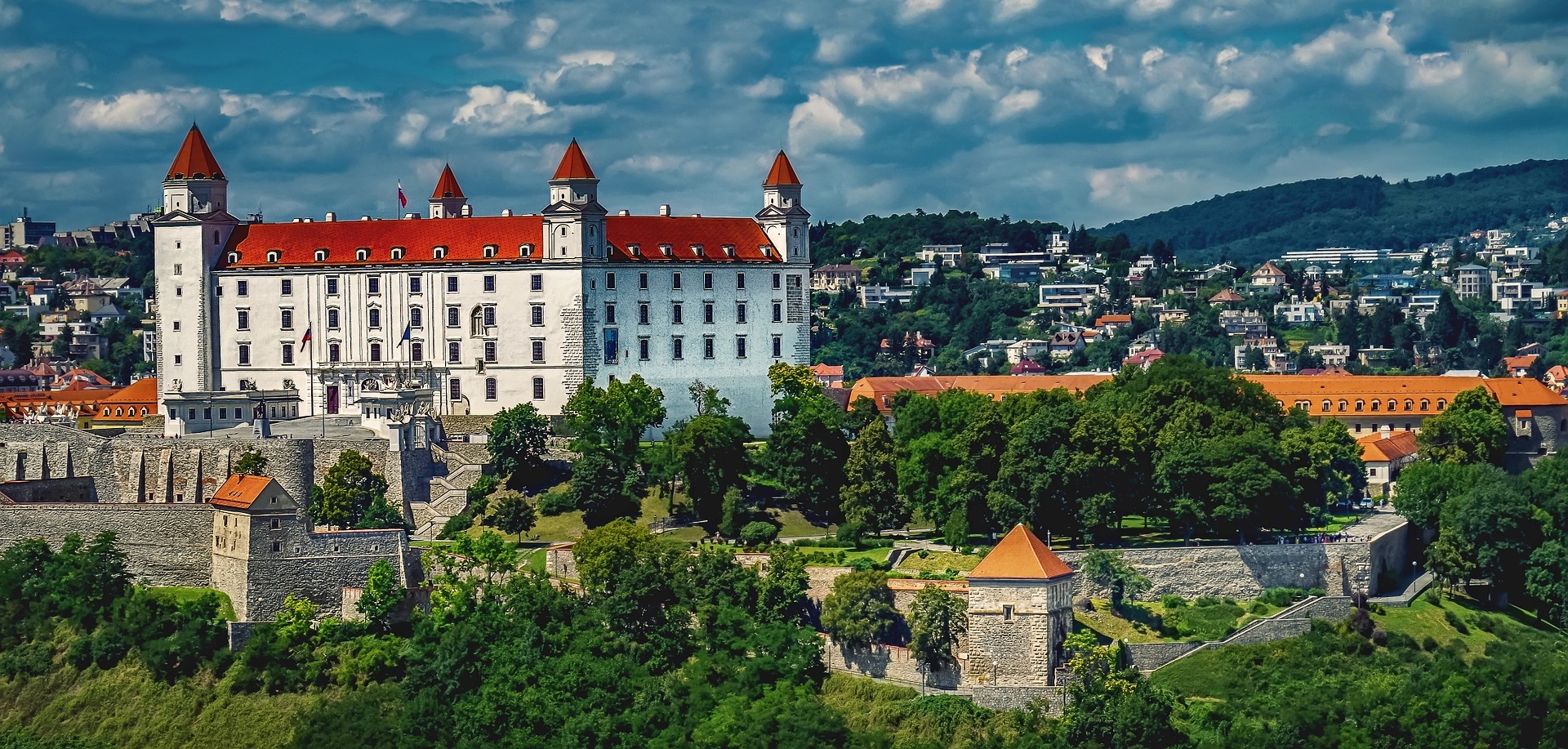
12. Bratislava, Slovakia: A Lesser-Known Capital Gem
What Tourists Think
- People flock to Vienna or Budapest, maybe skip Bratislava as a half-day bus ride.
What Locals Actually Do
- Enjoy the compact old town’s lively café culture, the UFO bridge vantage, and the Danube River’s scenic paths.
- Try Slovak classics like bryndzové halušky (sheep cheese dumplings) or local craft beers in off-center pubs.
Insider Secret
- Explore beyond the central tourist zone. Check out the emerging arts district around Nová Cvernovka.
- Cycle along the Danube to Devin Castle—weekends see locals picnicking and sipping local wine from the Small Carpathians region.
13. Lübeck, Germany: Hanseatic Charm & Marzipan
What Tourists Think
- Germany must be about Berlin, Munich, or maybe Hamburg.
What Locals Actually Do
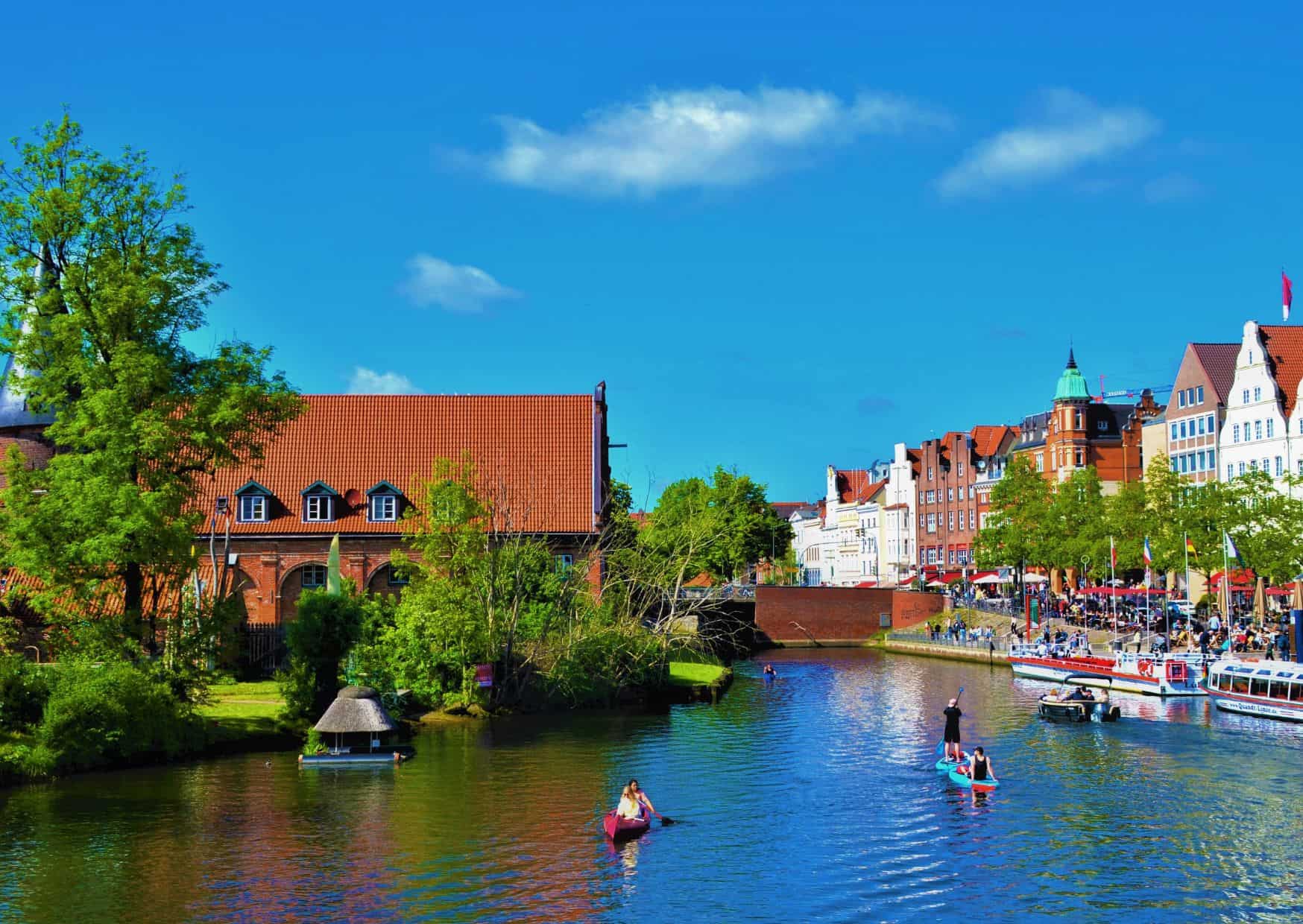
- Lübeck, a UNESCO World Heritage city, is famed for its medieval brick architecture, maritime history, and mouthwatering marzipan.
- Locals stroll the old town (Altstadt) on an island surrounded by the Trave River, frequenting cozy marzipan cafés.
Insider Secret
- Visit the Niederegger Café for marzipan treats. Venture into side streets for half-timbered houses and hidden courtyards.
- Summertime finds locals kayaking on the canals or enjoying fresh seafood like Matjes (young herring).
14. Utrecht, The Netherlands: Canal Life Minus the Amsterdam Crowds
What Tourists Think
- Amsterdam is the center of Dutch life, maybe they pop by The Hague or Rotterdam.
What Locals Actually Do
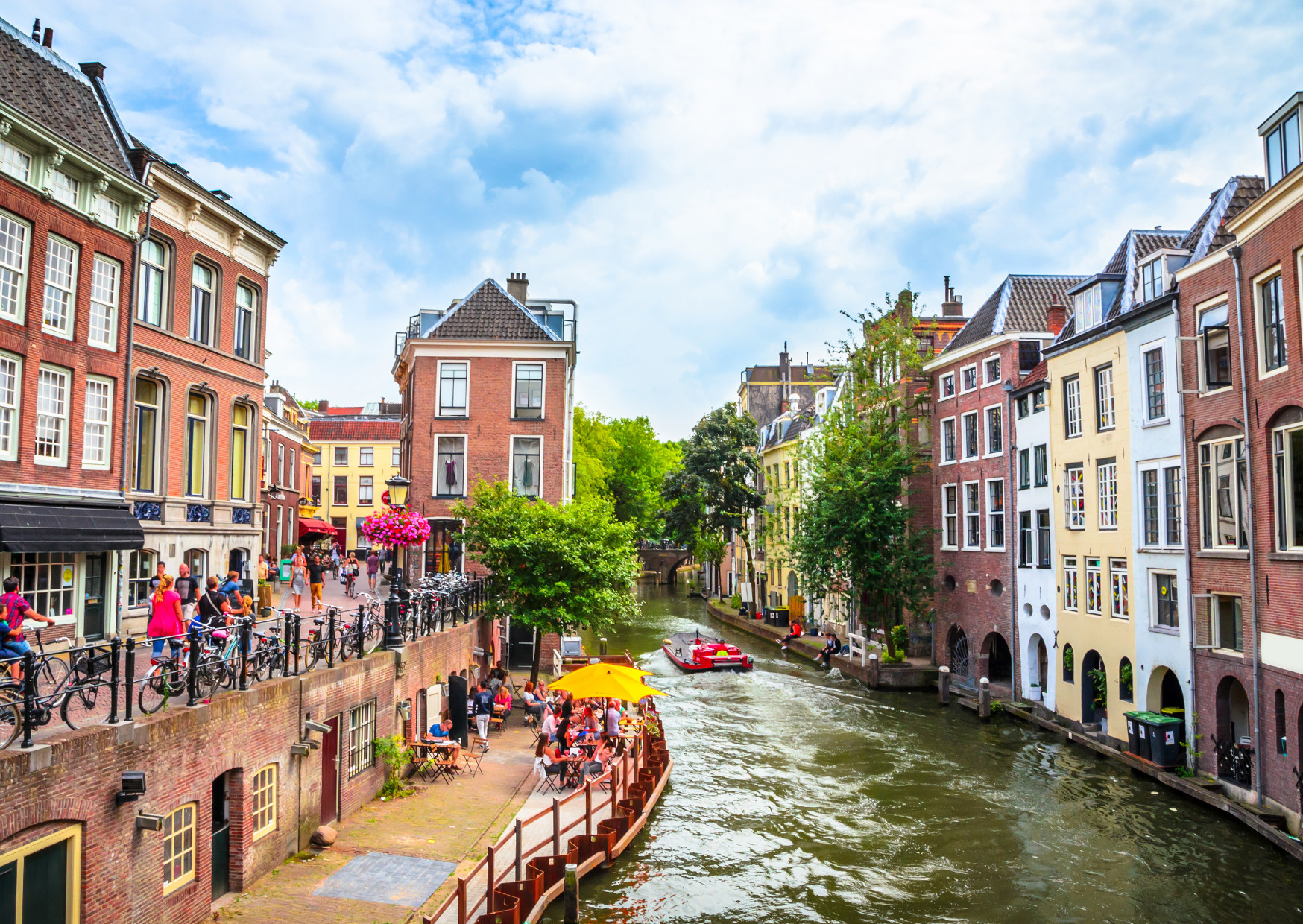
- Utrecht is a major university city with centuries-old canals, but fewer hordes of tourists. Locals bike everywhere, lounge by canal-side cafés, and relish the indie shops in the city center.
Insider Secret
- Stroll along Oudegracht (the old canal) with its unique wharf cellars turned into bars and restaurants.
- Climb the Dom Tower if you want panoramic views, but also check out smaller art galleries or community events—students keep the city youthful and creative.
The Bottom Line
Europe’s lesser-known cities can be just as culturally rich—if not more so—than the famous capitals. When you skip the typical tourist trail, you’ll find relaxed vibes, budget-friendly options, and welcoming locals eager to share hidden corners of their hometown. Whether you’re sipping wine by Porto’s riverfront or floating down the Rhine in Basel, each overlooked city has a unique heartbeat you can tap into—just show up with curiosity and openness.
Pro Tip
Adopt local rhythms—linger in cafés, learn a few phrases of the language, seek out everyday eateries, and let spontaneity guide your itinerary. That’s how you truly “live like a local” in Europe’s hidden gems. Bon voyage (or goeie reis, buon viaggio, and so on)!

About the Author: Ruben, co-founder of Gamintraveler.com since 2014, is a seasoned traveler from Spain who has explored over 100 countries since 2009. Known for his extensive travel adventures across South America, Europe, the US, Australia, New Zealand, Asia, and Africa, Ruben combines his passion for adventurous yet sustainable living with his love for cycling, highlighted by his remarkable 5-month bicycle journey from Spain to Norway. He currently resides in Spain, where he continues sharing his travel experiences with his partner, Rachel, and their son, Han.