
Spain is known for its vibrant culture, warm hospitality, and laid-back lifestyle. However, beneath the relaxed atmosphere are unspoken rules of etiquette that Spaniards follow closely.
While some of these rules might seem “uptight” at first, they reflect the deep respect Spaniards have for their culture, food, and relationships. By embracing these customs, you’ll not only avoid awkward moments but also enjoy a more authentic and enriching experience in Spain.
To Americans, these customs may seem overly formal or “uptight,” but they reflect Spain’s deep respect for tradition, community, and social harmony. Here are the etiquette rules in Spain that locals live by—and how to avoid common faux pas.
Read Here European Things that terrify Americans and American Habits that make Europeans Cringe
Read here how to pack for Europe and Best eSIM for Europe
BOOK YOUR TRAVEL INSURANCE
Two of our favorite travel insurance: Heymondo Vs Safetwing cheapest travel Insurance. You can get for $135 USD your Heymondo Travel Insurance with Heymondo discount code valid for 90 days. Read our full comparison of Genki vs Safetywing Travel Insurance Review and the comparison Heymondo vs Genki
Quick Easy Tips
Always greet shopkeepers when entering and leaving—“Hola” and “Gracias” go a long way.
Don’t speak too loudly in public places—it’s seen as disruptive, not confident.
Never start eating before everyone is served—it’s considered disrespectful.
Dress smartly for dinner or social events, even casual ones—appearance matters more than you think.
Punctuality is flexible for social plans, but not for professional or formal occasions.
Don’t rush your meals—slow dining is part of the culture.
Avoid tipping excessively—it’s not expected the way it is in the U.S.
To some Americans, Spain’s etiquette rules may feel unnecessarily rigid or even outdated. Why should it matter if you wear sneakers to dinner, or if you eat before everyone else? But in Spanish culture, these norms are seen as foundational to mutual respect. It’s not about being uptight—it’s about showing you value the people and space around you.
One major cultural clash is around personal space and physical touch. Spaniards may stand closer, touch more during conversation, or greet with kisses on the cheek—behaviors that Americans might misread as intrusive. Conversely, behaviors Americans see as harmless, like placing feet on a seat or being overly casual with waitstaff, can be interpreted as rude or arrogant.
There’s also a deeper issue of cultural perception. Some travelers believe that embracing local etiquette means “losing” their own identity or values. But in truth, adapting doesn’t mean assimilation—it means awareness. Following Spain’s social rules isn’t about pretending to be someone else. It’s about being a respectful guest in someone else’s home.
Etiquette Rules in Spain
1. Greetings: A Kiss on Both Cheeks

Why Locals Care:
Spaniards value warm and personal greetings, especially in social settings. A handshake is too formal or cold for casual interactions, while kissing on both cheeks shows warmth and respect.
Etiquette Rule:
When meeting someone, expect to exchange two air kisses, starting with the right cheek, even if it’s your first time meeting them (gender norms apply: women kiss both men and women; men typically kiss women but shake hands with men).
Handshakes are reserved for professional or very formal occasions.
Why Americans Find It Uptight:
Americans are used to handshakes, hugs, or a simple “hello” and might feel awkward navigating the cheek-kiss tradition.
2. Stick to Meal Times
Why Locals Care:
Spaniards have very specific meal times that they take seriously, and showing up at the wrong time for food can cause confusion or frustration. Eating at set times is more than a habit; it’s a cherished tradition.
Etiquette Rule:
Breakfast: Light and early (7:00–9:00 AM), often just coffee and toast.
Lunch (La Comida): The main meal of the day, served between 1:30–3:30 PM.
Dinner (La Cena): Much later than in the U.S., typically 8:30–10:30 PM.
Avoid expecting restaurants to be open for dinner before 8:00 PM.
Why Americans Find It Uptight:
In the U.S., meal times are flexible, with many restaurants open all day. Spain’s rigid schedule can feel restrictive or inconvenient.
3. Don’t Rush Meals

Why Locals Care:
Meals in Spain are social events, not something to rush through. Spaniards value savoring food and conversation, which is why restaurants won’t hurry you, even if they need the table.
Etiquette Rule:
Take your time eating; no one will rush you out, but don’t expect quick service either.
Ask for the check (“La cuenta, por favor”) when you’re ready to leave—waiters won’t bring it unless requested.
Why Americans Find It Uptight:
Americans, accustomed to fast-paced dining and attentive service, might find Spain’s slower pace frustrating, especially if they’re on a tight schedule.
4. Dress Smart, Even Casually

Why Locals Care:
Spaniards take pride in their appearance and see dressing well as a sign of respect for themselves and others. Casual doesn’t mean sloppy, even when running errands.
Etiquette Rule:
Avoid wearing athletic wear (like sweatpants, leggings, or gym clothes) unless you’re working out.
For sightseeing or casual outings, opt for clean, stylish attire.
Why Americans Find It Uptight:
In the U.S., casual, comfortable clothing is widely accepted, so Spain’s emphasis on dressing well might seem overly formal.
5. Say Hello and Goodbye Everywhere
Why Locals Care:
Spaniards are highly social, and greetings are a way to acknowledge and respect others. Ignoring this custom can come across as rude.
Etiquette Rule:
Say “Buenos días” (Good morning) or “Buenas tardes” (Good afternoon) when entering shops, restaurants, or elevators.
Always say “Adiós” or “Gracias” when leaving.
Why Americans Find It Uptight:
In the U.S., greetings are more situational, and people often shop or enter public spaces without acknowledging others.
6. Respect the Siesta (Quiet Time)
Why Locals Care:
The siesta isn’t about sleeping; it’s about taking a midday break to recharge and enjoy a relaxed meal. During this time (typically 2:00–5:00 PM), many businesses close, and excessive noise is frowned upon.
Etiquette Rule:
Avoid scheduling appointments or loud activities during siesta hours, especially in smaller towns.
Be patient—many shops reopen after 5:00 PM.
Why Americans Find It Uptight:
Americans are used to a 24/7 business model, and siesta closures can feel inconvenient or inefficient.
7. Tipping Is Minimal, If at All
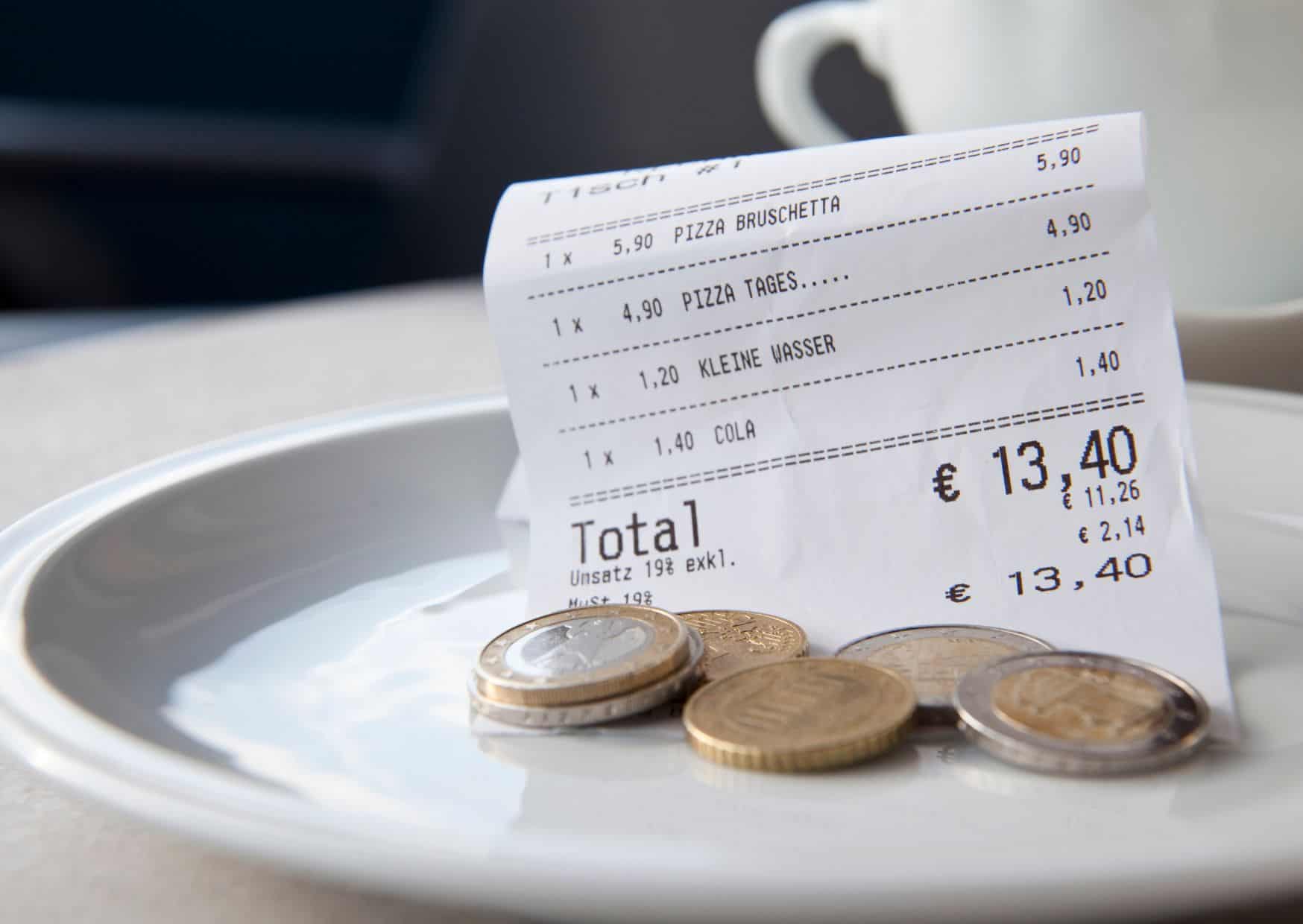
Why Locals Care:
In Spain, tipping isn’t obligatory because service workers earn a fair wage. A small tip is appreciated but not expected, and overtipping can feel out of place.
Etiquette Rule:
Round up the bill or leave 1–2 euros at casual restaurants.
For more formal dining, a tip of 5–10% is generous.
Why Americans Find It Uptight:
Americans, used to tipping 15–20%, may feel unsure about leaving less.
8. Avoid Loud or Overly Personal Conversations in Public
Why Locals Care:
Spaniards value lively conversation but believe in being considerate of others in public spaces. Speaking loudly or sharing personal details in public is seen as disruptive.
Etiquette Rule:
Keep your voice at a reasonable level in restaurants, on public transport, and in stores.
Avoid sensitive or personal topics in casual conversations, especially with strangers.
Why Americans Find It Uptight:
In the U.S., loud or expressive conversations in public are common, so Spain’s emphasis on discretion might feel overly formal.
9. Always Share and Pass Food at Meals
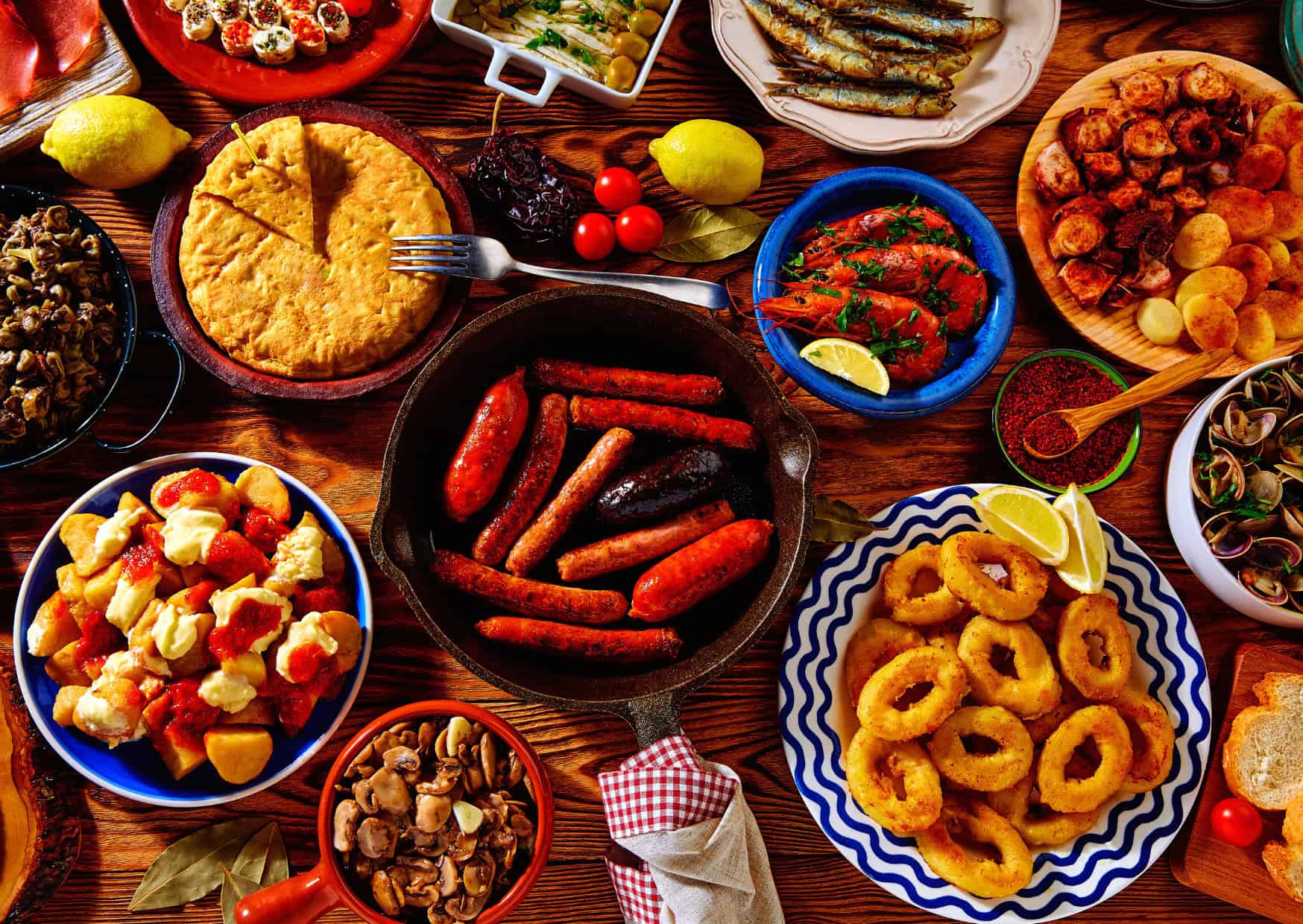
Why Locals Care:
Sharing food, especially tapas, is central to Spain’s communal dining culture. Keeping everything for yourself is seen as selfish.
Etiquette Rule:
When eating tapas, order multiple dishes to share with the group.
Offer bread or small plates to others before serving yourself.
Why Americans Find It Uptight:
Americans are more accustomed to individual portions, so Spain’s sharing culture might feel unfamiliar or inconvenient.
10. Punctuality for Social Events Is Flexible
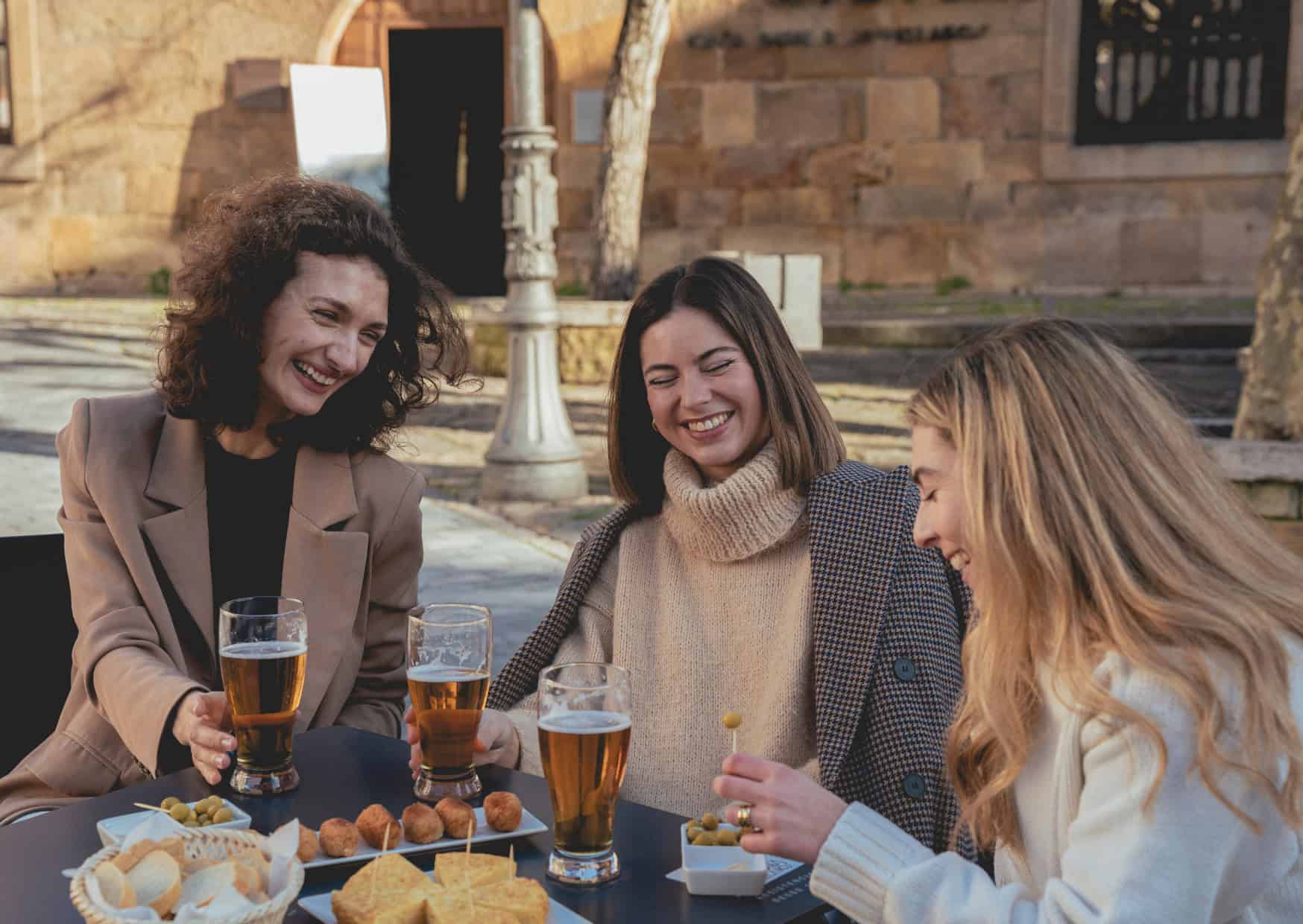
Why Locals Care:
Spaniards value relationships over schedules. Being a little late (10–20 minutes) for social gatherings is normal and even expected, as it shows a relaxed approach to time.
Etiquette Rule:
Don’t arrive too early—it might catch your host unprepared.
For formal appointments or business meetings, arrive on time.
Why Americans Find It Uptight:
Americans are used to strict punctuality, so Spain’s relaxed approach might feel disorganized.
11. Don’t Touch Produce at Markets
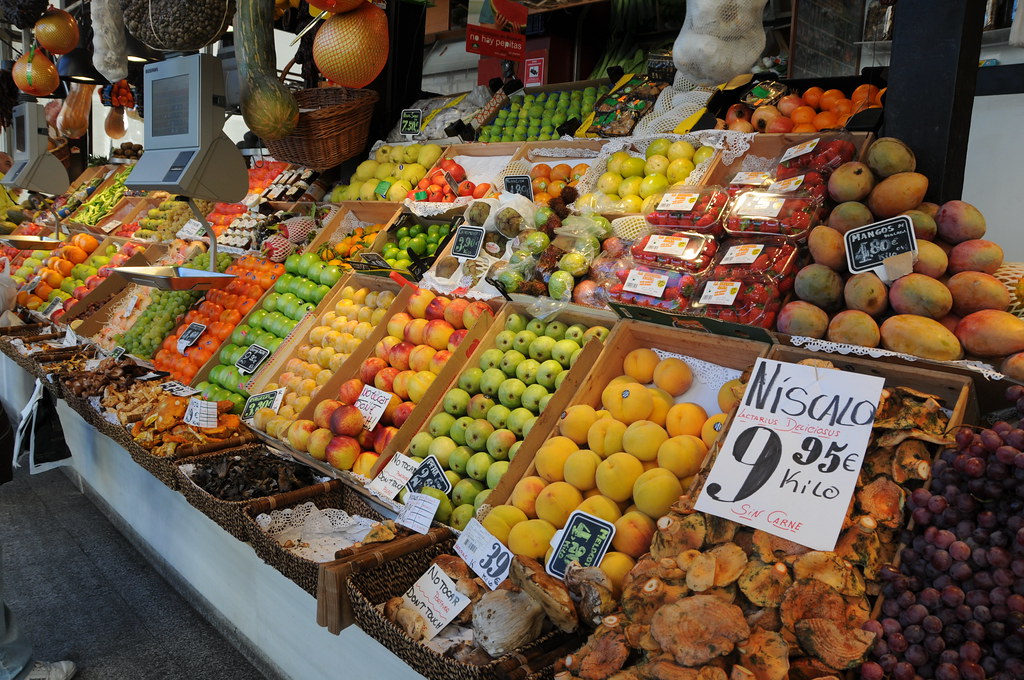
Why Locals Care:
Fresh produce is highly valued, and touching fruits or vegetables at markets is considered unhygienic. Vendors take pride in selecting the best items for their customers.
Etiquette Rule:
Let the vendor choose your produce for you.
Politely point to what you want and ask for specific quantities.
Why Americans Find It Uptight:
In the U.S., people often inspect and select their own produce, so Spain’s hands-off approach might seem overly strict.
12. Respect Late-Night Quiet Hours
Why Locals Care:
While Spaniards love socializing late into the night, residential areas have strict noise rules to ensure neighbors aren’t disturbed.
Etiquette Rule:
Keep your voice down when walking through quiet streets at night.
Avoid loud music or gatherings in residential areas after midnight.
Why Americans Find It Uptight:
In the U.S., especially in party-heavy cities, late-night noise is more widely tolerated, so Spain’s quiet hours might feel limiting.
Final Thoughts
Spain is warm, expressive, and incredibly welcoming—but only if you approach it with cultural sensitivity. The unspoken rules aren’t barriers; they’re bridges. When you honor them, you’ll often find doors opening, conversations flowing, and experiences deepening in ways that don’t happen when you’re just another tourist.
Learning the subtleties of etiquette doesn’t require perfection. What matters most is effort and humility. Ask questions. Watch how locals interact. Be open to adjusting your usual habits. These small shifts go a long way in showing that you’re not just visiting—you’re engaging.
So before you pack your bags for Spain, pack a little cultural curiosity too. It may be the most important thing you bring with you.

About the Author: Ruben, co-founder of Gamintraveler.com since 2014, is a seasoned traveler from Spain who has explored over 100 countries since 2009. Known for his extensive travel adventures across South America, Europe, the US, Australia, New Zealand, Asia, and Africa, Ruben combines his passion for adventurous yet sustainable living with his love for cycling, highlighted by his remarkable 5-month bicycle journey from Spain to Norway. He currently resides in Spain, where he continues sharing his travel experiences with his partner, Rachel, and their son, Han.