
Why Single Out August?
You’ve probably seen gorgeous Instagram posts featuring sun-soaked beaches on the Italian coast, or influencer reels capturing Greek island sunsets in August—making it seem like the perfect time to visit Europe. And yes, visually, it can be stunning. But behind those curated shots lies a harsh reality many travelers only discover once they arrive: August in Europe is notorious for scorching heat, massive crowds, and shuttered local businesses. Before you book those plane tickets, let’s delve into why traveling in August might be a regrettable choice—and how you can work around the pitfalls if it’s truly your only option.
Looking for More Travel & Culture Reads?
– They Don’t Work 24/7: 5 Vacation Customs in Europe That Drive Americans Crazy
– 7 Dress Code Shocks Americans Face in Italy
– 9 European Beach Habits That Shock First-Time Tourists
– 7 Beach Behaviors That Make Locals Avoid You in Italy
Quick Easy Tips
Avoid peak crowds: If you can, travel in May–June or September–October for the same sunshine but fewer tourists.
Book accommodations early: If you must go in August, secure hotels or Airbnbs months ahead—last-minute deals barely exist.
Escape to smaller towns: Skip the packed capitals and head to villages, coastal towns, or mountain areas where locals flee during the heat.
Plan around closures: Many restaurants and family-run shops in cities like Paris or Rome close for holidays in August. Double-check before you go.
Hydrate and pace yourself: Southern Europe gets brutally hot in August. Afternoon siestas aren’t just tradition—they’re survival.
August travel in Europe has long been romanticized by social media influencers, who post dreamy photos of sunlit beaches, Mediterranean islands, and bustling city streets. What they don’t show is the reality: crushing crowds, soaring prices, unbearable heat waves, and locals who aren’t even there—because they’ve left on holiday themselves. The glossy portrayal often misleads travelers into believing August is the “perfect” time, when in truth it’s the month Europeans avoid their own tourist hotspots.
Another controversial point is how August tourism fuels overtourism in already struggling destinations. Cities like Venice, Barcelona, and Dubrovnik experience overwhelming strain on infrastructure during this month, frustrating locals and degrading the experience for visitors. By traveling in August, some argue that tourists unintentionally contribute to the very problem that makes these places less enjoyable.
Finally, the divide between “Instagram travel” and “real travel” becomes clear in August. Influencers may bask in curated moments, but the average traveler faces endless queues, overpriced meals, and canceled trains due to heat. This disconnect sparks heated debate: should influencers be more transparent about when not to travel, or does the responsibility fall entirely on the traveler to do their research?
1. Extreme Heat and Limited Air Conditioning
The Culprit
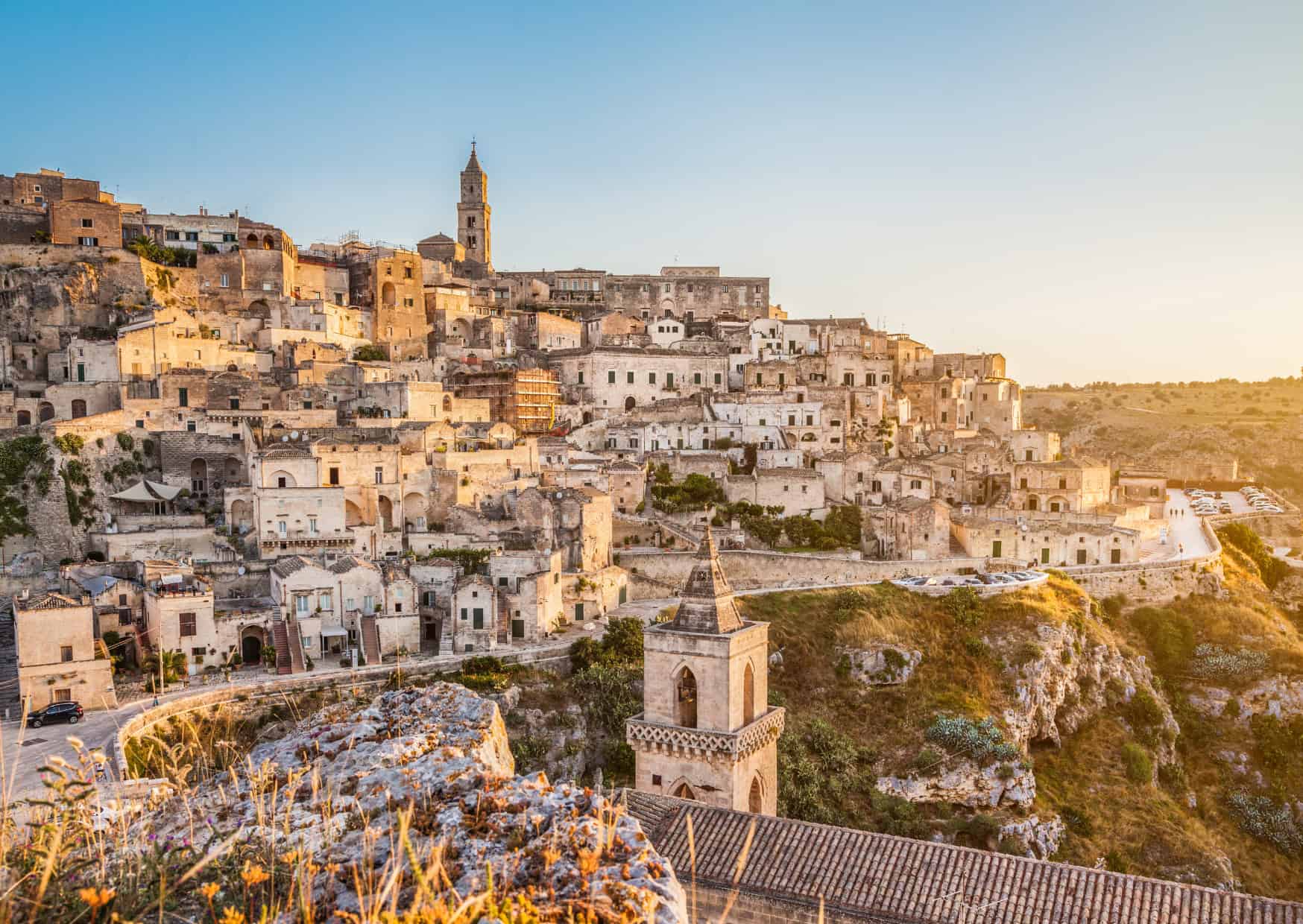
Summers in southern Europe, especially in August, can see daytime temps soar well above 35°C (95°F). Even central and northern regions have faced unusual heat waves in recent years. The kicker? Many European homes, restaurants, or public spots lack robust air conditioning—some older buildings barely have any A/C at all.
Why It’s Awful
- Sleepless Nights: Accommodation might offer little more than a fan. Trying to doze off in a stuffy, sweltering room can ruin your energy for daytime sightseeing.
- Sweaty Sightseeing: Touristic lines under direct sun become draining. Exploring iconic sites in full midday heat can overshadow the enjoyment.
- Cultural Norm: Some locals see A/C as a last resort (or an expensive luxury), preferring shutters or fans—which might not cut it if you’re used to air-conditioned comfort.
Survival Tip: If August is your only window, book accommodations labeled “air-conditioned” or with strong fans. Expect to pay a premium for modern hotels. Embrace early-morning or late-afternoon sightseeing to dodge the hottest hours.
2. Many Locals Are on Their Own Vacations

The Mass Exodus
In countries like Italy, France, and Spain, August is prime holiday month. Entire offices may shut down, small shops close, and city dwellers flee to the coast or mountains. The result? Urban neighborhoods can look oddly deserted.
Why It’s Bad
- Closed Businesses: That little family-run trattoria you read about might have a “Chiuso per Ferie” (Closed for Holidays) sign. Or your favorite boulangerie in Paris is locked up until September.
- Loss of Authenticity: With locals gone, you’re left mostly with tourists. The city dynamic can feel less genuine.
- Fewer Services: If you need a local tailor, small grocer, or specialty shop, you might not find them open.
Survival Tip: If you’re visiting a big city in August, do some research. Certain tourist-centric zones remain active, but iconic neighborhoods can become shells of themselves. Accept that local life is on pause and adapt your schedule or day trips to still find open tourist spots.
3. Crowded Beach Resorts (and Price Spikes)
The Overload
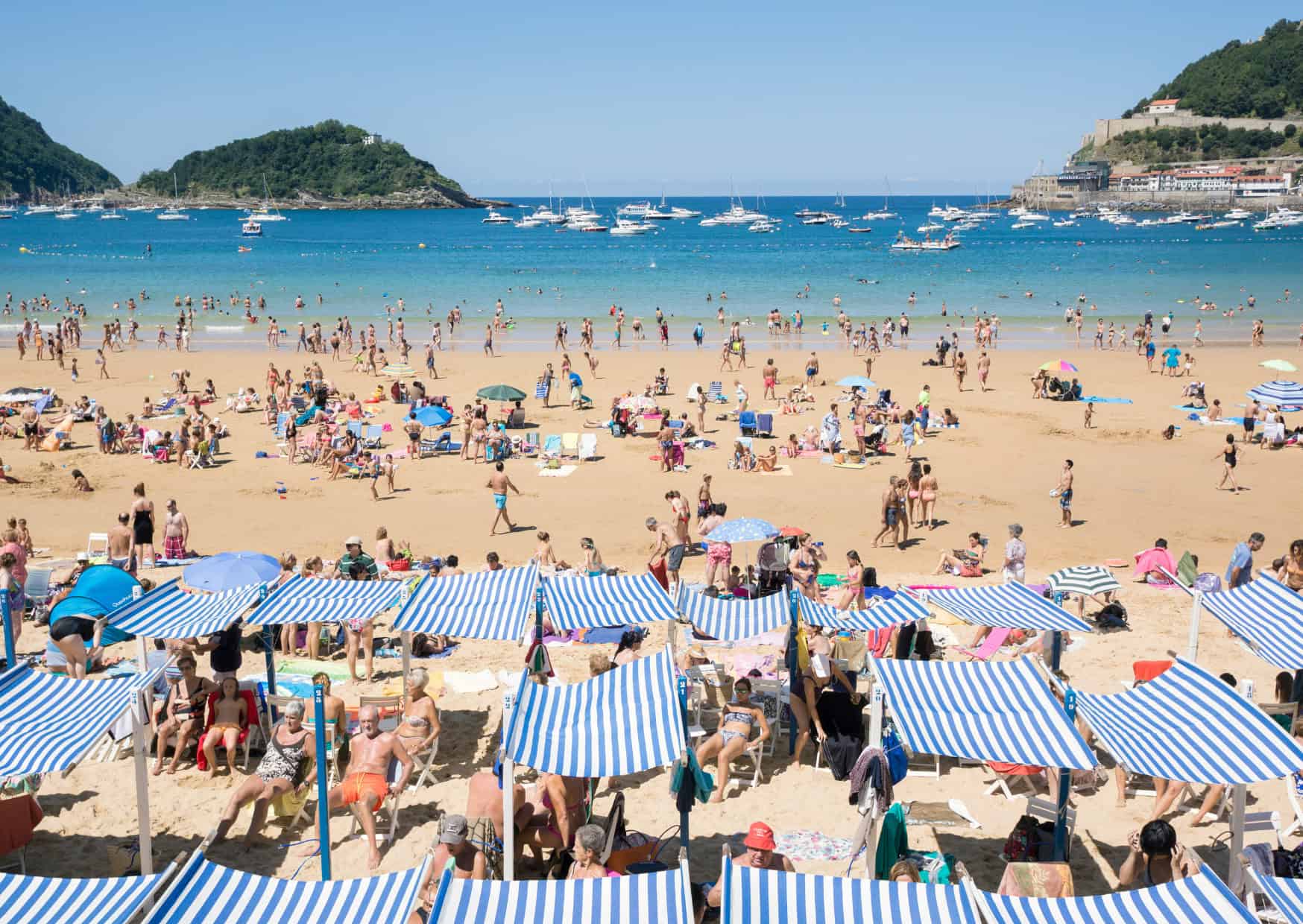
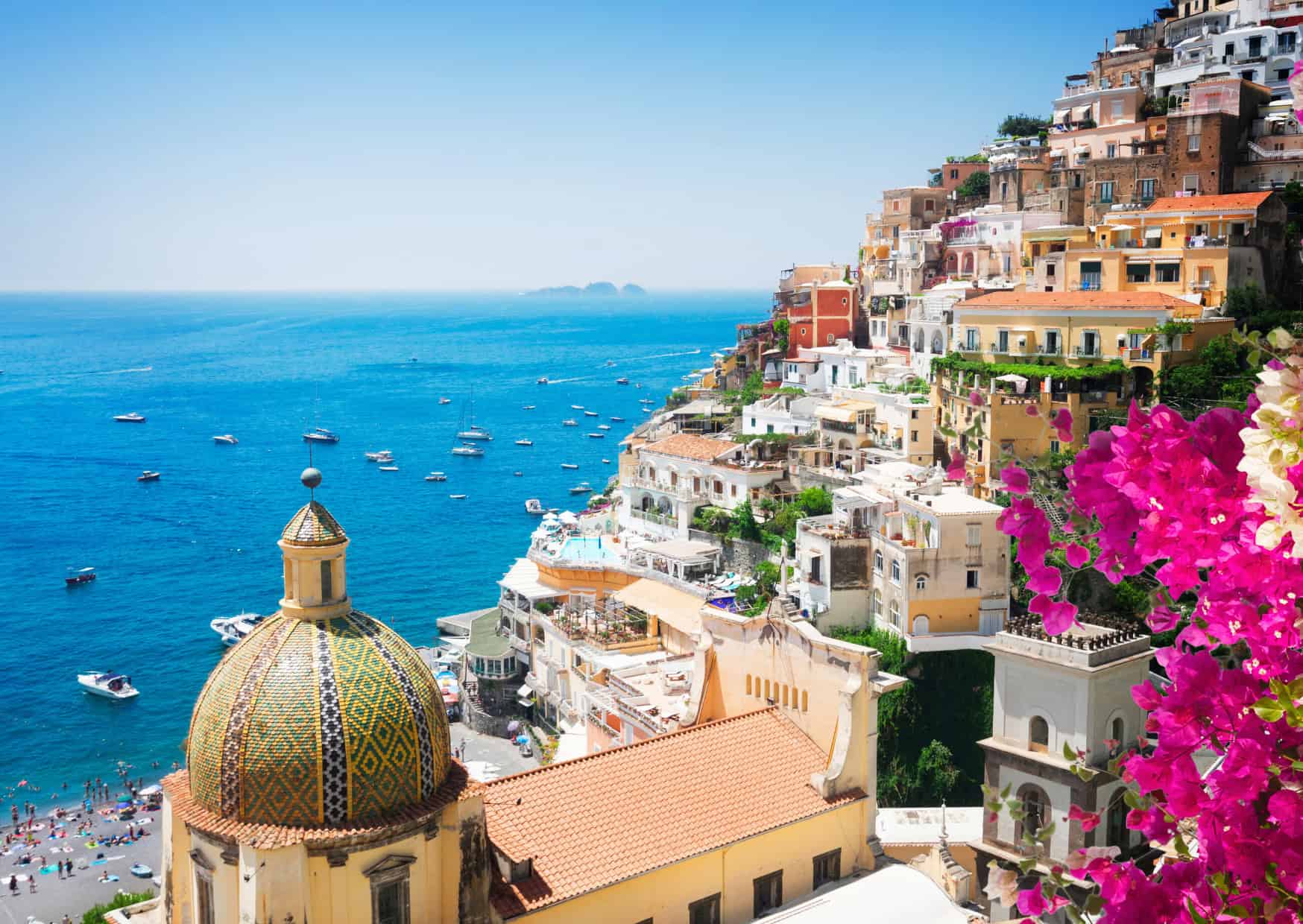
While big cities might empty out, coastal resorts or lake destinations fill up with both local and international travelers. August is high season for Greek islands, Spain’s Costa del Sol, Italy’s Amalfi Coast, and beyond—everyone wants that summer getaway.
Why It’s a Nightmare
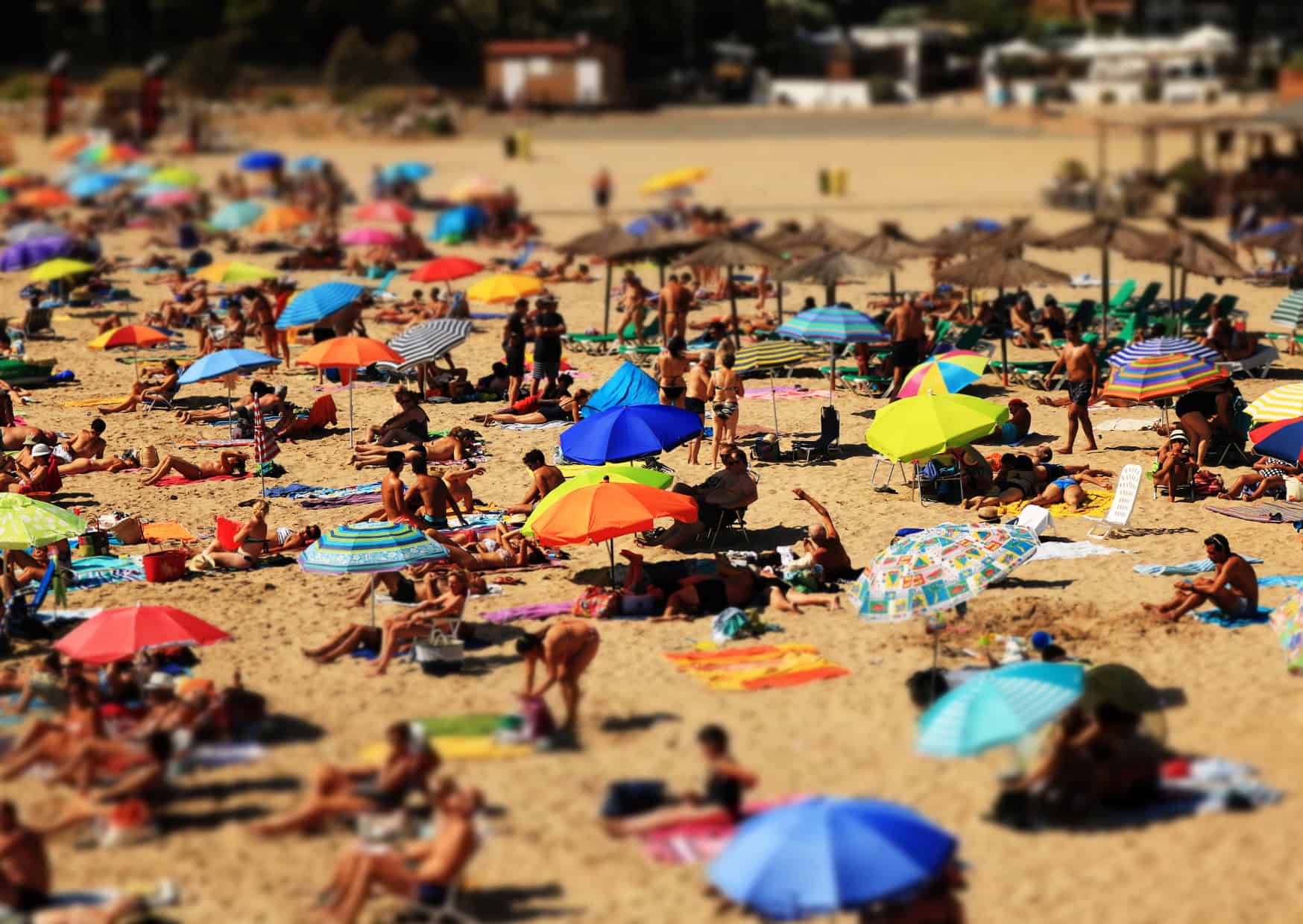
- Jammed Beaches: Towel-to-towel on the sand, zero personal space. Overbooked restaurants require reservations days in advance, if they’re even still taking them.
- Sky-High Accommodation Costs: Limited availability + peak demand = inflated hotel and Airbnb rates, sometimes double or triple the off-season prices.
- Exorbitant Flights: August flights, especially around mid-month, can be among the costliest all year. You might pay more for a flight now than any other summer week.
Survival Tip: If your dream is a Mediterranean beach holiday in August, book far in advance. Look at lesser-known coasts or smaller villages away from the main tourist hotspots. Or consider traveling early or late August to miss the apex of the crowd mania.
4. Overwhelming Tourist Lines Everywhere
The August Surge
Landmarks like the Eiffel Tower, Coliseum, and Sagrada Família might always have lines, but in August, it can be next-level. Huge numbers of travelers from across the globe converge simultaneously, fueling intense wait times—even with skip-the-line or time-slot tickets.
Why It’s Frustrating
- Decreased Enjoyment: Standing in the blazing sun for hours can sap your enthusiasm. You rush your experience once inside.
- Less Access for Spontaneous Visits: The chance of snagging a same-day ticket for major attractions? Slim. If you didn’t plan weeks ahead, you might be out of luck.
- Tour Group Overload: Museums can be swamped by group tours, making the environment hectic.
Survival Tip: Pre-book every significant attraction to have a shot at skipping the worst lines. Or get up super early for “first entry” slots. Accept that your desired vantage point might be congested—patience is essential.
5. Cultural & Religious Festivals or Holidays Shake Up Schedules
The Unexpected
Some regions celebrate major festivals in August—like Ferragosto in Italy (August 15) or various saint’s days. While these can be lively, they can also disrupt travel with:
- Public Transport Changes: Reduced schedules or special routes.
- Shop Closures: Businesses might shut for the festival day or even a week.
- Massive Local Crowds: If you’re not prepared, you might get caught in the throng of festival-goers.
Why It’s Mixed
It can be fun to see the spectacle. But for travelers not anticipating it, the closure of essential services or congested roads can hamper your itinerary.
Survival Tip: Check city event calendars. If you choose to embrace the festival, book accommodations early. If you want a quiet trip, plan around major holiday dates or find less festival-impacted regions.
6. Minimal “Local Vibes” in Tourist-Heavy Neighborhoods
The Irony
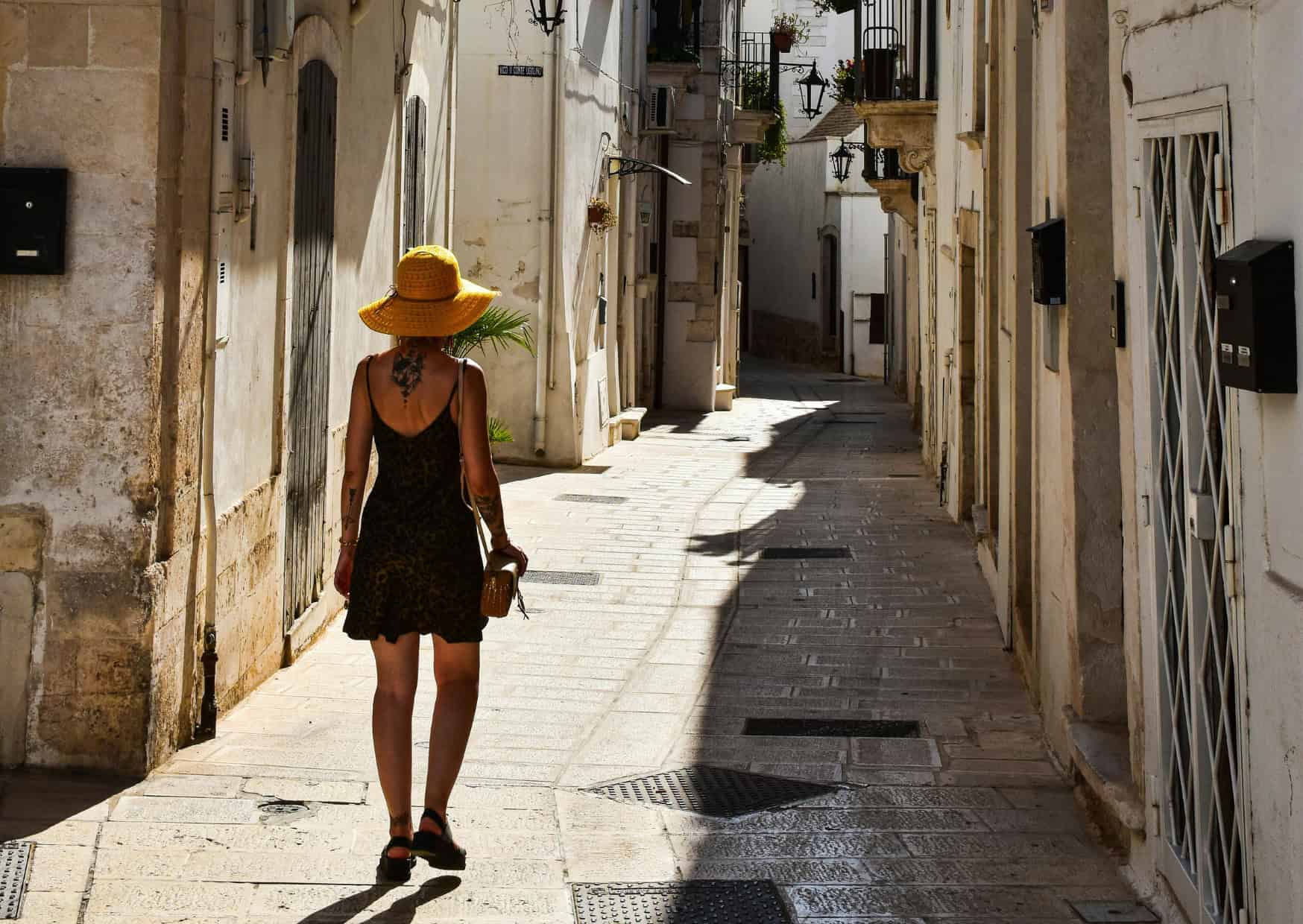
August is ironically the month you see the fewest locals in tourist neighborhoods (since they’re off traveling or in the countryside). Popular areas might be thronged by fellow tourists, with local-run shops replaced by souvenir stands.
Why It Hurts the Experience
- Less Authenticity: If you’re seeking local culture—like old ladies shopping at the market or baristas greeting daily regulars—August is the worst time.
- All English, All the Time: If you wanted to practice your French or Spanish, you might find yourself speaking English with staff who cater to foreign crowds.
Survival Tip: If local immersion is your goal, search for residential neighborhoods where families remain, or smaller towns not reliant on tourism. You might glean more authenticity, albeit with fewer big attractions.
7. Surging AC & Hotel Demands (While Many Places Lack AC)
Contradiction
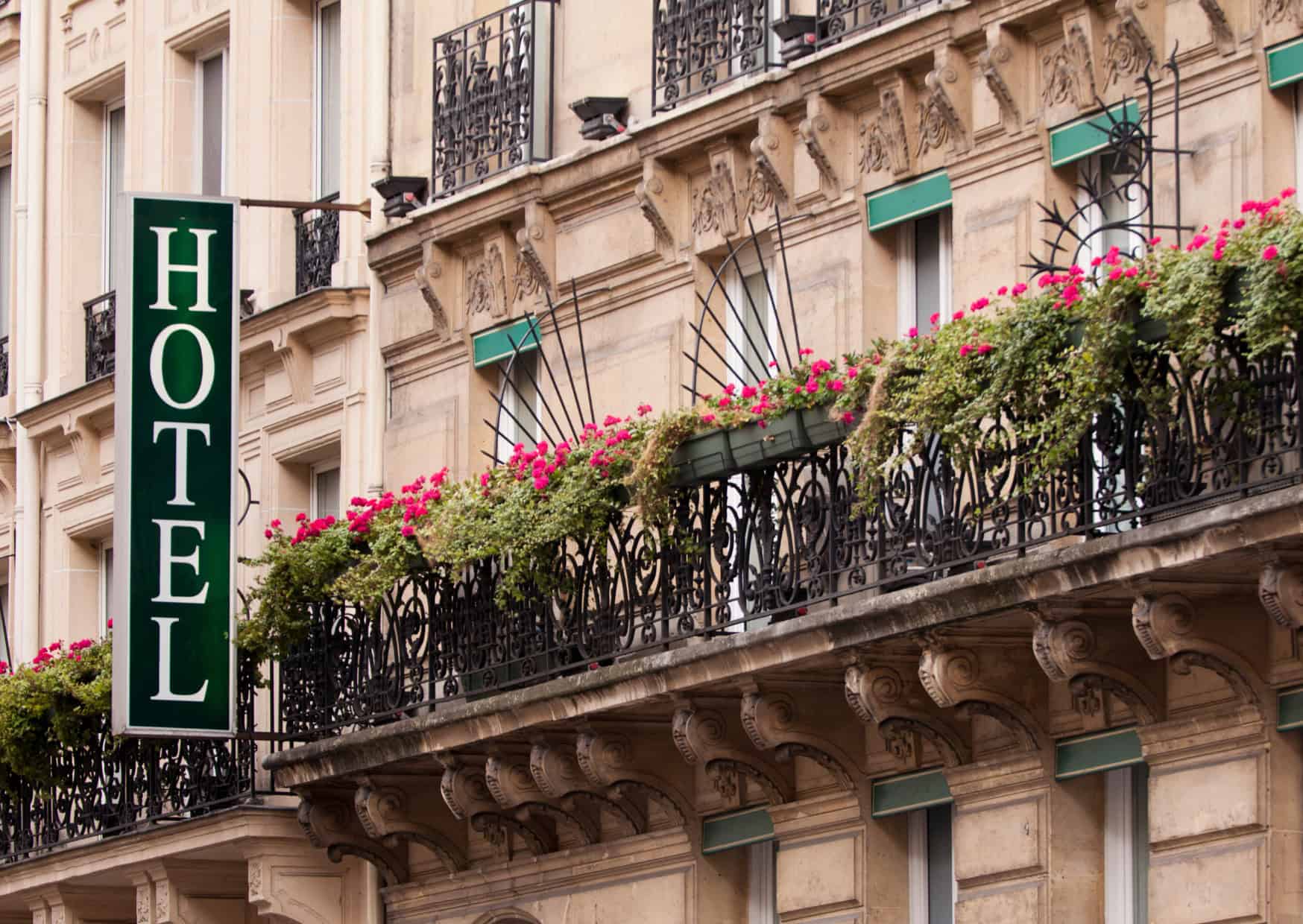
It’s scorching, so you want air-conditioned hotels or restaurants. But:
- Older Infrastructure: Many older city buildings didn’t factor in modern AC retrofits.
- Premium Pricing: The few lodging options with powerful AC can double in price, capitalizing on high demand from heat-weary tourists.
Why It’s a Problem
Lack of AC in standard lodging can compromise your sleep, mood, and overall health. Attempting to secure an AC-equipped hotel often means paying a premium or booking well in advance—a major frustration for last-minute planners.
Survival Tip: If you’re sensitive to heat, prioritize AC in your booking filters. Be ready to pay more, or choose northern latitudes or mountainous areas where nights cool off naturally.
8. The Peak of Airline Woes & Limited Seat Availability
The Travel Crush
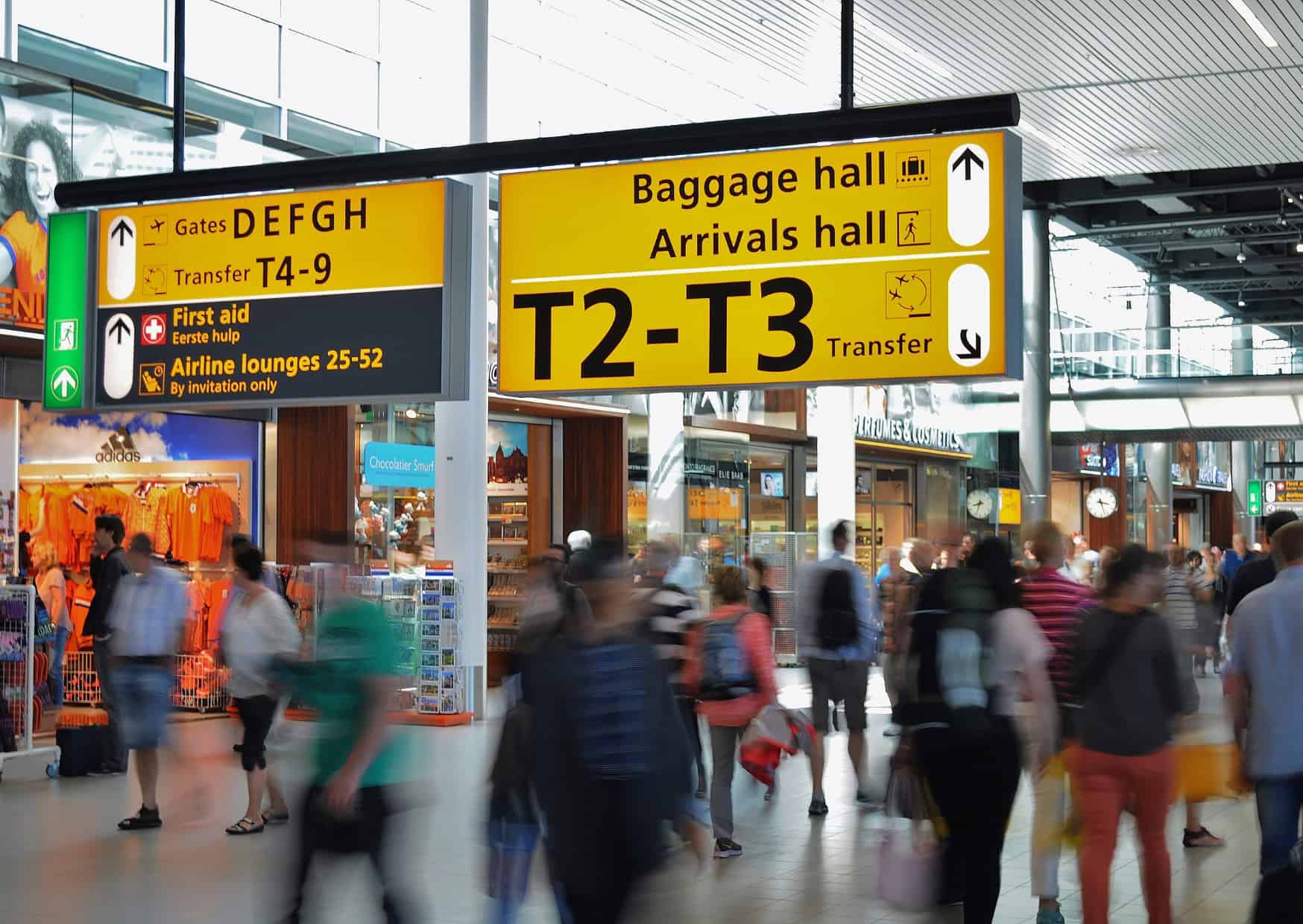
August flight bookings are notoriously heavy. Many locals also fly to their holiday destinations, joining the usual wave of tourists.
- Overbooked: More risk of oversold flights or limited seat upgrades.
- Long Security Lines: Airport staff might be on partial holiday too, impacting efficiency.
Why Americans Might Struggle
If you rely on frequent-flyer miles or budget carriers, August may present fewer redemption seats or inflated “peak season surcharges.” Nonstop flights vanish quickly, forcing awkward layovers.
Survival Tip: If August can’t be avoided, book flights early—3-6 months in advance for best picks. Alternatively, consider flying midweek, when demand is slightly lower, or aiming for early/late August, not the absolute center of the month.
9. The Contrast to Shoulder Seasons
The Missed Opportunity
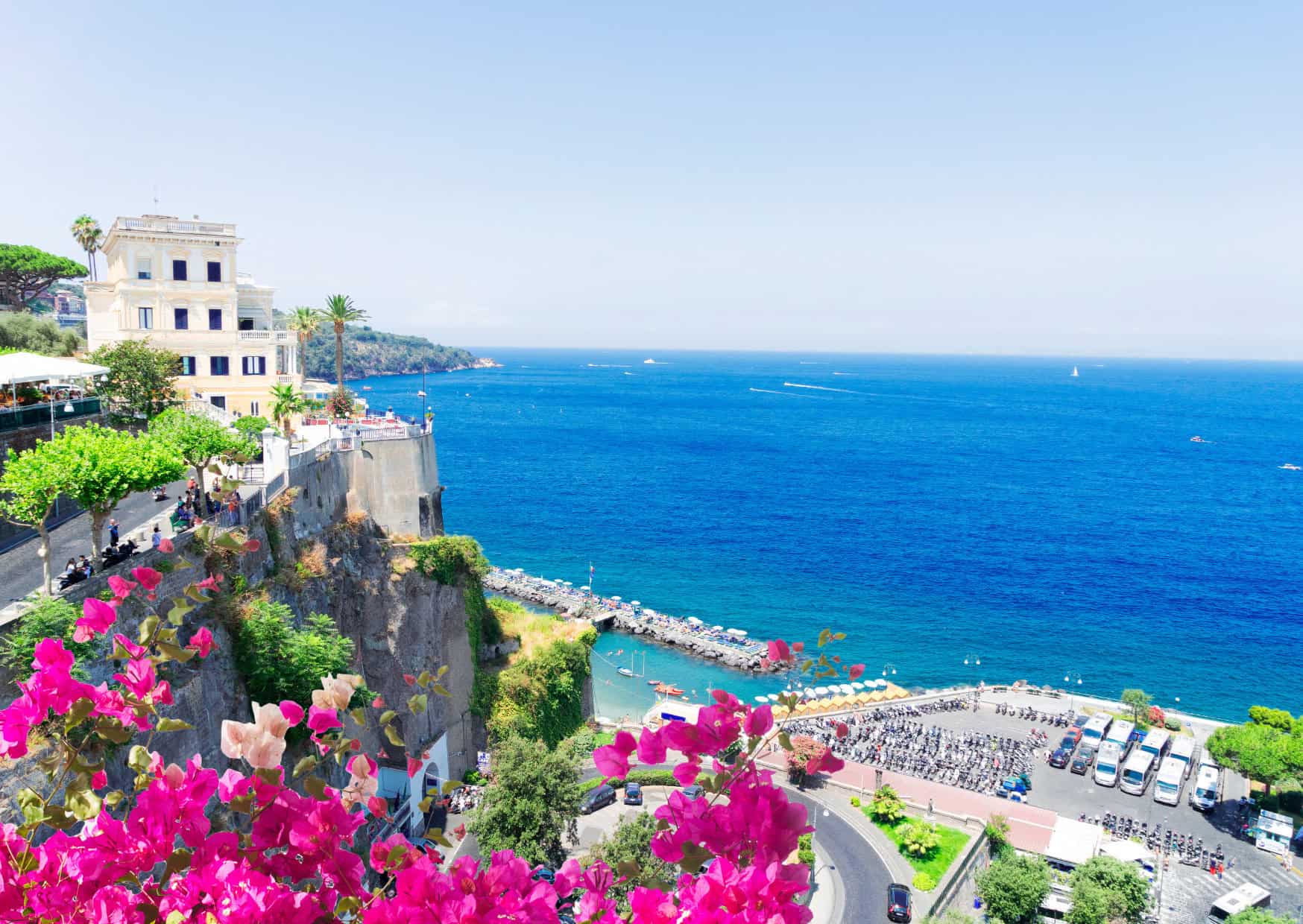
Those who visit Europe in April–May or September–October often relish fewer crowds, milder weather, and normal local life in action. August travelers might regret not seeing Europe’s dynamic city hum at full speed, especially if they realize how different it is outside the peak.
Why It’s a Big Deal
- Money & Stress: Shoulder seasons can be cheaper, cooler, and more authentic. If you pick August just because “it’s summer,” you may end up paying more for less satisfaction.
- Cultural Inactivity: Many festivals or local events might be in spring or early summer. August sometimes sees main city theaters or cultural institutions on partial break.
Takeaway: While some might only get August off, if you have flexibility, you’ll likely find your money and experience go farther in a less frenetic month—the difference can be day and night.
Conclusion: Should You Ever Travel Europe in August?
Yes, it’s not all doom and gloom. If August is your only vacation window, you can still have a memorable European experience—just plan carefully:
- Book AC accommodations well ahead.
- Accept closures or crowds as part of the deal.
- Go early morning for big attractions.
- Explore lesser-visited regions or small towns.
- Join local festivals if you like lively crowds, or avoid them if you crave tranquility.
But if you do have any wiggle room, consider shifting your trip to June, early July, or September. You’ll likely encounter cooler temps, more local presence in big cities, cheaper lodging, and shorter lines. The difference can be transformative, letting you see Europe’s everyday magic—not just the tourist frenzy.
In the end, the truth is that while August in Europe can serve up sun-kissed beaches or those Instagram-worthy Mediterranean sunsets, it also brings searing heat, closed shops, and throngs of travelers. Influencers might only show the highlight reel, ignoring the queue under a blazing sun or the impossible hunt for an open pharmacy. Weigh your preferences—crowded beaches vs. smaller crowds in a cooler month—and decide if August’s hype truly outweighs its stress. With the right strategy, you can still have a good time—but it’s no secret that Europe’s best might shine brighter outside of its hectic August meltdown.
Bon voyage, whether you endure the August rush or pick a more tranquil season to explore Europe’s wonders!
Pro Tip: If your August trip is locked in, aim for second half of the month—some locals start returning mid-to-late August, and you might see a slight dip in tourism around the final week before school restarts in early September. Still, be prepared for the peak demands. Safe travels!

About the Author: Ruben, co-founder of Gamintraveler.com since 2014, is a seasoned traveler from Spain who has explored over 100 countries since 2009. Known for his extensive travel adventures across South America, Europe, the US, Australia, New Zealand, Asia, and Africa, Ruben combines his passion for adventurous yet sustainable living with his love for cycling, highlighted by his remarkable 5-month bicycle journey from Spain to Norway. He currently resides in Spain, where he continues sharing his travel experiences with his partner, Rachel, and their son, Han.