
(Why noon in France is for eating—not Zoom—and what that means for your calendar in 2025)
Walk into a French office around 12:30 and the building exhales. Laptops close, elevators fill, and streets tilt toward bistros, canteens, or the nearest park bench. Try dropping a meeting invite across that window and you’ll meet polite confusion or a firm “after 14:00 works.” In France, lunch is a protected pause, backed by law and reinforced by habit. It isn’t a perk. It’s how the workday is designed.
Across American teams, noon is prime meeting real estate, and “grab a sandwich on camera” passes as normal. In France, that would fail two tests at once: the legal rest break and the cultural boundary that turns the middle of the day into real off-time. If you learn to plan around it, projects move smoother—and your French counterparts will actually thank you for it.
Want More Deep Dives into Other Cultures?
– Why Europeans Walk Everywhere (And Americans Should Too)
– How Europeans Actually Afford Living in Cities Without Six-Figure Salaries
– 9 ‘Luxury’ Items in America That Europeans Consider Basic Necessities
What the law guarantees—and why it blocks lunchtime meetings

French labor rules require a true rest break once work crosses a six-hour stretch. The minimum is 20 consecutive minutes, but many workplaces—and collective agreements—treat 45 minutes to 1 hour as standard. A rest break must be free from employer control; if you have to stay available for calls or sit in a meeting, it counts as working time and the “break” doesn’t legally exist. Breaks must be real, availability turns into work, short is legal but longer is normal.
Daily rhythm is protected on both ends. Employees must have 11 hours of uninterrupted daily rest, plus weekly rest that stacks on top, which keeps managers from sliding work into meal windows to make up time later. Those guardrails don’t force a two-hour lunch, but they make “noon meetings by default” hard to justify—and easy to refuse.
Where you can eat—and why desks are off-limits
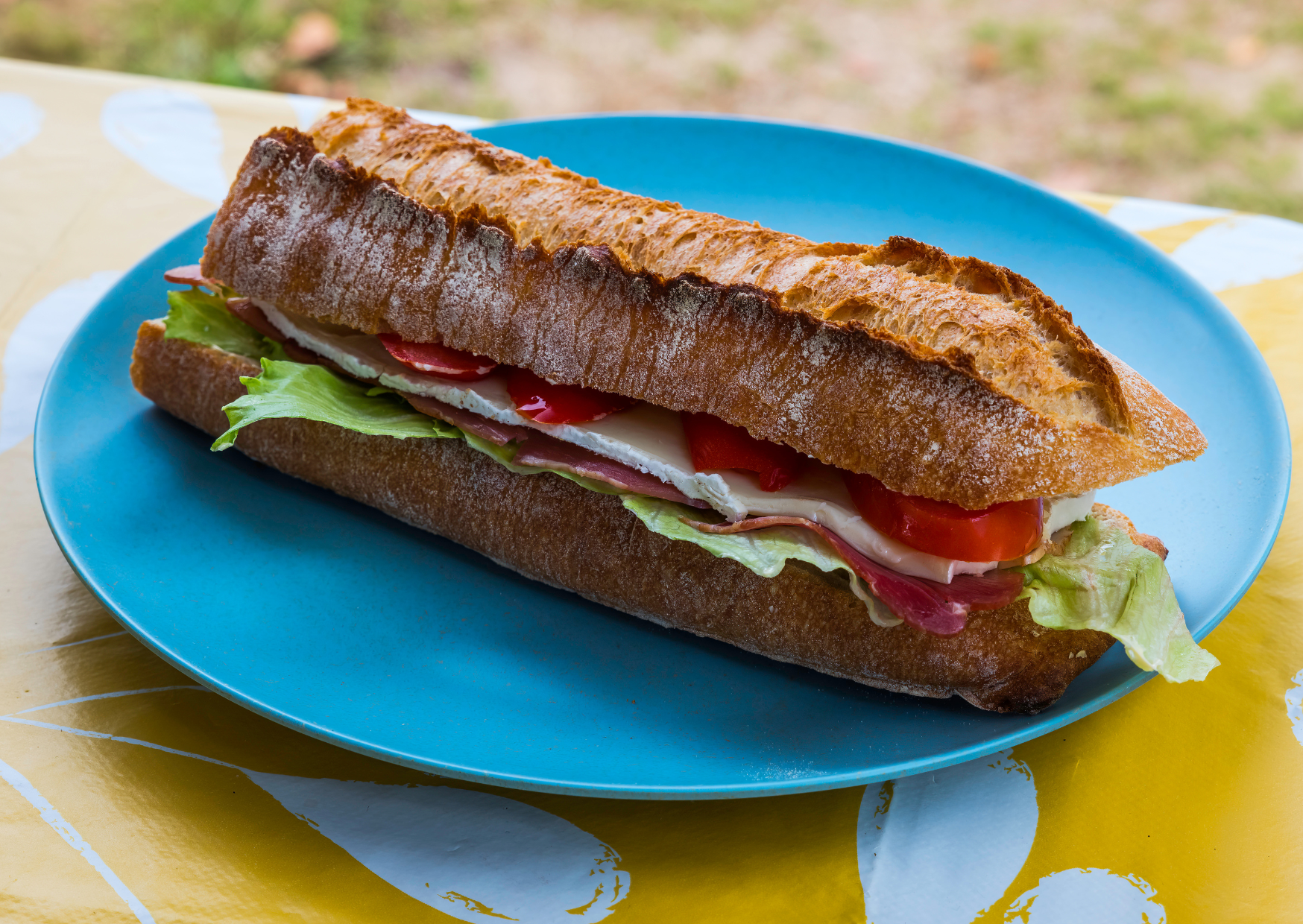
France treats eating as a separate activity from work for health and safety reasons. It is prohibited to eat in rooms assigned to work, and employers must provide either a dedicated dining space (for larger sites) or at least a hygienic eating area in smaller ones. The law even goes into the boring bits—seats and tables, potable hot/cold water, equipment to store and reheat food—because it expects people to actually leave their workstation. No meals at the desk, a place to eat is mandatory, facilities are specified.
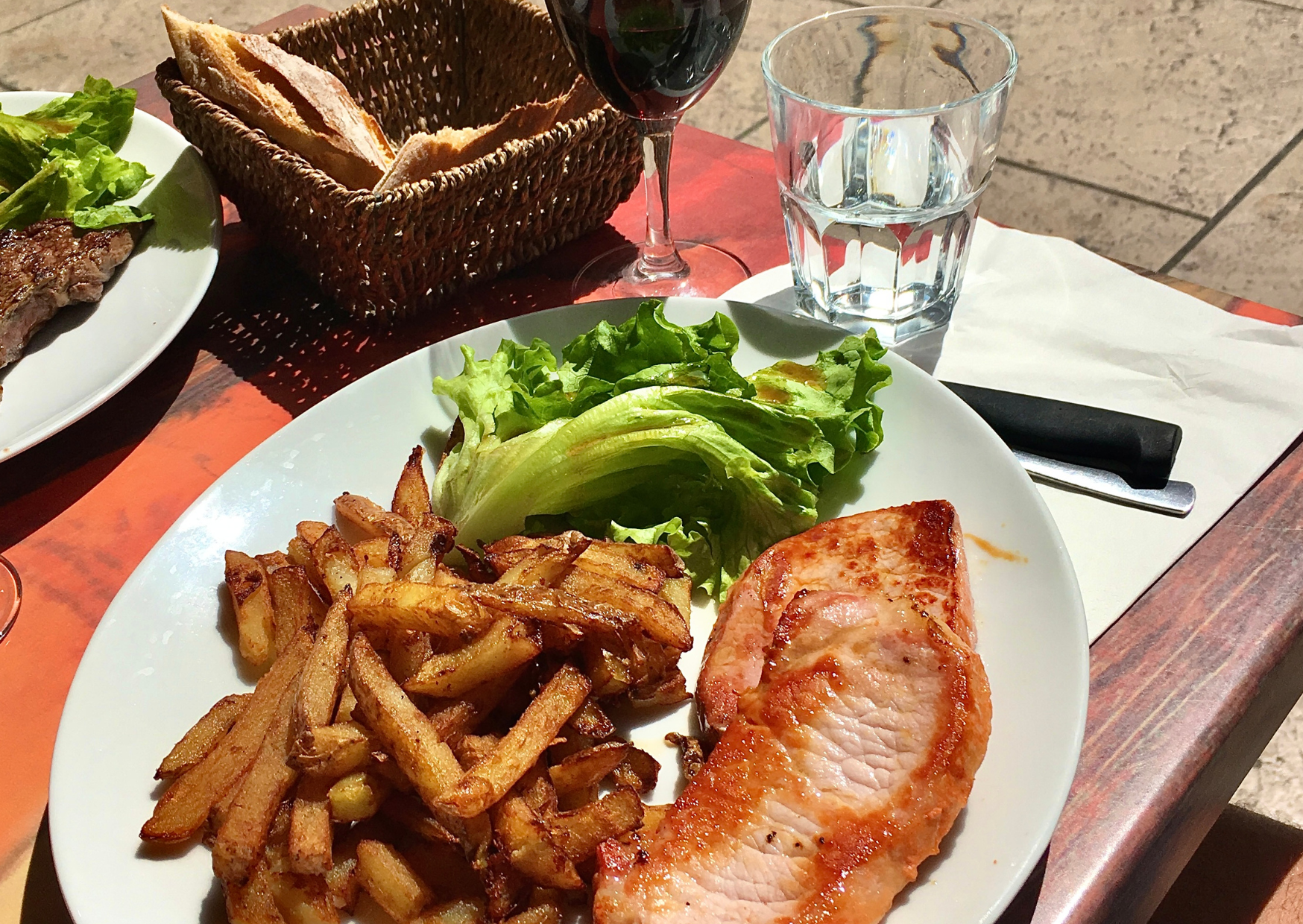
That structure matters for calendars. If your workplace has a canteen or a break room, you are meant to go there. A “working lunch” at the keyboard isn’t just frowned on—it collides with safety rules that separate workspaces from meal spaces. Lunch is when work stops, food starts, and meetings wait their turn.
The practical blackout: 12:30 to 14:00

Most teams operate a de facto meeting blackout from 12:30 to 14:00. Shops slow down, offices go quiet, and calendars reflect it with hard blocks. Even firms on a straight-through schedule aim to land morning decisions before 12:15 and pick work back up after 14:00. Add the common restaurant vouchers and subsidized canteens, and you get what locals expect: sit, eat, talk, return—not video calls with muted chewing. Midday is protected, invites slide to before or after, canteens and vouchers support the habit.
The blackout isn’t a rule you file in HR; it’s how the city runs. If you need movement at noon, you’ll find the response lands after coffee, not while the bread basket hits the table. Treat that as a feature, not friction.
Why your 12:00 Zoom gets declined—and what “no” really means
A declined invite around lunch is not a snub. It’s your counterpart protecting a legal rest and a shared social time that doesn’t belong to the office. French managers know that if they keep people available during lunch, they owe compensatory time or pay and they risk compliance issues if it becomes routine. Refusal protects compliance, availability triggers compensation, routine noon meetings create risk.
You’ll see a consistent pattern: a short reply proposing 11:30 or 14:15, often with the line “pause déjeuner” visible on the calendar. In other words, the meeting moves; the lunch stays. The earlier you build around that, the faster you’ll get acceptance.
How French firms make lunch actually happen
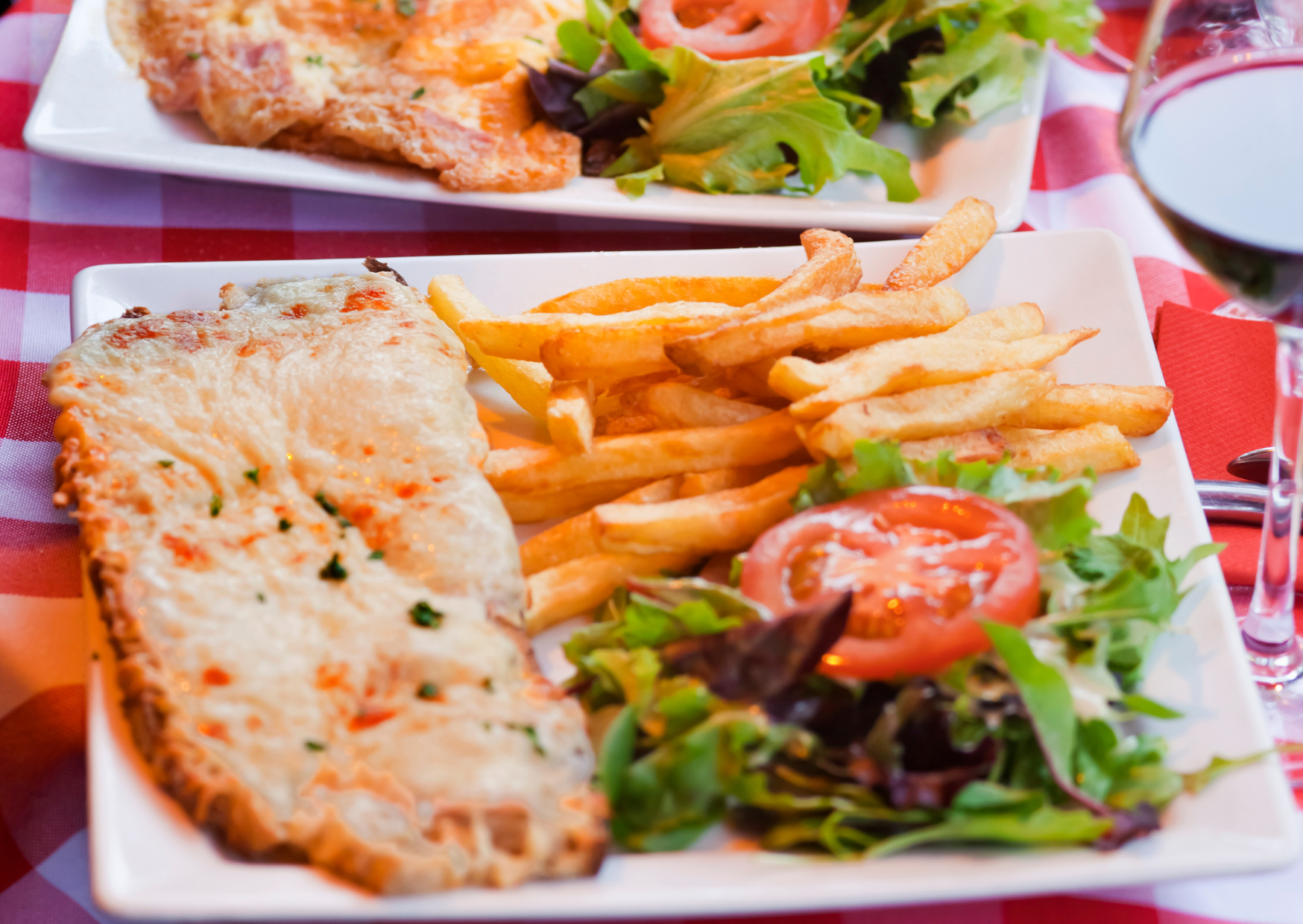
Companies design for it. Office calendars default to meeting windows that end before lunch and resume after. Teams post canteen hours and publish menus. HR circulates right-to-disconnect policies that discourage message traffic during rest blocks, not just after hours. Calendar windows are set, food spaces are maintained, policies reinforce the pause.
Even the cleaning plan is regulated: employers must ensure the eating area is cleaned after meals, because the law assumes people use it daily. It’s ordinary to see colleagues leave laptops behind and walk out together—the point is to stop working, not to relocate it to a table with a camera on.
When exceptions apply—and why they’re still bounded
Hospitals, retail, transport, and seasonal work can compress the midday window or stagger breaks. But even there, the break must be real, and scheduling has to respect daily and weekly rest. If an urgent issue forces a lunch-hour call, most managers will credit that time or flex the day to keep the ledger square. Service sectors stagger, urgent calls are compensated, rest totals still apply.
Temporary derogations exist in emergencies—France used them during Covid to let people eat at their desks—but those measures expire and revert back to the standard separation between work and meals. Exceptions are temporary and documented, not a blank check to fill noon with meetings.
Planning with France: the working playbook for Americans
Set your invites for 09:00–12:15 or 14:00–17:30 local time. Put the action and duration in the subject (“Budget sign-off, 25 minutes”) and confirm local-time clarity in the first line. If you truly need noon movement, write “after lunch is fine” or offer 14:15 yourself. Offer clear slots, signal brevity, anchor in local time.
Swap “working lunch” for “déjeuner” when it matters—an actual sit-down meal is where French teams make hard decisions quickly. It isn’t multitasking; it’s focused time outside the meeting room. When you must ship at noon, send a one-page brief before 11:00 and mark your email “for review after lunch.” Use meals for decisions, send briefs before noon, label review timing so nobody feels ambushed.
Scripts that earn fast yeses
“Could we lock 11:30–11:55 local for the pricing sign-off?” says you know the norm. “If you prefer after lunch, 14:15 works on my side” lands even better. For deliverables: “Attaching v3—please review after lunch; I’ll be online from 14:00 for updates.” If you slip, own it: “Apologies for the noon ping; happy to wait until after 14:00 unless critical.” Offer two precise slots, name the lunchtime window, de-escalate if you miss.
If someone proposes a noon meeting to you, accept the culture you’re working in: “Happy to hold 12:30 if that suits your team; otherwise 11:45 or 14:15 are ideal.” The goal isn’t to win a time-zone tug-of-war; it’s to match the French rhythm so the meeting is focused and short.
What this means for productivity—not just politeness
Treating lunch as real rest makes afternoons faster. People come back and finish in one pass, not in scattered threads across a half-eaten meal. Because the law requires a genuine pause, managers move the hardest work into the morning and early afternoon, then protect evenings with the 11-hour rest. Rest sharpens afternoons, mornings carry the heavy work, evenings stay protected.
If you run a cross-border team, you’ll get more done by aligning to this cadence than by fighting it. The fastest path is respect at noon, clarity at 09:00, and decisions at 14:15—not a calendar packed across lunch with cameras on and brains off.

About the Author: Ruben, co-founder of Gamintraveler.com since 2014, is a seasoned traveler from Spain who has explored over 100 countries since 2009. Known for his extensive travel adventures across South America, Europe, the US, Australia, New Zealand, Asia, and Africa, Ruben combines his passion for adventurous yet sustainable living with his love for cycling, highlighted by his remarkable 5-month bicycle journey from Spain to Norway. He currently resides in Spain, where he continues sharing his travel experiences with his partner, Rachel, and their son, Han.