
Europe’s full of iconic customs—espresso shots in Italy, late dinners in Spain, or cheek-kissing in France—that many foreigners adore copying. But guess what? Sometimes these “authentic” adoptions are way off-base, leaving locals scratching their heads or quietly laughing.
Below, we shed light on 6 everyday European habits people love to emulate—but often get totally wrong—and offer tips on how to do them right, the local way.
Want More Cultural Decoding?
– 10 Secrets to Understanding European Politeness (And Why You’re Doing It Wrong)
– Why Europeans Never Order These 13 Menu Items (And What to Do Instead)
– 7 Ways You’re Insulting Europeans Without Even Realizing It
Quick Easy Tips
Coffee in Italy isn’t a giant latte—order an espresso like locals do.
Don’t rush meals; slow dining is part of the culture.
Walking is the main form of transport in many European cities—ditch constant Ubers.
Dress with intention—Europeans value style even in casual settings.
Learn proper greeting etiquette—cheek kisses differ by country.
Don’t tip like in the U.S.—rounding up or small change is often enough.
One of the biggest mistakes tourists make in Europe is copying local habits without understanding the why behind them. For instance, ordering a cappuccino in Italy at 4 PM might seem harmless, but locals view it as a faux pas tied to digestion and tradition. Similarly, mimicking “French dining culture” often turns into Instagram photo ops rather than embracing the patience and social connection that defines it.
Another layer of controversy is how social media has distorted European lifestyle habits. Tourists show up expecting chic café culture in Paris or wine-fueled nights in Spain, but locals aren’t living out movie scenes every day. For many Europeans, these habits are about practicality and rhythm of life, not aesthetic performance. Tourists romanticize them while simultaneously misrepresenting them.
There’s also resentment among locals who feel that outsiders adopt their customs superficially, without respecting the deeper cultural roots. To them, copying European habits “wrong” is not just awkward—it feels like cultural dilution. The question becomes: is imitation really flattery, or does it reduce authentic practices into tourist gimmicks?
1. The ‘Cheek Kisses’ Overload

What People Do
- Tourists see Italians or Parisians greeting each other with cheek kisses and assume everyone does the same—two kisses, right?
The Real Way Locals Do It
- It varies wildly: some regions in France do two kisses, others three or four; in Spain, it’s typically two, but in Italy, you might find one or two (or none with strangers). Plus, context matters—are you close friends, relatives, or just acquaintances?
The Fix
- Observe first: see if locals are going for a handshake or immediate cheek kisses. If you’re unsure, offer a handshake and let them lean in if that’s their norm. You’ll avoid that awkward mid-air half-kiss fiasco.
2. Espresso Faux Pas in Italy
What People Do
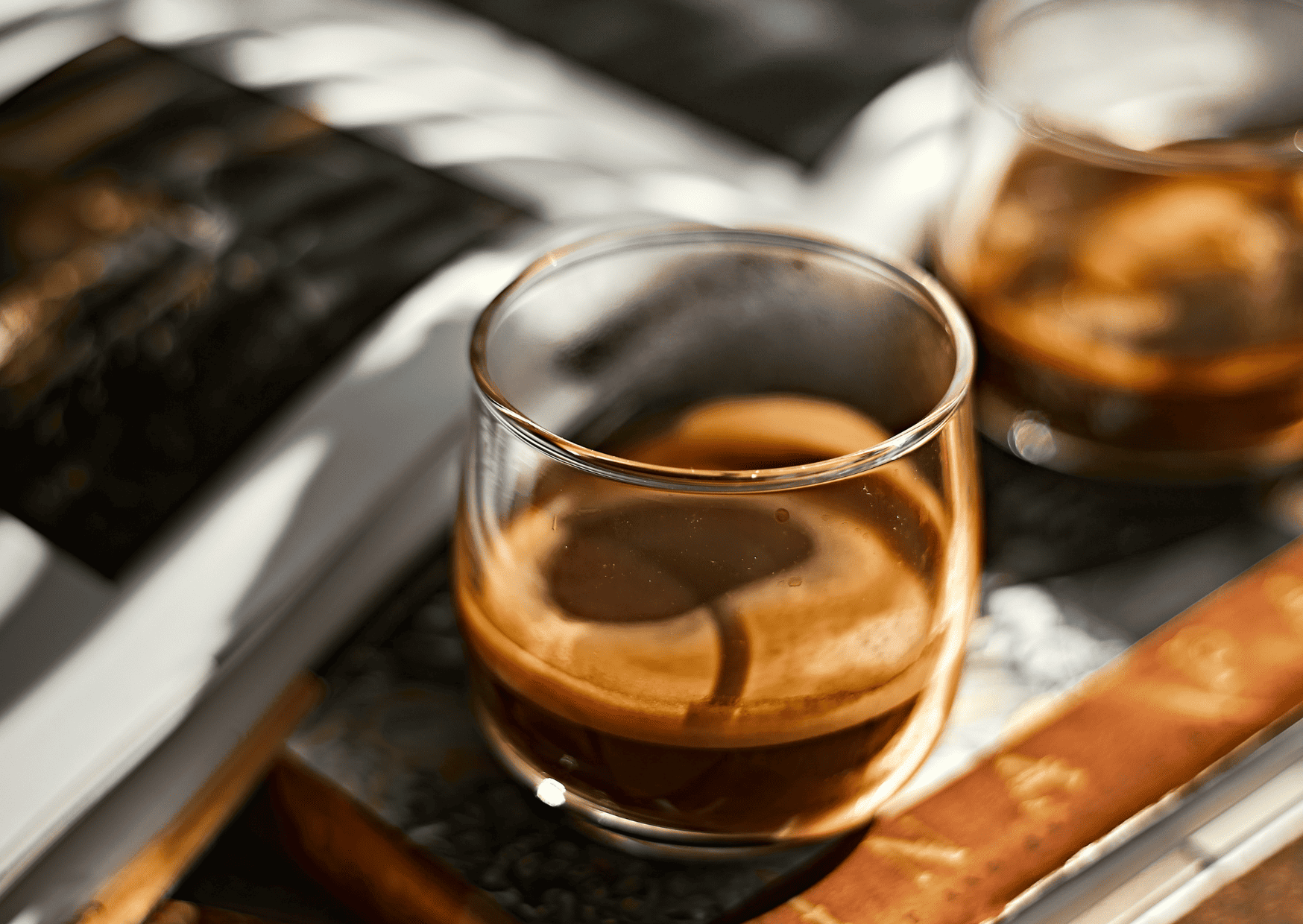
- Tourists swoop into a Roman café, order a giant latte or cappuccino at 3 PM, and lounge for hours, thinking it’s the Italian dream.
The Real Way Locals Do It
- Italians rarely drink cappuccinos after mid-morning—milk-based coffees are usually breakfast affairs. An espresso (simply called “un caffè”) is the standard quick pick-me-up. They often drink it standing at the bar and leave in under a minute.
The Fix
- If you want to blend in, avoid milky coffees after ~11 AM. Opt for a single espresso in the afternoon, down it fast, and carry on. If you crave a big latte at 4 PM, expect some side-eye from the barista (though they’ll likely still make it).
3. The “Late Dinner” Misconception in Spain
What People Do
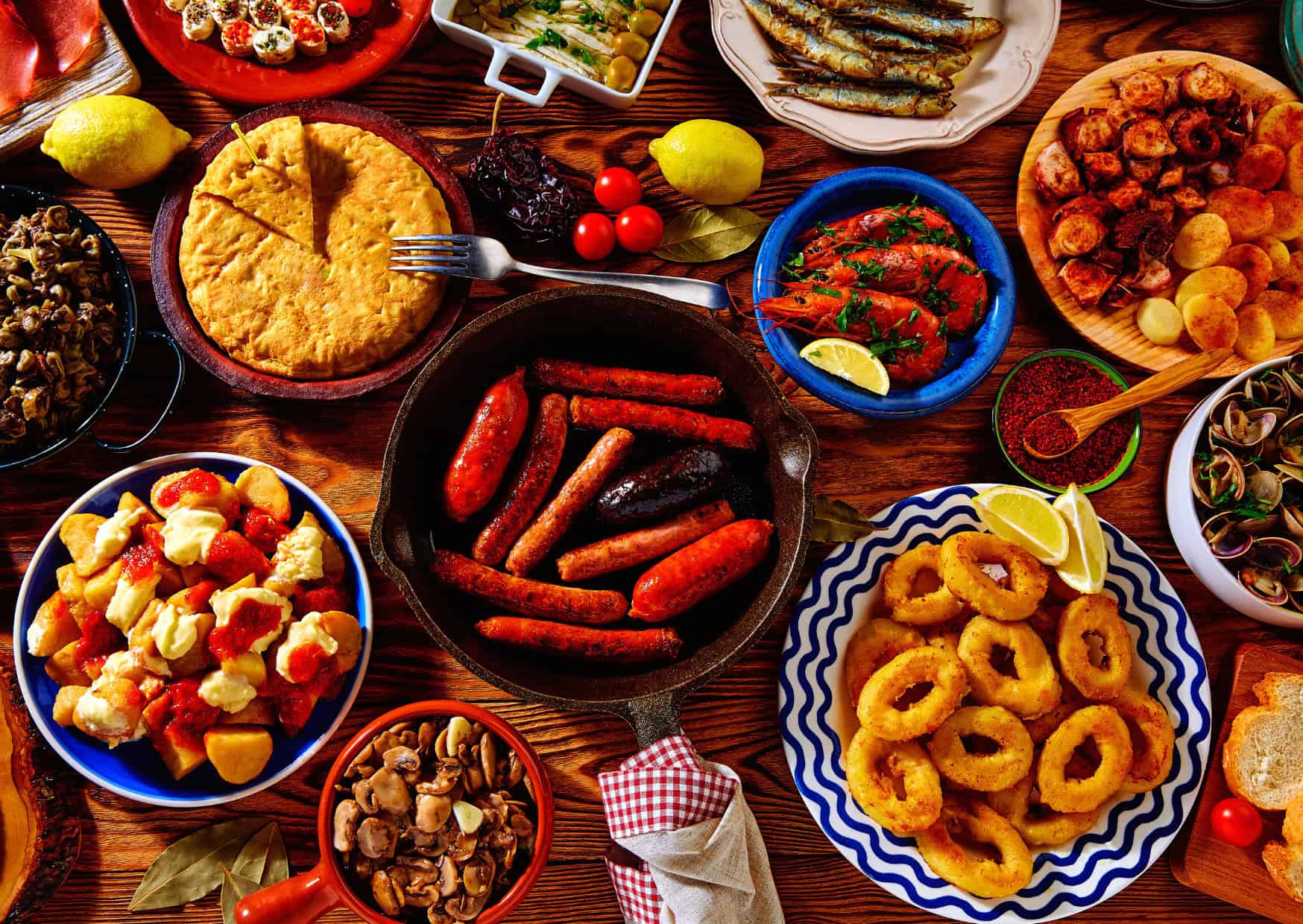
- Folks read about Spaniards dining at 10 PM and assume everyone does it every night. They head to a restaurant at 10:15 PM in a small town, only to find it actually closing.
The Real Way Locals Do It
- Big cities like Madrid or Barcelona do skew late, but smaller towns might keep earlier hours. And while weekend dinners can start at 9 or 10 PM, midweek meals might be earlier for work schedules.
The Fix
- Check local norms—google typical dining times for the specific region. And if a restaurant says it closes at 11 PM, don’t show up at 10:59 expecting a seat. Spaniards can be flexible, but not every place is ready to feed you at midnight.
4. The “Fika” Overinterpretation in Sweden
What People Do
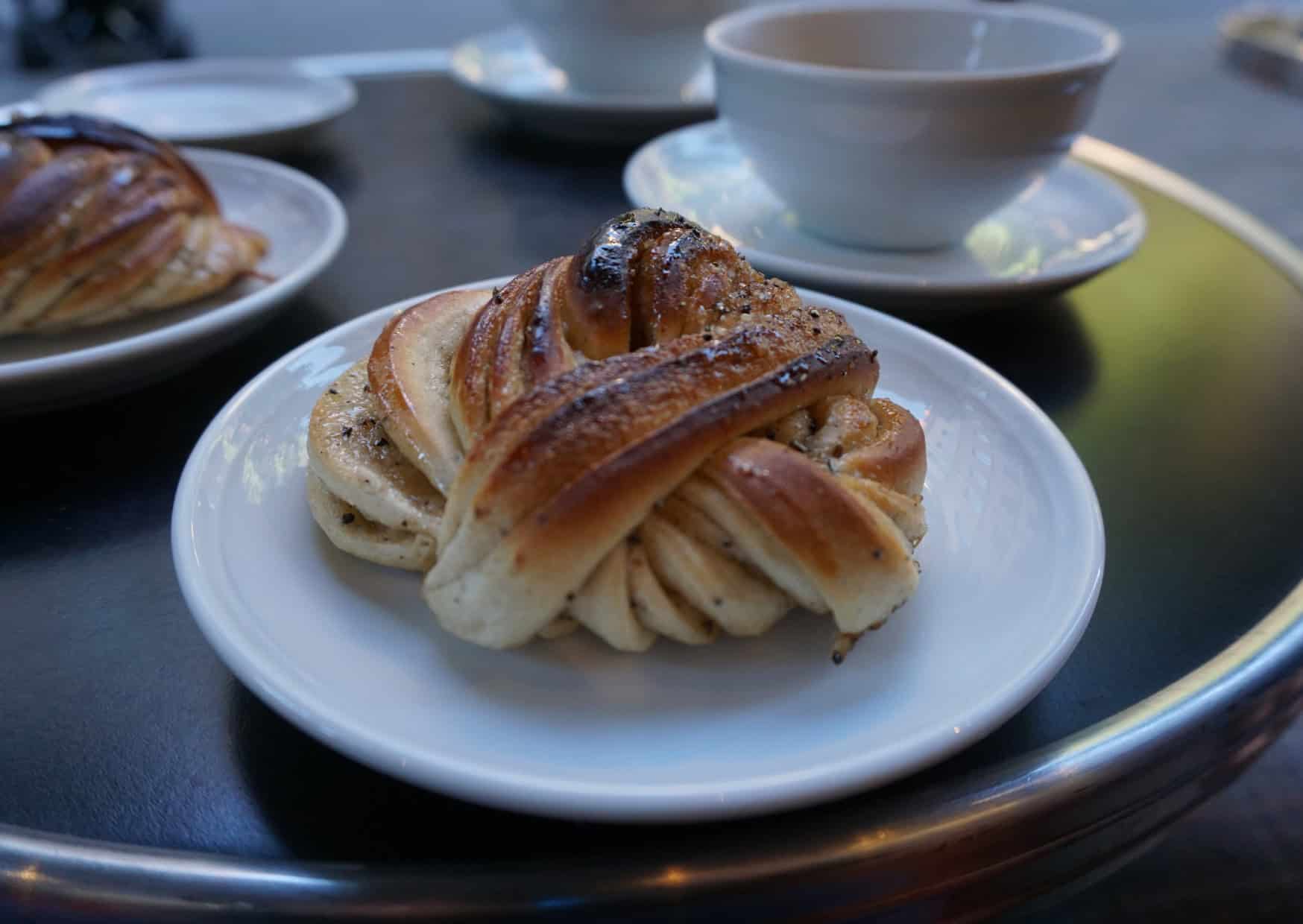
- Tourists hear about Sweden’s beloved coffee break “fika” and assume it’s an endless coffee + pastry festival. Some even try to schedule multiple fikas a day, expecting a mini-café party each time.
The Real Way Locals Do It
- “Fika” is about a purposeful pause in the day—often at work—to chat, connect, and enjoy coffee with a sweet nibble. It’s not necessarily a sugar binge or a giant meal. Some only do it once or twice a day.
The Fix
- If you’re in Sweden (or with Swedish friends), treat “fika” as a mindful break—not an excuse for 24/7 pastries. Respect the social aspect: the point is to slow down, chat, and foster community, not gorge on sweets non-stop.
5. The French “Art of Doing Nothing” Turned Laziness
What People Do
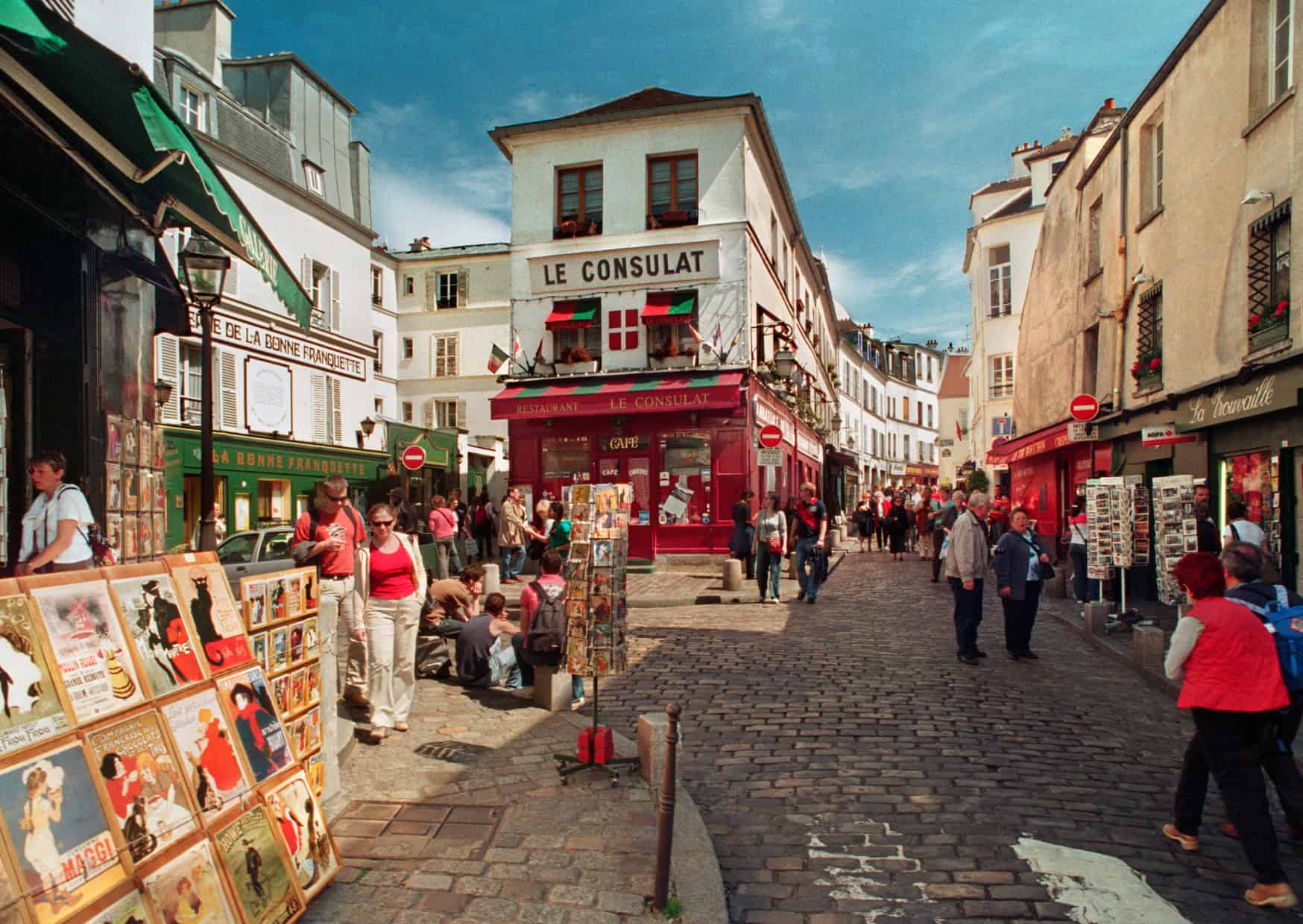
- People romanticize the French love for leisure—long lunches, lazy afternoons by the Seine. Tourists might assume it’s normal to skip out on productivity and lounge around constantly.
The Real Way Locals Do It
- While a lengthy lunch or weekend “dolce far niente” (Italian phrase, but similar sentiment) can be cherished, French folks do hold full-time jobs, errands, and family duties. They’re not living perpetual café scenes. Relaxation is strategic and balanced with daily responsibilities.
The Fix
- Embrace leisure in moderation: enjoy a two-hour lunch occasionally, or linger in a park on Sunday. But don’t assume everyone is lazing every afternoon. If you’re living or working in France, you’ll see discipline and structure the rest of the time.
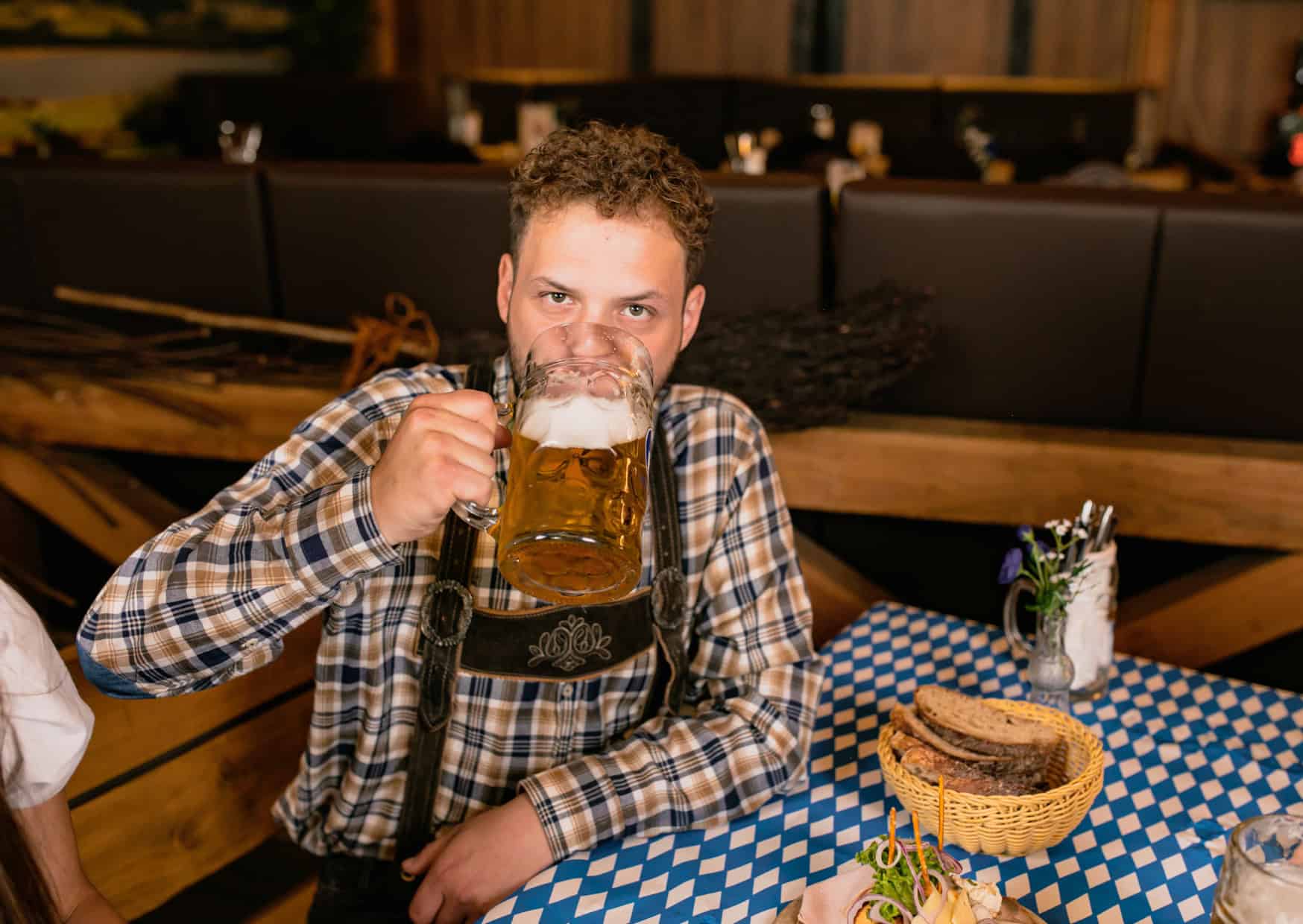
6. The German “Beer Anytime” Myth
What People Do
- Germans are famous for beer gardens and festivals, so travelers might think it’s fine to crack open a beer at 9 AM on a train or at a casual meeting—assuming it’s always culturally accepted.
The Real Way Locals Do It
- Sure, Germany loves its beer, but there are still situational norms—daytime drinking is more a festival or weekend event, not an everyday commuter ritual. People still mind professional settings and times.
The Fix
- If you’re at Oktoberfest or a weekend barbecue, prost! is fair game early. But on a regular weekday morning train? Not so common. Follow local context—just because they can drink freely doesn’t mean they do it nonstop.
The Bottom Line
Not all stereotypes or beloved customs are practiced exactly as romanticized—especially when it comes to coffee times, dinner schedules, or leisurely lifestyles. Sure, many Europeans do love a relaxed pace, great coffee, and some cheek-kissing—but the specifics depend on region, context, and the real routines of everyday people.
Pro Tip
If you’re keen on adopting these local habits, observe actual residents. Ask them about their daily norms or read local blogs, not just tourist guides. You’ll discover a more authentic, nuanced approach—and avoid those cringe moments of overdoing it (like ordering a cappuccino at 5 PM in Italy). Embrace the real routines, and you’ll experience Europe in a richer, more respectful way.

About the Author: Ruben, co-founder of Gamintraveler.com since 2014, is a seasoned traveler from Spain who has explored over 100 countries since 2009. Known for his extensive travel adventures across South America, Europe, the US, Australia, New Zealand, Asia, and Africa, Ruben combines his passion for adventurous yet sustainable living with his love for cycling, highlighted by his remarkable 5-month bicycle journey from Spain to Norway. He currently resides in Spain, where he continues sharing his travel experiences with his partner, Rachel, and their son, Han.