
There’s a certain magic associated with European diets—be it French women who “never get fat,” the seemingly effortless Mediterranean approach to seafood and olive oil, or the universally assumed “low-carb” German bread culture (spoiler: that’s not a thing). Over the years, these purported “secrets” have morphed into global diet trends, fueling entire industries of cookbooks, meal plans, and influencer claims.
Yet, when you talk to actual Europeans, you’ll find many of these so-called diets are either half-truths, outdated stereotypes, or simply marketing spin. Below are 12 prime examples that sound great on Pinterest or in a Netflix doc, but real locals either don’t follow them as strictly or find them impossible to integrate into daily life. If you’ve tried one and wondered why it felt unnatural, maybe it’s because the hype overshadowed reality.
Want More Food & Lifestyle Insights?
– Why The ‘Real Afternoon Tea’ in Europe Is Nothing Like High Tea Tourism
– 9 Euro Customs That Are Total Tourist Traps
Quick Easy Tips
Don’t copy-paste “Mediterranean diet” fads—focus on balanced home cooking.
Skip the overpriced “French girl diet” guides—real Parisians eat bread daily.
Portion control matters more than banning carbs.
Europeans walk more, which offsets indulgence.
Wine is cultural, not a weight-loss trick.
Forget detox teas—soups, stews, and seasonal produce do the job.
Don’t chase trends—stick to simple, fresh ingredients.
Many Americans are sold the idea that Europeans stay slim thanks to “mystical” diet secrets—like sipping red wine, eating tiny portions of pasta, or skipping breakfast. The reality is less glamorous: Europeans eat normally, but their lifestyle (walking daily, smaller supermarkets, fewer processed snacks) plays a bigger role than any magical food rule. What’s marketed as a “diet” is really just routine daily habits.
The French paradox, for example, is often misunderstood. Americans assume cheese and wine are slimming, but locals pair indulgent foods with vegetables, water, and slower mealtimes. Similarly, the so-called “Mediterranean diet” gets packaged in the U.S. as olive oil and grilled fish every day, when in reality, Southern Europeans also eat fried foods, meats, and pastries—just not in excess.
This raises a controversial question: are Americans being misled by wellness industries profiting off “European lifestyle envy”? Instead of learning the nuance of balance and culture, diet gurus cherry-pick trends to sell books, apps, and programs. Ironically, most locals don’t even follow the strict rules that get exported as diet “secrets.”
1. The “French Women Don’t Get Fat” Mantra
What the Hype Says
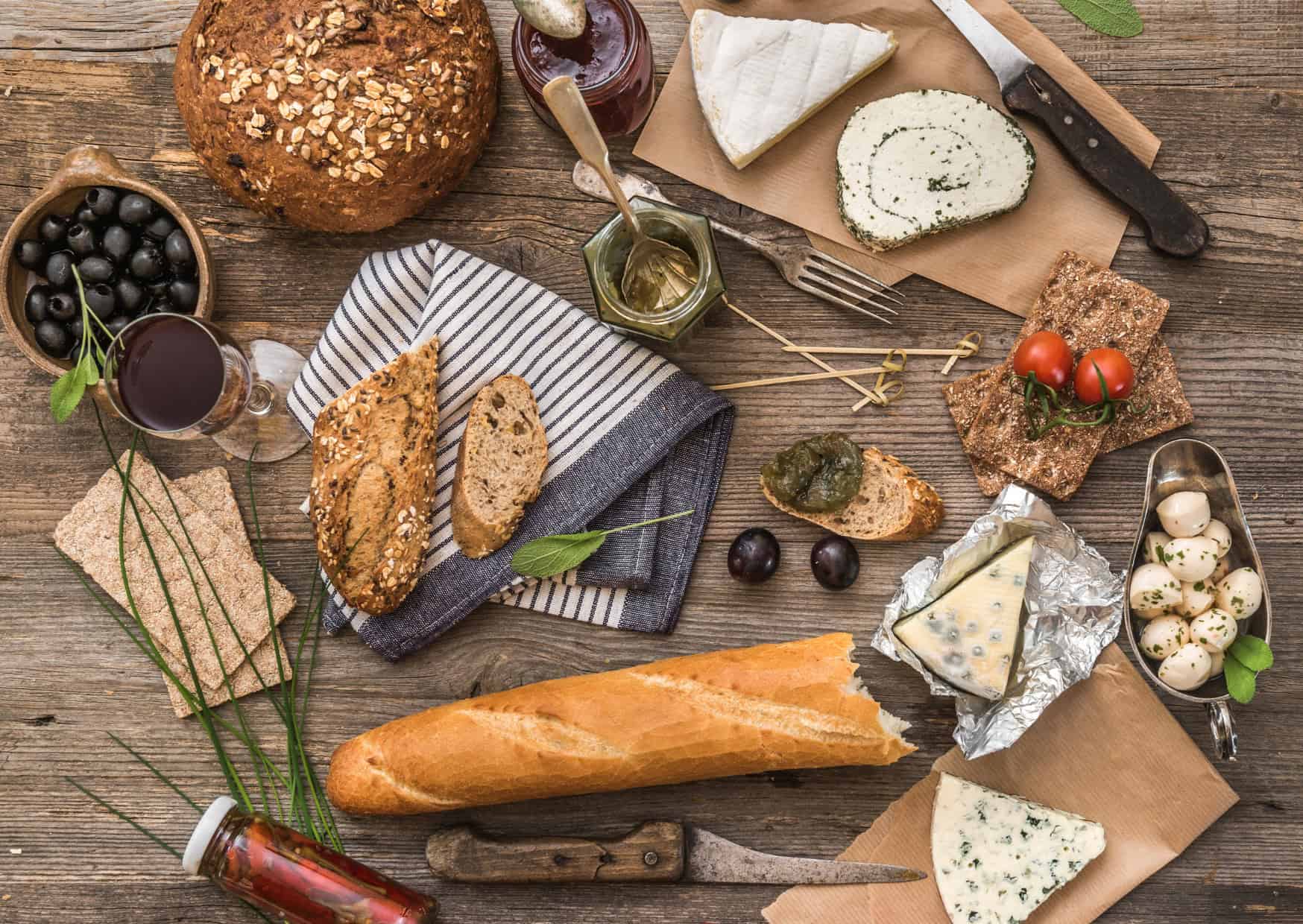
- This phrase, popularized by books and articles, suggests French women indulge in croissants, wine, and lavish four-course meals but mysteriously remain slim. The alleged secret: portion control, walking everywhere, and no snacking.
Why It Fails Locals
- In modern France, plenty of people do gain weight or struggle with health issues—obesity rates, while lower than some places, have been rising. Not all French women have hours to shop at markets daily or linger over a tiny yogurt for breakfast. Many rush to work, juggle kids, and occasionally rely on fast solutions like anywhere else.
The Real Story
- Yes, mindful eating is common: balanced meals, a sweet treat in moderation, and time spent enjoying lunch breaks. But claiming they “don’t get fat” is simplistic. People vary, lifestyles differ between Paris and rural Provence, and some women do face weight concerns. The “secret” is more about cultural portion norms and an ingrained sense of taste enjoyment, not a miracle.
2. The Strict “Italian Pasta = No Weight Gain” Myth
What the Hype Says
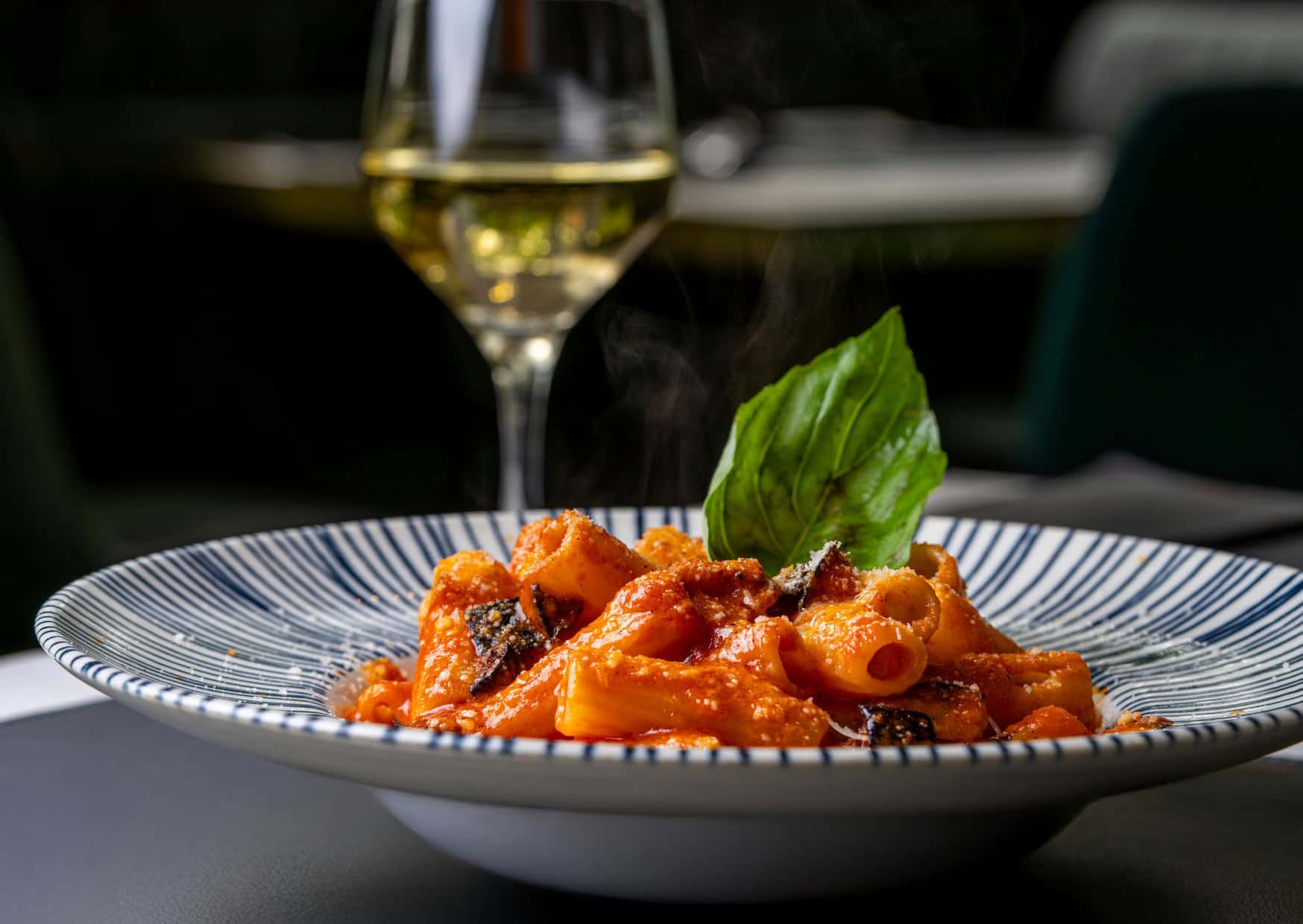
- Italians supposedly eat pasta daily without gaining an ounce. The media hails pasta as a universal dinner staple in Italy, but everyone remains svelte. They credit it to fresh ingredients, small portions, and “la dolce vita.”
Why It Fails Locals
- Many Italians do love pasta, but they also lead varied diets: soups, fish, polenta, risotto, or straightforward grilled meats. Some Italians watch carbs carefully, especially those in cities juggling desk jobs. Not everyone’s feasting on spaghetti every lunch and dinner.
The Real Story
- Moderation is key—the classic single serving in Italy is about 80–100 g of dry pasta, far smaller than the giant bowls served abroad. Combine that with fresh produce and minimal sauce, plus a cultural norm of walking more. But if you overindulge daily, Italians can—and do—gain weight like anyone else.
3. The Obsession with “German Low-Carb Bread”
What the Hype Says
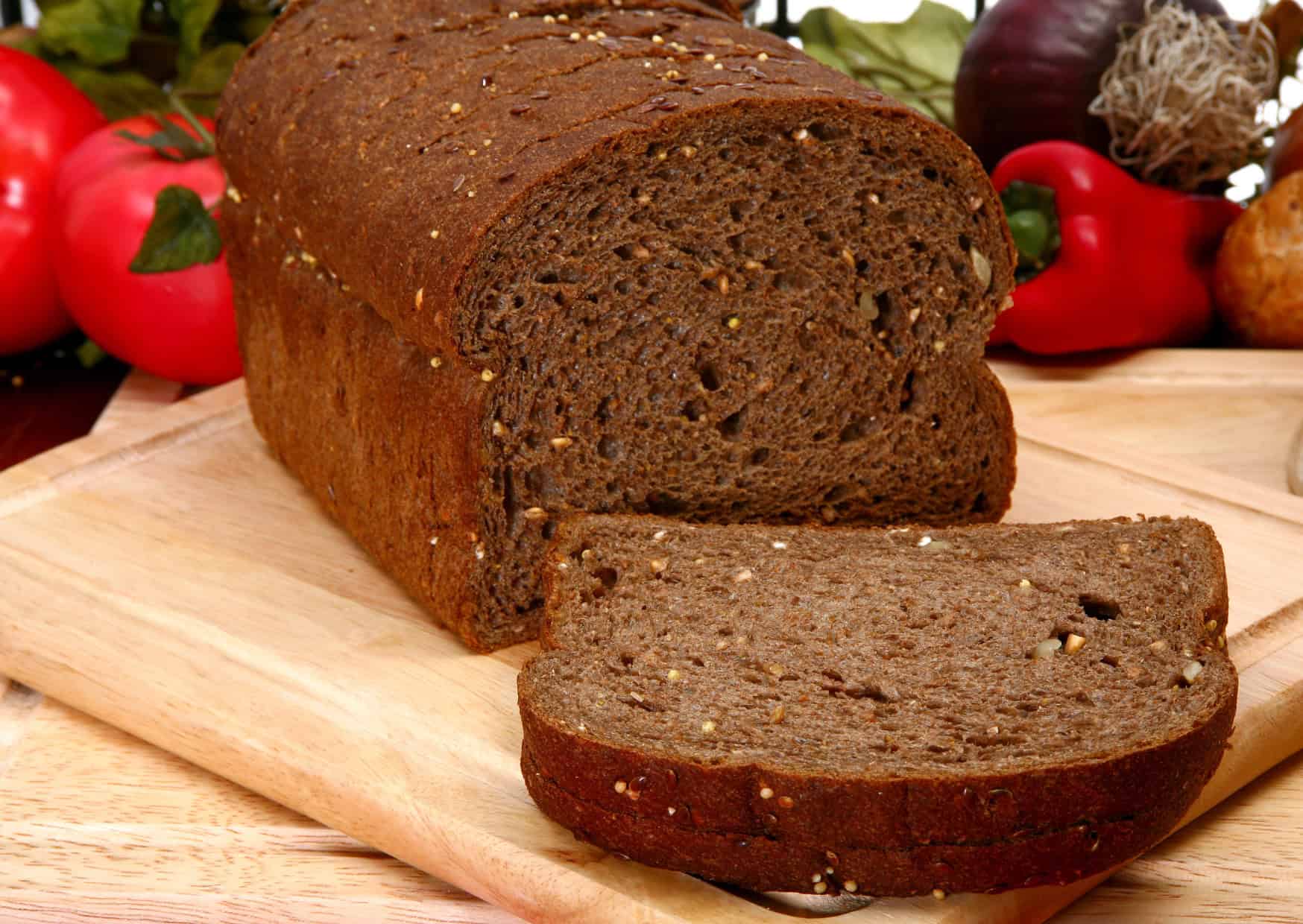
- Some diet gurus claim that Germany’s “bread culture” is super whole-grain and low in carbs. They highlight dark rye breads, seed-packed loaves, painting an image that German bread is always healthy or nearly carb-free.
Why It Fails Locals
- Germany has an enormous variety of breads—some are indeed dense and seeded, but plenty are white or sweetened loaves. Pretzels, Brötchen (bread rolls), and sugary pastries are staples at breakfast. Carbs are definitely not minimal.
The Real Story
- Germans do love whole-grain options, but carbs remain a huge part of daily diets. They don’t typically chase “low-carb” extremes. It’s more about variety. A typical local might have dark bread for breakfast but also slice into a sweet roll midday, balancing everything with an active lifestyle.
4. The “Alpine Cheese-and-Wine Diet” That Supposedly Keeps You Fit

What the Hype Says
- Tales of Swiss and Austrian folks devouring cheese fondue, cured meats, and wine, yet staying trim thanks to fresh mountain air and skiing. The myth says you can “indulge in rich Alpine cuisine” without consequences if you mimic their habits.
Why It Fails Locals
- Alpine dishes (fondue, raclette, heavy sausages) are calorie bombs if eaten regularly. Locals in high-altitude villages do burn more energy skiing or farming in harsh conditions. But city dwellers in Zurich or Salzburg aren’t always descending mountains daily.
The Real Story
- People in Alpine regions don’t eat fondue every night. It’s often for social gatherings or winter weekends. They pair rich meals with intense physical activity or moderate portions. “Cheese + wine all day = no weight gain” is oversimplified. Urban Swiss might choose lighter dinners, soups, or salads half the time.
5. The “Eat Like a Greek Islander” for Eternal Youth
What the Hype Says
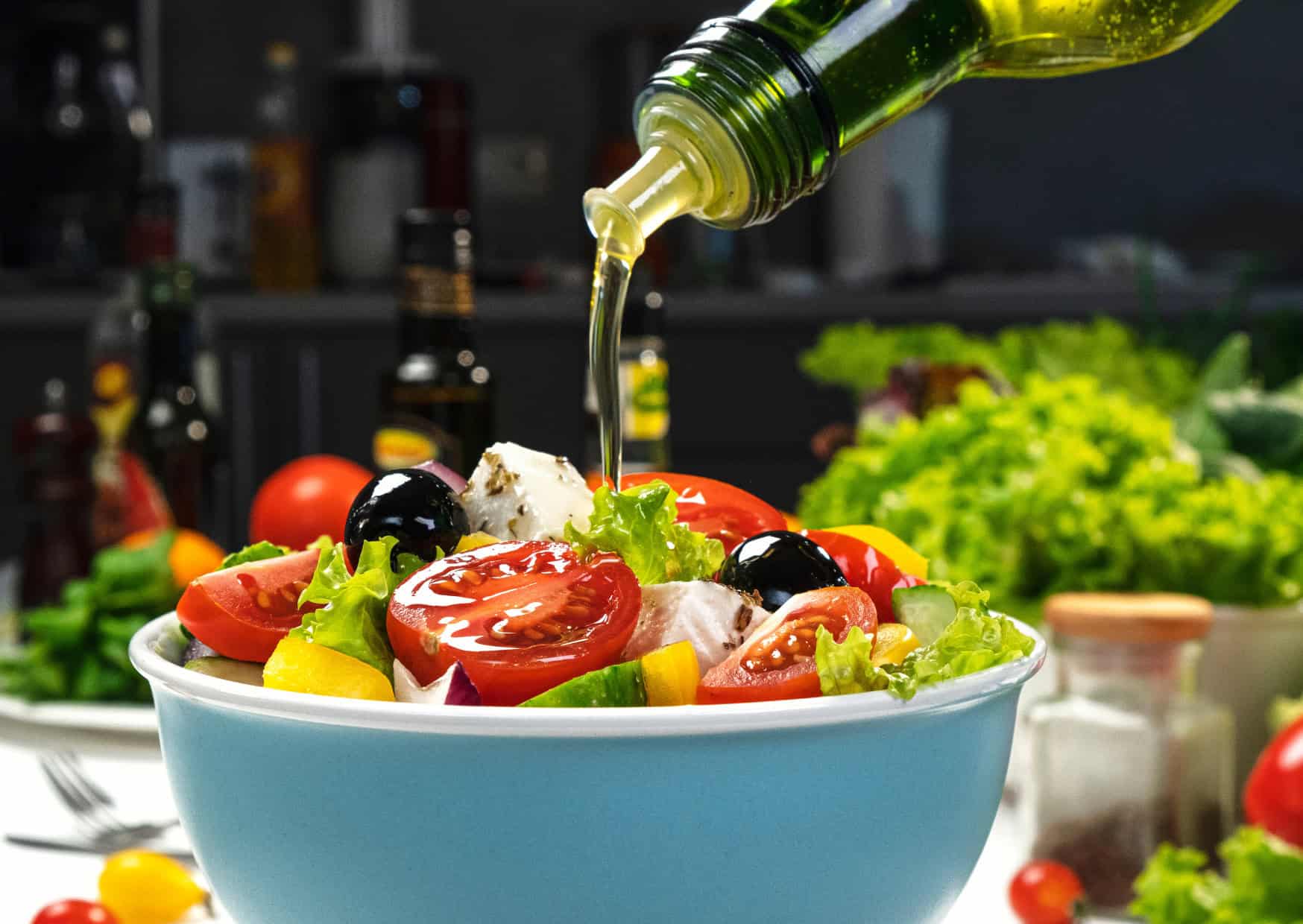
- Everyone points to the Mediterranean Diet—particularly Greek islanders living into their 90s. The formula: olive oil, fish, fresh vegetables, some wine, daily naps. Instant longevity.
Why It Fails Locals
- Many Greeks in big cities don’t replicate the idyllic island lifestyle. They might order fast food, rely on convenience meals, or skip the midday break. Also, island dwellers themselves often do physically demanding farm or fishing labor that is not feasible for your average office worker.
The Real Story
- The broad “Mediterranean Diet” concept is valuable—fresh produce, legumes, minimal processed foods, moderate wine. But the real difference might be lower stress in small islands, daily physical chores, strong community ties. If you’re in Athens working 9–7, that island pace is a dream, not daily reality.
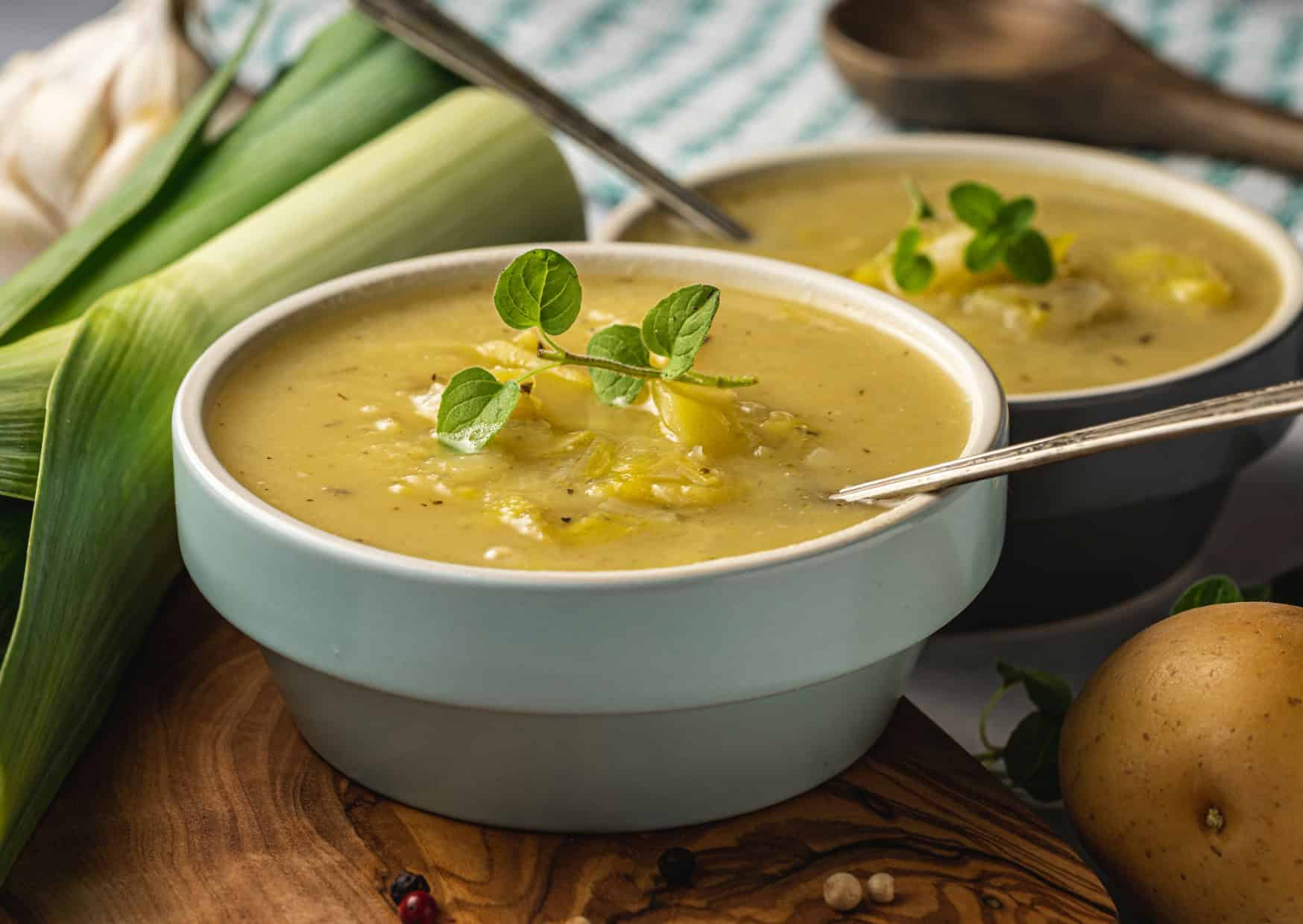
6. French “Leek Soup Diet” or “Cabbage Soup Diet”
What the Hype Says
- Certain short-term soup-based diets promise quick weight loss, allegedly from “French hospitals” or “old peasant traditions.” People think it’s a typical trick French women use pre-vacation to drop pounds.
Why It Fails Locals
- Most French women have never heard of these crash diets—it’s not a standard. They might do a short detox after festive holidays, but a “Leek Soup Diet” for days on end is more an internet phenomenon than real life. Crash diets conflict with the mindful, balanced approach many prefer.
The Real Story
- If a French person overindulges during, say, Christmas or a wedding, they might lightly cut back or do simpler meals for a few days—not starve on soup alone. The cultural norm is small, consistent changes, not extreme yo-yo dieting.
7. The “British Tea Cleanses” That Claim to Slim You Down

What the Hype Says
- Various “tea-tox” or “detox tea” products hype British tea culture to legitimize them. They suggest Brits maintain slim figures by regularly drinking certain black or herbal blends that “cleanse toxins.”
Why It Fails Locals
- Real Brits drink tea socially or for comfort, not as a magic detox. Many “weight loss teas” are simply laxatives or diuretics. Locals rolling their eyes note that everyday English Breakfast or builder’s tea with milk and sugar isn’t a diet plan.
The Real Story
- Enjoying a comforting cuppa might reduce snacking, but no standard British brew magically sheds weight. If you see a brand promising “Royal Slimming Tea,” that’s marketing, not tradition. Brits are as prone to weight issues as anywhere else.
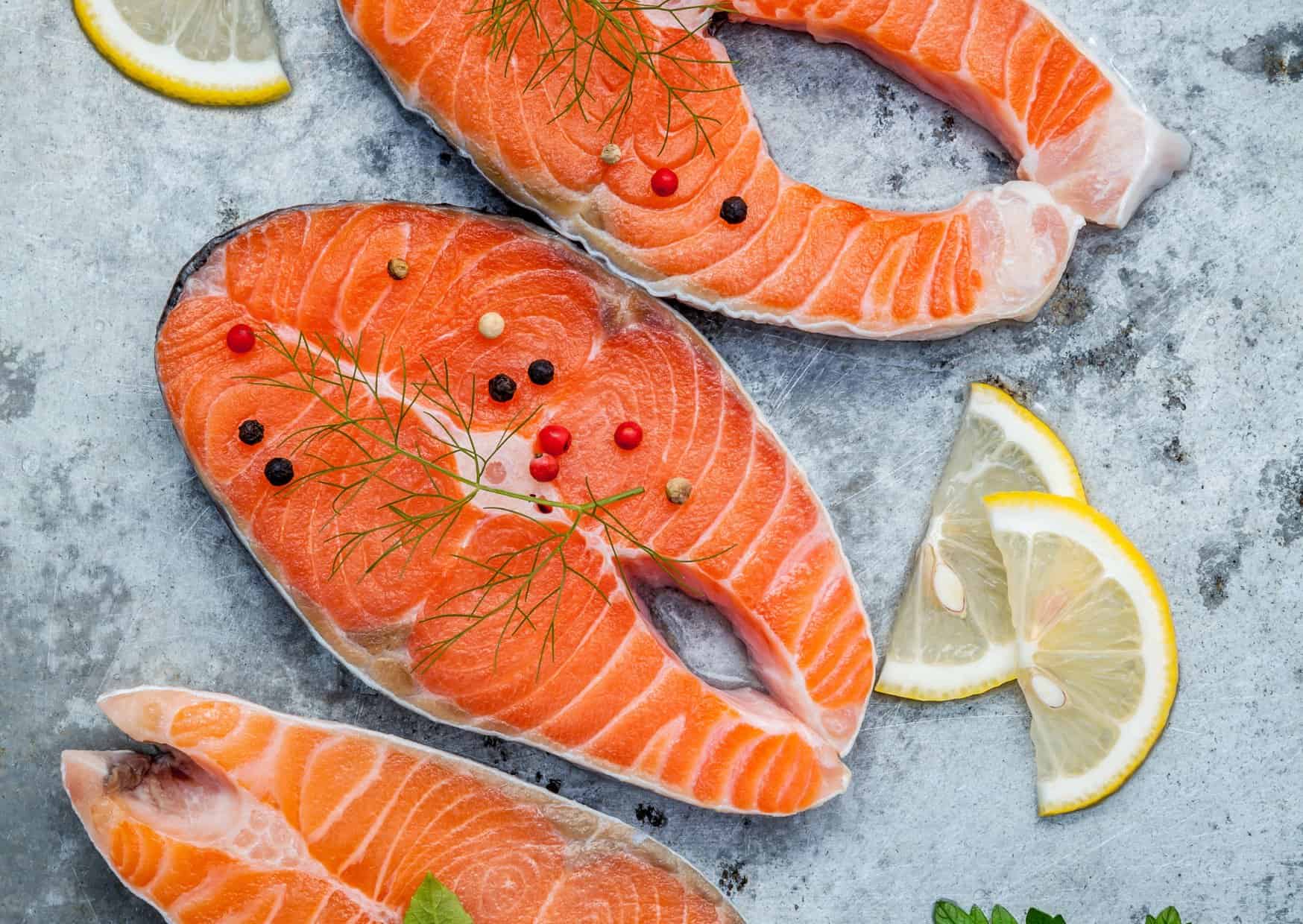
8. Scandinavian “All-Fish Diet” to Stay Lean
What the Hype Says
- Some diet blogs push the idea that Nordic women eat loads of salmon or herring daily, skipping red meat and carbs, hence their perceived slimness and longevity.
Why It Fails Locals
- Actual meals in Norway or Sweden aren’t strictly fish-based. They consume meatballs, sausages, cheeses, breads, pastries, and sweets (fika with cinnamon buns). Salmon is popular, but not the entire diet. Over-focusing on fish is a tourist cliché.
The Real Story
- Nordic diets do revolve around fresh fish, but also root vegetables, whole grains, and moderate sweets. The “all-fish angle” is partial truth at best. Locals embrace variety—like open-faced rye bread sandwiches, not constant salmon dinners. Physical activity and typical portion sizes matter more than an extreme fish regimen.
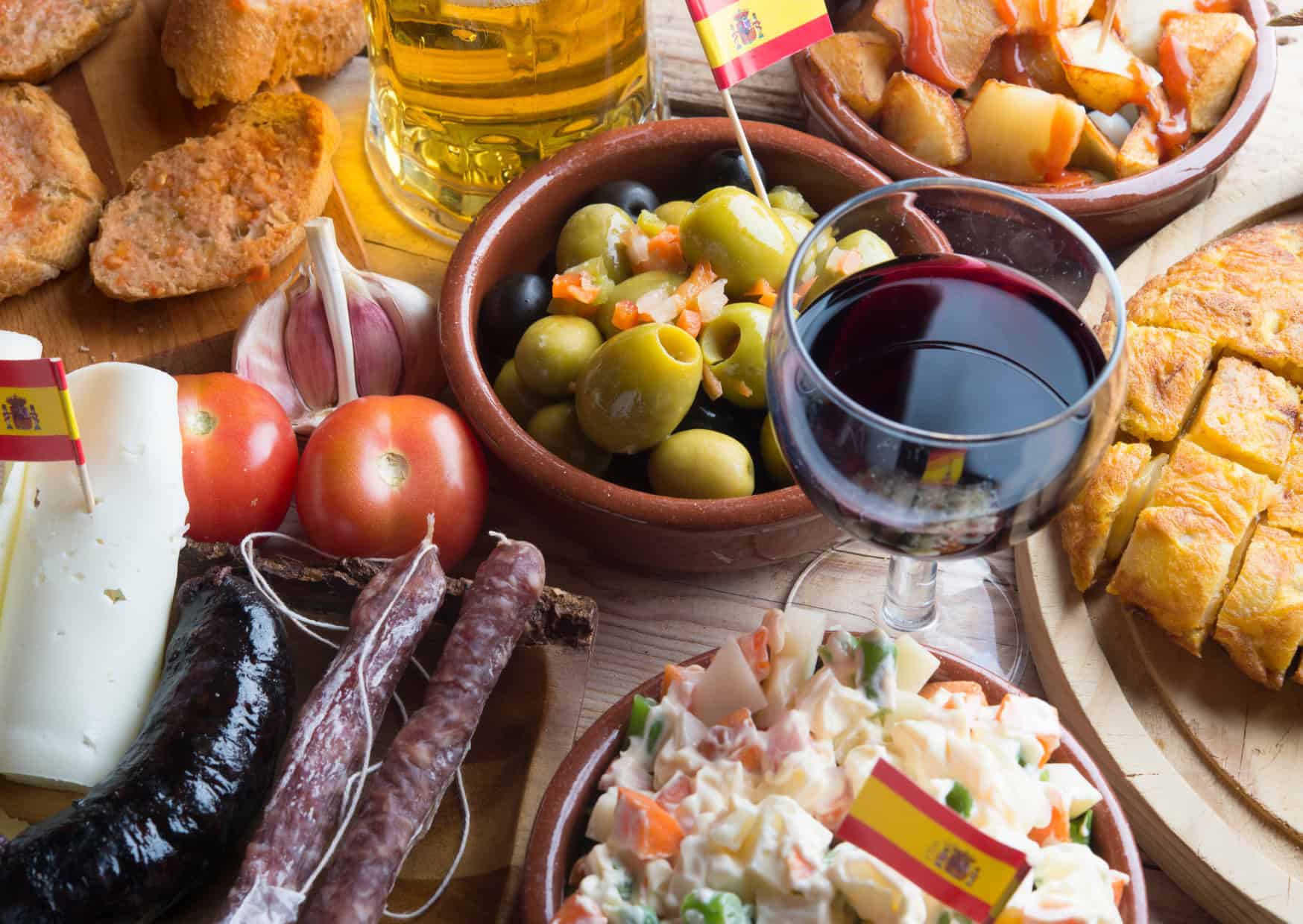
9. The “Everything Is Olive Oil” Spanish Stereotype
What the Hype Says
- Spain is Europe’s largest olive oil producer, fueling the myth that Spaniards drown every dish in premium extra-virgin. This leads to the idea that Spanish cuisine is automatically healthy or that avoiding butter is the big secret to staying slim.
Why It Fails Locals
- Spanish diets also include plenty of fried pastries (churros), sugary treats, ham-based tapas, etc. While olive oil is indeed used widely, consumption of processed snacks or sweet beverages is rising. Not everyone is drizzling golden oil on fresh produce daily.
The Real Story
- Olive oil is integral, yes, but the real advantage is overall portion control and a more leisurely approach to meals, plus a tradition of fresh produce. If you want Spanish benefits, adopt “moderation + quality + routine physical movement,” not just the notion that you can slather everything in oil and remain healthy.
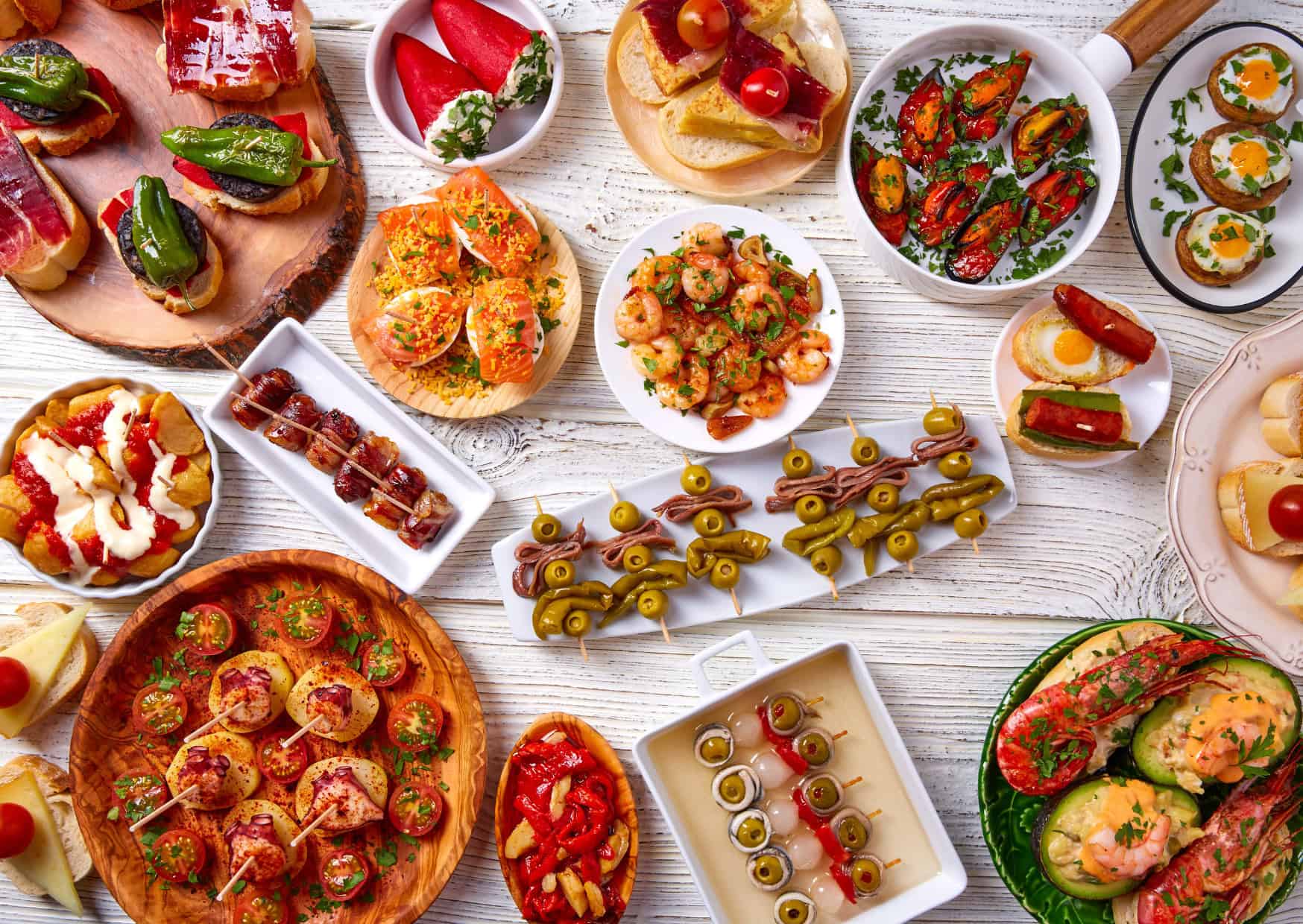
10. Low-Calorie “Tapas Culture” Myths
What the Hype Says
- People see tapas as small plates, meaning you automatically eat less. Combined with lively socializing, it’s depicted as a built-in weight control mechanism.
Why It Fails Locals
- In reality, tapas can be high-calorie (fried croquettes, cheese-laden montaditos, jamón drizzled with oil). Locals might eat multiple rounds, accompanied by beer or wine. Calories can pile up quickly.
The Real Story
- Tapas culture is about variety and sharing. Spaniards do enjoy small portions but can keep ordering if hungry. The difference might lie in the social aspect—slow eating, conversation—which helps avoid mindless overeating. But it’s not automatically “diet-friendly” if you go overboard.
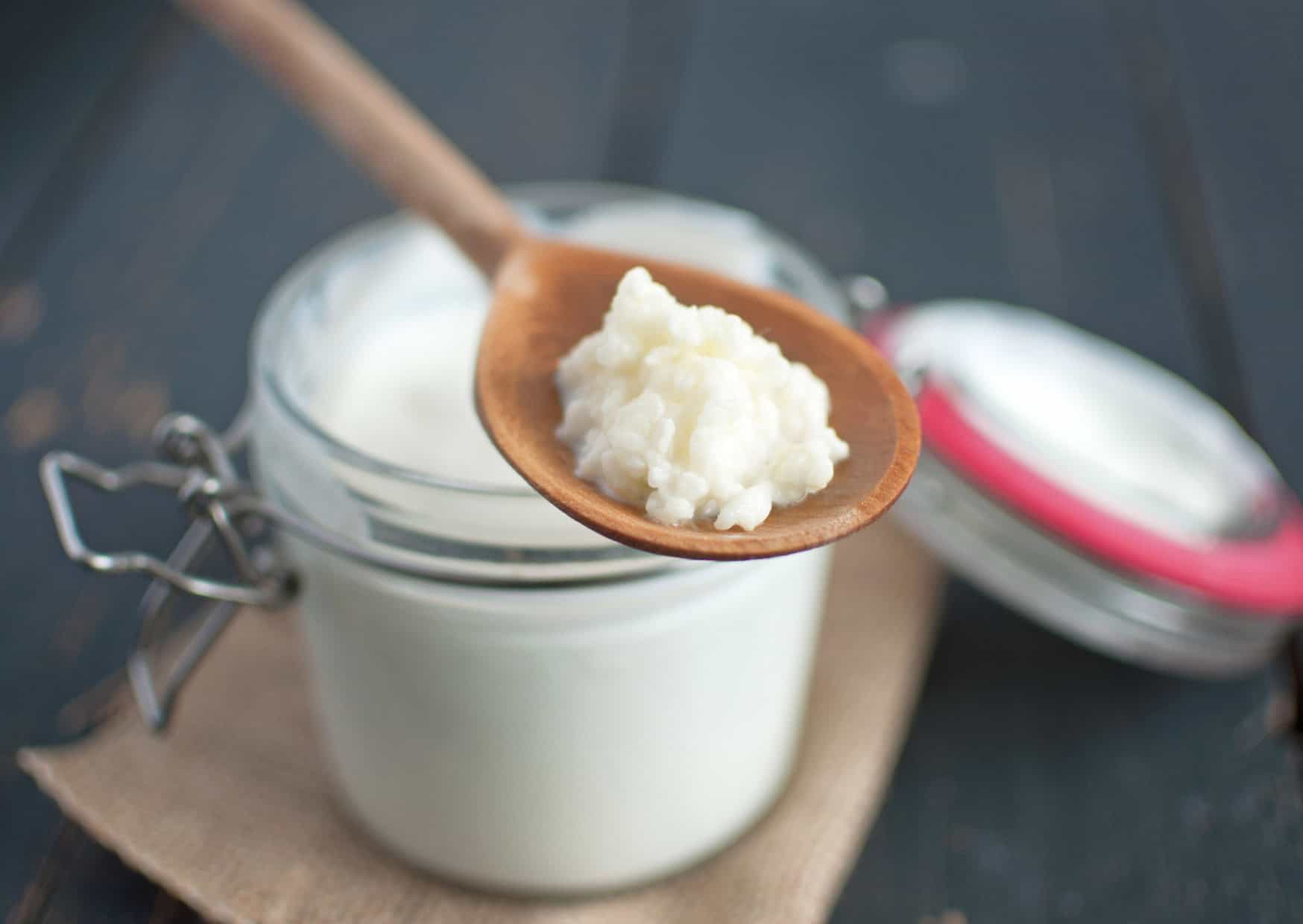
11. Eastern Europe’s “Fermented Foods Only” for Gut Health
What the Hype Says
- Certain diet plans romanticize Eastern Europe’s love of pickles, kefir, sauerkraut, claiming people in Poland, Russia, or the Baltics stay slim by loading up on fermented items daily.
Why It Fails Locals
- While fermented foods are traditional, modern diets in these regions also include white bread, pastries, heavy meat stews, and sweets. People aren’t sipping kefir 24/7 to remain model-thin.
The Real Story
- Fermented foods do play a role in gut health, but that’s just one part of a broader eating habit. Many Eastern Europeans also face rising obesity rates and fast-food expansion. The notion that everyone’s super healthy from pickled cabbage alone is naive.
12. “Holiday Weight Never Sticks” in Europe? The Seasonal Indulgence Myth
What the Hype Says
- People assume that European holiday eating (like lavish Christmas feasts in Germany or the Feast of the Seven Fishes in Italy) somehow never leads to January weight gain—implying a magical cultural immunity to seasonal overindulgence.
Why It Fails Locals
- Europeans can and do gain a few extra kilos around Christmas or Easter. They might implement mild cutbacks or rejoin the gym in January, just like anywhere else.
The Real Story
- The difference might be smaller portion traditions (like 13 different small sweets in a Provencal Christmas) or extended holiday strolls, but weight fluctuations exist. The marketing claim that Europeans magically skip holiday weight gain is more marketing hype than universal truth.
How to Separate Real Food Culture from Marketing Hype
These 12 overhyped “European diet secrets” show how easily partial truths (like “Italians eat pasta daily and stay thin!”) morph into sweeping myths. While Europe does boast a variety of healthful traditions—like fresh produce markets, portion control, or a cultural avoidance of processed food—none is a silver bullet. Locals often have:
- Balanced lifestyles, weaving moderate indulgences with daily movement.
- Mindful portion norms or mealtime structures.
- Fresh, regional ingredients that reduce reliance on heavily processed convenience foods.
- Social eating experiences that slow down meals, encouraging conversation instead of wolfing down calories alone.
But that doesn’t mean they never experience obesity, skip gym days, or binge on desserts. If you plan to adopt a “European approach,” take the genuine lessons—like savoring small plates or embracing fresh produce—while letting go of unrealistic illusions about “French women never get fat” or “Greek islanders never get ill.” The best “secret” is often moderation, variety, and consistent physical activity—plus a pinch of cultural enjoyment that fosters a more relaxed attitude toward food.
Pro Tip
- Whenever you see a new “European diet hack,” ask locals if they actually do it. Travel or browse local-language forums to see how everyday meals look. Real European women (and men) usually rely on a patchwork of small, common-sense habits—not big “secrets” that magically keep them thin or healthy. By recognizing this nuance, you’ll glean sustainable tips from across the pond, minus the hype. Bon appétit—just in moderation!

About the Author: Ruben, co-founder of Gamintraveler.com since 2014, is a seasoned traveler from Spain who has explored over 100 countries since 2009. Known for his extensive travel adventures across South America, Europe, the US, Australia, New Zealand, Asia, and Africa, Ruben combines his passion for adventurous yet sustainable living with his love for cycling, highlighted by his remarkable 5-month bicycle journey from Spain to Norway. He currently resides in Spain, where he continues sharing his travel experiences with his partner, Rachel, and their son, Han.