
Why Bother Talking About Portion Sizes?
Ask nearly any European who’s visited the U.S. about their most memorable cultural shock, and many will mention the sheer size of American meals—be it a massive burger with a mountain of fries or a soda so large you can barely hold it in one hand. Meanwhile, many Americans traveling in Europe might be caught off-guard by smaller plates or a single modest scoop of ice cream instead of a triple-scoop sundae. These portion differences aren’t just about eating habits but reflect deeper cultural attitudes around consumption, waste, social norms, and even health.
Below, we’ll uncover eight key reasons why Europeans often label American portion sizes as “absurd” and how these contrasting approaches to serving can reveal insights into lifestyle, health, and society at large.
Looking for More Travel & Culture Reads?
– They Don’t Work 24/7: 5 Vacation Customs in Europe That Drive Americans Crazy
– 7 Dress Code Shocks Americans Face in Italy
– 9 European Beach Habits That Shock First-Time Tourists
– 7 Beach Behaviors That Make Locals Avoid You in Italy
Quick Easy Tips
Order smaller portions when traveling in Europe—You’ll match the local norm and avoid waste.
Share large American-style portions—A simple way to make them feel less excessive and more social.
Focus on quality, not quantity—European dining often prioritizes flavor over sheer volume.
Many Europeans see American portion sizes as a reflection of a culture that celebrates abundance, but also one that risks normalizing overeating. In much of Europe, smaller servings are linked to moderation, health, and reducing food waste.
Some Americans counter that larger portions offer better value for money, especially in a tipping-based dining culture where people expect to leave satisfied. They argue it’s about hospitality, not gluttony.
There’s also a cultural divide in how “enough food” is defined—Europe often measures satisfaction by taste and balance, while in the U.S., fullness is sometimes the goal. This difference can lead to mutual misunderstandings when dining across the Atlantic.
1. Historical Influence and Agricultural Surplus
American Abundance
Since its founding, the U.S. has been blessed with vast lands for agriculture, from the Great Plains to fertile valleys. Over decades, high-yield farming and industrial food production have led to plentiful and relatively cheap ingredients. Restaurants responded by offering bigger plates, more refills, and ever-larger menu items to stand out.
European Constraints
Europe, with centuries of smaller-scale farmland and higher population density, historically had to use land efficiently. War and resource scarcity also shaped smaller serving traditions in many areas. While modern Europe can import and produce abundantly now, the cultural memory of not wasting has remained strong.
Why Europeans Are Surprised: Coming from countries where moderate farmland means moderate portion tradition, stepping into an American diner that serves a 16 oz steak with a heaping side of fries can seem lavish—even excessive.
2. Food as an Experience vs. Fuel
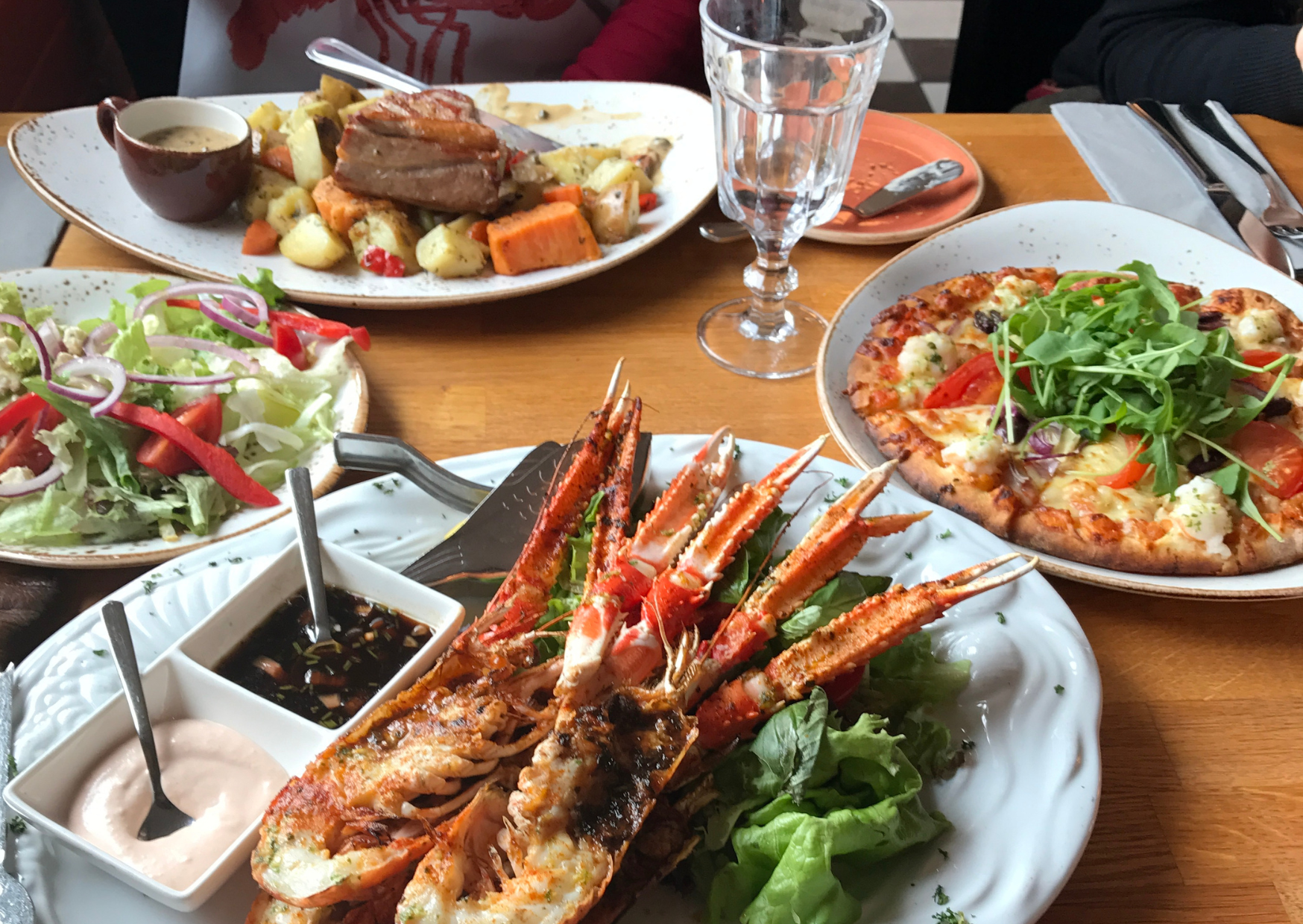
European Mealtime Philosophy
In many European countries—think France, Italy, Spain—meals are social rituals. Courses are smaller, spread out, and shared among family or friends. The focus is on taste, presentation, conversation, and pacing. They’d rather linger over a meal for an hour or two, savoring each bite.
American “Value Meal” Mentality
American eateries often highlight “value”—i.e., more food for less money, or free refills on drinks. The emphasis is frequently on immediate satisfaction and volume. Larger portions can be seen as generosity from the establishment and a sign of getting your “money’s worth.”
Why Europeans Cringe: Europeans might interpret giant servings as quantity overshadowing quality or enjoyment. They wonder, do we really need so much food at once? and why overshadow the act of savoring each course?
3. The Fast-Food Culture and Supersizing
America’s Supersizing Trend
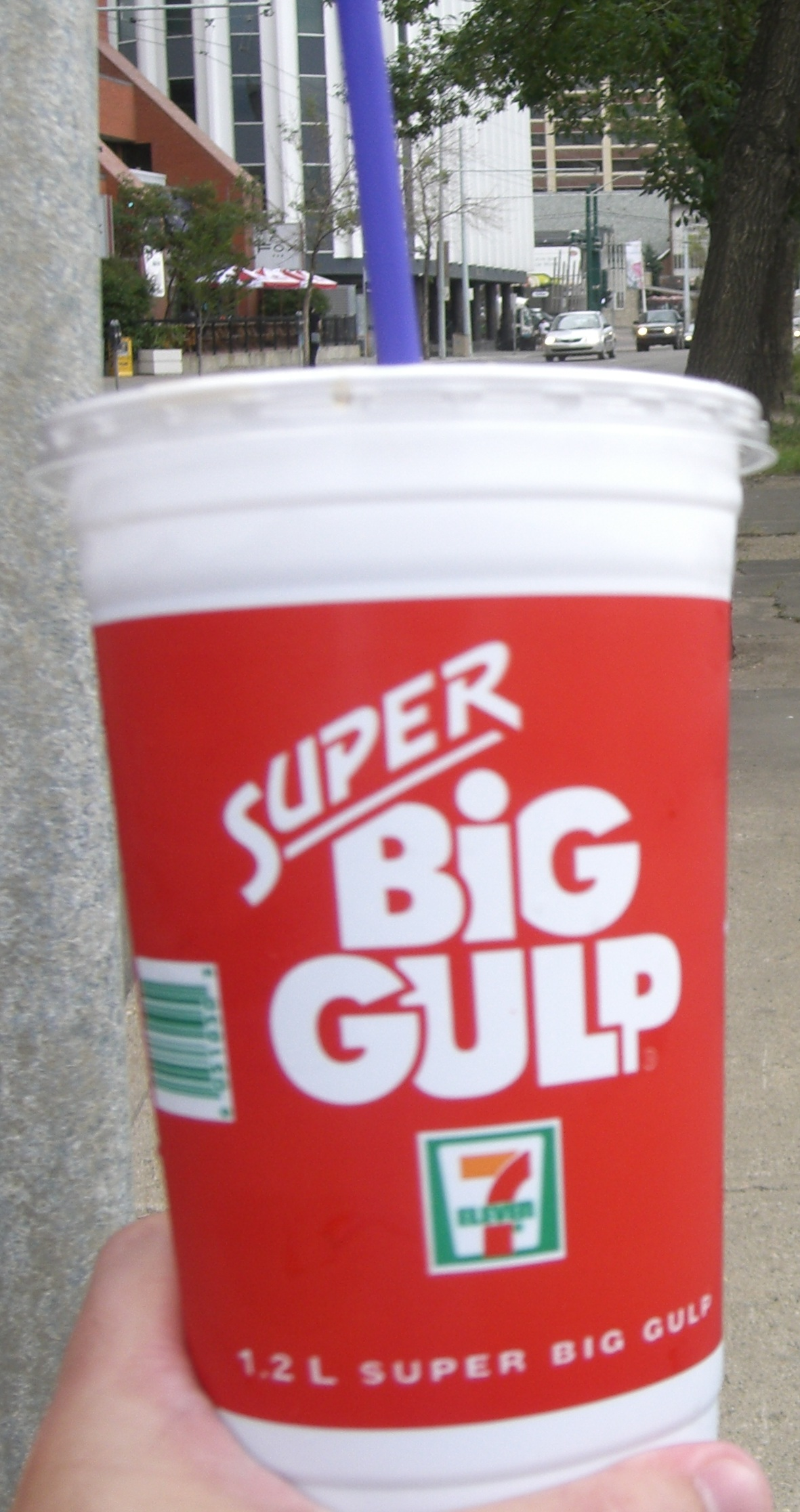
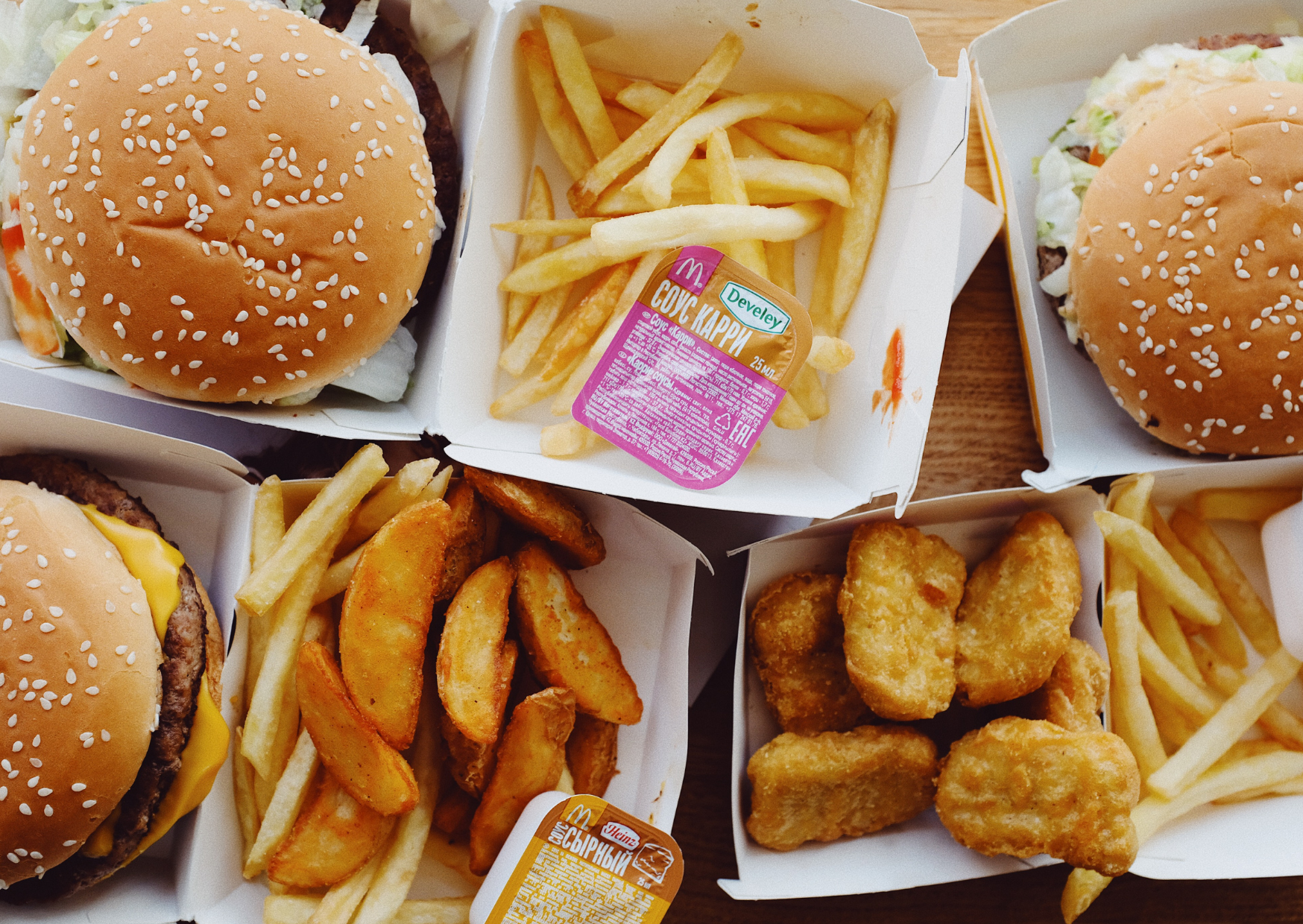
From large sodas to “supersize” combos, fast-food chains in the U.S. revolutionized the concept of “bigger is better.” Over the last 50 years, portion sizes in restaurants have ballooned. A typical American coffee might be 16-20 oz, while a standard French café is 6-8 oz at most.
Europe’s Slower Adoption
Although fast food has spread globally, European outlets often keep smaller portion offerings more in line with local norms. For example, a medium drink in a European McDonald’s is closer to a small in the U.S. Additionally, many Europeans see “supersize” marketing as a blatant push toward overconsumption.
Why Europeans See It as “Absurd”: They interpret the practice of offering huge “options” as borderline irresponsible, encouraging overspending and overeating. Meanwhile, Americans have grown accustomed to it as a sign of a good deal.
4. Health Implications and Body Weight
Overeating Concerns
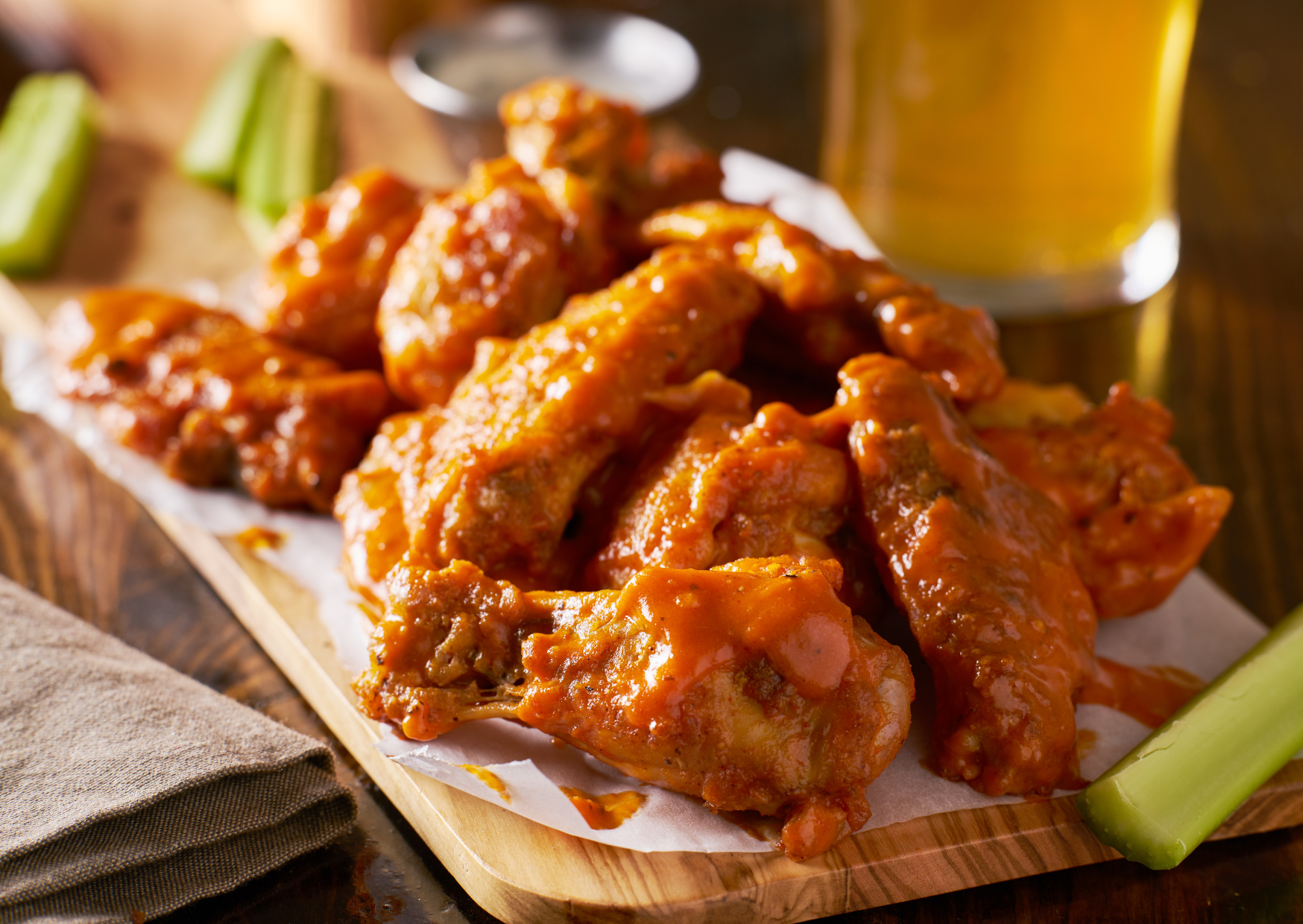
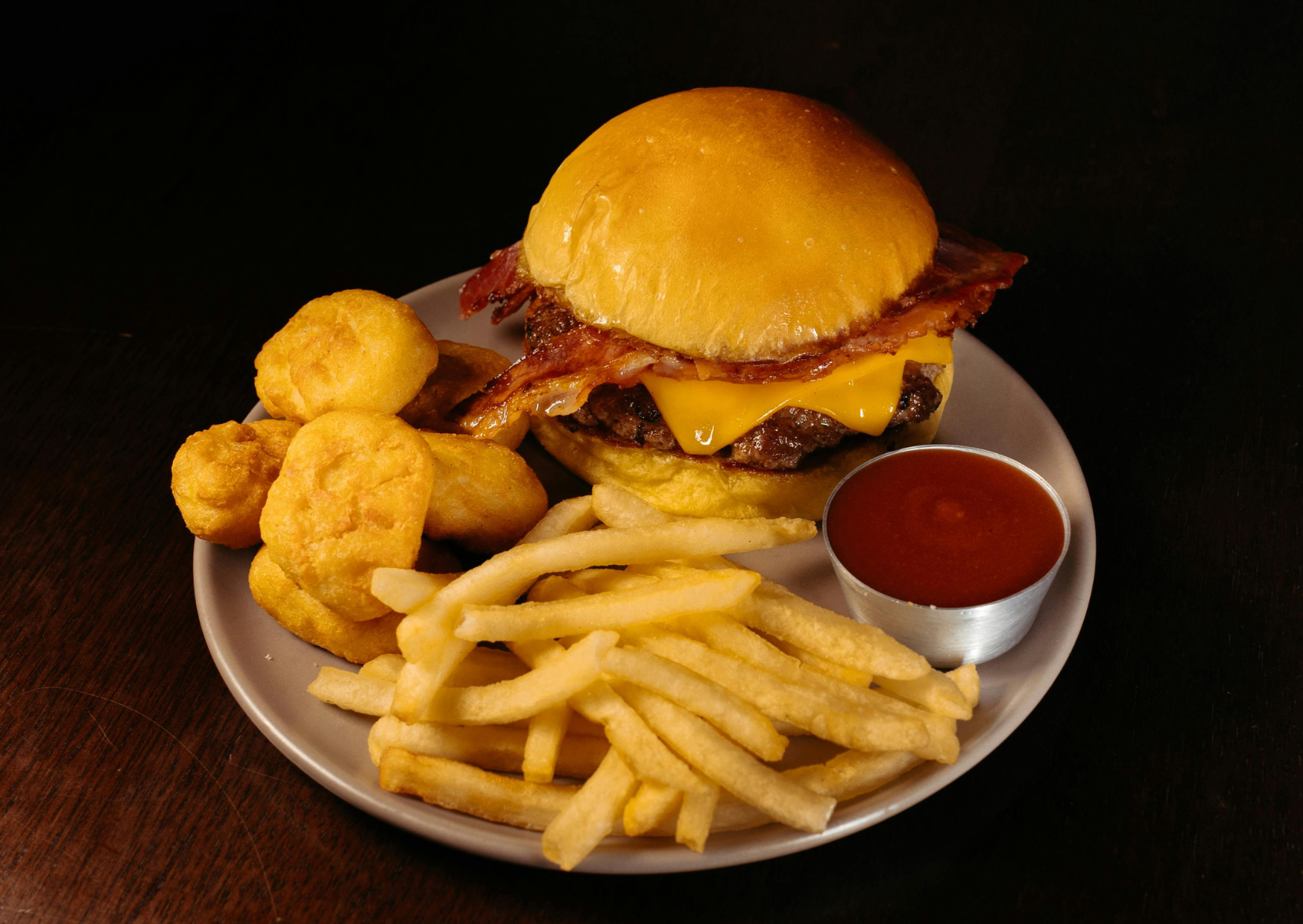
Larger portion sizes correlate with higher calorie intake—a factor in obesity rates. Many Europeans see Americans struggling with weight management and link part of the problem to oversized restaurant portions.
Government & Cultural Pressure
European governments and health agencies often run campaigns to curb obesity, and portion control is part of that conversation. Combined with strong traditions of walking or cycling, controlling portion size is crucial to maintaining a healthier population.
Why This Stands Out: Europeans often tie public health with personal eating habits. Americans might not connect large portion sizes as a direct cause of widespread health issues, or at least it’s less commonly enforced or regulated.
5. Cultural Norms About Waste
Food Waste Aversion in Europe
In many European countries, wasting food is heavily frowned upon. Families historically faced wars or rationing, creating a cultural memory that each morsel matters. Even in modern times, strict recycling and composting measures reflect a mindful approach.
Doggie Bags and Leftovers in the U.S.
Americans use doggie bags or leftover containers if they can’t finish a large plate. Some see it as practical, preventing waste. Others (especially older Europeans) might see it as an odd solution to a problem that shouldn’t exist if the portion was properly sized.
Result: Europeans deem “better to serve smaller, finish your plate,” while Americans might say, “It’s big, but I’ll take the rest home.” The difference highlights portion predictability vs. embracing large portions but saving for later.
6. Dining at Home vs. Eating Out
Home-Cooked Norms in Europe
European families typically cook at home far more frequently, especially outside big tourist hubs. Meals might feature smaller, well-paced courses. Restaurants are for special occasions or weekend treats, not daily dining. Thus, if a restaurant does serve large portions, it’s overshadowed by day-to-day moderate home meals.
America’s Restaurant Culture
Americans eat out more often, from casual diners to take-out for lunch. Restaurants compete on portion size to attract customers. The cultural emphasis might be: “If I’m paying, I want plenty of food.” Over time, that’s shaped the entire dining scene, reinforcing big portion norms.
Why Europeans Are Perplexed: They see Americans dining out multiple times a week, always confronted with huge plates. For them, it’s normal to keep restaurant portions smaller or standardized, as daily cooking at home remains routine.
7. Price-Per-Meal vs. “All-Inclusive” Mindset
American “Bang-for-Your-Buck” Approach
A giant plate for $12 is perceived as a better deal than a moderate portion for $10. This can lead to a race among eateries to increase portion size slightly while maintaining only a marginal cost difference. Many American diners would feel ripped off if the plate size is small for the same price.
European Cost-Value Ratio
While Europeans appreciate fair pricing, they’re more apt to see the meal’s quality—fresh ingredients, balanced flavors, a relaxed eating environment—as the main “value.” You might pay €14 for a smaller portion of artisanal pasta, but it’s about the culinary experience, not volume.
Takeaway: Because Americans link value with quantity, restaurants respond with big servings. Europeans link value with flavor/experience, so portions can remain modest yet still satisfy.
8. Social Pressure and Fear of “Cheapness” in America
Tipping Culture Influence
American servers often aim for bigger tips, and one route is to ensure the diner feels they got plenty for their money. Generous portions can encourage a sense of “I got a deal,” leading to better tip satisfaction.
Europe’s Less Tipping-Focused
Tipping is smaller or partially included in many European countries. The server’s main role is to ensure a pleasant meal, not to emphasize big plates. Customers are used to paying a set price for a well-proportioned meal—no direct correlation to tips or portion size.
Effect: In the U.S., the synergy of tips and customer satisfaction with portion size fosters an unspoken pressure to keep plates large. European servers, reliant on stable wages, aren’t motivated to push portion expansions.
9. Mindset of Savoring vs. Finishing
“Savor Each Course” in Europe
From the French multi-course meal to the Italian primo/secondo/dolce structure, there’s a built-in approach to slow, purposeful enjoyment. When each course is smaller, you get variety without overstuffing. It’s about lingering over each dish, not finishing a single huge plate.
American “Clean Plate Club”
Culturally, there’s a notion of finishing your entire plate—a tradition from times of abundance. If that plate is massive, you might overeat to avoid “waste.” People see leaving food as irresponsible, so large portions can push them to consume more than needed.
Result: For Europeans, a smaller multi-course structure ensures a balanced sense of satisfaction. Americans can feel obligated to clear a single enormous plate, leading them to realize too late that they’ve overshot fullness by a mile.
So, Are they Really Absurd?
So why do Europeans find American portion sizes so absurd? Because for them, the foundation of shared history (resource constraints), cultural emphasis on quality over quantity, daily cooking routines, and a desire to avoid waste means a plate doesn’t have to be huge to be satisfying. Meanwhile, the U.S. shaped a dining scene around big farmland yields, big marketing for “value,” and a fast-food revolution—where “bigger is better” was an effective sales tactic that eventually turned normal.
For travelers, bridging this gap can be enlightening. Americans in Europe might initially think, “This meal is too tiny!” but discover they’re surprisingly full and content. Conversely, Europeans in the U.S. sometimes gasp at 32 oz sodas or massive “all-you-can-eat” deals. Ultimately, neither approach is “right” or “wrong,” but the differences reveal how economics, tradition, and social psychology shape our mealtime experiences.
Takeaway: If you’re American heading to Europe, embrace the smaller, more curated portions—you might find them plenty. If you’re European traveling stateside, be prepared for a potential “portion shock,” but keep an open mind (and maybe a leftover container) so you can adapt. Recognizing these cultural contexts fosters more appreciation and maybe even encourages balanced eating patterns for everyone. Bon appétit or buon appetito, no matter how big your plate!

About the Author: Ruben, co-founder of Gamintraveler.com since 2014, is a seasoned traveler from Spain who has explored over 100 countries since 2009. Known for his extensive travel adventures across South America, Europe, the US, Australia, New Zealand, Asia, and Africa, Ruben combines his passion for adventurous yet sustainable living with his love for cycling, highlighted by his remarkable 5-month bicycle journey from Spain to Norway. He currently resides in Spain, where he continues sharing his travel experiences with his partner, Rachel, and their son, Han.