
If you earn your income online, there’s a European residence sticker with your name on it—and most Americans don’t realize they already meet the bar. The phrase “digital nomad visa” sounds exotic and gatekept; the reality in 2025 is mostly math and paperwork: prove remote income, hit a published threshold, show insurance and accommodation, and you’re in. The surprise isn’t that these visas exist—it’s how many of them an ordinary W-2 or 1099 American already qualifies for.
Want More Deep Dives into Everyday European Culture?
– Why Europeans Walk Everywhere (And Americans Should Too)
– How Europeans Actually Afford Living in Cities Without Six-Figure Salaries
– 9 ‘Luxury’ Items in America That Europeans Consider Basic Necessities
What “qualify without knowing” actually means
Remote income counts — your employer or clients stay abroad.
Thresholds are public — hit a monthly/annual minimum and document it.
It’s residency, not tourist time — you register, insure, and stay legally.
Americans often assume Europe requires a local job sponsor or years of savings. Not here. Most digital-nomad frameworks were written for third-country nationals—exactly you. The core pattern rarely changes: show a steady remote paycheck above a country-specific floor, lease a place, prove health insurance, pass a background check, and apply at a consulate or upon arrival (varies by program). The “hard part” is simply aligning your income documentation with the format consulates expect—last 3–6 months of bank statements, contracts, or pay stubs—and choosing the jurisdiction whose rules fit your life.
Portugal’s D8: the quiet front-runner Americans skip
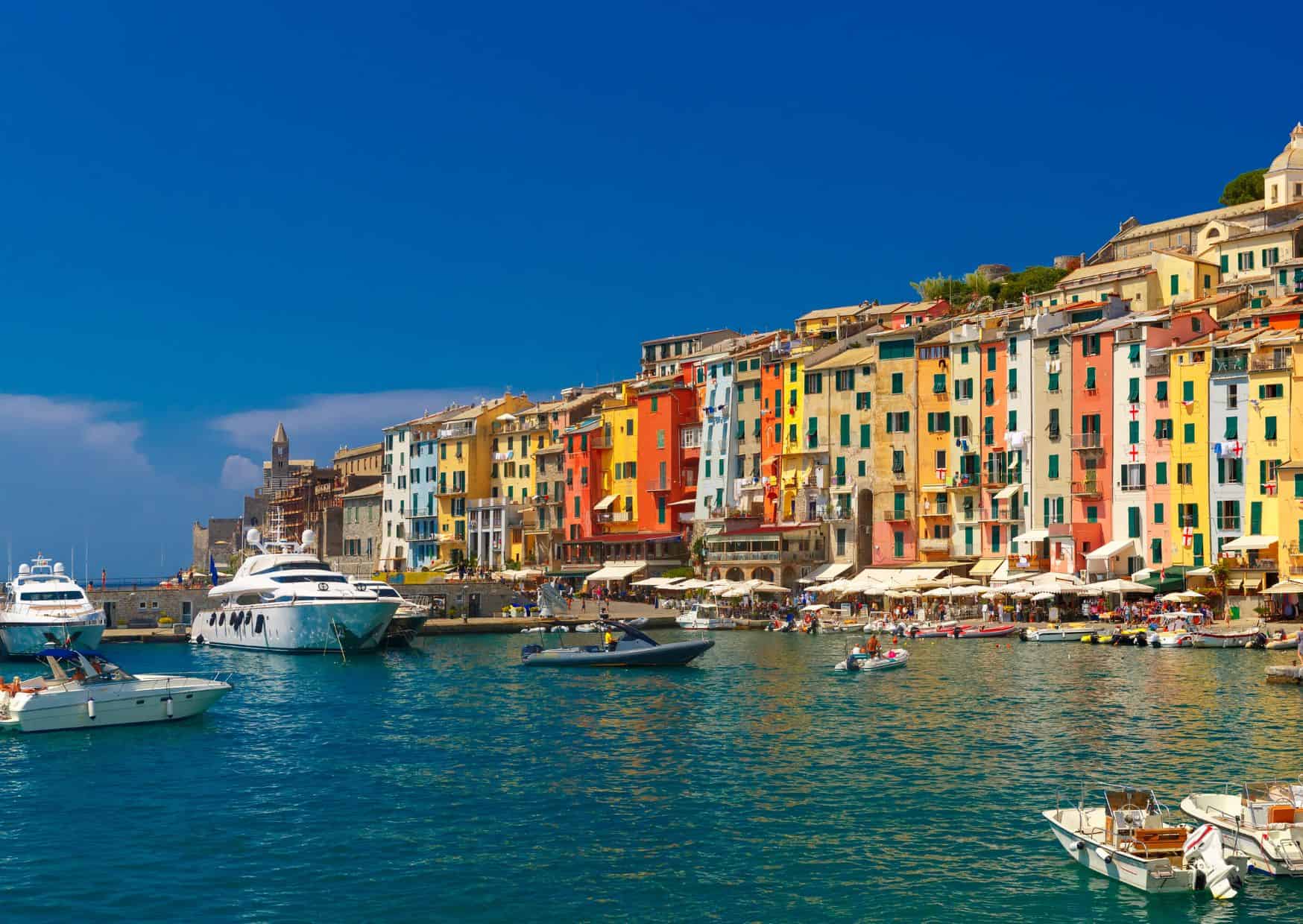
4× minimum wage — roughly €3,480+/month in 2025.
Two tracks — short “temporary stay” (≤12 months) or residence track.
Proof is the point — show last 3 months at or above the floor.
Portugal’s D8 (Remote Work) visa is the program most Americans qualify for without realizing it. The rule is wonderfully blunt: earn at least four times Portugal’s monthly minimum wage, document it for the past few months, show foreign-source work (employment or freelance), secure accommodation, carry health insurance, and you can be approved. The consular checklist literally says “minimum value equivalent to four times the Portuguese monthly minimum wage” for your recent average income—so your job is to make the math easy to read. For many mid-career U.S. workers (software, marketing, design, finance, consulting), this threshold is already in the rear-view mirror; what’s been missing is simply knowing the program exists.
Malta’s Nomad Residence Permit: fast, formal, and family-friendly

Straight income line — €42,000 gross/year minimum.
Employee or freelancer — but foreign employer/clients only.
Clear state page — rules are spelled out by Malta’s program itself.
If you thrive on clarity and speed, Malta’s Nomad Residence Permit is famously straightforward: show €42k gross annual income, remote work for an entity outside Malta, and full health insurance. It’s a residence permit (not a tourist extension), so you register locally and can sponsor dependents under the program’s rules. Malta keeps its website current and unambiguous—the rare government portal you can actually anchor to. Expect precise document requests and predictable processing.
Hungary’s “White Card”: Schengen access with a low bar and a few quirks

€3,000/month — the income many Americans already clear.
Solo permit — no dependents attached to your card.
Stay Schengen-legal — residence in Hungary, 90/180 travel elsewhere.
Hungary’s digital-nomad residence—branded the White Card—is designed for remote workers and founders with foreign income. The headline is approachable: document €3,000 per month from abroad, carry insurance, rent a place, and you can secure a one-year card (renewable once). Two caveats Americans miss: family can’t “ride along” on your permit, and earnings must remain outside Hungary; this isn’t a path to freelancing locally. If your goal is a simple Schengen base without the higher thresholds of Portugal or Estonia, this is a pragmatic doorway.
Greece’s Digital Nomad Visa: Mediterranean pace, businesslike rules

€3,500/month — base income for a single applicant.
Twelve months first — extendable if you’re thriving.
Foreign source — employer/clients must be outside Greece.
Greece’s program reads like a sensible contract: work remotely, earn at least €3,500/month, insure yourself, and prove accommodation. The first grant is typically up to 12 months, with the option to extend if life in Greece fits. For Americans who want late dinners, long walks, island weekends, and a rulebook that’s firm without being fussy, Greece strikes a sweet spot—clear income, predictable duration, familiar documentation.
Croatia’s Digital-Nomad Residence: Adriatic living, modern paperwork
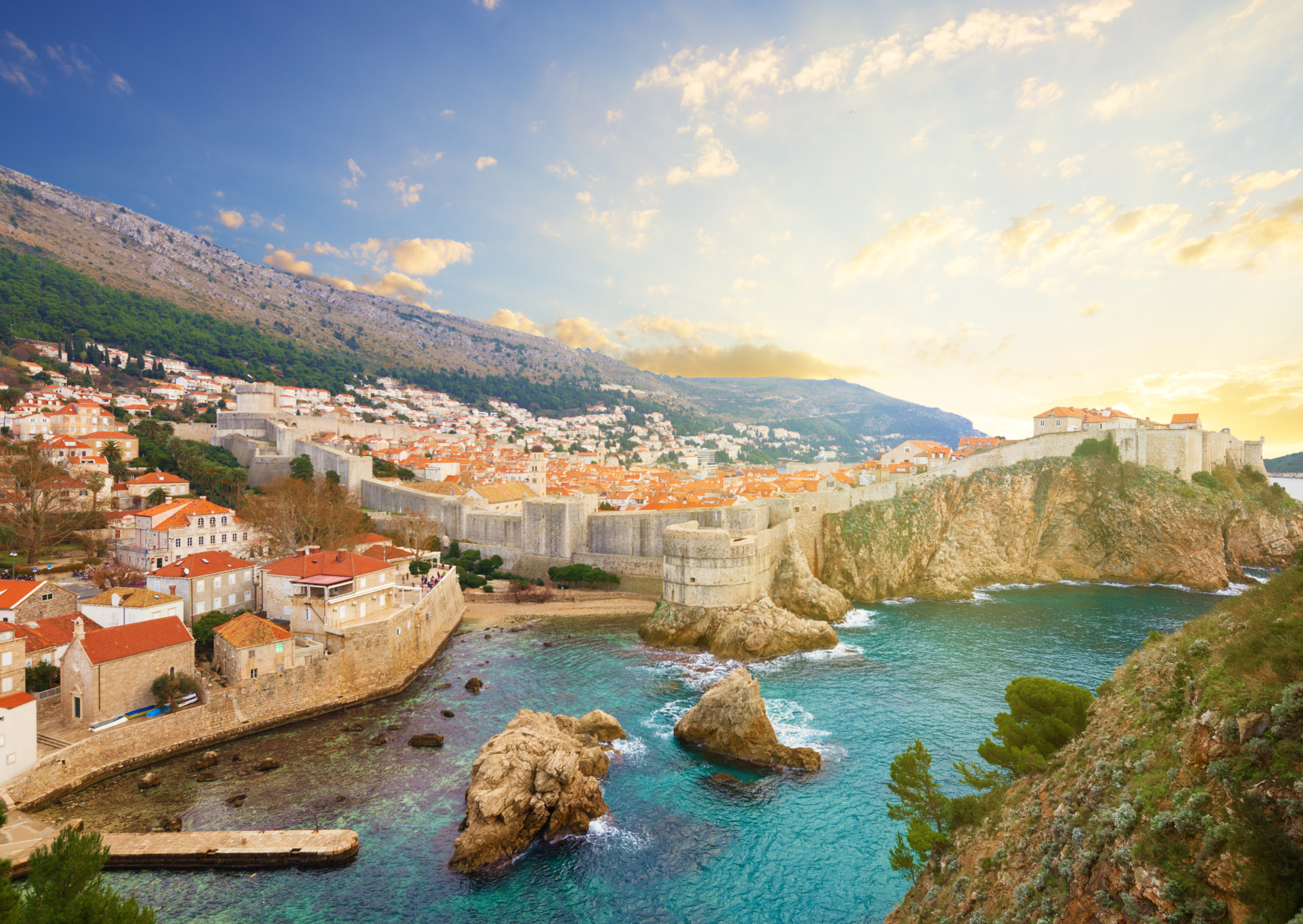
€3,295/month — current monthly income marker.
Up to 12 months — then reapply after a break.
All remote — no local economic activity.
Croatia’s DN residence is exactly what it says on the tin: a one-year legal stay for non-EU remote workers with external income. The Ministry publishes the monthly income figure (currently €3,295) and allows you to prove it via bank statements and/or contracts. The payout is obvious: sea-air cities (Split, Zadar, Rijeka), renovated old-town apartments, and a legal way to enjoy the coast well past the 90/180 Schengen shuffle—without pretending you’re a tourist.
Estonia’s Digital Nomad Visa: high bar, high trust, high tech
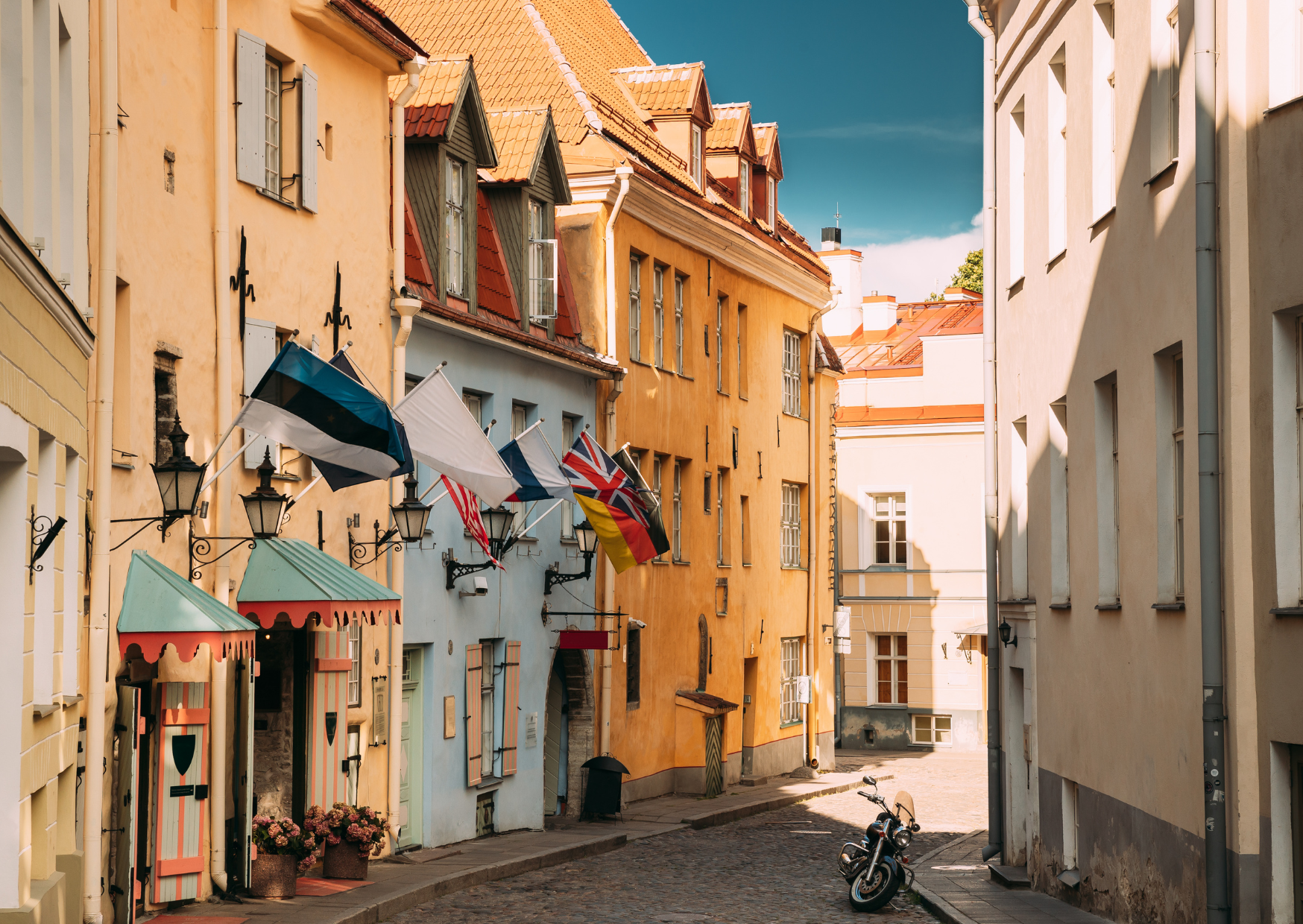
€4,500/month — teleworking income threshold in 2025.
C- or D-type — 90 days or up to a year in the Schengen Zone’s tech lab.
Process maturity — a government that actually digitized the steps.
Estonia invented e-residency culture and didn’t phone in its nomad visa. It’s a serious program with a serious income floor—€4,500 per month for teleworkers—paired with clear ministerial guidance and embassy/VFS routes that generally work as described. If you want fast fiber, clean bureaucracy, and a civic tech culture that feels like the internet wrote the laws, Estonia is the European operating system you expect it to be—just be ready to prove big-kid income. Ministry of Foreign Affairs of Estoniae-Residency
Cyprus: the sunshine permit most Americans miss
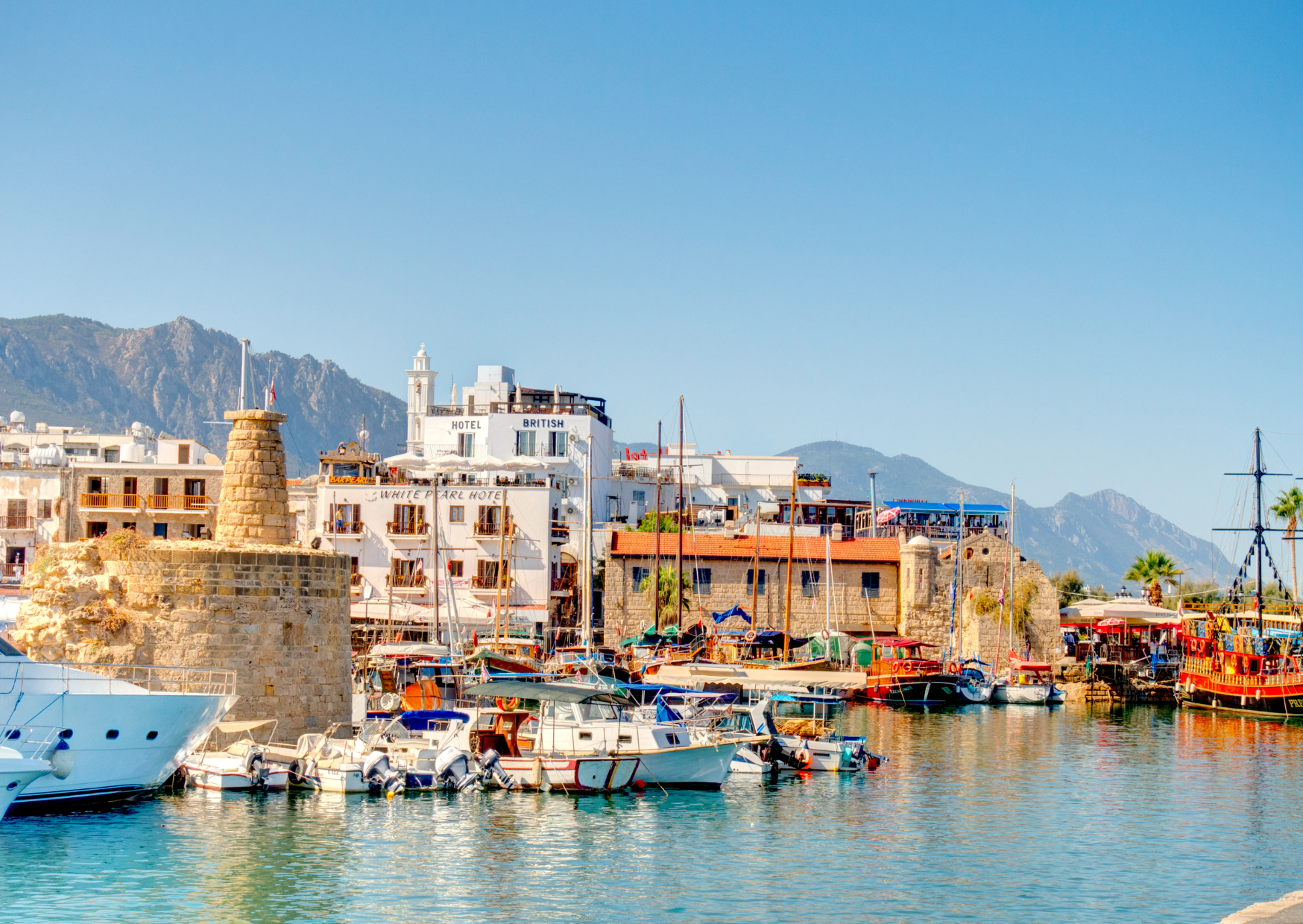
€3,500/month (net) — after tax and contributions.
Non-EU only — classic remote-only structure.
Re-opened in 2025 — intake cap returned with published rules.
Cyprus quietly re-opened its digital-nomad scheme in 2025 with numbers that make U.S. paychecks competitive: €3,500 net/month for the main applicant, with add-ons for dependents. You live in the EU’s sunbelt, work for a company or clients outside Cyprus, and register properly. For Americans who want mild winters and lower rent than the big Schengen capitals—but prefer an EU member over the Balkans—this is a low-drama door to knock on.
The “no-visa year” Americans really don’t know about: Albania and Georgia

U.S. passport = 365 days — visa-free in both countries.
Register, don’t overthink — it’s legal time, not a gray area.
Mind taxes — day 183 flips residency switches.
Two European outliers let Americans live a full year visa-free: Albania and Georgia. You still follow local registration rules and you still carry insurance—but there’s no visa to apply for. For first-timers who want to test the nomad life without consulates and income proofs, this is as easy as it gets. Pro tip: once you cross 183 days, many countries treat you as a tax resident—talk to a professional early if you plan to stick around.
What actually gets Americans denied (and how to not be that applicant)

Vague pay evidence — fix it with six tidy PDFs: last 3–6 months of bank statements, matching pay stubs/invoices, and contract/letter naming your remote role and pay.
Wrong source — these visas are for foreign-source income; park local gigs for later.
Accommodation confusion — many programs expect a real lease (often 6–12 months). Book a refundable long-stay if you must, then swap after approval.
Consulates don’t chase your story—you must present it cleanly. Standardize your name across every doc (passport, payroll, lease), translate anything not in English per consular rules, and apostille birth/marriage certificates if you’re bringing family. In Portugal and Croatia especially, officers want to see the totals add up: highlight income lines, circle totals, and include a one-page cover sheet that spells the math—e.g., “Average monthly deposits: €3,812.22 (meets 4× Portuguese minimum wage).”
Picking the right program in 10 minutes
- You want a path to longer EU residence — choose Portugal D8. The residence track can snowball into multi-year permits and, in time, a permanent or long-term option (subject to rules). Income clarity, English-friendly bureaucracy, big U.S. expat base.
- You want brain-off paperwork — Malta. Firm number (€42k) and a state page that reads like a checklist. Small state, big clarity.
- You want Schengen, low threshold, and don’t need a family add-on — Hungary White Card. €3,000/month, solo only, tidy residence.
- You want islands and a measured bar — Greece at €3,500/month. 12 months first, extend if you click.
- You want set-and-surf Adriatic — Croatia at €3,295/month, one year in country, then re-apply.
- You want a high-tech Schengen base — Estonia at €4,500/month. Yes, the bar is higher; the state machinery is worth it.
- You want EU sunshine without Schengen pressure — Cyprus at €3,500 net/month. Reopened, well-documented.
- You want a year to try nomad life with zero consulate time — Albania or Georgia; just go. Mind the 183-day tax line.
Money, insurance, and tax—three brief realities
Income = gross vs. net — some countries quote gross (Portugal’s 4× minimum wage, Malta’s €42k), others quote net (Cyprus €3,500 net). Match the right type to your proof.
Insurance is not a footnote — bring a policy certificate with the country listed, dates covering your intended stay, and €30,000+ medical coverage where specified. Hungary and Schengen officers look for real numbers, not just brand names.
Taxes follow days — >183 days in one country often equals tax resident there. Nomad permits don’t grant tax immunity; they grant time. (A number of programs highlight this explicitly; plan with a pro.)
The 2025 update Americans miss
Three moving parts matter this year:
- Spain’s SMI rose — because Spain pegs its digital-nomad income to a multiple of the minimum wage, any 2025 increase nudges the bar. If Spain is on your radar, recalc with this year’s SMI before you apply.
- Cyprus reopened and reaffirmed the €3,500 net figure for its intake—good news if you want EU living without Schengen complexity.
- Croatia’s figure is published in euros and updates as wages do; always pull the current number before you lodge. Today it’s €3,295/month.
How to present your application like a local
Lead with the math — top sheet that shows your monthly average vs. the rule (e.g., “Average €3,812 ≥ €3,480”).
Bundle in order — passport, criminal check, insurance, income proof, accommodation, and any translations/apostilles.
Use the local messenger — in Europe, WhatsApp is standard for confirming appointments, rentals, and even courier drop-offs.
Consulates are busy. Officers don’t have time to chase a narrative through ten PDFs named “final_really_final.pdf.” If your file reads like a compliance package, you win time, and time wins approvals.
Bottom line—pick the door that matches your life
If you’re earning a U.S. salary remotely, there’s likely a European visa (or visa-free workaround) that fits you right now. Need long-term continuity and a big expat base? Portugal’s D8. Want clarity over romance? Malta. Want Schengen residency with a gentle threshold and no dependents? Hungary’s White Card. Want a first step with no consulate at all? Albania or Georgia for a year—today. The trick isn’t finding “the best” visa; it’s matching your income, family setup, and timeline to the state whose rules favor your exact situation. Do that, and the phrase “digital nomad visa” stops feeling mythical—and starts looking like a stamped page in your passport.

About the Author: Ruben, co-founder of Gamintraveler.com since 2014, is a seasoned traveler from Spain who has explored over 100 countries since 2009. Known for his extensive travel adventures across South America, Europe, the US, Australia, New Zealand, Asia, and Africa, Ruben combines his passion for adventurous yet sustainable living with his love for cycling, highlighted by his remarkable 5-month bicycle journey from Spain to Norway. He currently resides in Spain, where he continues sharing his travel experiences with his partner, Rachel, and their son, Han.