
Spain’s sun-soaked beaches, vibrant festivals, and historic cities lure millions of travelers annually. But with such popularity comes overtourism, straining local resources, housing markets, and community well-being. Below are 8 common tourist habits that exacerbate the problem—plus how to avoid them, ensuring you support Spain’s culture rather than overwhelm it.
Want More Tips on Respectful Travel?
– 9 European Customs That Are Total Tourist Traps
– The 9-5 Myth: How Europe’s Quirky Work Schedules Are Baffling Foreigners Everywhere
– 7 Airport Outfit Fails That Mark You as a Travel Newbie
Quick Easy Tips
Learn a few basic Spanish phrases instead of assuming everyone speaks English.
Respect local dining hours—don’t expect dinner service at 5 PM.
Avoid overcrowded tourist traps and explore less-visited towns.
Dress appropriately for churches and religious sites.
Don’t treat historic sites as Instagram props—be mindful.
Use public transportation instead of clogging old town streets with cars.
Support local family-run restaurants instead of big chains.
Lower your volume—Americans especially are known for being too loud.
The overtourism debate in Spain has ignited cultural tensions. Locals in Barcelona, Mallorca, and San Sebastián argue that tourism has driven up housing costs, overwhelmed infrastructure, and disrupted daily life. Yet, many visitors don’t see their “innocent” behaviors—like crowding beaches or taking endless selfies in residential streets—as part of the problem.
Some argue that Spain itself has fueled the issue by marketing aggressively to international travelers while neglecting the long-term consequences for locals. Tourism provides jobs and revenue, but when entire neighborhoods are converted into short-term rentals, locals are priced out. This has created resentment toward visitors—even those who genuinely want to experience Spanish culture respectfully.
Others say the blame isn’t on tourists alone but also on government policies and corporate greed. Should travelers really carry all the guilt, or is overtourism the result of poor urban planning and unchecked development? This controversy forces us to ask: are tourists the problem, or are they just a symptom of a much bigger system?
1. Booking “Party Apartments” in Residential Areas

The Issue
- Groups of friends rent short-term flats in quiet neighborhoods, hosting loud parties late into the night. Residents lose sleep, local housing prices skyrocket, and family-friendly blocks become noisy “party zones.”
The Fix
- Choose licensed accommodations in districts designated for tourism, or a reputable hotel that adheres to local noise rules. If you do rent an apartment, respect quiet hours (often midnight to 8 AM) and keep gatherings moderate.
Local Perspective
- Families often resent strangers cycling in and out of neighboring apartments at all hours. Being mindful of volume and occupancy helps maintain community harmony.
2. Overcrowding the Most Instagrammable Spots

The Issue
- Must-have social media pictures at hotspots (like Park Güell in Barcelona or Plaza Mayor in Madrid) create endless lines and block pathways. Locals can’t pass through their own landmarks without dodging selfie sticks.
The Fix
- Visit early morning or off-peak times. If you see a crowd, snap a quick photo and move along. Try exploring lesser-known corners of the city for equally beautiful backdrops—your feed might stand out more, anyway.
Local Perspective
- Spaniards enjoy these sites too, but it’s frustrating when slow-moving photo queues clog sidewalks. Balancing your “perfect shot” with consideration for others fosters a more relaxed environment.
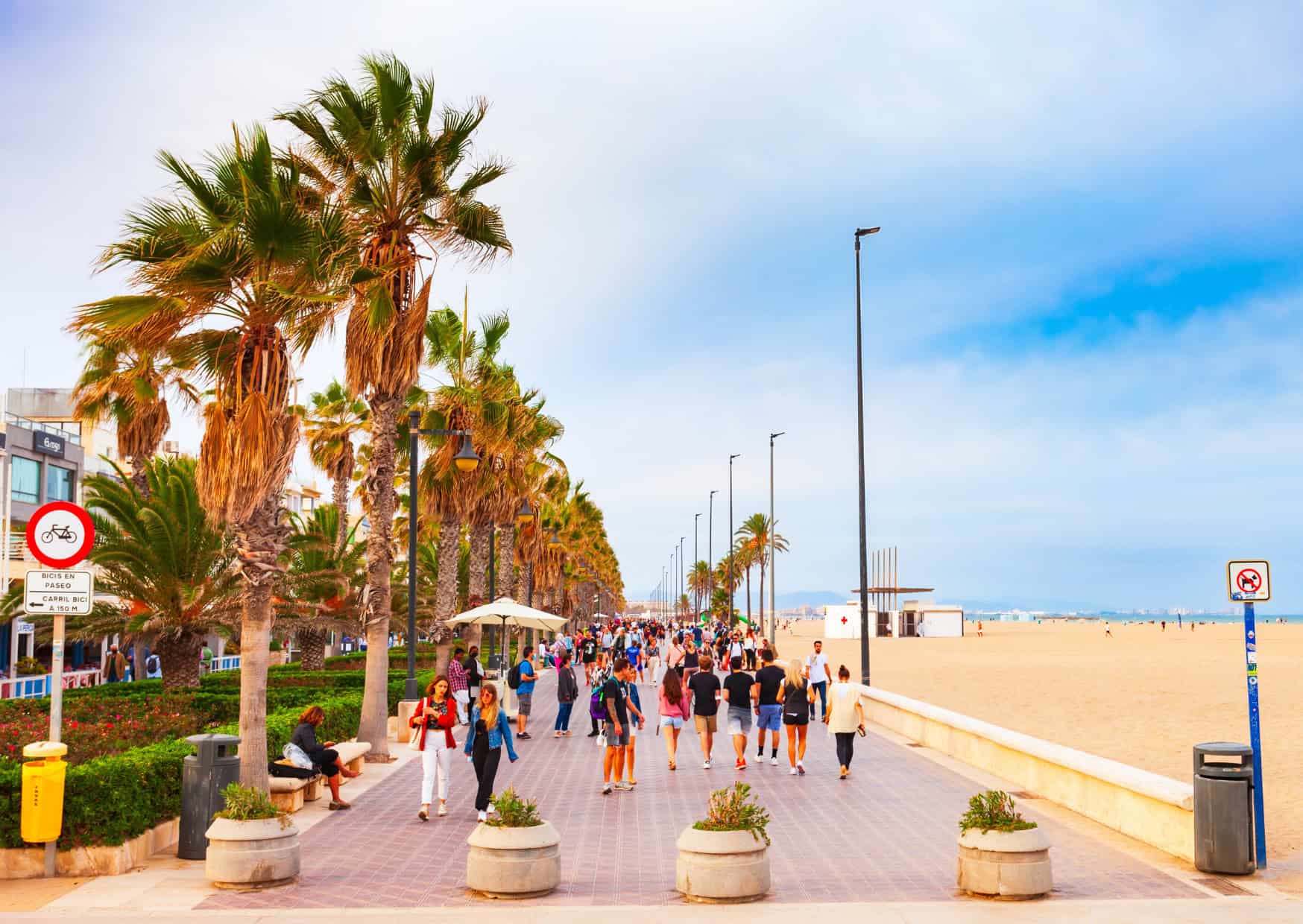
3. Ignoring Sustainability in Beach Towns
The Issue
- Spain’s coastline sees massive seasonal influx—tourists leaving trash on beaches, using endless single-use plastics, or damaging fragile dunes. Coastal ecosystems buckle under pressure.
The Fix
- Pack reusable water bottles and lunch containers. Deposit trash in designated bins or carry it out if bins overflow. Avoid treading on protected dunes or vegetation.
- Don’t feed seagulls scraps—it alters their natural behavior, leading to more beach nuisance.
Local Perspective
- Coastal residents depend on healthy shorelines. By respecting basic beach etiquette, you help preserve the beauty that drew you there in the first place.
4. Overloading Narrow Streets with Tour Buses

The Issue
- Huge coach buses navigate tight medieval alleys in places like Toledo, Granada, or small Basque towns, causing traffic jams, pollution, and blocking locals’ daily routes.
The Fix
- Opt for smaller group tours using mini-vans, or use public transport. Walking tours or local commuter buses are more sustainable. If you must join a coach tour, choose operators who limit bus size or coordinate off-peak visits.
Local Perspective
- Locals complain about traffic standstills where big buses can’t maneuver. Minimizing giant vehicles in ancient quarters keeps the charm intact.
5. Disrespecting Local Customs at Festivals

The Issue
- Spain’s famous fiestas (Las Fallas, Feria de Abril, San Fermín) get swarmed by visitors who sometimes treat them as rowdy parties, ignoring cultural protocols and overshadowing traditional rituals.
The Fix
- Research festival etiquette before attending. For instance, don’t treat Running of the Bulls purely as an adrenaline stunt, or barge into religious processions taking loud selfies. Understand what’s actually being celebrated.
Local Perspective
- Spaniards cherish these events’ cultural or religious heritage. Tourists who break rules, like climbing statues or harassing animals at bull-related events, fuel local resentment and calls for tighter restrictions.
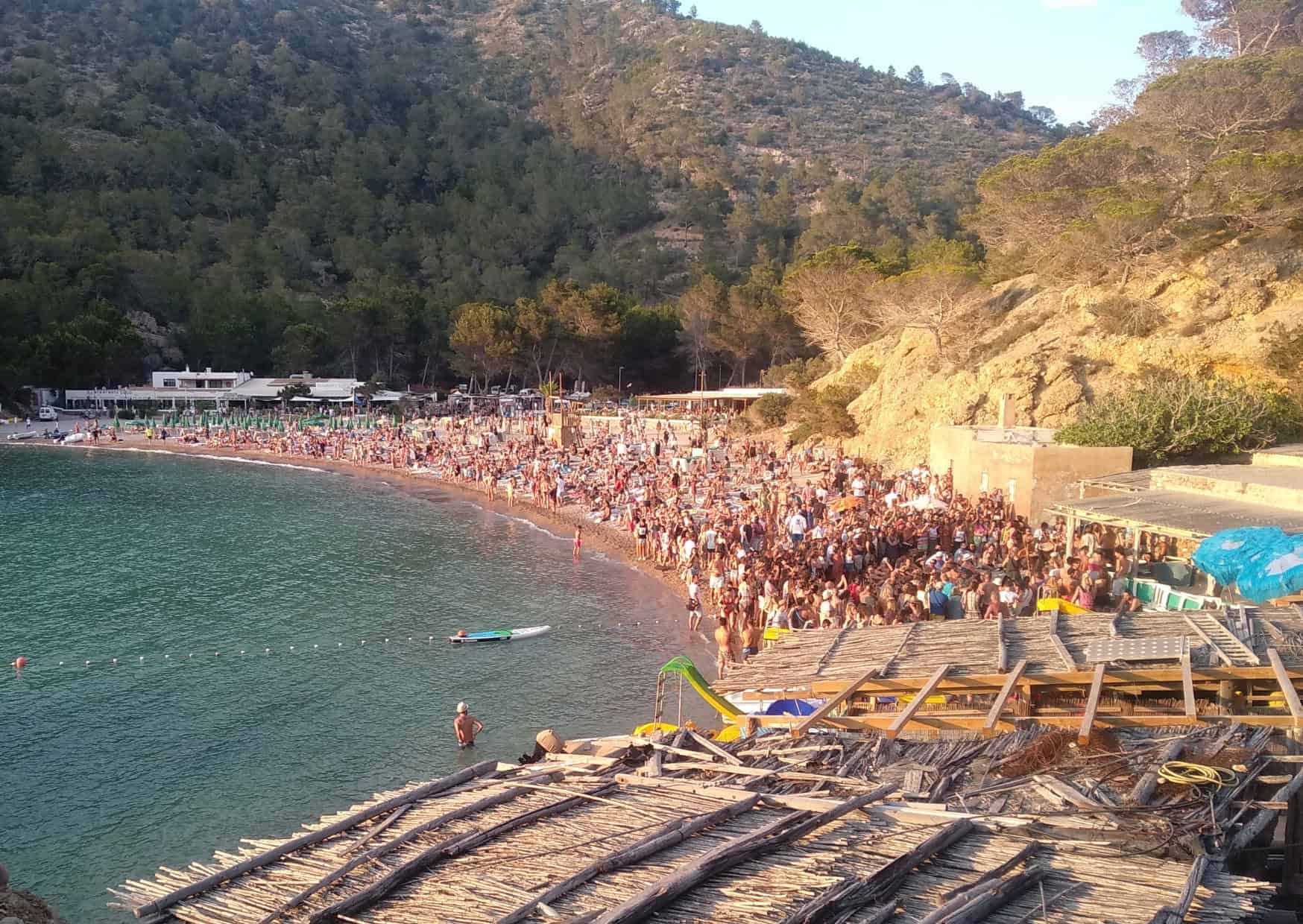
6. Doing Only “Beach + Club” in Party Towns
The Issue
- Popular spots like Ibiza or Magaluf get pigeonholed as all-night party locales. Tourists come, get drunk, and rarely spend money on local shops, museums, or cultural experiences—leading to lopsided economies reliant on booze tourism.
The Fix
- If you head to a party zone, also explore the inland or old town. Patronize local restaurants (not just chain bars). Buy from traditional markets or artisan shops. Balance partying with some day trips.
Local Perspective
- Residents want visitors who appreciate nature reserves, historic sites, and local crafts, not just bar crawls. A well-rounded tourism approach spreads economic benefit beyond nightclubs.
7. Treating Tapas Bars as All-You-Can-Eat Buffets

The Issue
- Tourists sometimes monopolize bar counters, ordering minimal drinks and gobbling every free tapa. Or they misunderstand tapas culture—assuming it’s a free buffet, leading to overconsumption and wasted food.
The Fix
- Order a drink, get a small complementary tapa if that’s the bar’s custom. If you’re hungry, politely request more or pay for larger raciones. Don’t just camp at the bar collecting freebies for hours.
Local Perspective
- Locals see tapas as a light snack with each round of drinks. Overindulgent or pushy attempts to get multiple free tapas create tension, overshadowing the convivial bar scene.
8. Airbnb Gentrification Without Learning Basic Spanish
The Issue
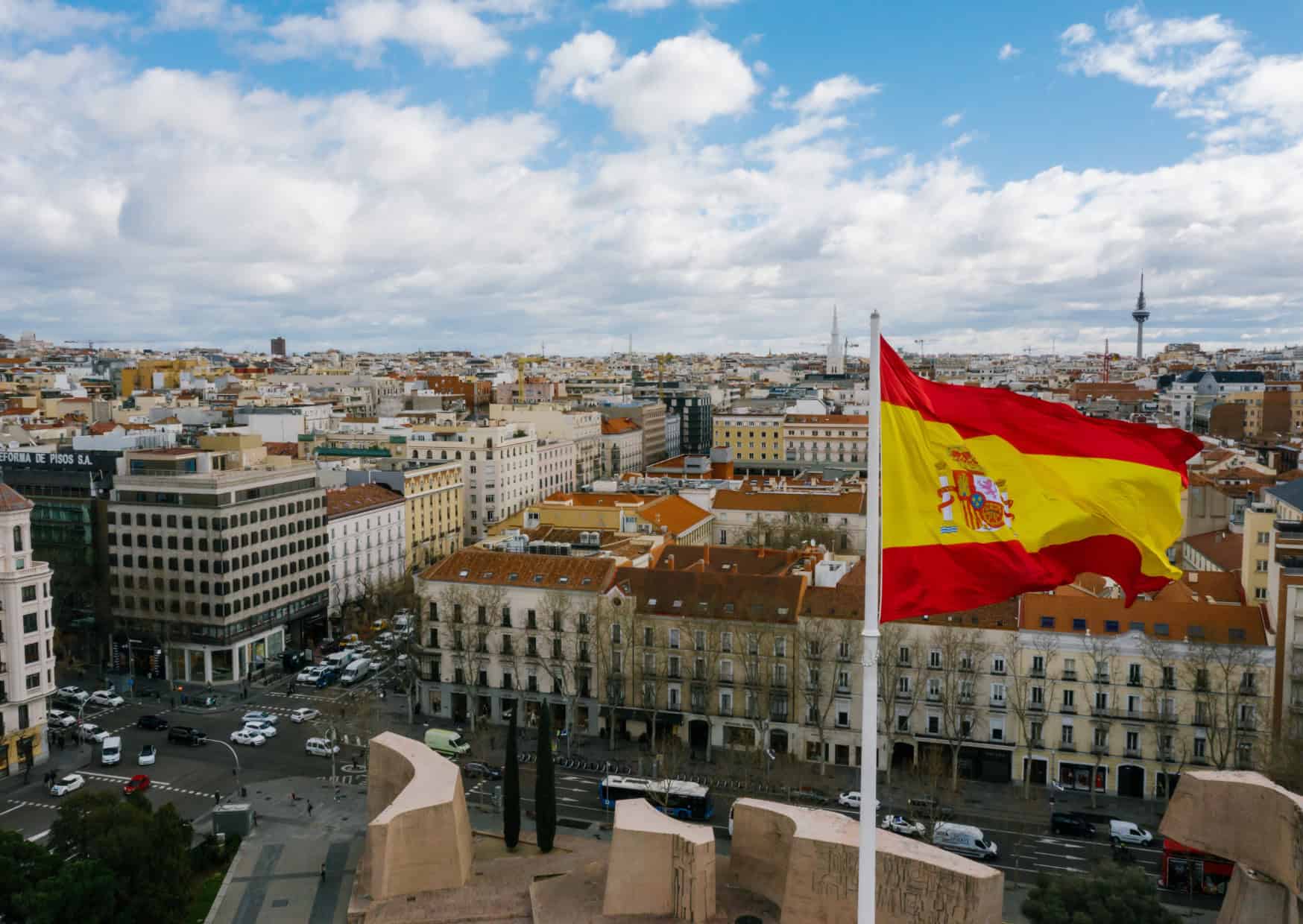
- Long-term rentals morph into holiday flats, driving up housing costs in neighborhoods like Barcelona’s Raval or Madrid’s Lavapiés. Tourists stay short-term, speak no Spanish, and don’t engage local shops—just global apps.
The Fix
- Try small guesthouses or registered B&Bs if you want a homier feel. If you do rent via Airbnb, greet neighbors, learn a few Spanish phrases, and patronize corner bakeries instead of chain coffee shops.
Local Perspective
- Locals lament how the sense of neighborhood fades when neighbors become rotating tourists every week. Respecting language and supporting local businesses fosters a healthier tourism dynamic.
The Bottom Line
Spain’s overtourism crisis doesn’t mean you should skip this beautiful country—it means traveling responsibly. Simple decisions (like packing your trash at beaches, learning basic Spanish courtesies, or not hogging free tapas) can lessen the strain. The 8 behaviors above might seem trivial, but collectively they shape how locals view tourism—and whether their home remains a thriving, authentic place.
Pro Tip
- If you’re uncertain about local norms—ask. Most Spaniards (especially younger folks) appreciate curiosity over cluelessness. By staying aware and adapting your actions, you’ll help preserve the cultural charm you came to experience in the first place.

About the Author: Ruben, co-founder of Gamintraveler.com since 2014, is a seasoned traveler from Spain who has explored over 100 countries since 2009. Known for his extensive travel adventures across South America, Europe, the US, Australia, New Zealand, Asia, and Africa, Ruben combines his passion for adventurous yet sustainable living with his love for cycling, highlighted by his remarkable 5-month bicycle journey from Spain to Norway. He currently resides in Spain, where he continues sharing his travel experiences with his partner, Rachel, and their son, Han.