
Airbnb has completely changed the way people travel. Instead of generic hotel rooms, guests can now step into local apartments, countryside cottages, or beachside villas for a more authentic experience. But unlike hotels—with their uniform check-in processes, housekeeping services, and 24-hour staff—Airbnb stays often blur the lines between professional hospitality and personal home-sharing.
That’s where etiquette comes in. While Airbnb provides guidelines for both hosts and guests, there’s a whole set of unwritten rules that can make or break your stay. These aren’t just about avoiding awkwardness; they’re about respecting someone else’s home, ensuring good reviews, and making future bookings easier.
From handling noise at night to knowing when (and how much) to clean before checkout, these small courtesies can transform you from a “decent guest” into the type of traveler every host hopes for. Yet surprisingly, many travelers don’t even realize these rules exist—until they get a bad review or worse, refused bookings in the future.
Read Here European Things that terrify Americans and American Habits that make Europeans Cringe
Read here how to pack for Europe and Best eSIM for Europe
BOOK YOUR TRAVEL INSURANCE
Two of our favorite travel insurance: Heymondo Vs Safetwing cheapest travel Insurance. You can get for $135 USD your Heymondo Travel Insurance with Heymondo discount code valid for 90 days. Read our full comparison of Genki vs Safetywing Travel Insurance Review and the comparison Heymondo vs Genki
Quick Easy Tips
Always message the host before booking: A polite note increases trust and booking approval.
Treat it like your own home: Don’t leave messes you wouldn’t tolerate yourself.
Check house rules carefully: Hosts hide key details (like smoking or pets) here.
Be upfront about extra guests: Sneaking them in risks cancellation and penalties.
Take out the trash: Even if not required, it’s an unspoken courtesy.
Don’t raid supplies: Use essentials, but don’t clear out coffee, wine, or toiletries.
Leave a review: Honest, respectful feedback helps both you and the host.
Airbnb etiquette can be surprisingly divisive. Many guests argue that if they’re paying high nightly rates and cleaning fees, they shouldn’t have to strip beds, vacuum, or take out trash—after all, hotels don’t expect guests to do housekeeping. On the flip side, hosts insist that basic courtesies keep cleaning times reasonable and costs fair, especially since Airbnb takes a significant cut of earnings.
There’s also controversy around communication. Some travelers feel constant check-ins from hosts cross the line into surveillance, while hosts argue that staying in touch prevents problems and ensures guests treat the property with respect. The balance between privacy and accountability is a growing tension in the platform.
Finally, reviews themselves create friction. Many guests believe reviews should be about the property, not their personal behavior. Yet Airbnb’s system pressures hosts to score guests on cleanliness, communication, and rule-following—essentially grading people as much as places. For some, this feels less like hospitality and more like a performance test.
Unwritten Rules of Airbnb Etiquette
1. Read the Listing Carefully—Then Read It Again
Why It’s Important:
Every Airbnb has different rules, amenities, and check-in instructions.
Many guests ask questions that are already answered in the listing, which frustrates hosts.
What to Do Instead:
Check details before booking—Does the host allow late check-ins? Is parking available?
Confirm amenities—Is there Wi-Fi? Air conditioning? A washer/dryer?
If something isn’t clear, ask before booking, not after arriving.
Avoid:
Complaining about something that was clearly listed in the description.
Assuming an Airbnb will have hotel-like services such as daily housekeeping.
2. Check-In & Check-Out On Time (Or Communicate If You Can’t)
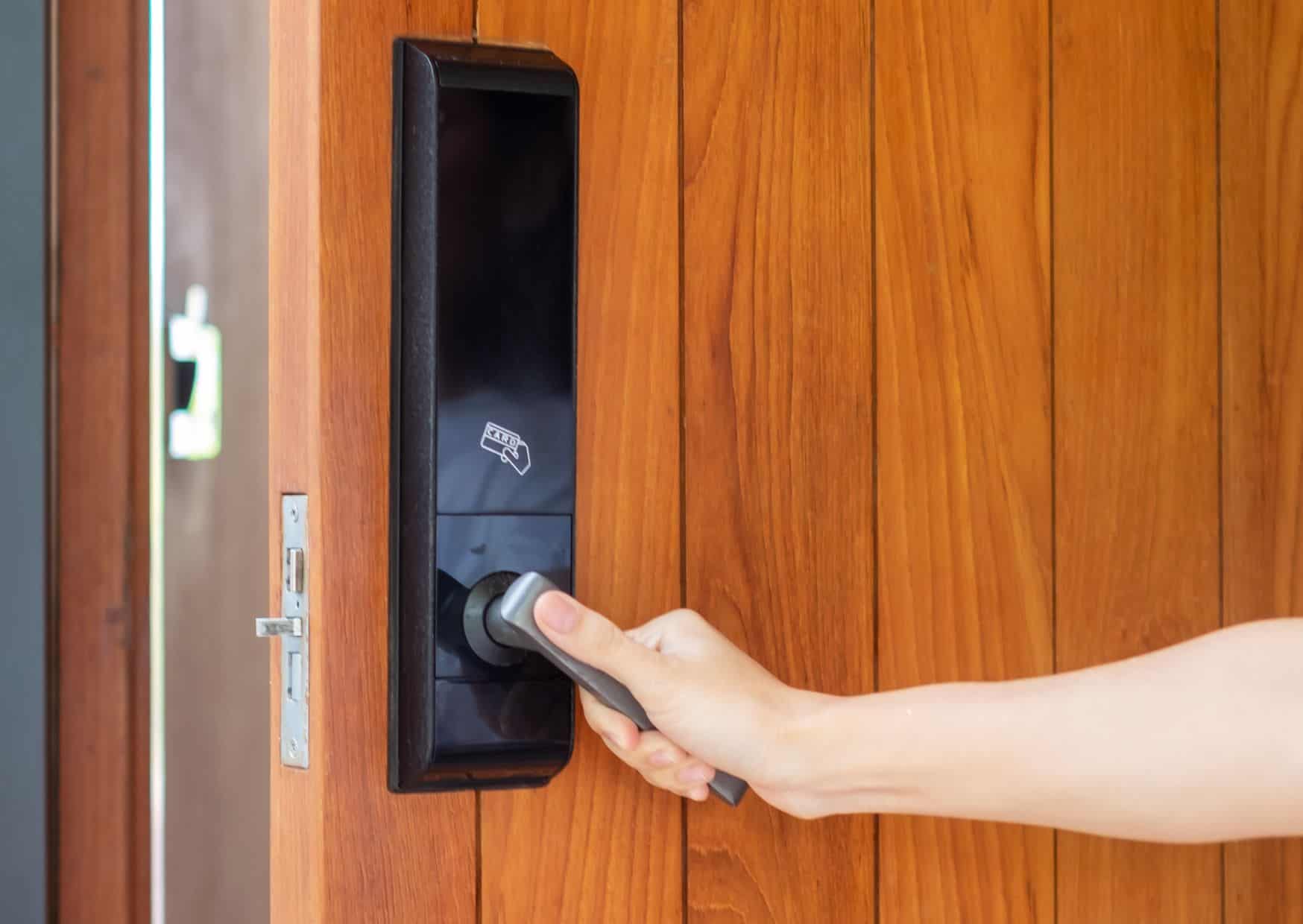
Why It’s Important:
Unlike hotels, many Airbnb hosts personally manage check-ins and cleanings.
Staying late can delay the next guest’s arrival and cause problems for the host.
What to Do Instead:
Follow the check-in/check-out times listed—they are there for a reason.
If you’re running late, inform the host as soon as possible.
If you need a late checkout, ask politely—but be prepared for a “no.”
Avoid:
Checking in hours early or leaving late without approval.
Assuming your host will store your bags before or after your stay.
3. Treat the Space Like It’s Your Own (But Not Too Much)
Why It’s Important:
Airbnb is not a hotel—it’s someone’s home or rental property.
Excessive mess can result in extra cleaning fees or bad reviews.
What to Do Instead:
Keep things tidy—wipe down counters, take out trash if needed.
Follow any house-specific rules like using coasters or removing shoes indoors.
Avoid:
Rearranging furniture or making big changes to the space.
Treating the place like a party house unless it’s explicitly allowed.
4. Don’t Be Noisy—Respect the Neighbors
Why It’s Important:
Many Airbnb rentals are in residential buildings or quiet neighborhoods.
Noise complaints can get the listing banned from Airbnb.
What to Do Instead:
Keep music, TV, and conversations at a reasonable volume, especially at night.
Follow any quiet hours listed by the host.
Avoid:
Throwing a loud party without permission—this can get you kicked out.
Shouting on balconies or common areas late at night.
5. Don’t Hog All the Supplies (Or Take Them Home)
Why It’s Important:
Many hosts provide complimentary items, but they aren’t unlimited.
Unlike hotels, Airbnb hosts personally restock supplies.
What to Do Instead:
Use what you need, but don’t overuse items like toilet paper, coffee, or toiletries.
If you run out of something, notify the host instead of getting upset.
Avoid:
Packing up extra coffee pods, soaps, or toilet paper to take home.
Using an entire week’s worth of supplies in one night.
6. If You Use the Kitchen, Clean Up After Yourself
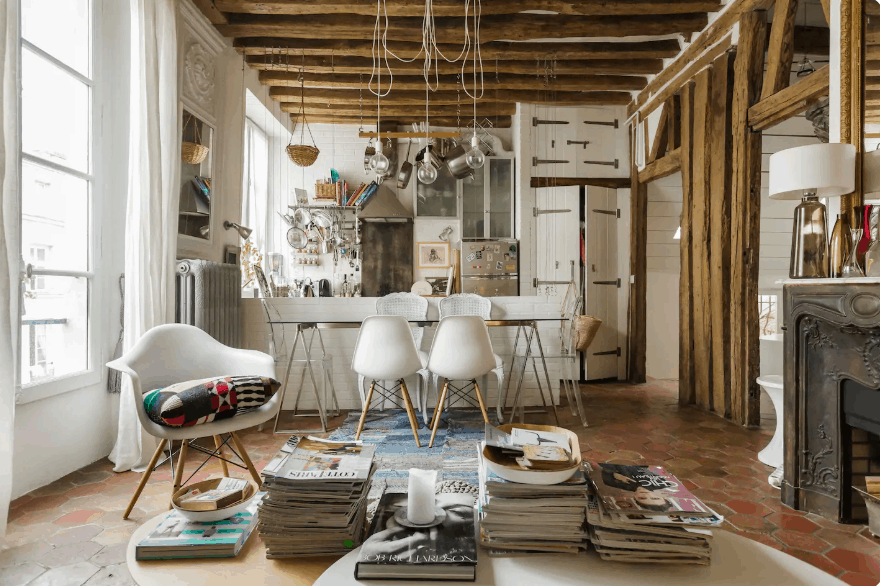
Why It’s Important:
Most Airbnb hosts allow guests to use the kitchen, but they expect it to be left clean.
A dirty kitchen can result in extra cleaning fees.
What to Do Instead:
Wash dishes or load the dishwasher before leaving.
Wipe down stovetops and counters after cooking.
Avoid:
Leaving dirty pots and pans in the sink.
Using up spices, oil, or condiments without checking if they’re for guests.
7. Respect House Rules—Especially Regarding Smoking & Pets
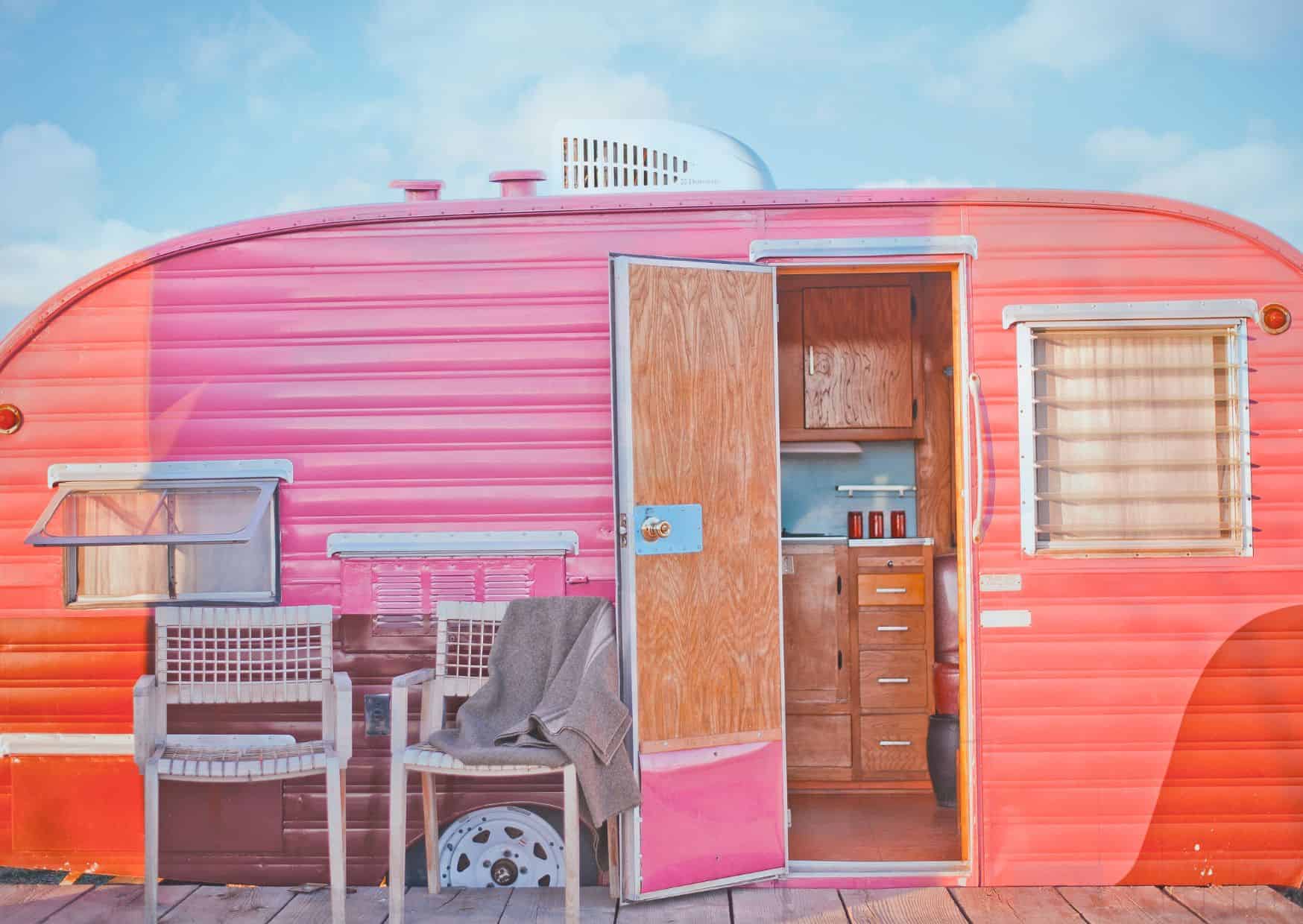
Why It’s Important:
Smoking and pet restrictions exist for a reason, whether for allergies, odors, or maintenance issues.
Violating these rules can result in a hefty cleaning fee.
What to Do Instead:
If smoking is allowed, use designated areas.
If it’s a no-smoking Airbnb, don’t try to “air it out” after smoking indoors—the smell lingers.
Don’t sneak in a pet—most hosts charge extra for pet-friendly stays.
Avoid:
Hiding cigarette butts or masking smoke with air fresheners.
Bringing a pet without approval and hoping the host won’t notice.
8. Communicate with the Host, But Don’t Be High-Maintenance
Why It’s Important:
Airbnb hosts aren’t 24/7 hotel concierge services.
Clear, respectful communication helps avoid misunderstandings.
What to Do Instead:
Report problems early so they can be fixed—don’t wait until checkout to complain.
Be concise and polite in messages—hosts appreciate clear communication.
Avoid:
Bombarding the host with non-urgent questions at odd hours.
Expecting daily room service like in a hotel.
9. Leave the Place in Good Condition
Why It’s Important:
Many hosts clean the Airbnb themselves—don’t make their job harder.
Excessive mess can lead to bad reviews or extra charges.
What to Do Instead:
Take out trash if the host requests it.
Place used towels in one spot (not scattered across the floor).
Check for personal belongings before leaving.
Avoid:
Leaving garbage, food, or spills without cleaning up.
Leaving the Airbnb trashed because you “paid for cleaning.”
10. Don’t Invite Extra Guests Without Asking
Why It’s Important:
Most Airbnbs charge per guest—bringing extra people violates the listing terms.
Some Airbnbs aren’t insured for extra guests.
What to Do Instead:
If you want to bring someone over, ask the host first.
Stick to the agreed-upon guest limit.
Avoid:
Sneaking in extra guests to save money.
Letting friends crash overnight without approval.
11. Don’t Expect a Hotel Experience
Why It’s Important:
Airbnb is not a full-service hotel—expecting it to be leads to frustration.
Some listings are managed by individuals, not professional companies.
What to Do Instead:
Read reviews so you know what to expect.
If you need hotel-style service, book a hotel instead.
Avoid:
Complaining that there’s no front desk or daily housekeeping.
Expecting room service or free toiletries beyond what’s listed.
12. Leave a Fair and Honest Review
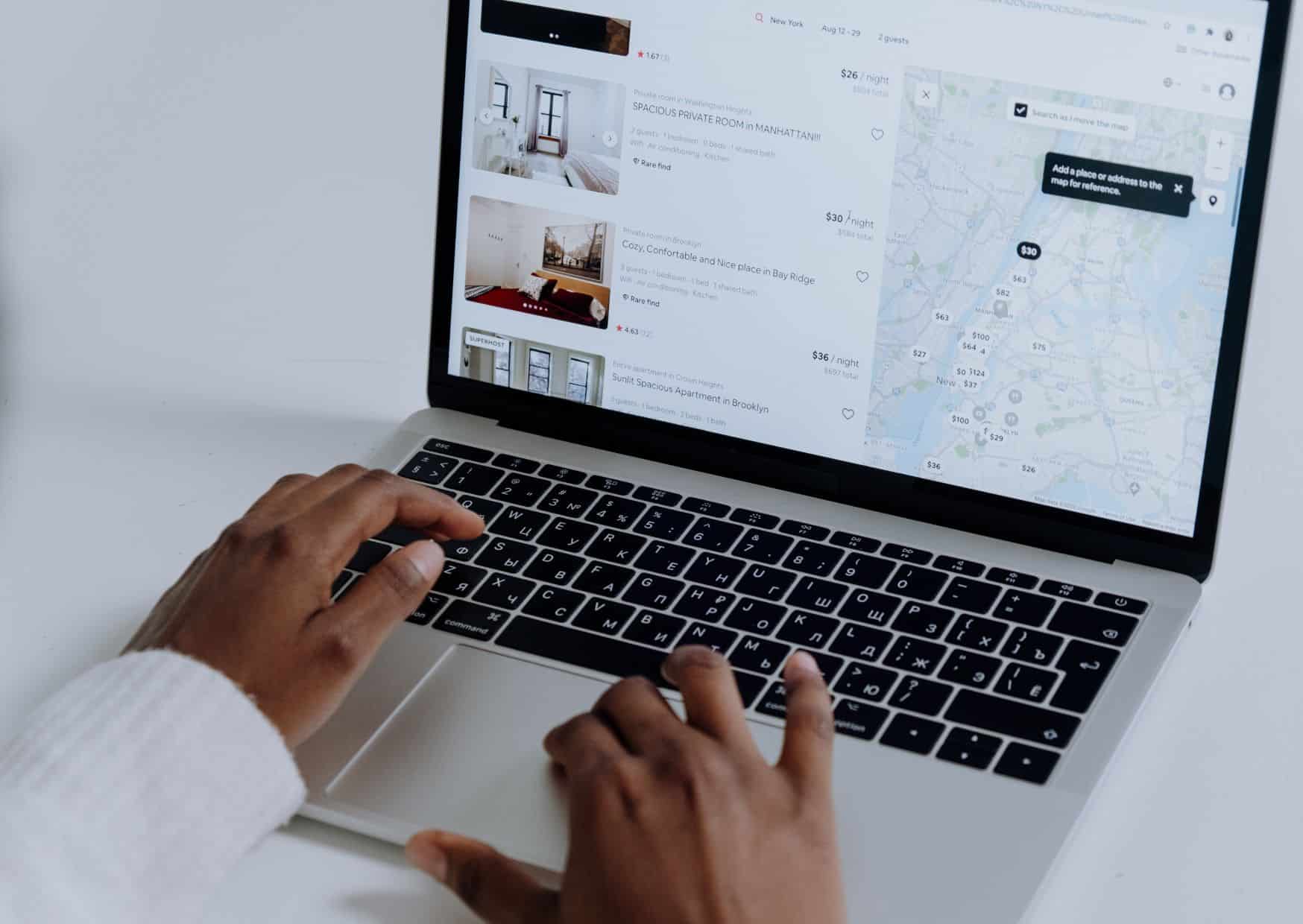
Why It’s Important:
Reviews help future guests and hosts improve their service.
A bad review can impact a host’s income, so be fair and constructive.
What to Do Instead:
Highlight both positives and negatives honestly.
If you had a small issue but enjoyed the stay, don’t leave an extreme rating.
Avoid:
Using reviews as revenge for minor inconveniences.
Complaining about something that was clearly stated in the listing.
Final Thoughts
Airbnb thrives on trust, and etiquette is the glue that keeps it all working. While some rules are clearly spelled out, the unwritten ones often carry more weight in shaping your experience and reputation as a guest.
The best approach? Be thoughtful, communicate openly, and leave the place better than you found it. These simple actions not only win you glowing reviews but also unlock better hosts and homes for future travels.
At its best, Airbnb creates a connection between travelers and locals that hotels can’t replicate. Respect those connections, follow these unspoken rules, and you’ll enjoy smoother stays—and probably a few perks along the way.

About the Author: Ruben, co-founder of Gamintraveler.com since 2014, is a seasoned traveler from Spain who has explored over 100 countries since 2009. Known for his extensive travel adventures across South America, Europe, the US, Australia, New Zealand, Asia, and Africa, Ruben combines his passion for adventurous yet sustainable living with his love for cycling, highlighted by his remarkable 5-month bicycle journey from Spain to Norway. He currently resides in Spain, where he continues sharing his travel experiences with his partner, Rachel, and their son, Han.