
Why Spanish Bars Matter
When Americans envision Spanish bars, they might picture endless tapas, sangria galore, or loud flamenco nights. But stepping into a real bar de barrio (neighborhood bar) or a bustling cervecería often reveals unspoken rules—from how you order your beer to how you handle the bill. Below are 7 bar customs in Spain that Americans unknowingly break, leading to awkward exchanges or puzzled looks. Read on to avoid becoming “that tourist” fumbling through your first Spanish bar experience.
Curious for More Cross-Cultural Reads?
Quick Easy Tips
Order at the bar, not from your table—In many Spanish bars, table service is minimal or non-existent.
Don’t tip excessively—Leaving small change is standard; over-tipping can feel awkward to locals.
Don’t rush your drink—Savor your beverage and the social atmosphere rather than chugging and leaving.
Some travelers find these customs charming and part of Spain’s vibrant social culture, while others feel they create unnecessary barriers for foreigners who aren’t aware of the rules. Critics argue that these traditions can unintentionally alienate newcomers who expect service norms similar to those in the U.S.
There’s also debate over whether Spain’s laid-back, self-service approach is efficient in modern hospitality. While locals appreciate the relaxed pace, visitors used to faster service may see it as inattentive or unprofessional.
Lastly, the tipping culture sparks tension—especially as more tourists visit Spain. Some argue that sticking to small, symbolic tips undervalues service staff, while others insist it preserves the spirit of Spain’s egalitarian dining culture.
1. Ordering a “Large Beer” Instead of a “Caña”
What Americans Do
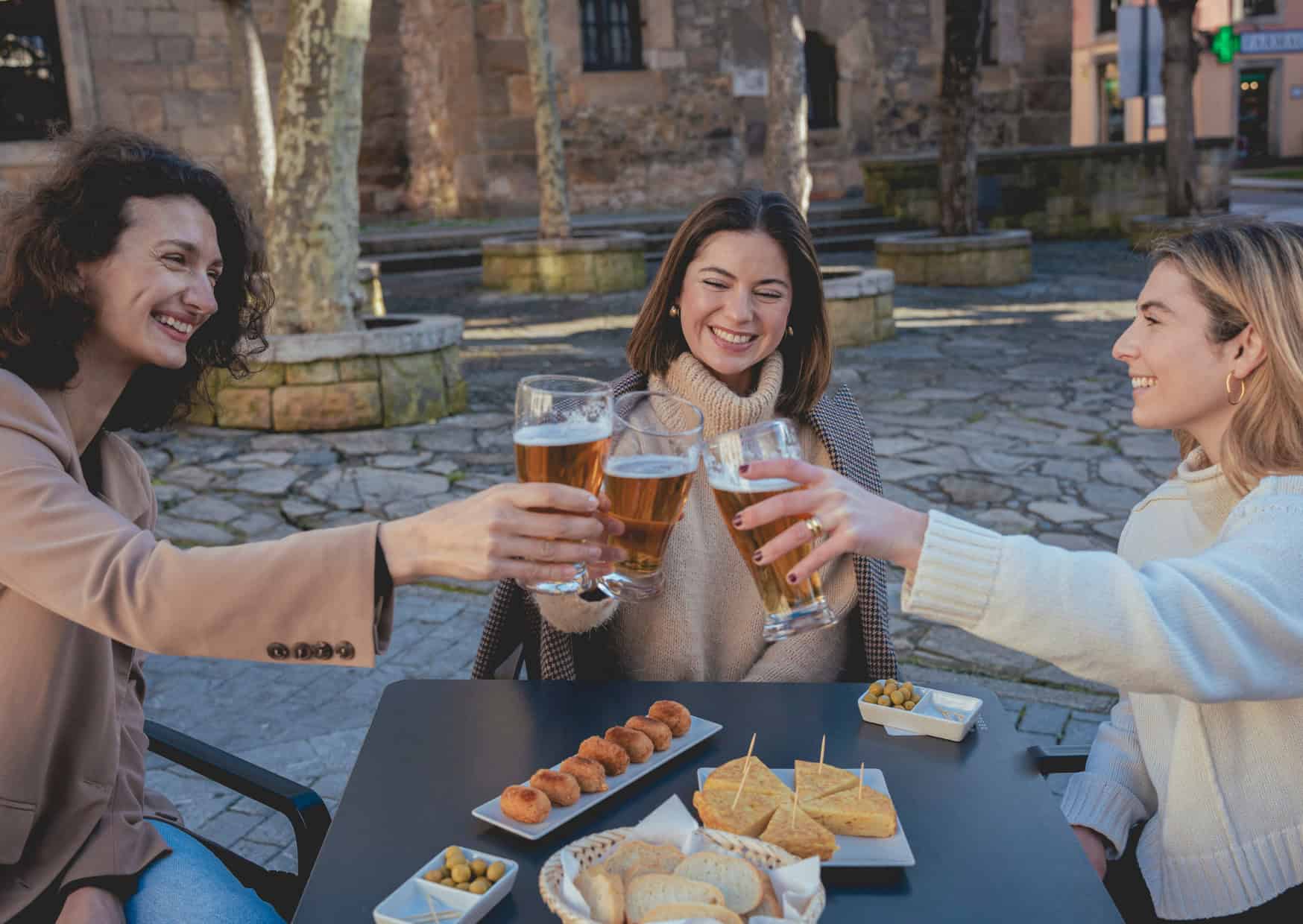
Used to pint-sized or large mugs back home, Americans might stroll in and ask for a “grande beer” or “big one.” The bartender might respond with confusion or serve a large bottle—not always standard for local tastes.
What Locals Actually Do
In Spain, you often order a “caña”—a small draft beer, roughly 200 ml, or a bit bigger. The idea: you drink it cold and fresh. Warm, large beers are frowned upon. Locals prefer multiple small servings over one huge glass.
How to Adapt
- Ask for a “caña” if you want a typical small beer. If you want something slightly bigger, you might say “doble” or “jarra” (in some regions) but clarify the size.
- Realize it’s normal to order multiple rounds as each remains crisp and cold, not a big pint that warms up over time.
- If you truly want a big beer, accept that it’s less standard—some bars in tourist areas do have bigger sizes, but you’ll signal “foreigner mode.”
Bottom Line
Yes, you might love your large beer portion. But in Spanish bars, short and cold is the name of the game—‘caña’ is your new best friend.
2. Expecting a Table for Tapas—Standing Is the Norm
What Americans Do
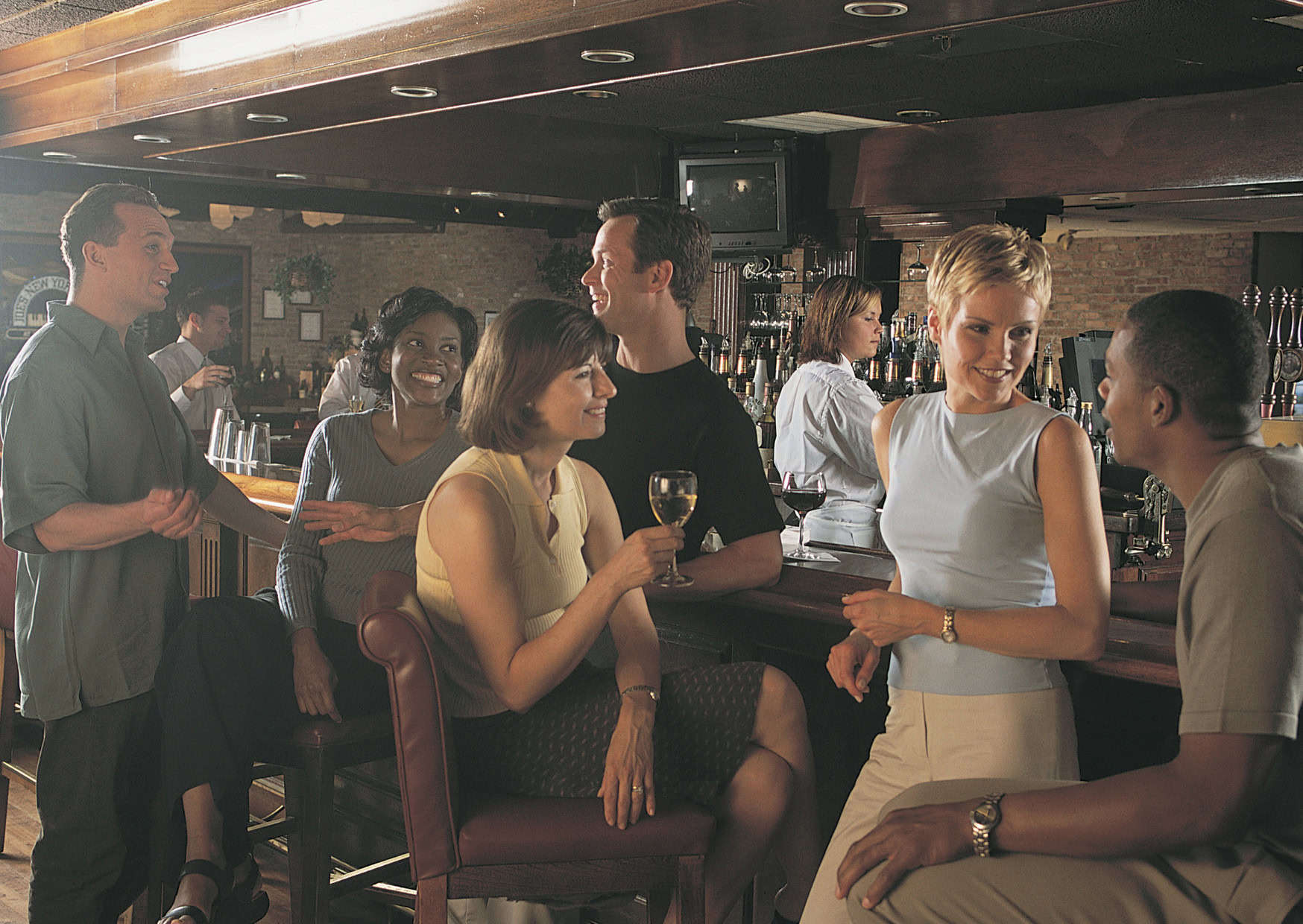
In the U.S., you find a table or booth, plop down. Americans might assume a seat is essential for eating or socializing. Then they hit a packed tapas bar in Spain—everyone standing, elbow-to-elbow at the bar or small counters. They wonder, “Why no tables?”
What Locals Actually Do
Standing fosters a dynamic, communal vibe. People hop from bar to bar, munch a tapa, sip a drink, then move on. Sitting down for a long session is more a restaurant approach. Spanish bar culture is fluid, social—less about commandeering a table for hours.
How to Adapt
- Embrace the stand: find a spot at the bar or a high table, order your drink and tapa, chat with neighbors.
- If you see an empty seat, you can grab it, but be ready to share surfaces with other folks.
- If you want a full sit-down meal, pick a sit-down restaurant, not a typical tapas bar.
Bottom Line
Yes, it’s physically different from the American preference to plant yourself. But Spanish bar-hopping thrives on that lively stand-up synergy. Give it a try—less formality, more fun.
3. Shouting “Waiter!”—Instead of a Quick Eye Contact
What Americans Do
In some American bars, you might wave the bartender or server down with a big “Excuse me!” or snap fingers (hopefully not often, but it happens). In Spain, big gestures can be jarring. Locals rarely holler across the bar unless it’s super loud.
What Locals Actually Do
Spanish bartenders keep an eye out. A subtle nod or raised eyebrow can suffice. People politely wait for the bartender’s glance. Shouting “¡Camarero!” at the top of your lungs might seem rude or too forceful—some do it in very busy places, but it depends on the vibe.
How to Adapt
- If it’s noisy, a gentle “Perdona” or “Oye, por favor” is acceptable, not a bellow.
- Make eye contact. Bartenders will come to you once they see you’re ready.
- In quieter bars, keep your voice moderate—they prefer minimal yelling in normal spots.
Bottom Line
Yes, you might see some local guys call “¡Camarero!” in a jam-packed bar, but typically it’s more about polite timing. Try eye contact first—it’s less intrusive.
4. Trying to Tip Big at the Counter
What Americans Do
Used to 20% tips, some Americans might tip big for each round or leave a huge sum after a few beers. In Spain, big tips at bars can confuse staff or even make them think you misunderstood local currency.
What Locals Actually Do
At Spanish bars, it’s common to round up—maybe if your bill is €4.80, you give a €5 note and say “Está bien” (keep the change). That’s enough. Large tips are unnecessary. People might leave a small coin if they feel the service was excellent.
How to Adapt
- If your drink is €2.80, handing over €3 is fine. Any more can look excessive or be politely refused.
- For multiple drinks or tapas, a small tip might be appreciated, but not mandatory.
- Don’t feel guilty about tiny tips—that’s normal here.
Bottom Line
Yes, Americans see big tips as courtesy. In Spain, minimal rounding up is typical—free your tipping anxieties, and just do as the locals do.
5. Dwelling on One Drink for Hours vs. The Bar-Hopping Culture
What Americans Do
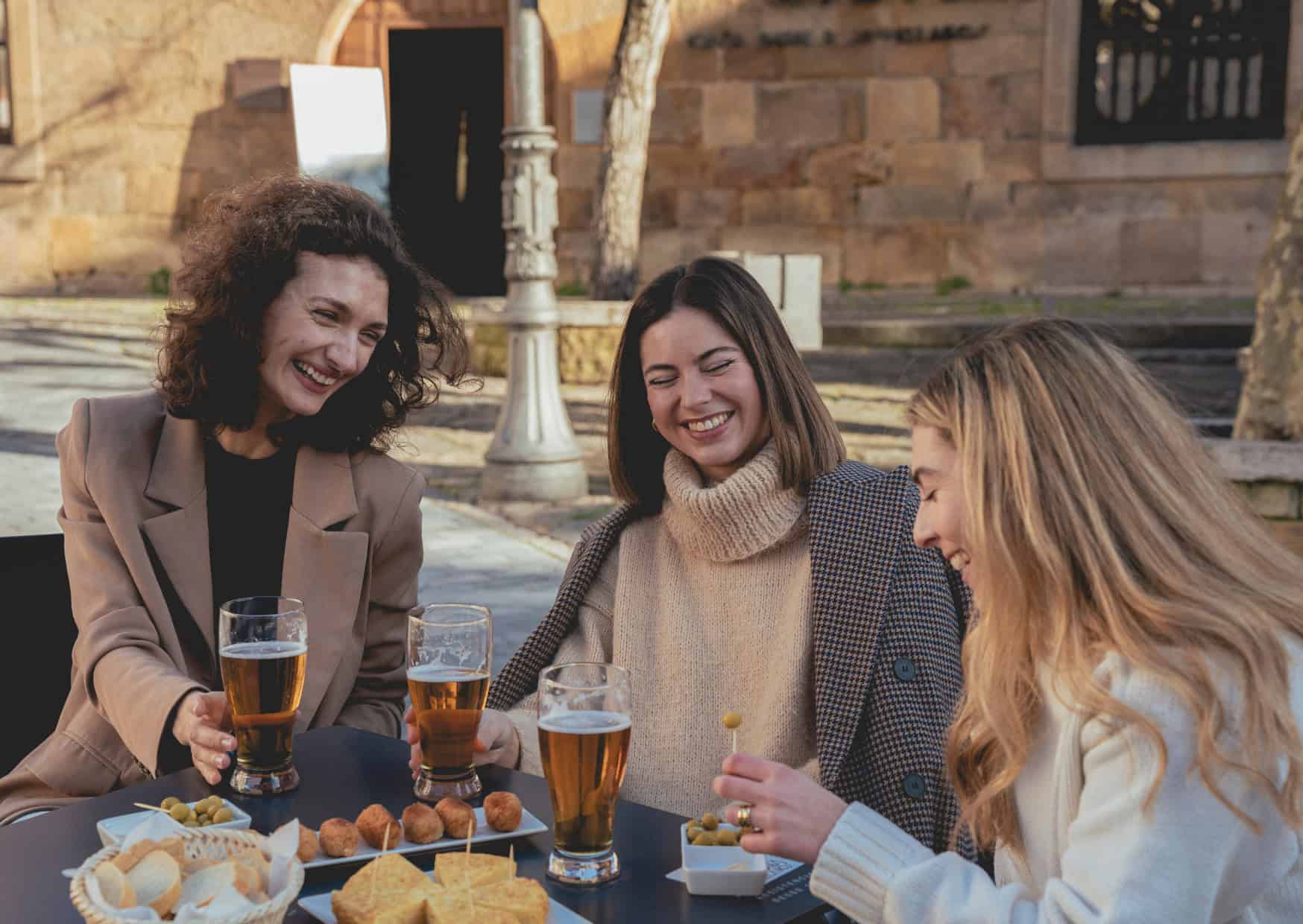
In many U.S. bars, you pick a spot for the entire evening, ordering multiple rounds or chatting with friends in one place. Americans might do the same in Spain, camping at a single bar. Meanwhile, locals might hop between 3–4 bars in one night, tasting different tapas or specialties.
What Locals Actually Do
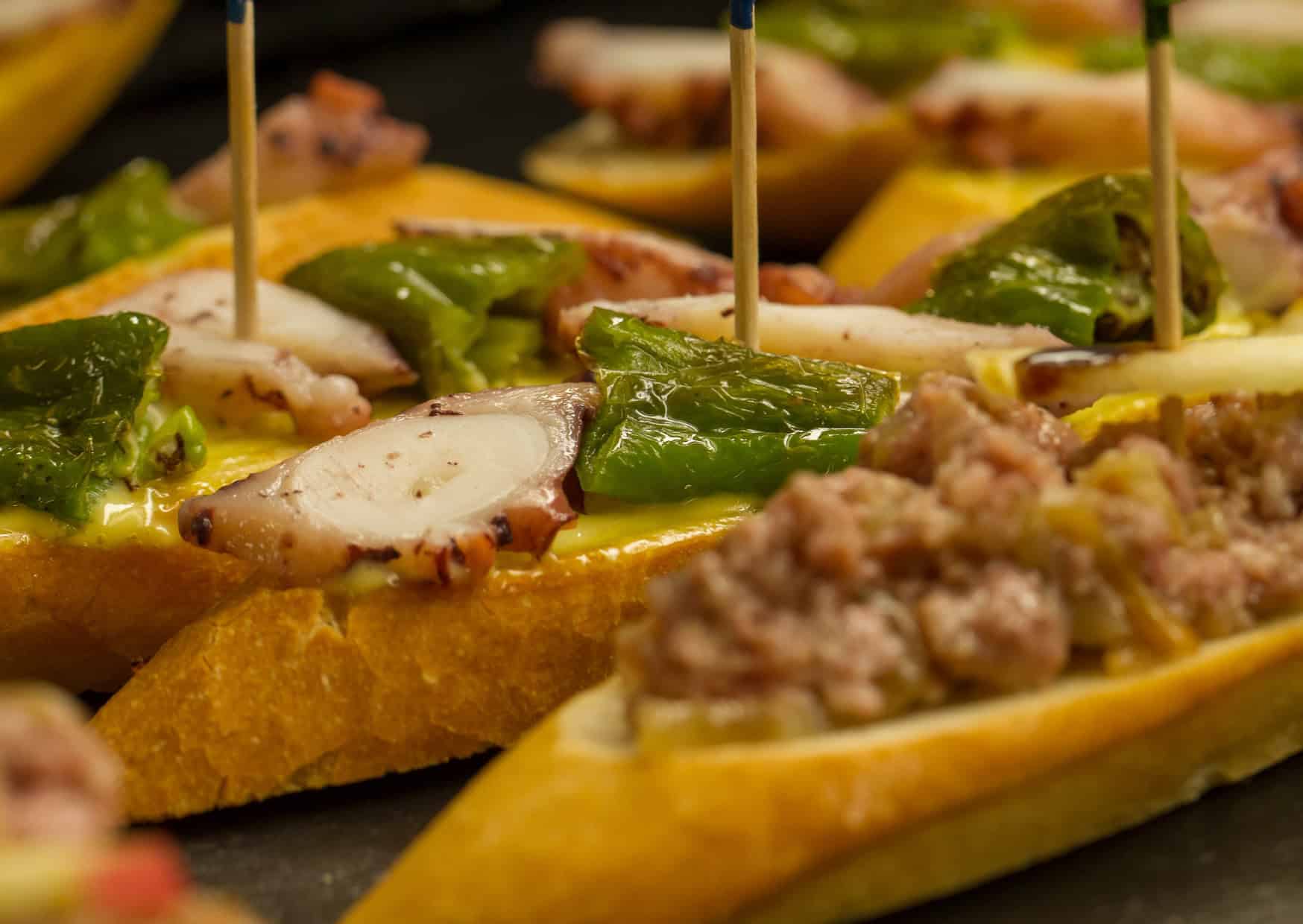
Bar-hopping (aka tapear or “ir de tapas”) is integral to Spanish social life. You pop into a bar, order a small beer or wine, get a tapa or pincho, then move on to the next. It’s about sampling variety, not planting yourself for five hours in one bar.
How to Adapt
- If you see your local friends finishing one drink and heading out, join them. They’re not bored—they want to try the next place’s specialty.
- Keep your tab short at each bar. This rolling approach ensures you taste multiple environments.
- If you prefer a single bar, you can do it, but you might miss the broader experience.
Bottom Line
Yes, Americans might want comfort in a single seat. But Spanish bar culture thrives on mobility—taste each bar’s vibe, chat with different bartenders, expand your night across the city.
6. Asking for Big Mixed Cocktails Where Beer or Wine Prevails
What Americans Do
Some U.S. visitors might stroll into a typical Spanish bar requesting fancy cocktails: “Could I have a Long Island Iced Tea?” or a complicated craft mix. The bartender might stare or say they only serve basic mixed drinks—rum-cola, gin-tonic, plus beers and wines.
What Locals Actually Do
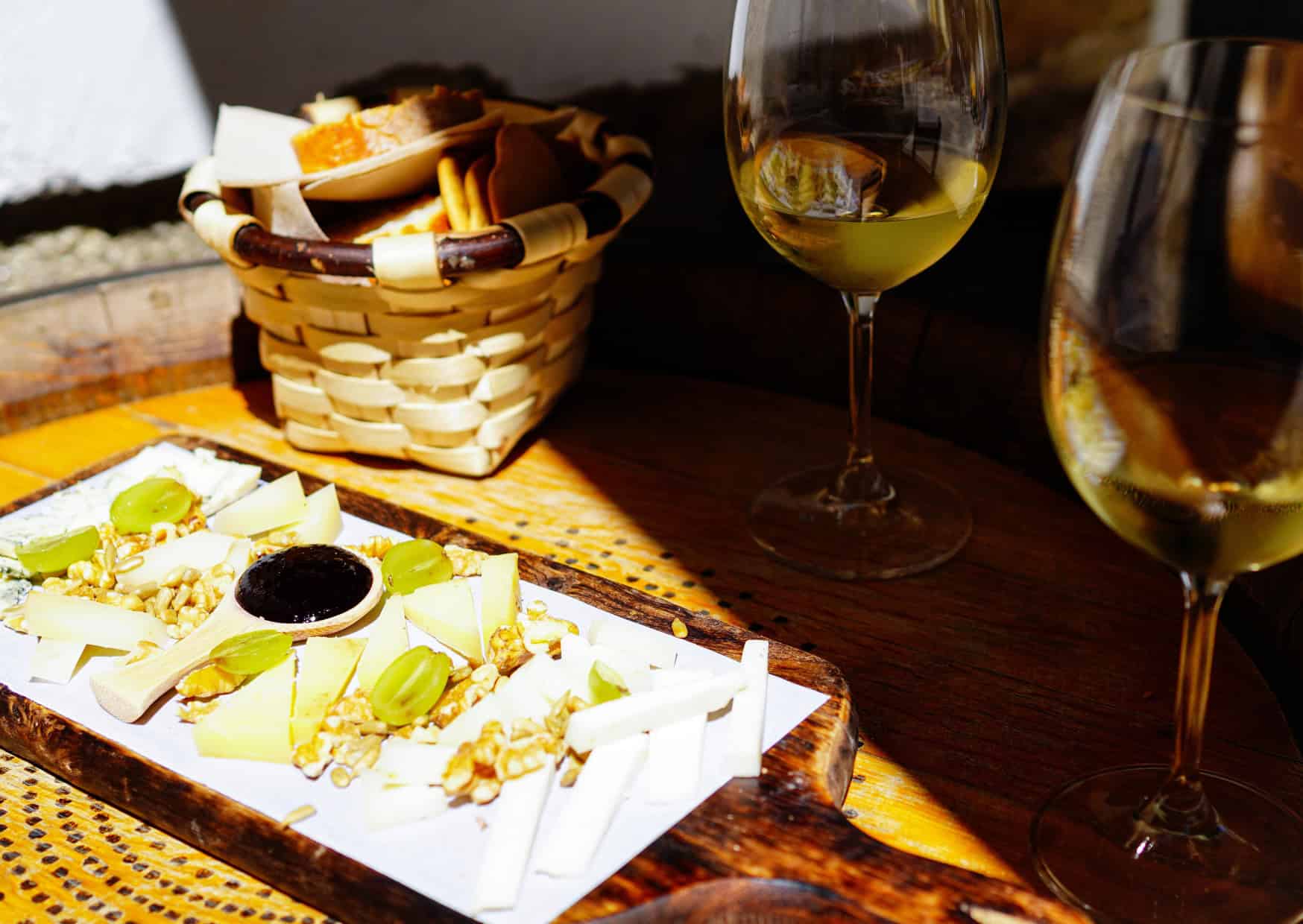
- Many standard Spanish bars focus on simple combos: a gin-tonic, whisky-cola, or beer. Specialized cocktail bars exist, but not every corner bar is a cocktail lounge.
- People often enjoy vino or small beers (cañas) with tapas, not elaborate cocktails overshadowing the food.
How to Adapt
- If you want complex cocktails, seek out a known coctelería or a trendy lounge.
- At a normal bar, stick to beer, wine, or classic simple mixes (like a cuba libre).
- Don’t be upset if the bartender has no clue how to make a big fancy recipe or lacks the ingredients.
Bottom Line
Yes, Americans might expect universal craft cocktails. But in many Spanish bars, the typical order is a small beer, a glass of red/white wine, or a straightforward mixed drink. Save your elaborate cocktail cravings for specialized spots.
7. Settling the Bill—No Splitting Each Round
What Americans Do
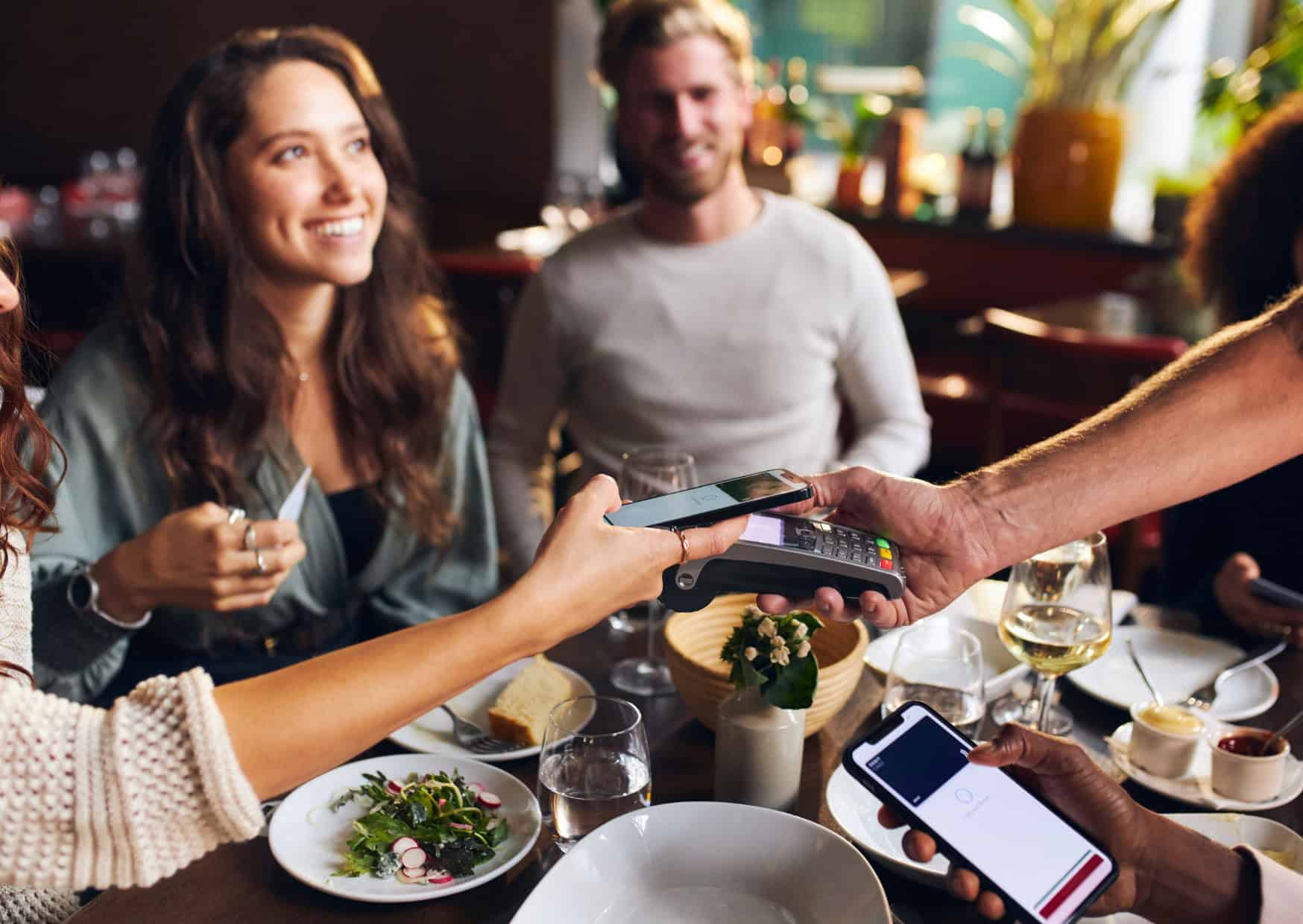
In the U.S., groups might buy drinks individually or keep separate tabs. Or each round can be rung up anew. In Spain, friends often do a group approach: one person pays this bar, someone else picks up the next bar. Detailed item-by-item splitting is less frequent.
What Locals Actually Do
- “Una ronda invita uno, la siguiente invita otro”: for each round, a different friend pays. Or at the end, they do a quick approximate split.
- They prefer an easy social vibe, no big math about who drank exactly what.
- If you want strict fairness, do it discreetly—most Spaniards are casual about rounding each other out.
How to Adapt
- If you’re bar-hopping with locals, be ready to pay a round. They see it as normal reciprocity.
- If you can’t handle that, mention you’d prefer separate checks from the start, but it might cause confusion or slow the flow.
- Don’t freak out if you pay a bit more than your actual drinks. Next time, your friend might cover you.
Bottom Line
Yes, Americans can find it chaotic not tracking each cost item. But the Spanish approach fosters trust and easy-going friendship circles. Jump in with the “I’ll get this round” vibe.
Conclusion: Sip & Socialize—Spanish Bar Culture Decoded
From ordering small beers (cañas) to minimal tipping, from standing for tapas to multi-bar crawls, Spanish bars revolve around casual sharing, short-but-frequent drinks, and a communal approach to payment. If you’re American, these 7 unspoken rules can catch you off-guard. But once you embrace them—no big cocktails, no shouting for the server, no big wave of tipping—you’ll find Spanish bar life more relaxed, more social, and delightfully different than a night out in the U.S.
Pro Tip
Before hitting your first Spanish bar, remember: stand if it’s crowded, order a “caña” or simple mix, toss a small coin tip, and if bar-hopping with friends, grab a round for the group. This relaxed local approach is key—salud to your next Spanish bar adventure!

About the Author: Ruben, co-founder of Gamintraveler.com since 2014, is a seasoned traveler from Spain who has explored over 100 countries since 2009. Known for his extensive travel adventures across South America, Europe, the US, Australia, New Zealand, Asia, and Africa, Ruben combines his passion for adventurous yet sustainable living with his love for cycling, highlighted by his remarkable 5-month bicycle journey from Spain to Norway. He currently resides in Spain, where he continues sharing his travel experiences with his partner, Rachel, and their son, Han.
Leonard Bloom
Friday 14th of February 2025
Ruben- a terrific article on the topic of beer, etc. I lived in Euskadi for a year and grew to like the word "gargaragoa" or "garagar" instead of "cerveza" for beer. Ultimately, I began to like wine more than beer since I was living with a Basque family in Zarauz in the Rioja region of northern Spain.