
If you think grabbing a quick sandwich at your desk counts as lunch, Europe is about to turn your world upside down. For Europeans, lunch is not just another meal—it’s a ritual, a social experience, and in many places, the highlight of the day. And if you’re an American tourist, chances are you’ll break a dozen unspoken rules without even realizing it.
From Spain’s late lunches to Italy’s strict no-cappuccino-after-noon policy, dining in Europe is an art form governed by centuries of culture and tradition. What feels like common sense in the U.S.—like asking for substitutions, tipping generously, or ordering coffee with your meal—can come across as strange, or even offensive, in European restaurants.
These cultural quirks often leave American tourists puzzled, and sometimes embarrassed. But understanding the “rules of lunch” is more than just good etiquette—it’s a way of respecting local traditions and making sure you enjoy your meal without unintentionally standing out.
Read Here European Things that terrify Americans and American Habits that make Europeans Cringe
Read here how to pack for Europe and Best eSIM for Europe
BOOK YOUR TRAVEL INSURANCE
Two of our favorite travel insurance: Heymondo Vs Safetwing cheapest travel Insurance. You can get for $135 USD your Heymondo Travel Insurance with Heymondo discount code valid for 90 days. Read our full comparison of Genki vs Safetywing Travel Insurance Review and the comparison Heymondo vs Genki
Quick Easy Tips
Learn local meal times – in Spain, lunch can be as late as 2–3 p.m.
Don’t rush – Europeans often take 1–2 hours for lunch, especially in Southern Europe.
Avoid over-tipping – service charges are usually included.
Respect menu order – many countries follow a fixed sequence (starter, main, dessert).
Never order a cappuccino after lunch – especially in Italy.
One of the biggest cultural shocks is portion size vs. time spent eating. Americans often expect a large plate served quickly, but Europeans may serve smaller portions spread out over several courses—designed for savoring, not speed. To some, this feels “inefficient”; to Europeans, it’s the essence of life.
Another controversial difference is the alcohol-at-lunch debate. In the U.S., a glass of wine during lunch might raise eyebrows, but in France, Italy, or Portugal, it’s perfectly normal. For many Europeans, enjoying a small drink with a meal isn’t excess—it’s balance. Americans, however, often equate midday alcohol with irresponsibility.
Finally, there’s the coffee culture clash. While Americans sip giant lattes all day long, Europeans stick to strict coffee traditions—espresso after meals, cappuccino only in the morning, and never drowning coffee in flavored syrups. What feels like a “rule” to tourists is simply everyday life in Europe, sparking heated debates about who’s really doing coffee “right.”
1. Lunch Is a Big Deal
Why It Confuses Americans:
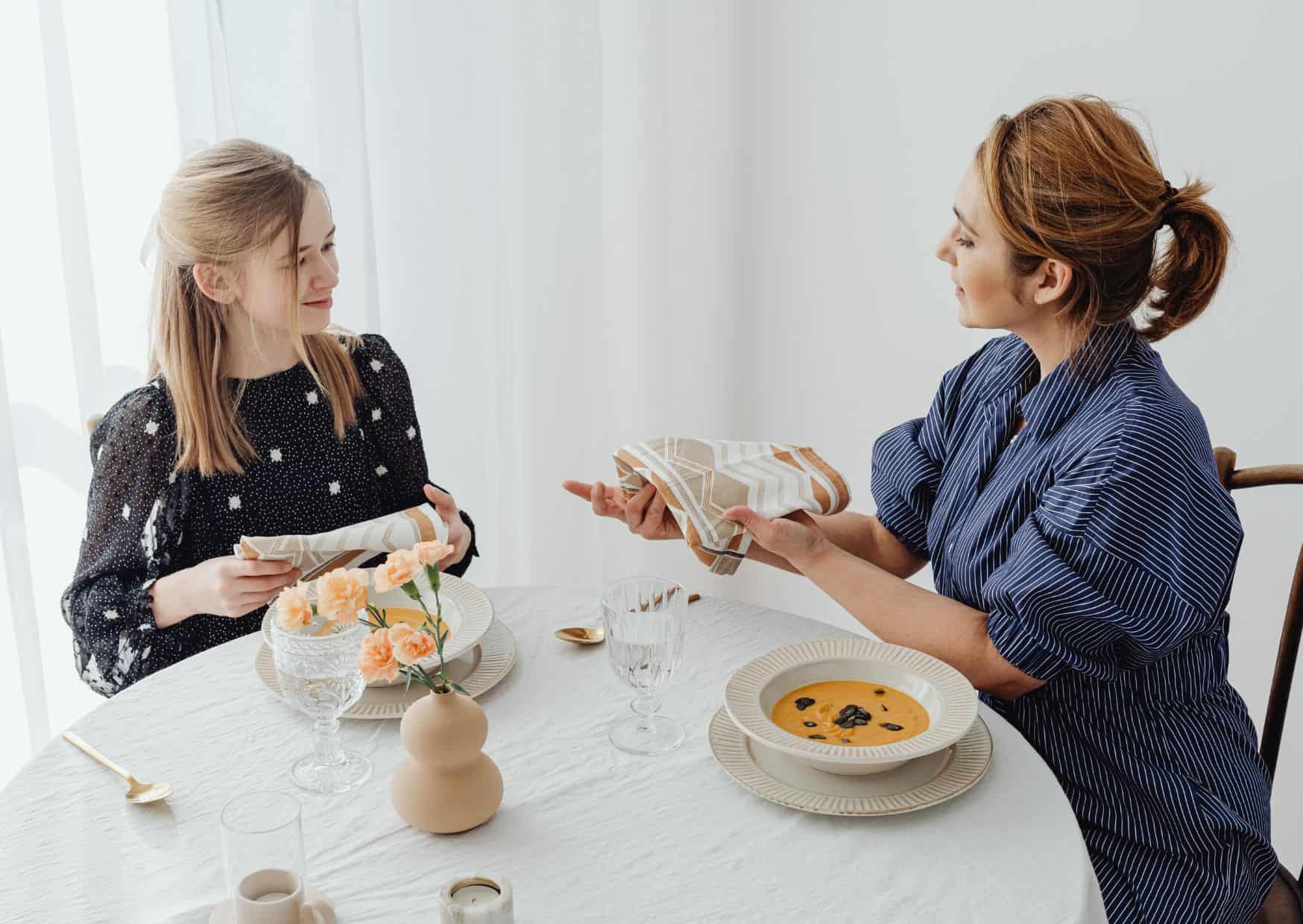
In the U.S., lunch is often a quick affair—a sandwich at your desk, fast food in the car, or a 30-minute break. In Europe, lunch is often a multi-course meal enjoyed over an hour or two, especially in Southern Europe.
What to Do Instead:
Plan for a longer lunch break (1–2 hours).
Don’t rush through your meal—enjoy each course slowly, as Europeans do.
2. Specific Lunch Hours
Why It Confuses Americans:
In the U.S., you can grab lunch at almost any time during the day. In Europe, lunch is served during specific hours and most restaurants close afterward to prepare for dinner.
What to Do Instead:
Lunch hours in Europe: Typically 12:00 PM to 2:30 PM. Arriving outside these hours may leave you with limited or no options.
Avoid assuming restaurants will stay open all afternoon—they often close until dinner service begins.
3. Multi-Course Lunch Menus
Why It Confuses Americans:
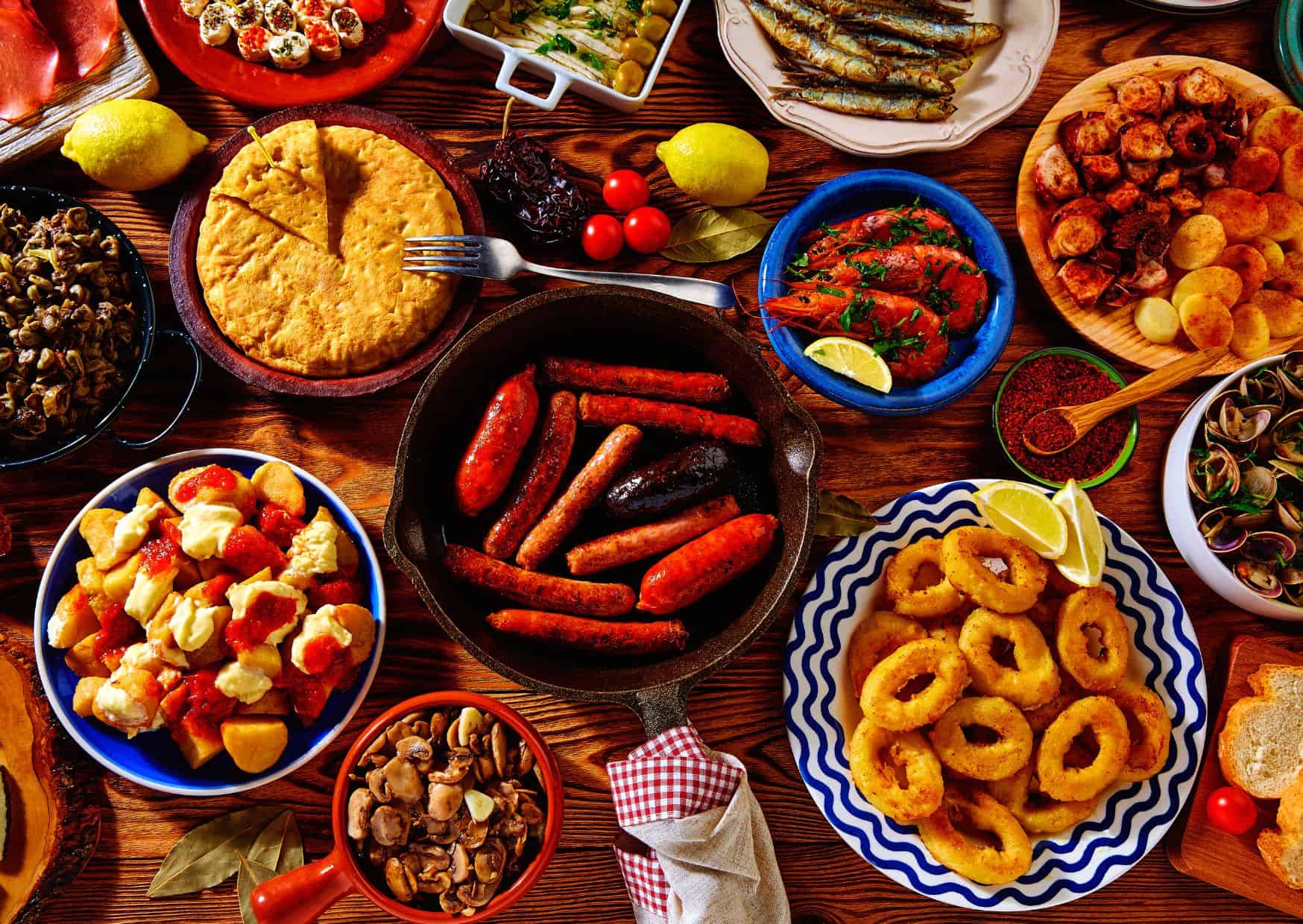
In the U.S., lunch is often a single dish (like a salad or sandwich). In Europe, it’s common to find prix fixe menus (fixed-price menus) with multiple courses, even at lunchtime.
What to Do Instead:
Opt for the “menu del día” (menu of the day) in countries like Spain, or the “formule déjeuner” in France. These are affordable multi-course options that usually include a starter, main dish, dessert, and sometimes a drink or coffee.
Be ready for more food than you’d typically expect at lunch.
4. No To-Go Culture
Why It Confuses Americans:
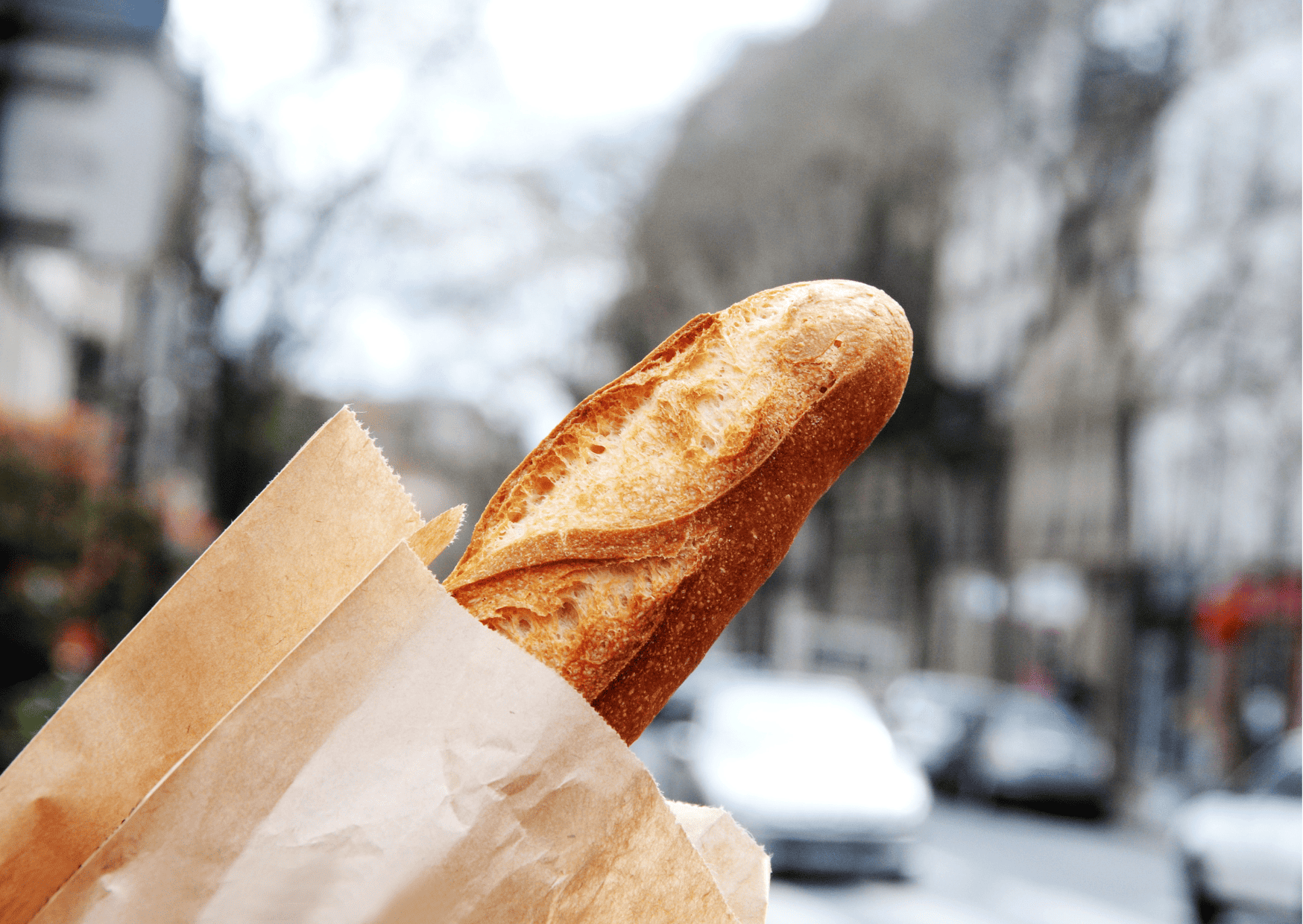
Americans are used to eating on the go—grabbing a sandwich or coffee and eating while walking or working. In Europe, this is often frowned upon, as meals are meant to be savored while seated.
What to Do Instead:
Sit down for your meal, even if it’s just a quick bite.
If you’re in a rush, grab something from a boulangerie (bakery) in France or a street food stall, but find a spot to eat it rather than walking around.
5. No Free Water
Why It Confuses Americans:
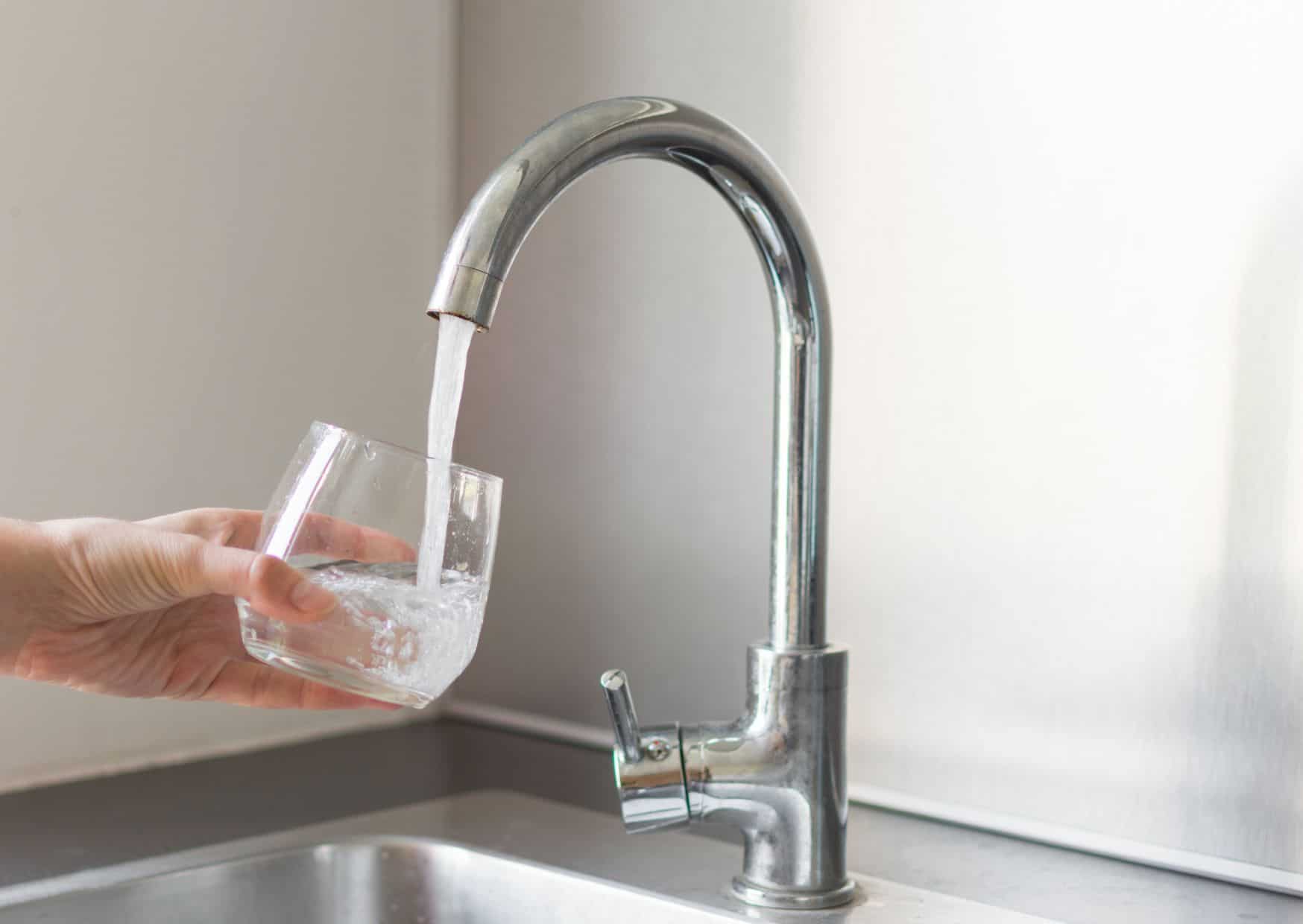
In the U.S., tap water is usually served automatically and for free. In Europe, water is often bottled and comes with a charge. You must specifically ask for tap water (if available).
What to Do Instead:
Ask for still water (non-carbonated) or sparkling water when ordering.
If you prefer tap water, ask for it explicitly:
In France: “Une carafe d’eau, s’il vous plaît.”
In Spain: “Un vaso de agua del grifo, por favor.”
6. Bread Isn’t Always Free
Why It Confuses Americans:
In the U.S., bread is often complimentary, especially in sit-down restaurants. In Europe, bread is typically served on request and added to the bill.
What to Do Instead:
Ask if the bread is included or if there’s an additional charge.
Only accept the bread if you’re willing to pay for it (often €1–€3 per person).
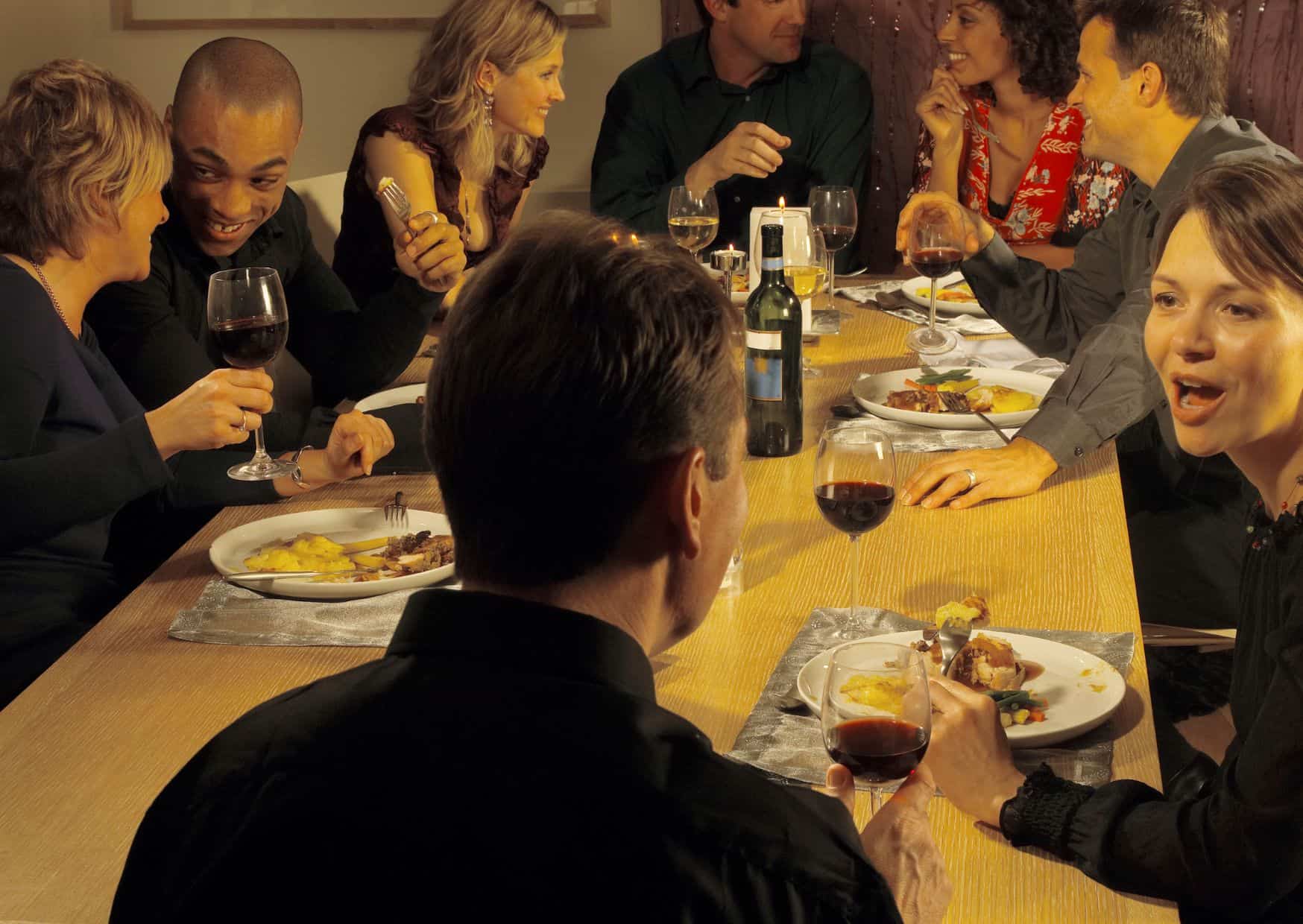
7. Alcohol with Lunch Is Normal
Why It Confuses Americans:
In the U.S., alcohol with lunch is generally reserved for special occasions. In Europe, having a glass of wine or beer with lunch is perfectly normal and often included in prix fixe menus.
What to Do Instead:
Embrace the local culture—enjoy a small glass of wine or beer with your meal if it’s offered.
If you prefer not to drink alcohol, politely decline or request water or a soda.
8. Tipping Is Minimal
Why It Confuses Americans:
In the U.S., tipping 15–20% is standard, even for lunch. In Europe, tipping is either minimal or already included in the bill as a service charge.
What to Do Instead:
Check your bill for a service charge (“service compris” in France, for example). If it’s included, there’s no need to tip further.
If tipping, round up the bill or leave a small amount (5–10%) as a gesture.
9. Eating Etiquette Is Formal
Why It Confuses Americans:
In the U.S., it’s common to eat casually, even with your hands, depending on the dish. In Europe, table manners are more formal, even during lunch.
What to Do Instead:
Use your knife and fork properly. Keep your fork in your left hand and your knife in your right.
Avoid cutting all your food at once—cut and eat one bite at a time.
Keep your hands visible on the table (not in your lap) but avoid putting your elbows on it.
10. Coffee Comes After the Meal
Why It Confuses Americans:
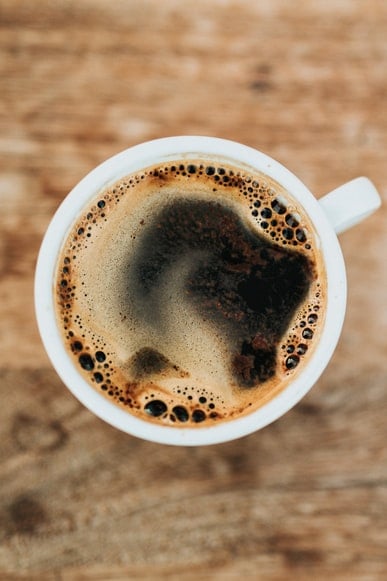
In the U.S., coffee is often served alongside dessert or even with the meal itself. In Europe, coffee is typically served after dessert as the final course.
What to Do Instead:
Wait to order coffee until you’ve finished your meal and dessert.
Don’t expect large coffee servings—European coffees are usually small (espresso-sized).
In Italy, avoid ordering a cappuccino after lunch, as milk-heavy drinks are considered breakfast beverages.
11. No Sharing Plates
Why It Confuses Americans:
In the U.S., sharing meals or splitting a single dish is common. In Europe, especially in formal restaurants, sharing a single plate can be seen as odd or even disrespectful to the chef.
What to Do Instead:
Order your own dish unless the restaurant specifically encourages sharing (like tapas in Spain).
If you want to try someone else’s food, ask politely.
12. Lunch Can Be Social or Private
Why It Confuses Americans:
Americans might find it odd that in some countries, lunch is treated as a personal, almost sacred moment, while in others, it’s highly social.
What to Do Instead:
In countries like France or Italy, expect lunch to be social, with lots of conversation and lingering over food.
In places like Germany, lunch can be more private, especially in work settings. Avoid interrupting or starting conversations with strangers.
13. Reservations Are Often Necessary
Why It Confuses Americans:
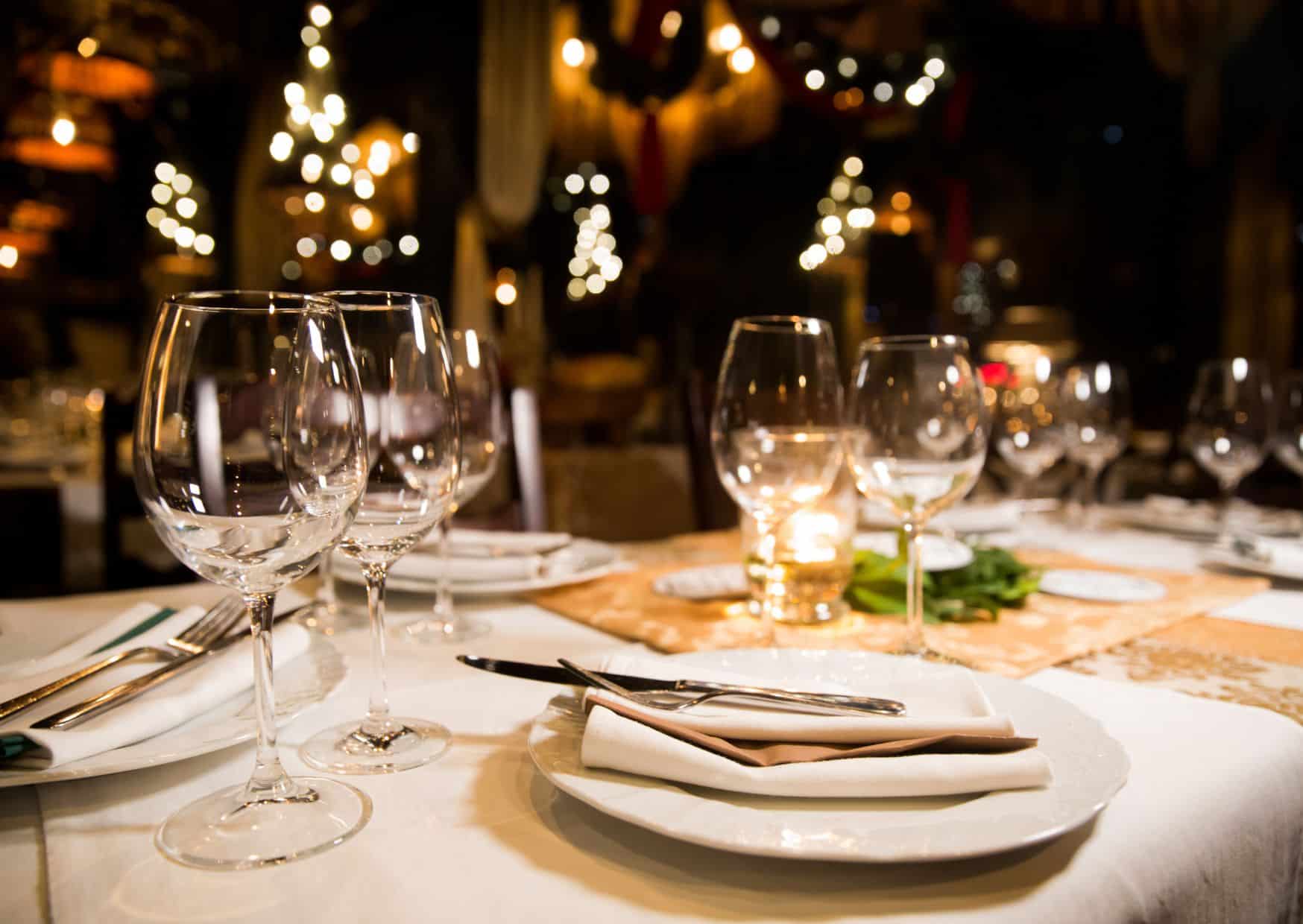
In the U.S., many lunch spots are walk-in friendly. In Europe, particularly at popular restaurants, reservations are often required, even at lunchtime.
What to Do Instead:
Call ahead or book a reservation online if you have a specific restaurant in mind.
For casual places, arrive early to secure a table.
14. Don’t Ask for Customizations
Why It Confuses Americans:
In the U.S., customizing your meal (extra sauce, no onions, gluten-free substitutions) is common and expected. In Europe, menus are treated as carefully crafted, and asking for changes can offend the chef.
What to Do Instead:
Accept the dish as it’s described on the menu.
If you have dietary restrictions, politely mention them before ordering rather than requesting major alterations.
Final Thoughts
At first, Europe’s lunch rules may feel intimidating, but once you adapt, they completely transform the way you experience food. Instead of rushing, you slow down. Instead of eating alone at a desk, you share meals with others. Instead of overstuffing yourself, you savor flavors and textures one course at a time.
These traditions aren’t just about food—they’re about culture. Lunch in Europe reflects values of connection, quality, and balance that go far beyond the plate. And while American dining culture is rooted in convenience, Europe reminds us that meals are worth lingering over.
So the next time you sit down for lunch abroad, leave your American habits behind. Order what’s on the menu, take your time, sip your espresso slowly, and embrace the beauty of eating like a European. You’ll never look at lunch the same way again.

About the Author: Ruben, co-founder of Gamintraveler.com since 2014, is a seasoned traveler from Spain who has explored over 100 countries since 2009. Known for his extensive travel adventures across South America, Europe, the US, Australia, New Zealand, Asia, and Africa, Ruben combines his passion for adventurous yet sustainable living with his love for cycling, highlighted by his remarkable 5-month bicycle journey from Spain to Norway. He currently resides in Spain, where he continues sharing his travel experiences with his partner, Rachel, and their son, Han.