
Listen, as Europeans, we’re a bit embarrassed about all these new tourist taxes popping up. But since they’re happening anyway, let’s break down exactly what you’ll pay and some insider ways around them (yes, there are always workarounds).
Other Reads:
– What €50 Gets You in These 11 European Cities in 2025
– Best eSIM for Southeast Asia in 2025: Ultimate Guide to Southeast Asia eSIM
– 10 Affordable Cities to Live in 2025 for Under $2,500 a Month
– Short and Long Stays Travel Insurance for Europe with Discount
Quick Easy Tips
Book ahead—cities like Venice offer a €5 access fee if paid at least four days in advance, otherwise it jumps to €10
Expect nightly Bed Taxes—places like Paris may charge up to €15.60 per person per night for premium accommodation
Check regional variations—in Greece, environmental/climate taxes range €1.50–€10 per night depending on season and hotel class, plus an additional €20 cruise tax in hotspots like Santorini and Mykonos
Budget for percentage-based city levies—Amsterdam applies a 12.5% tourist tax on accommodation bookings
Watch for entry- or day-trip charges—Venice charges €5–€10 per person for non‑overnight visitors during seasonal peak days
Many of these new tourist taxes aren’t just revenue measures—they’re crowd-control tools in cities overwhelmed by overtourism. Venice now pilots access fees specifically targeting day-trippers, while plans are being floated to raise the fee to €100 per person
Yet this approach is deeply polarizing: citizens in places like Venice and Barcelona argue that tourists contribute little to the local economy, yet face nearly no barriers to entry—creating strain on infrastructure and rising housing costs
Meanwhile, opponents warn that excessive fees could turn historic cities into exclusive theme parks, eroding their cultural authenticity
The rise of these charges signals a shift: tourism is no longer free. Cities are demanding awareness—and not just of local rules, but of tourist impact. Travelers are now expected to cover the real cost of visiting—not merely the cost to stay overnight.
1. Venice Finally Did It
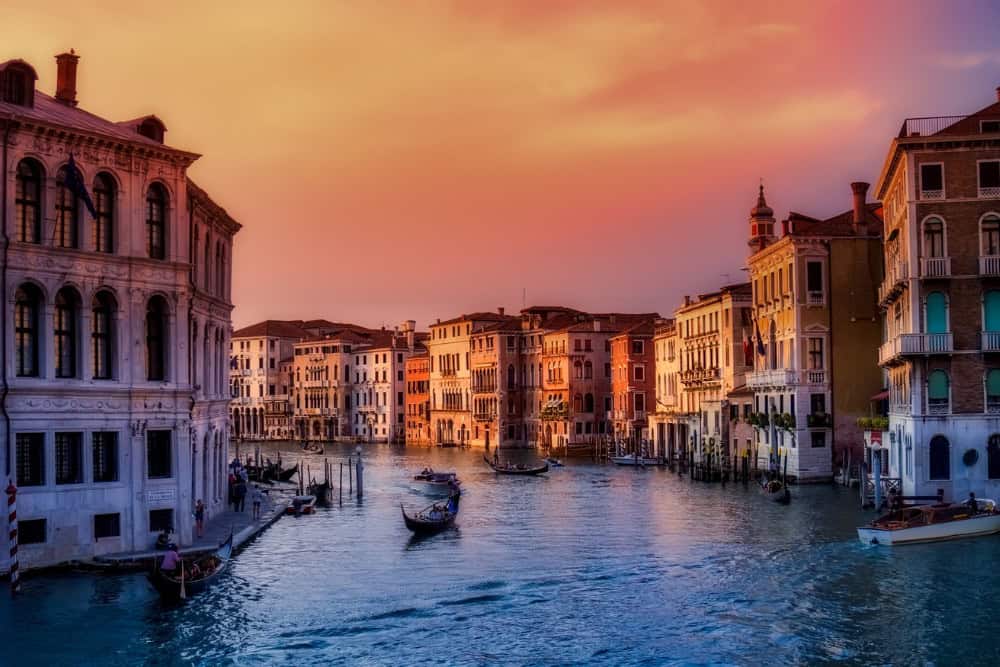
The most talked-about tourist fee of 2025 is finally here. Venice’s €5 day-tripper charge starts in April, but here’s what the headlines aren’t telling you:
- Only applies 8:30 AM – 4:00 PM
- Free after 4 PM and before 8:30 AM
- 30+ exemptions exist
- Staying overnight? You don’t pay this fee
Local Hack: Book your hotel in Venice proper – you’ll skip the day fee and get the city at its most magical (after the day-trippers leave).
2. Amsterdam’s Sneaky Increases
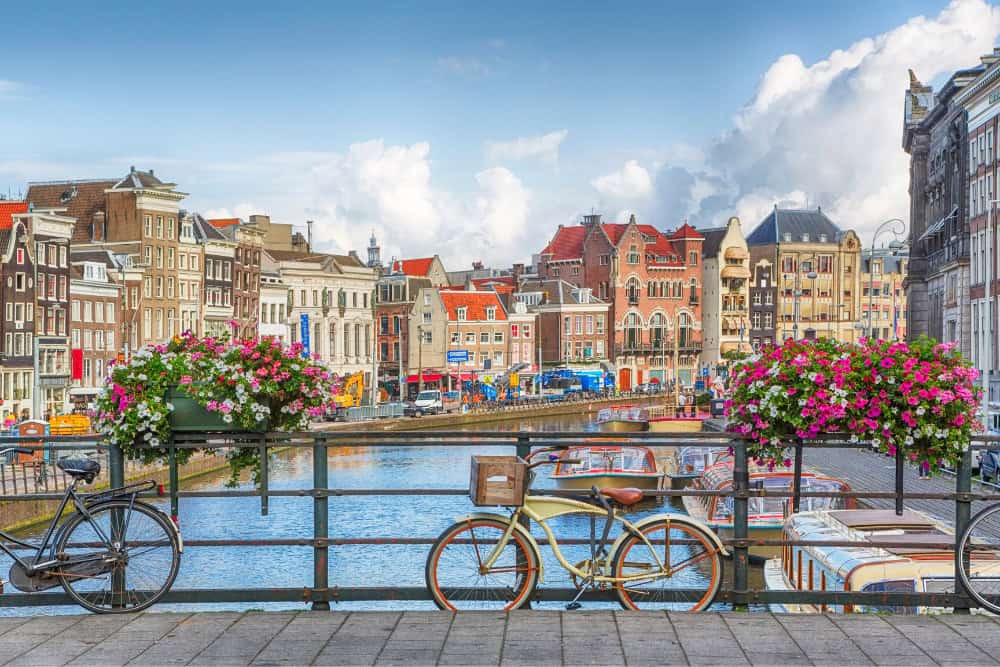
Our Dutch friends are getting creative with their 2025 taxes:
- Tourist tax jumping to 12.5% of room rate
- New €10 cruise passenger fee
- Extra charges for guided tours
Reality Check: A €200 hotel room now costs €25 more in tax. But here’s what locals know – staying in nearby Haarlem or Utrecht gets you better value and an easy 15-minute train ride into Amsterdam.
3. Barcelona’s New System

From summer 2025:
- Park Güell entrance fee doubles
- New cruise ship environmental tax
- Surcharge for peak hour attractions
Read here best things to know before visiting Barcelona
4. Paris’s Fresh Approach

The City of Light is adding some not-so-lovely charges in 2025:
- Extra metro fee for airport routes
- New tourist rate for museums
- Peak season accommodation tax
What You Really Need to Know:
- Regular metro tickets won’t work for CDG/Orly routes anymore
- Museum passes getting a “tourist” vs “resident” price split
- Hotels adding ‘peak season’ surcharges (June-September)
Local Hack: Book accommodations in nearby Levallois or Boulogne. You’ll save on both hotel taxes and rates, plus get a more authentic experience. The metro connection is just as good.
5. Rome’s Getting Serious
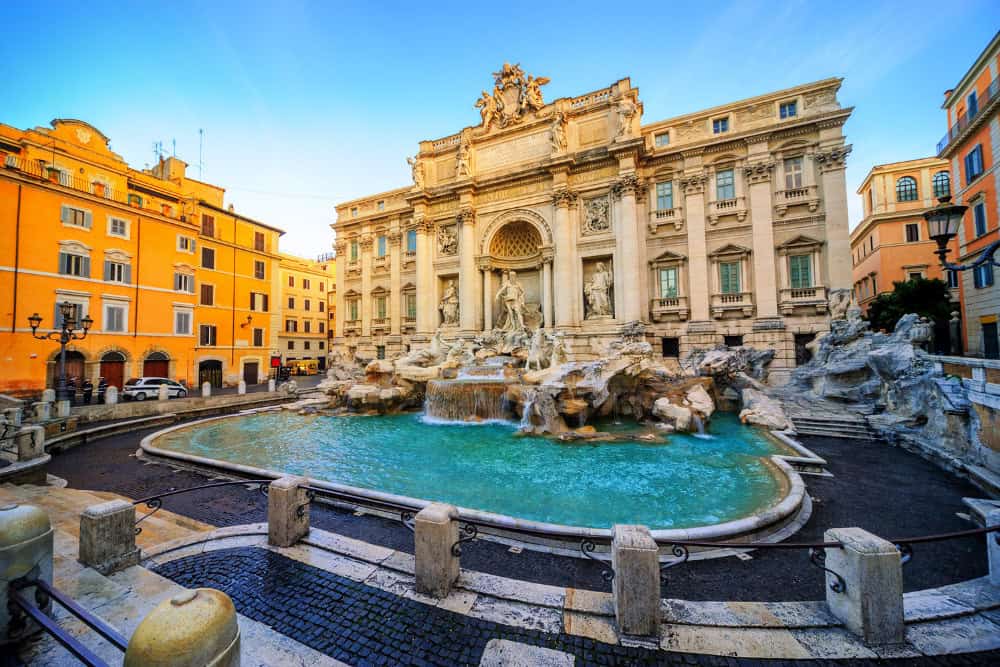
The Eternal City’s new charges are, well, eternal:
- Colosseum’s new time-slot pricing
- Historic center access fee coming
- Double tax for peak season stays
The Real Deal:
- Time-slot tickets mean 30% higher costs at peak hours
- Historic center charge applies 9 AM – 7 PM
- Staying in residential areas exempts you from some fees
Smart Moves:
- Book Colosseum visits for first or last time slots
- Stay in Trastevere or Testaccio to avoid center fees
- Use Roma Pass for better rates
6. Dubrovnik’s New Reality
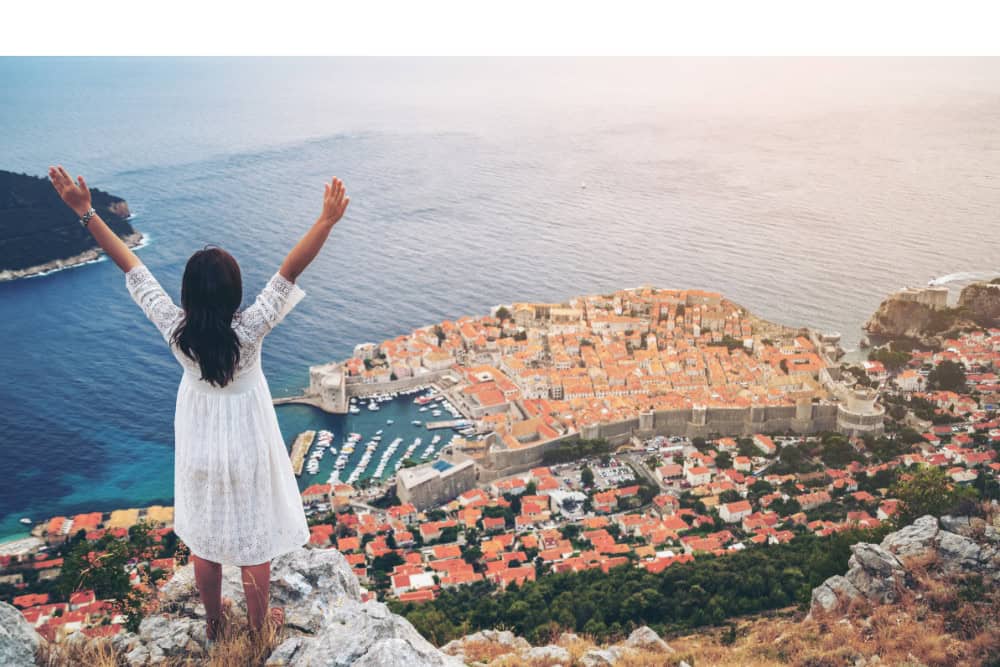
Croatia’s tourist hotspot is following Venice’s lead with some twists:
- New cruise ship passenger fees (€10 per person)
- Old Town entry tickets during peak hours
- Seasonal tourist card requirement
What’s Actually Happening: The city’s tired of day-trippers clogging the streets without spending money. But here’s the smart way around it:
- Stay minimum 2 nights – you’re exempt from daily fees
- Book hotels within city walls – includes city access
- Visit November-March for zero entrance fees
Local Secret: Book accommodation in Lapad or Gruž. You’ll get better rates, dodge most fees, and get to enjoy local beaches that cruise ship crowds never find.
The Money Reality:
- Old Town entry: €5 (June-September, 10 AM – 4 PM)
- Tourist card: €15 weekly
- Accommodation tax: increasing 20%
7. Porto’s Preservation Plan
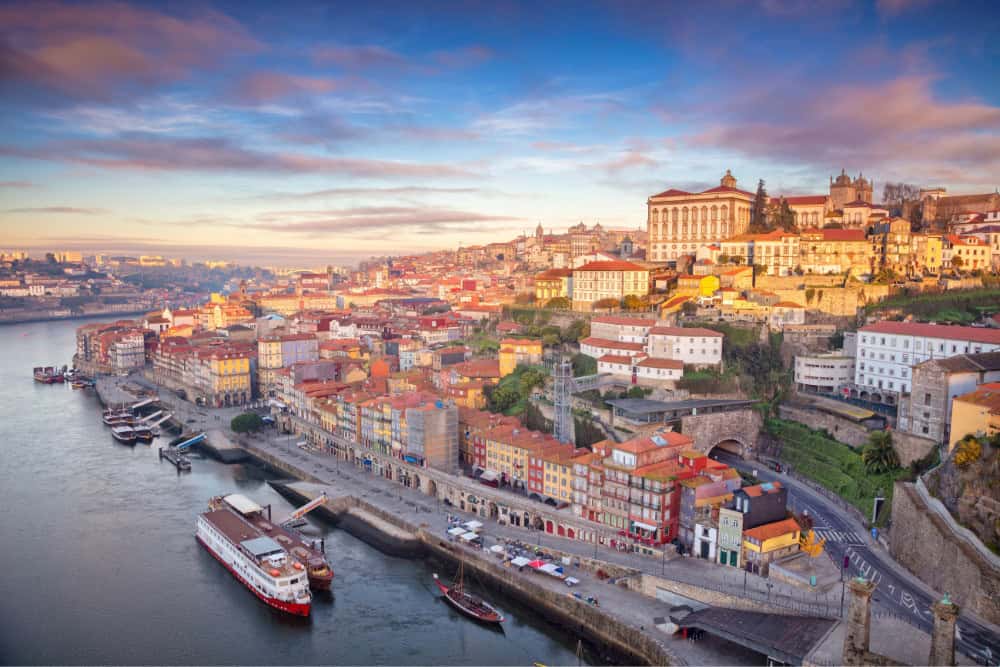
Portugal’s northern gem is getting strategic about tourism in 2025. While everyone’s focused on Lisbon’s changes, Porto is quietly introducing its own system.
What’s New:
- Tourist zones getting tiered pricing
- Port wine cellar tours adding tourist premiums
- River cruise fees introduced
- Historic center access cards coming
The Real Story: Porto isn’t just copying other cities – they’re being smart about it. The new fees go directly to preserving those gorgeous azulejo tiles and historic buildings you’re photographing.
What You’ll Actually Pay:
- Tourist zone card: €3/day
- Wine cellar premium: +€5 per tour
- River cruise tax: €2 per trip
- Accommodation tax: €2/night/person
Local Hack: Stay in Vila Nova de Gaia. You’ll get the best views of Porto, pay lower accommodation rates, and most new tourist fees don’t apply here. Plus, you’re closer to the port wine cellars!
Smart Moves:
- Book wine tours directly with smaller cellars
- Get the 3-day tourist card (better value)
- Stay in local guesthouses instead of tourist hotels
- Visit October-March for lower rates and fewer crowds
8. Brussels’ 2025 Switch
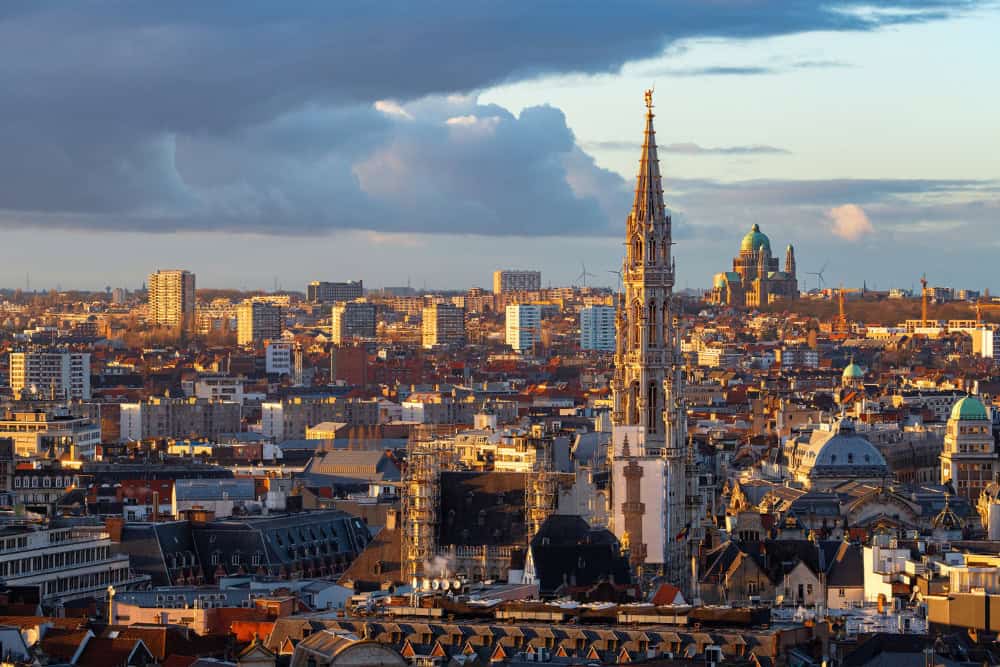
Belgium’s capital is finally joining the tourist tax trend, but in typical Belgian style, it’s more complicated than it needs to be.
What’s Changing:
- Different rates for different communes
- EU vs non-EU visitor pricing
- Chocolate tour tourist premium (yes, really)
- Grand Place area special rates
The Belgian Reality: While tourist-heavy spots like Grand Place and the Atomium get new fees, most of Brussels’ best spots remain refreshingly free. They’re basically charging more for the places locals never visit anyway.
What You’ll Actually Pay:
- City tourist tax: €4.50/day
- Grand Place zone: €2 extra
- Accommodation tax: varies by commune (€3-8/night)
- Museum tourist premium: +€2-5 over local rates
Local Knowledge That Saves Money:
- Stay in Saint-Gilles or Ixelles
- Visit museums on first Wednesday afternoons
- Skip tourist chocolate tours – local shops are better
- Use the Museum Pass (still tourist-tax free)
The Brussels Hack: Book a apartment in Forest or Etterbeek. You’ll pay lower tourist taxes, get better value, and experience real Brussels life. Plus, the tram system makes everywhere easily accessible.
9. Copenhagen’s New Chapter
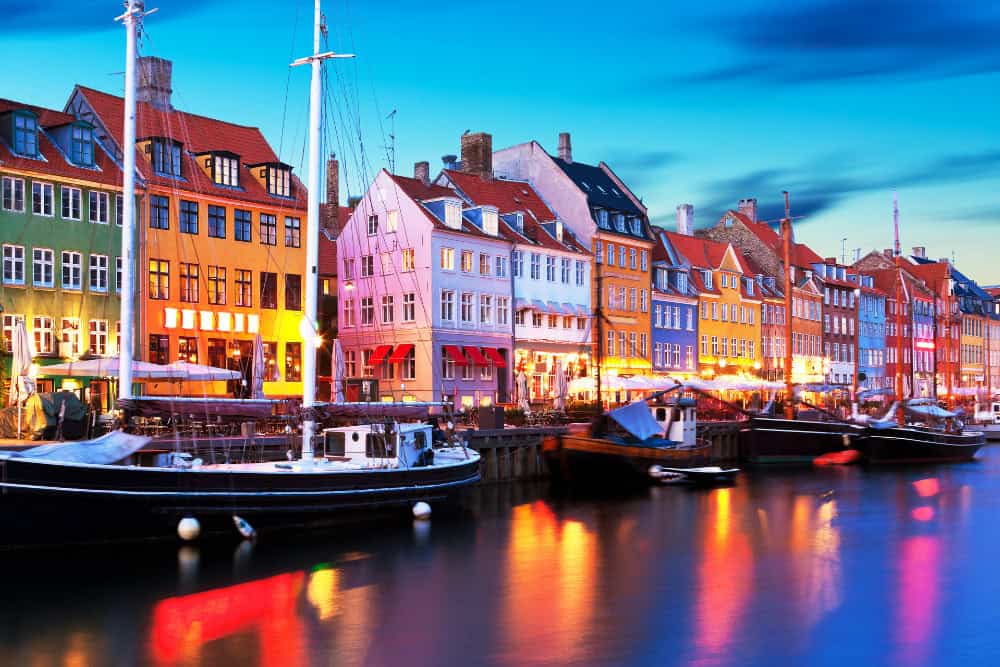
Denmark’s capital is rolling out some interesting changes, and as usual, they’re doing it with Scandinavian efficiency.
What’s New for 2025:
- Inner harbor tourist zone fees
- Nyhavn photo permits (not kidding)
- Higher tourist rates for bike rentals
- New sustainable tourism tax
The Nordic Reality: Copenhagen’s not just adding random fees – they’re using tourism money to fund their ambitious carbon-neutral goals. And honestly? The system’s pretty smart.
What You’ll Actually Pay:
- Harbor zone access: 50 DKK (€7)
- Sustainable city tax: 25 DKK (€3.50) per night
- Tourist bike premium: +20 DKK (€2.70)
- Photography permit: 30 DKK (€4) daily
Local Secrets That Save Money:
- Stay in Vesterbro or Nørrebro
- Use Copenhagen Card (includes all new fees)
- Rent bikes from residential shops
- Free harbor views from Islands Brygge
The Copenhagen Hack: Base yourself in Frederiksberg. It’s technically not Copenhagen, so some tourist taxes don’t apply. You’re still central, but in a beautiful residential area with better restaurant prices and genuine Danish life.
Pro Tip: Those photo permits? Only needed for commercial shots and tripod use in Nyhavn. Your casual tourist shots are still free.
10. Seville’s Surprise Fees
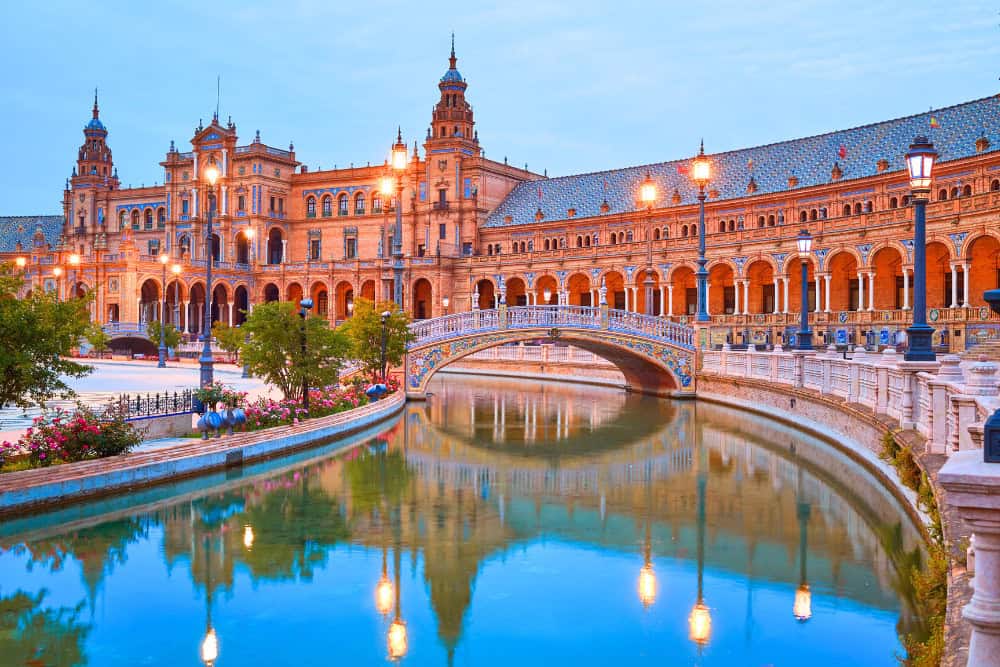
While everyone’s watching Barcelona, Seville’s quietly introducing its own system. And in true Andalusian style, it’s more relaxed but potentially more expensive if you’re not careful.
What’s Changing:
- Alcázar time-slot pricing
- Cathedral tourist rates increasing
- New Barrio Santa Cruz zone fee
- Rooftop terrace viewing tax
The Southern Spanish Reality: These changes aren’t about stopping tourism – they’re about managing the crowds turning Seville’s narrow streets into human traffic jams. But there’s always a workaround in Spain.
What You’ll Actually Pay:
- Alcázar peak hours: €25 (up from €14.50)
- Santa Cruz access: €3/day
- Cathedral tourist rate: €15
- Accommodation tax: €2/night
Local Intel That Actually Works:
- Book Alcázar’s first morning slot
- Stay in Triana or Macarena
- Visit in winter (bonus: better weather)
- Skip Santa Cruz during day hours
The Seville Secret: Book accommodations in Triana. You’ll dodge the new tourist zone fees, get better tapas prices, and experience real Sevillano life. The flamenco’s better here anyway.
Daily Money-Saving Schedule:
- Morning: Alcázar (first slot)
- Afternoon: Free Cathedral hours (Monday)
- Evening: Santa Cruz (no fees after 7 PM)
- Night: Triana tapas crawl (local prices)
11. Prague’s New Rules

The Czech capital is finally tackling overtourism, but not quite like you’d expect. For 2025, they’re introducing a system that’s actually pretty clever (if you know how to work it).
What’s New:
- Old Town Square zone fees
- Charles Bridge peak hour tickets
- Castle complex time slots
- Beer tour tourist premium (of course)
The Czech Reality: While tourist crowds fight for astronomical clock photos, real Prague life happens in neighborhoods tourists never see. And guess what? Those areas are staying fee-free.
What You’ll Actually Pay:
- Old Town Zone: 100 CZK (€4)
- Castle Complex: 250 CZK (€10) peak hours
- Beer tour premium: +200 CZK (€8)
- Accommodation tax: 75 CZK (€3)/night
Local Secrets That Save Money:
- Stay in Vinohrady or Karlín
- Visit Old Town before 9 AM
- Skip organized beer tours
- Use local transport apps
The Prague Hack: Book your stay in Vinohrady. You’ll find better beer at half the price, authentic Czech restaurants, and zero tourist fees. Plus, it’s just 3 tram stops from Old Town – but don’t tell everyone.
Smart Daily Schedule:
- 7-9 AM: Empty Charles Bridge photos
- 9-3 PM: Explore local neighborhoods
- 3-5 PM: Castle (when tour groups leave)
- Evening: Local beer gardens
12. Split’s Seaside Scheme
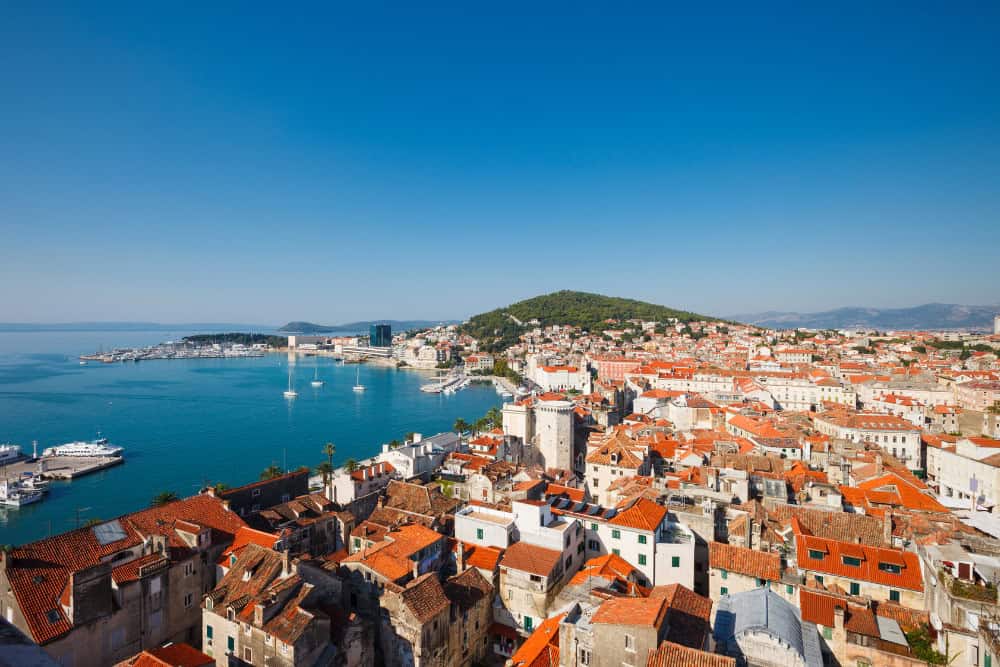
Croatia’s coastal gem is following Dubrovnik’s lead, but with its own Dalmatian twist. The 2025 changes here might actually make your visit better (if you know what’s coming).
What’s Changing:
- Diocletian’s Palace zone fees
- Beach access cards (yes, really)
- Island ferry tourist rates
- Old Town evening passes
The Dalmatian Reality: While cruise ship crowds swarm the Palace between 10-4, locals enjoy Split at its best during early mornings and evenings. The new system basically charges more for visiting at the worst times.
What You’ll Actually Pay:
- Palace Zone: 30 HRK (€4) 10 AM – 4 PM
- Beach Card: 75 HRK (€10) weekly
- Tourist Ferry Rate: +20% over local price
- Accommodation Tax: 15 HRK (€2)/night
Local Knowledge That Saves Money:
- Stay in Veli Varoš or Bačvice
- Visit Palace before 9 AM
- Use local beach clubs
- Book longer ferry stays
The Split Secret: Base yourself in Veli Varoš neighborhood. You’re still central but away from tourist pricing. Plus, you get those postcard-perfect stone house views without the tourist zone fees.
Best Money-Saving Schedule:
- 7-9 AM: Empty Palace photos
- 9-5 PM: Beach time (local spots)
- 5-7 PM: Island trips (cheaper rates)
- Evening: Riva promenade (fee-free)
Pro Tip: Those beach cards? They’re only for the main tourist beaches. Local spots like Kašjuni or Bene remain blissfully free.
13. Rhodes’ New Reality
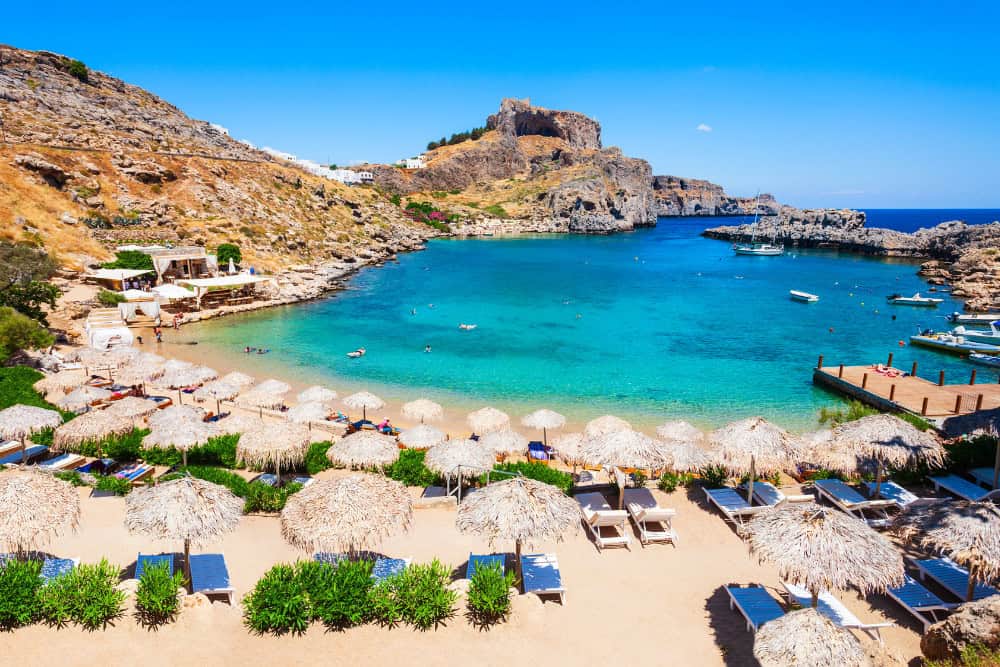
Greece’s medieval gem is getting strategic about tourism in 2025. After seeing what mass tourism did to Santorini, they’re making changes that actually make sense.
What’s New:
- Old Town zone passes
- Beach club tourist rates
- Archaeological site time slots
- Harbor area day passes
The Greek Island Truth: Everyone crowds the Old Town between 11-4 (peak cruise ship hours). But Rhodes has 24 hours in a day, and the best ones are free – if you know when to go.
What You’ll Actually Pay:
- Old Town Zone: €5 (11 AM – 4 PM only)
- Archaeological Pass: €15 (was €8)
- Beach Premium: €3-10 depending on beach
- Harbor Zone: €2 during cruise ship hours
Local Intel That Really Works:
- Stay in New Town (better prices, no zone fees)
- Visit Old Town during sunrise/sunset
- Use local beach spots (Ialyssos side)
- Eat where Greeks eat (better food, half price)
The Rhodes Hack: Book your stay near Mandraki or Zefyros beach. You’ll get better rates, dodge most tourist fees, and find those perfect tavernas where tourists never go. Plus, the Old Town is just a 10-minute walk away.
Daily Saving Strategy:
- 7-9 AM: Empty Old Town photos
- 9-4 PM: Local beach time
- 4-7 PM: Archaeological sites (cooler + cheaper)
- Evening: Local tavernas in New Town
Pro Tip: Those cruise ship crowds? Check the port schedule online and plan opposite days for main attractions.
14. Salzburg’s Symphony of Fees
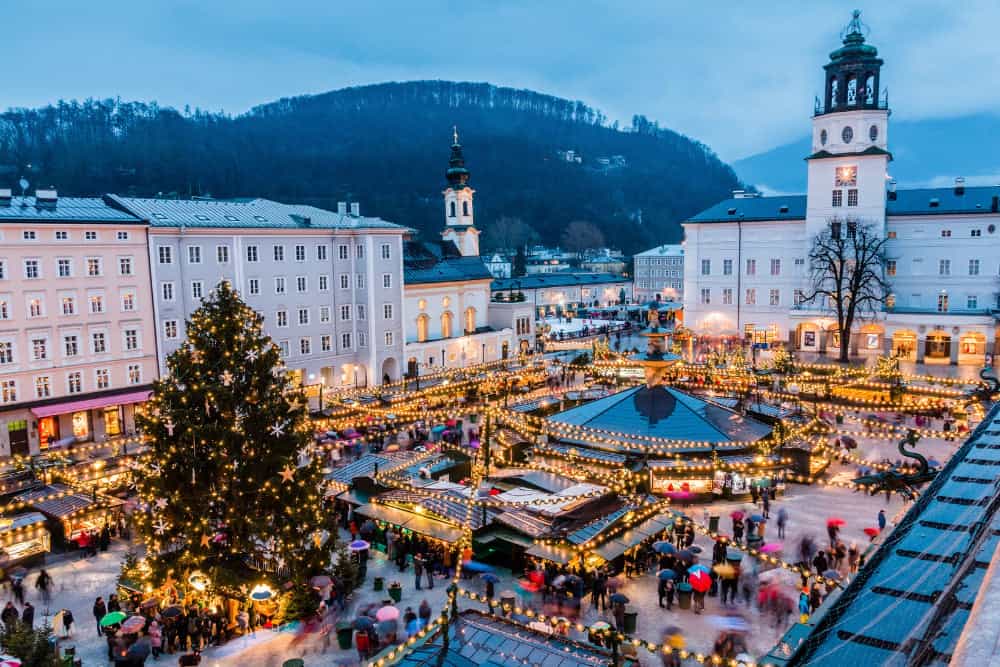
Austria’s musical city is orchestrating new tourist fees for 2025, and they’re conducting it with typical Austrian precision.
What’s New:
- Mozart Zone fees
- Old Town visitor passes
- Sound of Music tour premiums
- Festival district charges
The Austrian Reality: While tourists pack into Mozart’s birthplace, locals enjoy Salzburg’s real music scene in places you won’t find in guidebooks. The new fees are basically a tax on following the crowd.
What You’ll Actually Pay:
- Historic Zone: €4 (9 AM – 6 PM)
- Mozart Sites Premium: +€5 over local rates
- Festival Area: €3 during events
- Accommodation Tax: increase to €3/night
Local Secrets That Save Money:
- Stay in Maxglan or Riedenburg
- Visit attractions after 4 PM
- Use local music venues
- Skip tourist concerts for student performances
The Salzburg Hack: Base yourself in Nonntal. You’re close enough to walk everywhere, but outside the tourist zone fees. Plus, you’ll find those authentic beer gardens where Mozart prices don’t apply.
15. Edinburgh’s 2025 Evolution
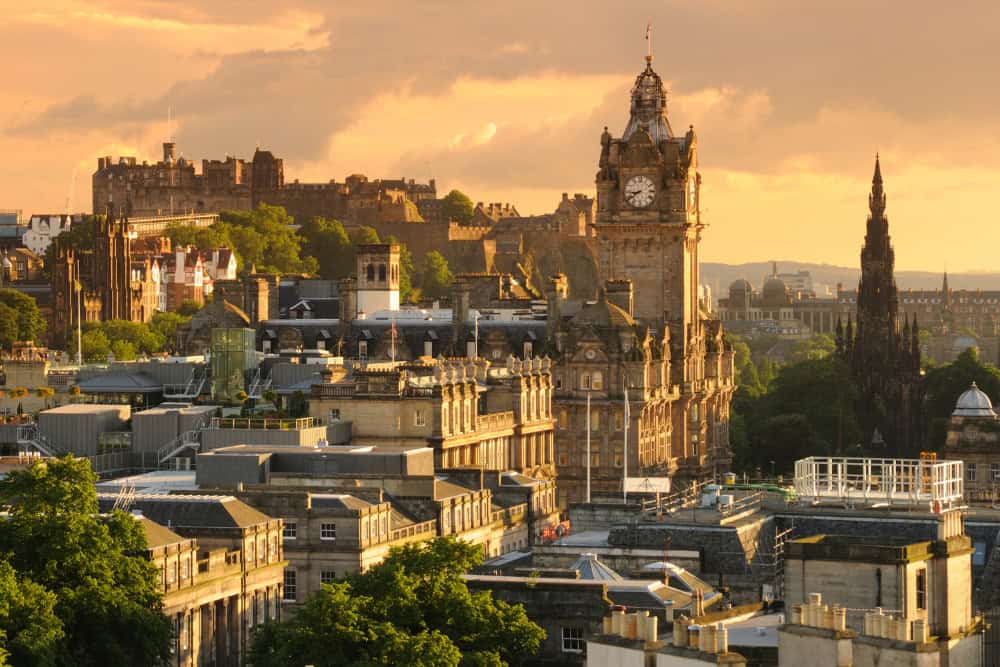
Scotland’s capital is finally joining the tourist tax trend, but they’re doing it with typical Scottish practicality (and a bit of humor).
What’s New:
- Royal Mile zone charges
- Festival period premiums
- Castle time-slot pricing
- Old Town overnight fees
The Scottish Reality: While tourists pack the Royal Mile paying peak prices, locals enjoy Edinburgh’s best views and venues completely free. The new system basically charges for being a tourist in the most touristy places at the most touristy times.
What You’ll Actually Pay:
- Tourist Tax: £2/night per person
- Royal Mile Zone: £5 (10 AM – 6 PM)
- Castle Peak Hours: +£5 premium
- Festival Period: Additional £3/night
Local Intel That Actually Works:
- Stay in Stockbridge or Bruntsfield
- Visit Royal Mile before 9 AM
- Book castle first/last slots
- Skip August unless you love crowds
The Edinburgh Hack: Base yourself in Leith or Bruntsfield. You’ll get better rates, authentic Scottish pubs, and zero tourist zone fees. The new tram makes everything accessible, and you’ll find those cozy pubs where whisky doesn’t come with a tourist markup.
Smart Money-Saving Schedule:
- 7-9 AM: Empty Royal Mile photos
- 9-11 AM: Castle (first slot)
- Afternoon: Local neighborhood exploring
- Evening: Local pub life
Pro Tip: Those festival premiums in August? Book an apartment in Morningside or Leith, and you’ll save enough to see twice as many shows.
The Bottom Line: Smart Travel in 2025
Let’s be honest – these new tourist taxes aren’t going anywhere. But they’re not actually about making you pay more; they’re about managing overtourism. The secret? Most of these fees only affect tourists who follow the crowd.
Quick Money-Saving Rules:
- Stay in local neighborhoods
- Visit major sites at off-peak hours
- Book longer stays (most taxes decrease)
- Use city cards for multiple attractions
- Travel off-season when possible
Pro Tips That Actually Work:
- Most fees don’t apply before 9 AM or after 6 PM
- Local neighborhoods often mean better experiences anyway
- Many cities offer fee-free days monthly
- Transport passes often include tourist zone access
Remember: While these new fees might seem annoying, they’re pushing tourists toward more authentic experiences. Sometimes the best travel moments happen exactly where the tourist taxes don’t apply.

About the Author: Ruben, co-founder of Gamintraveler.com since 2014, is a seasoned traveler from Spain who has explored over 100 countries since 2009. Known for his extensive travel adventures across South America, Europe, the US, Australia, New Zealand, Asia, and Africa, Ruben combines his passion for adventurous yet sustainable living with his love for cycling, highlighted by his remarkable 5-month bicycle journey from Spain to Norway. He currently resides in Spain, where he continues sharing his travel experiences with his partner, Rachel, and their son, Han.