
Short answer: sometimes—yes. If your year includes large currency conversions or regular cross-border spending, fintech accounts like Wise and Revolut can outpace high-street banks by four figures. If your cross-border footprint is small, the savings are smaller. The point isn’t hype; it’s math. Below I’ll show you the exact thresholds where the total passes €2,000, what changed in 2025, and how to set up your accounts so you actually capture the savings.
Want More Deep Dives into Other Cultures?
– Why Europeans Walk Everywhere (And Americans Should Too)
– How Europeans Actually Afford Living in Cities Without Six-Figure Salaries
– 9 ‘Luxury’ Items in America That Europeans Consider Basic Necessities
The one-line verdict
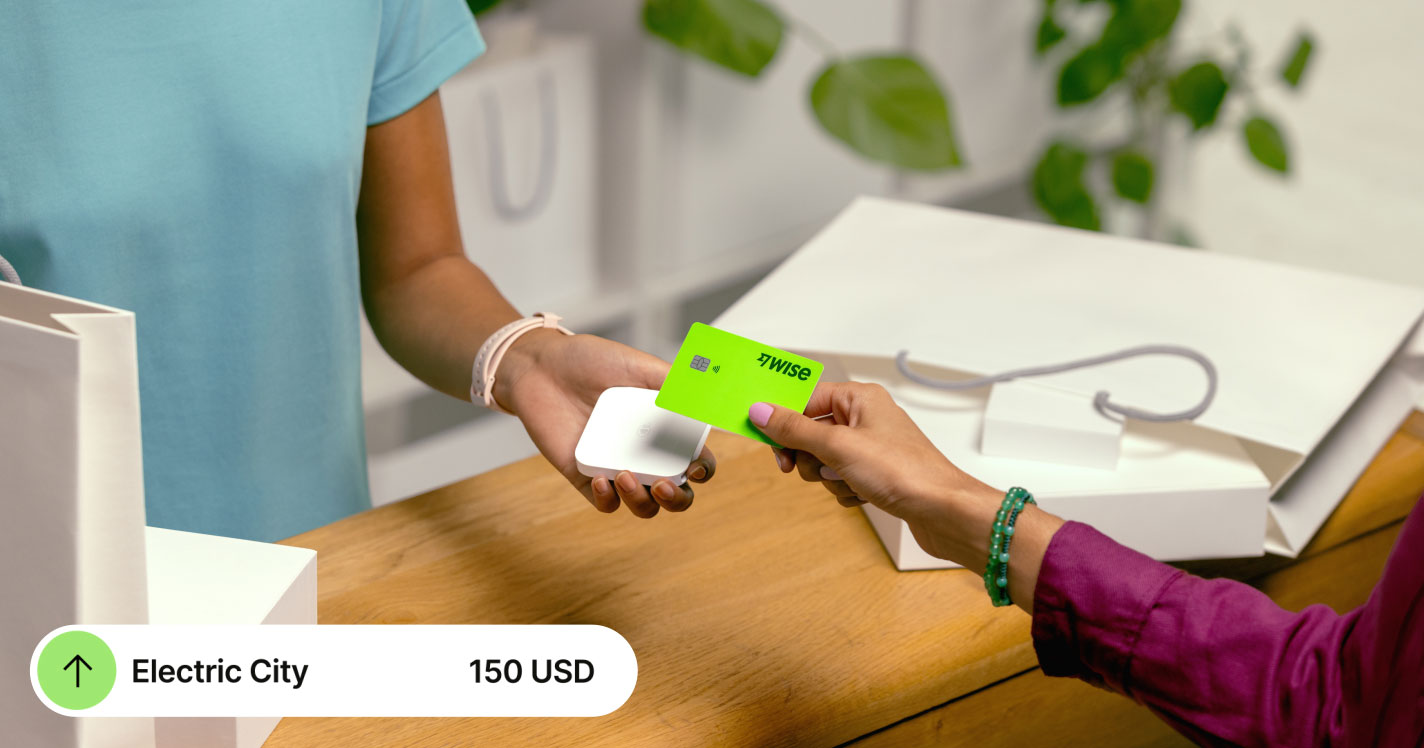
Is “€2,000 saved per year” realistic? Yes for heavy cross-border years, especially if you convert ~€80,000+, pay contractors abroad, or make a big one-off like tuition or a property down payment. It’s possible but less likely for light travelers. The number is driven by FX markup gaps (banks often add 2–3%, fintechs charge ~0.3–0.7% plus a small fee) and by card/ATM fees that pile up quietly. If you keep your conversions to weekday FX, avoid DCC, and run large payments by transfer, the savings compound fast.
Keep in mind: the savings live in FX, card surcharges, and wire fees—euro-to-euro SEPA transfers are already cheap by law.
How traditional banks actually charge you

With legacy banks, the hit comes from three places: FX markups, foreign card fees, and international wire fees. Many high-street cards still add ~2–3% when you spend in a foreign currency; some debit and credit products explicitly list 2.75%–2.99% on overseas transactions. That’s before ATM cash-withdrawal fees, which can stack a percentage plus a fixed charge. On transfers, banks typically layer a wire fee on top of an exchange-rate margin—the fee is visible; the margin is not.
Translate that to a year: convert €50,000 through a bank at 3% and you burn €1,500 just on the rate, plus ~€200–€400 in transfer/ATM fees. That’s how ordinary expats end up at €1,600–€1,900 in avoidable cost without noticing. The headline: 2–3% FX, 2.75–2.99% card fees, €€ in wires.
What Wise/Revolut actually charge in 2025
Wise converts at the mid-market rate (the rate between banks) and adds a transparent fee that often falls between ~0.3–0.7% depending on the route; ATM withdrawals are free up to a small monthly allowance (then a 1.75–2% fee plus a small per-withdrawal charge). Revolut uses interbank rates on weekdays up to your plan allowance; Standard plans generally allow €/$/£1,000 per month with 0.5–1% beyond that, and there’s a 1% weekend FX markup on Standard unless you upgrade. On paid tiers, the weekend markup is removed and allowances expand.
The practical edge: mid-market rate, low FX fee, small ATM allowance—and if you time exchanges to weekdays and stay within plan limits, you keep costs minimal.
The math that makes or breaks “€2,000 saved”
Here’s the cleanest way to think about it:
Savings ≈ (Bank FX % − Fintech FX %) × Annual conversion volume + (bank wire/ATM/card fees you avoid).
If a bank adds 3% and your fintech all-in is ~0.5%, the gap is ~2.5%.
- At €36,000 converted in a year, that FX gap is ~€900. Toss in €300–€400 of bank wire/card fees, and you’re around €1,200–€1,300 saved.
- At €50,000, FX savings alone are ~€1,250; add fees and you approach €1,600–€1,900.
- At €80,000, the FX gap is ~€2,000 before counting wires and card surcharges—this is where “€2,000+” becomes normal.
Threshold to remember: ~€80,000 of yearly conversions at a 2.5% gap yields ~€2,000 in FX savings alone. (If your bank’s FX is less than 3% or your fintech route is more than 0.5%, adjust accordingly.)
Three real-world profiles (with receipts)
1) Remote worker moving life to euros
You convert €50,000 over the year to pay rent and bills. If a bank’s effective FX margin is 3%, that’s €1,500 in rate loss; with a fintech at ~0.5%, your FX cost is ~€250. Add €25/month bank wire fees (€300/year) and you’re at ~€1,550–€1,800 saved, depending on card usage. Result: likely four-figure savings, shy of €2,000 unless you convert more.
2) First-year expat with a big one-off
You pay €24,000 in rent (€2,000/month) plus €36,000 in other euro bills and front a €20,000 school deposit: that’s €80,000 converted. Bank at 3%: €2,400 lost. Fintech at ~0.5%: ~€400. Savings ~€2,000, plus you dodge wire fees and foreign card surcharges. Result: “€2,000 saved” is realistic.
3) Small business paying overseas contractors
Annual payroll to EU contractors: €120,000. Bank at 3%: €3,600 lost. Fintech at ~0.5%: ~€600. Even before per-transfer fee differences, you’re ~€3,000 ahead. Result: savings well over €2,000.
What swings the outcome: your annual conversion volume, weekday vs. weekend exchanges, and whether you’re paying by card or transfer.
2025 rule changes that quietly help (even if you don’t switch)

Two EU rules reduce needless fees even if you stick with a bank. First, cross-border euro transfers must cost the same as domestic ones—so euro-to-euro SEPA transfers shouldn’t carry a premium. Second, the Instant Payments Regulation forces banks to receive instant euro payments on a schedule and bans charging more for instant than standard transfers in the euro area. You still pay FX when you change currencies, but euro-to-euro is no longer a fee minefield.
Takeaway: SEPA price equality, instant at standard pricing, name-check before you send—use these even if you don’t move to a fintech.
How to lock in the savings (without tripping new fees)
Make three small shifts and you’ll keep the advantage:
Convert on weekdays and pre-fund in local currency. Revolut’s Standard plan adds a 1% weekend markup; paid tiers remove it. Wise doesn’t add weekend markups, but rate swings still happen outside market hours. Convert during Monday–Friday, hold EUR/GBP before you spend, and you avoid forced exchanges at the till.
Pay big things by transfer, not card. Use SEPA credit transfers for rent, deposits, tuition. Card processors and merchants love FX on cards; IBAN rails are cheaper and auditable.
Treat ATM withdrawals like a ration, not a habit. Wise and Revolut give free cash up to small monthly limits; after that, expect ~1.75–2%. If you need cash, withdraw fewer, larger amounts inside your allowance and avoid DCC on the machine screen.
Key habits: weekday FX, IBAN for big bills, ATM within allowance.
The fine print that can erase your gains

Even good tools can cost you if you ignore the knobs:
Weekend and over-allowance exchanges. Revolut Standard allows ~€/$/£1,000 per month fee-free on weekdays; above that, a fair-usage fee kicks in, and weekends add 1% on Standard. If you regularly convert more or transact on weekends, upgrade or batch on weekdays.
Subscription math. Paid plans (to remove weekend markups and raise limits) come with monthly fees. Subtract that subscription from your annual savings to see if it’s worth it, especially for sporadic travelers.
Some banks have zero-FX cards. A few mainstream products waive overseas card fees. If you already hold one, your card savings vs. fintech are smaller—though transfer FX and wire fees can still justify a fintech account.
DCC traps. If a terminal offers to bill you in your home currency, decline. DCC bakes a hidden markup into the rate, wiping out your advantage.
Bottom line: set weekday rules, pick the right plan, and keep saying “charge me in local currency.”
When the headline is absolutely true

There are three common moments when “€2,000 saved” isn’t marketing—it’s just arithmetic:
- A move year with big conversions (deposit + rent + setup): you easily cross €80,000 in FX.
- Contractor or tuition payments from a foreign-currency account: single invoices can be €20,000–€40,000.
- SMB payouts to overseas teams: annual volume makes the FX gap compound.
If that’s you, set up Wise/Revolut alongside a local bank, run large conversions on weekdays, and pay by transfer. You’ll keep the mid-market edge, avoid weekend and DCC penalties, and the total will land north of €2,000 without trying.
Signal to remember: big FX volume + weekday conversions + IBAN payments = four-figure wins.
What to do this week (so the savings start now)
Open a multi-currency account and generate EUR/GBP IBANs. Move recurring big payments (rent, school, deposits) to SEPA transfers. Convert next month’s spend to euros on a weekday, then spend from your euro balance so the card doesn’t have to convert at the point of sale. Keep a small cash cushion inside your monthly ATM allowance, and train yourself to reject DCC every time you see it. If you routinely exceed the Standard FX allowance or need weekend flexibility, upgrade only if the annual subscription costs less than the fees you’d otherwise pay.
Do this once and reuse it all year: IBAN for big bills, weekday FX, local-currency spending.
Bottom line — when the number is believable (and how to hit it)
The claim isn’t universal; it’s conditional. If your year includes large currency conversion or regular foreign-currency spend, the gap between bank FX + card fees and mid-market + low fee can absolutely clear €2,000—especially in a move year or with contractor/tuition payments. If your cross-border life is modest, expect several hundred to low four figures in savings, not magic. The good news is the setup is the same in both cases: convert on weekdays, pay big things by transfer, avoid DCC, and watch plan allowances. Do that, and the headline stops being a slogan and becomes a line item you can measure.

About the Author: Ruben, co-founder of Gamintraveler.com since 2014, is a seasoned traveler from Spain who has explored over 100 countries since 2009. Known for his extensive travel adventures across South America, Europe, the US, Australia, New Zealand, Asia, and Africa, Ruben combines his passion for adventurous yet sustainable living with his love for cycling, highlighted by his remarkable 5-month bicycle journey from Spain to Norway. He currently resides in Spain, where he continues sharing his travel experiences with his partner, Rachel, and their son, Han.