
You match, you message, you meet—and then the cultural whiplash begins. In much of Europe, first dates run on a different operating system: later starts, lighter plans, quieter signaling, and money etiquette that doesn’t match the American script at all. None of this is universal—Europe is a continent of micro-norms—but there are common patterns that regularly surprise U.S. visitors and expats. Think WhatsApp over iMessage, cheek-kiss greetings instead of hugs, splitting the check with minimal tipping, and a rhythm that prioritizes short, unhurried dates over high-stakes dinners.
What follows is a 2025-ready field guide—warm, practical, and honest—so you can translate first-date behavior without misreading the moment (or the man).
Want More Deep Dives into Everyday European Culture?
– Why Europeans Walk Everywhere (And Americans Should Too)
– How Europeans Actually Afford Living in Cities Without Six-Figure Salaries
– 9 ‘Luxury’ Items in America That Europeans Consider Basic Necessities
Late is normal—because the night starts later

If your American body says “7:00 pm,” the Mediterranean clock says “not yet.” In Spain and parts of Italy, dinner at 9:00–10:00 pm isn’t posturing; it’s standard. That means first dates often begin when American restaurants are clearing dessert. Many Spanish cities still protect long social meals—sobremesa, the lingering talk after eating—and even as work schedules modernize, the evening remains late by U.S. standards. Expect a message in the afternoon, a meet-up closer to 9:00, and no rush to turn a drink into a three-course production. The shock for many Americans is that “late” is not flaky—it’s simply the local timetable, and showing you can ride it is part of the rapport.
Remember on the night: late dinners are normal, post-meal talk is prized, “late” isn’t disrespect—it’s rhythm.
The chat moves to WhatsApp—fast
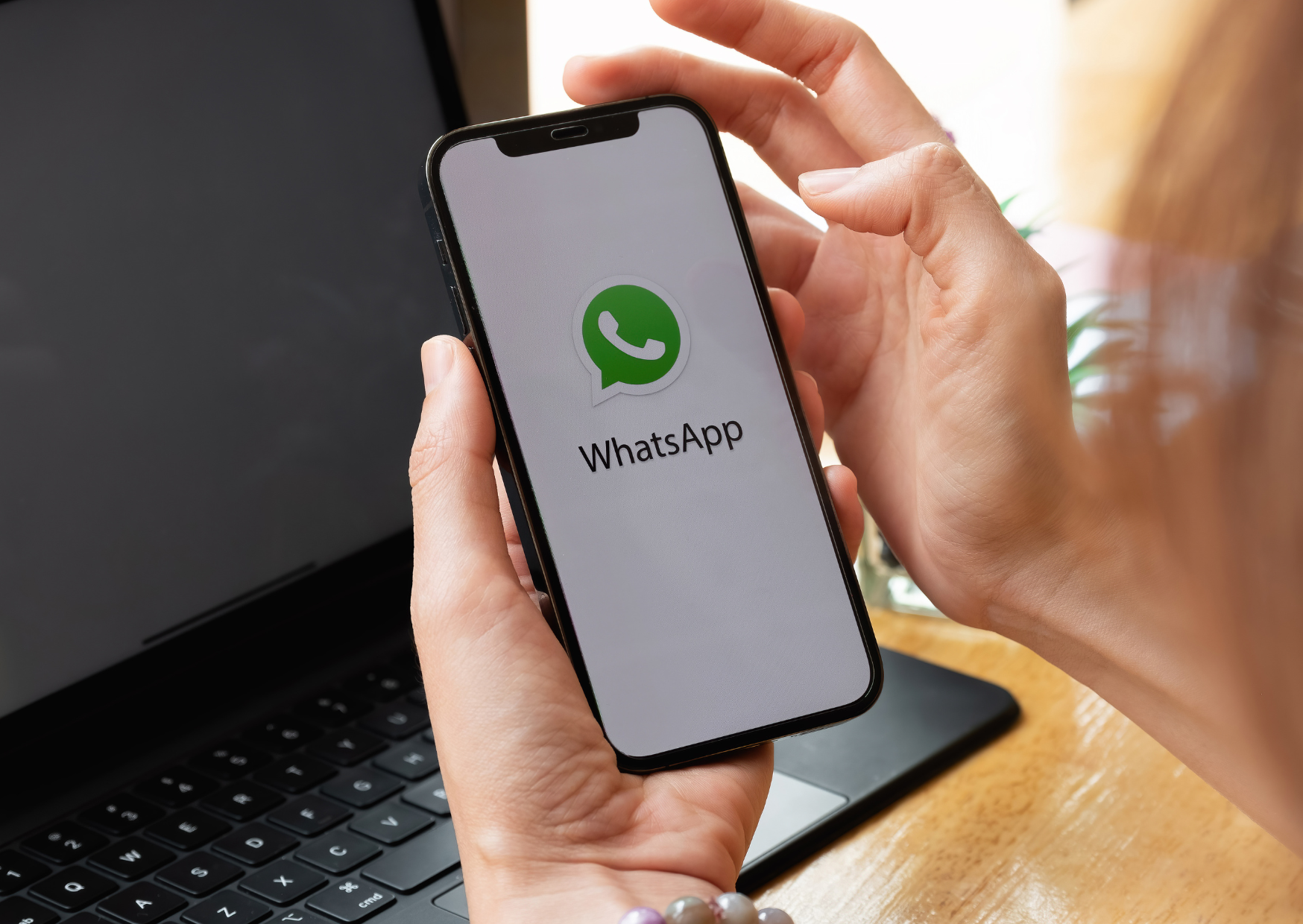
In much of Europe, dates don’t swap numbers for green/blue bubbles; they trade WhatsApp. It’s the default messenger from Lisbon to Berlin, used for everything from scheduling to sending location pins. You’ll see voice notes instead of calls, double-checkmarks confirming delivery, and group plans that spin up on the same thread weeks later. If you cling to SMS or iMessage, you’ll look oddly out of band. Say “Ping me on WhatsApp” and you’re speaking local. The dominance isn’t niche; WhatsApp leads in country after country across Europe in 2025 usage snapshots.
Quick adaptors: install WhatsApp, embrace voice notes, expect read receipts.
Greetings aren’t hugs—the cheek-kiss is real (but read the room)

Americans often go for a quick hug. In France, parts of Belgium, Italy, and Spain, first meetings may begin with la bise or a local cheek-kiss variant—light, brief, and oddly formal-friendly. Not every city or context does this on date one (many opt for a handshake at first), but the custom exists enough to surprise Americans who don’t expect face-to-face greetings. If he leans in and you’re unsure, mirror his cue; if you prefer space, a smiling “handshake first?” works fine. The key is recognizing that a soft cheek-kiss isn’t intimacy theater—it’s etiquette that can coexist with very polite distance.
On approach: follow his lead, offer a handshake if you want one, treat a cheek-kiss as etiquette, not a promise.
The money script flips—split checks, small tips, zero drama
Here’s the big jolt for many Americans: splitting the first bill is common, and the end-of-night tip is modest or skipped, because service is usually priced in. In Northern Europe and big university cities, “going Dutch” on a first date is widely normalized; in parts of Southern Europe, tradition may still favor the inviter paying, but younger daters split more often than many U.S. visitors expect. Either way, the tip rarely climbs to American levels; rounding up or leaving a few euros is considered generous. If you’re reading “he split, so he’s not interested,” you’re imposing a U.S. frame on a European rulebook.
At the table: don’t equate splitting with disinterest, expect small tips or rounding, assume service is included unless told otherwise.
Punctuality is a love language—until it isn’t

“Right on time” can mean different things across a few hundred miles. In Germany, Switzerland, and much of Austria, punctuality equals respect; arriving five minutes late without warning reads careless. In Madrid or Naples, social life is more elastic; five to ten minutes’ drift is often absorbed with a smile. The shock comes from mixing these norms: a German date who arrives exactly at 20:00 isn’t cold—he’s polite; a Spanish date who texts “coming in 10” may not be flaky—he’s within custom. Calibrate city by city, not “Europe vs. U.S.”
Time cues: Germany = on the dot, Mediterranean = relaxed buffer, text if delayed anywhere.
Conversation is more direct—less small talk, more substance
Many Europeans—especially in German-speaking countries and the Netherlands—prefer direct, low-fluff conversation. That often means fewer ice-breaker pleasantries and more clear opinions on books, travel, politics, or work. Americans sometimes misread this as brusque; locals hear it as honesty and efficiency. Silence isn’t failure, either; comfortable pauses are normal. If he says, “I don’t think that restaurant is good—let’s try the wine bar next door,” he isn’t being abrasive; he’s solving. You can be warm and straightforward at once—Europeans do it nightly.
Talk tools: say what you mean, don’t fear a pause, treat directness as care, not combat.
The first date is intentionally small—coffee, a walk, an aperitivo

A U.S. “proper dinner” can feel high-stakes to a European who sees the first date as a light test of chemistry. In many cities, the standard is a café meet, a park walk, or one drink—with the option to extend if it’s flowing. That’s not stingy; it’s smart. Short formats protect everyone’s time, reduce pressure, and make a graceful exit normal. If you expect the big-ticket meal and lingering three courses, you may feel under-courted; locals see short and simple as an adult move. The shared understanding: keep it light, see if there’s spark, build from there.
Think format: coffee/walk wins, one drink is enough, extension is the compliment.
PDA isn’t a scandal—within limits

In many European capitals, hand-holding and a brief kiss in public won’t raise eyebrows. You’ll see couples at café terraces leaning close or strolling arm-in-arm, especially in Southern Europe. That doesn’t mean anything goes: context matters; families’ plazas and metro cars call for moderation. A first-date good-night kiss on the street is typically fine; full-blown make-outs where people are eating with kids at 7:30? Less so. If your American brain reads a casual kiss as “too fast,” note that light PDA is more normalized; the meaning is in the consistency that follows, not the single gesture.
Public sense: light affection is routine, context sets the line, consistency beats theatrics.
“Are we exclusive?” shows up later—and with less paperwork
Labels don’t sprint on date one. Across much of Europe, it’s common to let the relationship breathe for a few weeks before any talk of exclusivity. You’ll see steadier cadence—regular texts, weekly plans, meeting friends—before anyone names it. The surprise for Americans who are used to fast DTR (“define the relationship”) chats is that Europeans often treat exclusivity as something you do before you say. That doesn’t mean ambiguity forever; it means behavior leads, label follows. If you need clarity sooner, ask plainly—direct is not rude here.
Pace check: actions first, label second, ask directly if you need clarity.
Safety and courtesy are baked in—public venues, clear “no,” walk-home offers
The “where” and “how” follow shared European scripts. First meets are typically in public, well-lit places; routes home are discussed without drama; and a firm “no” to drinks, dessert, or another bar is accepted without negotiating. The walk-home offer is common, but not compulsory; so is the post-date “text me when you’re in”. If you’re not into that level of care, a simple “I’m hopping a cab—thanks, have a good night” ends the thread. Respect lands in small guardrails more than grand gestures.
Courtesy cues: public first meets, clear “no” is final, “home safe?” texts are normal.
Money again, briefly—why splitting doesn’t mean stingy (and tipping less isn’t cold)
It’s worth repeating because it causes the most friction. In countries with service-inclusive pricing, a 20% U.S. tip reads odd, and a partner who splits the bill reads modern, not miserly. In Northern Europe, splitting aligns with gender-egalitarian norms; in the Mediterranean, the inviter may still insist on paying, but it’s increasingly okay to offer to split without signaling disinterest. If you want to treat, say it openly and without subtext—directness solves what American hinting complicates.
Money mindset: service is priced in, splitting is standard, clarity beats hints.
How to read the night without misreading the man
Translate behavior, don’t project it. A 9:30 start isn’t indifference; it’s the local schedule. A WhatsApp voice note isn’t lazy; it’s the norm. A cheek-kiss hello isn’t fast; it’s polite. A split check isn’t a downgrade; it’s the culture. And direct feedback on where to go next isn’t bossy; it’s considered. If you want to set your own cadence, do it plainly: “I’m more comfortable meeting at eight,” “Let’s just grab one drink,” “I’d like to split this,” “Handshake first for me.” In Europe, honesty and calm are attractive.
Cheat sheet: assume culture, not attitude, state preferences kindly, let the city’s rhythm carry you.
Five quick shifts that make European first dates easy
Switch your logistics to WhatsApp—share location, confirm late-night timing, use voice notes when texting is clunky.
Plan light formats—coffee, a walk, or a single drink; extend only if it’s flowing.
Treat splitting and light tipping as the baseline; if you truly want to treat, say so directly.
Follow greeting cues—handshake or cheek-kiss—without over-interpreting them.
Match time culture—on the dot in Berlin; a breathable buffer in Barcelona; always text if delayed.
These small adjustments remove 90% of the friction American women report—and turn surprise into signal.
Bottom line—match the operating system, enjoy the date
European first dates look pared-down on the surface: later starts, smaller plans, quieter money moves. But the point is connection without theater. Once you swap U.S. decoding for European defaults—WhatsApp, tiepida-pace plans, direct talk, simple money etiquette—you’ll notice how relaxed the night feels. Shock turns into fluency, and fluency is attractive. Learn the rhythm, name what you want, and let a light plan bloom if the spark is real. The strongest signal in Europe isn’t who paid—it’s who wants to see you again next week.

About the Author: Ruben, co-founder of Gamintraveler.com since 2014, is a seasoned traveler from Spain who has explored over 100 countries since 2009. Known for his extensive travel adventures across South America, Europe, the US, Australia, New Zealand, Asia, and Africa, Ruben combines his passion for adventurous yet sustainable living with his love for cycling, highlighted by his remarkable 5-month bicycle journey from Spain to Norway. He currently resides in Spain, where he continues sharing his travel experiences with his partner, Rachel, and their son, Han.