
Walk into any Italian pharmacy and ask how hot your shower should be, and you’ll hear the same word over and over—tiepida. Lukewarm. Not icy, not scalding—comfortably warm, around body temperature. It sounds almost too simple, but the reason dermatologists in Italy (and far beyond) keep repeating it is straightforward skin physiology: hot water shreds your skin’s lipid barrier, spikes water loss, and sets you up for tightness, itch, and flare-ups. Lukewarm water keeps that barrier intact—clean without damage, day after day.
Want More Deep Dives into Everyday European Culture?
– Why Europeans Walk Everywhere (And Americans Should Too)
– How Europeans Actually Afford Living in Cities Without Six-Figure Salaries
– 9 ‘Luxury’ Items in America That Europeans Consider Basic Necessities
The Italian sweet spot—what “tiepida” really means
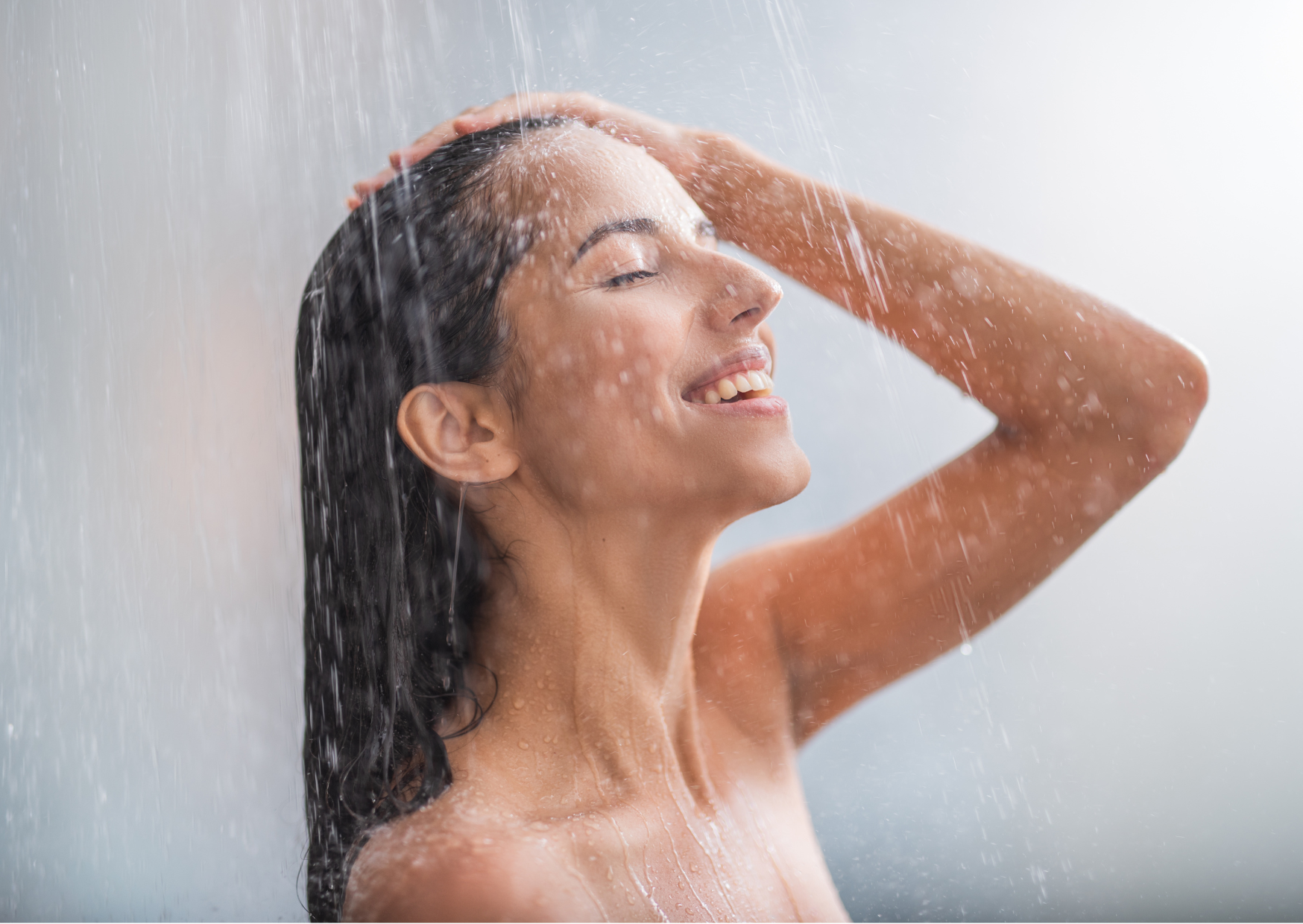
Ask Italian dermatologists to put a number on “tiepida,” and you’ll hear ranges that cluster near body temperature. A common practical cue is ~37 °C—the temperature of healthy skin—because it cleans without stripping. Several Italian clinical voices also allow a gentle band on either side: about 35–37 °C most days, with some recommending cooler 27–30 °C showers in high-heat summers when you’re already vasodilated and oily. The point isn’t to hit a lab value; it’s to live between “tepid” and “warm,” never “hot.”
What makes the habit work is that Italians also keep it short. You’ll see guidance across Europe that a daily shower held to 5–10 minutes at lukewarm is the sweet spot for cleansing and barrier preservation. That is the entire idea: lukewarm water, short duration, no scalding steam.
Anchor it this way: ~35–37 °C most days, short showers, and—when heat and humidity soar—cooler “tiepida” if it still feels comfortable.
Why temperature matters—your barrier isn’t a brick wall; it’s living oil and water
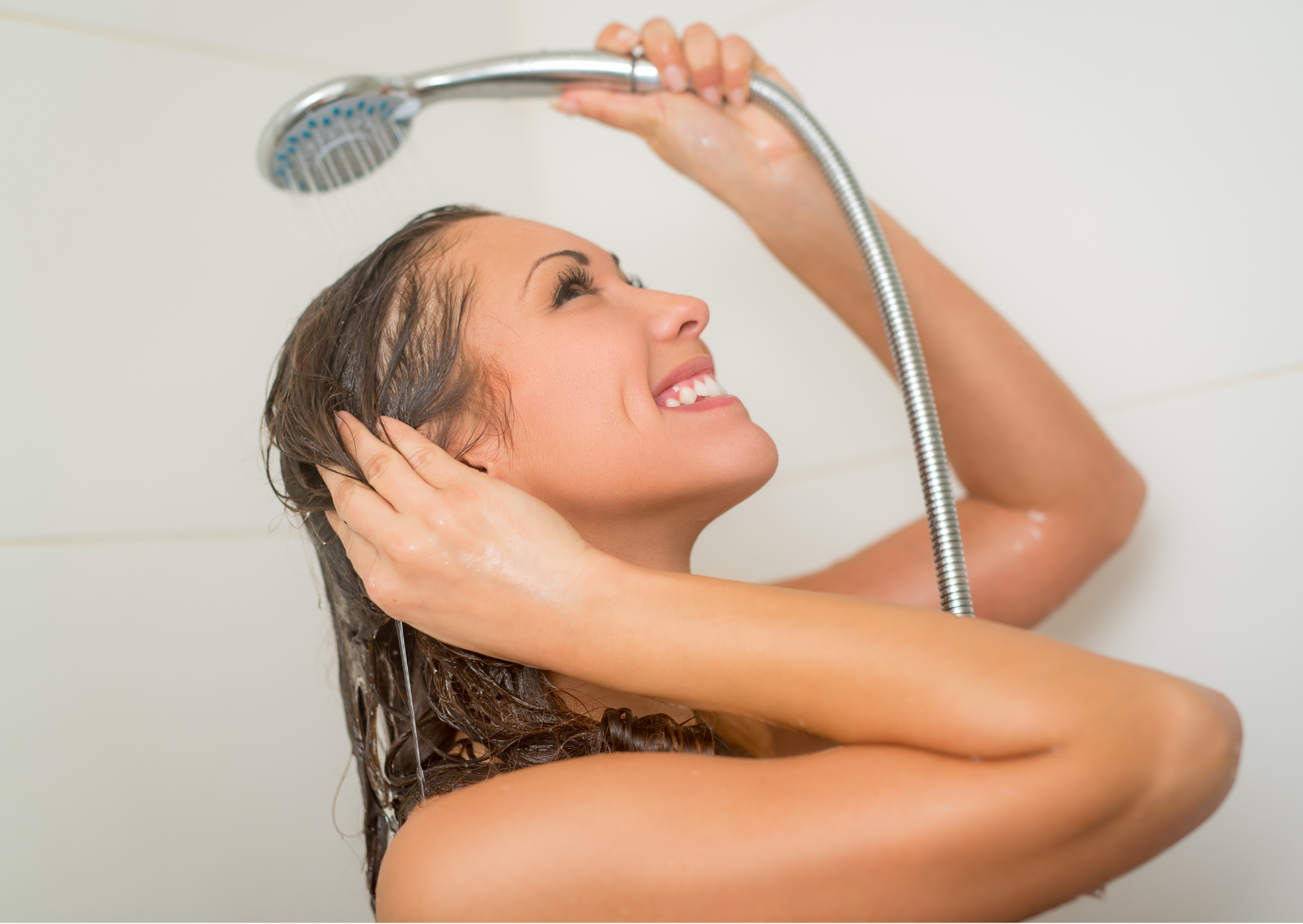
Your skin’s outer layer (the stratum corneum) is a tiled floor of cells “grouted” with lipids. Those lipids are the seal that keeps water in and irritants out. Hot water dissolves and disperses those lipids, leading to higher transepidermal water loss (TEWL) and post-shower redness. Controlled studies show that exposure to hot temperatures measurably increases TEWL and erythema, a proxy for barrier damage and inflammation; cool or lukewarm exposure does not produce the same harm.
That’s why “nice and hot” feels great in the moment and rotten 20 minutes later: the barrier is compromised, nerves are more reactive, and you’re scratching. The fix is plain: lower the temperature, lower the time, and you keep the lipid mortar where it belongs.
Memorize three cues: lipid barrier, TEWL, erythema—each gets worse as the water gets hotter and the shower gets longer.
Hot showers: why they backfire—even if you “moisturize later”
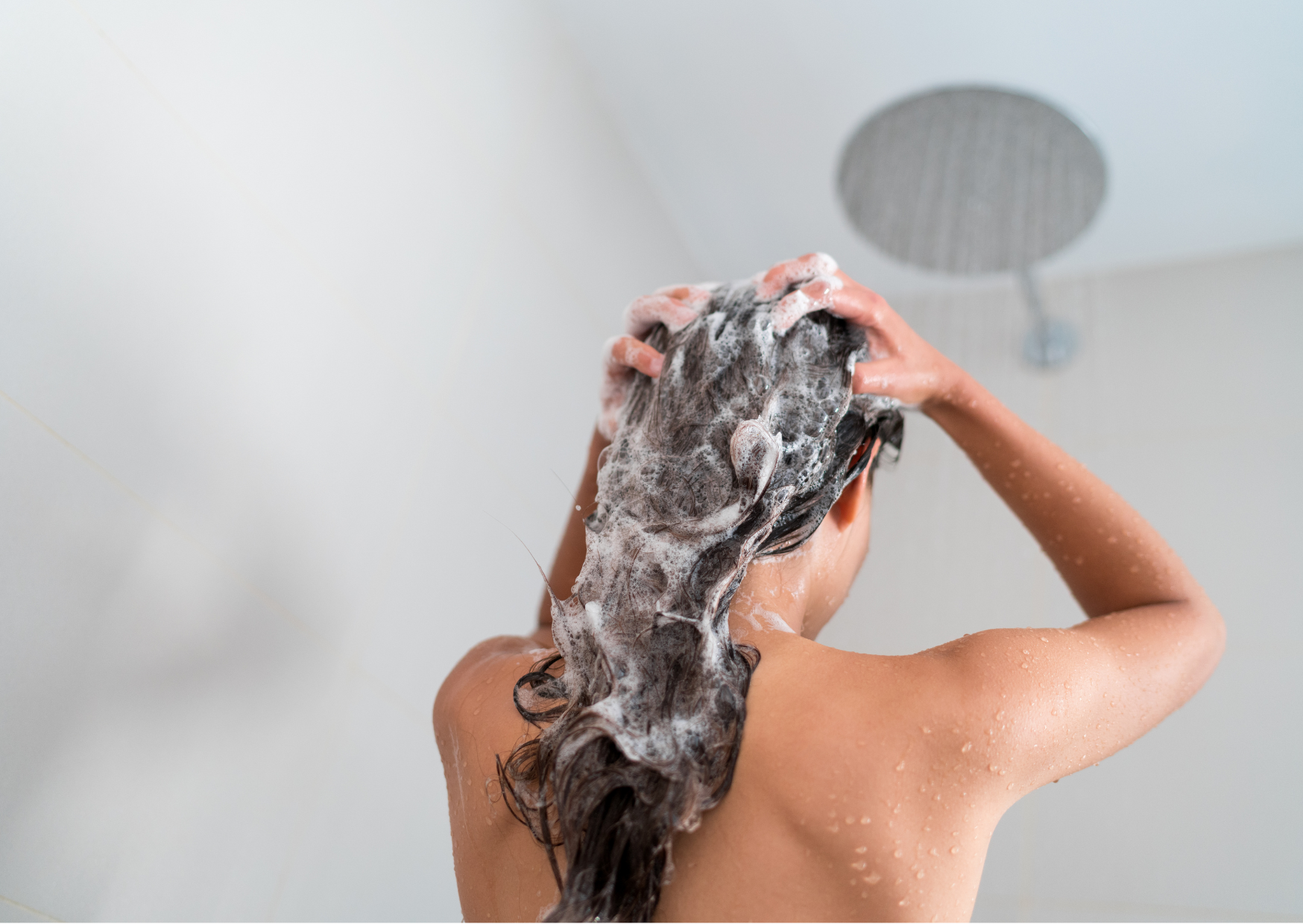
Dermatology guidance has been consistent for years: lukewarm bathing and short duration preserve barrier function, reduce itch, and lower flare frequency in sensitive skin (eczema/atopic dermatitis) and dry, reactive skin. Hot showers do the opposite: they strip sebum, raise TEWL, and trigger itch–scratch cycles that keep skin inflamed. Clinical recommendations—on both sides of the Atlantic—land on the same habit: lukewarm water, 5–10 minutes, and emollient within three minutes while the skin is still damp.
If you love heat, there’s still a way to enjoy it without wrecking your barrier. Keep “indulgent” hot showers occasional, brief, and follow with a thick emollient immediately. But for everyday skin health, the Italian tiepida routine wins: comfortably warm, never scalding, always short.
Lock these in: lukewarm, 5–10 minutes, moisturize on damp skin.
“What about cold showers?”—use them for alertness, not as a cleanser
Cold water has its fans, and it can feel bracing—but it’s not a magic barrier fix on its own. Very cold water doesn’t clean as effectively, and if you’re prone to redness or rosacea-type flushing, abrupt cold–hot swings can aggravate reactivity later. The evidence line is clearer on the harms of hot than on the benefits of cold; in barrier studies, hot exposure reliably increases TEWL and redness, while cold tends to be neutral-to-mildly helpful primarily by not causing heat damage.
If you enjoy a cool finish, go for it—comfort matters for adherence, and adherence is what preserves skin long-term. Just keep the core of your routine lukewarm and short, then add a brief cool rinse if it helps you feel great.
Keep the goal clear: comfort, consistency, clean skin—in that order.
The Italian routine in practice—simple habits that stack
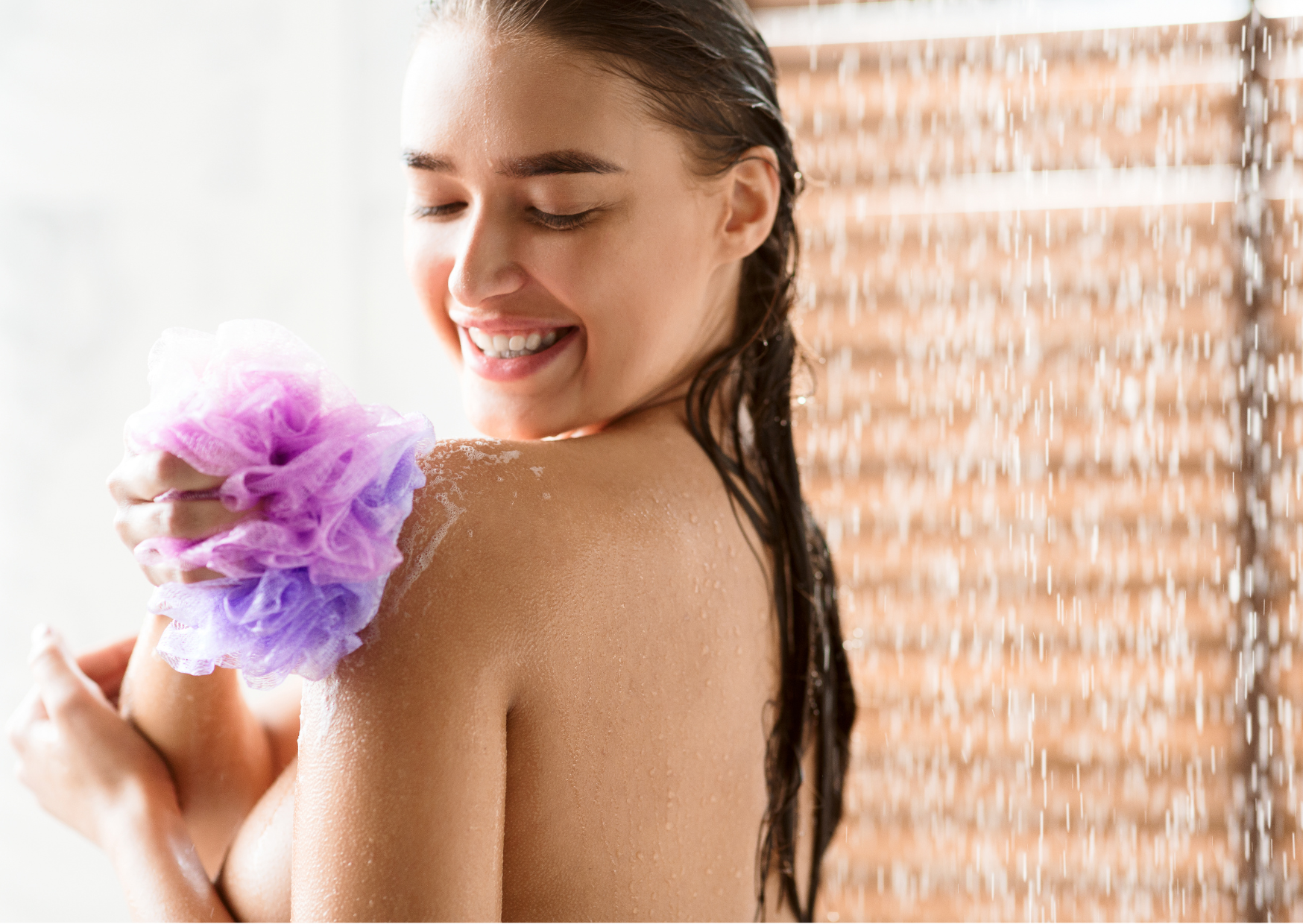
Italian dermatology messaging couples tiepida with two everyday behaviors: gentle cleansing and immediate emollient. After the shower, the standard advice is to pat dry (not rub) and apply an emollient while skin is slightly damp; this traps water in the stratum corneum and calms nerves that would otherwise itch. You’ll even see Italian clinical blogs specify application technique—spread, don’t scrub; follow hair growth to minimize irritation.
There’s also a seasonal tilt. In Italian winters, clinicians will warn that cold, polluted air plus hot indoor heating can worsen barrier loss—so they push shorter, lukewarm showers and richer emollients. In heat waves, advice often shifts to cooler “tiepida” and fragrance-free cleansers. The throughline is constant: temperature moderation, time moderation, emollient discipline.
Translate to your bathroom: gentle cleanser, towel pat-dry, emollient immediately—every time.
Your skin-safe shower—build it once, keep it forever
You don’t need a thermometer stuck in your mixer, but it helps to give yourself one or two fixed rules you can honor even when you’re tired. First, set your mixer where water feels warm but not hot—roughly 35–37 °C. You’ll know you’re in the right zone if the stream doesn’t redden your skin and doesn’t fog the room in seconds. Second, set a 5–10-minute cap—use a single playlist track or a small hourglass to keep yourself honest. Third, moisturize while damp, ideally within three minutes of stepping out; your product will trap what the shower put in.
If you live in a place where summers are sweltering, take the Italian cue and cool the dial to 27–30 °C—still comfortable, still cleansing, less stripping when you’re already heat-stressed. In winter, keep tiepida but trade up to a richer cream to offset indoor dryness.
Three non-negotiables: ~35–37 °C baseline, 5–10 minutes, moisturize fast.
Special cases—eczema, kids, and sensitive or aging skin
For eczema/atopic dermatitis, there’s wide agreement: daily short showers or baths in lukewarm water calm itch and improve barrier repair, especially when you apply emollient immediately after. “Warm, not hot” is the consistent line, and the soak-and-smear technique (short soak, then medicine or moisturizer on damp skin) is evidence-supported. For children, most European and UK guidance emphasizes lukewarm and brief; several sources point toward ~37 °C for infant bathing comfort and barrier safety.
For aging skin, the logic intensifies. With fewer and thinner lipids in the outer layer, hot water does more damage, faster. Keep to tiepida, shorten the routine, and lean hard on fragrance-free emollients. And for any sensitive-skin condition—rosacea, psoriasis, xerosis—the same three moves apply: lukewarm, short, moisturize.
Remember for vulnerable skin: lukewarm, brief, emollient while damp—every single time.
Engineering reality—tank temperature isn’t shower temperature
A quick plumbing note prevents two bad outcomes. In many European homes, water heaters are set high (often 55–60 °C) for Legionella control—that’s about storage safety, not skin temperature. Your shower valve mixes that hot water with cold to deliver a comfortable stream; your job is to dial it down at the tap. Separately, anti-scald mixing valves are worth checking: they can cap outlet temperature and prevent accidental blasts of heat. (A safety cap is not a skincare plan, but it’s a smart baseline.) The skin rules don’t change: whatever the heater stores, your shower should feel lukewarm.
Keep the distinction clear: hot tank for safety, lukewarm shower for skin, mixing valve set correctly.
Signs your shower is too hot—or too long—everyday tells you can trust
You don’t need instruments; your skin talks. If your face or body is flushed for more than a few minutes, if the skin feels tight or “squeaky”, or if you get post-shower itch, the routine is too aggressive. Dermatology checklists call those classic signs of lipid loss and increased TEWL—and the fix is immediate: lower the temperature, cut the time, switch to a fragrance-free cleanser, and moisturize while damp. If you’re using very hot showers to relieve muscle tension, try contrast: a brief warm start to relax, then tiepida for cleansing, cream on damp skin, and warm layers afterward.
Micro-diagnostics: lingering redness, tightness, itch = cool it, shorten it, moisturize faster.
The “Italian” upgrade for any bathroom—small choices, big skin wins
What Italians label tiepida is really a discipline of moderation that stacks benefits: you cleanse well, you preserve lipids, and you stop the itch before it starts. It costs nothing, saves time, and gives every product you own a better chance to work—because a calmer barrier absorbs and tolerates formulas far better than a heat-inflamed one. In a week, you’ll notice less tightness; in a month, fewer “mystery” flares; in a season, a quieter, more resilient baseline.
Your three takeaways: set your mixer to “tiepida,” keep it to 5–10 minutes, moisturize on damp skin—day in, day out.
Make the switch once—your skin will tell you it was right
There’s no mystique here—just temperature, time, and timing of moisture. Italians call it tiepida; dermatologists call it lukewarm; your skin will call it relief. Keep your shower around body temperature, keep it brief, and seal the water in before it evaporates. That one change keeps the lipid mortar intact, tames TEWL, and makes everything that touches your skin—cleansers, serums, sunscreen—work better with less irritation. It’s the most boring upgrade you’ll ever make—and one of the most powerful.
Set it once; feel it daily: lukewarm, short, moisturize fast.

About the Author: Ruben, co-founder of Gamintraveler.com since 2014, is a seasoned traveler from Spain who has explored over 100 countries since 2009. Known for his extensive travel adventures across South America, Europe, the US, Australia, New Zealand, Asia, and Africa, Ruben combines his passion for adventurous yet sustainable living with his love for cycling, highlighted by his remarkable 5-month bicycle journey from Spain to Norway. He currently resides in Spain, where he continues sharing his travel experiences with his partner, Rachel, and their son, Han.