
And what it reveals about ritual, self-control, and the cultural line between indulgence and identity
If you walk into a French bistro at noon on a weekday and order the fixed-price lunch menu, you’ll likely be asked: “Vin ou eau?”
Wine or water?
Not “Would you like a glass of wine?”
Not “Would you like to see the wine list?”
Just — which one?
In France, having a glass of wine with lunch is completely normal. A glass with dinner? Expected. An aperitif before a meal? Common. A digestif afterward? Offered without irony.
This ritual happens in the presence of children, in workplaces, and in family homes. It’s done quietly, respectfully, and often without conversation.
But to many Americans — especially those raised with a health-conscious, recovery-aware, or puritanical view of alcohol — the French approach looks alarming. They ask, “How can you drink that often and not call it a problem?”
The answer lies not in how much the French drink, but how they think about drinking.
Here’s the alcohol rule French people follow that Americans often misinterpret as dangerous — and why, in France, it’s a mark of maturity, not dysfunction.
Want More Deep Dives into Everyday European Culture?
– Why Europeans Walk Everywhere (And Americans Should Too)
– How Europeans Actually Afford Living in Cities Without Six-Figure Salaries
– 9 ‘Luxury’ Items in America That Europeans Consider Basic Necessities
1. Drinking Is Embedded in Meals — Not in Emotion
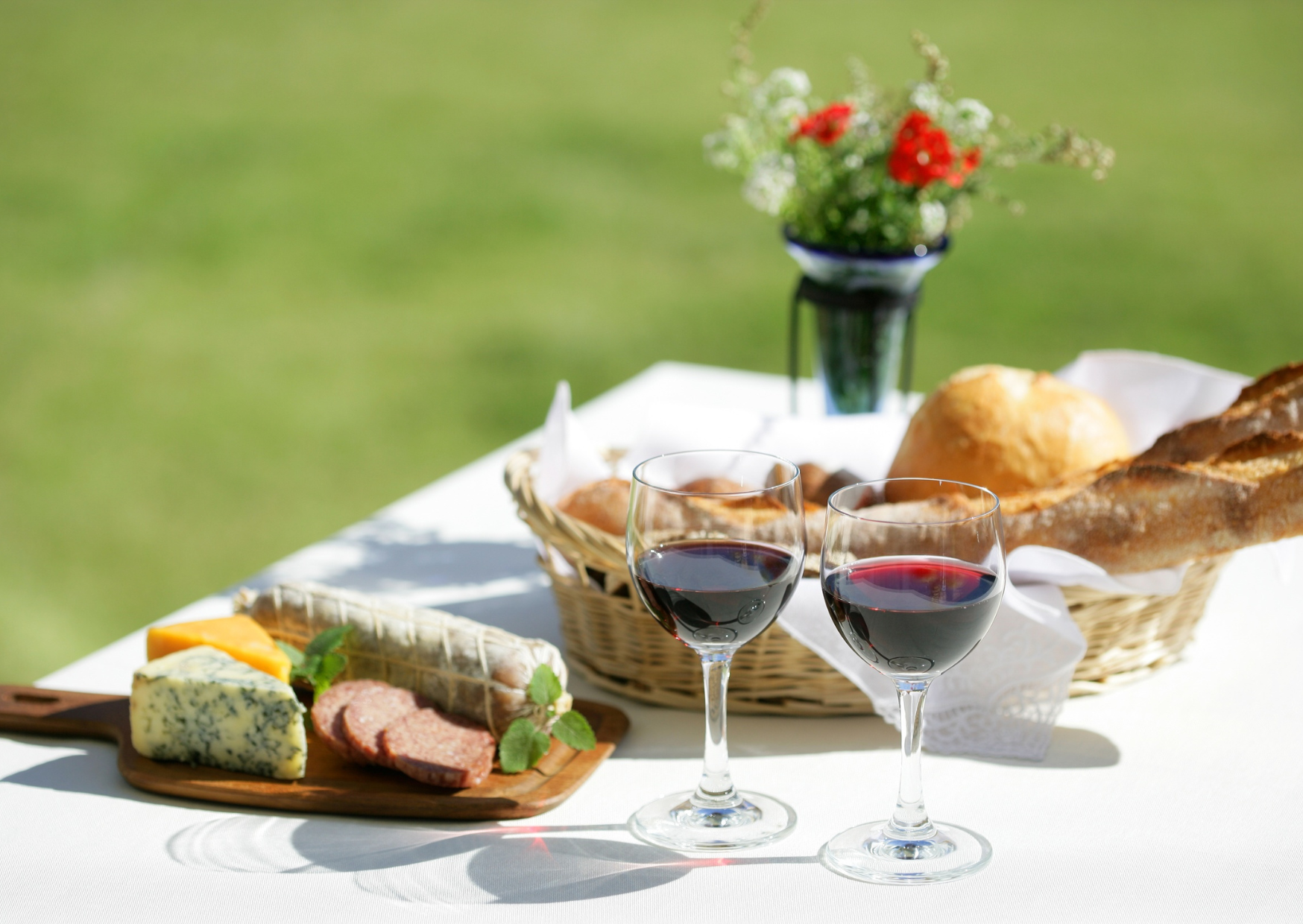
In the U.S., drinking often comes with a mood. You drink to celebrate. You drink to relax. You drink to escape.
In France, you drink because you’re eating.
Wine isn’t an add-on. It’s part of the meal — just like bread, cheese, or mustard.
There’s no emotional spike. No shift in tone. A glass of rosé appears next to your salad like it’s part of the plate. Because it is.
Drinking this way doesn’t feel indulgent. It feels structural.
2. One Glass Means One Glass — Not a Slippery Slope
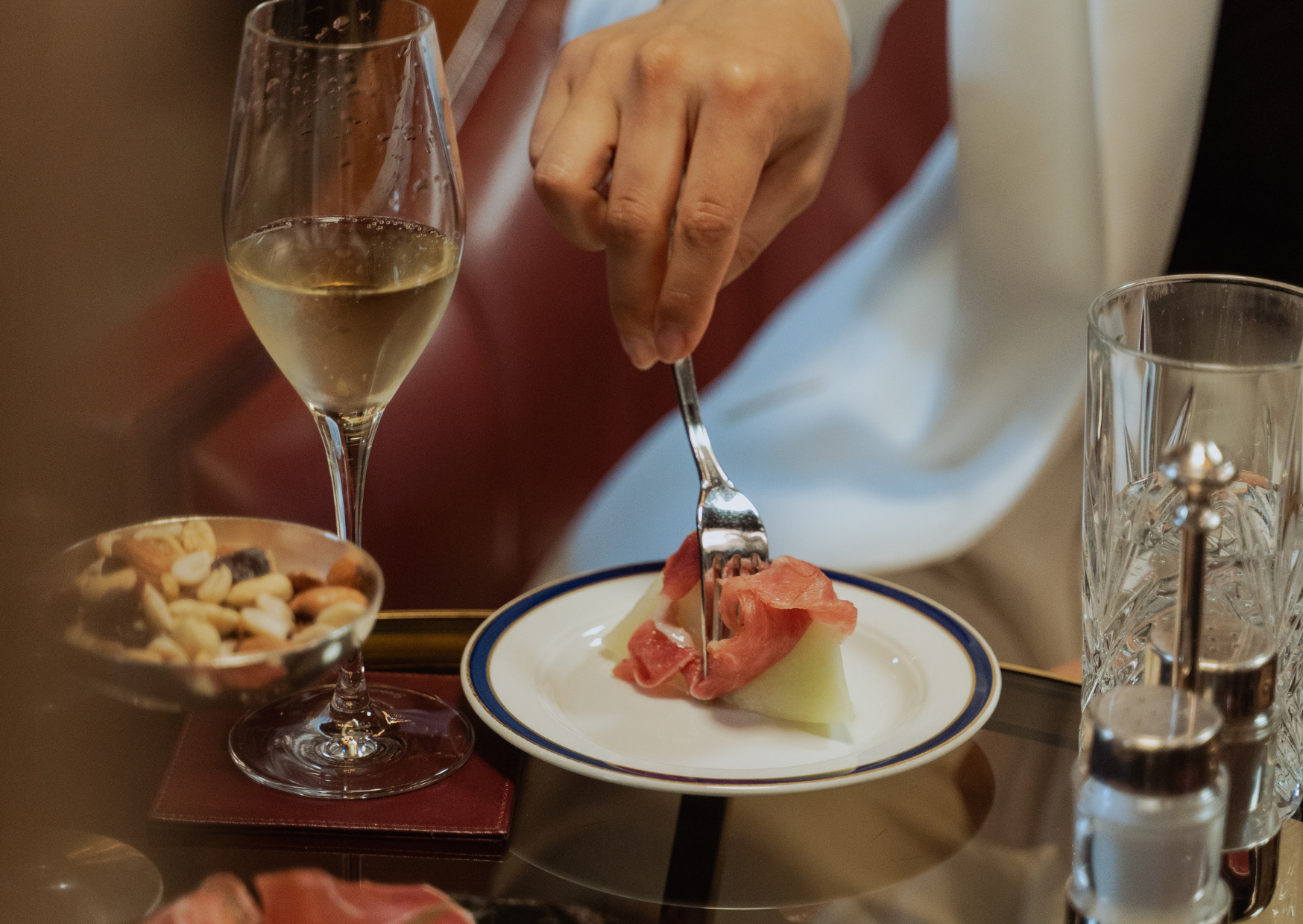
In American culture, drinking is often all or nothing. Either you abstain, or you open a bottle and finish it. Having just one glass, on a Tuesday, at lunch, feels suspect — like starting something you can’t finish.
In France, one glass really is one glass.
It’s sipped slowly. Sometimes it’s not even finished. It might sit half-full until the plate is cleared. There’s no pressure to “catch up,” no assumption of escalation.
This restraint isn’t about self-denial. It’s about habit, timing, and nonchalant control.
3. Daytime Drinking Is Normal — And Not a Red Flag
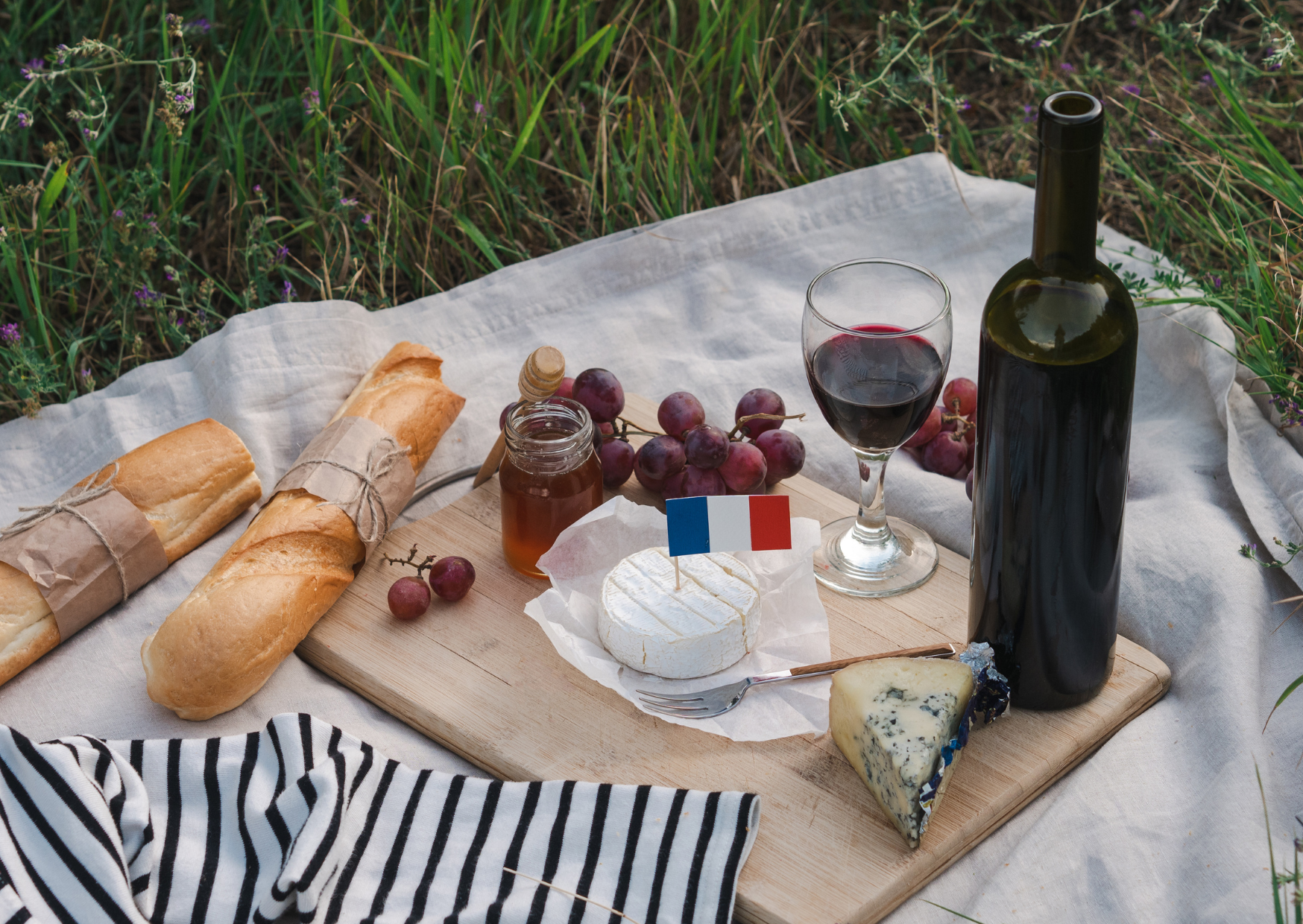
In the U.S., drinking before 5 p.m. is often coded as a sign of stress, addiction, or lack of self-discipline.
In France, wine at lunch is standard, especially in smaller towns, older generations, or social meals. A glass of white at 1:00 p.m. won’t raise eyebrows — even if you return to work after.
This isn’t about intoxication. It’s about taste and pacing. The French don’t drink to feel it. They drink to enhance the meal.
To an American boss, a glass of wine at lunch may signal trouble. In France, it might mean you just enjoyed a better lunch than they did.
4. Alcohol Is for Adults — But Not Hidden from Children

In many American households, children are shielded from alcohol. They’re told it’s dangerous. Forbidden. Something to fear — or earn.
In France, children see alcohol every day. Not in secrecy, but in context. At lunch, their parents sip wine. At birthdays, champagne is served. They’re taught to respect it, not chase it.
Teens may be allowed a small taste at family meals. No one giggles. No one posts it. No one turns it into rebellion.
The result? Less binge drinking. Fewer secrets. More literacy.
5. Wine Is Food — Not Fuel
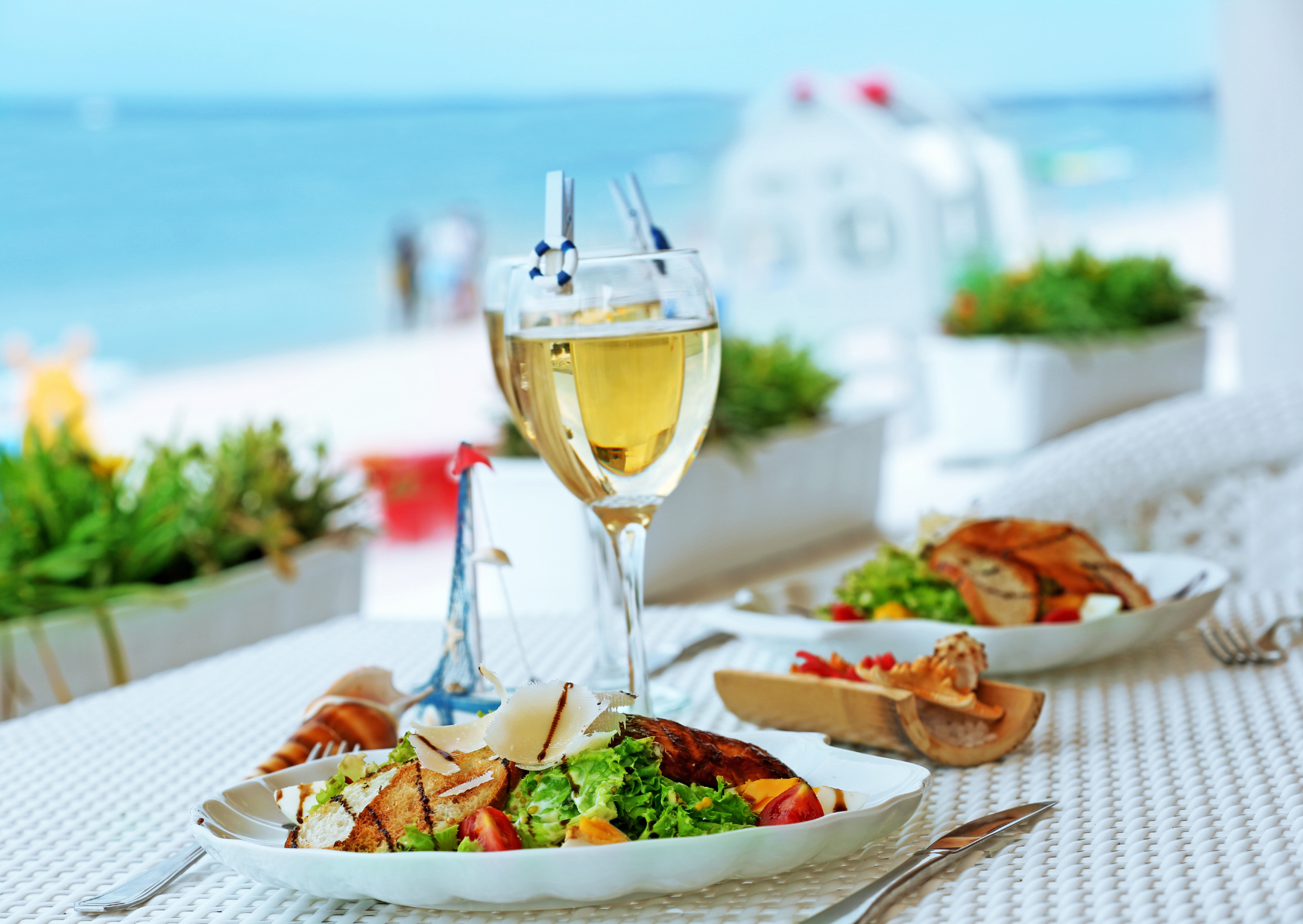
The American approach to alcohol often mirrors the approach to caffeine: a tool to produce an effect. You drink to get buzzed. Or numb. Or loose.
In France, wine is treated like food. It’s regional. Seasonal. Paired. Balanced.
You don’t chug it. You don’t mix it with soda. You don’t measure it in shots.
You enjoy it. You talk about it. You compare vintages. And then you move on with your day.
The relationship is based on ritual, not reaction.
6. You Don’t Need a Reason to Drink — But You Always Need a Context
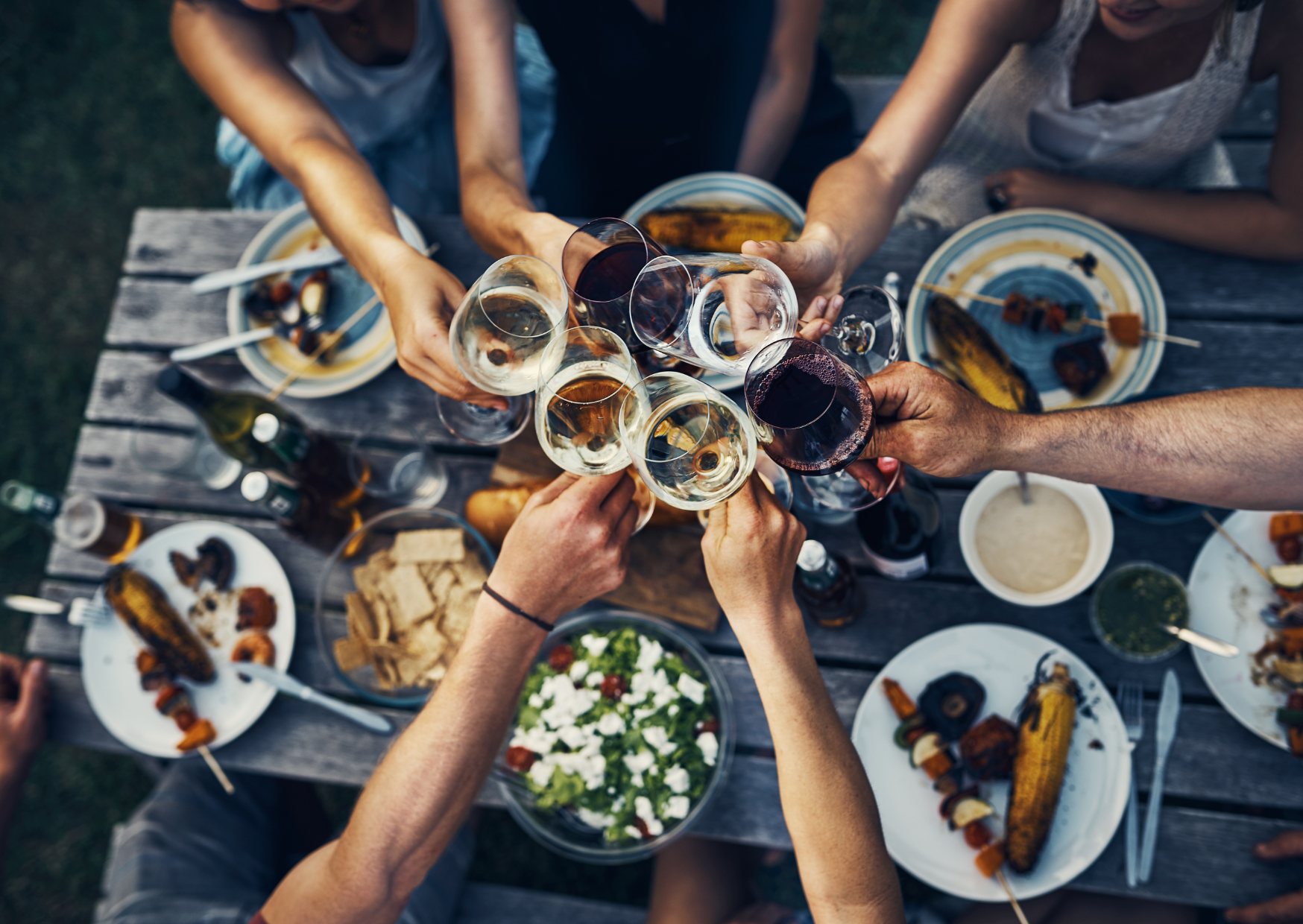
In the U.S., alcohol often demands justification: It’s happy hour. It’s Friday. It’s a wedding. You’re on vacation.
In France, you don’t need an occasion — but you do need a context.
Wine without food? Odd. Beer on the street? Rude. A cocktail at noon, alone? Suspicious.
But a glass of red with your cheese course on a Tuesday? That’s just life.
Drinking is not forbidden — but it’s socially shaped.
7. No One Measures Moderation by Abstinence
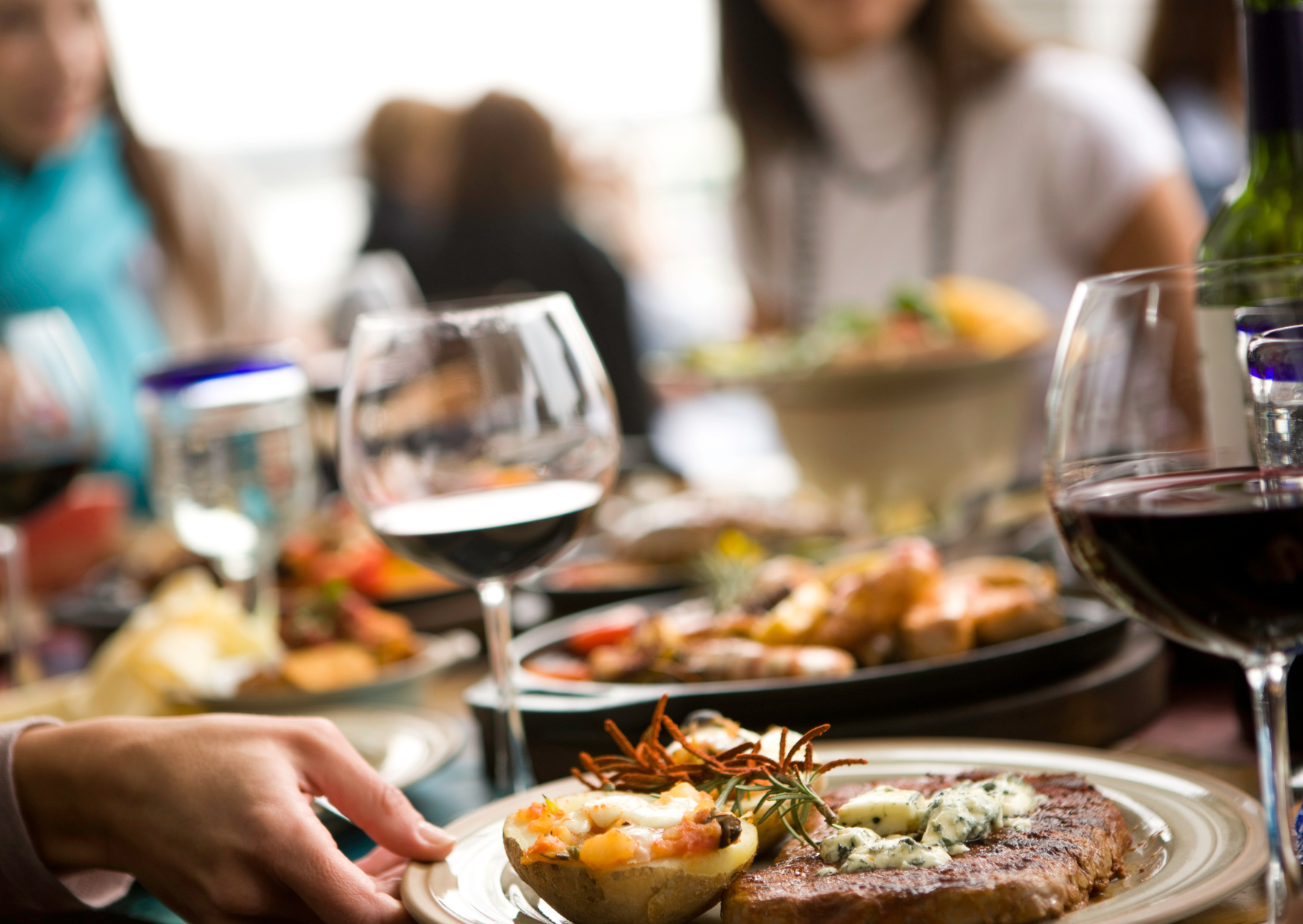
In American recovery culture, moderation often means quitting entirely. Saying no becomes a virtue. Avoiding alcohol is praised, regardless of reason.
In France, moderation looks like consistency without excess. A glass every day. Never five. A bottle opened, enjoyed, recorked.
You don’t prove responsibility by refusal. You show it through presence — drinking with attention, not avoidance.
To an American, daily drinking can look like dependency.
To a French person, it looks like adulthood.
8. Public Drinking Isn’t Hidden — But It’s Rarely Messy
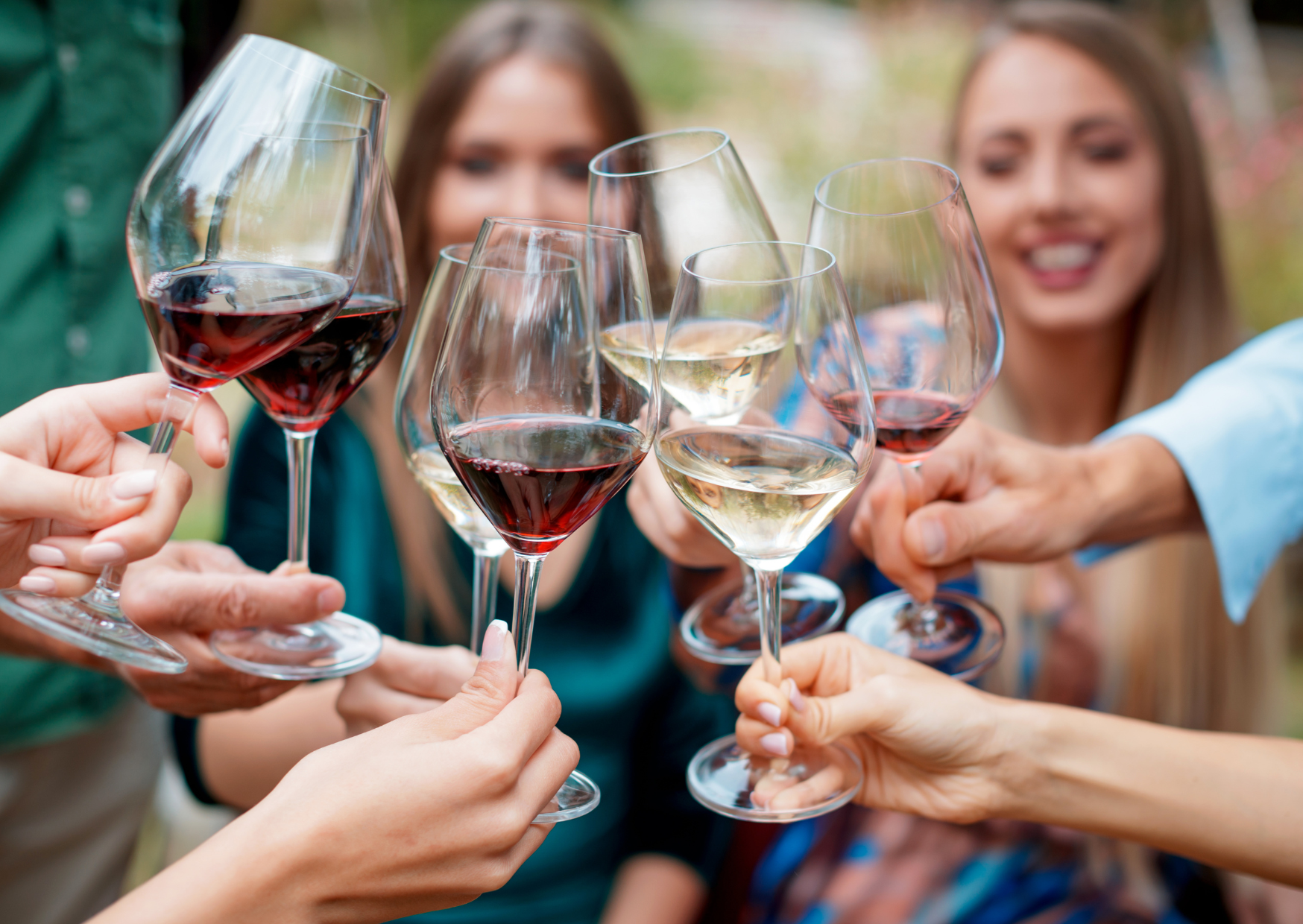
In American cities, public drinking is either illegal or associated with rowdy behavior. Think tailgates, bar crawls, spring break.
In France, you’ll see people sipping wine on café terraces, beer in parks, champagne on the steps of the Seine.
It’s not hidden. It’s not loud. It’s not a performance.
Public drinking exists — but it remains controlled, low-volume, and relational. Not something done to be noticed. Something done because it’s natural in the flow of social life.
9. Alcohol Isn’t a Personality — It’s a Detail
Perhaps the biggest difference is this: in American culture, alcohol is often an identity category. You’re a wine person. A beer guy. A “vodka aunt.” Or a sober warrior.
In France, drinking is just something you do — or don’t.
It doesn’t define you. You don’t build a persona around it. You don’t brand yourself by what you drink.
You just drink — with friends, with food, with restraint, and with respect for what it brings to the table, not what it promises to take away.
One Glass, Two Realities
To Americans, a glass of wine with lunch looks indulgent. Dangerous. Unprofessional.
To the French, it looks normal. Anchoring. Civilized.
To Americans, daily drinking is a warning sign.
To the French, it’s a sign of culture, maturity, and confidence in your own limits.
It’s not that the French don’t have alcohol problems — they do. But their everyday drinking habits are guided by context, rhythm, and respect, not moral panic or binge-and-purge cycles.
So the next time you see a French person ordering wine at 1:00 p.m. or sipping a small beer with their salad, don’t assume it’s the first step toward collapse.
Assume it’s part of a culture that knows what it’s doing — and isn’t trying to apologize for it.

About the Author: Ruben, co-founder of Gamintraveler.com since 2014, is a seasoned traveler from Spain who has explored over 100 countries since 2009. Known for his extensive travel adventures across South America, Europe, the US, Australia, New Zealand, Asia, and Africa, Ruben combines his passion for adventurous yet sustainable living with his love for cycling, highlighted by his remarkable 5-month bicycle journey from Spain to Norway. He currently resides in Spain, where he continues sharing his travel experiences with his partner, Rachel, and their son, Han.