
You don’t need a visa to pop into Schengen for 90 days, and ETIAS (the pre-travel authorization) still isn’t live until late 2026. But if you want to live in Europe—work remotely, retire, freelance, or build a business—you’ll need a national long-stay visa or residence route. Below are the nine programs Americans actually obtain in 2025, ranked by a simple, traveler-first score: lower real cost, faster approvals, and fewer trip-ending surprises.
Two quick calibrators before we start: government fees are the small number; the big number is the income or capital you must prove. “Risk” is the chance of refusal because requirements are vague or tightly enforced (subjective officer calls, shifting thresholds, local labor-market checks). “Speed” is typical, not a promise—consulates and prefectures vary.
Want More Deep Dives into Other Cultures?
– Why Europeans Walk Everywhere (And Americans Should Too)
– How Europeans Actually Afford Living in Cities Without Six-Figure Salaries
– 9 ‘Luxury’ Items in America That Europeans Consider Basic Necessities
1) Netherlands—DAFT (Dutch-American Friendship Treaty)

For Americans who want legal residence fast with low capital, DAFT is the king of 2025. You register a small Dutch business, park a €4,500 business deposit, and file with IND. No job offer, no points grid—just a modest entrepreneurial setup.
Cost reality. Low capital (€4,500 kept on account); application fees are a few hundred euros; health insurance once resident. You’ll also need a basic business structure and a Dutch account.
Speed reality. Weeks to a few months is common; many applicants receive a provisional sticker quickly and the decision within 4–8 weeks in straightforward cases.
Risk reality. Low if you follow the playbook: register, maintain the balance, file clean documents. No language test for the temporary permit; the first card is two years.
Verdict: Cheapest credible doorway into the EU for self-starters—low cash burn, practical timelines, predictable approvals.
2) France—VLS-TS “Visiteur” (Non-working Long Stay)
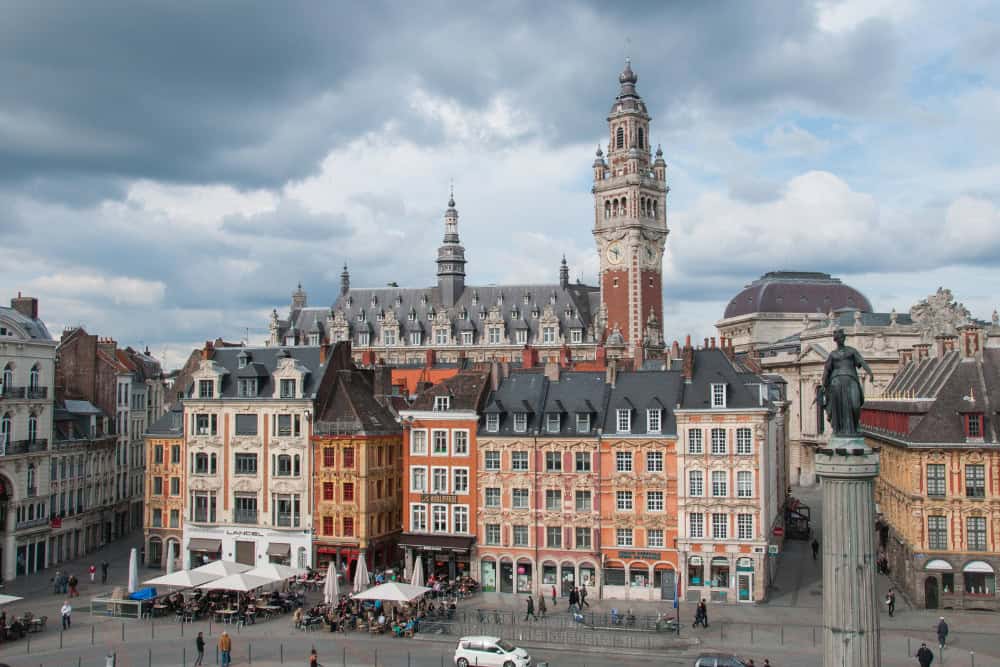
If you can support yourself without French employment, France’s visitor route is clear, linear, and flexible. Think retirees, sabbaticals, and remote income you’re not declaring as French-source.
Cost reality. Government fees are modest; the big hurdle is income at roughly the French minimum wage level (SMIC) per month—around the mid-€1,400s net in 2025 for a single applicant—proven by pensions, investment income, or savings. Housing and health coverage required.
Speed reality. Moderate—often 4–10 weeks from consular filing to visa, then in-France validation.
Risk reality. Low–moderate—prefectures vary, but the rule of thumb is clear: meet SMIC-level means, show a clean file.
Verdict: Europe’s simplest “don’t-work-here” residency—transparent means test, predictable paperwork, city living without a corporate tether.
3) Portugal—D7 (Passive-Income)
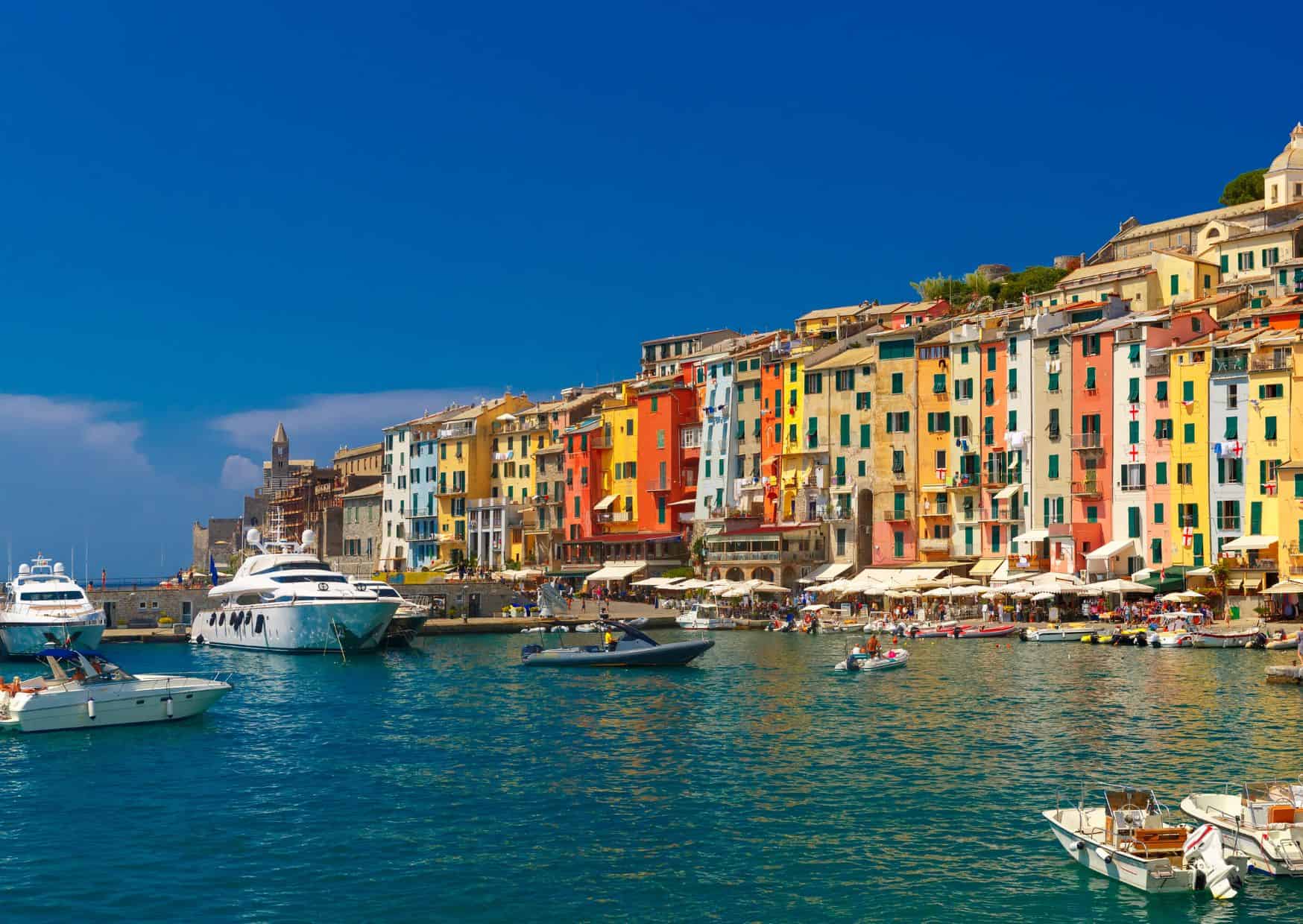
The D7 remains the retiree/financial-independence favorite. It’s revenue-agnostic—pensions, rentals, dividends—so long as the income is stable and meets the floor.
Cost reality. Government fees are modest; the threshold is typically at least the Portuguese minimum wage per month for the main applicant (about €870 in 2025), with increments for family members. You’ll also need accommodation, health insurance, and local tax setup.
Speed reality. Historically steady, though post-agency changes can add variability; 6–12 weeks to visa issuance is common when files are tight.
Risk reality. Moderate—files light on proof of regular passive income get bounced; show six months of statements if you can.
Verdict: Still a value route to EU residency—low income floor, family-friendly, and a clear renewal path.
4) Spain—Digital Nomad Visa (Trabajo a Distancia)

Spain’s remote-work path hit its stride in 2024 and got crystal-clear numbers for 2025: the main applicant must earn 200% of the Spanish minimum wage, pegged this year at €1,184—so €2,368/month—with add-ons for family. Employees or self-employed with foreign clients qualify.
Cost reality. Consular fees plus translations; the real cost is meeting the income floor and securing compliant private health insurance.
Speed reality. Moderate—Madrid-area posts often move briskly; one to three months is common when documents are clean.
Risk reality. Moderate—officers scrutinize client/company location (must be outside Spain) and work history.
Verdict: A workable, numbers-driven path to Spain—clear income math, big city access, and family add-ons that make sense.
5) Portugal—D8 (Digital Nomad / Remote Work)
Portugal’s D8 is the four-times-minimum-wage route. In 2025 that’s €3,480/month (the published figure varies by source as the minimum wage updates; the rule is 4× MW). It’s stricter than Spain on income but generous once you’re in.
Cost reality. Higher income floor, similar paperwork to D7, plus employment/contract proof that work is location-independent.
Speed reality. Moderate—often 4–10 weeks if you book the right VFS slot and bring airtight documentation.
Risk reality. Moderate—income and real remote capacity must be obvious; bring contracts, payslips, and tax transcripts.
Verdict: Pricier to qualify than Spain, but excellent for people who want Portugal first, office nowhere.
6) Germany—Freiberufler (Freelance) Residence

Germany’s freelancer permit is the opposite of a template: it’s powerful once granted, but local, paper-heavy, and case-officer-driven. Designers, developers, writers, photographers, consultants—this is your lane if you’ll serve German clients.
Cost reality. Fees are mild; the true bar is proving enough income to cover rent + statutory/approved health insurance + a living margin (Berlin guidance: rent + insurance + ~€563/month). Letters of intent from German clients help.
Speed reality. Variable—anywhere from a few weeks to a few months, longer in big cities. Local appointments drive the timeline.
Risk reality. Moderate–high—it’s subjective: local economic interest, your portfolio, and insurance acceptance all matter.
Verdict: High-upside permit for true freelancers ready to work with German clients—but accept paperwork and patience as part of the deal.
7) Greece—Digital Nomad Visa

Greece set a hard income line in law: €3,500/month net for a single applicant (+20% spouse, +15% per child). For remote employees and founders with foreign clients, it’s one of Europe’s more black-and-white programs.
Cost reality. Government fee is small; the real cost is income threshold and private insurance.
Speed reality. Often quick—weeks to a couple months—especially when you apply with complete contracts and bank statements.
Risk reality. Moderate—officers focus on after-tax income meeting the line, not just gross.
Verdict: A clear numeric gate and pleasant renewals if you hold the income—great if the Aegean is calling and your paycheck is robust.
8) Croatia—Digital Nomad Residence
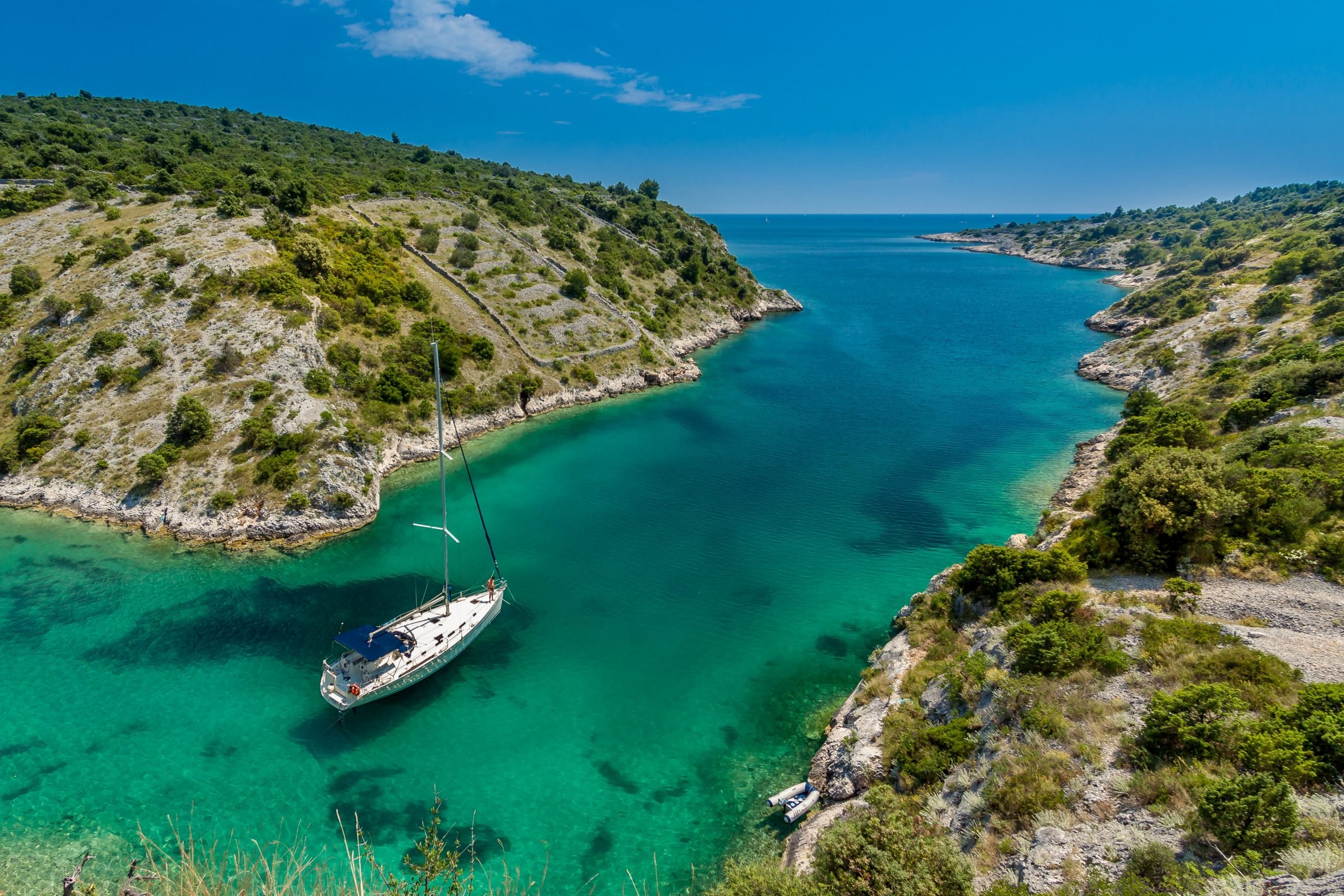
Croatia isn’t Schengen-free anymore—it joined in 2023—so its nomad permit has matured. The monthly means now sit at roughly €3,295 (or comparable annual savings if you pre-prove funds).
Cost reality. Mild fees, proof of income or lump-sum savings, and health insurance.
Speed reality. Moderate—officially 3–4 weeks, but 3–4 months happens when local offices are slammed; plan buffer.
Risk reality. Moderate—documents must match foreign-employer/foreign-client rules; no local work.
Verdict: A solid Adriatic base with a straightforward rulebook—pay the income toll, enjoy the coast.
9) Italy—Two Paths: Digital Nomad or Elective Residency

Italy offers two popular American routes with very different profiles.
Italy Digital Nomad Visa. For high-skilled remote professionals, the income floor sits around €28,000/year in 2025. It’s work-authorized—great if you’ll keep U.S. clients and want a legal base in Italy. Taxes apply once resident.
Italy Elective Residency (ERV). For retirees and FI folks, ERV demands substantial passive income—around €32,000/year for a single applicant—and absolutely no work in Italy. Consulates are known for strict, subjective reviews.
Cost reality. Fees aren’t huge; the real cost is income level, private insurance, and—often—professional help for file prep.
Speed reality. Variable—some posts issue within 6–10 weeks, others drag.
Risk reality. Moderate for DNV (prove skill + income); higher for ERV (subjective means, no work allowed).
Verdict: Beautiful endgame if your numbers fit—DNV for active earners, ERV for pure passive income and patience.
How we ranked them (so you can re-rank for your life)
We scored each route on three dials and sorted by the best composite for a typical American applicant:
- Cost—we down-weighted government fees and up-weighted income floors / capital locks and the likelihood of hiring lawyers.
- Speed—we used typical 2025 timelines from official bodies and operator guidance; if a route reliably finishes within 1–3 months, it beats a 3–6 month grind.
- Risk—we penalized subjectivity (officer discretion, opaque “sufficient means”) and rewarded clear numeric thresholds (income ≥ X, deposit = Y).
If your priority is lowest income requirement, bump France VLS-TS and Portugal D7 higher. If your priority is working right away, push Spain DNV and Portugal D8 upward. If you want lowest friction, keep Netherlands DAFT at the top.
Numbers that actually matter (and what to screenshot)
Where consulates publish hard figures, use those—not blog lore. 2025 specifics to build your checklist:
- Spain DNV: 200% of SMI → €2,368/month for the main applicant in 2025. Work must be foreign-sourced.
- Spain Non-Lucrative (NLV): 400% of IPREM—about €2,400/month (€28,800/year) for the main applicant; no work.
- Portugal D7: ≥ Portuguese minimum wage as stable passive income (2025 ~€870/month).
- Portugal D8: 4× minimum wage (2025 €3,480/month).
- Greece DN: €3,500/month net (+20% spouse, +15% child) set in law.
- Croatia DN: €3,295/month or €39,540 savings for a year.
- Italy DNV: ~€28,000/year income floor for 2025; high-skilled remote work.
- Italy ERV: ~€32,000/year passive income for singles; no employment allowed.
- France VLS-TS Visiteur: show means ≈ SMIC (around €1,4xx net/month in 2025) and comprehensive health cover.
- Netherlands DAFT: €4,500 business deposit maintained; IND fees in the hundreds; decisions typically weeks to a few months.
Always screenshot the current consulate page for your jurisdiction—the exact numbers and document lists live there and change with wage updates.
Tax, health care, and “gotchas” Americans forget
- Taxes: Residence often triggers tax residency. Italy’s DNV and many others presume you’ll file locally if you’re there long enough—plan for dual filing (U.S. worldwide income + foreign). Some programs (e.g., Italy DNV) expect social security/INPS enrollment once you’re resident and working remotely.
- Health insurance: Every route needs coverage that meets local standards from day one. In freelancer routes, public insurance (or an approved private policy) is often part of approval.
- Local work: Digital-nomad/visitor routes typically ban local employment. Germany’s freelancer permit is the opposite—it expects German clients; Spain/Portugal DN routes want foreign clients/employers. Match your route to your revenue.
What this looks like in real life
If you want speed + low cash, open a Dutch sole proprietorship, park €4,500, and file DAFT—two months later you’re in. If you’re retiring on pensions and dividends, France VLS-TS Visiteur or Portugal D7 are the gentlest ramps—clear means tests, steady renewal logic. If you’re a remote employee making strong money, Spain DNV delivers a practical income bar and Mediterranean life; if you’re a consultant who’ll land local gigs, Germany Freiberufler is the better fit (paperwork and all). Craving Aegean or Adriatic? Greece and Croatia publish hard numbers—pay them and enjoy the water.
Your risk is lowest when your route matches your income and your documents tell one coherent story: who pays you, how much, where they are, where you’ll live, and how you’re insured.

About the Author: Ruben, co-founder of Gamintraveler.com since 2014, is a seasoned traveler from Spain who has explored over 100 countries since 2009. Known for his extensive travel adventures across South America, Europe, the US, Australia, New Zealand, Asia, and Africa, Ruben combines his passion for adventurous yet sustainable living with his love for cycling, highlighted by his remarkable 5-month bicycle journey from Spain to Norway. He currently resides in Spain, where he continues sharing his travel experiences with his partner, Rachel, and their son, Han.