
(And Why That Silence Makes Their Social Lives So Much Easier)
Spend enough time in Spain, and you’ll quickly notice that people love to talk.
Whether it’s neighbors chatting across balconies, retirees holding court at the café for hours, or a group of friends turning a 2-hour lunch into an afternoon-long conversation marathon—Spaniards are famously expressive.
Nothing seems off-limits. They talk about love, food, politics, football (with passion), family drama, and health scares. They debate, tease, overshare, and joke loudly in public spaces.
But just when you think nothing is sacred… you hit two walls.
Two very clear social taboos that even the most outspoken Spaniards will usually not touch—at least not directly, and never in casual conversation.
So what are they?
Money and religion.
Not because they’re boring—but because they’re too personal, too divisive, and too loaded with meaning.
Here’s why these two topics stay off the table in everyday Spanish life—and what that silence tells us about the values that quietly shape Spanish society.
Want More Deep Dives into Everyday European Culture?
– Why Europeans Walk Everywhere (And Americans Should Too)
– How Europeans Actually Afford Living in Cities Without Six-Figure Salaries
– 9 ‘Luxury’ Items in America That Europeans Consider Basic Necessities
Quick Easy Tips
Avoid discussing politics at social gatherings—While politics is part of life, certain topics in Spain can quickly turn tense.
Steer clear of money talk—Questions about salaries, personal finances, or wealth are considered intrusive.
Focus on food, culture, and shared experiences—Safer topics that naturally lead to engaging conversation.
Some outsiders view these conversational boundaries as a way to avoid uncomfortable truths, while many Spaniards see them as a way to preserve harmony and enjoyment in social settings. In a culture where meals and gatherings are sacred, avoiding divisive subjects keeps the atmosphere warm.
There’s also debate about whether avoiding these topics stifles open dialogue. Critics argue that difficult issues need to be discussed to encourage understanding, while others believe that public or casual settings aren’t the right place for such debates.
Finally, globalization and younger generations are slowly shifting these norms. Some younger Spaniards are more willing to address politics and money openly, but for many, the traditional preference for keeping such discussions private remains a key part of social etiquette.
1. Money: The Unspoken Marker of Class, Status, and Discomfort

In many Anglo cultures—especially in the U.S.—talking about money is increasingly common:
- Salary transparency
- Discussions of budgeting or side hustles
- Home buying, investing, credit scores
In Spain? Not so much.
You might talk about:
- How expensive groceries are
- How energy bills are going up
- How hard it is for young people to buy property
But you will almost never hear someone say what they earn, what they paid for their house, or how much they spent on that trip to Menorca.
Even among friends.
And this isn’t just modesty—it’s cultural wiring.
Why It’s Taboo
Money talk in Spain often implies:
- Class differences, which are uncomfortable to name out loud
- Power dynamics that people would rather flatten in social settings
- A level of individualism that clashes with Spain’s more collectivist, egalitarian ideals
Bragging about wealth or flaunting financial success is seen as tacky, insecure, or tone-deaf. And asking direct questions about someone’s finances? That’s crossing a line.
People may guess what others earn or spend. They may drop hints. But they won’t ask—and they won’t tell.
Even among affluent Spaniards, wealth is expressed subtly:
- A well-tailored coat
- A quiet second home in the countryside
- A summer trip abroad… with little discussion about the cost
As the saying goes: “El dinero no se cuenta, se nota.”
(“Money isn’t counted. It’s noticed.”)
2. Religion: Deeply Present, Rarely Discussed
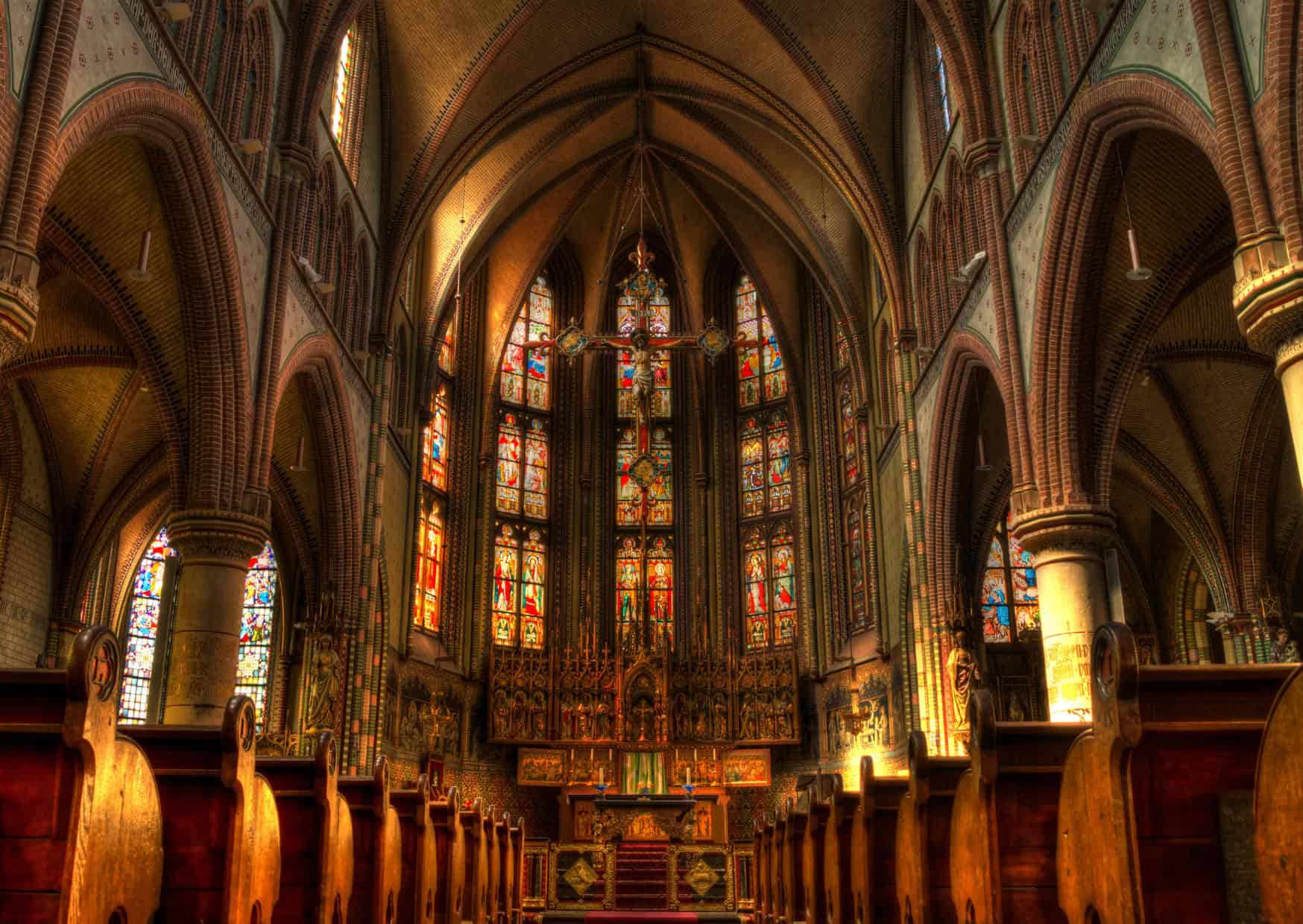
This one might surprise outsiders.
Spain is a historically Catholic country. There are churches on every corner. Religious festivals and saints’ days still define the rhythm of the calendar in many towns and villages.
And yet—open discussions about religion are rare.
It’s not that religion is absent. It’s that it lives in tradition, not conversation.
You’ll see:
- People attending mass with their parents or grandparents
- Holy Week processions filling entire cities with incense and drums
- Crosses hanging above doors in rural homes
But you won’t often hear people:
- Discussing their personal beliefs
- Debating theology
- Asking others about their faith (or lack of it)
Why It’s Taboo
Spain’s relationship with religion is complicated. Here’s why it stays out of casual conversation:
a) Historical Trauma
Spain’s 20th-century history—especially the Franco dictatorship (1939–1975)—saw Catholicism tightly bound to authoritarian rule. The Church was powerful, political, and often oppressive.
After Franco’s death, Spaniards embraced democracy and secularism—and with it, a deep cultural allergy to moral policing or religious imposition.
Talking openly about religion can still feel like stepping into uncomfortable, even painful territory—especially for older generations.
b) Private vs. Public Beliefs
In modern Spain, faith is seen as intensely personal. You may be religious. You may not. But the polite stance is: keep it to yourself.
Even among friends, asking “Do you go to church?” or “Do you believe in God?” can feel strangely invasive.
It’s not shame. It’s simply respect for privacy—and a preference to bond over shared experience, not ideology.
c) Social Cohesion Over Conviction
Spaniards value social harmony. Religion, like money, is divisive. Bringing it up can make people feel judged, alienated, or simply awkward.
Why risk that, when there are so many other ways to connect?
What’s Not Taboo (And Totally Fair Game)
To Americans used to politeness filters and “safe topics,” Spain might actually feel shockingly open in many areas:
- Politics? Open season. People argue, shout, and laugh about it.
- Health issues? Expect updates on someone’s foot surgery over lunch.
- Family drama? Shared freely, and often with jokes.
- Personal failings? Acknowledged with refreshing honesty and self-deprecation.
The vibe is: We’re all human, we all struggle, let’s not pretend otherwise.
But religion and money? That’s where the cultural brakes come on.
Not because people don’t care. But because those things are too loaded to risk spoiling the moment.
How This Affects Daily Life
1. Less Status Anxiety
When people don’t talk about money, there’s less visible pressure to prove yourself.
Yes, people compare. Yes, class still exists. But it’s not performed in conversation or social media nearly as much as in American culture.
You can enjoy a glass of wine in a plaza without wondering who earns more, who owns what, or who’s “winning.” There’s less financial peacocking, and that reduces social tension.
2. More Social Cohesion
In Spain, the goal of a gathering is to connect, to eat well, to enjoy each other’s presence. That’s why the two taboo topics—money and religion—are kept off the table.
Because when no one brings them up, no one has to feel left out.
You don’t have to agree on politics. You don’t have to belong to the same religion. You don’t need to match incomes. You just need to show up, listen, and join the conversation.
Final Thoughts: What Silence Says
In Spain, silence around money and religion doesn’t mean those topics don’t matter.
It means they matter too much to be handled casually.
It means people would rather preserve relationships than prove points.
It means they trust that you don’t need to know everything about someone to enjoy them.
In a world that’s increasingly driven by public oversharing, Spain offers a refreshing alternative: a culture where what’s most personal stays private, and where connection is built not on full transparency—but on tact, timing, and trust.
Pro Tip: If you’re in Spain and wondering why no one talks about their income, their church, or what they “believe in,” don’t worry—you’re not being excluded. You’re just living in a culture where what’s not said is often more meaningful than what is.

About the Author: Ruben, co-founder of Gamintraveler.com since 2014, is a seasoned traveler from Spain who has explored over 100 countries since 2009. Known for his extensive travel adventures across South America, Europe, the US, Australia, New Zealand, Asia, and Africa, Ruben combines his passion for adventurous yet sustainable living with his love for cycling, highlighted by his remarkable 5-month bicycle journey from Spain to Norway. He currently resides in Spain, where he continues sharing his travel experiences with his partner, Rachel, and their son, Han.