
Europe is filled with walkable cities where the best sights, sounds, and experiences are often within walking distance. Whether you’re strolling through historic old towns, discovering hidden neighborhoods, or relaxing in beautiful parks, walking is one of the best ways to explore.
Europe is a treasure trove of walkable cities that allow you to explore history, culture, and local charm at every step. From Florence’s Renaissance art to Amsterdam’s charming canals and Edinburgh’s medieval streets, each city offers a unique experience best enjoyed on foot. Lace up your walking shoes, grab a map, and start exploring these beautiful European cities!
Here’s a guide to some of the most walkable cities in Europe, along with top recommendations for what to do and where to go.
Read here how to pack for Europe and Best eSIM for Europe
BOOK YOUR TRAVEL INSURANCE
Two of our favorite travel insurance: Heymondo Vs Safetwing cheapest travel Insurance. You can get for $135 USD your Heymondo Travel Insurance with Heymondo discount code valid for 90 days. Read our full comparison of Genki vs Safetywing Travel Insurance Review and the comparison Heymondo vs Genki
Quick Easy Tips
Download offline maps like Maps.me or Google Maps before arriving—most walkable cities have tight streets and hidden alleys worth exploring.
Choose accommodations near the city center to make the most of walking convenience.
Pack lightweight, supportive shoes—many historic cities have cobblestones that are beautiful but tough on feet.
Learn local walking etiquette (e.g., no standing on the left of escalators in London) to avoid standing out.
The idea of a “walkable city” is foreign to many Americans, who often equate modern life with car ownership. In Europe, though, the best cities are designed for people, not parking lots. Cities like Florence, Ljubljana, or Bruges prove that convenience, community, and beauty don’t need a steering wheel. This contrast exposes a deeper cultural divide—where Europeans often see walking as freedom, Americans can see it as an inconvenience or even a failure of infrastructure.
Another layer of debate centers on urban priorities. While U.S. cities continue to sprawl outward, many European cities double down on reducing car access, expanding pedestrian zones, and investing in public transport. Critics argue this is “anti-driver,” but supporters counter that it creates healthier, more connected communities.
Lastly, walkability is tied to privilege—many American cities could be more walkable, but zoning laws, suburban sprawl, and infrastructure spending say otherwise. In Europe, walkable cities are often centuries-old—proof that building for humans, not cars, isn’t just nostalgic, it’s sustainable.
Most Walkable Cities In Europe
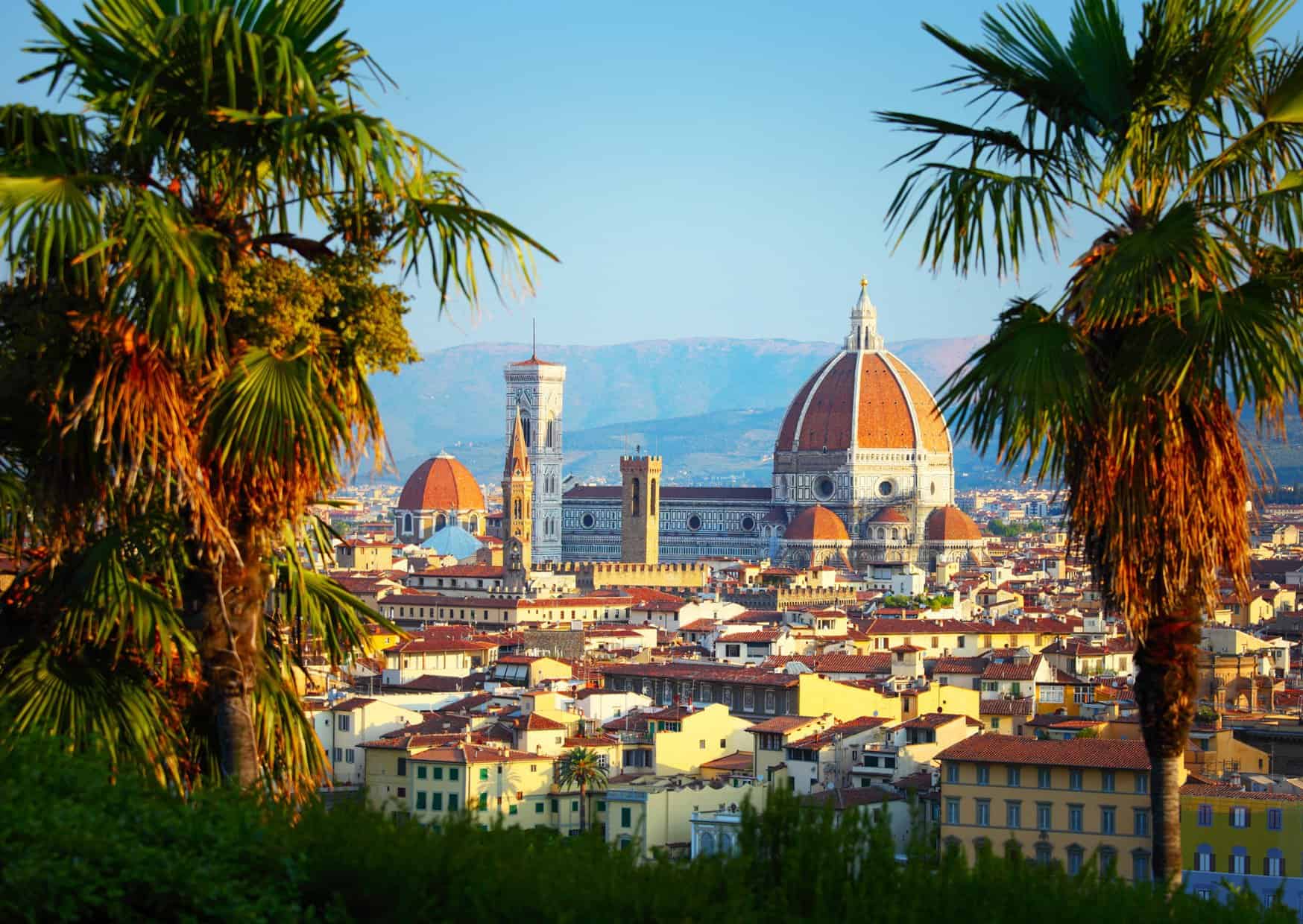
1. Florence, Italy
Why It’s Walkable:
Florence is a compact city packed with Renaissance art, historical sites, and beautiful architecture. Its small size and pedestrian-friendly zones make it ideal for exploring on foot.
What to Do and Where to Go:
Duomo and Piazza del Duomo: Start your tour at the heart of Florence with the iconic Florence Cathedral (Il Duomo) and Brunelleschi’s Dome.
Uffizi Gallery: Wander to the Uffizi to admire world-famous Renaissance art by Botticelli, Michelangelo, and Leonardo da Vinci.
Ponte Vecchio: Cross the famous Ponte Vecchio bridge and explore its jewelry shops, followed by a walk to the Boboli Gardens for stunning city views.
Piazza della Signoria: Relax in this square, known for its open-air sculptures and the Palazzo Vecchio.
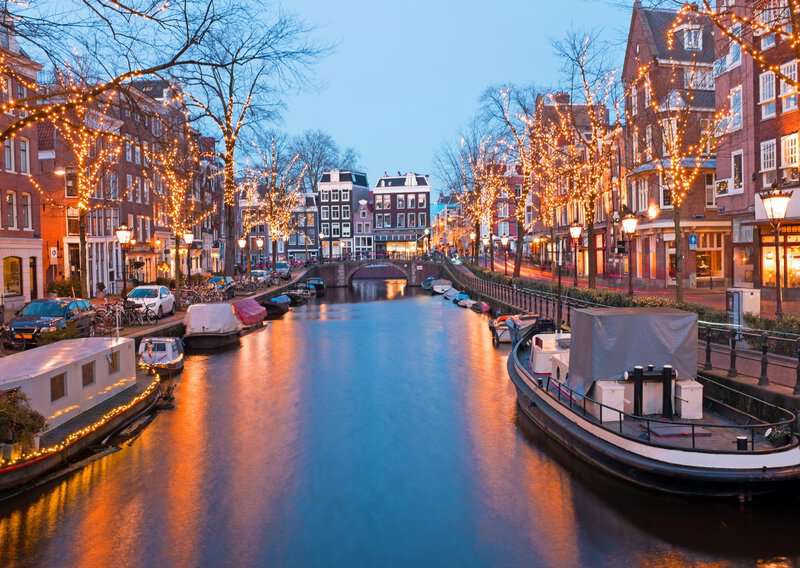
2. Amsterdam, Netherlands
Why It’s Walkable:
Amsterdam’s narrow streets, charming canals, and dedicated pedestrian paths make it one of Europe’s most pedestrian-friendly cities. Most of its main attractions are concentrated within a small area.
What to Do and Where to Go:
Canal District: Walk along the scenic canals in Grachtengordel, a UNESCO World Heritage site filled with beautiful 17th-century houses.
Museumplein: Explore Amsterdam’s top museums, including the Rijksmuseum, Van Gogh Museum, and Stedelijk Museum.
Anne Frank House: Visit the Anne Frank House for a meaningful look into World War II history.
Jordaan Neighborhood: Wander through the quaint Jordaan area, known for its art galleries, boutiques, and cozy cafes.
3. Edinburgh, Scotland

Why It’s Walkable:
With its winding cobblestone streets and historic atmosphere, Edinburgh’s Old and New Towns are highly walkable and offer an immersive way to experience Scottish culture.
What to Do and Where to Go:
Royal Mile: Walk the famous Royal Mile, connecting Edinburgh Castle to the Palace of Holyroodhouse, and explore the unique shops, pubs, and historic landmarks.
Edinburgh Castle: Start your tour at Edinburgh Castle, perched on an ancient volcanic rock, for panoramic city views.
Calton Hill: For another fantastic viewpoint, take a short walk to Calton Hill and admire the cityscape.
Dean Village: Stroll down to Dean Village, a picturesque neighborhood by the Water of Leith known for its beautiful historic buildings.
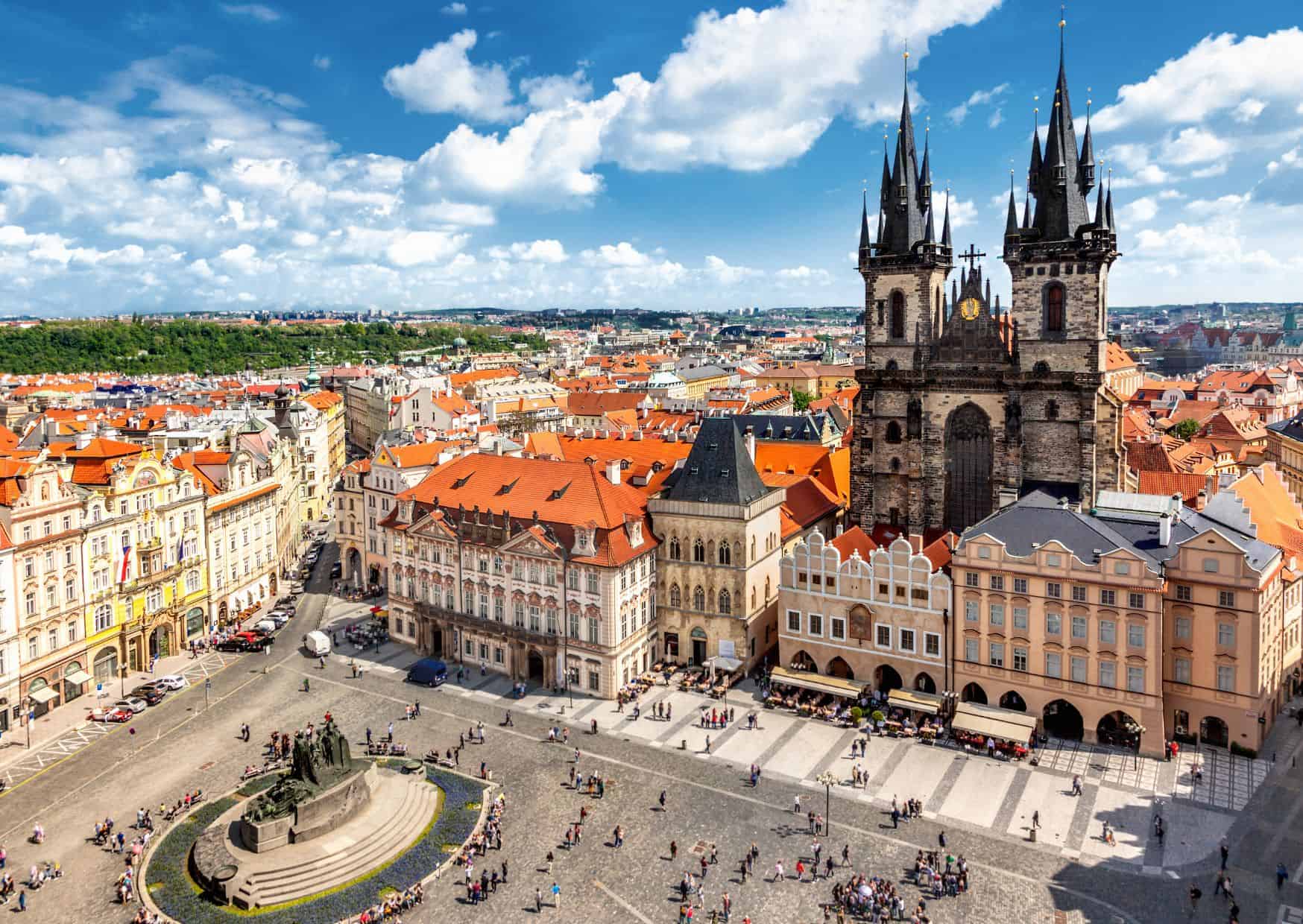
4. Prague, Czech Republic
Why It’s Walkable:
Prague’s old town is a medieval labyrinth of narrow streets, stunning squares, and historic buildings. The compact size makes it easy to explore its famous landmarks on foot.
What to Do and Where to Go:
Old Town Square: Start at the heart of the city in Old Town Square, home to the famous Astronomical Clock and historic churches.
Charles Bridge: Walk across the Charles Bridge to enjoy views of the Vltava River, along with street artists and statues.
Prague Castle: Take a stroll up to Prague Castle, the largest ancient castle complex in the world, for a beautiful view over the city.
Josefov (Jewish Quarter): Explore Josefov, the historic Jewish Quarter with its centuries-old synagogues and the Old Jewish Cemetery.
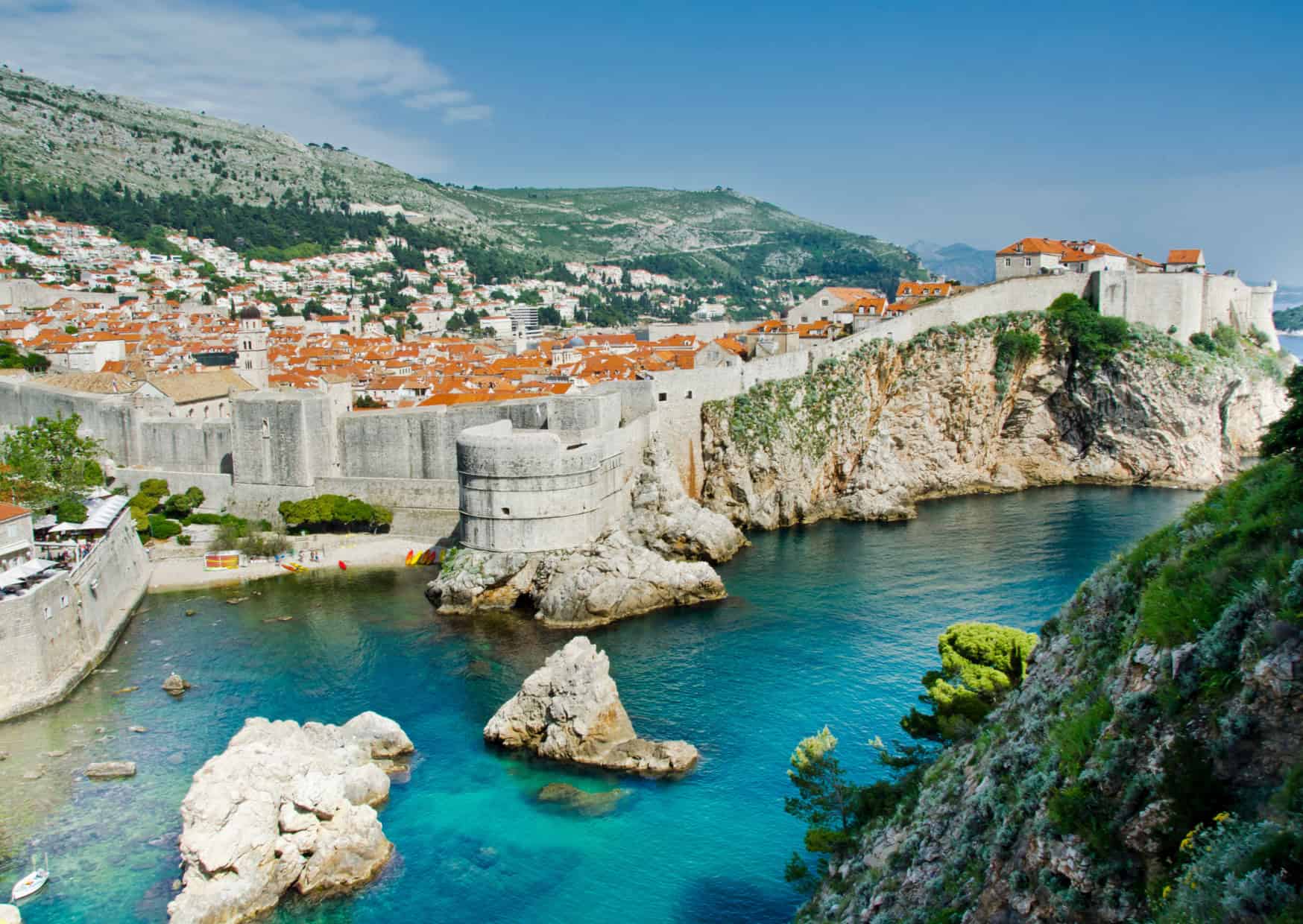
5. Dubrovnik, Croatia
Why It’s Walkable:
Dubrovnik’s medieval Old Town is entirely pedestrianized, making it a perfect city to explore on foot. The compact layout is ideal for wandering through narrow lanes and discovering hidden gems.
What to Do and Where to Go:
City Walls: Start with a walk along the city walls, where you’ll have stunning views of the Adriatic Sea and the terracotta rooftops of the Old Town.
Stradun: Walk down Stradun, the main street, lined with historic buildings, cafes, and souvenir shops.
Fort Lovrijenac: For a panoramic view of the city, walk to Fort Lovrijenac (St. Lawrence Fortress), just outside the city walls.
Franciscan Monastery: Visit this historic monastery, home to one of the oldest pharmacies in Europe.
6. Lisbon, Portugal
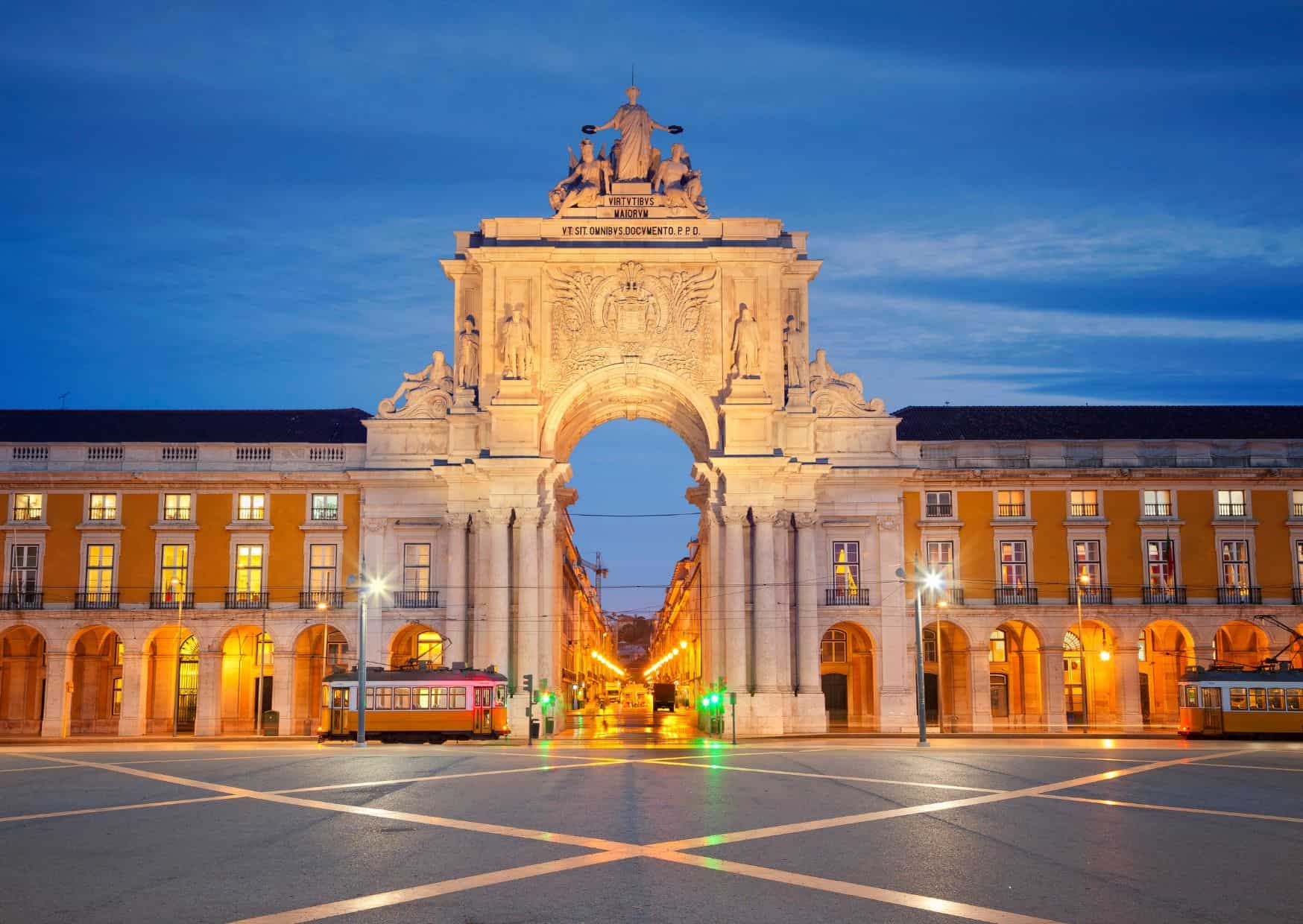
Why It’s Walkable:
Lisbon’s charming neighborhoods are connected by narrow alleys, colorful buildings, and vibrant city squares, making it a great city to explore on foot despite the hills.
What to Do and Where to Go:
Alfama District: Wander through the maze-like streets of Alfama, Lisbon’s oldest neighborhood, with its traditional fado music and scenic viewpoints.
Baixa and Chiado: Discover the bustling downtown areas of Baixa and Chiado, where you can shop, dine, and relax in beautiful squares like Praça do Comércio.
Belém: Take a walk through Belém to see iconic landmarks like the Belém Tower and Jerónimos Monastery.
Miradouros (Viewpoints): Lisbon is famous for its viewpoints, such as Miradouro da Senhora do Monte and Miradouro de Santa Catarina, where you can enjoy breathtaking views of the city.
7. Venice, Italy
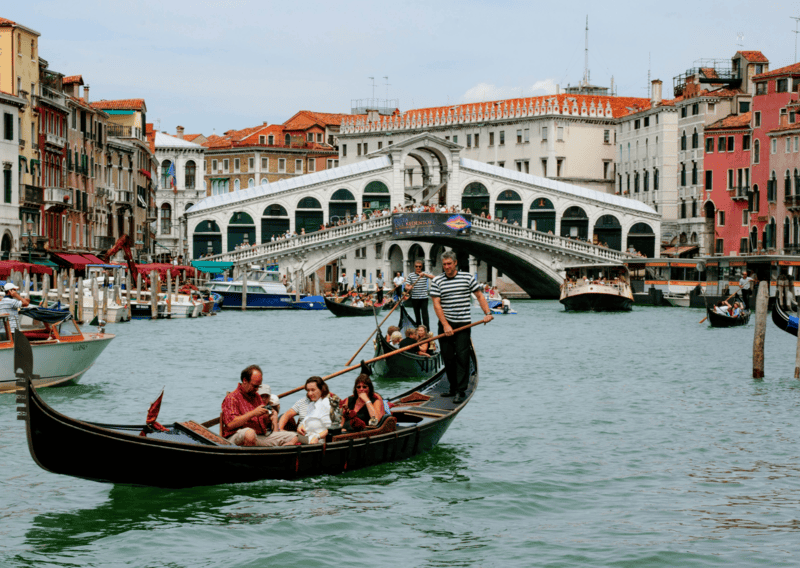
Why It’s Walkable:
With its lack of cars and network of canals, Venice is one of the world’s best cities for walking. The unique layout allows you to explore historic squares, hidden alleys, and picturesque bridges.
What to Do and Where to Go:
St. Mark’s Square: Start at Piazza San Marco, home to St. Mark’s Basilica and the Doge’s Palace.
Rialto Bridge: Stroll over the Rialto Bridge and explore the markets nearby, where you can buy fresh produce and local crafts.
Cannaregio District: Head to the Cannaregio district to experience a quieter side of Venice with authentic restaurants and the historic Jewish Ghetto.
Dorsoduro: Cross the Accademia Bridge to explore the artsy Dorsoduro neighborhood, home to the Peggy Guggenheim Collection.
8. Vienna, Austria
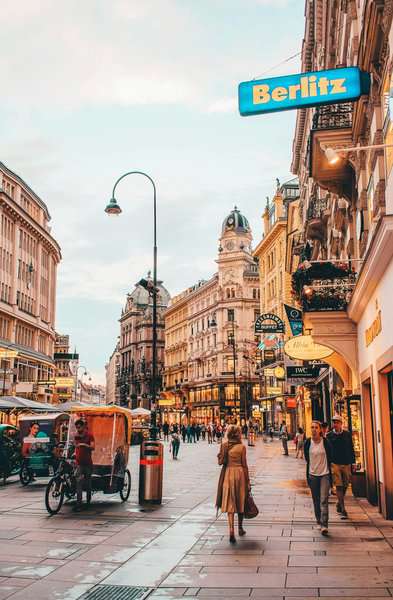
Why It’s Walkable:
Vienna’s city center is compact and filled with beautiful architecture, making it easy to explore on foot. Pedestrian zones and well-maintained sidewalks make it convenient to see the city’s main attractions.
What to Do and Where to Go:
St. Stephen’s Cathedral: Start your walk at Stephansplatz to visit St. Stephen’s Cathedral, a symbol of Vienna.
Hofburg Palace: Wander over to Hofburg Palace, where you can explore the former imperial apartments and the Spanish Riding School.
Ringstrasse: Stroll along the Ringstrasse, a circular boulevard that passes by Vienna’s most famous landmarks, including the Vienna State Opera and the Parliament.
Naschmarkt: Visit Naschmarkt, a lively food market with stalls selling local and international delicacies.
9. Paris, France

Why It’s Walkable:
Paris is known for its iconic landmarks, scenic streets, and lively neighborhoods. Walking through Paris offers an immersive experience, with countless cafes, shops, and historical sites along the way.
What to Do and Where to Go:
Seine River Walk: Start with a walk along the Seine to admire views of Notre Dame, the Eiffel Tower, and the Louvre.
Montmartre: Explore the artsy neighborhood of Montmartre, where you can visit the Sacré-Cœur and see the famous Place du Tertre.
Le Marais: Discover Le Marais for its mix of boutiques, cafes, and historical sites, including the Place des Vosges.
Jardin des Tuileries: Relax in the Tuileries Garden near the Louvre or the Luxembourg Gardens on the Left Bank.
10. Bruges, Belgium
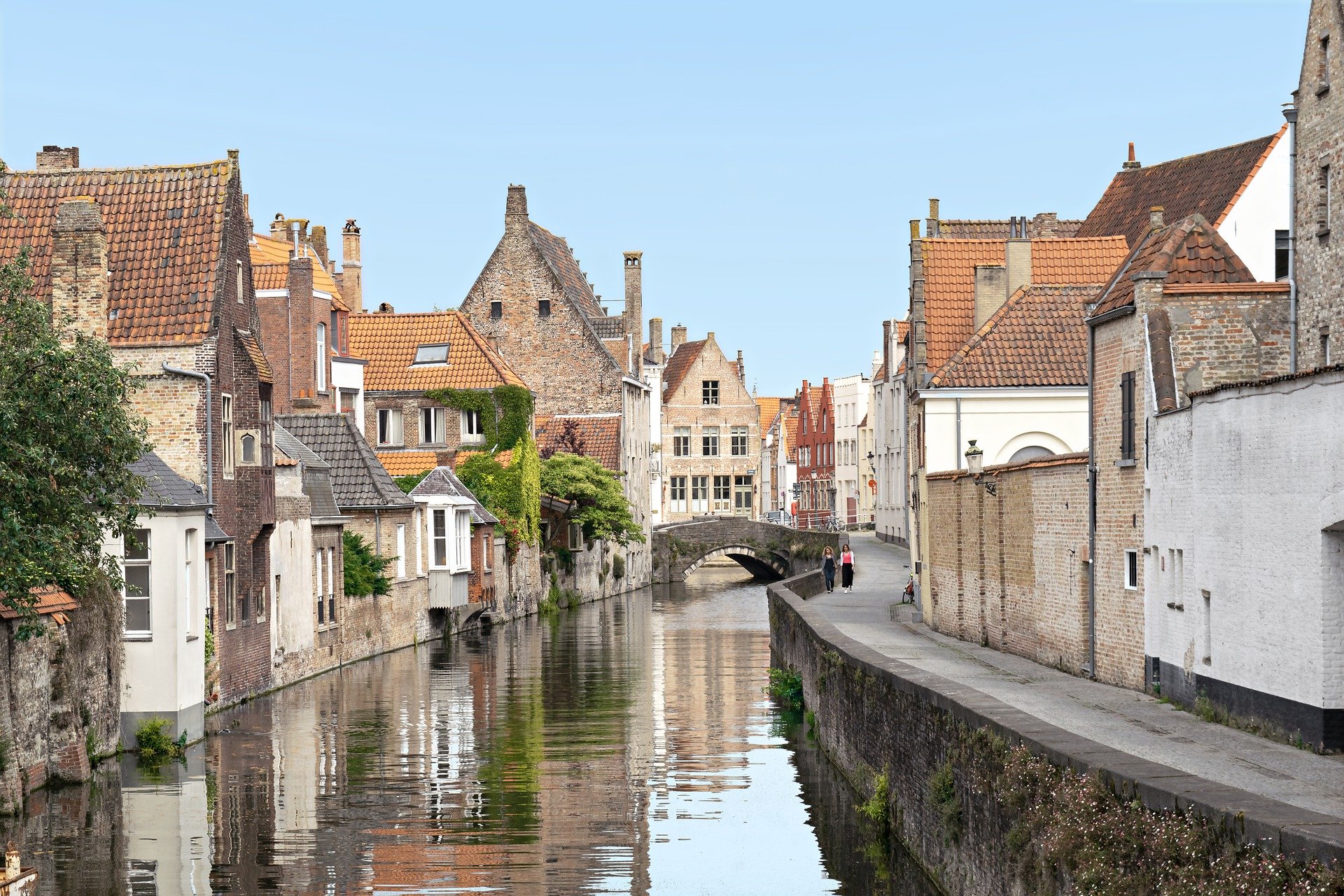
Why It’s Walkable:
Bruges is a fairy-tale medieval town known for its cobblestone streets, canals, and historic charm. The entire city center is easily walkable, making it perfect for exploration by foot.
What to Do and Where to Go:
Markt Square: Start at the Markt Square, where you’ll find the Belfry Tower and colorful medieval buildings.
Burg Square: Wander over to Burg Square to see the Basilica of the Holy Blood and the Gothic Town Hall.
Canal Tour: Walk along the canals or take a short boat tour for scenic views of Bruges’ bridges and historic buildings.
Begijnhof: Visit the serene Begijnhof courtyard, a UNESCO site and former residence of lay religious women.
11. Barcelona, Spain
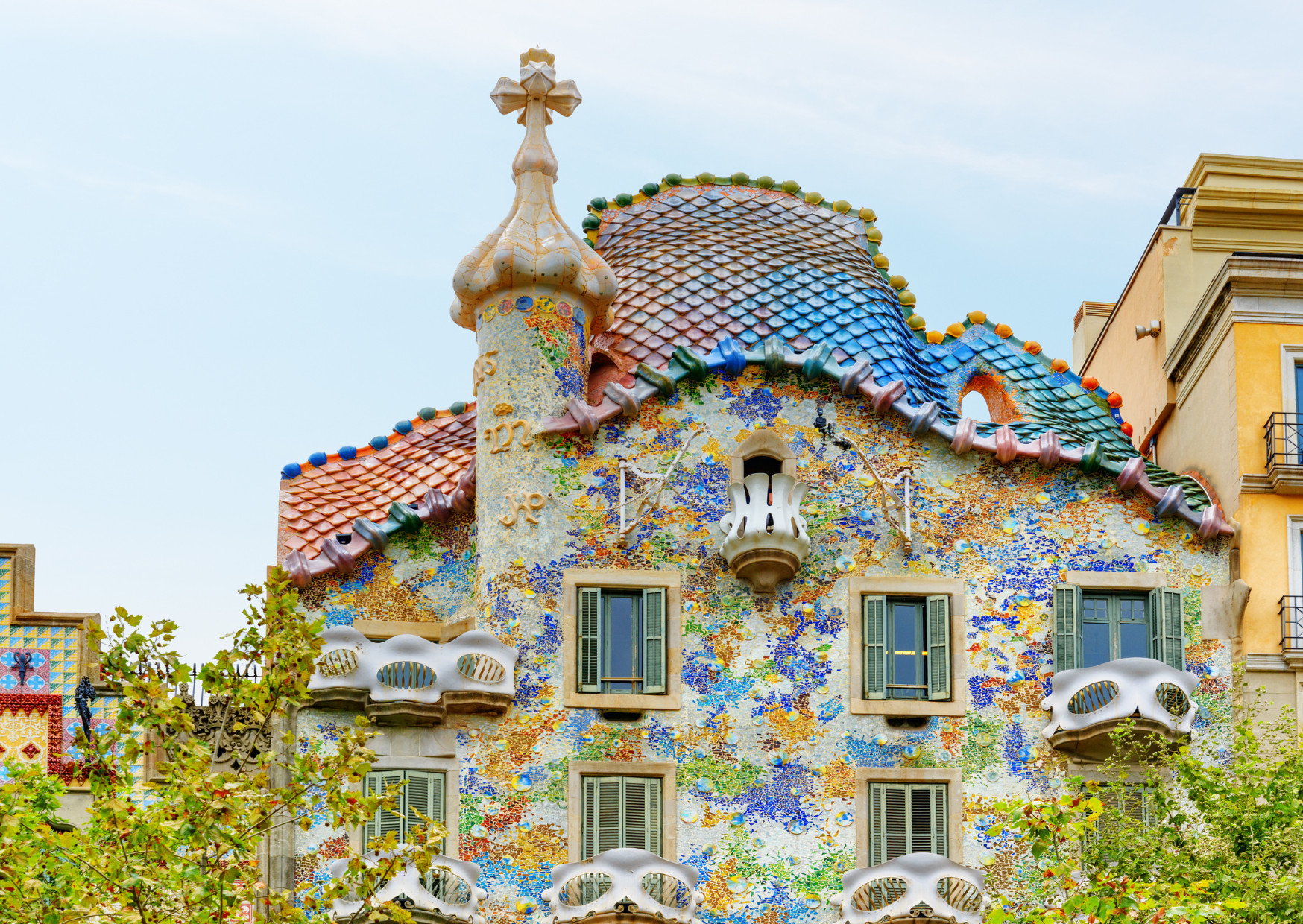
Wide boulevards and pedestrian-friendly areas
The Gothic Quarter’s maze-like streets are best explored on foot
Beachfront promenades offer beautiful coastal walks
Best Walking Areas
La Rambla and the Gothic Quarter
El Born and Passeig de Gràcia
Park Güell for nature and city views
12. Copenhagen, Denmark
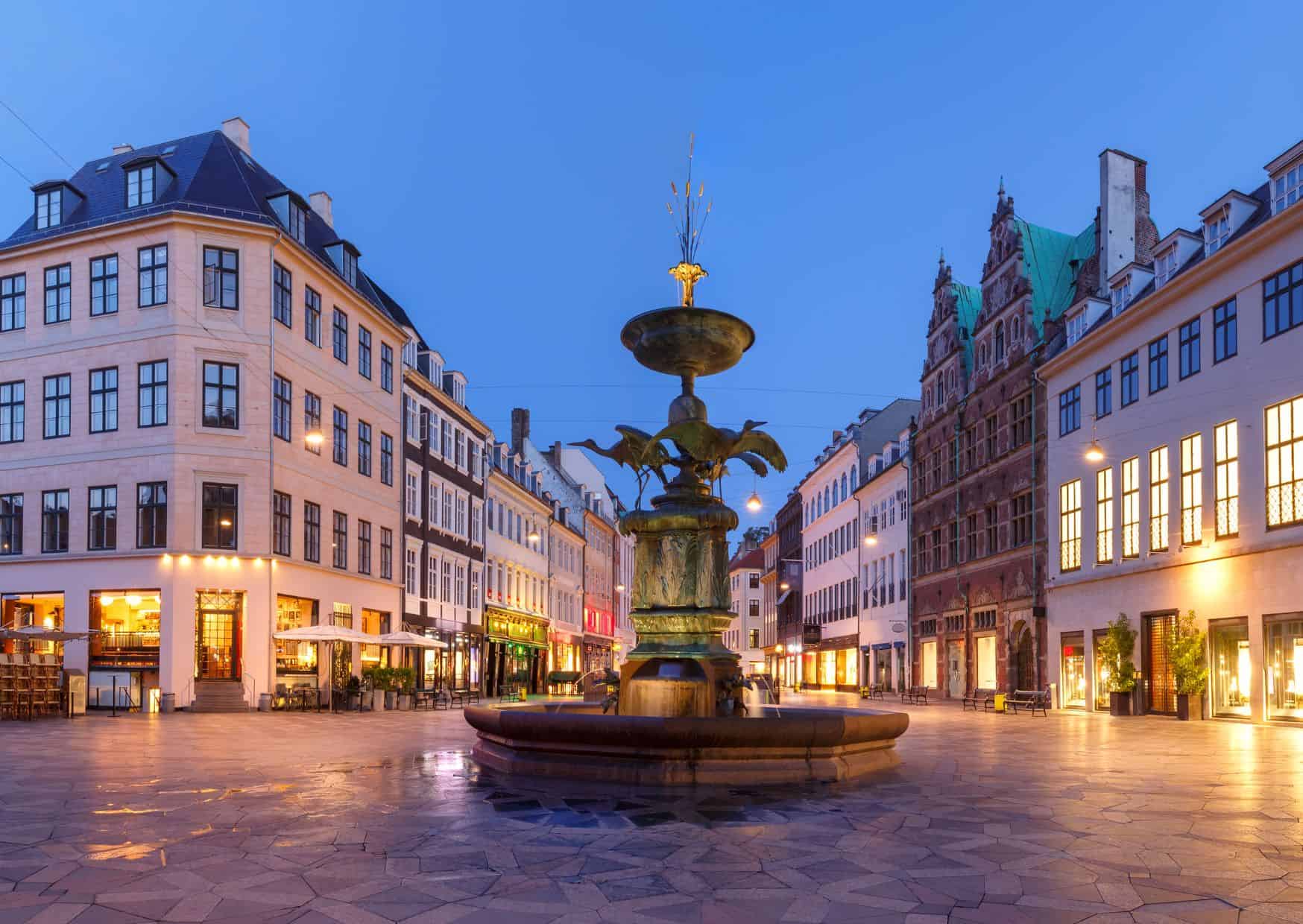
Flat terrain with pedestrian-only streets in many areas
Plenty of green spaces and waterfront promenades
Well-planned city layout with good signage
Best Walking Areas
Strøget (Europe’s longest pedestrian street)
Nyhavn waterfront and the Little Mermaid statue
Christianshavn and Freetown Christiania
13. Kraków, Poland
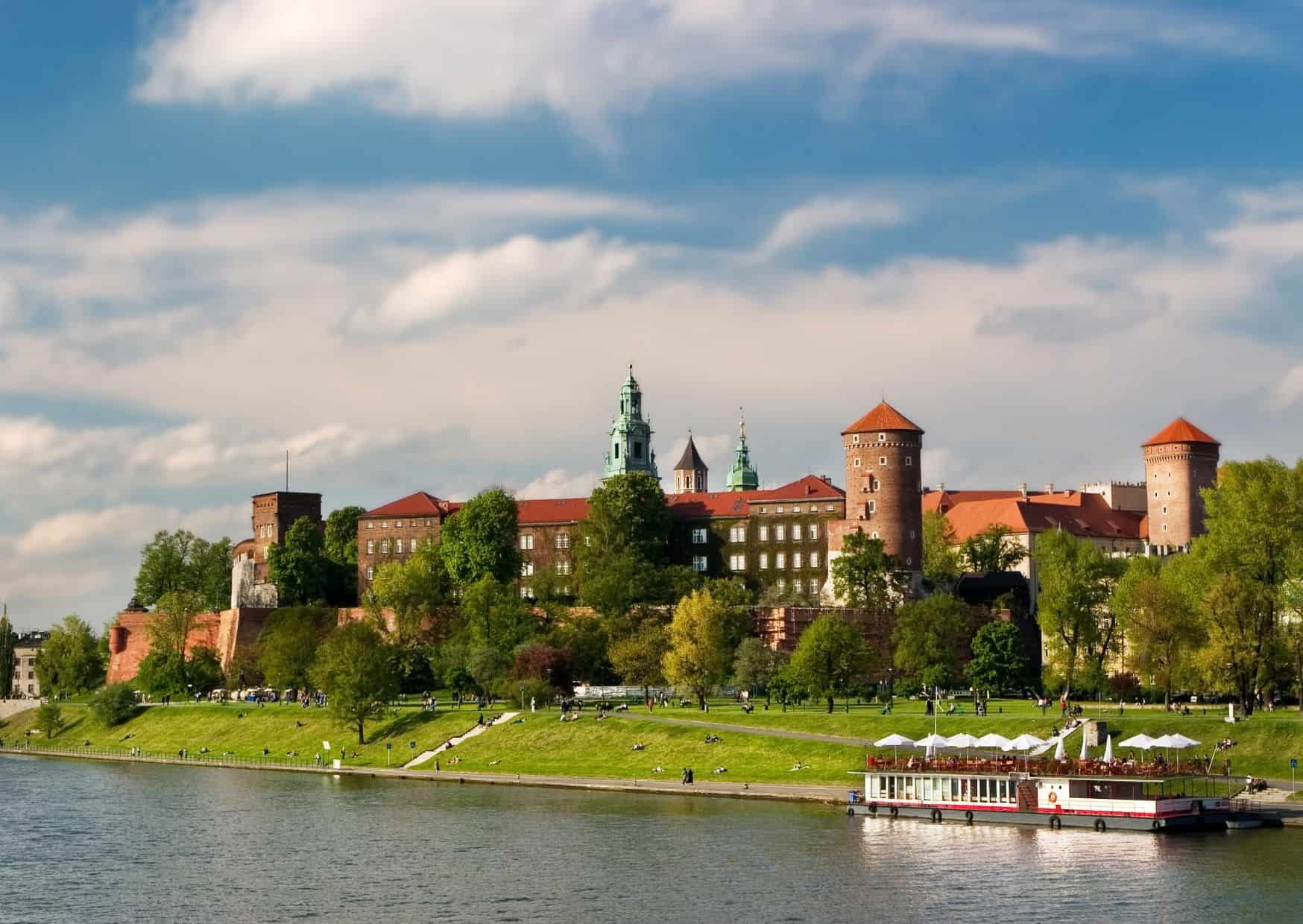
Well-preserved medieval city center
Most attractions are within a short distance
Large, open squares and parks for relaxing walks
Best Walking Areas
Old Town and Main Market Square
Wawel Castle and the Vistula River
Kazimierz (Jewish Quarter)
Final Thoughts
If you’re dreaming of a trip where every corner café, historic plaza, and scenic overlook is just steps away, these 13 cities deliver. More than convenience, walkability fosters serendipity—you stumble upon things you’d never find behind a windshield.
Whether you’re a solo traveler, couple, or family, choosing walkable destinations cuts down on costs, boosts your health, and gives you a local’s perspective. Walking allows you to slow down and actually see the place—not just check it off a list.
In the end, walkable cities do more than save you on taxis. They remind us that travel, at its core, is about connection—both with the place and with the pace of life itself. And in Europe, that connection often starts with your feet.

About the Author: Ruben, co-founder of Gamintraveler.com since 2014, is a seasoned traveler from Spain who has explored over 100 countries since 2009. Known for his extensive travel adventures across South America, Europe, the US, Australia, New Zealand, Asia, and Africa, Ruben combines his passion for adventurous yet sustainable living with his love for cycling, highlighted by his remarkable 5-month bicycle journey from Spain to Norway. He currently resides in Spain, where he continues sharing his travel experiences with his partner, Rachel, and their son, Han.