

Sinigang is one of the Philippines’ most beloved comfort foods, known for its signature tangy broth that’s both refreshing and deeply satisfying. Traditionally made with tamarind as the souring agent, this dish often includes pork, shrimp, or fish simmered with vegetables like kangkong (water spinach), radish, and eggplant.
What makes Sinigang special is its balance of flavors—savory, sour, and slightly sweet—which perfectly matches the country’s tropical climate and diverse culinary traditions. Each region puts its own spin on the recipe, substituting tamarind with calamansi, guava, or even green mango for a unique twist.
More than just a meal, Sinigang is a cultural staple, often served at family gatherings, rainy day lunches, or Sunday feasts. It’s a dish that tells a story of home, heritage, and the Filipino love for bold, harmonious flavors.
Read here our favorite Filipino Food, vegetarian food in the Philippines, Filipino breakfast, Filipino desserts, Philippine fruits, Filipino drinks and Filipino street food
BOOK YOUR TRAVEL INSURANCE
Two of our favorite travel insurance: Heymondo Vs Safetwing cheapest travel Insurance. You can get for $135 USD your Heymondo Travel Insurance with Heymondo discount code valid for 90 days. Read our full comparison of Genki vs Safetywing Travel Insurance Review and the comparison Heymondo vs Genki
How to Eat
Sinigang is best enjoyed hot, ladled generously over a mound of freshly steamed white rice. Each spoonful should have a bit of meat, broth, and vegetables for the full flavor experience. Filipinos often sip the broth directly from the spoon between bites of rice to fully savor its tangy depth.
How to Partner
Pair Sinigang with fried or grilled fish for added texture, or with a side of salted duck eggs and tomatoes for a truly traditional spread. For drinks, calamansi juice or a light lager complements the soup’s acidity beautifully, while coconut water offers a refreshing, tropical counterbalance.
While tamarind is the most recognized souring agent, some Filipinos debate whether Sinigang made with alternative fruits—like guava or green mango—can truly be called “authentic.” Purists argue that tamarind’s flavor is integral to the identity of the dish.
There’s also discussion about modern shortcuts, such as using instant Sinigang seasoning packets. While convenient, critics say they lack the complexity and freshness of homemade broth, while supporters claim they make the dish more accessible for busy households.
Finally, in the global food scene, Sinigang often gets overshadowed by more widely marketed Filipino dishes like adobo. Some see this as a missed opportunity to showcase the soup’s unique sour profile to an international audience.
How to Make Sinigang
Sinigang Recipe Ingredients
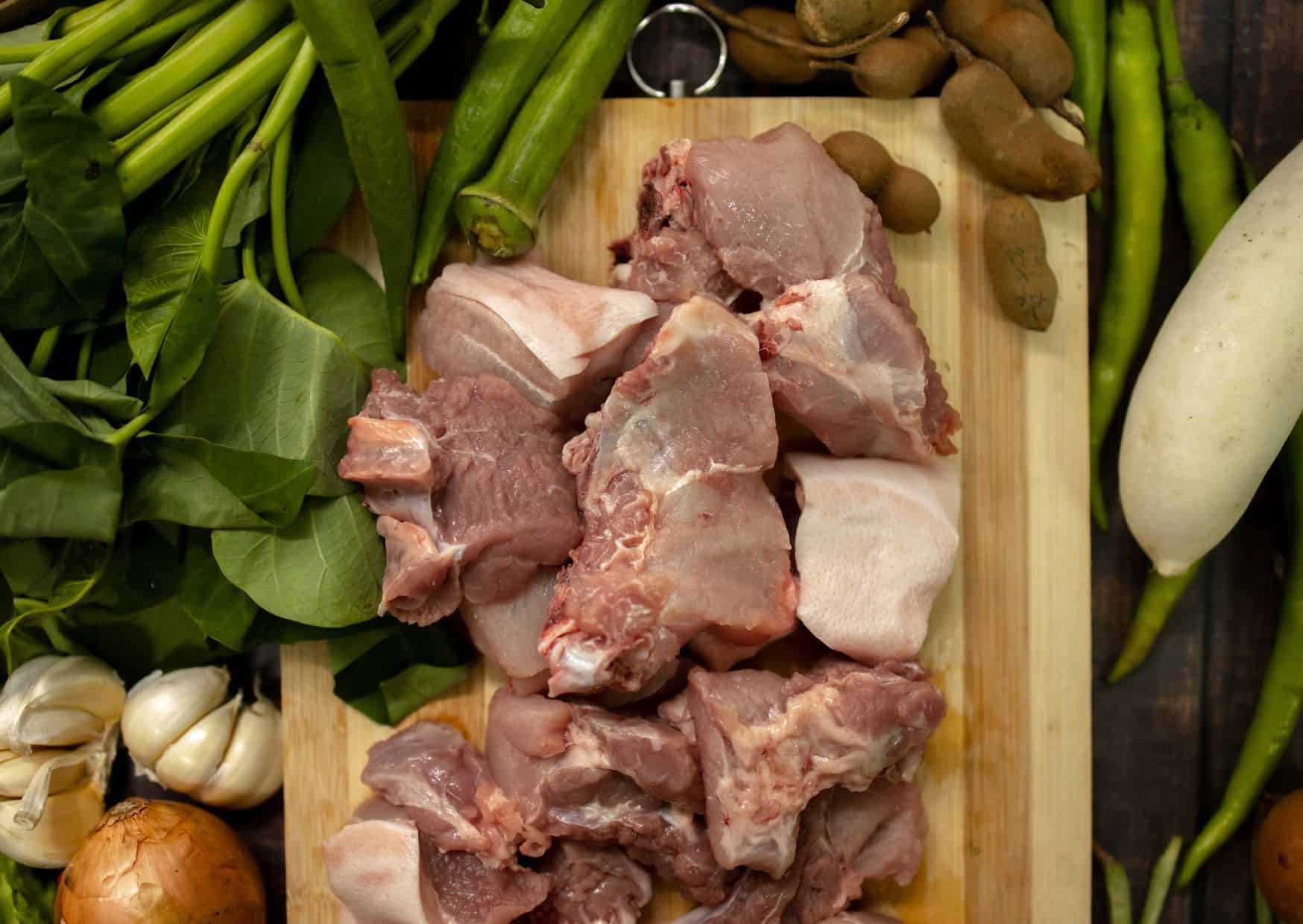
2 pounds pork belly or pork ribs, cut into chunks
8 cups water
1 onion, quartered
2 tomatoes, quartered
2 radishes, sliced
1 eggplant, sliced
1 bunch of kangkong (water spinach) or spinach
2-3 green chilies (optional)
1 pack sinigang mix or 1/2 cup fresh tamarind juice
2 tablespoons fish sauce or salt to taste
1 tablespoon cooking oil
Step By Step How to Make Sinigang
Boil Pork
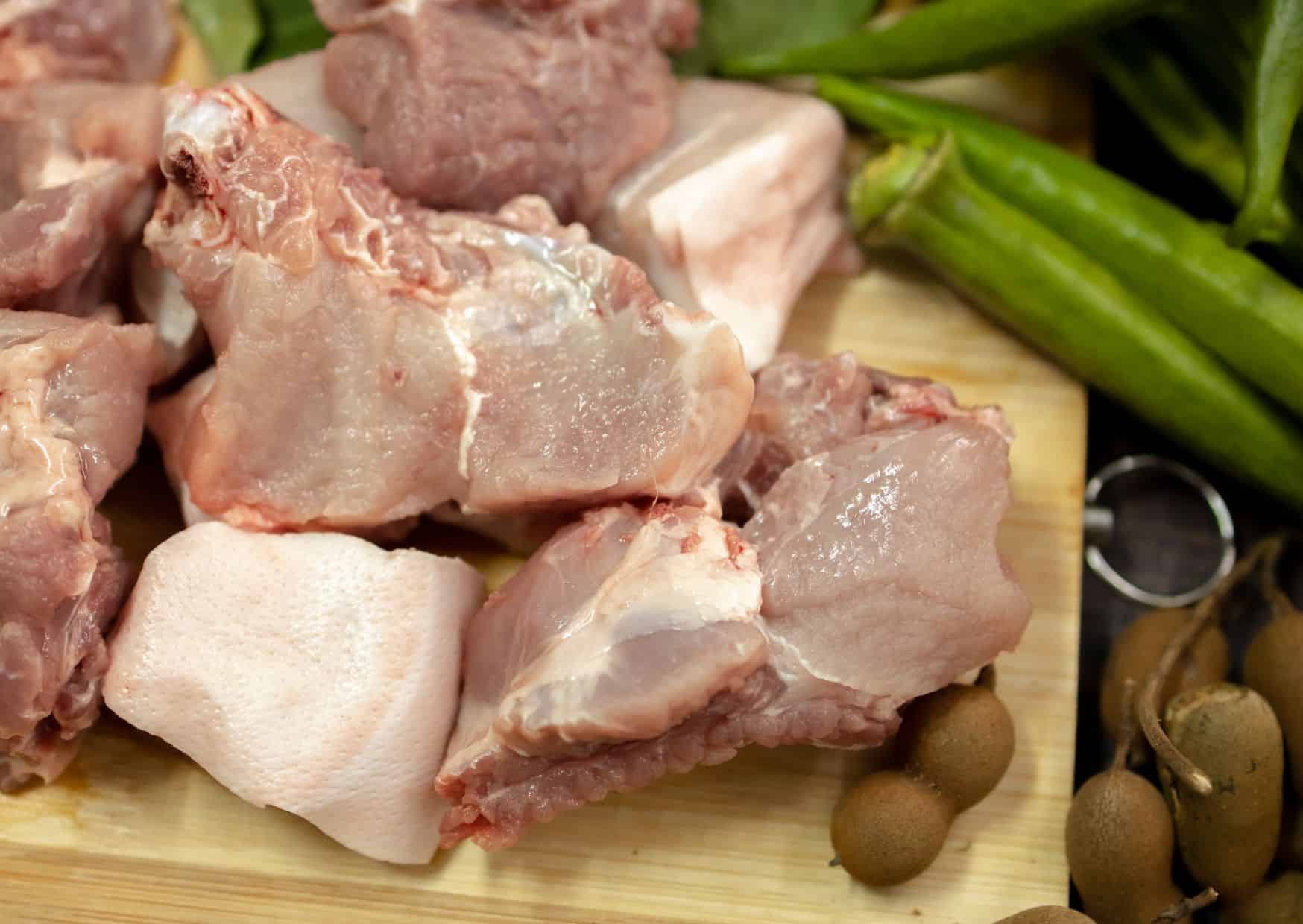
In a large pot, heat the cooking oil and sauté the onion until translucent. Add the pork chunks and cook until lightly browned. Pour in the water and bring to a boil. Skim off any scum that rises to the surface.
Add Vegetables
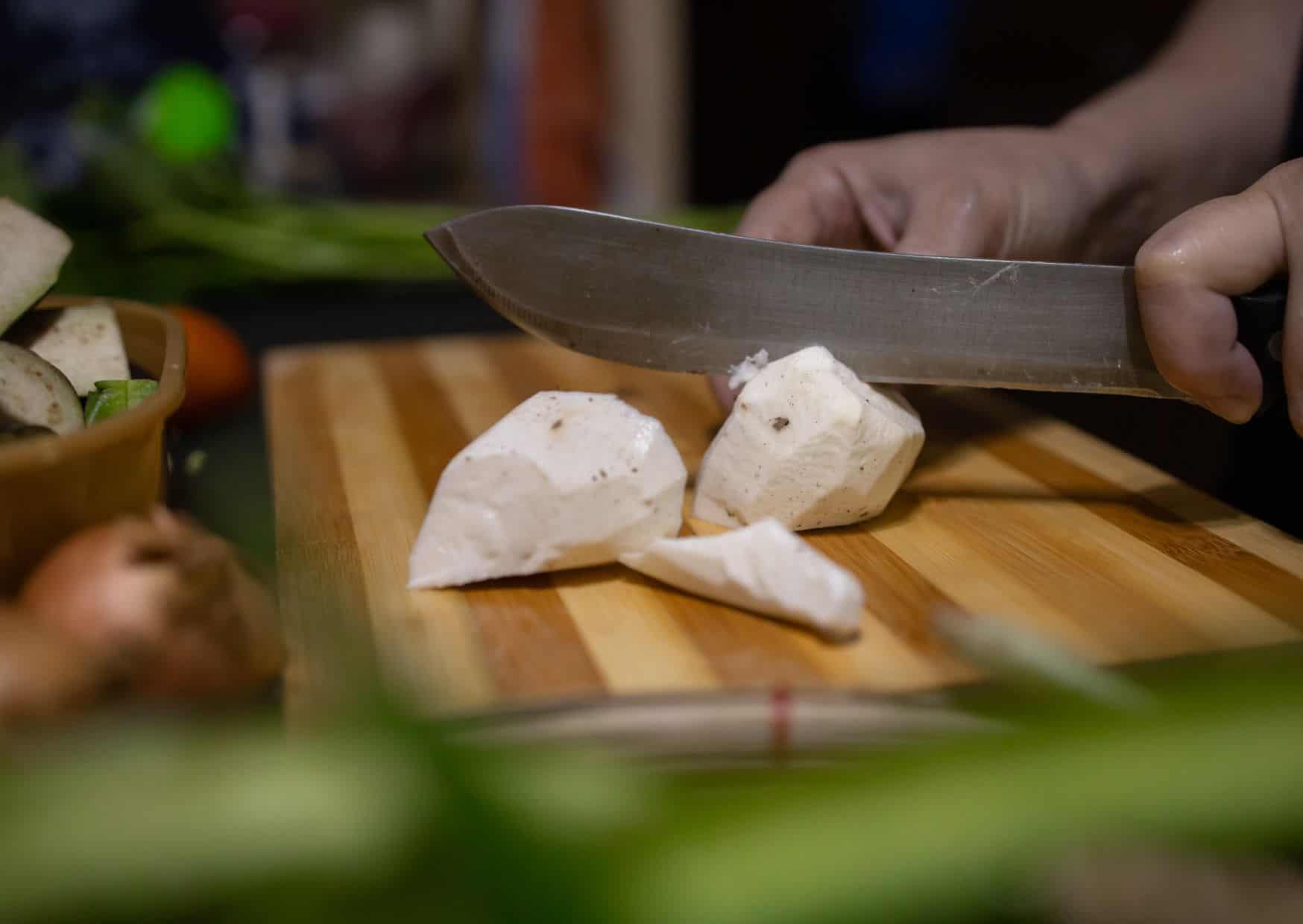
Add the tomatoes, radishes, and eggplant to the pot. Cook until the vegetables are tender.
Add Sourness
Add the sinigang mix or fresh tamarind juice. Stir well and simmer for about 10 minutes. Adjust the sourness by adding more tamarind juice or mix to taste.
Season
Season the soup with fish sauce or salt. Taste and adjust the seasoning as needed.
Finish
Add the green chilies (if using) and the kangkong or spinach. Cook for another 2-3 minutes until the greens are wilted.
Serve
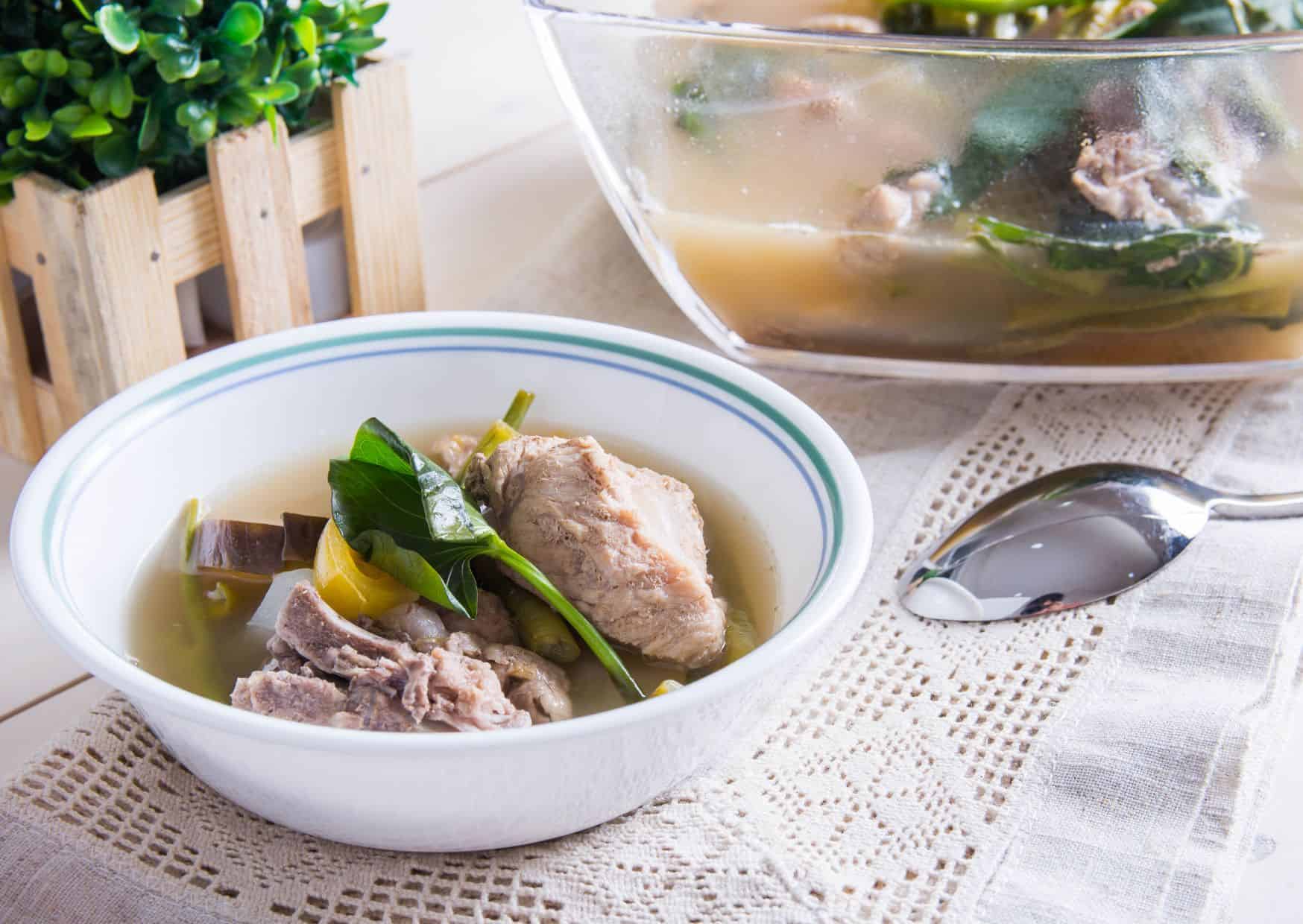
Serve hot with steamed rice on the side.
Tips to Make Sinigang
Use fresh vegetables and meat for the best flavor. The sourness of sinigang can be adjusted by adding more or less tamarind. Some variations also use calamansi or green mangoes.
You can make sinigang with shrimp, fish, or beef instead of pork. Serve sinigang hot with steamed rice, and consider adding fish sauce or patis on the side for extra flavor.
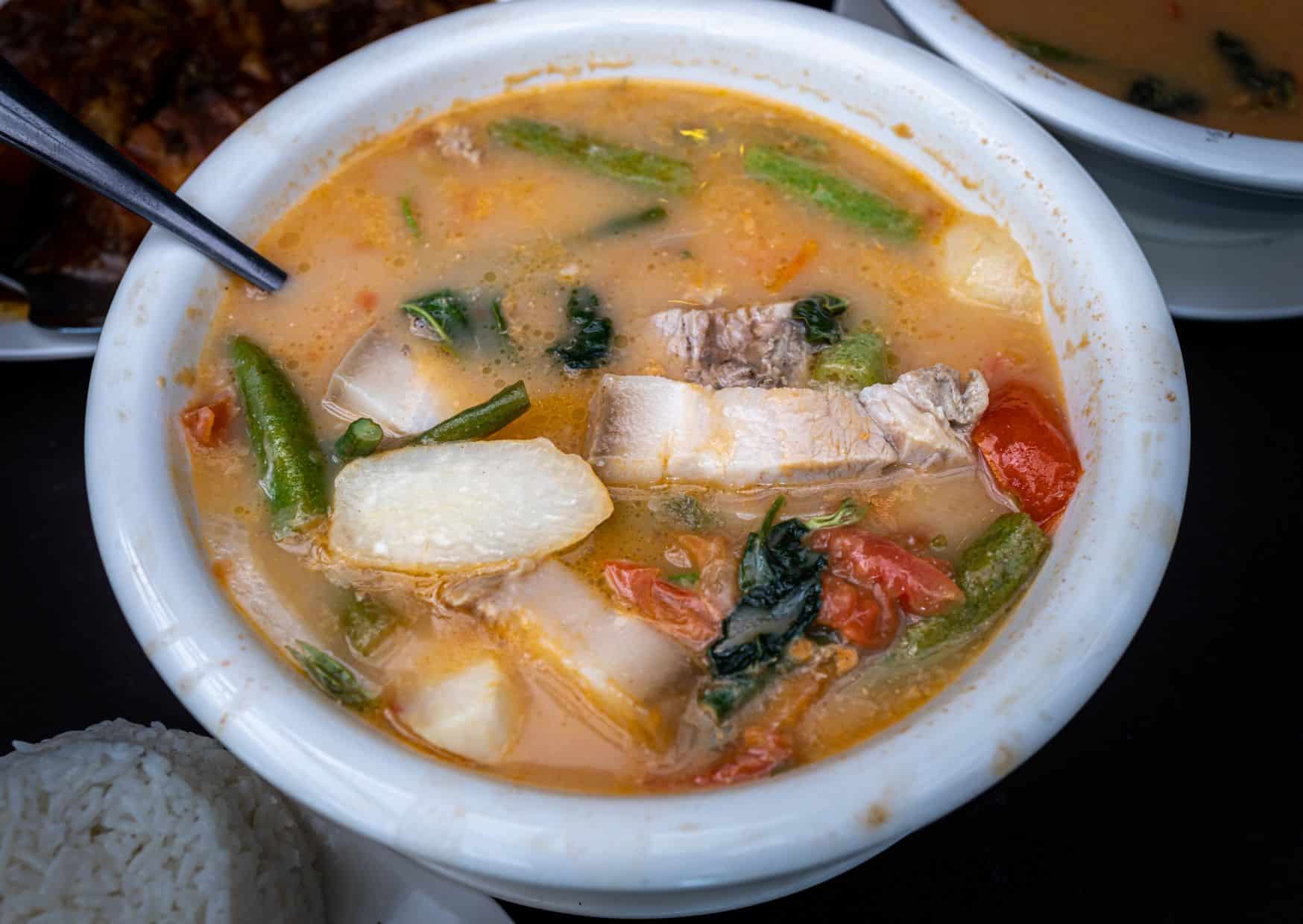
How Many Calories Have Sinigang
Calories: Approximately 200-250 per serving
Protein: 15-20 grams
Carbohydrates: 10-15 grams
Fat: 10-15 grams
Fiber: 2-3 grams
Final Thoughts
Sinigang is more than just a soup—it’s a reflection of the Filipino palate, history, and way of life. Its comforting sourness is unlike anything in Western cuisine, making it a standout dish for anyone willing to explore new flavors.
Whether you follow the traditional tamarind route or experiment with other fruits, the key is balancing freshness, sourness, and savoriness in every bowl. Serve it with love and you’ll understand why it holds such a special place in the hearts of Filipinos.
If you’re looking for a dish that’s nourishing, flavorful, and distinctly Filipino, Sinigang is the perfect choice—one that will make you rethink everything you know about “comfort food.”

About the Author: Ruben, co-founder of Gamintraveler.com since 2014, is a seasoned traveler from Spain who has explored over 100 countries since 2009. Known for his extensive travel adventures across South America, Europe, the US, Australia, New Zealand, Asia, and Africa, Ruben combines his passion for adventurous yet sustainable living with his love for cycling, highlighted by his remarkable 5-month bicycle journey from Spain to Norway. He currently resides in Spain, where he continues sharing his travel experiences with his partner, Rachel, and their son, Han.