
Spain is a country that many people think they know—flamenco, paella, bullfighting, and endless sunshine. But beyond these clichés lies a fascinating blend of traditions, quirks, and history that most visitors never hear about. From unusual festivals to world records, Spain is full of surprises.
Every region has its own language variations, foods, and customs, making Spain less of a single culture and more of a mosaic of identities. You could travel from the Basque Country to Andalusia and feel like you’ve visited two different nations.
Whether you’re planning your first trip or you’ve been to Spain multiple times, these 40 quick facts will give you a deeper appreciation for the country—and might even make you see Spanish culture in an entirely new light.
Read here Spanish food, Biggest Mistakes when moving to Spain and best breakfast in Spain
BOOK YOUR TRAVEL INSURANCE
Two of our favorite travel insurance: Heymondo Vs Safetwing cheapest travel Insurance. You can get for $135 USD your Heymondo Travel Insurance with Heymondo discount code valid for 90 days. Read our full comparison of Genki vs Safetywing Travel Insurance Review and the comparison Heymondo vs Genki
Practical Travel Tips
Public Holidays
Fact: Spain has numerous public holidays, many of which are regional. Plan your travel around these dates to experience local festivals or avoid closures.
Tipping Etiquette
Fact: Tipping is not obligatory but appreciated. In restaurants, rounding up the bill or leaving a small percentage (5-10%) is customary.
Efficient Transport
Fact: Major cities like Madrid and Barcelona have extensive metro systems. Purchase a travel card for convenient and cost-effective transportation.
Late-Night Dining
Fact: Spaniards eat late, with dinner often starting around 9 PM or later. Many restaurants may not open for dinner until 8 PM.
Spain’s regional diversity is a point of pride for many locals, but also a source of political tension. Catalonia and the Basque Country have strong independence movements, and visitors sometimes unintentionally step into heated debates by making comments about “Spanish unity.”
Another controversial topic is bullfighting. While it’s considered an art form and cultural tradition in some regions, others see it as outdated and cruel. The divide is strong, and travelers often find themselves caught between the two perspectives.
Finally, the late-night lifestyle that fascinates visitors is also criticized within Spain itself, with debates about whether shifting working and eating hours earlier would be healthier. For now, though, Spain continues to embrace its famously slow-paced, nocturnal rhythm.
Facts About Spain That You Didn’t Know
Historical and Cultural Facts
Oldest Restaurant in the World
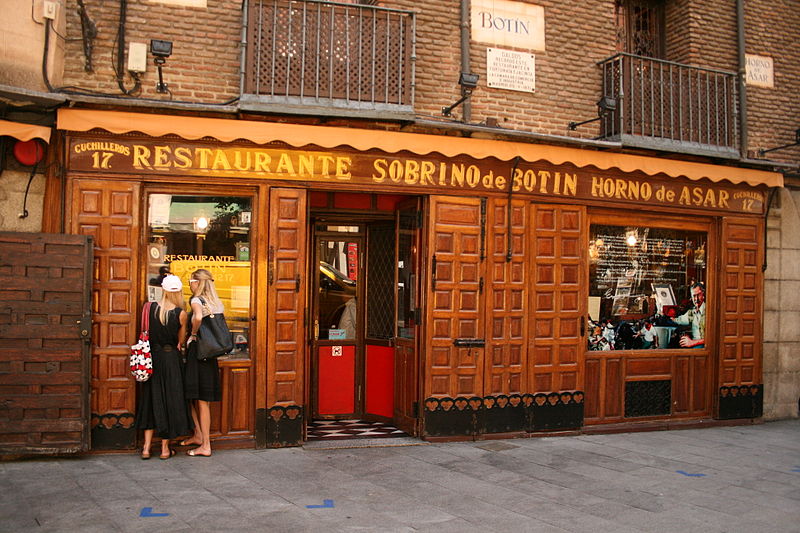
Fact: Sobrino de Botín in Madrid, established in 1725, is recognized by the Guinness World Records as the oldest continuously operating restaurant in the world.
Multiple Official Languages
Fact: Besides Spanish (Castilian), Spain has several co-official languages including Catalan, Galician, and Basque, reflecting the country’s diverse cultural heritage.
Long Moorish Rule
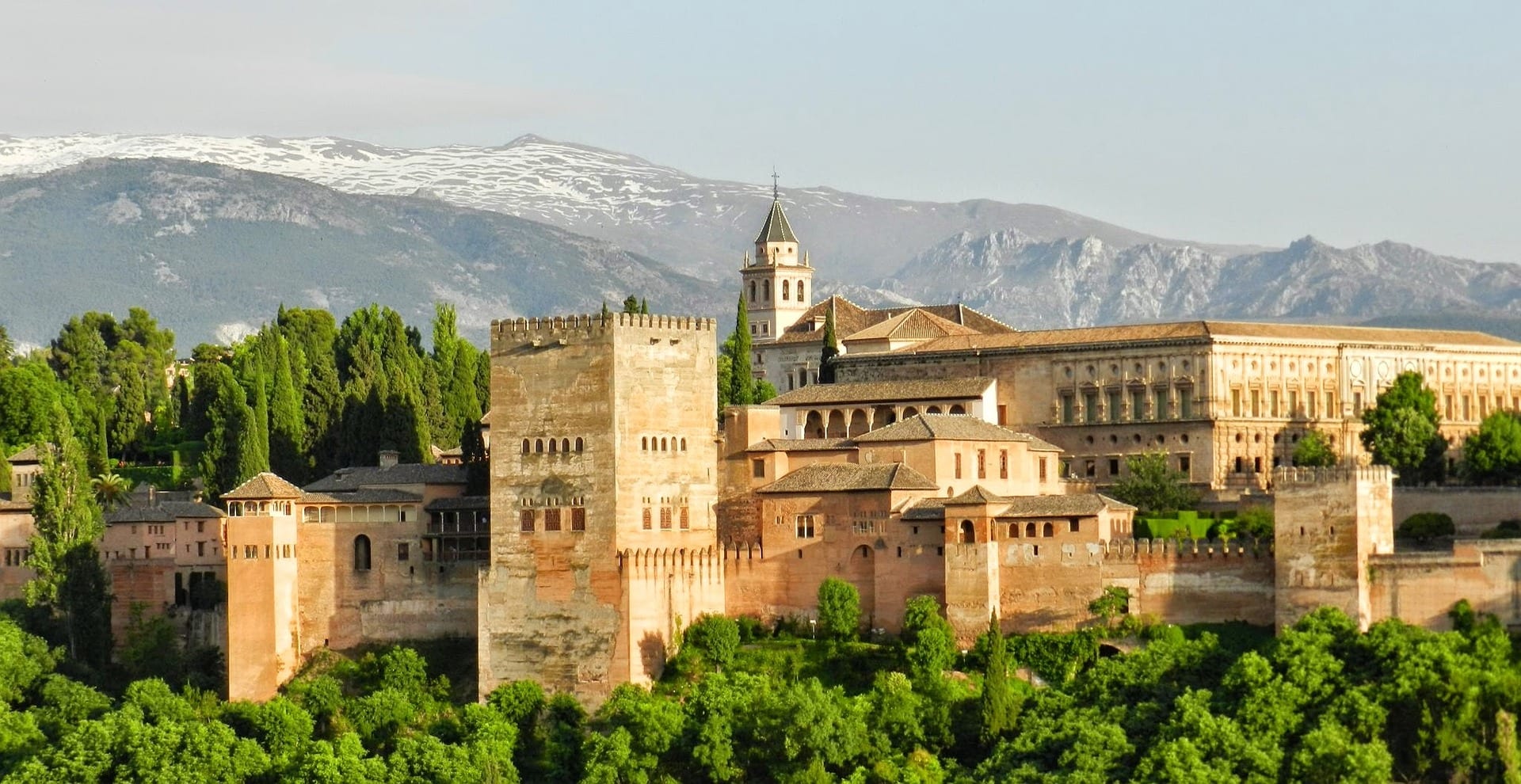
Fact: The Moors ruled large parts of Spain for over 700 years, profoundly influencing Spanish architecture, science, and culture. The Alhambra in Granada is a notable example.
Birthplace of the Modern Novel
Fact: “Don Quixote” by Miguel de Cervantes, published in 1605, is considered the first modern novel and remains a cornerstone of Western literature.
Home to Numerous UNESCO Sites
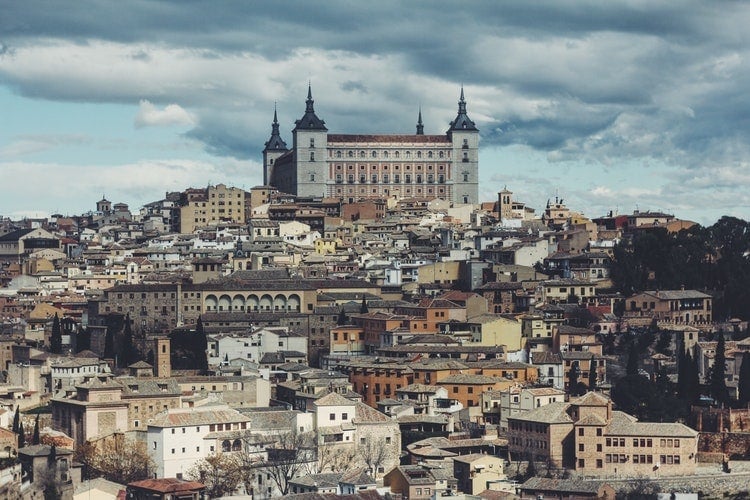
Fact: Spain has the third-highest number of UNESCO World Heritage Sites, including historic cities, remarkable landscapes, and unique cultural traditions.
Ancient Roman Influence
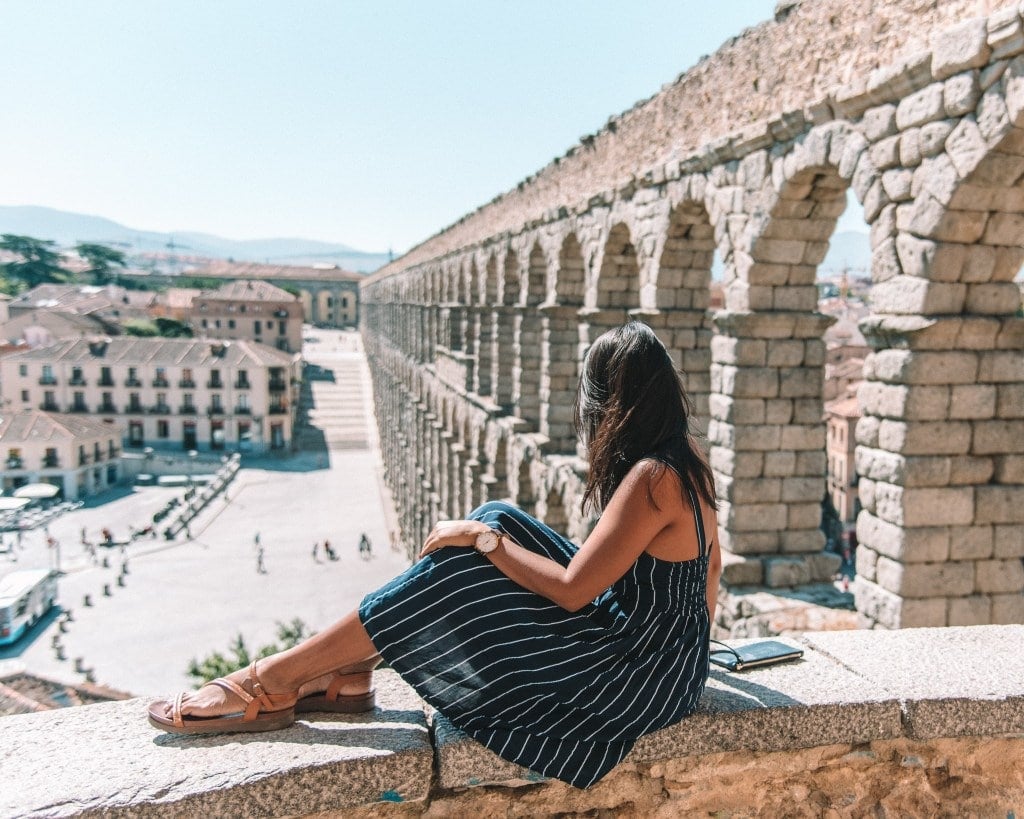
Fact: Spain boasts many well-preserved Roman structures, such as the Aqueduct of Segovia and the Roman Theatre in Mérida, reflecting its ancient history as part of the Roman Empire.
Geographic and Natural Wonders
Highest Capital in Europe
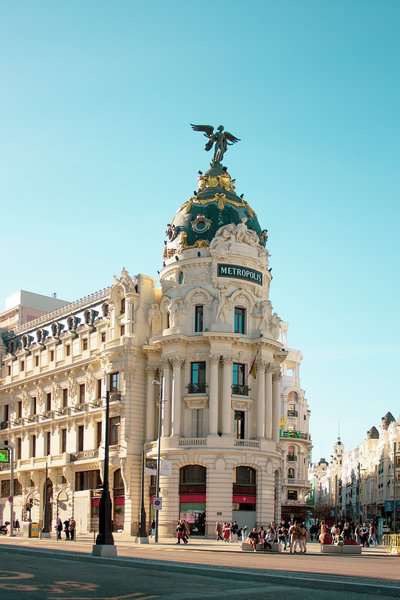
Fact: Madrid, located at 667 meters (2,188 feet) above sea level, is the highest capital city in Europe.
Mount Teide
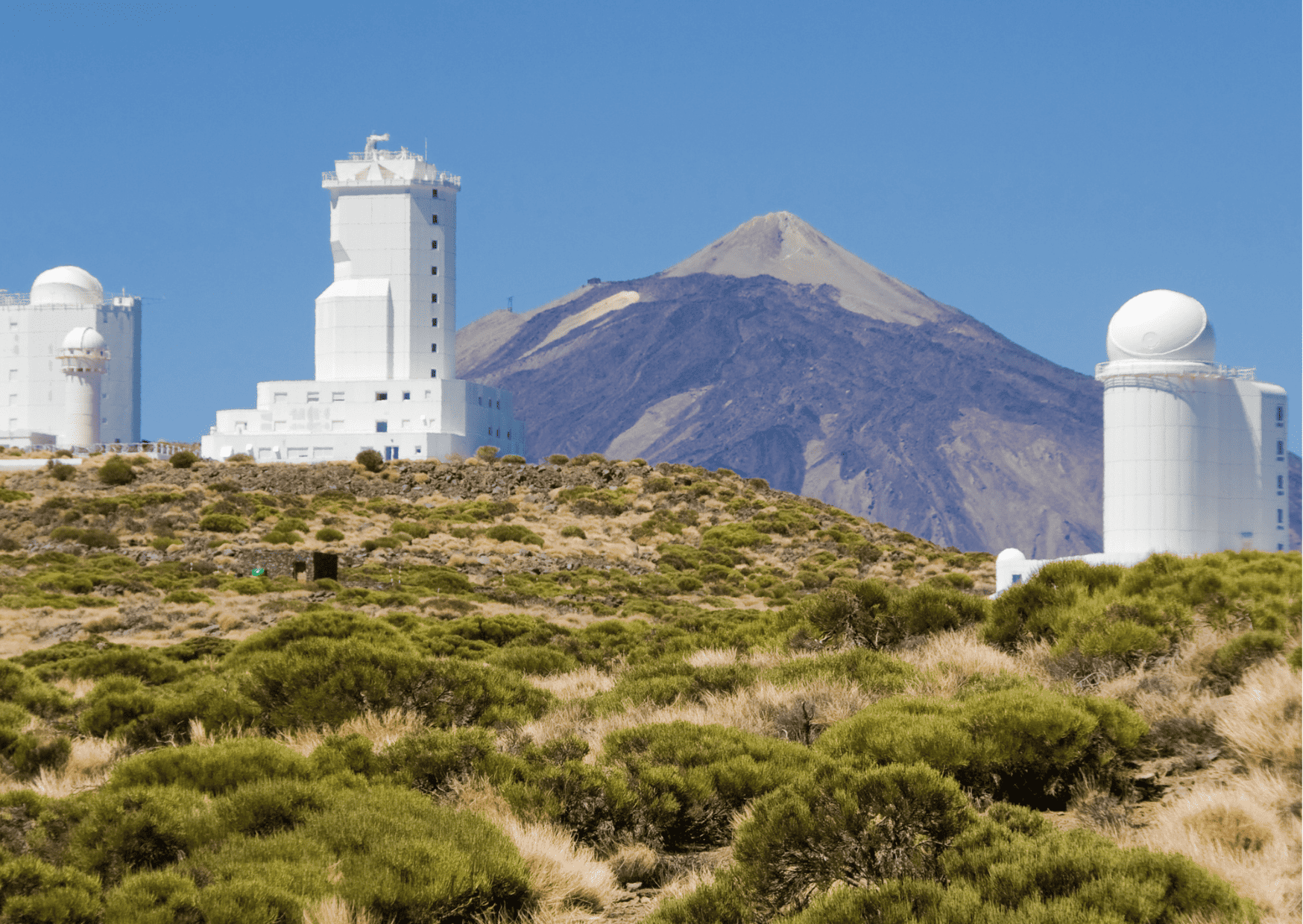
Fact: Mount Teide in Tenerife is Spain’s highest peak at 3,718 meters (12,198 feet) and is part of the Teide National Park, a UNESCO World Heritage Site.
Inland Beach
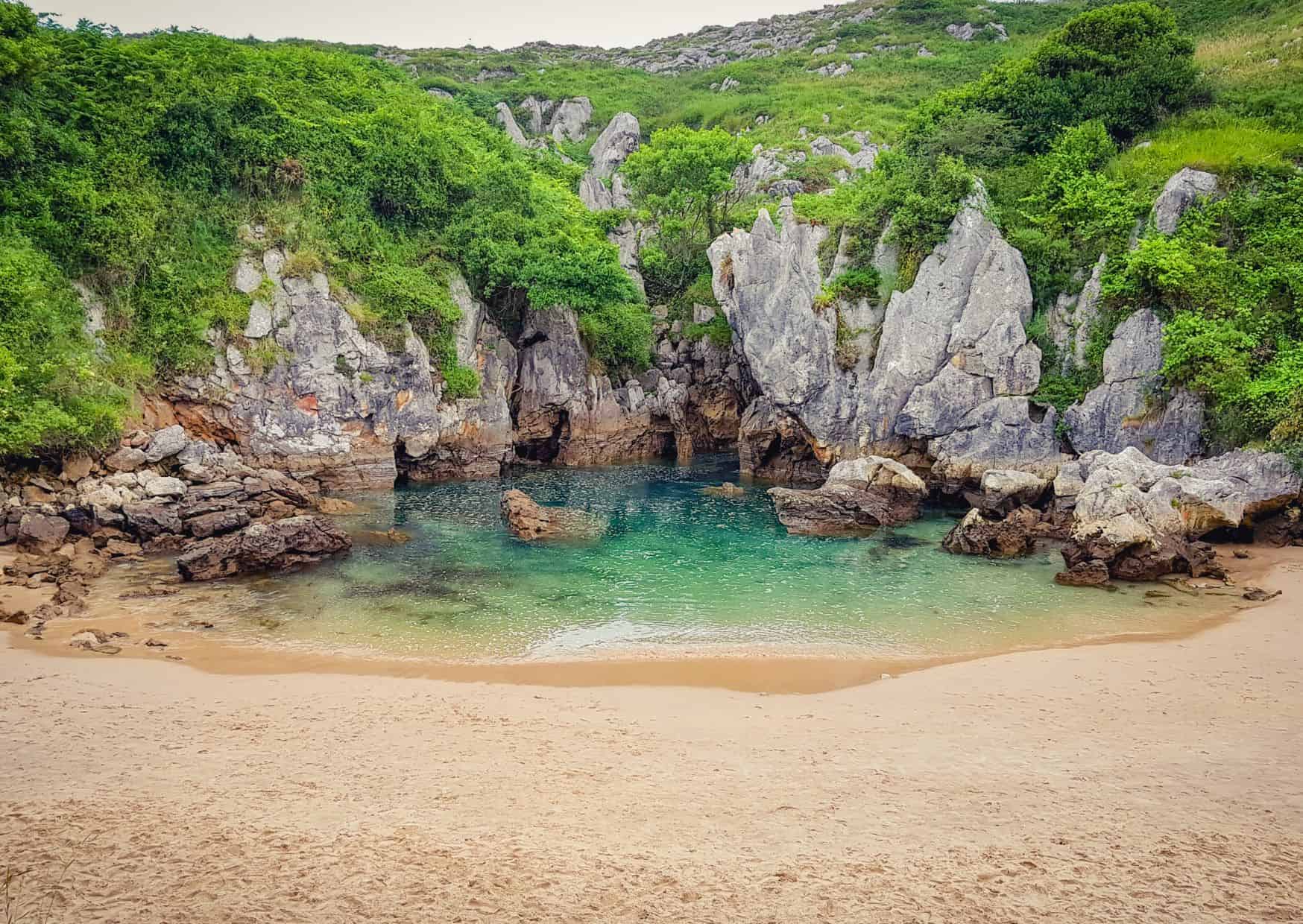
Fact: Playa de Gulpiyuri in Asturias is a unique inland beach connected to the sea by underground tunnels, making it a beach without a coastline.
Bizarre Desert Landscapes
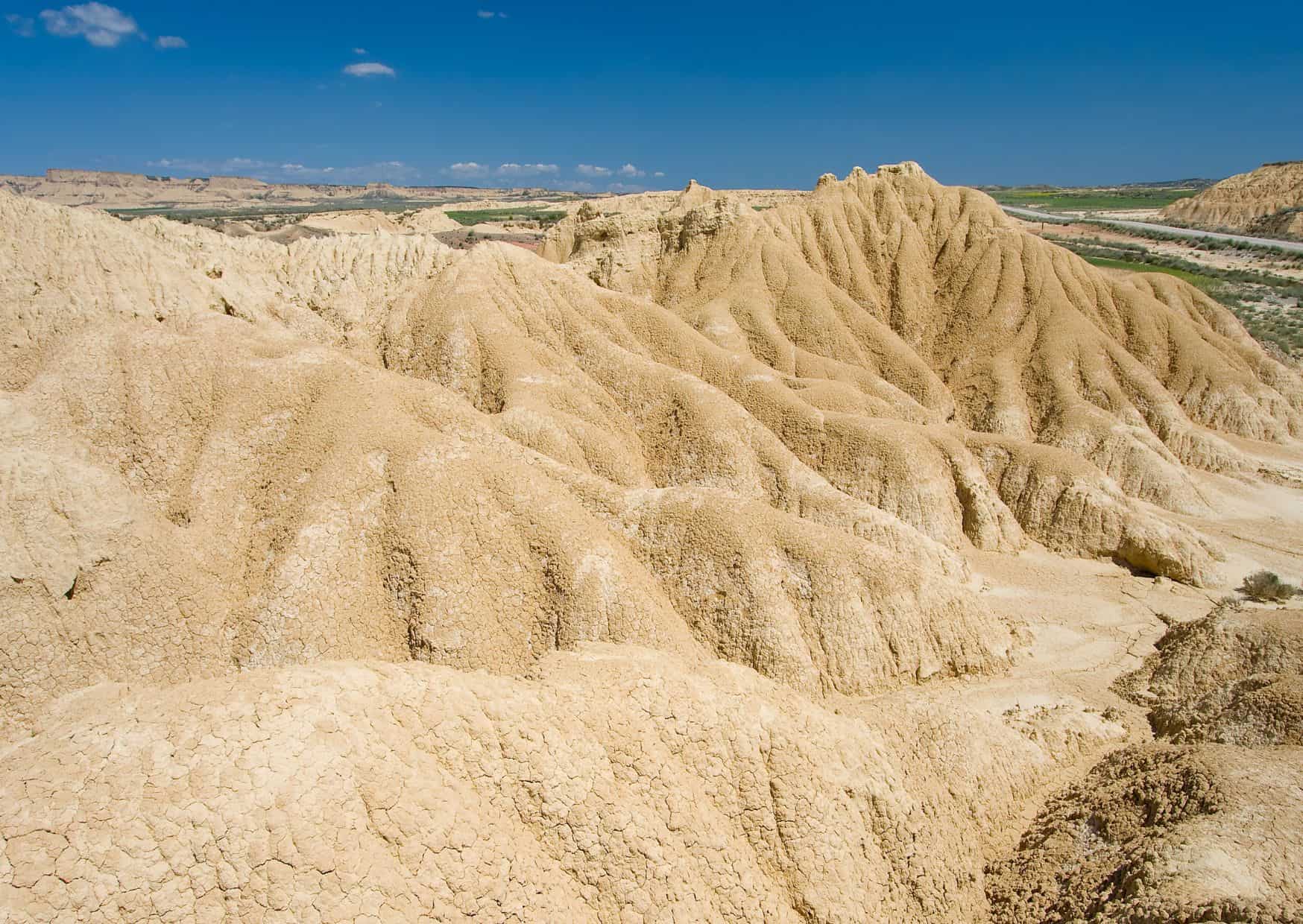
Fact: The Bardenas Reales in Navarre is a semi-desert region with unique, almost Martian landscapes, popular for hiking and photography.
First National Park
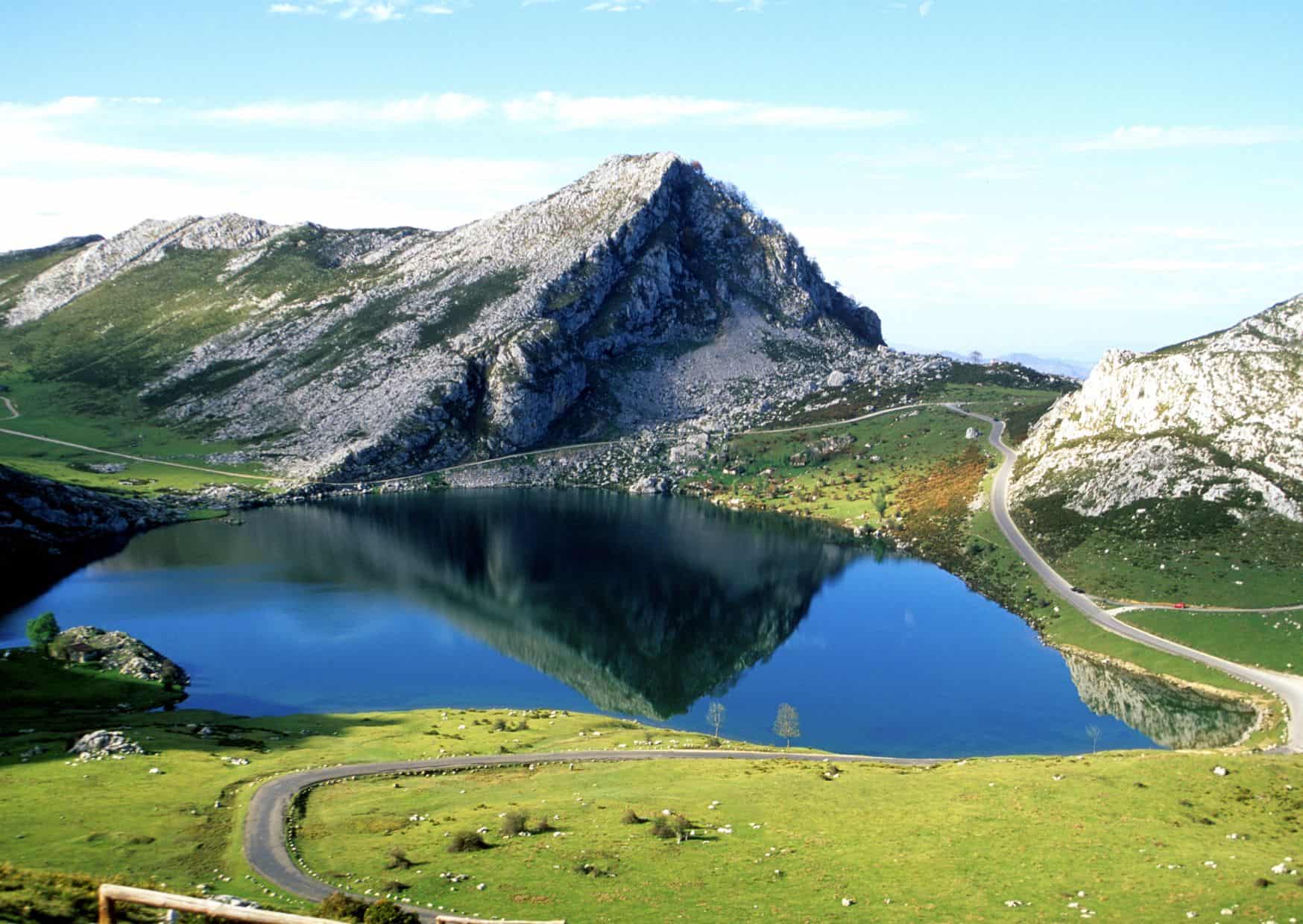
Fact: Picos de Europa, established in 1918, is Spain’s first national park, known for its rugged mountain terrain and rich biodiversity.
Unique Traditions and Festivals
World’s Largest Food Fight
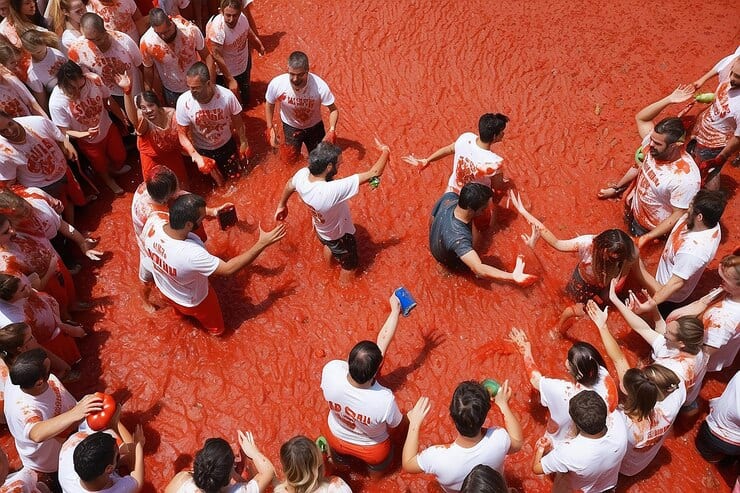
Fact: La Tomatina in Buñol, where participants throw tomatoes at each other, is the world’s largest food fight, attracting thousands of visitors each August.
Flamenco’s Deep Roots
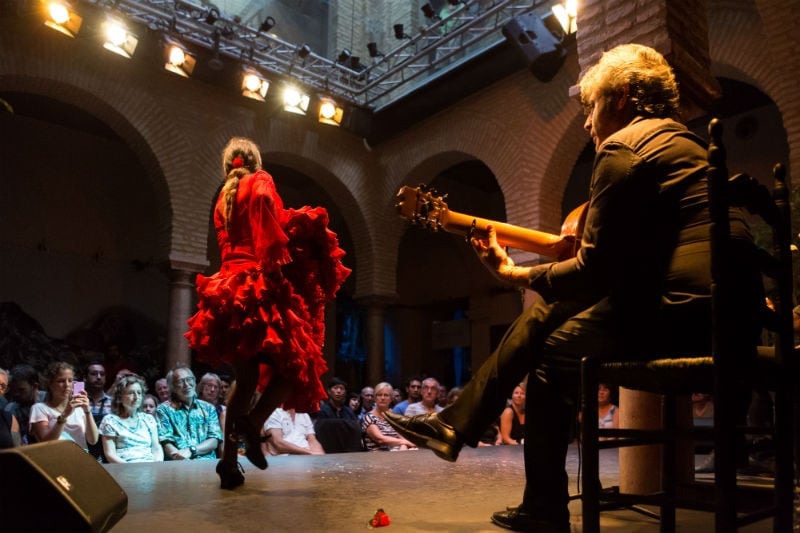
Fact: Flamenco music and dance, originating from Andalusia, is an integral part of Spanish culture and is recognized by UNESCO as an Intangible Cultural Heritage.
Running of the Bulls
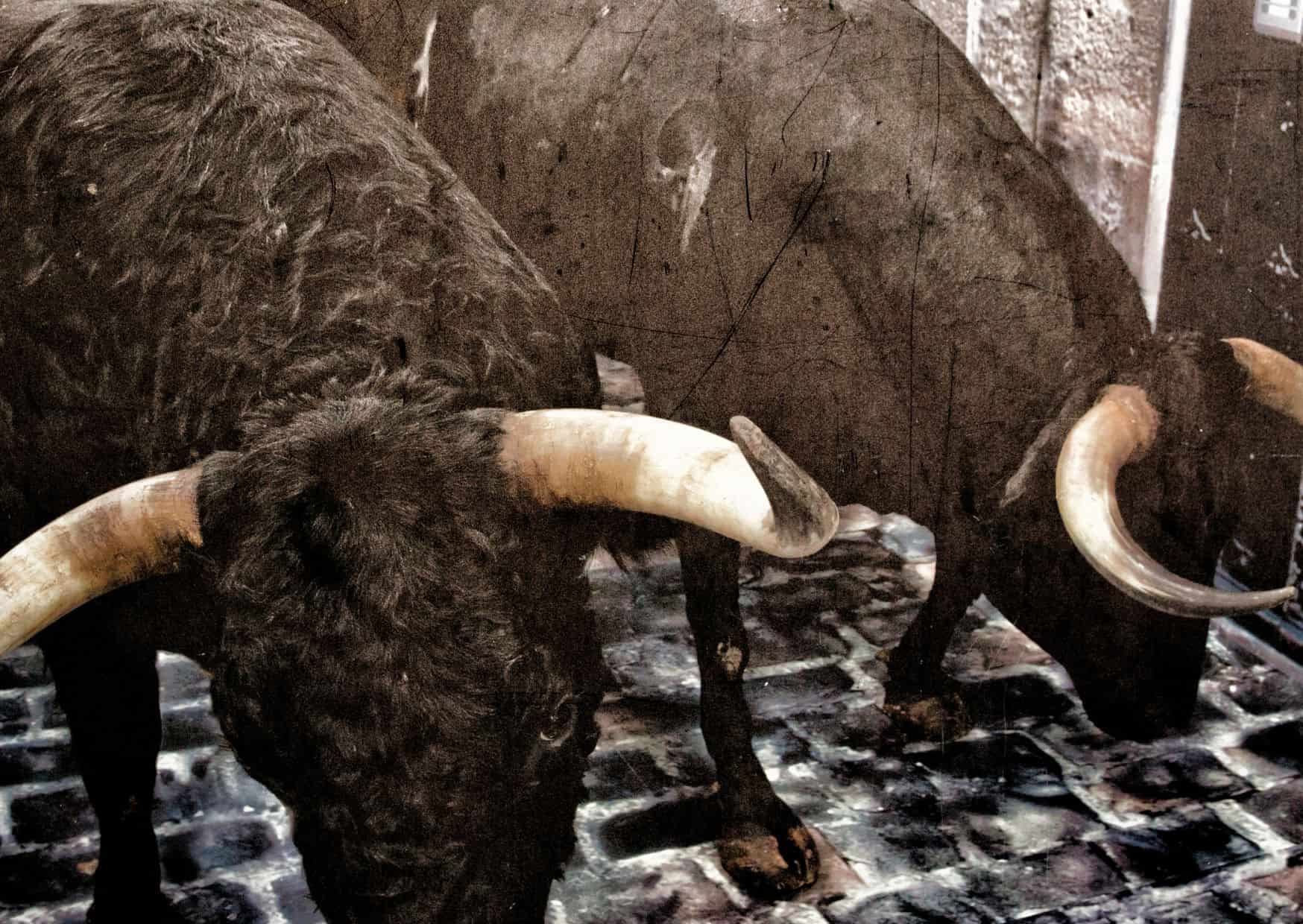
Fact: The San Fermín festival in Pamplona features the famous Running of the Bulls, a thrilling and dangerous event that draws global attention each July.
Human Towers
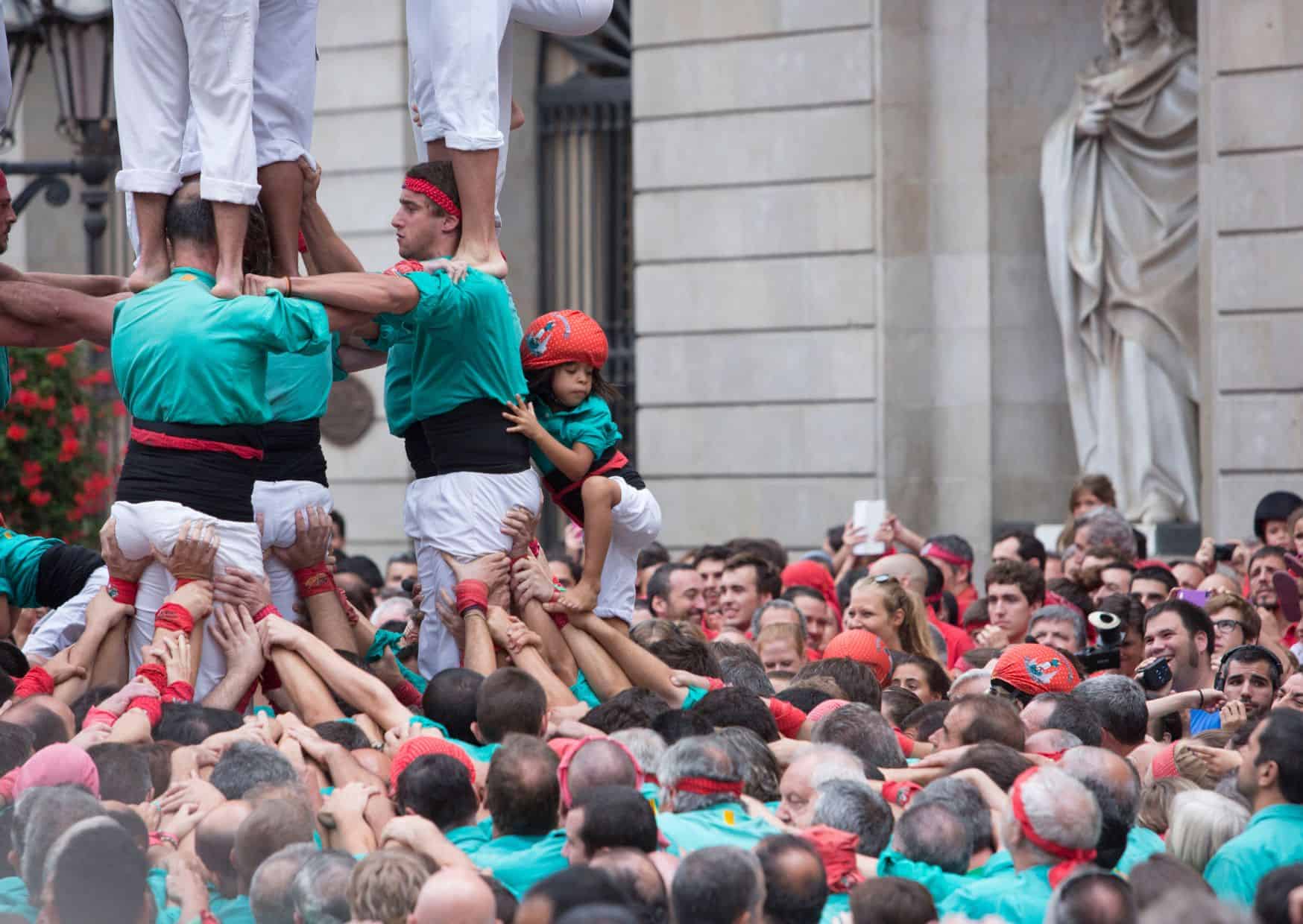
Fact: In Catalonia, the tradition of building human towers, or “castells,” can reach up to 10 tiers high and is a UNESCO-recognized cultural practice.
Culinary Surprises
Oldest Wine Region
Fact: La Rioja is one of the oldest and most prestigious wine regions in Spain, producing renowned wines since Roman times.
Inventors of Modern Tapas
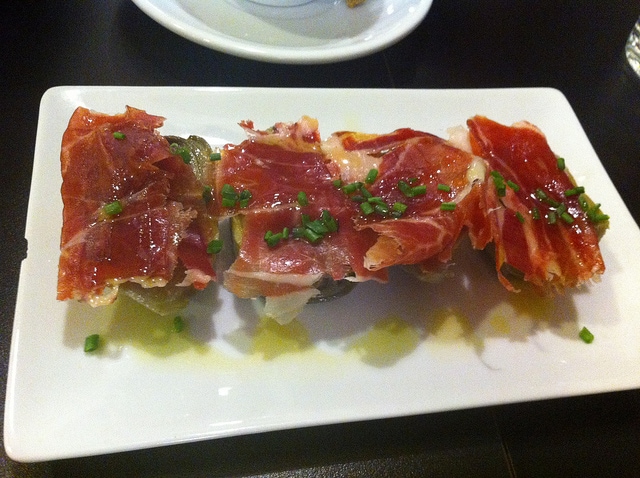
Fact: The tradition of tapas, small savory dishes, originated in Andalusia as slices of bread used to cover drinks to keep flies away.
Chocolate’s European Entry
Fact: Spain was the first European country to bring chocolate from the New World, introduced by Hernán Cortés in the early 16th century.
Cold Soup Delight
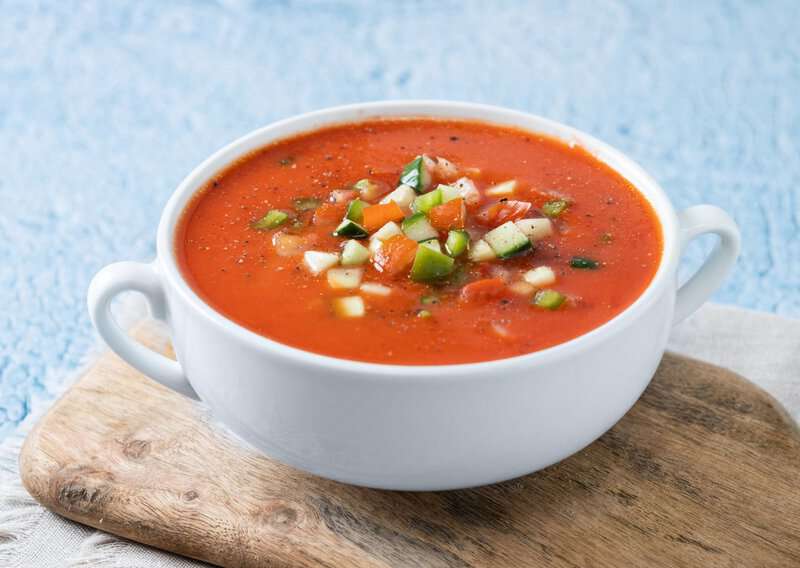
Fact: Gazpacho, a cold soup made from tomatoes, peppers, and cucumbers, originated in Andalusia and is a refreshing staple during summer.
Traditional Paella
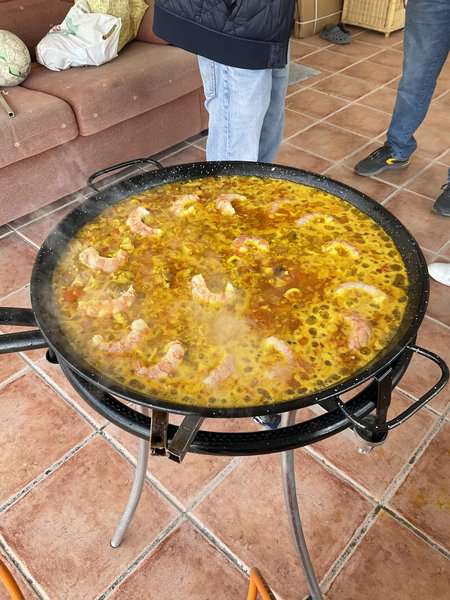
Fact: Paella, Spain’s iconic dish, originated in Valencia. The traditional recipe, Paella Valenciana, includes chicken, rabbit, and sometimes snails.
Architectural Marvels
Gaudí’s Masterpieces
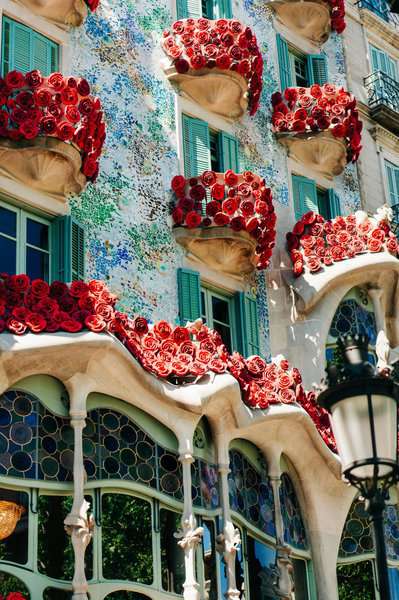
Fact: Antoni Gaudí, the renowned Catalan architect, designed iconic buildings in Barcelona, including the Sagrada Familia, Park Güell, and Casa Batlló, characterized by their unique organic shapes and vibrant colors.
Futuristic Valencia
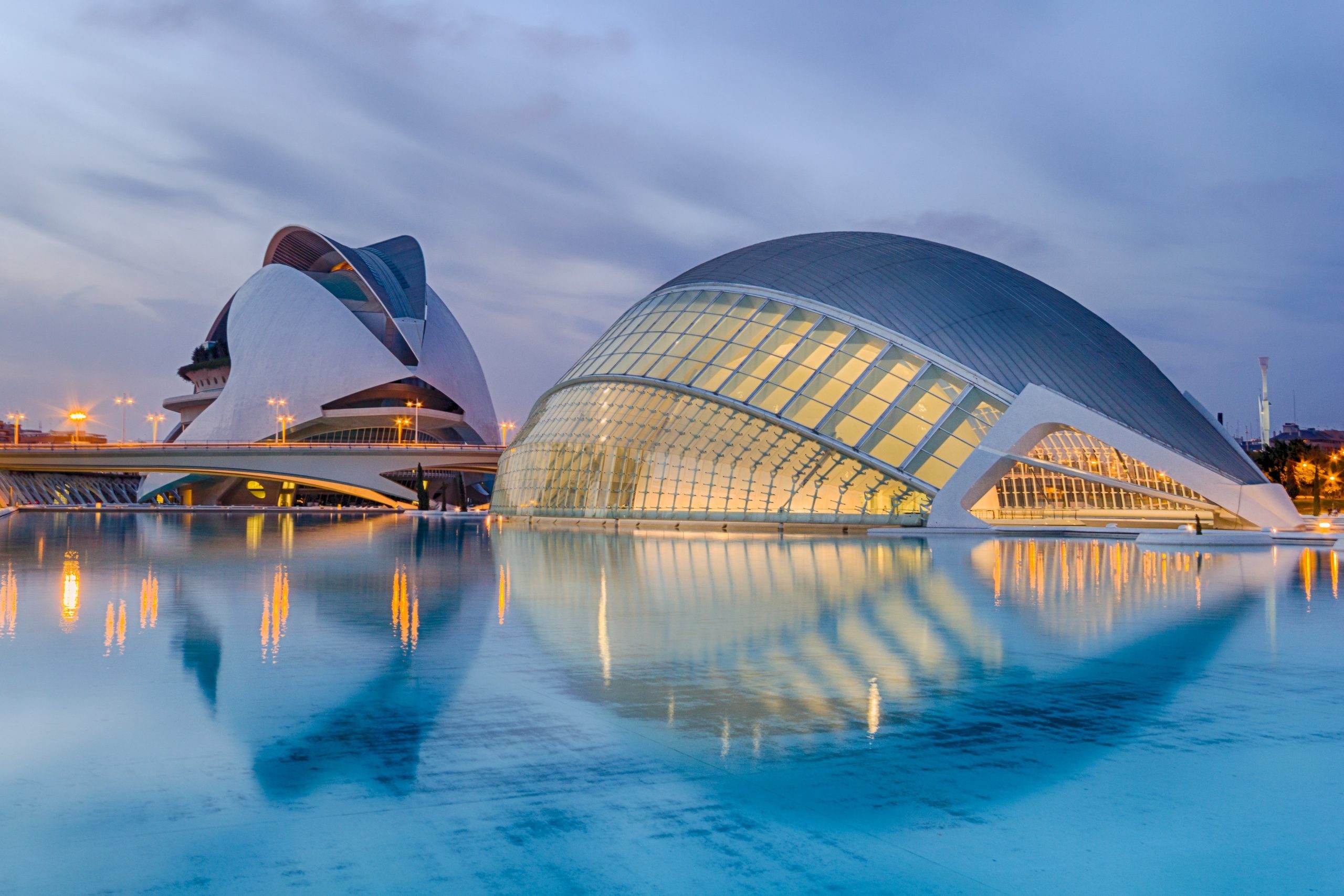
Fact: The City of Arts and Sciences in Valencia, designed by Santiago Calatrava and Félix Candela, features futuristic architecture including a planetarium, an oceanographic park, and a science museum.
White Villages
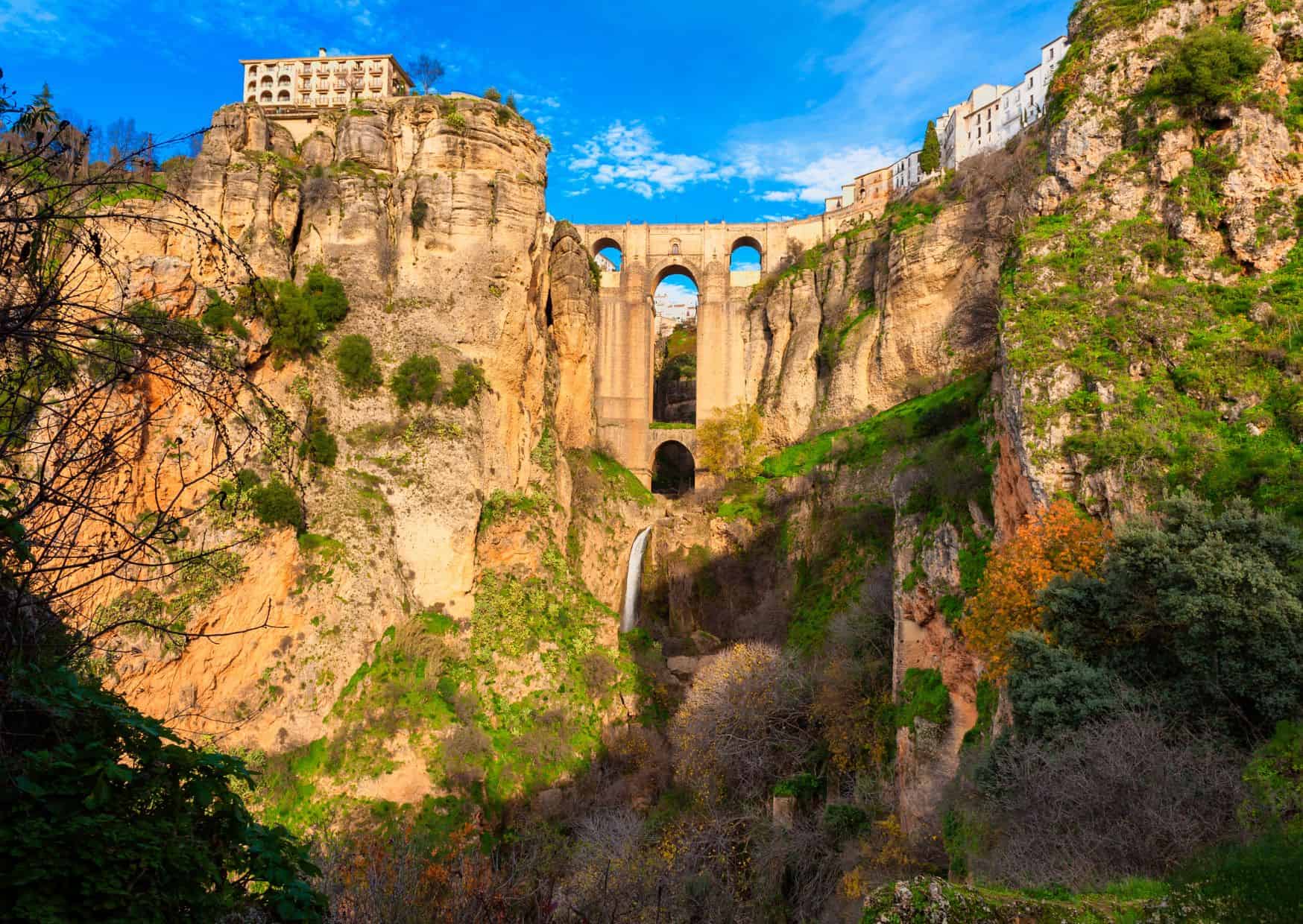
Fact: The Pueblos Blancos (White Villages) of Andalusia, such as Ronda and Mijas, are famous for their whitewashed buildings and picturesque hilltop settings.
Roman Aqueduct
Fact: The Aqueduct of Segovia, built in the 1st century AD, is one of the best-preserved Roman aqueducts and a marvel of ancient engineering.
Modern Art Museum
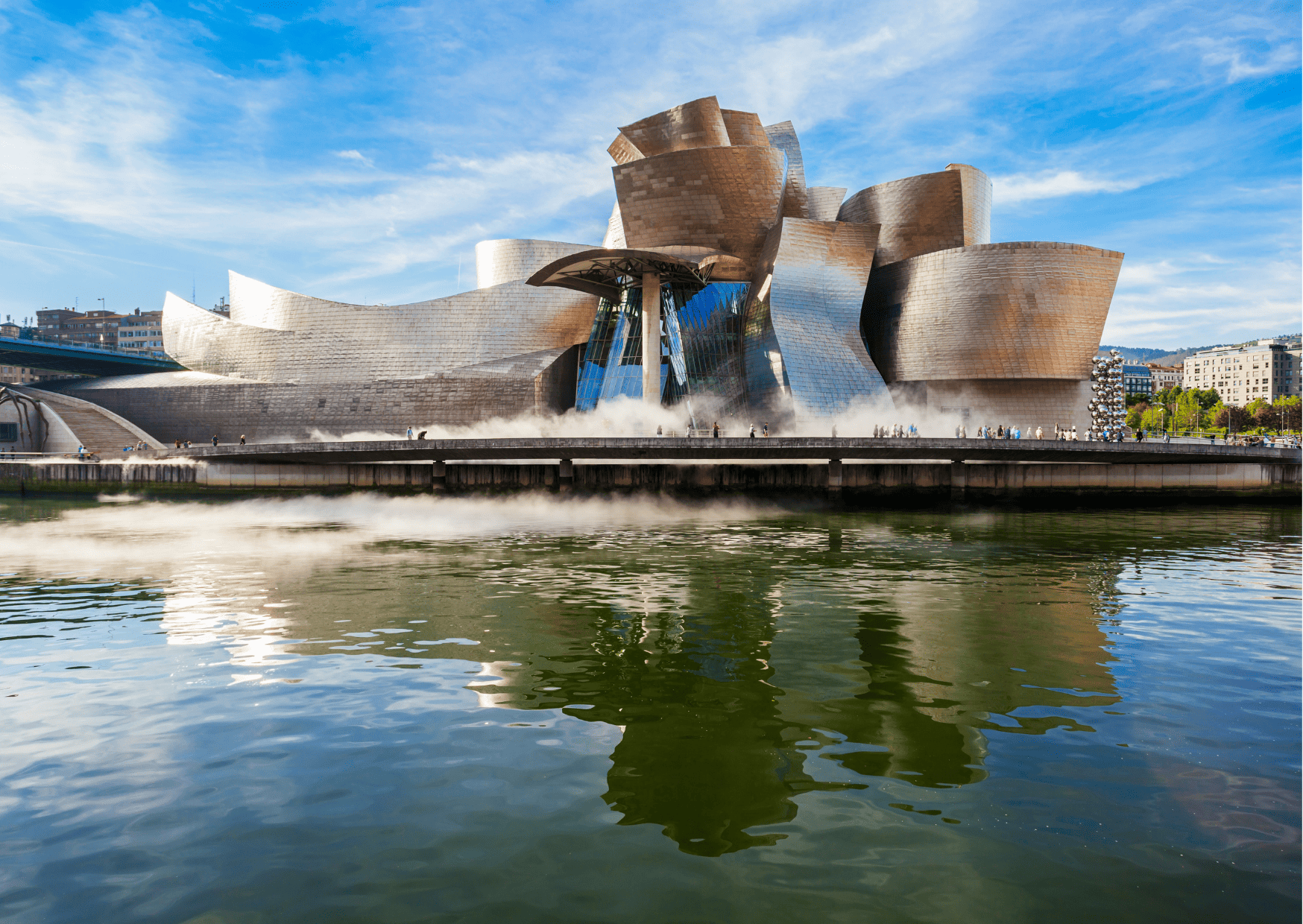
Fact: The Guggenheim Museum in Bilbao, designed by Frank Gehry, is celebrated for its innovative architecture and houses a significant collection of modern and contemporary art.
Fun and Quirky Facts
Tooth Fairy Tradition
Fact: Instead of a tooth fairy, Spanish children have Ratoncito Pérez, a little mouse who leaves gifts in exchange for lost teeth.
Siesta Culture
Fact: The siesta, a traditional mid-afternoon nap, is still observed in many parts of Spain, especially in rural areas, with businesses often closing from around 2 PM to 5 PM.
Setenil de las Bodegas
Fact: The village of Setenil de las Bodegas is unique for its houses built into and under large rock formations, creating a street-less environment.
Dangerous Walkway
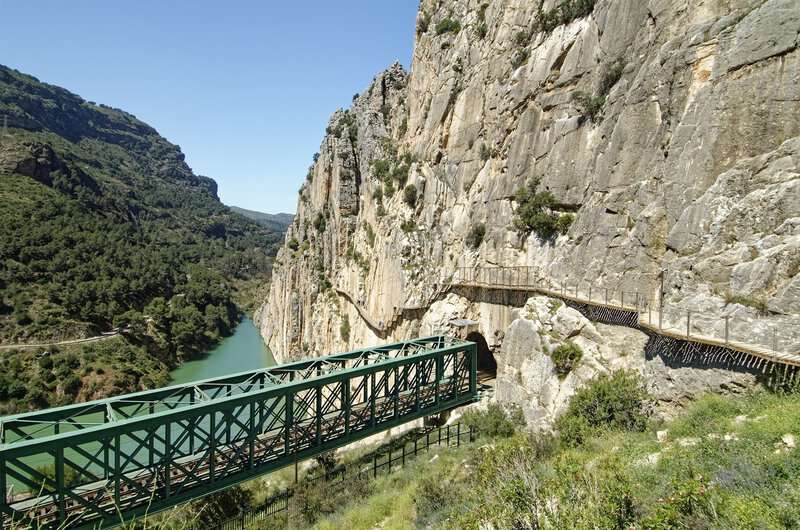
Fact: El Caminito del Rey, once known as the world’s most dangerous walkway, is now a renovated trail offering stunning views of the surrounding gorge.
Modern Spain
Advanced Rail Network
Fact: Spain’s AVE high-speed rail network is one of the longest in the world, connecting major cities like Madrid, Barcelona, and Seville with rapid transit times.
Renewable Energy
Fact: Spain is a leader in renewable energy, particularly wind power, which frequently covers a significant portion of the country’s electricity needs.
Gastronomic Innovators
Fact: Spain is home to numerous Michelin-starred restaurants and innovative chefs like Ferran Adrià and the Roca brothers, who are at the forefront of modern cuisine.
Orange Production
Fact: Valencia is known as the “Orange Blossom Coast” due to its extensive orange groves, making Spain one of the largest producers of oranges in the world.
Lesser-Known Destinations
Garrotxa Volcanic Zone
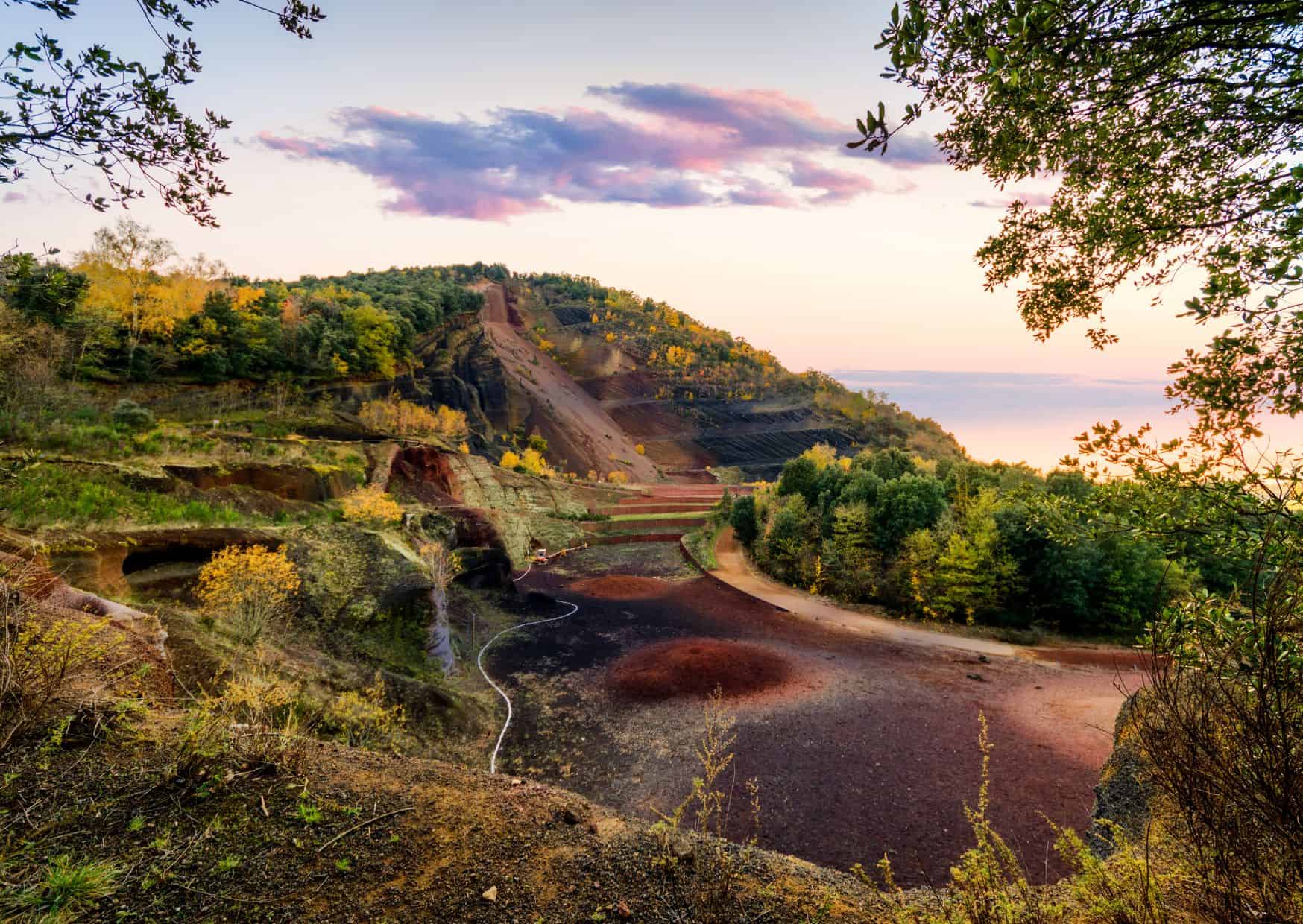
Fact: This natural park in Catalonia features extinct volcanoes and lush forests, offering excellent hiking trails and scenic views.
Delta de l’Ebre
Fact: A unique wetland area in Catalonia known for its diverse birdlife, rice fields, and beautiful delta landscapes.
Pallars Sobirà
Fact: A region in the Pyrenees known for its stunning mountain scenery, outdoor activities like rafting and skiing, and picturesque villages.
Final Thoughts
Spain’s charm lies not just in its famous landmarks, but in its little-known details—the traditions you stumble upon, the everyday habits of locals, and the stories hidden behind its festivals and foods. Learning these facts before you visit can make your experience more immersive and rewarding.
The more you understand Spain beyond the tourist brochures, the more you’ll connect with it on a personal level. It’s in those “aha” moments—when you realize why lunch starts so late or why certain holidays are celebrated—that you truly start to feel part of the culture.
So, take these 40 facts as more than trivia—they’re your entry point into seeing Spain not just as a destination, but as a living, breathing patchwork of history, people, and traditions.

About the Author: Ruben, co-founder of Gamintraveler.com since 2014, is a seasoned traveler from Spain who has explored over 100 countries since 2009. Known for his extensive travel adventures across South America, Europe, the US, Australia, New Zealand, Asia, and Africa, Ruben combines his passion for adventurous yet sustainable living with his love for cycling, highlighted by his remarkable 5-month bicycle journey from Spain to Norway. He currently resides in Spain, where he continues sharing his travel experiences with his partner, Rachel, and their son, Han.